


Site Admin
38. Bill Lee
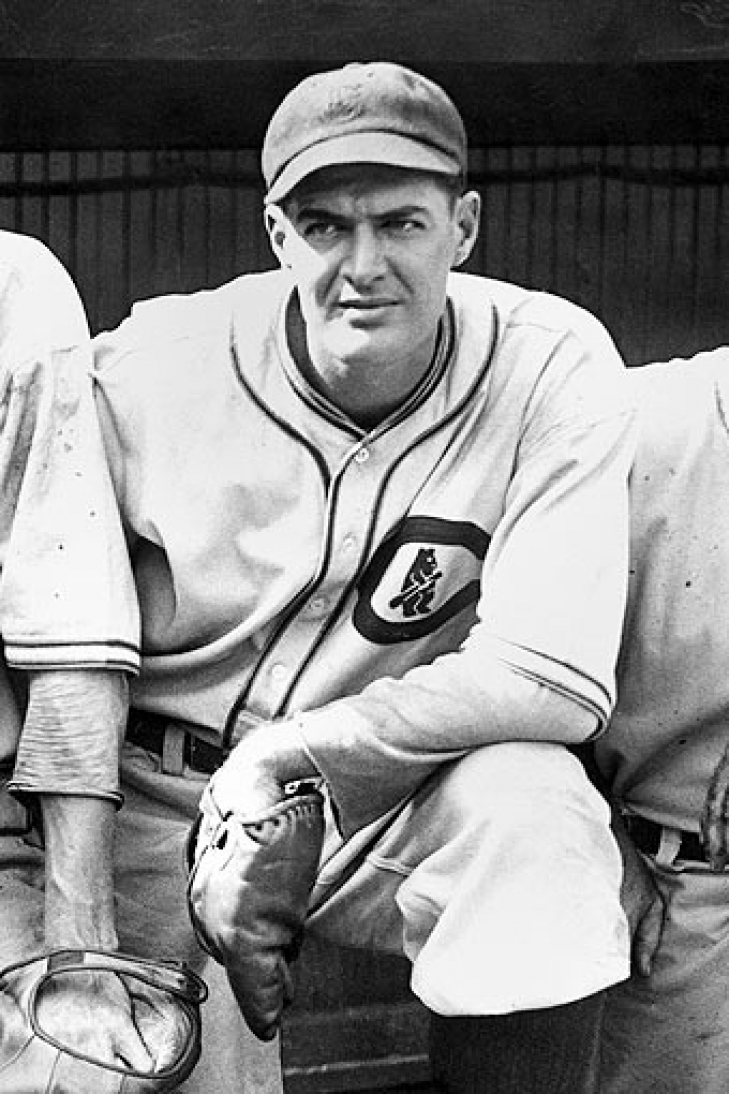
A trade with the Cardinals in 1933 brought the Louisiana right-hander to Chicago, and he wasted no time maturing into a cornerstone of the staff. Lee quickly shed any "prospect" labels by establishing a baseline that the North Side hadn't seen in years. From 1935 to 1939, he was a metronome of productivity, rattling off four separate seasons with at least 18 wins. He arrived as a young arm with a "jug-handle" curve and immediately became the stabilizing force for a roster that captured the 1935 pennant behind a historic 21-game winning streak.
The absolute pinnacle of his residency arrived in 1938, a season so profound that he was the consensus choice for the best pitcher in the game. That year, Lee led the National League in wins (22), ERA (2.66), shutouts (9), and ERA+ (144). and 8.0 bWAR—the highest for any pitcher in the league, and a second-place finish in the MVP voting. He was the primary architect of the "Homer in the Gloamin'" pennant race, at one point hurling four consecutive shutouts to tie a league record and drag the Cubs back into the thick of the race.
Consistency remained his trademark even as the decade turned. Lee was a two-time All-Star who was a quiet, durable workhorse. He was the rare pitcher who could bridge the gap between high-volume innings and elite run suppression, ultimately winning 139 games in a Cubs uniform, a total that still ranks among the top ten in the long history of the organization. Whether he was saving games in the 1935 World Series or leading the league in starts, he was the arm the organization leaned on when the stakes were highest.
The final chapters of his Chicago story were written during a brief return in 1947, following stints in Philadelphia and Boston. He left the city as a beloved figure of the pre-war era, a man whose 1938 campaign remains one of the most statistically perfect seasons in the annals of Wrigley Field.
35. King Kelly
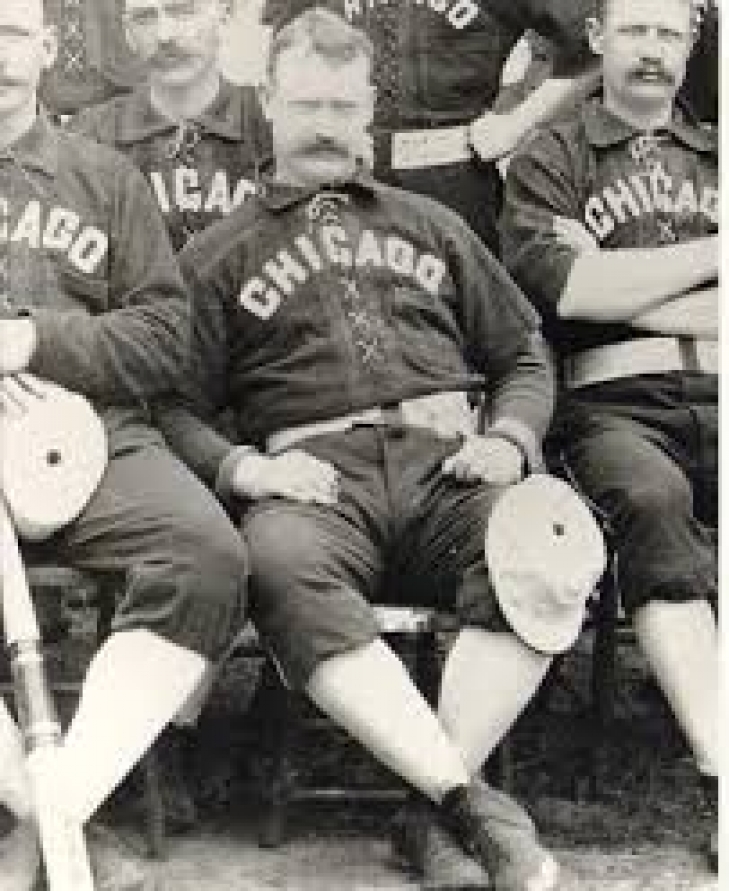
Chicago’s offense in the 1880s operated with a swagger that began and ended with the man they called "The King." Kelly brought a cerebral, almost mischievous quality to the plate, maturing into a hitter who understood how to manipulate the rules and the opposition to his advantage. His tenure reached a historic peak in 1884 and again in 1886, seasons of undeniable dominance where he captured the National League batting title and led the circuit in on-base percentage. He wasn't just a contact hitter; he was a run-scoring machine who led the league in that category three times, finishing his Chicago stay with a robust .316 average.
The weight of his Chicago stint was measured in pennants. With Kelly anchoring the lineup and the clubhouse, the White Stockings captured five championships, a run of success that many historians believe would have been impossible without his innovative baserunning and situational hitting. He was a two-time leader in doubles, proving he could drive the ball into the gaps of the early parks with ease. He arrived as a versatile talent and quickly became the emotional heartbeat of a city that was falling in love with the game, famously inspiring the hit song "Slide, Kelly, Slide."
Despite his massive popularity and production, the organization shocked the baseball world following the 1886 campaign by selling his contract to the Boston Beaneaters for the then-unheard-of sum of $10,000. This "$10,000 Beauty" trademarked the conclusion of his Chicago chapter, though his impact on the franchise's record books remained indelible. He left the city as a folk hero, a man who had proven that personality and performance could combine to create a legitimate cultural icon.
Recognition for his status as a pioneer of the professional game arrived in 1945, when the Old Timers’ Committee elected him to the Baseball Hall of Fame. Decades later, the Cubs solidified his place in the pantheon of North Side greats by naming him an inaugural member of the team Hall of Fame in 2021. He remains the gold standard for the "showman" archetype, a player who showed that you could be the most entertaining man on the field while simultaneously being the most dangerous.
34. Bob Rush
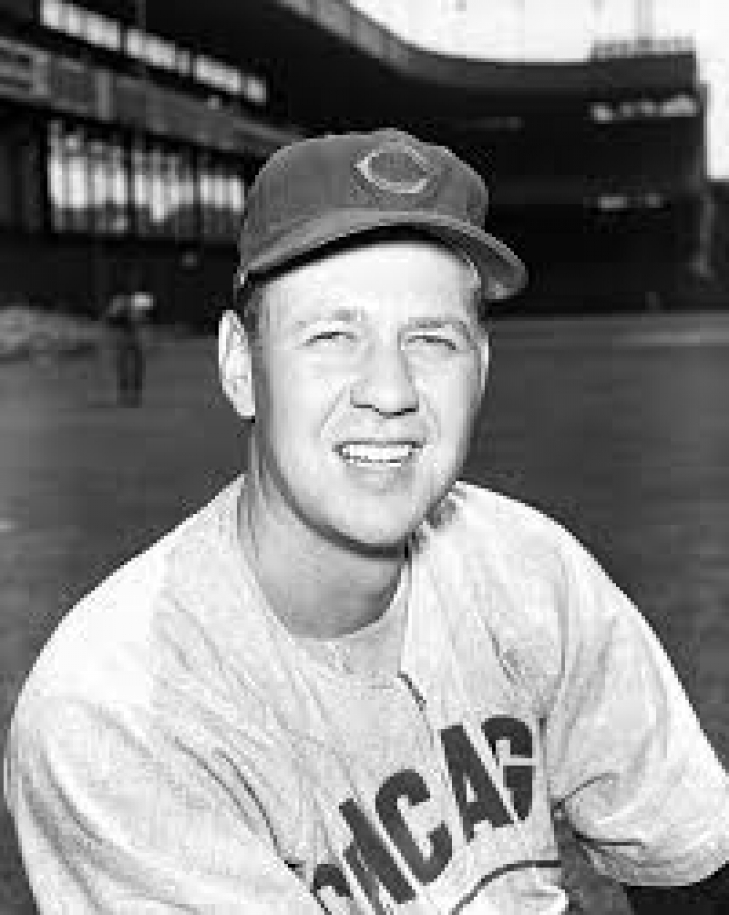
Wrigley Field in the early 1950s was often a place of individual brilliance set against a backdrop of collective struggle, and no player embodied that reality more than Rush. He surfaced as the undisputed ace of a staff that desperately needed a stabilizing force, maturing into a threat despite a lack of run support. His career record of 110-140 is a classic example of how a box score can mask true value; a deeper look at his advanced stats reveals a pitcher who finished in the top ten in bWAR for pitchers four different times during his Chicago residency.
The peak of his efficiency was marked by a relentless ability to miss bats. Rush was a strikeout artist in a decade when contact was king, ranking among the league's top 10 in punchouts four times. He surpassed the 1,000-strikeout milestone in a Cubs uniform, finishing with 1,076 and earning two All-Star selections as a testament to the respect he commanded from his peers. He brought a workhorse approach to every start, frequently leading the team in innings pitched and complete games, serving as the rare player who could keep the North Side competitive on any given afternoon.
Rush was defined by a quiet, professional resilience. He never complained about the lack of offensive help; he simply took the ball every fourth day and provided a level of stability that stood out as a beacon of quality in the 1950s. Whether he was baffling hitters with his hard stuff or laboring through a deep count to secure a victory, he was the gold standard for Cubs pitching for a decade. He proved that greatness isn't always reflected in a winning percentage, but in the consistency of the effort and the quality of the stuff.
The final chapter of his Chicago tenure came in 1957, when he was traded to the Milwaukee Braves. He left the city as one of the most respected right-handers of his generation, a man who had authored a statistical resume that stood up to the scrutiny of the most advanced modern metrics.
33. Ed Williamson
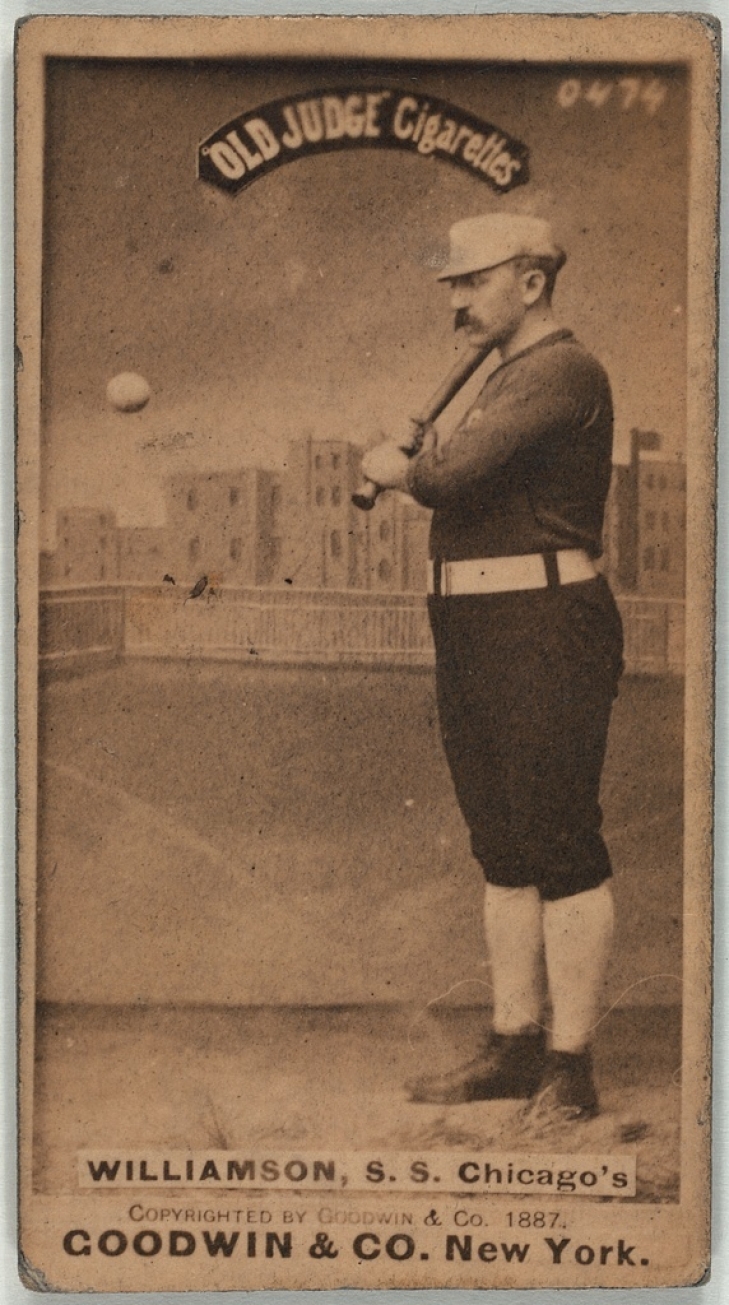
Chicago’s 1880s dynasty derived its defensive spine from a man whose reflexes were considered supernatural by his peers. Williamson established himself as a tactical anchor almost immediately, shifting between third base and shortstop without losing a step of his elite efficiency. His impact in the field was statistically staggering; he twice led the National League in defensive bWAR and consistently ranked among the top five throughout his decade-long stay. Had the Gold Glove existed in the age of the horse and buggy, his trophy case would have been overflowing, as he led the league in assists six times and double plays turned on five occasions.
Reliability remained his calling card at the plate, even if his glove was his primary tool. His offensive output reached a historic crescendo in 1884 when he benefited from a temporary ground-rule change at Chicago's home park to blast 27 home runs. That total was so massive for the era that it stood as the single-season major league record for 35 years until it was finally eclipsed by Babe Ruth. Beyond that power surge, he was a disciplined hitter who finished in the top ten in on-base percentage five different times. He provided the identity of a high-IQ contributor who understood that a walk was just as lethal as a long ball when it came to fueling a championship rally.
Williamson was the rare player who could dominate a game without ever picking up a bat, using his defensive range to kill rallies before they could even begin. He concluded his Chicago residency with over 1,000 hits and a reputation as the most complete infielder of his generation. While his 27-homer season remains a fascinating historical outlier, the true weight of his legacy was found in the thousands of outs he recorded with a glove that seemed to have its own gravitational pull.
The curtain came down on his time in Chicago following the 1889 season, marking the end of an era for the most successful infield in early baseball history.