


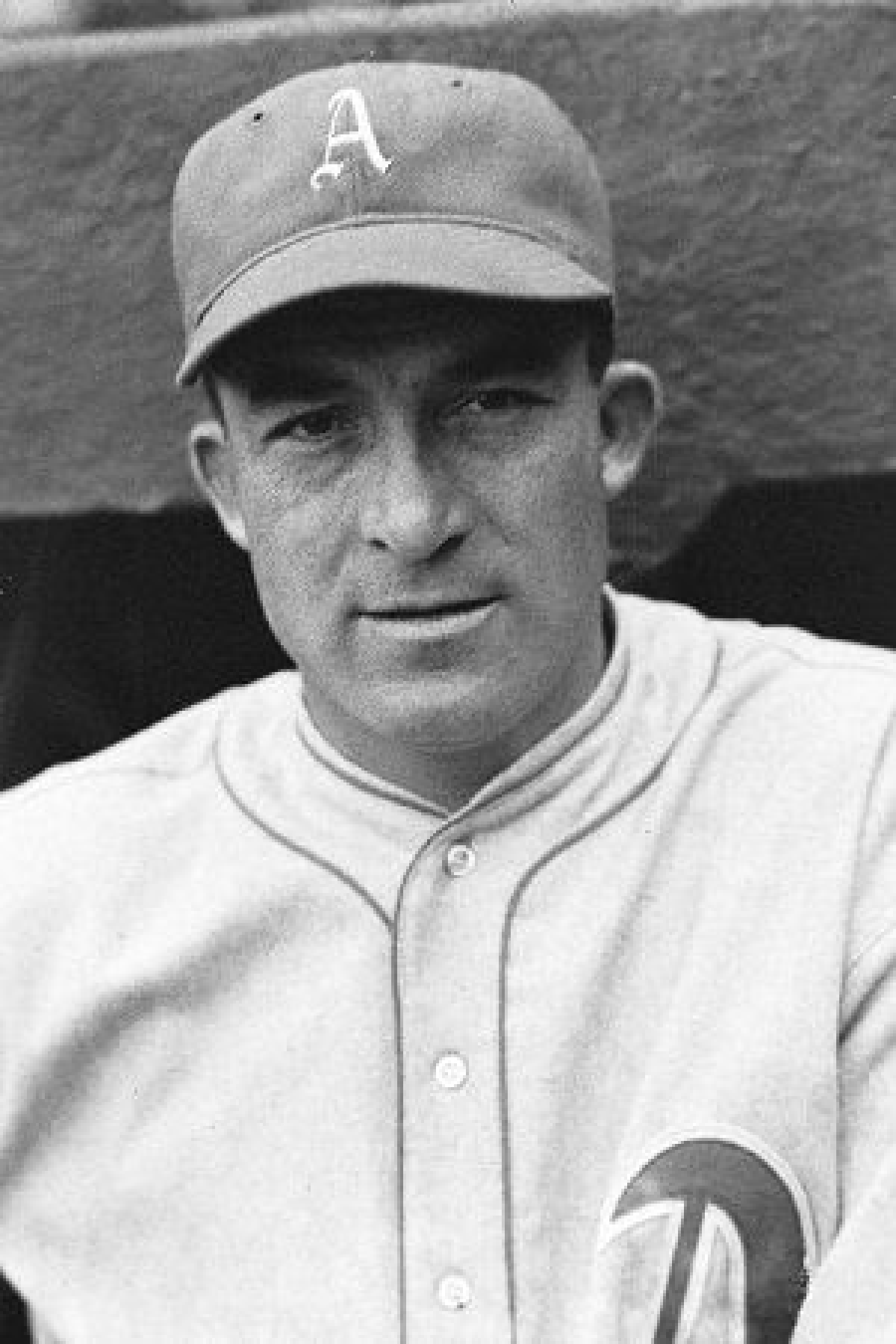



Al Simmons joined Philadelphia in 1924 after a standout run in the American Association, a right-handed outfielder with a peculiar "bucket-foot" hitting style that saw him step toward third base as he swung. While coaches initially tried to correct his localized mechanics, Connie Mack recognized a natural professional mainstay and let him be. As often was the case, Mack was right.
Following an impressive rookie campaign, Simmons achieved a historic milestone in 1925 by leading the American League with 253 hits and an exceptional .387 batting average. He concluded the season as the runner-up in the MVP race, solidifying his reputation as a formidable figure of the era who merged refined bat control with considerable power. In 1927, he attained another level of excellence by posting a career-high batting average of .392.
Simmons reached his ultimate peak between 1929 and 1931, establishing a lineup that secured three consecutive American League pennants. He delivered the high-impact performance that contributed to back-to-back World Series victories in 1929 and 1930, batting above .300 with multiple home runs in each Series. During this period, he demonstrated comprehensive mastery of the league, winning consecutive batting titles in 1930 (.381) and 1931 (.390). Over this three-year span, he averaged more than 150 RBIs per season, acting as the strategic centerpiece of a team often regarded by historians as comparable to the esteemed '27 Yankees.
Following the 1932 season, due to the localized economic pressures of the Great Depression. In a move that signaled the end of the dynasty, Connie Mack sold his contract to the Chicago White Sox as part of a $100,000 package deal. As an Athletic, Simmons would collect 1,827 Hits and belted 209 Home Runs with a Slash Line of .356/.398/.584.
Simmons would enter the Baseball Hall of Fame in 1953. Years later, in 1981, Simmons was inducted into the Philadelphia Baseball Wall of Fame and, in 2021, into the Athletics Hall of Fame.

Comments powered by CComment