

20. Thurman Munson
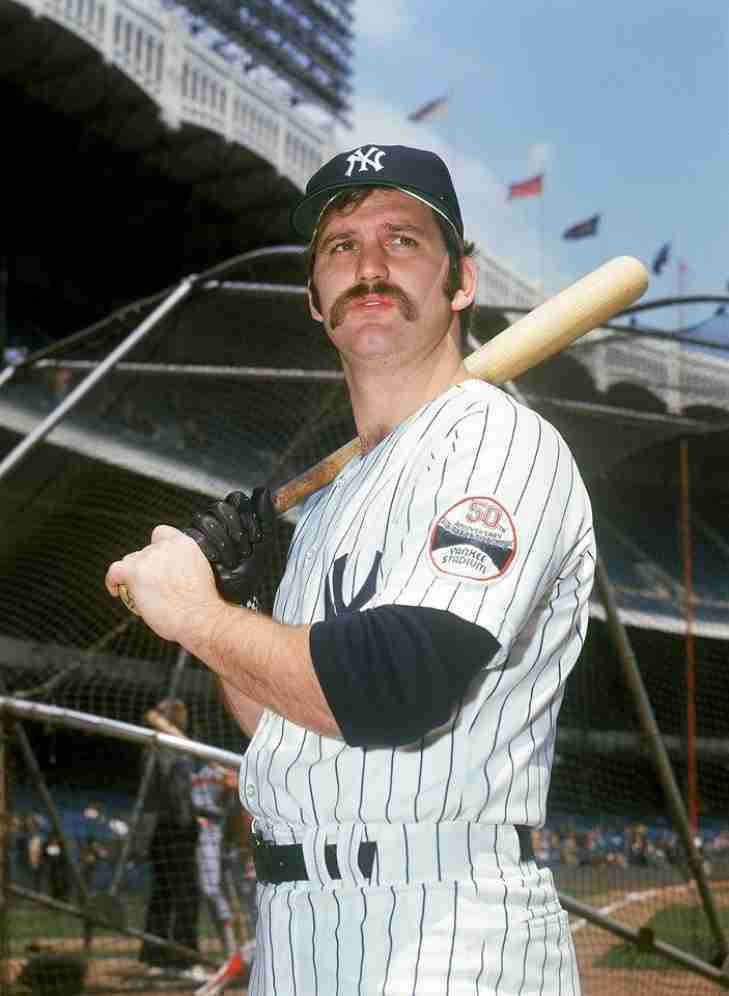
When the Yankees chose Thurman Munson in the first round of the 1968 draft, they were not only selecting a highly skilled catcher from Kent State but also embodying the spirit of a new generation. Munson, a stocky and straightforward individual with a thick mustache, displayed a blue-collar determination that won over the Bronx fans. He played with unmatched fervor, diving into plays behind the plate, and eventually became the first team captain in pinstripes since Lou Gehrig.
His professional ascent was immediate and historic. Stepping into the everyday catching role, Munson earned the 1970 American League Rookie of the Year award after posting an impressive .302 batting average. Over the subsequent decade, he developed a remarkable regular-season record that exemplified a perfect balance of exceptional defensive skills and superior offensive output. He received three consecutive Gold Glove Awards from 1973 to 1975, showcasing an extraordinarily powerful arm that effectively neutralized opposing running plays. At the plate, Munson demonstrated exemplary situational hitting, surpassing the .300 batting average threshold five times and achieving three consecutive seasons with 100 or more RBIs from 1975 to 1977.
The offensive and defensive peak achieved its highest point during the 1976 season. Munson propelled the Yankees into the postseason for the first time in twelve years, batting .302 with 17 home runs and 105 RBIs. His outstanding, leadership-by-example performance earned him the 1976 American League Most Valuable Player award.
As October arrived, Munson truly shined as a big-game hero. He led the Yankees to three straight pennants and two World Series titles in 1977 and 1978, giving opposing pitchers a tough time. He safely reached base in all seven games of the 1977 Fall Classic and posted a remarkable .357 batting average with 22 RBIs over 30 postseason games, handling the biggest moments in baseball with the ease of a casual game in the backyard.
Sadly, an abrupt, catastrophic event in the afternoon transpired, irrevocably shattering the heart of the city. On August 2, 1979, during a routine mid-season rest day, Munson was practicing takeoffs and landings in his private Cessna Citation jet at Akron-Canton Airport in Ohio, seeking to be near his family. The aircraft contacted the treetops and crashed short of the runway, resulting in the instantaneous death of the 32-year-old captain and plunging the entire baseball community into profound mourning.
The immediate local response was an unprecedented wave of reverence. Deeply shaken by the loss of his close friend and leader, owner George Steinbrenner retired Munson’s iconic number 15 jersey on August 4, 1979, and kept his locker vacant, which stood untouched for nearly three decades before entering the Yankees Museum.
21. Robinson Cano
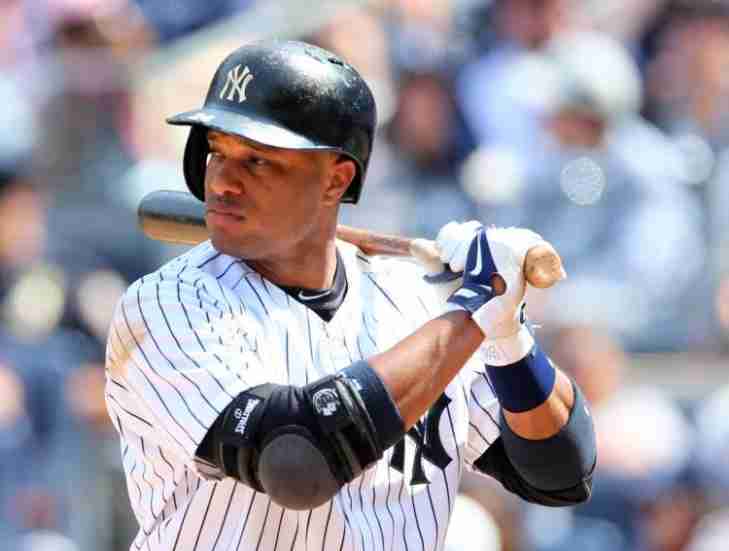
When Robinson Canó assumed daily second base duties in the Bronx in May 2005, manager Joe Torre noted that the rookie's smooth and effortless presence at the plate reminded him of Hall of Famer Rod Carew. Canó not only met those high expectations but also spent nine seasons showcasing a rhythmic, pure hitting style that made him one of the most visually appealing and effective second basemen to step into a Yankee Stadium batter's box.
Canó showcased a relaxed yet precise hitting style. His remarkably quick and smooth left-handed swing allowed him to easily line outside fastballs into left field or turn on inside pitches with sudden power, establishing his dominance over American League pitching. During his time in New York, he surpassed the .300 batting average seven times and narrowly missed the AL batting title in 2006 with an impressive .342 average. Each year, he acted as a key, high-pressure hitter in the heart of the lineup, consistently accumulating high hit totals, including four straight seasons (2009-2013) with over 190 hits.
While Canó's contact rate was truly impressive, he also brought a lot of power to the middle infield. He surpassed 25 home runs in five straight seasons, hitting a career-high 33 home runs and batting in 94 RBIs in 2012, his standout year. As a key player on the 2009 World Series-winning team, he boosted the franchise with a .320 batting average and 204 hits during the regular season, contributing to their 27th world championship.
On the grass, his defensive skills were just as smooth. Canó displayed a remarkably relaxed and loose glove style, often making seemingly impossible backhand catches or off-balance throws across his body appear effortless. He confidently led the double-play pivot, earning two Gold Glove Awards and two Wilson Defensive Player of the Year honors, solidifying his reputation as a top two-way player in the American League.
The 2013 schedule marked a sudden end to his run in pinstripes. The free-agent superstar, seeking a historic decade-long deal that the New York front office hesitated to offer, shocked baseball by signing a 10-year, $240 million contract with the Seattle Mariners. It was a sad moment for Bronx fans as they saw their homegrown star leave in his prime.
With the Yanks, Canó compiled 1,649 hits, 375 doubles, 204 home runs, and a spectacular .309 batting average alongside five All-Star selections and five Silver Slugger Awards. While his subsequent career narrative grew heavily convoluted due to multiple performance-enhancing drug suspensions later in his journey, the sheer, unadulterated brilliance of his peak performance in pinstripes remains an indelible chapter of modern Yankee lore.
18. Charlie Keller
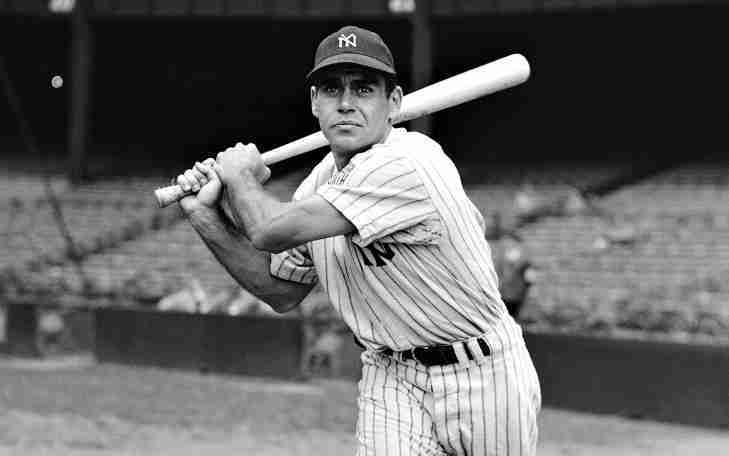
In spring 1939, when Charlie Keller earned his spot on the Bronx starting lineup, he teamed up with Joe DiMaggio and Tommy Henrich to create a formidable, championship-quality outfield trio. The heavily muscled 22-year-old left fielder from the University of Maryland, recognized for his broad shoulders and dark, thick eyebrows, was quickly dubbed "King Kong"—a nickname he detested, preferring to let his refined and patient batting style speak for itself.
While the sporting audience focused on his raw, muscular strength, Keller’s true skill was in his highly disciplined strike zone management, which effectively balanced his role as a run producer. He deliberately did not expand his zone against aggressive pitchers, drawing walks with the precision of a top-of-the-order hitter while still providing the power needed for a cleanup hitter, as demanded by manager Joe McCarthy. Keller surpassed 100 walks in four different seasons and led the American League twice in free passes. This exceptional plate discipline resulted in seven seasons with an on-base percentage over .400, including six finishes among the league's top ten.
He combined disciplined, everyday play with powerful extra-base hitting. Keller surpassed 20 home runs five times during his main tenure in New York, with his peak season in 1941 when he hit 33 homers and had a career-high 122 RBIs, helping the team become world champions. His offensive strength was clearly confirmed in 1943; despite wartime roster challenges reducing the talent pool, Keller dominated the league by hitting 31 home runs, drawing 106 walks, and leading the American League with a .922 OPS, guiding the Yankees to another pennant.
He was a fierce big-game performer who approached the Fall Classic as if it were an afternoon game. In the 1939 four-game sweep of Cincinnati, the rookie outfielder batted .438 with three home runs. Over 19 World Series games for the Yankees, Keller achieved a remarkable .611 slugging percentage, with five homers and 18 RBIs, playing a key frontline role in winning five world titles (1939, 1941, 1943, 1947, and 1949).
Tragically, severe, chronic back injuries combined with a mandatory stint in the Merchant Marines during World War II completely robbed him of his ultimate career longevity, restricting his explosive physical movement just as he entered his athletic prime. Following a brief two-year stint in Detroit, he returned to the Bronx for a sentimental, two-game final farewell in 1952 before retiring to his Maryland farm.
While his overall traditional numbers might seem somewhat lower than those he his ranked ahead of, his overall value to the Yankees can’t be underestimated, though it often is. Keller had 184 Home Runs with a Slash Line of .286/.410/.518 as a Yankee.
16. Bernie Williams
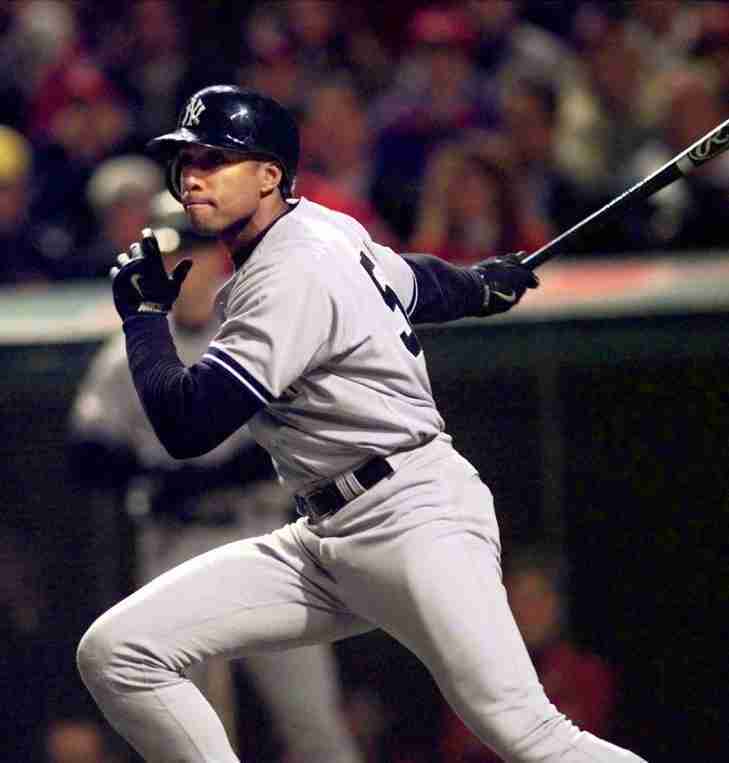
In July 1991, Bernie Williams’ debut didn't cause immediate excitement. The quiet, classical guitar-playing center fielder from Puerto Rico initially faced trade rumors and owner George Steinbrenner's intense skepticism. However, by maintaining consistent performance at the center of the field, the switch-hitter gradually shifted from a fragile trade asset to a key, dependable member of the modern Core Four era.
His career gained momentum in the mid-1990s. Williams used a well-balanced hitting style, blending disciplined plate discipline with the skill to hit extra-base hits from either side of the batter's box. He truly made his mark nationally during the 1996 postseason, where he led the Yankees’ lineup confidently, earning the ALCS MVP with a .474 batting average and three home runs against Baltimore. His performance was crucial in securing the Yankees’ first World Series title in 18 years.
That breakthrough sparked a remarkable five-year period of peak performance. Between 1997 and 2001, Williams earned five straight All-Star nods and four Gold Glove Awards for his smooth fly ball tracking in center field. His regular-season performance hit a record high during the iconic 1998 season. Williams dominated American League pitchers with a league-leading .339 batting average, also hitting 26 home runs, aiding a 114-win team in chasing another championship.
During the Yankees’ historic three-peat championship run from 1998 to 2000, Williams established himself as the ultimate high-leverage performer in postseason play. While other stars received much of the attention, his offensive contributions truly made the difference, highlighted by a record-breaking 80 RBIs in the playoffs. He remained a key middle-of-the-order hitter into the early 2000s, earning a Silver Slugger Award in 2002 after posting a .333 batting average and setting a career-high 204 hits.
His sixteen-year tenure in the Bronx, the only major league team he played for, ended smoothly after the 2006 season. He retired with 2,336 hits, 287 home runs, and a career slash line of .297/.381/.477, placing him among the franchise's top five in doubles, walks, and total bases.
The Yankees retired his number 51 in 2015.
14. Bill Dickey
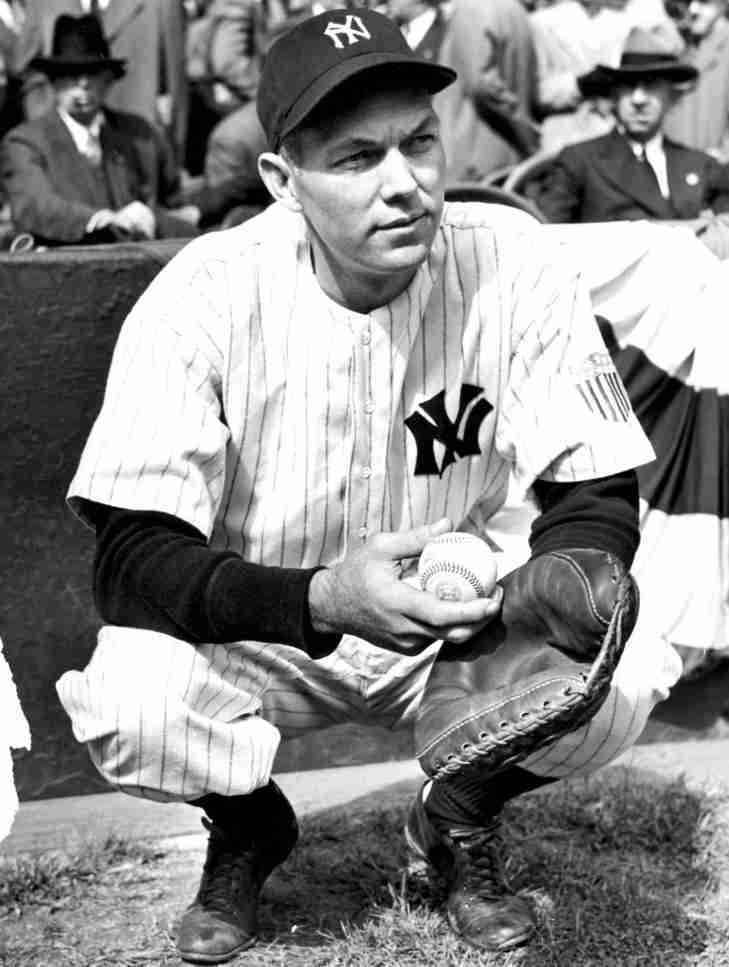
The arrival of Bill Dickey in the late 1920s provided the New York Yankees with an indispensable, leveling force exactly at the juncture when the franchise was shifting from the raw power characteristic of the "Murderers' Row" era to its subsequent decade of unparalleled dominance. Making his debut at the conclusion of 1928, the young Arkansan swiftly secured the position of starting catcher, introducing an uncommon blend of defensive composure, discreet leadership, and a formidable left-handed bat amid a star-studded clubhouse led by Babe Ruth and Lou Gehrig.
His early seasons as the regular catcher quickly made him a top offensive player at his position. In 1929, he hit an impressive .339, beginning a notable streak where he maintained a batting average over .300 in ten of his first eleven full seasons with the Yankees. Dickey was more than just a high-average hitter; he had excellent bat control and uncommon power for a catcher, rarely striking out and frequently hitting the ball deep into Yankee Stadium's right-field porch.
That offensive baseline surged to a historic high in the late 1930s with Joe DiMaggio’s arrival. Between 1936 and 1939, Dickey achieved four straight seasons with at least 20 home runs and 100 RBIs, highlighted by a remarkable 1936 season in which he hit .362. His offensive performance frequently put him in MVP discussions, and he finished as a runner-up in 1938. However, his true value extended beyond hitting; he was a master defender and a skilled Pitcher, with a powerful arm that often stopped opponents' stolen bases and a keen strategic mind for managing pitching staffs. This earned him the full respect of every pitcher who played for New York.
As the decade progressed, he emerged as the key link to an impressive haul of championships. Dickey was the strategic force behind the Yankees' remarkable streak of four straight titles from 1936 to 1939. His ability to perform under pressure became a hallmark of October, consistently excelling in critical moments, such as hitting a clutch, game-winning home run in the 1943 World Series against St. Louis. This brought his total championship rings to eight.
Dickey’s playing career was briefly interrupted by military service during World War II, but he returned to the Bronx to conclude his playing days in 1946, stepping away with 1,969 hits, 202 home runs, and a stellar .313 career batting average.
Nevertheless, his influence on the organization went well beyond his last game. Dickey took on a coaching role, where he was responsible for developing a talented young prospect named Yogi Berra, instructing him on game-calling and receiving skills, and later mentoring Elston Howard as well.
His standing as the original gold standard of Yankee catchers received its ultimate punctuation marks decades later. Dickey was elected to the National Baseball Hall of Fame in 1954, and, in a fitting tribute to the passing of the torch, the Yankees simultaneously retired the number 8 jersey for both Bill Dickey and Yogi Berra in 1972.
15. Don Mattingly
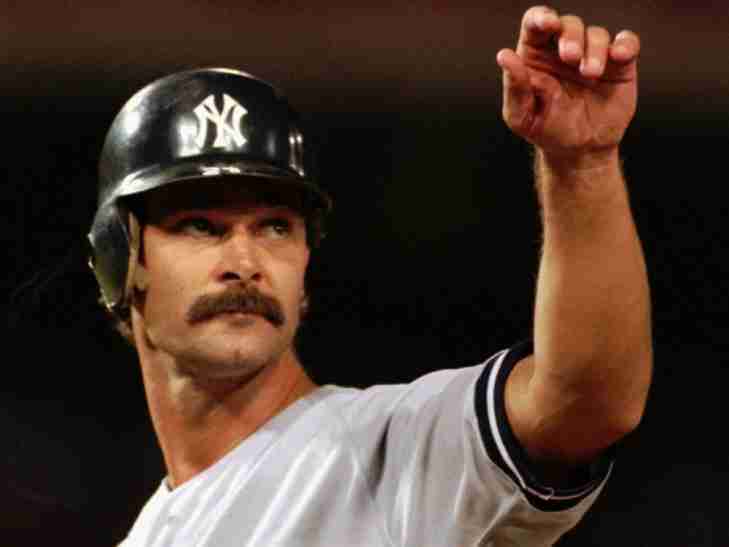
When Don Mattingly debuted in September 1982, few foresaw that the 19th-round draft pick would become a symbol of New York baseball throughout the decade. By 1983, as he took on a partial role, this quiet first baseman, known for his smooth, compact left-handed swing, was merely waiting for a regular opportunity to ignite a period of exceptional offensive skill.
In 1984, that opportunity fully materialized, marking one of the most overwhelmingly dominant peaks in the American League's history. "The Hit Man" secured the starting position and quickly rose to national prominence, maintaining a hit-for-hit comparison with teammate Dave Winfield until the last day of the season. Mattingly concluded the season with the league's highest 207 hits and a .343 batting average, winning the American League batting title and earning his first of six consecutive All-Star selections.
His performance improved significantly the following summer, transforming from a star to a complete powerhouse. In 1985, Mattingly led the Bronx lineup with commanding authority, hitting 35 home runs and driving in an outstanding 145 RBIs, the best in the league, earning him the American League MVP title. The next year, in 1986, he delivered a statistical performance that even surpassed his MVP season; he set lasting franchise records with 238 hits and 53 doubles, batting .352, and narrowly missed out on the MVP award. Coupled with his exceptional defense, which earned him nine Gold Glove Awards at first base, he became the undisputed leader of New York.
Although his journey to Cooperstown appeared almost assured, a subtle tragedy quietly developed behind the scenes. In the late 1980s, persistent severe back issues gradually eroded his explosive core strength. This debilitating injury steadily diminished his power to hit over the fence, turning the second half of his career into a difficult battle of endurance. During this time, he was forced to reinvent himself as a contact-focused singles and doubles hitter to remain active on the field.
The physical toll was paired with a rare streak of institutional misfortune. Mattingly's 14-year career coincided precisely with the period when the most successful franchise in professional sports did not make it to the World Series. He experienced his only October baseball in his last season, 1995, delivering a heroic and gritty performance in the ALDS against Seattle, just as the modern Yankee dynasty was beginning.
He retired with 2,153 hits, 222 home runs, and a lifetime batting average of .307. Although he did not win a World Series ring, he earned something that resonated more deeply with local fans. In 1997, the organization honored this special emotional connection by permanently retiring his number 23 jersey and installing his plaque in Monument Park, cementing his legacy as "Donnie Baseball."
12. Lefty Gomez
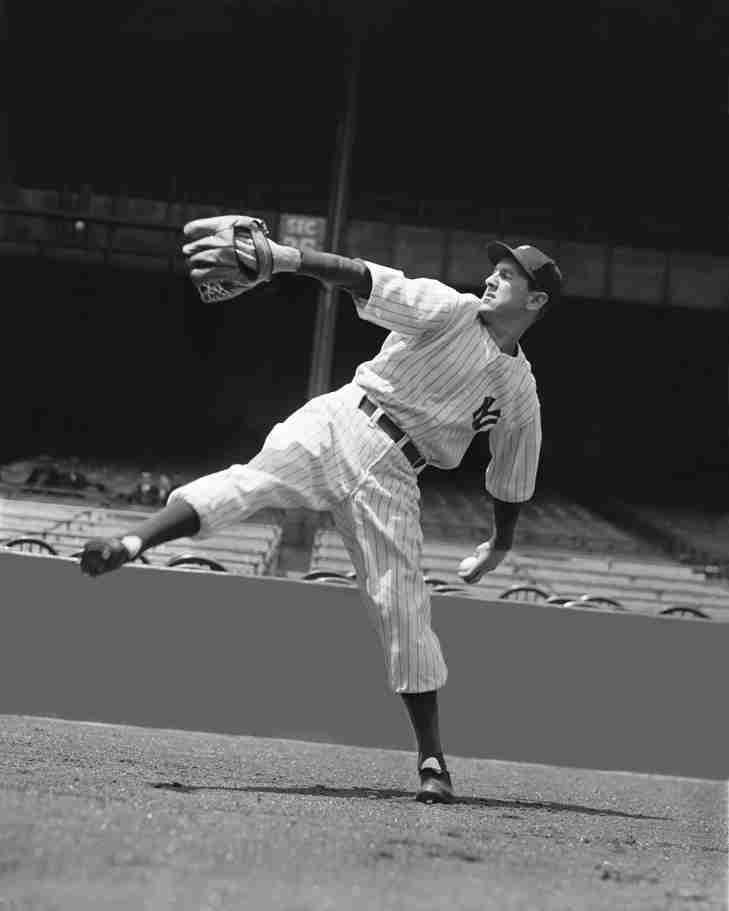
Lefty Gomez debuted with New York in April 1930. He was a charismatic southpaw from Rodeo, California, known for his fastball and eccentric personality. Long before icons like Yogi Berra, Gomez was the clubhouse star, nicknamed "El Goofo" for his wit, quotes, and antics such as watching airplanes mid-inning. Despite his playful nature, he was a focused competitor with a deadly left-handed arsenal, making him the top big-game southpaw of his era.
“El Goofo” was a legendary volume anchor who twice achieved the ultimate pitching peak by capturing the American League Triple Crown. In 1934, he led majors with a 26-5 record, 2.33 ERA, and 158 strikeouts. He repeated this feat in 1937 with 21 wins, a 2.33 ERA, and 194 strikeouts, helping the Yankees win consecutive titles. He was a mainstay in the decade, earning seven All-Star selections (1933–1939) and leading in strikeouts three times.
Gomez possessed a regular-season record of 189-101, translating to a .652 winning percentage, and exhibited impeccable composure during the postseason. He achieved a 6-0 record in the Fall Classic, including five complete games across his team’s five World Series victories. After concluding his final 20-win season in 1937, he experienced a series of severe arm and shoulder injuries that systematically diminished his velocity and effectiveness. Gomez endured the decline of his career with notable determination, offering veteran leadership and sporadic glimpses of his former excellence.
Gomez compiled a 189-101 record, a 3.34 ERA, and a perfect 6-0 World Series record, and he would enter the Baseball Hall of Fame in 1972 as a Veterans Committee selection. The organization finalized his eternal connection to the stadium faithful on August 2, 1987, hosting a spectacular ceremony to posthumously honor Gomez alongside Whitey Ford with a permanent plaque within the hallowed confines of Monument Park
13. Alex Rodriguez
Oh boy…
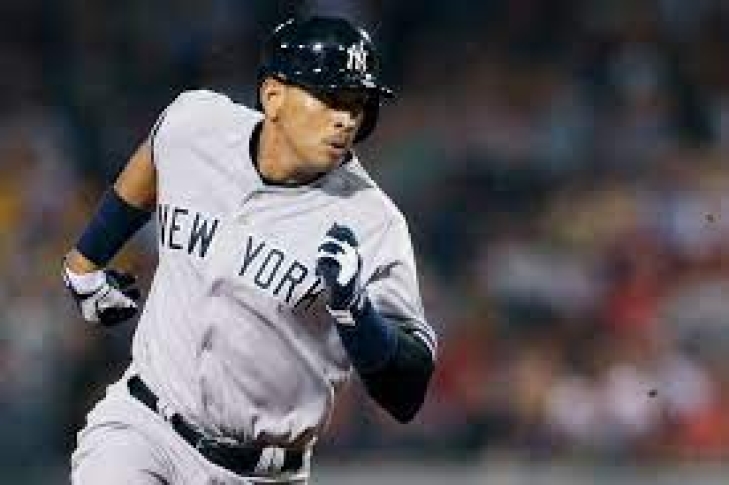
In February 2004, Alex Rodriguez’s arrival felt more like a major corporate merger than a typical baseball trade. Coming off an MVP season in Texas and carrying a historic contract, Alex Rodriguez moved to New York after Aaron Boone's off-season injury created a third-base opening. This change required a quick adjustment: although Rodriguez had won four straight Gold Gloves at shortstop, he moved to third base to keep Derek Jeter in his usual position.
His early career provided significant regular-season contributions combined with high-stakes October performances. In 2005, he earned his first MVP award while wearing pinstripes, hitting 48 home runs to surpass Joe DiMaggio’s longstanding franchise record for right-handed batters. However, subdued performances in back-to-back ALDS eliminations in 2005 and 2006 fueled a local narrative that his batting struggles intensified under pressure.
Internal tensions reached their peak and then shattered in 2007. Rodriguez had an outstanding season, batting .314 with a league-high 54 home runs and 156 RBIs, earning his second Yankees MVP. However, his on-field success was accompanied by off-field drama; he chose to opt out of his contract during the World Series, sparking tense negotiations that eventually led to a new, even more lucrative ten-year contract to stay with the Yankees.
By 2009, the focus shifted from financial issues to resilience. After major hip surgery and publicly admitting to past performance-enhancing drug use during his Texas years, Rodriguez made a mid-season comeback to lead a revamped team. Come October, he finally quieted postseason critics. He powered the offense through the ALDS and ALCS, hitting five crucial late-inning home runs and driving in important runs in the Fall Classic, earning his only championship ring.
The concluding phase of his pinstripe career became a prolonged battle of attrition. Ongoing injuries hindered his performance, and in 2013, the Biogenesis scandal broke out, leading to a historic 162-game suspension that meant he missed the entire 2014 season. He made a notable comeback with 33 home runs in 2015, but by 2016, age and conflicts with the front office ultimately caught up with him.
As his performance declined and the organization shifted toward a youth movement, the front office arranged his departure in mid-August. He played his last game in pinstripes on August 12, 2016, leaving a legacy of 351 home runs, 1,580 hits, and the memorable 2009 championship banner.
Say what you want about A-Rod, but it can’t be ignored that he was among the best of all time.
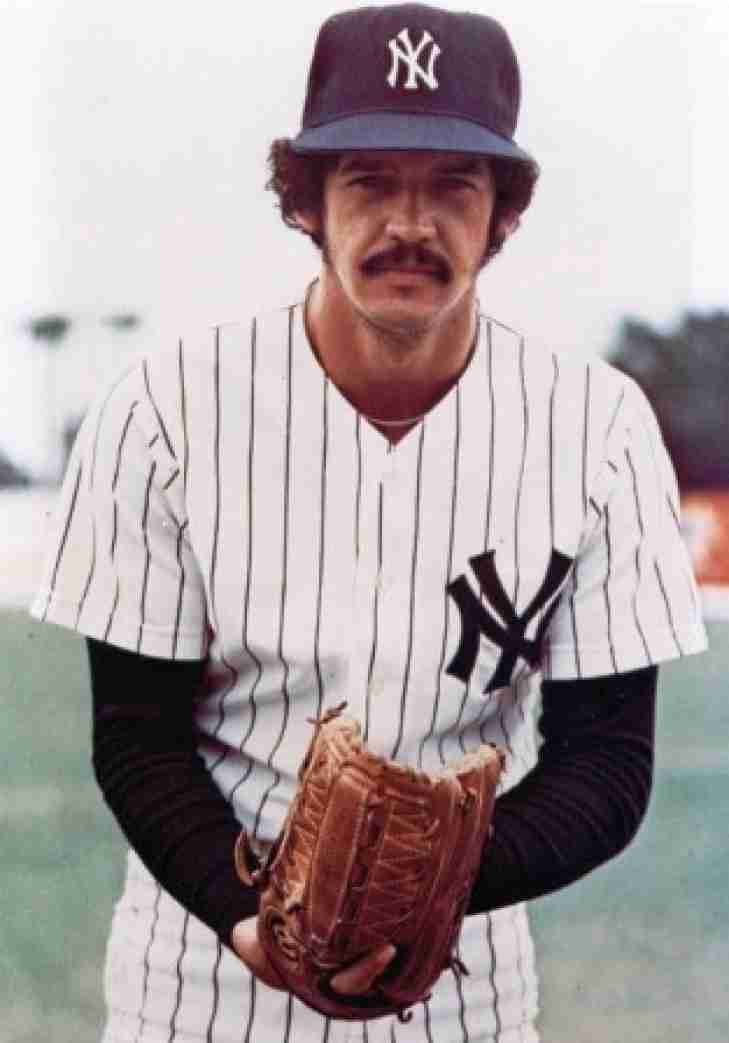
11. Ron Guidry
8. Yogi Berra
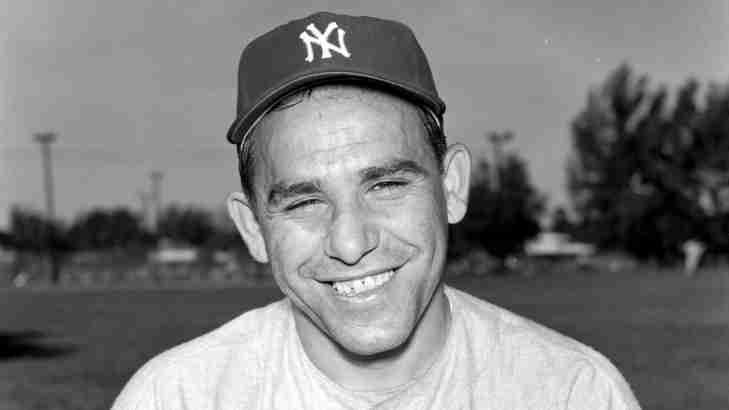
Yogi Berra, a short and stocky kid from St. Louis's Italian-American neighborhood "The Hill,” had just returned from serving in World War II. During the Normandy landings, he operated a rocket boat as a Navy seaman. His raw, unrefined athletic build led many early observers to underestimate his potential in baseball. However, behind his many paradoxical "Yogisms" that turned him into a cherished figure in American sports history, there was much more to his story.
Berra was a legendary and notoriously aggressive "bad-ball" hitter, capable of hitting pitches well out of the strike zone while rarely striking out, as evidenced by his 1950 season, when he struck out only 12 times in 597 at-bats. He reached a personal peak by winning three American League Most Valuable Player Awards (1951, 1954, and 1955) and finishing as runner-up twice. From 1950 to 1957, he maintained an exceptional level of peer recognition, never ranking lower than fourth in MVP voting, and he was a key part of the Yankee lineup as an 18-time All-Star.
While his bat dominated the middle of the card with 358 home runs and 1,430 RBIs, Berra combined this powerful offense with exceptional defensive work and skillful management of the pitching staff. He was a dedicated professional who played in both games of 117 doubleheaders, set a record with 173 career shutouts, and was instrumental in Don Larsen's legendary perfect game during the 1956 Fall Classic. His leadership laid the groundwork for the most glorious era in sports history; he participated in 14 World Series as a player, achieving a record 10 championships.
The long Bronx journey ended after the 1963 season, when he moved into management, leading the Yankees to the 1964 pennant, and he spent a brief 1965 stint with the Mets. His significant impact made his post-career recognition inevitable. In 1972, Cooperstown inducted him into the Hall of Fame, and the Yankees retired his No. 8 to Monument Park, cementing his pinstripe legacy.
6. Mariano Rivera
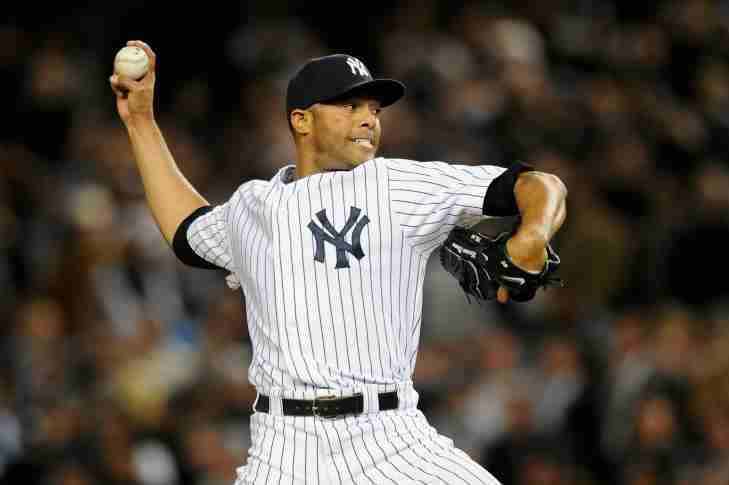
A slender right-handed pitcher with a smooth delivery that concealed the explosive velocity of his fastball.
That was Mariano Rivera.
While he struggled as a starter, a move to the bullpen in 1996 fundamentally changed the franchise's trajectory. Across 19 seasons in pinstripes, he operated as the most efficient high-leverage weapon in the history of the sport, relying almost exclusively on a signature cut-fastball that shattered bats and shattered the hopes of opposing lineups.
In his first season in the bullpen (’96), Rivera delivered one of the most exceptional relief seasons in baseball history, pitching 107.2 innings with a 2.09 ERA and 130 strikeouts, and finishing third in the Cy Young Award voting. He acted as the key bridge to closer John Wetteland, offering the strategic prowess that helped the Yankees win their first World Series in 18 years. By 1997, he had become the team's primary closer, earning 43 saves and introducing the "born-again" cutter, a pitch that would define his career for the next twenty years.
Between 1998 and 2000, he was the decisive figure in the Yankees' "three-peat" of World Series titles, earning World Series Most Valuable Player honors in 1999 after pitching 4.2 scoreless innings against Atlanta. He demonstrated total mastery of the October stage, ultimately concluding his career with an extraordinary 0.70 ERA and 42 saves across 96 postseason games. Whether he was pitching three shutout innings to secure the 2003 American League Championship Series Most Valuable Player award or recording the final out in five different World Series, he proved to be a formidable figure who grew even larger as the pressure intensified.
His career milestone was achieved on September 19, 2011, at Yankee Stadium, when he recorded his 602nd save, overtaking Trevor Hoffman as the all-time leader. Despite a severe knee injury in 2012 that almost ended his career, he made a remarkable comeback for a spectacular final season in 2013, adding 44 saves at age 43. He retired as the all-time leader with 652 saves and the most games finished, holding a career WHIP of 1.000 and an ERA+ of 205. His legacy was sealed in 2019 when he became the first player ever to be unanimously elected to the National Baseball Hall of Fame, shortly after Yankees retired his No. 42.
There will never be another Mariano Rivera.
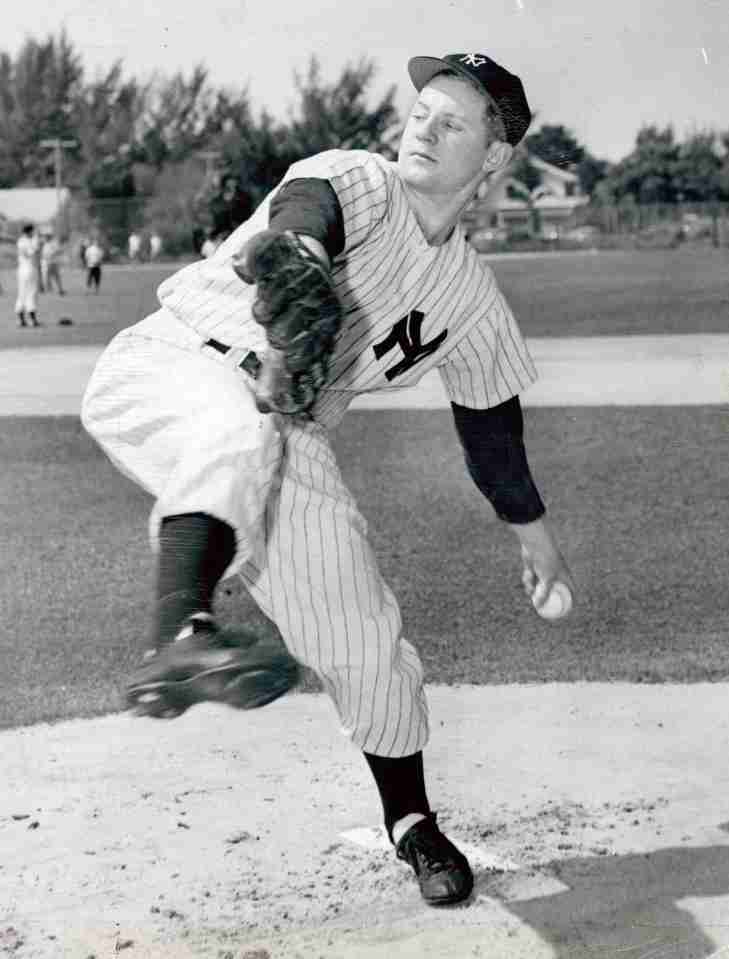
9. Whitey Ford
10. Red Ruffing
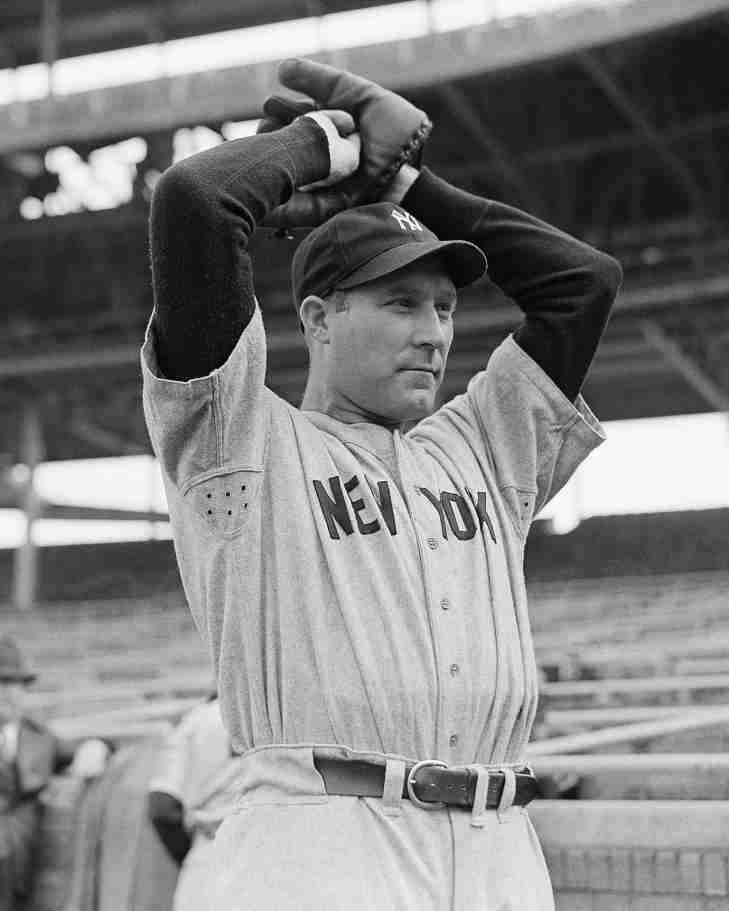
Red Ruffing arrived in the Bronx in May 1930, orchestrating a trade that became the second-most notorious theft the New York Yankees ever committed against the Boston Red Sox. Sent south in exchange for outfielder Cedric Durst and cash, the tough right-hander left Boston with a misleading, heavily bruised 39-96 career record that was solely due to the talent-starved Red Sox roster. Under manager Joe McCarthy's leadership, Ruffing completely changed his pitching style, transforming from a hard-luck loser into the clear, reliable ace of the most formidable baseball team of the 1930s.
Ruffing was a true cornerstone for McCarthy, consistently delivering impressive performances with 11 seasons of at least 15 wins while wearing the New York uniform. From 1936 to 1939, he reached exceptional heights with four straight 20-win seasons, helping lead a legendary Yankees team that secured four consecutive world championships. A dependable and respected professional, he often shut down opposing lineups, earning six American League All-Star selections and serving as a vital counterbalance to the team's powerful batting lineup.
While critics often pointed out that he benefited from pitching alongside legendary sluggers, Ruffing truly had powerful skills that allowed him to stand out on his own in the league. He was a remarkable strikeout artist for his time, leading the American League twice in strikeouts per nine innings and often ranking high in complete games. His precise mechanics were exceptional for his era, helping him finish in the top five in WHIP eight times during his years with the Yankees. Besides his impressive ability to prevent runs on the mound, he also showcased his athletic talent at the plate, hitting an impressive .270 with 34 home runs as a Yankee. This rare combination of pitching excellence and offensive skill made him an extra valuable player for New York, especially on the days he was pitching.
Ruffing turned the Fall Classic into his personal showcase, posting a brilliant 7-2 record with a 2.63 ERA in 10 historic appearances, helping New York capture six World Series championships. He departed the Bronx after the 1946 season as one of the most decorated winners in franchise history, with a magnificent 273-225 career record that remains closely tied to his legendary pinstripe peak.
He would enter the Baseball Hall of Fame in 1967, though he probably should have entered Cooperstown sooner. The Yankees will posthumously dedicate a permanent plaque in his honor within the hallowed confines of Monument Park.
5. Derek Jeter
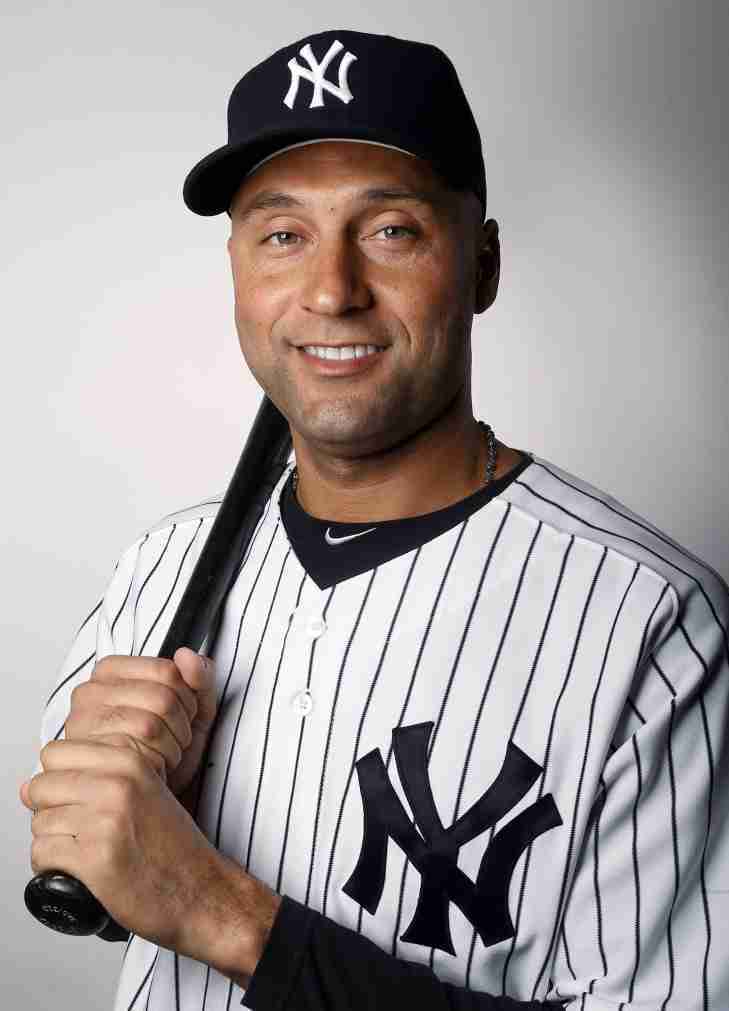
Derek Jeter's journey in the Bronx began in 1995 when he arrived as a 20-year-old rookie. With a quiet confidence and a hometown reputation as a promising talent who had always dreamed of donning the pinstripes, he quickly captured hearts. From the moment he stepped into the starting shortstop position in 1996, he became the guiding force behind a new era of success, serving as a steadfast leader for a team that went on to win four championships in five years. Over his 20 seasons with the Yankees, Derek emerged as a true icon of the sport, breaking franchise records for durability and consistency, and earning the affectionate nickname "The Captain" while becoming a beloved figure worldwide.
His rookie season was truly remarkable, a storybook start that set the tone for an incredible career. In 1996, Jeter made an unforgettable debut, batting .314 and earning the American League Rookie of the Year award, while also helping the Yankees secure their first championship in nearly twenty years. That year marked the beginning of a legendary era, with Jeter becoming the driving force behind the Yankees' remarkable "three-peat" of World Series wins from 1998 to 2000. In 1999, he achieved a personal best with 219 hits and a .349 batting average, and he capped off that championship run by earning both the All-Star and World Series MVP titles in 2000.
As the new millennium arrived, his role shifted from being a rising star to becoming the dependable emotional and tactical cornerstone of the team. On October 13, 2001, he wrote "The Flip" to help secure a win in an elimination game against Oakland, and just a few weeks later, he earned the nickname "Mr. November" after hitting a walk-off home run in the World Series. His leadership was officially celebrated on June 3, 2003, when George Steinbrenner named him the 11th captain in Yankees history. Throughout this period, he demonstrated exceptional mastery of his role, earning five Gold Glove Awards and guiding the Yankees to their 27th World Series title in 2009, batting an impressive .407 in the Fall Classic.
In 2011, he embarked on a remarkable journey in baseball history, surpassing Lou Gehrig as the franchise's all-time hit leader. On July 9, 2011, he reached a significant milestone when he became the first Yankee to get 3,000 career hits, celebrated with a stunning home run off David Price. Despite facing a tough ankle injury in 2012, he showed incredible resilience by returning to the field and ending his career with a heartfelt farewell tour. During his final game at Yankee Stadium in 2014, he made it even more special with a memorable walk-off single, sealing his legacy as the only player in franchise history to reach 3,465 hits.
In 2017, the organization honored him by retiring his No. 2 and placing him in Monument Park. He left behind an impressive legacy, having played more games in pinstripes than any other player, along with a postseason record of 200 hits and 20 home runs. His remarkable journey concluded in 2020 when he was inducted into the National Baseball Hall of Fame with the highest voting percentage ever for a position player, cementing his status as a beloved icon of New York.
4. Joe DiMaggio
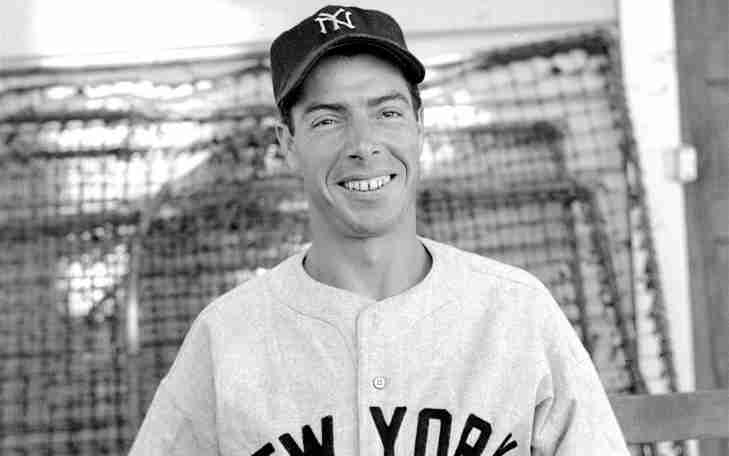
Joe DiMaggio came to the Bronx in 1936, succeeding Babe Ruth’s era, as a graceful and efficient center fielder who became the emblem of the "Yankee Clipper" age. Although his short marriage to Marilyn Monroe in 1954 cemented his status as a pop-culture icon, DiMaggio had already spent thirteen seasons as the strategic driving force behind a dynasty.
Between 1936 and 1942, DiMaggio reached an historic peak, guiding the Yankees to the World Series six times in those seven years, and securing the championship in five of those appearances. He debuted in 1936 as a 21-year-old star, setting a franchise rookie record with 29 home runs and quickly becoming the main run producer after Babe Ruth. By 1937, he was at a career-best peak of effectiveness, leading the American League in home runs (46), runs scored (151), and total bases (418), narrowly finishing second in the MVP voting.
DiMaggio reached the peak of his career in 1939 and 1941, earning two of his three MVP awards early on. In 1939, he won his first batting title with a.381 average, one of the highest in Yankees history. Two years later, he set the still-unmatched 56-game hitting streak, a testament to individual endurance. In a season when Ted Williams batted .406, DiMaggio’s consistent performance and his league-leading stats in RBIs (125) and total bases (348) earned him the 1941 MVP Award. During this period, he was a formidable presence, providing leadership and stability to a lineup that was determined to succeed.
In 1942, the Yankees secured another pennant, although DiMaggio’s individual performance experienced a slight decline to a .305 batting average, marking his lowest at that point. With the onset of global conflict, he elected to pause his professional sports career to enlist in the United States Army Air Forces. At the age of 28, he exchanged his iconic pinstripes for a military uniform, thereby leaving the sport at the peak of his physical condition. Although he eventually returned to attain new heights in the late 1940s, those initial seven seasons established a statistical record that many players would find fortunate to achieve within twenty campaigns.
After returning from the war in 1946, DiMaggio found himself in a league that was missing its shining star. As the "Yankee Clipper" gradually got back into his groove, his final chapter in baseball was marked by a personal struggle against his own limits. Despite missing part of the 1947 season due to the removal of a three-inch bone spur from his heel, he managed an inspiring comeback that earned him his third MVP Award. In one of baseball’s most talked-about races, he narrowly beat Ted Williams by just one point—even though Williams had achieved the Triple Crown, thanks to DiMaggio’s crucial, high-pressure contributions that helped the Yankees win the pennant. That season, he finished with a .315 batting average and 97 RBIs, leading to his sixth World Series title after a dramatic seven-game win over the Brooklyn Dodgers.
By 1948, DiMaggio reached a statistical summit, proving he was still a tactical giant at the plate. He led the American League in home runs (39) and RBIs (155), while batting .320, finishing second in MVP race. This performance earned him the first $100,000 contract in 1949, making him the highest-paid player in history. However, a recurring heel injury cost him the first 65 games. His June return was cinematic; arriving in Boston without spring training, he hit four home runs in three games against the Red Sox, boosting team morale and fueling another championship.
After the 1951 World Series, at 36, his body finally showed signs of wear. Recurring injuries to his knees and shoulders had slowed down his legendary swing, bringing his batting average down to a career-low .263. Despite this, he proved his reliability in his final postseason by hitting a home run in Game 4, helping him secure his ninth World Series title. Instead of accepting a $100,000 offer for a part-time role in 1952, he chose to step away with his dignity still intact, famously stating that he could no longer deliver the level of baseball his fans deserved.
DiMaggio compiled 2,214 hits, 361 home runs, and a .325 batting average. The Yankees retired his number 5 in 1952, and DiMaggio was inducted into the Hall of Fame in 1955.
2. Lou Gehrig
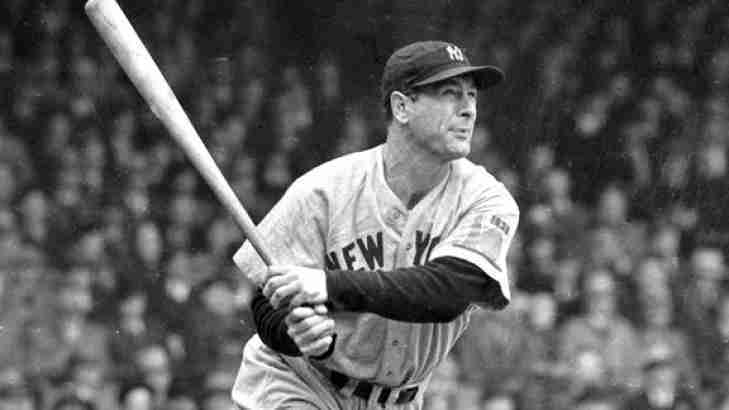
June 2, 1925.
That was the day that Lou Gehrig replaced Wally Pipp at first base and where the legend of the “Iron Horse” began. However, this was he was far more than an endurance athlete; he was a powerhouse who combined elite contact with high-frequency run production,
In 1925, during his inaugural season as a regular player, he demonstrated specialized power by hitting 20 home runs and recording the first of his record 23 career grand slams. Gehrig followed his breakout performance with a 1926 campaign that served as a technical warning to the rest of the American League. He showcased a high-frequency ability to secure extra bases, leading the league with 20 triples while driving in 109 runs. During the 1926 World Series, he was a high-stakes performer, batting .348 at the age of 23, thus providing consistent offensive production even in a losing effort against the St. Louis Cardinals. This period established a foundation of dependable excellence, illustrating that while Babe Ruth offered spectacle, Lou Gehrig provided unwavering stability.
The era known as "Murderers' Row" marked the transformation of Gehrig into an eminent superstar, beginning with his historic 1927 Most Valuable Player (MVP) campaign. During that year, he achieved a batting average of .373, hit 47 home runs, and amassed 175 RBIs, an extraordinary performance that would have garnered significant attention in any other year, notwithstanding Ruth’s record of 60 home runs. He continued to display exceptional technical skill over the subsequent seasons, recording 210 hits in 1928 and guiding the Yankees to another World Series sweep. By the end of the decade, he had firmly established himself as a prolific run producer who consistently performed at an extraordinary level, laying the groundwork for a period of statistical dominance that seemed to transcend the limits of human fatigue.
Between 1930 and 1933, Gehrig maintained a remarkably high level of production that was, frankly, intimidating for opposing pitchers. In 1931, he demonstrated exceptional skill in RBI efficiency, setting the American League record with 184 runs batted in while hitting 46 home runs. On June 3, 1932, he executed a distinguished performance against the Philadelphia Athletics, becoming the first player in the modern era to hit four home runs in a single game. In 1933, he further distinguished himself by participating in his 1,308th consecutive game, thereby surpassing the previous record. During this period, he also led the league in walks and maintained a batting average of .334. This sequence of achievements confirmed his status as a high-caliber player capable of carrying the offensive load regardless of the era or the opposition.
As remarkable as Gehrig had been, 1934 would be epic. That summer, he showcased total mastery at the plate to win the Triple Crown, leading the American League in batting average (.363), home runs (49), and RBIs (166). This high-caliber run cemented his status as a perennial superstar, as he demonstrated a specialized ability to drive in runners at a historic rate. He eventually led the league in RBIs five times, including an incredible 184 RBIs in 1931, a mark that still stands as the American League single-season record.
Between 1923 and 1939, he was a tactical nightmare for pitchers, winning five On-Base Percentage titles and maintaining a career .447 OBP, ranking fifth all-time. His home run power was immense, 493 career long balls, and he showed versatility with over 200 hits in a season eight times. His career stats include a .340 batting average and 1,995 RBIs, reflecting a lifetime of heavy lifting.
The postseason was where Gehrig solidified his status as a high-stakes legend, helping lead the Yankees to six World Series championships. He showcased a specialized brand of clutch hitting in October, slashing an extraordinary .361/.483/731 across 34 World Series games. Whether he was hitting 10 postseason home runs or driving in 35 runs on the game's most prominent stage, he possessed a distinctive aptitude for rising to the occasion. He demonstrated that true greatness resides in the combination of exceptional talent and unwavering determination, serving as the vital element of the most formidable lineup ever assembled.
The trajectory of his journey took a heartbreaking turn in 1938 and 1939 as he began to battle the early symptoms of ALS. As his performance slipped, he famously removed himself from the lineup on May 2, 1939, ending his historic consecutive-games streak. On July 4 of that same year, he stood before a sellout crowd at Yankee Stadium to deliver the most iconic speech in sports history. Despite a terminal diagnosis, he displayed high-caliber dignity by declaring himself the "luckiest man on the face of the Earth," a moment that transcended the sport and made him an eternal symbol of courage.
He was rushed into the Baseball Hall of Fame that year via a special election, as he should have been.
1. Babe Ruth
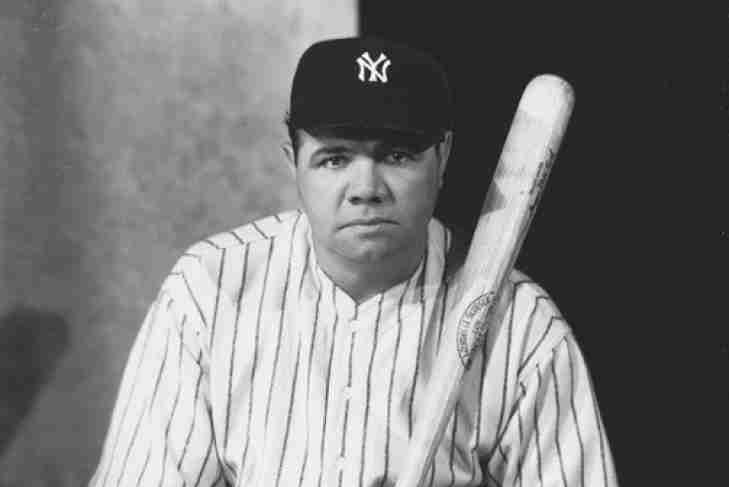
The trade of Babe Ruth by the Boston Red Sox to the New York Yankees was not just the worst blunder in Red Sox history; it was the most infamous blunder in the history of professional sports. While he had already established himself as a premier left-handed pitcher and a budding power threat in New England, his transition to the Bronx triggered a cultural explosion that fundamentally altered the DNA of the game.
Ruth’s assault on the record books left the baseball world in a state of shock. In his first season as a Yankee, Ruth demonstrated a mastery of the long ball by hitting 54 home runs, more than any other team in the American League that year. He quickly proved to be a professional mainstay who could carry the entire sport on his broad shoulders, ushering in the "Live Ball Era" and ending the low-scoring, grinding style of the Deadball days.
When people spoke of Yankee Stadium as "The House That Ruth Built," they weren't just using a catchy phrase. His specialized popularity was the high-caliber engine that fueled the construction of the sport's first three-deck cathedral in 1923. He christened the park in the most fitting way possible, hitting a three-run home run on Opening Day and leading the club to its first-ever World Series title later that fall. This run of dominance turned him into the first true team-sports megastar, a high-stakes performer who thrived under the brightest lights of the Big Apple.
During the 1920s, Ruth orchestrated a decade of production that remains statistically unmatched. He showcased a total mastery of the plate by leading the American League in home runs in ten of his fifteen seasons with the club, highlighted by his iconic 60-homer campaign in 1927. While his power was his calling card, he also demonstrated a specialized ability to hit for average, winning the 1924 Batting Title with a .378 mark. He was the center of "Murderers' Row," providing a high-quality offensive engine for a team that many still consider the greatest ever assembled.
Sabermetrically speaking, Ruth was a human outlier who broke every model of player evaluation. He led the American League in bWAR eleven times while wearing pinstripes, and his specialized ability to reach base saw him lead the circuit in On-Base Percentage ten times. On five separate occasions, he posted an OBP north of .500, a feat of high-frequency discipline that is often overshadowed by his tape-measure home runs. He remained a professional mainstay at the plate, recording 14 seasons with an OPS over 1.000, a sick fact that still makes jaws drop.
His time in the Bronx featured a remarkable versatility that is sometimes lost in the shadow of his 714 career home runs. While he transitioned into a full-time outfielder to maximize his bat, he showed the organization a specialized skill on the mound when called upon, famously pitching a complete-game victory at age 38 in his final season with the club. His stats in New York include 659 home runs, 1,978 RBIs, and a career .349 batting average, numbers that look like they were generated by a glitch in a video game rather than a mortal man.
The postseason was where the "Bambino" cemented his status as a high-stakes legend. He led the Yankees to seven pennants and four World Series titles, serving as the high-caliber anchor of a dynasty that would last for decades. Whether he was allegedly "calling his shot" in Chicago or hitting three home runs in a single World Series game, he possessed a specialized knack for the theatrical.
Everything about Ruth was oversized, from his personality to his statistical impact on the franchise. He was the high-quality foundation upon which the Yankees' winning tradition was built, transforming a secondary New York team into the most successful organization in history. By the time he took his final walk toward the exit in 1934, he had hit more home runs than some entire franchises had managed in their history. He was a once-in-a-century phenomenon who didn't just play the game; he reinvented it in his own image.
The longevity of his legacy was finalized in 1936 when he was inducted as one of the "First Five" members of the Baseball Hall of Fame. The Yankees further honored his commitment by retiring his iconic number 3 in 1948,
There will never be another like Babe Ruth.
3. Mickey Mantle
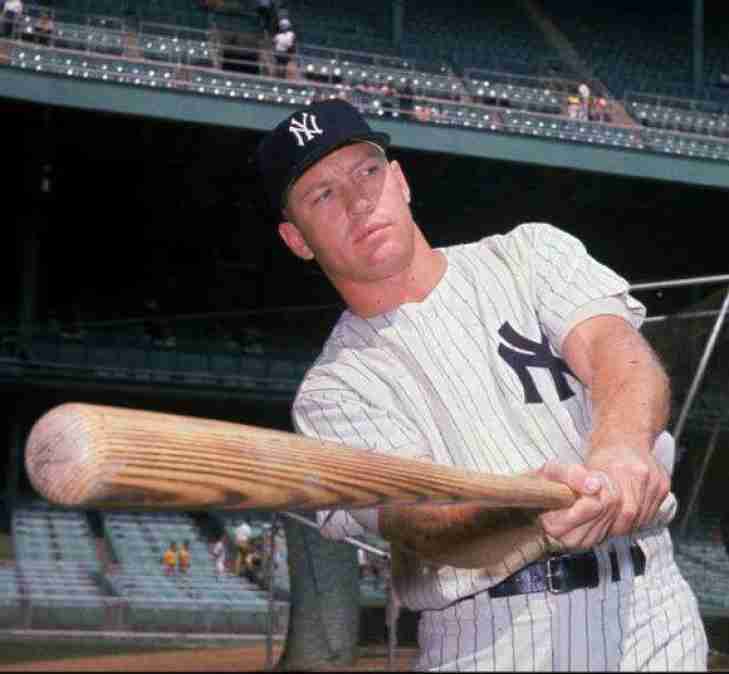
In 1951, Mickey Mantle stepped onto the grass as a nineteen-year-old with blonde hair and the kind of country-strong power that seemed to belong in a comic book. Taking over center field from Joe DiMaggio, he shouldered a level of expectation that would have crushed most athletes, yet he transformed into the quintessential Yankee superstar.
Despite a traumatic knee injury in the 1951 World Series that would plague him for life, Mantle showed a high-frequency ability to dominate top pitching. By 1952, he earned his first All-Star nod, proving to be a reliable player who could impact from both sides of the plate. This early phase established a strong foundation, showing that the post-DiMaggio Yankees were still the undisputed kings of the hill.
Between 1953 and 1955, Mantle transformed from a promising player to the Yankees' top offensive force. In 1953, he hit a 565-foot home run, coining the term "tape-measure home run," And hit a crucial grand slam in the World Series to secure the Yankees' fifth consecutive title.
By 1954-1955, Mantle refined his approach, combining power with a keen eye. He led in runs scored in 1954 and in 1955, he topped the American League in home runs, triples, and walks, finishing second in MVP voting. Mantle was no longer just a switch-hitter but a formidable offensive threat.
Mantle reached a historic pinnacle of individual performance during his 1956 Triple Crown campaign, posting a season that remains a benchmark of offensive efficiency. That summer, he demonstrated complete dominance of the league by leading the American League in batting average (.353), home runs (52), and RBIs (130). He secured the first of his three MVP Awards by unanimous vote, establishing himself as a high-caliber force within the Bronx offense. Throughout this peak period, each time he stepped to the plate, the stadium would fall into a hushed anticipation for the subsequent 500-foot home run.
The late 1950s saw Mantle maintain a level of dominance that seemed a permanent fixture at the pinnacle of the leaderboards. In 1957, he produced a season that was considered by many to be technically superior to his Triple Crown year, batting .365 with a career-high .512 on-base percentage, thereby securing his second consecutive Most Valuable Player (MVP) Award. He demonstrated a remarkable ability to score, leading the league in runs and walks, and earned a Gold Glove Award in 1958. This period underscored his prowess as both a tactical and physical giant, as he again led the league in home runs in 1958 and 1960, providing a robust offensive foundation that made the New York Yankees perennial pennant favorites.
By the conclusion of the 1960 season, Mantle had firmly established himself as the most formidable figure in the sport. He led the American League in home runs (40) and runs scored (119) while anchoring a team that returned to the World Series. Although the Yankees were defeated in a seven-game series by Pittsburgh, Mantle’s individual performance was exceptional, culminating in a slash line of .400/.543/.600 during the Fall Classic. No longer merely the young heir to DiMaggio, he had become the unequivocal face of baseball, a high-caliber superstar entering the zenith of his career.
The turn of the decade featured one of the most famous statistical races in history during the 1961 season. While he was locked in a high-stakes battle with teammate Roger Maris to break Babe Ruth's record, Mantle showcased a career-high 54 home runs. Although an infection late in the season cut his chase short, his efficiency remained elite, as he led the league in walks and slugging percentage. He left behind a statistical footprint in New York that remains staggering, including a career .421 On-Base Percentage and 1,733 walks, proving he was a tactical genius who knew when to take a base and when to clear them. It was such a battle between the two Yankee sluggers that people forget that New York cruised to another World Series title.
In the mid-1960s, "The Mick" became the franchise's elder statesman, maintaining offensive threat despite injuries. In 1964, he hit 35 home runs, finished second in MVP, and set a World Series record with three home runs, surpassing Babe Ruth. His mobility declined, but he remained a key veteran contributor. His final years saw a position switch to first base in 1967 to keep his bat in the lineup. Though his speed faded, his discipline kept him dangerous, reaching 500 home runs in May 1967. Despite a lower batting average in 1968, he led the league in walks per nine innings, with a .421 OBP and 1,733 walks, leaving a lasting statistical legacy.
The postseason cemented Mantle as a high-stakes legend, guiding the Yankees to twelve American League Pennants and seven World Series titles. He demonstrated October power with a record 18 World Series home runs, a feat highlighting his clutch performance. Whether hobbling or hitting walk-offs, he had a knack for big moments.
The longevity of his service was formally recognized in 1969 when the Yankees retired his number 7, followed by his first-ballot induction into the Baseball Hall of Fame in 1974. Mantle compiled 536 home runs and 1,509 RBIs with the club.
The #2 of Derek Jeter will be retired.
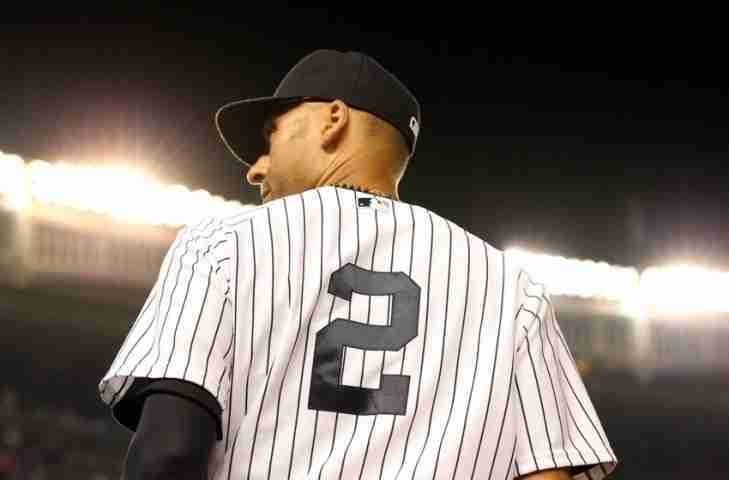
As such it is news to us (somewhat big actually, though completely expected) that the New York Yankees will formally retire the number #2 of their eventual first ballot Hall of Fame infielder, Derek Jeter on May 14, their Mother’s Day home game against the Houston Astros.
Going through the accomplishments of Jeter would be exhausting, but just to recap the tip of his iceberg, he is a member of the 3,000 Hit Club, a five time World Series Champion and a fourteen time All Star
Twenty-one former Yankees have had their number retired, and the retirement of #2 mans that their can never be another New York Yankee who will wear a single digit number as all of the others have been retired.
We here at Notinhalloffame.com would like to congratulate Derek Jeter for this much deserved honor and the Yankees for doing this is an appropriately timed fashion.
158. Jason Giambi
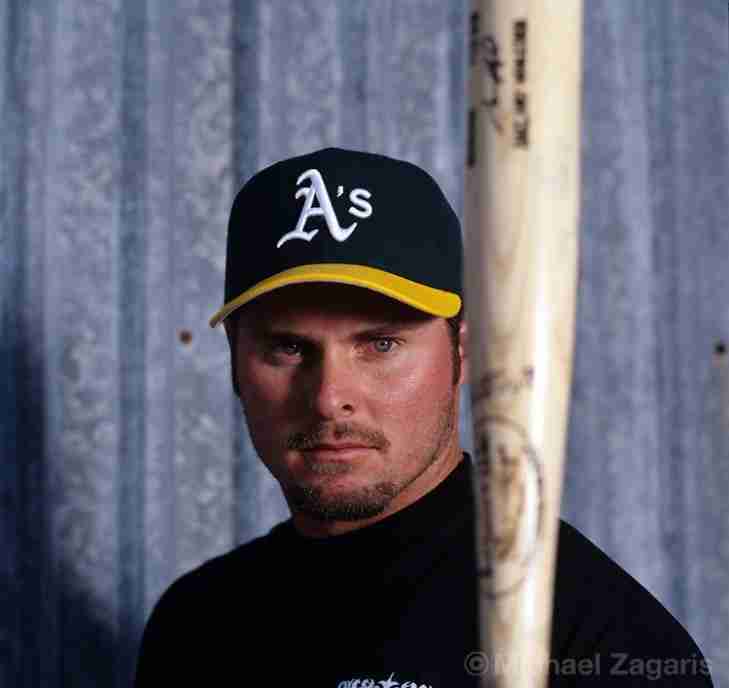
While Jason Giambi is better known as an inflated PED user, the fact remains that he was a very good hitter and a former American League MVP. Giambi would go to five consecutive All-Star Games and blast 440 Home Runs with a .516 career Slugging Percentage over a twenty-year career. He would also show solid plate discipline with three On Base Percentage Titles and retired with a very good 50.4 bWAR.
As we predicted, Giambi did not escape the first ballot. That is a shame, as he had a career worthy of a second look from Cooperstown.
