

 Not in Hall of Fame News
Yes, we know that this is taking a while! As many of…
 Not in Hall of Fame News
Yes, we know that this is taking a while! As many of…
 Not in Hall of Fame News
2002 SEMI-FINAL RESULTS: Thank you for your participation in the Pro Football…
 Not in Hall of Fame News
Yes, we know that this is taking a while! As many of…
 Not in Hall of Fame News
We are diligently working away at Notinhalloffame on revising our Football lists…
 Not in Hall of Fame News
We are diligently working away at Notinhalloffame on revising our Football lists…
 From the Desk of the Chairman
Unlike in the case of pre-match betting, where you have to pick…
 From the Desk of the Chairman
Kupu178 builds trust with people by using top-end end-to-end encryption. It checks…
 From the Desk of the Chairman
Sports fans thrive on calculating strategy, reading momentum, and maximizing every tactical…
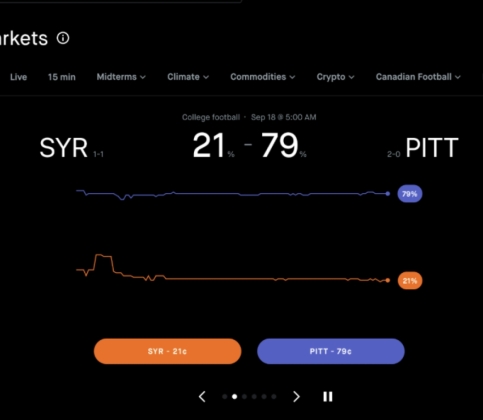 From the Desk of the Chairman
The 2026 NFL season is two weeks old and the division races…
 From the Desk of the Chairman
Sports communities are often built around things that have nothing to do…
 From the Desk of the Chairman
Every hall of fame eventually faces the same problem. The selection process…






100 Active Potential Football Hall of Famers
-
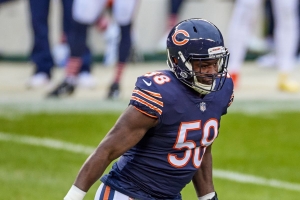 #31 Overall, Roquan Smith, Baltimore Ravens Linebacker, #3 Defensive Lineman/Linebacker: Interior Lineman2025 Pre-Season Rank #39, 2024 Pre-Season Rank #62, 2023 Pre-Season Rank #92, 2022 Pre-Season Rank #133, 2021 Pre-Season Rank #146. Peak Period: 2020-24…
 -
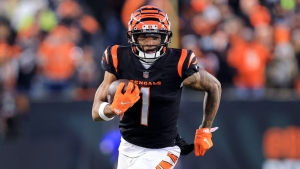 #42 Overall, Ja'Marr Chase, Cincinnati Bengals, #6 Wide Receiver2025 Pre-Season Rank #55, 2024 Pre-Season Rank #111, 2023 Pre-Season Rank #134, 2022 Pre-Season Rank #145. Peak Period: 2021-25* Ja’Marr Chase has been…
 -
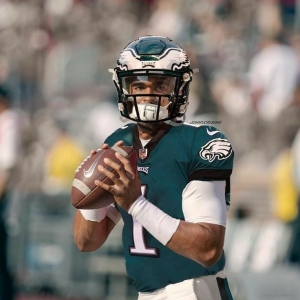 #32 Overall, Jalen Hurts, Philadelphia Eagles, #6 Quarterback2025 Pre-Season Rank #33, 2024 Pre-Season Rank #53, 2023 Pre-Season Rank #121. Peak Period: 2021-25 And in 2024, he became a champion. Jalen…in Quarterbacks
 -
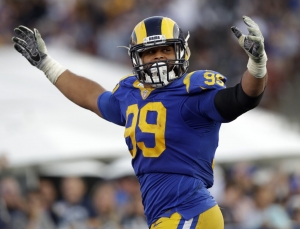 #1 Overall, Aaron Donald: Los Angeles Rams, Defensive End, #1 Defensive Lineman/Linebackers/Pass Rushers2020 Pre-Season Rank #15, 2021 Pre-Season Rank #5, 2022 Pre-Season Rank #3, 2023 Pre-Season Rank #2. PEAK 2017-21 Well, look who’s back! When…
Visit the Fictitious Halls of Fame!


You May Also Like...
EDITOR’S CHOICE

 DDT's Pop Flies
When the veterans committee (VC), officially convening as the Contemporary Baseball Era…


 Live Music Head
Project/Objectan interview with André Cholmondeleyby Live Music HeadOriginally published at timessquare.com on…

LATEST RANKINGS





MOST POPULAR RANKINGS
















Committee Chairman
35. Rocky Colavito

Colavito’s rise to stardom was nearly instantaneous, providing a jolt of electricity to the lineup when he took over a full-time role. He finished as the runner-up for the 1956 Rookie of the Year after launching 21 home runs in limited action, but his game reached a spectacular inflection point in 1958. That summer, he hit .303 and blasted 41 round-trippers, following it up in 1959 by leading the Junior Circuit with 42 homers. He possessed a specialized, high-leverage power that terrified opposing pitchers, and his craftsmanship in the field was equally feared; his arm was a high-velocity weapon that famously kept baserunners from testing the extra base.
The most controversial chapter of his journey was the 1960 trade to Detroit for Harvey Kuenn, a swap of a home run king for a batting champion that famously left the Cleveland faithful in mourning. The fans’ heartbreak was vindicated as Colavito continued to punish baseballs elsewhere while the "Curse of Rocky Colavito" allegedly took hold of the team. However, he authored a dramatic homecoming in 1965, returning to Cleveland via trade to a hero’s welcome. This second act was a genuine career renaissance; he led the American League with 108 RBIs and secured a fifth-place finish in the MVP race, proving that even as a veteran, he remained the tactical heartbeat of the organization.
Whether he was famously hitting four home runs in a single game at Memorial Stadium or drawing a league-leading 93 walks in 1965, he competed with a focused intensity that made him a local immortal. He showed that a player could become a franchise pillar by combining a legendary "cannon" of an arm with a swing that defined an entire era of Cleveland baseball.
With the Indians, Colavito compiled 190 home runs, 574 RBIs, and a .495 slugging percentage while earning three All-Star nods. The organization provided the ultimate punctuation on his legacy in 2006 by inducting him into the Cleveland Hall of Fame.
29. Omar Vizquel
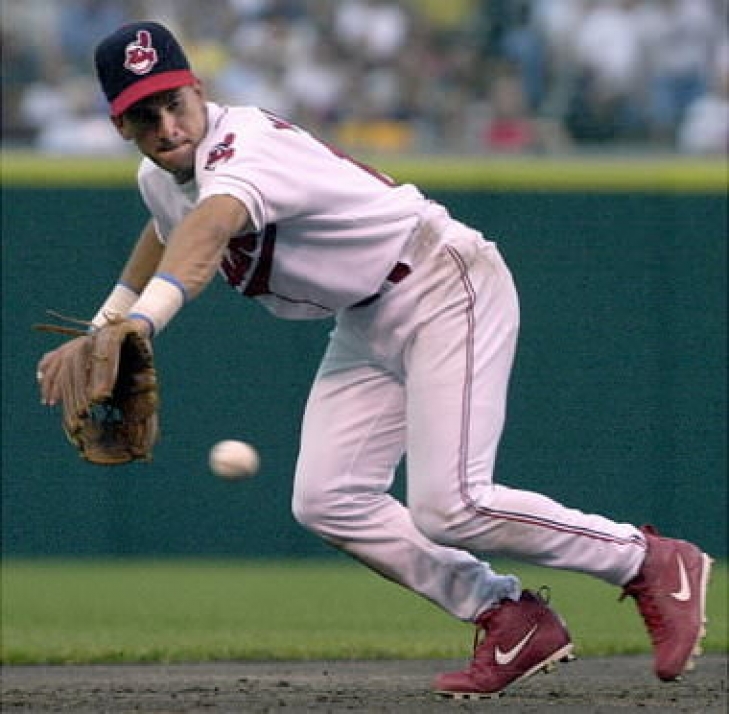
Omar Vizquel’s path to Cleveland was forged by a shrewd 1994 trade that sent Félix Fermín and Reggie Jefferson to the Mariners, a move that secured the franchise’s defensive identity for over a decade. He surfaced in 1994 and matured instantly into a premier run-preventer, authoring an incredible stretch of eight consecutive Gold Glove Awards in a Cleveland uniform. He possessed a specialized, rhythmic grace on the dirt, maintaining some of the highest fielding percentages in American League history. He wasn't just a steady glove; he was a tactical genius who understood the geometry of the field, consistently leading the league in double plays and range factor while providing defensive highlight reels on a regular basis.
The most impressive aspect of his tenure was an offensive evolution that allowed him to remain a high-frequency contributor for a championship contender. Vizquel was a master of the "small ball" game, possessing a specialized ability to manufacture runs through bat control and world-class speed. He authored eight different 150-hit seasons during his stay, accumulating 1,616 hits and serving as a high-leverage spark at the bottom or top of the order. This craftsmanship was complemented by a daring presence on the basepaths, where he swiped 279 bases for the club and used his veteran poise to turn routine singles into scoring threats.
His presence was defined by a charismatic, professional joy and a durability that saw him play in the Major Leagues until the age of 45. Whether he was making a leaping throw across his body or lacing a line drive into the gap, he competed with a focused brilliance that made him a local favorite. Vizquel signed with San Francisco after the 2024 season, leaving behind 1,616 hits and 279 stolen bases while securing eight Gold Glove Awards and three All-Star selections.
The organization provided the final punctuation on his legacy a decade after his departure. In 2014, Omar Vizquel was officially inducted into the Cleveland Guardians Hall of Fame.
30. C.C. Sabathia
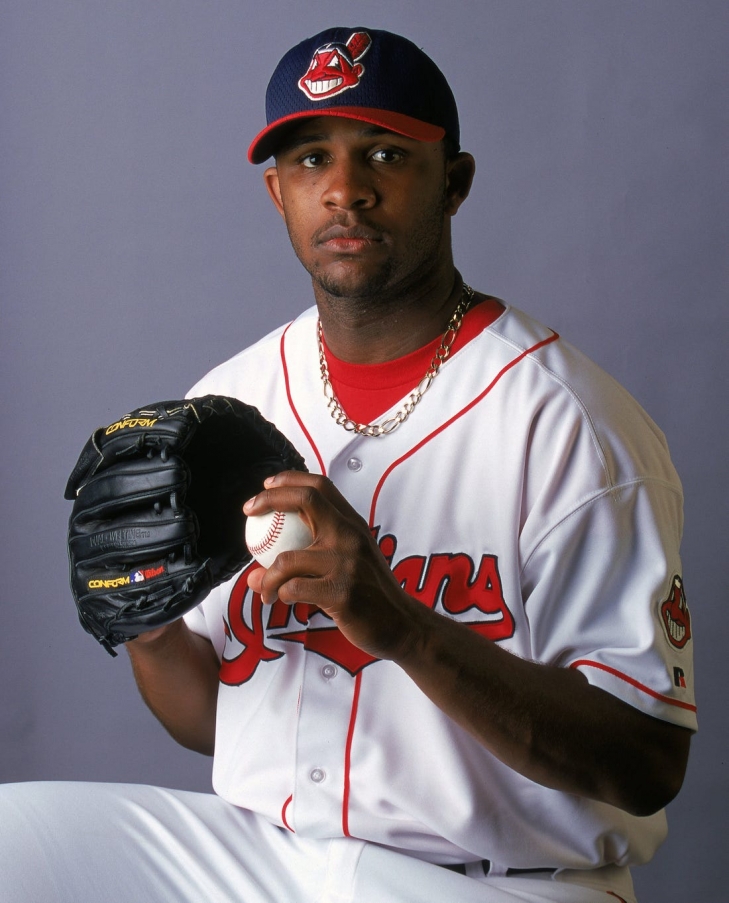
When a twenty-year-old C.C. Sabathia first stepped onto a Major League mound in 2001, he didn't just join the Cleveland rotation—he ignited it. Standing as a physical titan with a high-velocity arm to match, the young lefty authored a debut season for the ages, storming to a 17-5 record. While Ichiro Suzuki’s historic arrival in Seattle ultimately edged him out for Rookie of the Year honors, Sabathia’s presence in Cleveland was an immediate statement of intent. He possessed a specialized, heavy fastball that allowed him to navigate seven-and-a-half seasons in a Tribe uniform without ever recording a losing record, earning two All-Star nods before he had even reached his athletic prime.
The trajectory of his career reached its most dominant inflection point in 2007. That summer, Sabathia evolved from a raw power pitcher into a sophisticated tactical master, leading the American League with a staggering 241 innings pitched. He was the definition of a high-frequency workhorse, racking up 19 wins and a 5.65 strikeout-to-walk ratio on his way to capturing the Cy Young Award. His craftsmanship was the engine that powered Cleveland to the brink of a pennant, providing the veteran poise and high-leverage durability required to anchor a staff during a grueling postseason run.
Beyond the box scores, Sabathia’s legacy was defined by professional resilience and a genuine connection to the city. He remained the emotional heartbeat of the clubhouse until a June 2008 trade sent him to Milwaukee, but the foundation he built in Cleveland remained unshakable.
He exited the organization with 106 victories and 1,265 strikeouts, benchmarks that reflect a decade of sustained excellence off of Lake Erie.
32. Jim Bagby, Sr.
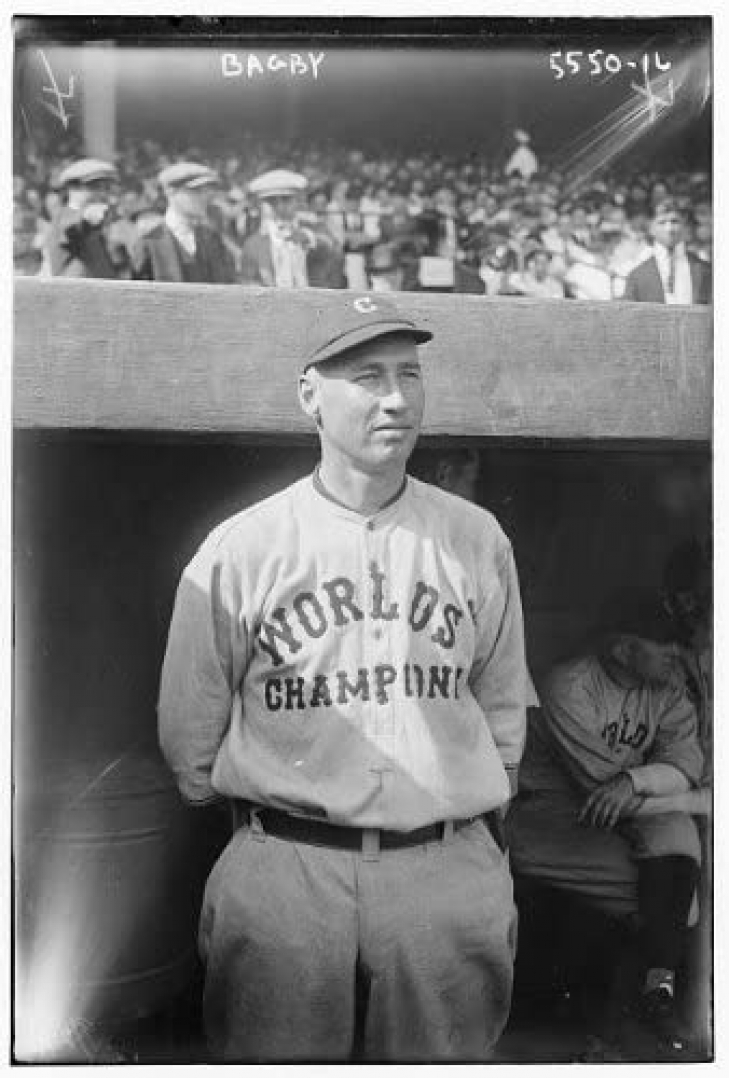
Bagby evolved into a premier workhorse as the franchise adopted the "Indians" moniker, consistently providing the high-leverage durability needed to keep the club in contention. He possessed a specialized ability to eat innings, maintaining a sharp 2.49 ERA over his first four seasons in a Cleveland uniform. However, his career reached an incredible inflection point during the legendary 1920 season. That summer, Bagby authored a workload that seems impossible by modern standards, leading the American League with 339.2 innings pitched and securing a staggering 31 victories. He was the definition of a high-frequency winner, serving as the tactical engine that powered Cleveland to its first-ever American League pennant.
The true magnitude of his contribution was felt during the 1920 World Series against Brooklyn. Bagby was a master of the big moment, becoming the first pitcher in World Series history to hit a home run, a feat of athletic versatility that punctuated his dominance on the mound. He was a model of specialized endurance, providing the strikes required to secure Cleveland’s first World Championship. This craftsmanship was the culmination of a peak that saw him lead the league in games started and complete games, proving that his game was built on a relentless refusal to leave the mound until the job was done.
His presence was defined by a professional resilience that eventually took its toll. After the heavy workload of 1920, his arm began to show the fatigue of those grueling seasons, leading to a decline in his effectiveness and an early exit from the sport just a few years later. He departed with a legacy of 122 victories and a reputation as the ultimate "big game" hunter in the twilight of the deadball era.
The organization provided the ultimate punctuation on his career nearly a century later by inducting him into the Cleveland Hall of Fame in 2007.
