

 Not in Hall of Fame News
Yes, we know that this is taking a while! As many of…
 Not in Hall of Fame News
Yes, we know that this is taking a while! As many of…
 Not in Hall of Fame News
2002 SEMI-FINAL RESULTS: Thank you for your participation in the Pro Football…
 Not in Hall of Fame News
Yes, we know that this is taking a while! As many of…
 Not in Hall of Fame News
We are diligently working away at Notinhalloffame on revising our Football lists…
 Not in Hall of Fame News
We are diligently working away at Notinhalloffame on revising our Football lists…
 From the Desk of the Chairman
For decades, the sports debate ran on gut feeling. Barstool arguments, call-in…
 From the Desk of the Chairman
Introduction to Private Adult Tennis Camps in Prague Adult club players increasingly…
 From the Desk of the Chairman
Unlike in the case of pre-match betting, where you have to pick…
 From the Desk of the Chairman
Kupu178 builds trust with people by using top-end end-to-end encryption. It checks…
 From the Desk of the Chairman
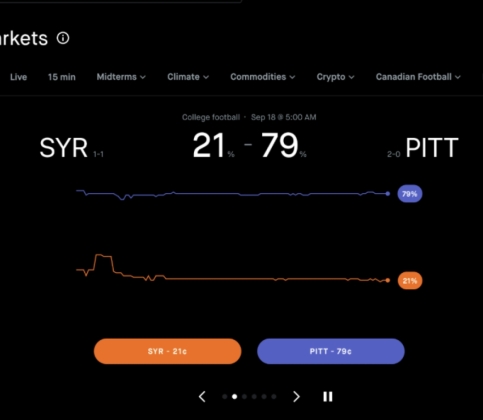
Sports fans thrive on calculating strategy, reading momentum, and maximizing every tactical…
 From the Desk of the Chairman
The 2026 NFL season is two weeks old and the division races…

100 Active Potential Football Hall of Famers
-
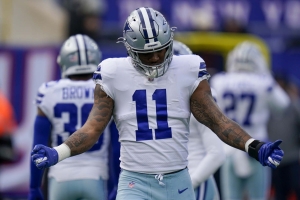 #29 Overall, Micah Parsons, Green Bay Packers, Linebacker, #10 Defensive Lineman/Linebacker: Pass Rusher2025 Pre-Season Rank #54, 2024 Pre-Season Rank #79, 2023: Pre-Season Rank #102. Peak Period: 2021-25 Here is what we wrote about Micah Parsons…
 -
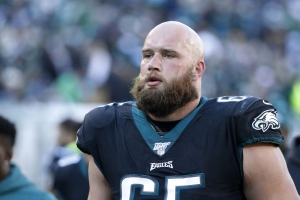 #34 Overall, Lane Johnson, Philadelphia Eagles, Right Tackle, #3 Offensive LinemanPre-Season Rank #27, 2024 Pre-Season Rank #40, 2023 Pre-Season Rank #57, 2022 Pre-Season Rank #107, 2021 Pre-Season Rank #143. Peak Period 2017-18/2022-24 When…
 -
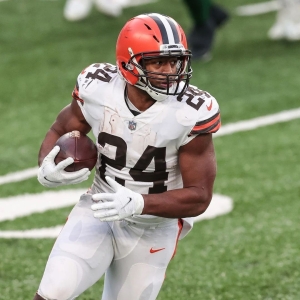 #40 Overall, Justin Jefferson, Minnesota Vikings, #5 Wide Receiver2025 Pre-Season Rank #38, 2024 Pre-Season Rank #50, 2023 Pre-Season Rank #101, 2022 Pre-Season Rank #130. Peak Period: 2020-24 Since he debuted in…
 -
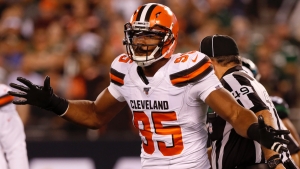 #7 Overall, Myles Garrett, Los Angeles Rams, Defensive End, #2 Defensive Lineman/Linebackers: Pass Rushers2025 Pre-Season Rank #9, 2024 Pre-Season Rank #17, 2023 Pre-Season Rank #34, 2022 Pre-Season Rank #53, 2021 Pre-Season Rank #99, 2020 Pre-Season Rank…
Visit the Fictitious Halls of Fame!


You May Also Like...
EDITOR’S CHOICE
 DDT's Pop Flies
When the veterans committee (VC), officially convening as the Contemporary Baseball Era…



 Live Music Head
Project/Objectan interview with André Cholmondeleyby Live Music HeadOriginally published at timessquare.com on…

LATEST RANKINGS


MOST POPULAR RANKINGS




Committee Chairman
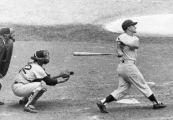
108. Curt Flood
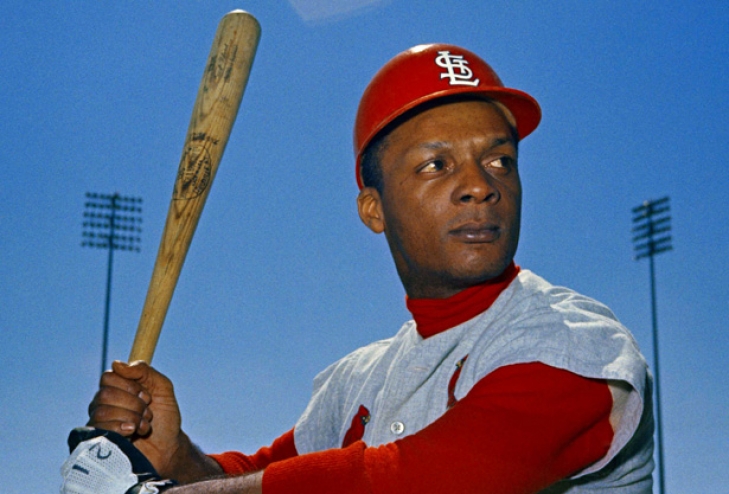
In terms of actual importance in Baseball, Curt Flood is in the top ten, if not the top five, in the game.
When Flood challenged the reserve clause in Baseball, objecting to a trade to the Philadelphia Phillies. It led to a lawsuit, and Flood sat out for an extended period, ultimately ending his career. It also led to Free Agency, and every time a baseball player signs a big contract, they should get down on their knees and thank the baseball gods for Curt Flood, who never financially benefited from what he stood for.
As a player, Flood was a star with an excellent St. Louis Cardinals team in the 1960s that won the 1964 and 1967 World Series championships. Flood was an outstanding defensive Outfielder who won seven Gold Gloves. Offensively, Flood batted over .300 six times and led the National League in Hits in 1964. The three-time All-Star was also first in Singles three times.
The trade mentioned above to Philadelphia happened in 1970 when he was 32. He played only a few more games with the Washington Senators in 1971, but his career was over. Flood left with 1,861 Hits, and one of the most important legacies in Baseball.
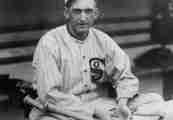
166. Smokey Joe Wood
The story of Howard Ellsworth "Smoky Joe" Wood is typical in that we have a power pitcher who was dominant for a short time, only for arm fatigue to cause an early end of his pitching career (though he would continue to play, but we'll get to that later)
Wood debuted for the Red Sox as a teenager in 1908, and in 1910, he went 12-13 with a 1.69 ERA. The year after, he won 23 games and led the American League in FIP (2.13) and SO/9 (7.5), and he was viewed as one of the hardest throwers in baseball. 1912 would be his best season in the game, as he had a league-leading 34 wins against only 5 Losses. He also posted an ERA of 1.91 and a career-best WHIP of 1.015. That year, the Red Sox won the pennant and went on to win the World Series, where Wood went 3-1.
Wood remained an excellent pitcher over the next three seasons, but he did not bounce back as quickly and made only 64 appearances. He would win the ERA Title in 1915 (1.49) but was unable to play in the 1915 World Series, which Boston would win.
That was it for Wood in Boston, as he sat out 1916 and would never pitch for the Red Sox again. The Cleveland Indians would purchase his contract before the 1917 season.
It should be noted that Wood was an above-average hitting pitcher who batted .244 for Boston. Because he was such a good hitter, he was able to continue playing (albeit in Cleveland) until 1922, where he had 432 Hits for the Tribe.
163. Ted Kluszewski
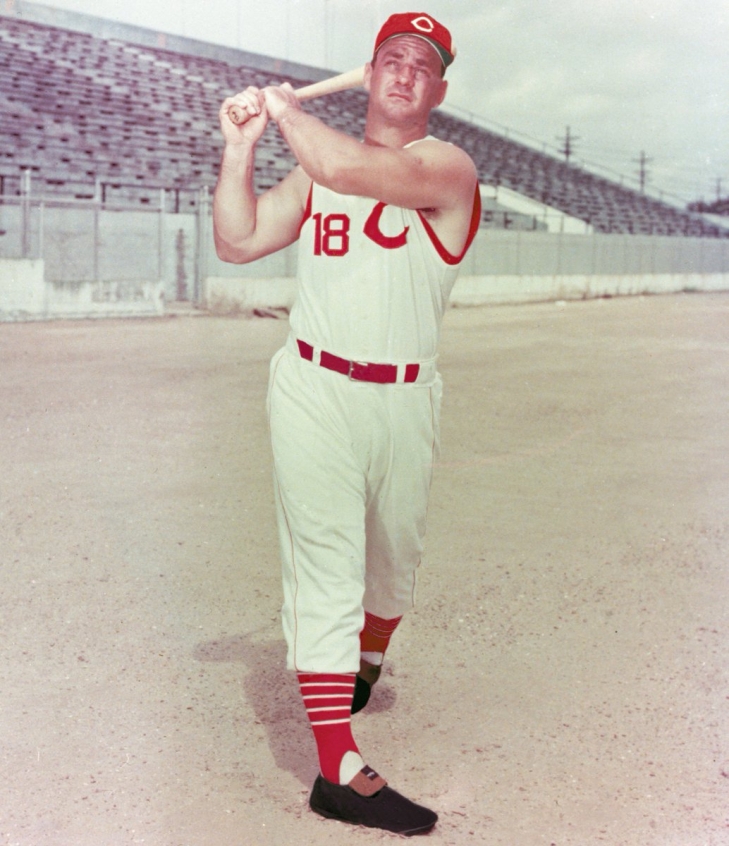
Ted Kluszewski was a monster in his day. This was not just in regards to his tape measure Home Runs, but that he was such an imposing physical specimen that he cut off the sleeves of his uniform so that his arms could move better.
“Big Klu” debuted in the Majors in 1947 with the Cincinnati Reds, and the big First Baseman was a starter a couple of years later. From 1953 to 1956, Kluszewski was an All-Star and one of the premier hitters in the National League. Winning the Home Run Title in 1954 with 49, Kluszewski was also first in RBIs with 141. That year was sandwiched between two other 40-HR seasons, and in that four-year All-Star run, he was also a three-digit RBI player. Kluszewski’s offensive skills were not just his power, as he batted over .300 six times and had a career Batting Average of .302. Despite his big swing, he did not strike out much, fanning only 365 times in his career and 35 times in his 49-HR year. That year, he was also the runner-up for the National League MVP, and he was in the top ten in the year before and after.
Kluszewski’s offense fell off after 1956 when injuries took their toll on the big man’s body, and he bounced around the Majors before retiring in 1961 with 279 Home Runs and 1,028 RBIs.
Kluszewski would later win two World Series Rings as a Coach with Cincinnati in the 1970s.
123. Rocky Colavito
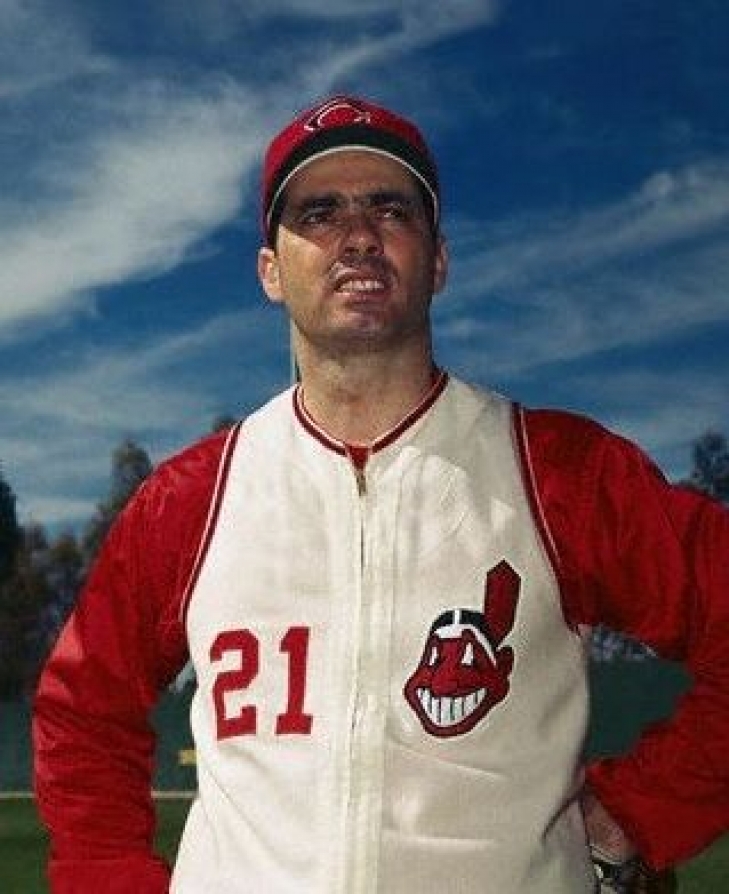
One of the most popular players in Cleveland Indians' history, Rocco "Rocky" Colavito, came from the Bronx, where, naturally, he was a Yankees fan.
The Outfielder debuted with the Indians in 1955, where he was an instant fan favorite and bona fide star.
Colavito was the runner-up for the American League Rookie of the Year in 1956, and in 1957, he began a six-year streak in the top six in Home Runs and a nine-year run in the top ten in Runs Batted In. Colavito won the Home Run Title in 1959, and this season, and the year before, he was in the top five in MVP voting.
One of the most controversial trades in Indians history took place two days before opening day, when Colavito was traded to the Detroit Tigers for Harvey Kuenn. Kuenn consistently batted over .300, and the Cleveland GM, Frank Lane, was berated by Indians fans and the press, who thought it was a bonehead transaction. Lane famously quipped that he traded "hamburger for steak," but it was an interesting trade for both sides.
Kuenn’s All-Star days were soon to be behind him, and Colavito, while still producing, was not nearly as popular in Detroit. He was then traded to the Kansas City Athletics, and then back to Cleveland in 1965, where he had one more great year with 26 Home Runs and a league-lead in RBIs (108) and Walks (93). He was fifth that year in MVP voting.
Colavito declined after that year, and he would play until 1969, appropriately finishing his career with a brief stint with the New York Yankees.
Colavito retired with 374 Home Runs and 1,159 RBIs.
