

 Not in Hall of Fame News
Yes, we know that this is taking a while! As many of…
 Not in Hall of Fame News
Yes, we know that this is taking a while! As many of…
 Not in Hall of Fame News
2002 SEMI-FINAL RESULTS: Thank you for your participation in the Pro Football…
 Not in Hall of Fame News
Yes, we know that this is taking a while! As many of…
 Not in Hall of Fame News
We are diligently working away at Notinhalloffame on revising our Football lists…
 Not in Hall of Fame News
We are diligently working away at Notinhalloffame on revising our Football lists…
 From the Desk of the Chairman
October baseball often turns individual pitching performances into lasting postseason memories. Strikeout…
 From the Desk of the Chairman
For decades, the sports debate ran on gut feeling. Barstool arguments, call-in…
 From the Desk of the Chairman
Introduction to Private Adult Tennis Camps in Prague Adult club players increasingly…
 From the Desk of the Chairman
Unlike in the case of pre-match betting, where you have to pick…
 From the Desk of the Chairman
Kupu178 builds trust with people by using top-end end-to-end encryption. It checks…
 From the Desk of the Chairman
Sports fans thrive on calculating strategy, reading momentum, and maximizing every tactical…


100 Active Potential Football Hall of Famers
-
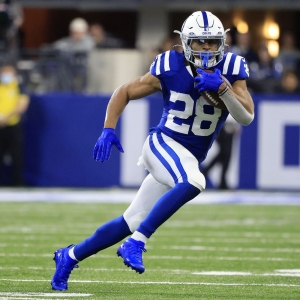 #47 Overall, Jonathan Taylor, Indianapolis Colts, #4 Running Back2025 Pre-Season Rank #70, 2024 Pre-Season Rank #98, 2023 Pre-Season Rank: #107, 2022 Pre-Season Rank #111. Peak Period: 2021-25 After a good rookie…
 -
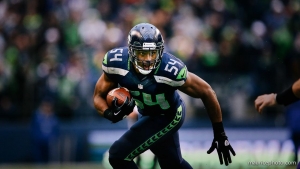 #3 Overall, Bobby Wagner: Free Agent Linebacker, #1 Defensive Lineman/Linebacker: Interior Lineman2025 Pre-Season Rank #2, 2024 Pre-Season Rank #3, 2023 Pre-Season Rank #3, 2022 Pre-Season Rank #6, 2021 Pre-Season Rank #10, 2020 Pre-Season Rank…
 -
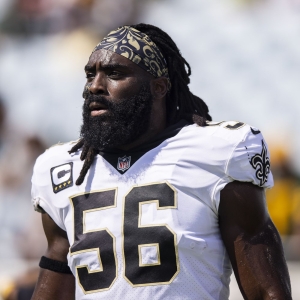 #48 Overall, DeMario Davis, New York Jets, Linebacker, #4 Defensive Lineman/Linebacker: Interior Lineman2025 Pre-Season Rank #47, 2024 Pre-Season Rank #47, 2023 Pre-Season Rank #61, 2022, Pre-Season Rank #137. Peak Period: 2019-23 Davis, a veteran player,…
 -
 #9 Overall, Matthew Stafford, Los Angeles Rams, #3 Quarterback2025 Pre-Season Rank #26, 2024 Pre-Season Rank #31, 2023 Pre-Season Rank #37, 2022 Pre-Season Rank #37, 2021 Pre-Season Rank #59, 2020 Pre-Season Rank…in Quarterbacks
Visit the Fictitious Halls of Fame!


You May Also Like...
EDITOR’S CHOICE
 DDT's Pop Flies
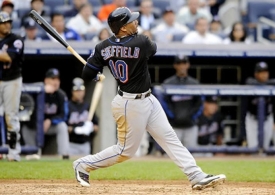
When the veterans committee (VC), officially convening as the Contemporary Baseball Era…



 Live Music Head
Project/Objectan interview with André Cholmondeleyby Live Music HeadOriginally published at timessquare.com on…
LATEST RANKINGS


MOST POPULAR RANKINGS




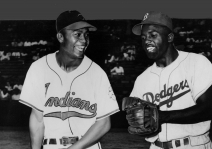

Committee Chairman
239. Joe Judge
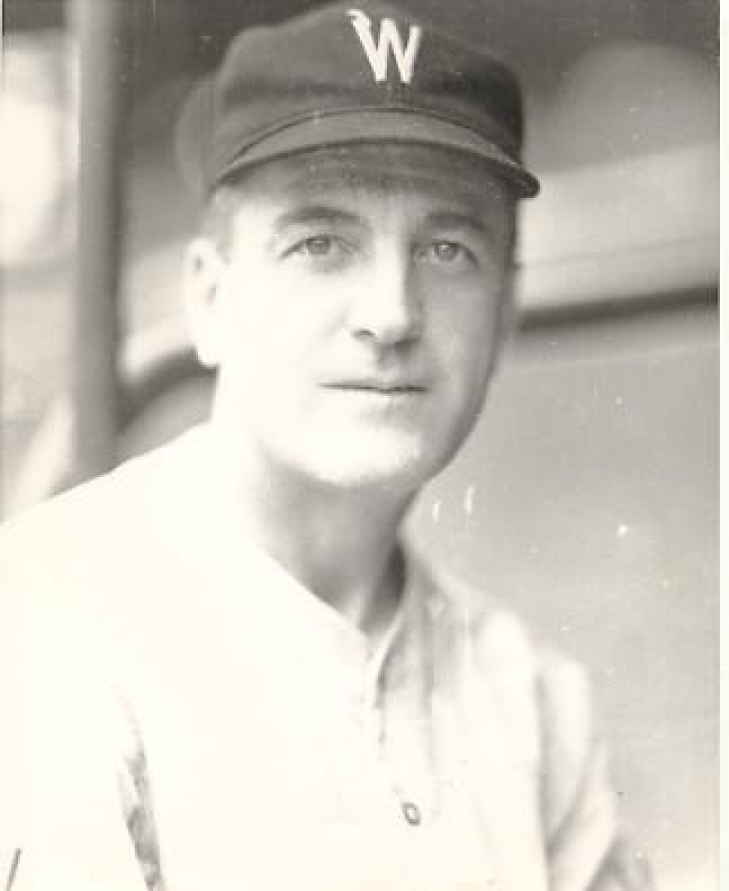
Joe Judge played the vast majority of his career with the Washington Senators, where he was one of the best First Baseman of the American League during his era.
Judge debuted for the Washington Senators in 1915, and two years later, he was cemented as the starter at First for the Sens. Judge would regularly collect Hits, and as a Senator, he had nine .300-plus seasons. The First Baseman helped lead Washington to their first World Series win in franchise history, and he would amass 2,352 Hits and a .298 Batting Average over his career.
252. Chuck Knoblauch
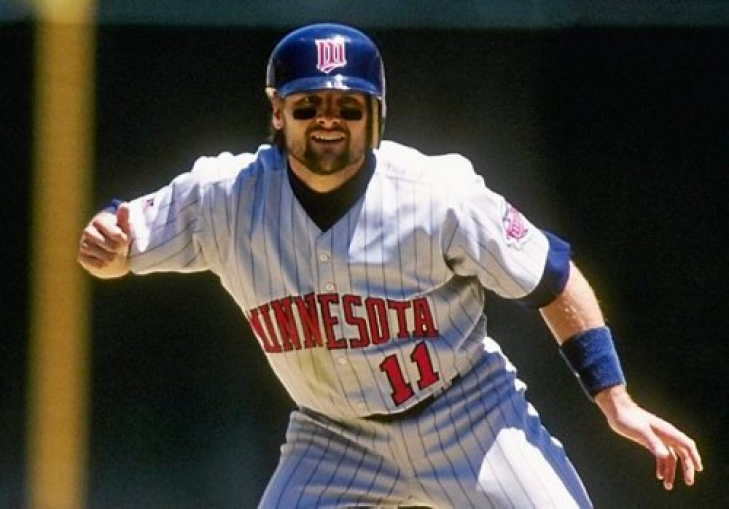
Chuck Knoblauch had a very unique career in that he was equally praised as he was much as he was maligned.
219. Steve Rogers
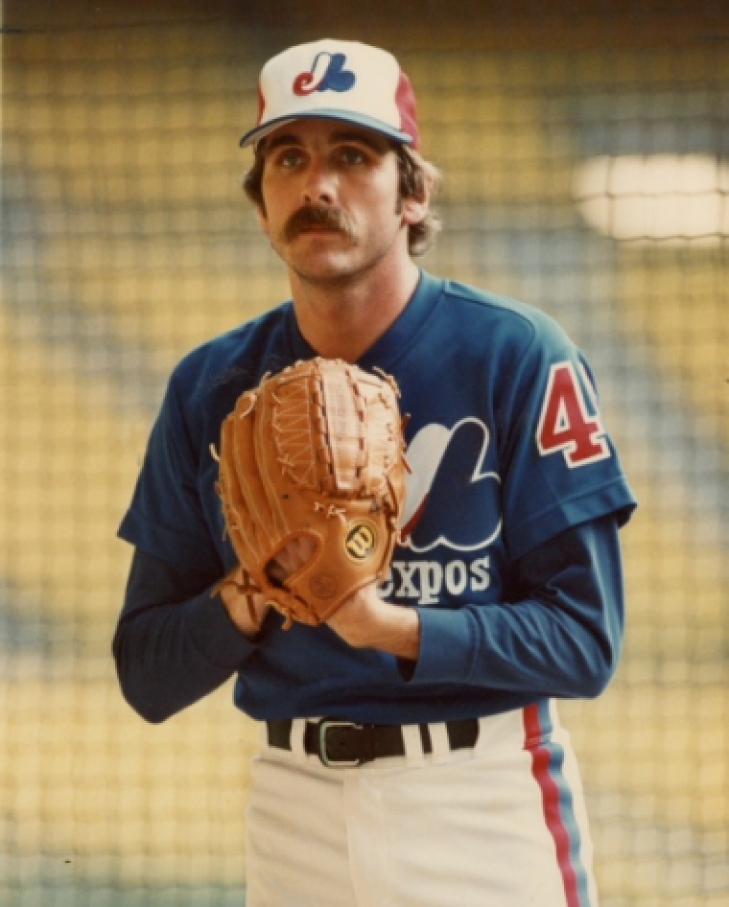
The claim can be made (and we will be among those who make it) that Steve Rogers was the greatest Pitcher in franchise history when the Washington Nationals were in Montreal as the Expos.
Rogers played his entire career with the Expos (1973-85), and he got off to a great start as the runner-up for the Rookie of the Year. The Expos were not a good team in the 70s, and he twice led the National League in Losses, but most of that could not be put on his shoulders. Rogers, who was an All-Star in 1974, was again one in 1978 and 1979, and as Montreal improved, the baseball world took notice of their ace.
In 1982, Rogers was an All-Star again, winning the ERA Title (2.40) and finishing second in Cy Young voting. Rogers was third for the Cy Young the year after, and he was an All-Star for the fifth and final time. Injuries and arm fatigue caught up with him, and he retired in 1985.
Notably, Rogers was also a respectable hitter, who might have had a low Batting Average (.138), could bunt people over, and he actually led the NL in Sacrifice Hits in 1983.
Rogers retired with a 158-152 record with 1,621 Strikeouts.
254. Jack Powell
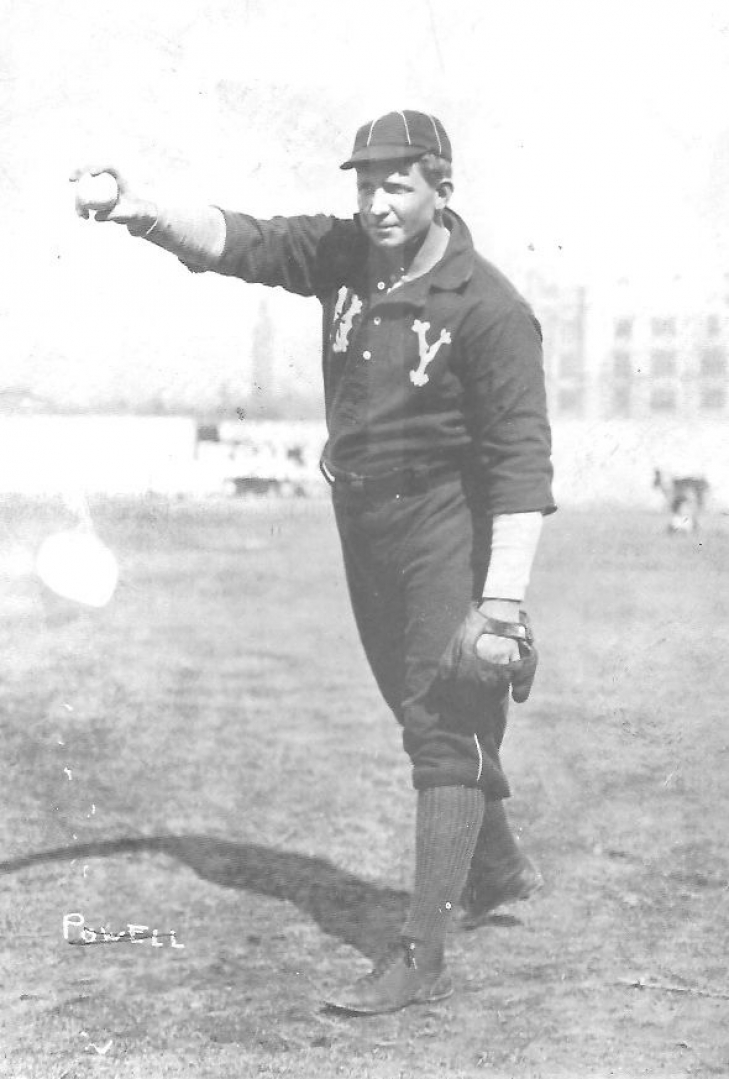
Jack Powell may have posted a losing record over his career (245-255), but regardless of the era, isn’t anyone who won these many games have to be considered good?
