

 Not in Hall of Fame News
Yes, we know that this is taking a while! As many of…
 Not in Hall of Fame News
Yes, we know that this is taking a while! As many of…
 Not in Hall of Fame News
2002 SEMI-FINAL RESULTS: Thank you for your participation in the Pro Football…
 Not in Hall of Fame News
Yes, we know that this is taking a while! As many of…
 Not in Hall of Fame News
We are diligently working away at Notinhalloffame on revising our Football lists…
 Not in Hall of Fame News
We are diligently working away at Notinhalloffame on revising our Football lists…
 From the Desk of the Chairman
October baseball often turns individual pitching performances into lasting postseason memories. Strikeout…
 From the Desk of the Chairman
For decades, the sports debate ran on gut feeling. Barstool arguments, call-in…
 From the Desk of the Chairman
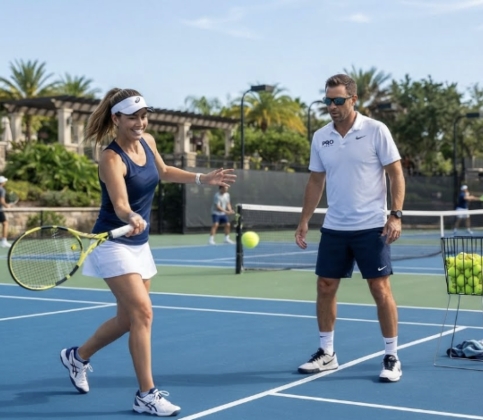
Introduction to Private Adult Tennis Camps in Prague Adult club players increasingly…
 From the Desk of the Chairman
Unlike in the case of pre-match betting, where you have to pick…
 From the Desk of the Chairman
Kupu178 builds trust with people by using top-end end-to-end encryption. It checks…
 From the Desk of the Chairman
Sports fans thrive on calculating strategy, reading momentum, and maximizing every tactical…
100 Active Potential Football Hall of Famers
-
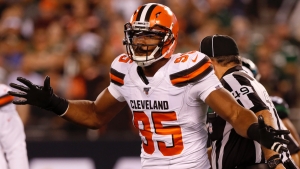 #7 Overall, Myles Garrett, Los Angeles Rams, Defensive End, #2 Defensive Lineman/Linebackers: Pass Rushers2025 Pre-Season Rank #9, 2024 Pre-Season Rank #17, 2023 Pre-Season Rank #34, 2022 Pre-Season Rank #53, 2021 Pre-Season Rank #99, 2020 Pre-Season Rank…
 -
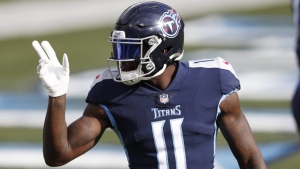 #50 Overall, A.J. Brown, New England Patriots, #9 Wide Receiver2025 Pre-Season Rank #49, 2024 Pre-Season Rank #76, #2023 Pre-Season Rank #106, 2022 Pre-Season Rank #142, 2021 Pre-Season Rank #141. Peak Period: 2020-24…
 -
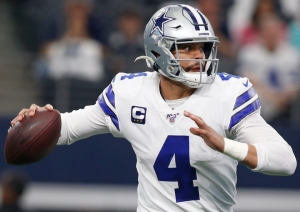 #37 Overall, Dak Prescott, Dallas Cowboys, #7 Quarterback2025 Pre-Season Rank #40, 2024 Pre-Season Rank #32, 2023 Pre-Season Rank #44, 2022 Pre-Season Rank #55, 2021 Pre-Season Rank #63, 2020 Pre-Season Rank…in Quarterbacks
 -
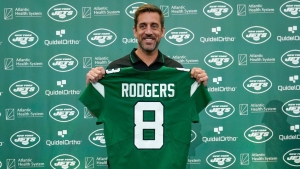 #2 Overall, Aaron Rodgers: Pittsburgh Steelers, #1 Quarterback2025 Pre Season Ranke #1, 2024 Pre-Season Rank #1, 2023 Pre-Season Rank #1, 2022 Pre-Season Rank #2, 2021 Pre-Season Rank #2, 2020 Pre-Season…in Quarterbacks
Visit the Fictitious Halls of Fame!


You May Also Like...
EDITOR’S CHOICE
 DDT's Pop Flies
When the veterans committee (VC), officially convening as the Contemporary Baseball Era…


 Live Music Head
Project/Objectan interview with André Cholmondeleyby Live Music HeadOriginally published at timessquare.com on…

LATEST RANKINGS


MOST POPULAR RANKINGS



Committee Chairman
Notinhalloffame awards Nikola Jokic the first ever Notinhalloffame Pure Cup.
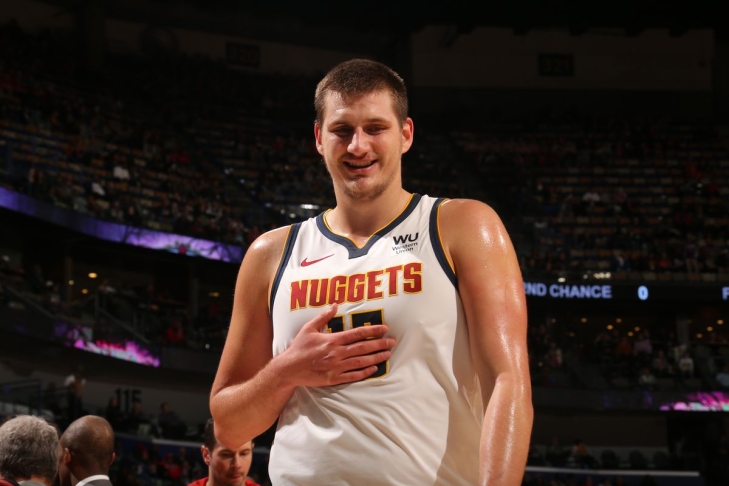
Two months ago, we awarded Nikola Jokic as the winner of the second Notinhalloffame NBA Cup.
What was that?
With every single regular season game, we anointed the best five players in the game with descending points, 5-4-3-2-1. The top players for the NBA NIHOF Cup are not always the best in the league, as injuries keep players out of games, and a premium on staying healthy can help pile up points. It also does not hurt to be a top player on an average or mediocre team, as they can amass Cup points easier that elite players on loaded squads.
Please remember, that this is NOT necessarily who we think were the best players this year, and does not reflect overall consistency. Treat this the way did, as a fun process and more of a compilation of temporary statistical domination.
Here is the addition to that.
We continued the process through the playoffs to create the first ever Notinhalloffame Pure Cup, combining both the regular season and playoffs.
Could Jokic, win the Notinhalloffame.com Pure Cup? Amazingly, Yes!
Here are the top 100 2021/22 rankings for the NBA NIHOF PURE CUP:
1. Nikola Jokic: Denver Nuggets, Center:
353 Points, 331 Regular Season, 19 Playoff. (#1 Regular Season)
Jokic won our MVP and the regular MVP last year, and statistically speaking he was even better this year. An All-Star for the fourth consecutive year, Jokic was the January Player of the Year, and led the NBA in Total Rebounds, PER, Win Shares, Box Plus/Minus and VORP. The Nuggets might not have been the best team in the NBA during the regular season, but Jokic was the most complete player in the Association. The Nuggets only lasted five Games in the Playoffs, losing in five to eventual winner, Golden State, but the Serbian Superstar was so far ahead of everyone else going into the post-season, the Playoff Cup Points he accumulated were enough to win this.
2. Jayson Tatum: Boston Celtics, Forward:
347 Points, 274 Regular Season, 73 Playoff. (#4 Regular Season)
There is no doubt now that the Celtics are Tatum’s team, and the now three-time All-Star set new personal highs in Points, Rebounds, Assists and PER. Tatum was also selected for four Player of the Week Awards, and led the NBA in Defensive Win Shares. The rest of the league should be scared as Tatum should be even better next year. While much was written about Tatum’s failure in the last game of the NBA Finals, he was incredible throughout, and was also the inaugural winner of the Eastern Conference Finals MVP.
3. Giannis Antetokounmpo: Milwaukee Bucks, Forward:
339 Points, 289 Regular Season, 50 Playoff. (#3 Regular Season)
Antetokounmpo won the 2019 and 2020 MVP, and is still arguably one of the best players in the NBA. The “Greek Freak” has no weakness in his game, and the Bucks go as far as he can take him. Antetokounmpo was in the running for the Cup this year, but missing a few games was all it took for him to fall behind his fellow Europeans. He also went to his sixth All-Star Game, and he had a higher PPG and PER than last year. Named to the NBA 75th Anniversary Team, Giannis was twice a two-time Player of the Week. What can’t he do?
4. Joel Embiid: Philadelphia 76ers, Center:
326 Points, 292 Regular Season, 34 Playoff. (#2 Regular Season)
Embiid won his first scoring title, and went to his fifth consecutive All-Star Game. As of this writing, this is the best season of Embiid’s career, and he is still a player on the rise. Embiid posted career highs in Points, Rebounds, Assists and PER, and led Philadelphia to their best record in years. The Sixers fell in the second round and the “Process” continues.
5. Luka Doncic: Dallas Mavericks, Guard:
262 Points, 292 Regular Season, 63 Playoff. (#6 Regular Season)
Now a four-year veteran, Doncic is on a three-year streak of posting a PER over 25, and was twice named a Player of the Week. Doncic had his best PPG this year, finishing third, and he was also fifth in Assists per Game. Clearly the alpha dog for Dallas, the Slovenian superstar led the NBA in Usage Percentage the second straight year, and was fourth in VORP. Doncic may have lost his teammate, Kristaps Porzingis, who was traded to Washington, but he never let it hurt his game. In the playoffs, Doncic took the Mavs to the Western Conference Finals, and showed that there is even a higher level in his game.
6. Steph Curry: Golden State Warriors, Guard:
285 Points, 210 Regular Season, 75 Playoff. (#12 Regular Season)
You can argue that Curry was statistical down from last year, but he had more from Draymond Green and Klay Thompson, and also a vastly improved Jordan Poole. When Curry went down to injury late in the year, he was flirting with a top five spot, and potentially could have had if he played in more Games. An All-Star for the eighth time this season, Curry also earned one Player of the Month and three Player of the Week Awards. In the Playoffs, Curry won both the Western Conference Final MVP and the Finals MVP, and led Golden State to the title. Curry also led all players in Playoff Cup Points.
7. Trae Young: Atlanta Hawks, Guard:
284 Points, 267 Regular Season, 17 Playoff. (#6 Regular Season)
Young was even better this year than he was last year, though the team around him was not as successful. The Guard went to his second All-Star Game, and won three Player of the Week Awards. Young finished the season third in Assists per Game and fourth in Points per Game, and his 25.4 PER gained him his first top ten (sixth) in that advanced metric.
8. Devin Booker: Phoenix Suns, Guard:
265 Points, 240 Regular Season, 26 Playoff. (#7 Regular Season)
Booker led the Suns to the NBA Finals, and he was an All-Star for the third straight year. This season saw Booker post career-highs in PER, VORP (3.6) and Win Shares (7.6) and won three Player of the Week honors. Booker finished eighth in PPG, and is currently in his peak, though the Suns were disappointing in the playoffs.
9. Karl-Anthony Towns: Minnesota Timberwolves, Center:
257 Points, 240 Regular Season, 17 Playoff. (#7 Regular Season)
Towns remains the star of a mediocre Timberwolves squad, but his supporting cast has improved, and KAT went back to the All-Star Game (his third). Towns was a three-time Player of the Week this season, was tenth in PER and fifth in Win Shares (10.3), his highest finish since 2017/18. He was also tenth in PER, and brought Minnesota back to the playoffs.
10. DeMar DeRozan: Chicago Bulls, Forward
244 Points, 239 Regular Season, 5 Playoff. (#9 Regular Season)
DeRozan proved many people wrong, as he returned to All-Star form and was the key part of the Bulls turnaround. At the age of 32, DeRozan posted career-highs in Points, and this was second best year in terms of PER. DeRozan won the February 2022 Player of the Month, and earned three Player of the Week Awards, while finishing fifth in PPG. If there was an award for most surprising “Return to Greatness Award”, DeRozan would be a lock, though none of that was evident in the playoffs.
11. Jaylen Brown: Boston Celtics, Guard
233 Points, 275 Regular Season, 58 Playoff. (#22 Regular Season)
Brown was an All-Star last year, and while he did not repeat that honor, his play warranted consideration, and he played the rest of the season with a chip on his shoulder, and proved himself to be the best compliment to Jayson Tatum. In the post season, Brown was instrumental in the Celtics making it to the NBA Finals. We can’t wait to see what is next for the budding superstar.
12. Kevin Durant: Brooklyn Nets, Forward
227 Points, 217 PTS, 10 Playoff (#12 Regular Season)
Had Durant not missed some games mid-season, the Nets Forward was in the hunt for the Cup win and possibly an MVP. As it stands, now, Durant held together a team that had a tumultuous year, and won a Player of the Month and three Player of the Week accolades. He was fifth in PER this year, and was an All-Star for the twelfth consecutive year. The Nets fizzled in the playoffs, and KD is once again seeking greener pastures.
13. LeBron James: Los Angeles Lakers, Forward
225 Points, 225 Regular Season, 0 Playoff. (#13 Regular Season)
Oh boy. Los Angeles were a colossal disappointment, and a lot of that was James’ fault. Let’s be blunt, LeBron had a lot of power on who was on his team, and he compiled an old team, with zero chemistry. On the court, James, was electric, often playing like he could not trust any other player on the team, and his individual statistics showed him post his first 30-plus PPG year since 2007-08. The Lakers failed to make the post-season, making James the highest player on the Cup Leaderboard to be on a non-playoff team, and again, James has to take the brunt of this for the players he built around him.
14. Ja Morant: Memphis Grizzlies, Guard
223 Points, 193 Regular Season, 30 Playoff (#17 Regular Season
What we said last year: “A future All-Star, many thought that Morant might emerge as Memphis’ best player but that didn’t happen. It will.”
It did! Morant only played in 57 Games this year, and had he been healthier, he would have likely finished in the top five. Memphis and Ja have arrived, and they are coming off the best year of the franchise. The best is yet to come.
15. Rudy Gobert: Utah Jazz, Center:
223 Points, 209 Regular Season, 14 Playoff (#15 Regular Season)
Rudy Gobert did this year what he has been doing for years, which has been dominate the paint, and make a case as the Defensive Player of Year. Gobert was an All-Star for the third time this year, and the lack of respect he had from fans and media three years ago, seem like a lifetime ago. The Frenchman also led the NBA in Field Goal Percentage and Effective Field Goal Percentage for the third time, and Rebounds per Game for the first time. After Utah failed in the playoffs, he was shipped off to Minnesota.
16 (Tie). Jimmy Butler: Miami Heat, Guard
220 Points, 158 Regular Season, 62 Playoff (#29 Regular Season)
Butler went to his sixth All-Star Game, his second with Miami this year. Also adding another Player of the Week Award, Jimmy “Buckets” finished eleventh in PER this year, down from his fifth-place finish last year. Butler was Miami’s best player (no shock) in their deep 2022 playoff run.
16 (Tie). Pascal Siakam: Toronto Raptors, Forward
220 Points, 205 Regular Season, 15 Playoff (#14 Regular Season)
Toronto had a disappointing 2020/21, as did Siakam, the Raptors best player. Siakam rebounded this season, bringing his stats back to his All-Star levels of two years ago, and through no coincidence, Toronto returned to the post-season in 2022. Siakam led the NBA this year in Minutes per Game (37.9).
18. Donovan Mitchell: Utah Jazz, Guard
213 Points, 197 Regular Season, 16 Playoff (#16 Regular Season)
The Jazz become the first team to have two players in the Cup Standings, and Mitchell is the perfect offensive ying, to Rudy Gobert’s yang, though they were not a cohesive unit off the court. Mitchell has been in the NBA five years, all of which seeing the Guard exceed 20 Points per Game, and he is currently on a three-year streak of All-Star Game appearances. He was ninth in PPG this year, and also having a career-high in VORP (3.6). With the trade of Gobert to the Timberwolves, this is now Mitchell’s team.
19. Dejounte Murray: San Antonio Spurs, Guard
202 Points. 202 Regular Season, 0 Playoff (#15 Regular Season)
Murray had his breakout season, going to his first All-Star Game and leading the NBA in Steals per Game. In his fifth NBA season, Murray set personal bests in every statistic, and was the unequivocal leader of San Antonio; that is until he was traded to Atlanta in the off-season.
20. Jonas Valancuinas: New Orleans Pelicans, Center:
195 Points. 179 Regular Season, 16 Playoff (#18 Regular Season)
We said last year that Valincuinas was the best player on the Grizzlies, and this year he is the top player on the Pelicans throughout the year (Remember, McCollum was traded during it). JV took New Orleans to the play-in, a feat that many thought might have been hard with Zion Williamson sitting out the entire year due to foot issues. If we were to have pisted a trivia question of those who finished in the top 20 in Cup Standings this year and last, Valincuinas would likely be the last one that fans would think of. This is his eighth straight year for Valincuinas posting a PER over 20.
21. (Tie) James Harden: Brooklyn Nets & Philadelphia 76ers Guard
193 Points. 179 Regular Season, 14 Playoff (#18 Regular Season)
Didn’t we say this last year, how Harden forced a trade out of one team? From Houston to Brooklyn in 2020/21 to Brooklyn to Philadelphia this year, Harden settled in nicely as the number two to Joel Embiid. An All-Star every season since 2013, Harden has his lowest scoring numbers since the 2011/12 campaign, and his overall metrics are much less than the last few years, but he is now in his early 30s. His playoff performance was also lacking, and the peak seems to be over for the Beard.
22. (Tie) Jordan Poole: Golden State Warriors, Guard
152 Regular Season, 33 Playoff, (#30 Regular Season)
Poole is the first player to appear on the standing who was unranked last year, and the third-year Guard played a large part in Golden State’s return as a contender. Increasing his MO from 19.4 to 30.0, Poole led the NBA this year in Free Throw Percentage (.925). Poole had an excellent playoff and was tied for tenth in post-season Cup Points.
22. (Tie) Bam Adebayo: Miami Heat, Center
152 Regular Season, 33 Playoff, (#30 Regular Season)
Adebayo returned to a double-double average this year, and his numbers are not far removed from his All-Star season two years ago. This is the second straight year he finished in the top ten in PER. Still improving, Adebayo was a large part of Miami’s Eastern Conference Final appearance.
24. Zach LaVine: Chicago Bears, Guard:
180 Points, 176 Regular Season, 4 Playoff (#24 Regular Season)
The arrival of DeMar DeRozan and the continued strong play of Nikola Vucevic made it that LaVine did not have to do all of the Bulls heavy lifting. An All-Star for the second straight year, LaVine’s PPG was good enough for 12th overall, making him the highest scoring player who did not lead his team (behind DeRozan). The Guard also cracked 20 in PER for the second straight year.
25. Nikola Vucevic: Chicago Culls, Center:
179 Points, 167 Regular Season, 8 Playoff (#25 Regular Season)
Vucevic completed his first full year in Chicago, with the native of Montenegro playing for the best team of his eleven-year career. His stats are considerably lower than last year, but with DeMar DeRozan’s excellent first year in ChiTown, and Zach Lavine, Vucevic dropped to the third option, though it is Chicago who becomes the first team with three players on this list.
26. Julius Randle: New York Knicks, Forward:
177 Points, 177 Regular Season, 0 Playoff (#20 Regular Season)
Randle brought New York to their first post season in years, but he was unable to match the output this year, and the Knicks were on the outside looking in. His PPG dropped 4 Points per Game from last year, the same amount as his PER drop. Randle is still New York’s best player, which allowed him to compile Cup Points, but this version isn’t good enough to make the Knicks contenders.
27. Miles Bridges: Charlotte Hornets, Forward
174 Points, 174 Regular Season, 0 Playoff (#23 Regular Season)
Bridges’ did not improve in his third year, but the Power Forward arrived in Year Four, raising his PPG by eight, and PER by nearly three. While we pegged him as a future All-Star after the season, his stock plummeted due to a domestic violence claim that will cost him millions; especially as he was entering free Agency.
28. Darius Garland: Cleveland Cavaliers, Guard
171PTS, 168 Regular Season, 3 Playoff (#26 Regular Season)
Cleveland vastly improved in 2021/22, much of which can be attributed to the emergence of Garland, who went to his first All-Star Game. Garland finished sixth in Assists and eighteenth in Points per Game, and helped lead the Cavs back to the playoffs.
29. Christian Wood: Houston Rockets, Center
168 Points, 168 Regular Season, 0 Playoff (#24 Regular Season)
This season was not much different than last year for Wood and the Rockets, as he was the best player on a non-competitive team. Wood’s jump on this rank by over twenty spots, is more of a reflection of a healthier season than anything he did on the court, and this might be as good as Wood gets.
30. Deandre Ayton: Phoenix Suns, Center
164 Points, 134 Regular Season, 30 Playoff (#40 Regular Season)
A four-year pro, Ayton knows his role on this contending Phoenix team. In all of his seasons, Ayton has posted a PER over 20 and a double-double. He ended the year 10th in Rebounds per Game and fourth in Field Goal Percentage while his PER cracked the top 20 for the first time. Ayton had the most Playoff Cup Points of any Sun.
31. Brandon Ingram: New Orleans Pelicans, Forward
162 Points, 139 Regular Season, 23 Playoff (#34 Regular Season)
Ingram isn’t that far removed statistically from what he did two years when he was an All-Star, but it is far from a lock to say that he will gain a second one. This year, Ingram gained his third Player of the Week Award, and was twentieth in Points per Game. Ingram had the most Playoff Cup Points of any Pelican.
32 (Tie). Shai Gilgeous-Alexander: Oklahoma City Thunder, Guard
160 PTS, 160 Regular Season, 0 Playoff (#27 Regular Season)
Like last year, Gilgeous-Alexander missed a lot of time due to injury, but was still the best the best player on OKC. This year, SGA earned his first Player of the Week Award, and posted career-highs in all major statistics.
33. (Tie) Chris Paul: Phoenix Suns, Guard
160 Points 137 Regular Season, 23 Playoff (#37 Regular Season)
The ranking of Paul here befuddles even us, but Paul is a player who knows how to make others look good, namely his star teammate, Devin Booker, and that costs him a few Cup Points here and there. Paul won his first Assists Title since 2015 (his fifth overall), though this is also the season of his lowest PPG. Adding another Player of the Week Award this year, Paul will have to try again next year to win his first title as Phoenix fell short this year.
34. Domantas Sabonis: Indiana Pacers & Sacramento Kings, Forward:
159 Points, 159 Regular Season, 0 Playoff, (#28 Regular Season)
As part of Indiana’s rebuilding process, they traded Sabonis, their best player to the Kings, and he continue to put up similar numbers as he did in his All-Star years. Sabonis was a one-time Player of the Week this season, and finished third in Rebounds per Game and eighteenth in PER.
35. Anthony Edwards: Minnesota Timberwolves, Guard
154 Points, 135 Regular Season, 19 Playoff (#38 Regular Season)
Edwards was in consideration last year for the Rookie of the Year, and he built on it by having an even better sophomore year. There is still a way for Edwards to go to gain All-Star consideration, but he has it in him.
36. LaMelo Ball: Charlotte Hornets, Guard
153 Points, 151 Regular Season, 2 Playoff (#32 Regular Season)
Last year’s Rookie of the Year is progressing as he should in his second year, jumping up all of his statistics. Ball went to his first All-Star Game this year, and it should be the first of many. He was ninth in Assists per Game this season.
37. C.J. McCollum: Portland Trail Blazers & New Orleans Pelicans, Guard
152 Points, 139 Regular Season, 13 Playoff (#34 Regular Season)
It had to be a frustrating year for McCollum who missed a month from pneumothorax, and it was evident that the Trail Blazers were not going to get any better. He was traded to the Pelicans mid-year, leading them to the play-in, and now that McCollum is 30, it has to be speculated that he has peaked. McCollum was 16th in PPG, and is on a six-year streak of cracking 20 Points PPG, but he has never been to an All-Star Game.
38. (Tie) Desmond Bane: Memphis Grizzlies, Forward
149 Regular Season, 17 Playoff (Last Year, #243, 8 Points in 68 Games)
Bane doubled his PPG in his sophomore year while only increasing his MPG from 22.3 to 29.8. Memphis is a serious contender, and Bane should be receiving more attention for his role in their success, especially after his solid post season
38. (Tie) Tyler Herro: Miami Heat, Guard
149 Points, 142 Regular Season, 7 Playoff (#33 Regular Season)
Herro had a disappoint sophomore campaign based on expectations, but this year he had his first 20-plus PPG, and is likely to win the Sixth Man of the Year.
40. Jalen Brunson: Dallas Mavericks, Guard
146 Points, 116 Regular Season, 30 Playoff (#50 Regular Season)
Brunson became a starter in his fourth season, and naturally posted career-highs due to his increased play (25.0 MPG to 31.9 MPG). Brunson’s playoff show that we could have a future All-Star.
41. Jrue Holiday: Milwaukee Bucks, Guard
144 Points, 130 Regular Season, 14 Playoff (#42 Regular Season)
Holiday became an NBA Champion and Olympic Gold Medalist last year and finished this season thirteenth in Assists and Ninth in Steals per Game.
42. Kristaps Porzingis: Dallas Mavericks & Washington Wizards, Forward
138 Points, 138 Regular Season, 0 Playoff (#36 Regular Season)
The Mavericks broke up the Doncic/Porzingis team to the surprise of many, and the brief time that Porzingis was a Wizard, he put up better numbers. In regards to PER, this is the best year that Porzingis has had to date.
43. Russell Westbrook: Los Angeles Lakers, Guard:
135 Points, 135 Regular Season, 0 Playoff (#38 Regular Season)
Oh boy. This was the worst year for Russell Westbrook in the NBA, and bluntly, many were skeptical at the start of the season that his style would not work with LeBron James with the Lakers. He was never comfortable with his new role, his Cup Points per Game dropped 1.9, and his PER dropped to 15, his lowest ever. His VORP was also a career-low of 0.2, an anemic number for the future Hall of Famer. Westbrook nevertheless still had ten triple-doubles, and still posted numbers traditional metrics that showed up well in a stat sheet; though not for a player like Westbrook.
44. Tyrese Maxey: Philadelphia 76ers, Guard
134 Points, 112 Regular Season, 22 Playoff (#53 Regular Season)
Maxey was promoted to a starter in his second year, and increased his MPG from 15.3 to 35.3. His playoff performance accelerated the belief that Maxey is a potential superstar.
45. Fred VanVleet: Toronto Raptors, Guard
131 Points, 131 Regular Season, 0 Playoff (#41 Regular Season)
An All-Star for the first time, VanVleet’s gradual improvement continues while cracking 20 Points per Game for the first time in his career.
46. Terry Rozier: Charlotte Hornets, Guard
127 Points, 127 Regular Season, 0 Playoff (#44, Regular Season)
Rozier did not match last year’s production, though was very close. It is likely that we are seeing the peak of his capabilities.
47. Jarrett Allen: Cleveland Cavaliers, Center
123 Points, 123 Regular Season, 0 Playoff (#45, Regular Season)
We said last year that Allen went from the penthouse to the outhouse when he was traded from the Nets to Cleveland, but Allen is a large part of a resurging Cavs team. Allen posted career-bests in Points, Rebounds and PER, and the first time All-Star would have been higher had a finger injury not cut into his Games.
48. Khris Middleton: Milwaukee Bucks, Forward
119 Points, 119 Regular Season, 0 Playoff (#46 Regular Season)
Middleton went to his third All-Star Game this year, and is now an NBA Champion thanks to Milwaukee’s win last year. Middleton can only get so many Cup Points as Giannis’ teammate, but he is an excellent complement to the MVP. His post-season absence due to injury was reflected in Milwaukee’s disappoint 2022 playoff.
49. (Tie) Tobias Harris: Philadelphia 76ers, Forward
118 Points, 106 Regular Season, 12 Playoff (#56 Regular Season)
The Sixers are Harris’ fifth team, but he has never been on a team this good, and he meshes well with Embiid, Harden and the rest of the loaded roster. Philadelphia becomes the fourth team to have four listed players, although Harden could be considered a “half” due to his mid-season arrival.
49. (Tie) Kyle Kuzma: Washington Wizards, Forward
118 Points, 118 Regular Season, 0 Playoff (#47 Regular Season)
Kuzma had to be somewhat upset when the Lakers (LeBron) engineered his trade to the Wizards, but the Forward responded well as a starter.
51. (Tie) R.J. Barrett: New York Knicks, Guard
117 Points, 117 Regular Season, 0 Playoff (#48 Regular Season)
Barrett finished his third season with his first 20 PPG year, but the overall game needs to improve if he remains a key part of any team.
51. (Tie) De’Aaron Fox: Sacramento Kings, Guard
117 Points, 117 Regular Season, 0 Playoff (#48 Regular Season)
Fox can score, as this was his third straight 20 PPG year, but the holes in his game show by his advanced metrics, which were considerably less than last year.
53. Bradley Beal: Washington Wizards, Guard:
115 Points, 115 Regular Season, 0 Playoff, (#51 Regular Season)
Beal’s season ended early due to season-ending wrist surgery, though his numbers were considerably lower than they were the year before.
54. Andrew Wiggins: Golden State Warriors, Forward
114 Points, 89 Regular Season, 25 Playoff (#68 Regular Season)
Wiggins might not have been the perennial All-Star (though he had his first one this year) he was projected to be when he was drafted first overall in 2014, but the NBA world accepts what he is now, and a lot of pressure is off the current Warrior. This season reflects precisely who Wiggins is as a player, though this should not discount that he played a solid role in Golden State’s 2022 Championship.
55. (Tie) Anthony Davis: Los Angeles Lakers, Center
113 Points, 113 Regular Season, 0 Playoff (#52 Regular Season)
This was a disappointing year for Davis and the Lakers, with Davis only appearing in 40 Games, the second year in a row that injuries kept him out of half of the season.
55. (Tie) Jaren Jackson: Memphis Grizzlies, Forward
113 Points, 100 Regular Season, 13 Playoff (#58 Regular Season)
This was Jackson’s first year back after a torn meniscus, and he helped Memphis to their best regular season by leading the NBA in Blocks per Game. He also led the NBA in Block Percentage, and was tenth in Defensive Rating.
57. Reggie Jackson: Los Angeles Clippers, Guard
110 Points, 107 Regular Season, 3 Playoff, (#55 Regular Season)
With all due respect to Jackson, this was not the Clipper that we thought pre-season would be the highest. Jackson does not have a good PER, but his team’s struggles gave him the most playing time since 2014/15, and this year’s PPG is his third highest in his 11 NBA Seasons.
58. Saddiq Bey: Detroit Pistons, Forward
109 Points, 109 Regular Season, 0 Playoff (#54 Regular Season)
Someone from the Pistons had to lead their team in Cup Points, but it was a surprise to us that it was Bey, who is only a sophomore, isn’t the Pistons leader per Game in any of the main five stats, but was healthy and appeared in all 82 Games. That is huge in Cup Standings.
59. Gary Trent: Toronto Raptors, Guard
108 Points, 100 Regular Season, 9 Playoff (#58 Regular Season)
This was Trent’s first full year in Toronto, and to date, it has been the best year of his career. Coincidentally, this is the second straight year that Keldon Johnson and Trent tied each other in Cup Points.
60. (Tie) D’Angelo Russell: Minnesota Timberwolves, Guard
102 Points, 96 Regular Season, 6 Playoff (#63 Regular Season)
It can safe to say now that Russell will never be the top dog on a team, but he is settling in well with Minnesota. The former All-Star was eleventh in Assists per Game this year.
61. Tyrese Haliburton: Sacramento Kings & Indiana Pacers, Guard
101 Points, 101 Regular Season, 0 Playoff (#61 Regular Season)
An All-Rookie player last year, Haliburton was traded from rebuilding team to another, and based on the numbers, his play improved in the Hoosier State.
62. (Tie) Keldon Johnson: San Antonio Spurs, Forward
100 Points, 100 Regular Season, 0 Playoff (#58 Regular Season)
In Johnson’s third NBA year, he ascended to be San Antonio’s second-best player behind Dejounte Murray.
62. (Tie) Bojan Bogdanovic: Utah Jazz, Forward
100 Points, 95 Regular Season, 5 Playoff (#63 Regular Season)
Bogdanovic is an interesting player as the Power Forward has poor rebounding and blocking skills but can score. That aside, the Jazz find a way to make it work.
64. Cade Cunningham: Detroit Pistons, Guard
99 Points, 99 Regular Season, 0 Playoff (#61 Regular Season)
Cade is the first rookie to make this list, though the number one pick is not likely to win the Rookie of the Year. Cunningham higher Cup Points in reference to other high-level rookies were more due to amassing them with little competition from his own teammates in Detroit.
65. (Tie) Kyrie Irving: Brooklyn Nets, Guard
98 Points, 88 Regular Season, 10 Playoff (#69 Regular Season)
The drama surrounding Kyrie lasted all year, as he refused to be vaccinated, and initially was left off of team, despite being able to play on the road (New York had strict restrictions). The struggling Nets eventually allowed him to join the team on the road, and once New York lifted more mandates, Irving was allowed to play. When Irving was on the court, he was the same great player he always was. Kyrie only played 29 Games, but his PPG this year matched his career-high. Sadly, it was a disappointing post-season for Irving and the Nets overall.
65. (Tie) Wendell Carter: Orlando Magic, Center
98 Points, 98 Regular Season, 0 Playoff (#62 Regular Season)
Carter was Orlando’s third leading scorer, and top rebounder this year, and it took until 62 before we had a player from Orlando, the last team to gain their first player in Cup Standings. He finished the year ninth in Rebounds per Game.
67. Scottie Barnes: Toronto Raptors, Forward
95 Points, 95 Regular Season, 0 Playoff (#63 Regular Season)
Barnes was the Fourth Overall Pick from Florida State, and his rookie year exceeded expectations.
68. Jusuf Nurkic: Portland Trail Blazers, Center
94 Points, 94 Regular Season, 0 Playoff (#66 Regular Season)
Nurkic was having his best rebounding year before a foot injury shut him down for the year. He was fourth in the NBA in Total Rebound Percentage, and five of the last six years, Nurkic has at least 20 in PER.
69. (Tie) Klay Thompson: Golden State Warriors, Guard
60 PTS, 32 Games, 1.88 Cup Points per Game, 20.4 PPG, 3.9 RPG, 2.8 APG, 0.5 SPG, 0.5 BPG, 16.7 PER (#100 Regular Season)
Well look who is back! After two-and-a-half years on the IR, The Splash Brothers were reunited, with Thompson playing like he never left. That extended into the playoffs, where Klay was every bit the past superstar, and he earned that additional Championship Ring.
69. (Tie) Cole Anthony: Orlando Magic, Point Guard
93 Points, 93 Regular Season, 0 Playoff (#67 Regular Season)
An NBA Sophomore, Anthony started all 65 of his Games and increased his PPG from 12.9 to 16.3 in only 4.6 more Minutes per Game.
71. Spencer Dinwiddie: Washington Wizards & Dallas Mavericks, Guard
91 Points, 76 PTS, 14 Playoff (#83 Regular Season)
Traded midway through the season from Washington to Dallas, Dinwiddie played more as a Wizard than he did with the Mavs, but was more effective in his role in Dallas.
72. Clint Capela: Atlanta Hawks, Center
90 Points, 85 Regular Season, 5 Playoff (#72 Regular Season)
We thought last year that Capela was widely underappreciated despite winning his first Rebounding Title, but that really can’t be said, as he declined in every facet this season. Capela is still a very good player, especially on defense, but we are remaindered that Centers age out quicker and have to wonder if Capela’s best is behind him. He was still fourth in Rebounds per Game.
73. Paul George: Los Angeles Clippers, Forward
89 Points, 84 Regular Season, 5 Playoff (#75 Regular Season)
The injury bug bit George again, this year with a torn UCL in his elbow. George only played 34 Games, and with Kawhi out for the year, it was incredible just for the Clippers to have made the play-in.
74. Bobby Portis: Milwaukee Bucks, Center
88 Points, 76 Regular Season, 12 Playoff (#83 Regular Season)
The injury to Brook Lopez necessitated Portis to log more minutes, and he responded with career-highs in Points and Rebounds. He finished the year 18th in Rebounds per Game.
75. (Tie) Evan Mobley: Cleveland Cavaliers, Forward
87 Points, 86 Regular Season, 1 Playoff, (#71 Regular Season)
The Third Overall Pick from USC had a nice rookie year, helping the Cavaliers reach the play-in tournament. Mobley was sixth in Blocks per Game and eleventh in Defensive Win Shares this year.
75. (Tie) Harrison Barnes: Sacramento Kings, Forward
87 Points, 87 Regular Season, 0 Playoff, (#70 Regular Season)
Barnes completed ten NBA seasons, roughly contributing at the same level for the past eight.
76. (Tie) Jordan Clarkson: Utah Jazz, Guard
86 Points, 78 Regular Season, 8 Playoff ((#80 Regular Season)
In other years, Clarkson would be a strong contender for the Sixth Man of the Year, but that belongs to Tyler Herro.
78. (Tie) Jerami Grant: Detroit Pistons, Forward
85 Points, 85 Regular Season, 0 Playoff (#72 Regular Season)
Grant dropped from last year’s unexpected output, but it is still the second-best campaign over the Forward’s eight NBA Seasons. Injuries held him to only 47 Games, which likely kept him out of the Top 50 in Cup Points.
78. (Tie) Buddy Hield: Sacramento Kings & Indiana Pacers, Guard
85 Points, 85 Regular Season, 0 Playoff (#72 Regular Season)
Hield was traded from Sacramento to Indiana during the season, with his 26 Games with the pacers showing that the change of scenery was more beneficial to his stat line. That was mostly due to starting all games in Indiana, where he was coming off the Bench as a King.
80. Aaron Gordon: Denver Nuggets, Guard
82 PTS, 75 Games, 1.09 Cup Points per Game, 15.0 PPG, 5.9 RPG, 2.5 APG, 0.6 SPG, 0.6 BPG, 15.3 PER (Last Year, #132, 30 Points in 50 Games)
It took 76 more spots before Jokic is joined by another Nugget, and is veteran Gard, Aaron Gordon, who had at least 15 Points per Game for the first time in four years. His 20th place in Field Goal Percentage (.520) marks the first time he finished in the top 20.
80. (Tie) Anfernee Simons: Portland Trail Blazers, Guard
84 Points, 84 Regular Season, 0 Playoff (#75 Regular Season)
Simons finally got to start this year after three years on the bench, and with the lack of talent on the Trail Blazers, he was able to make the most of his time on the court. His PPG went up by 9.5 Points and 2.5 Assists per Game with 12.2 additional Minutes.
82. John Collins: Atlanta Hawks, Forward
83 Points, 81 Playoff, 2 Playoff (#78 Regular Season)
Collins has played five seasons in the NBA, all with Atlanta, though his best season was two years ago.
83. (Tie) Marcus Morris: Los Angeles Clippers, Forward
81 Points, 77 Regular Season, 4 Playoff (#82 Regular Season)
At age 32, Morris likely saw more action this year than anticipated due to the injuries to Kawhi Leonard and Paul George. This is the second time in eleven years that Morris hit 15 Points per Game.
83. (Tie) Jakob Poeltl: San Antonio Spurs, Center
81 Points, 79 Regular Season, 2 Playoff (#79 Regular Season)
In his sixth season in the NBA, Poeltl had his best season to date, finishing fifth in Blocks and seventeenth in Rebounds per Game.
85. (Tie) Kevin Love: Cleveland Cavaliers, Center
78 Points, 78 Regular Season, 0 Playoff (#85 Regular Season)
A 14-year veteran, Love is no longer the All-Star he once was, but he had a nice bounce-back year off of the bench.
86. (Tie) Will Barton: Denver Nuggets, Guard
77 Points, 76 Regular Season, 1 Playoff (#83 Regular Season)
Completing his tenth season, Barton’s 14.7 PPG was the second highest of his career.
86. (Tie) Mikal Bridges: Phoenix Suns, Forward:
77 Points, 65 Regular Season, 12 Playoff (#91 Regular Season)
Now a four-year pro (all with Phoenix), Bridges increased his PPG slightly from 13.5 to 14.2, though his Field Goal Percentages across the board dipped. He ended the season eighth in Defensive Win Shares, and he logged the most Minutes of any player this year.
88. (Tie) Lugentz Dort: Oklahoma City Thunder, Forward
73 Points,73 Regular Season, 0 Playoff (#86 Regular Season)
In his third year, Canada’s Lugentz Dort became a larger part of OKC team, and would have been much higher on this list had a shoulder injury not cost him Games.
88. (Tie) O.G. Anunoby: Toronto Raptors, Forward:
73 Points, 65 Regular Season, 8 Playoff (#91 Regular Season)
Anunoby completed his fifth regular season (all with Toronto) with him setting a personal high in PPG.
90. (Tie) Draymond Green: Golden State
72 Points, 57 Regular Season, 15 Playoff (#105 Regular Season)
Green is back to full strength, though he still missed a lot of time in 2021/22. Green did his defensive job in the playoffs, helping to propel Golden State to another Title.
90. (Tie) Evan Fournier: New York Knicks, Guard
72 Points, 72 Regular Season, 0 Playoff (#87 Regular Season)
In his first year with the Knicks, this is the first year since 2014/15 where he finished the year under 15.0 Points per Game. Had he not played 80 Games, Fournier likely would not have been in the top 100 in Cup Points.
92. Seth Curry: Philadelphia 76ers & Brooklyn Nets, Guard:
69 PTS, 2 Playoff (#89 Regular Season)
The first pair of brothers make the top ten, and while Seth will never be Steph, he had his first 15.0 PPG year, and is playing a key role on a contender.
93. Damian Lillard: Portland Trail Blazers, Guard:
70 Points, 70 Regular Season, 0 Playoff (#88 Regular Season)
An abdominal injury held Lillard to under 30 Games, and to add to his frustration, the Trail Blazers went into full rebuilding mode. The days of Lillard in Portland could be numbered.
94. (Tie) Kyle Lowry: Miami Heat, Guard
69 Points, 61 Regular Season, 8 Playoff (#99 Regular Season)
Lowry is in his first year in Miami, and though his All-Stars are behind him, he was a great fit for the Heat, and helped them reach the Eastern Conference Final.
94. (Tie) Franz Wagner: Orlando Magic, Forward:
69 Points, 69 Regular Season, 0 Playoff, (#94 Regular Season)
This was the German’s first year in the NBA, and his game got better as the year went on.
96. Norman Powell: Portland Trail Blazers & Los Angeles Clippers, Guard
66 Points, 64 Regular Season, 2 Playoff (#94 Regular Season)
Traded during the season for the second straight year, though a foot injury held him to only five Games with his second squad.
97. (Tie) Marcus Smart: Boston Celtics, Guard:
65 Points, 39 Regular Season, 26 Playoff, (#132 Regular Season)
Exemplary perimeter defense may not translate to Cup Points (yeah, we will work on that flaw), but it did generate his first Defensive Player of the Year Award, and he was great in the playoffs, helping Boston win the East.
97. (Tie) Ivica Zubac: Los Angeles Clippers, Center:
65 Points, 65 Regular Season, 0 Playoff, (#91 Regular Season)
Zubac broke the double-digit threshold in PPG this year, and he finished sixth in Offensive Rating (125.6) and True Shooting Percentage (.660).
99. Malcolm Brogdon: Indiana Pacers, Guard
64 Points ,64 Regluar Season, 0 Playoff (#94 Regular Season)
Brogdon only played 36 Games due to injury, but even when he gets back, he may unable to reach his 2020/21 levels again. When he returns next year, it will be as a Celtic.
100. Al Horford: Boston Celtics, Center:
65 Points, 39 Regular Season, 26 Playoff, (#132 Regular Season)
Al Horford had a nice season for Boston, though while he was still a capable starter, there was no sixth All-Star this year, nor will there ever be. He played a large part of Boston’s overall success.
Kevin Porter, Mitchell Robinson, Josh Hart, Kelly Oubre Jr and Caris Lavert were on the Regular Season top 100, but did not make the Pure Top 100.
Was this tedious? Yes.
Is it scientific? Not very.
Was it fun for us? Hell, yeah!!!
Look for us to continue similar projects at Notinhalloffame.com.
Different Types of Online Casino Bonuses

Even experienced or novice players have distinct expectations for the casino bonuses offered by online casinos. The strongest incentive for people to play casino games is free credits since they make them more alluring. This situation explains why most online casinos provide several bonuses to entice users to make deposits and play games. Naturally, the betting requirements for various incentives vary.
Understanding casino bonuses and choosing the ones that are right for you is the first step in increasing your wins. Some of the typical incentives offered at online casinos are highlighted in this article.
- Welcome Bonus
The welcome bonus is the most traditional and reliable of all the top casino bonuses offered on major casino websites such as slot gacor. In essence, it is a portion of the original deposit that may vary according to the administrator.
It should be noted, nevertheless, that the welcome bonus has wagering or rollover restrictions and is not immediately withdrawable. This implies that it must be repeated several times within a specific time, as determined by the operator, to be redeemed.
- Deposit Bonuses
Deposit bonuses are a great way to begin saving money. These bonuses are often offered as a percentage cash match, which may or may not is matched. In addition, bonuses for deposits may be sticky or non-sticky.
If your deposit bonus is sticky, you'll have a longer time to use it; otherwise, you could have a few hours before it expires, in which case any wins from the bonus must be cashed out right away, or they'll be lost.
- No Deposit Bonuses
No deposit bonuses are modest incentives offered to new players, often worth no more than 10 euros. They are made to persuade gamers to test the casino games before playing their first game for actual money. Although you are not required to deposit, you must play through the bonus amount before you can withdraw any wins.
The no-deposit bonus is a fantastic sort of free money for new players who have not yet made an account at an online casino, since it enables them to become comfortable with the platform and choose which games they love playing most without having to risk their own money. It is also appropriate for you if you are already aware of how casinos operate and only need some additional cash on hand.
- Loyalty Bonus
It is provided to devoted players and customers of a certain gaming website. Gamblers are given this benefit to motivate them to consistently make deposits and wager at the same online casino for a prolonged period. This campaign encourages players to participate and earn a particular number of points to advance in the rankings on a gambling website.
- High Roller Bonus
The high-roller bonus could be the best choice if you enjoy high-risk, high-return games. Most offers are made to gamblers who deposit amounts higher than the industry standard. The requirements for high roller incentives are similar to those for other forms of free credit; however, this promotion is more demanding. Placing a large wager raises your chances of winning a huge payment. Free credits are given to gamblers and then added to their accounts. Before receiving free credit, gamers must deposit a minimum amount and pay attention to the terms and conditions of the game.
The nice thing about bonuses is that they're an excellent way to boost your cash and extend your playing time. Fundamentally, gambling on sites such as slot gacor is a form of entertainment. Therefore, it makes sense to do anything to increase the time spent enjoying your leisure activities.
Duncan Keith Retires: HOF in 2025?
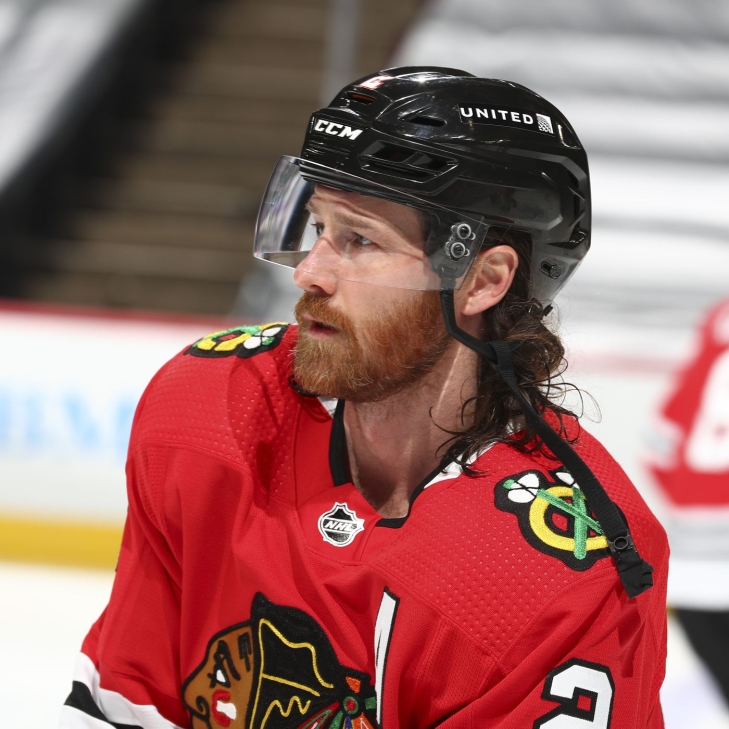
A day after the 2022 Hockey Draft began, a major retirement has taken place in professional hockey with Defenseman, Duncan Keith, calling it a career.
A 17-year veteran, Keith was a Second Round Pick in 2002 by the Chicago Blackhawks, the native of Winnipeg, Manitoba would slowly become of the most complete blueline in hockey.
Keith first made the Blackhawks in 2005, breaking out in the 2009-10 Season where he not only won the Norris Trophy, but anchored Chicago to their first Stanley Cup in decades. A Norris winner again in 2013/14, Keith added rings to his finger in 2013 and 2015, the latter seeing him win the Conn Smythe as the NHL’s top Defenseman.
Capable of everything you want from a Defenseman, complete with rushing skills and tenacious ice protection, it can be easily stated that the Stanley Cup would not have returned to the Windy City three times in the 2010s, and though he has no received the due he should have, he was a superstar and giant of the game.
Keith finished off his career with a season in Edmonton before retiring with 117.0 Point Shares and 646 Points.
Internationally, Keith also captured Gold for Canada in the 2010 and 2014 Olympics.
Keith will be eligible for the Hockey Hall of Fame in 2025, and has an excellent chance to enter on the first ballot.
We here at Notinhalloffame.com would like to wish Duncan Keith the best in his post-playing career.
54 Semi Finalist named for the Pro Football Hall of Fame Seniors/Coaches/Contributors Class of 2023
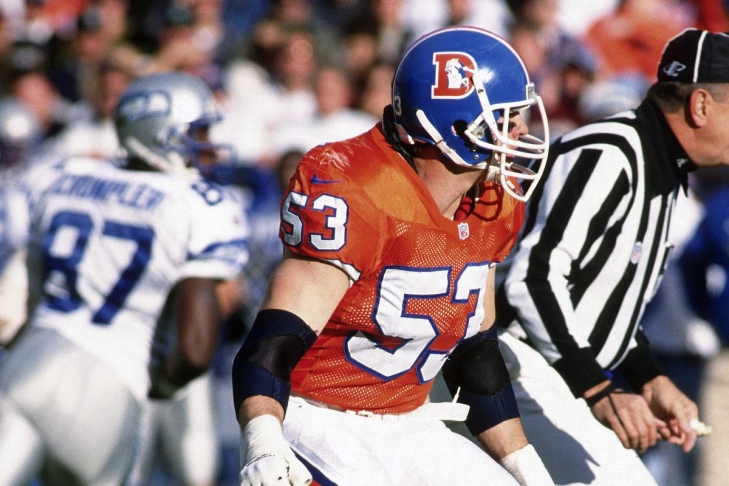
The Pro Football Hall of Fame has announced 54 Semi-Final Candidates in the Seniors. Coaches and Contributor categories.
Selected by the Hall’s 12-person committee (one for Seniors and one for Coaches/Contributors)
The names chosen will be put forth towards the selection committee and will vote to send 12 Seniors and 12 Coaches/Contributors to the Finals. Those names will be chosen this month and announced on July 27.
Following that, the Seniors Committee will meet on August 16, with three being put forth as Finalists. The Coach/Contributor committee will meet on August 23, and will select one in that category.
Here are the Player Semi-Finalists:
Ken Anderson (Quarterback, 1971-1986): Playing his entire career with Cincinnati, Anderson led them to their first Super Bowl appearance and individually was a four-time Pro Bowl. Anderson was a Finalist in 1996 and 1998.
Maxie Baughan (Linebacker, 1960-1970, 1974): Chosen for nine Pro Bowls, Baughan played for Philadelphia, Los Angeles and Washington. A member of the 1960 Eagles NFL Championship team as a rookie, Baughan has never been a Finalist for the Hall.
Mark Clayton (Wide Receiver, 1983-1993): Clayton played all but his final year with the Miami Dolphins, and he went to five Pro Bowls. He has never been a Finalist.
Roger Craig (Running Back, 1983-1993): Craig made history as the first NFL player to total 1,000 yards rushing and receiving in the same season and he won three Super Bowls with the San Francisco 49ers. Craig went to four Pro Bowls, won the 1988 Offensive Player of the Year, and is a two-time Finalist.
LaVern Dilweg (End, 1926-1934): Dilweg was named first-team All-Pro for his first five seasons with the Green Bay Packers, and he helped lead them to three NFL Championships. He was a Finalist in 2020.
Randy Gradishar (Linebacker, 1974-1983): The heart of the “Orange Crush Defense,” Gradishar played all 10 seasons with the Denver Broncos, seven of which earned him a Pro Bowl nod. He won the 1978 AP Defensive Player of the Year and he was a Finalist three times.
Lester Hayes (Cornerback, 1977-1986): Hayes was a five-time Pro Bowler for the Oakland/Los Angeles Raiders, spending his entire 10-year career with the squad. He was a Finalist four times previously.
Chris Hinton (Guard/Tackle, 1983-1995): A seven-time Pro Bowl selection, Hinton played for Baltimore/Indianapolis Colts, Atlanta Falcons and the Minnesota Vikings. He has never been a Finalist.
Chuck Howley (Linebacker, 1958-59, 1961-1973): Howley is the only player to win a Super Bowl MVP on a losing team (Super Bowl VI), and he was a six-time Pro Bowler who played most of his career with Dallas. He has never been a Finalist.
Cecil Isbell (Tailback/Defensive Back/Halfback, 1938-1942): Isbell played all of his career with Green Bay, where he was a one-time NFL Champion and four-time Pro Bowl selection. He was a Finalist in 2020.
Joe Jacoby (Tackle, 1981-1993): During his 13-year tenure with the Washington Redskins (1981-1993), Jacoby won three Super Bowls and was named to the Pro Bowl for four consecutive years (1983-86). He was a Finalist three times.
Billie “White Shoes” Johnson (Wide Receiver/Kick Returner/Punt Returner, 1974-1980, 1982-88): A prolific returner over his 14 season, Johnson went to three Pro Bowls and is a Finalist for the first time.
Mike Kenn (Tackle, 1978-1994): Kenn played all 17 seasons with the Atlanta Falcons, and he is a six-time Pro Bowler. He has never been a Finalist.
Joe Klecko (Defensive End/Defensive Tackle/Nose Tackle, 1977-1988): A member of the famed “New York Sack Exchange,” Klecko played all of his career with the New York Jets. Klecko went to four Pro Bowls, and was the 1981 UPI Defensive Player of the Year. He has never been a Finalist.
Bob Kuechenberg (Guard/Tackle/Center, 1970-1983): Kuechenberg spent the entirety of his 14-year career as a member of the Dolphins, where he went to six Pro Bowls. He was a Finalist eight times.
George Kunz (Tackle, 1969-1978, 1980): Kunz was named to the Pro Bowl seven times splitting his career between Atlanta and Baltimore. He has yet to be a Finalist.
Jim Marshall (Defensive End, 1960-1979): A Minnesota Viking for most of his career, Marshall’s 282 consecutive games played are the most by a defensive player, and his streak is 58 games longer than the next closest defensive lineman. A member of the Vikings famed “Purple People Eaters” Marshall went to two Pro Bowls. He was a Finalist once before.
Clay Matthews Jr. (Linebacker, 1978-1996): Matthews played most of his career with the Cleveland Browns and was a four-time Pro Bowl Selection. He was a Finalist once in 2021.
Eddie Meador (Cornerback, 1959-1970): Meador played his entire career with the Los Angeles Rams, where he earned six Pro Bowls. Meador’s 48 Interceptions remain a franchise record, but he has never been a Hall of Fame Finalist.
Stanley Morgan (Wide Receiver, 1977-1990): Morgan went to four Pro Bowls and is still the all-time Patriots leader in Receiving Yards. He has never been a Finalist.
Tommy Nobis (Linebacker, 1966-1976): Atlanta’s first ever Draft Pick, Nobis won the NFL Rookie of the Year and went to five Pro Bowls. He was a Finalist in 2020.
Ken Riley (Cornerback, 1969-1983): Riley played his entire career with the Cincinnati Bengals and recorded 65 career interceptions, more than any other player not already in the Hall of Fame. He has yet to be a Finalist.
Sterling Sharpe (Wide Receiver, 1988-1994): Sharpe made five Pro Bowls and his Hall of Fame ring was likely delayed by severe injuries. He has never been a Finalist.
Otis Taylor (Wide Receiver, 1965-1975): Taylor won a Super Bowl IV ring with the Kansas City Chiefs, and earned two Pro Bowl selections, an AFL All-Star selection and two AFL Championships during his 10-year career. He has never been a Finalist.
Everson Walls (Cornerback, 1981-1993): Walls played most of his career with the Dallas Cowboys, where he went to four Pro Bowls and led the NFL in interceptions three times while in Dallas. He finished his career with the New York Giants and Cleveland Browns and helped New York to victory in Super Bowl XXV. He was a Finalist in 2018.
Here are the Coach/Contributor Semi-Finalists:
Bud Adams: In his 54 years as Founder, Owner, Chairman of the Board, President and CEO of the Titans/Oilers franchise, Adams was an enduring figure in the NFL, and a Finalist in 2020.
Roone Arledge: Arledge was a powerful television industry executive and producer whose creativity, leadership and technical innovations revolutionized the presentation of both news and sports. He was the brainchild behind Monday Night Football, and has never been a Finalist.
C.O. Brocato: A former scout for 40 years with the Houston Oilers/Tennessee Oilers/Tennessee Titans, Brocato has never been a Finalist.
Don Coryell: Known for his innovative “Air Coryell” offense was the prototype for today’s modern offense. He has been a Finalist six times.
Otho Davis: Davis served as associate athletic trainer for the Baltimore Colts in 1971 and the head athletic trainer for the Philadelphia Eagles from 1973 to 1995. He has never been a Finalist.
Ralph Hay: Hay was the Owner of the Canton Bulldogs from 1918-1922 and hosted the NFL’s formational meeting in his automobile dealership in downtown Canton. He was a Finalist in 2020.
Mike Holmgren: The Head coach of the Green Bay Packers from 1992-98 and the Seattle Seahawks from 1999-2008, Holmgren was a Finalist in 2020.
Frank “Bucko” Kilroy: Kilroy worked in player personnel and scouting for the Philadelphia Eagles, Washington Redskins and Dallas Cowboys. He was the Patriots’ general manager from 1979 to 1982 and vice president from 1983 to 1993. An outstanding player in his own right, Kilroy has a Finalist in 2020.
Eddie Kotal: A former Scout for the Los Angeles Rams from 1947-1961, Kotal was one of the first to scout Historically Black Colleges and Universities. He has never been a Finalist.
Robert Kraft: Kraft is the current Owner, Chairman and CEO of the New England Patriots since 1994. His teams have won six Super Bowls. Kraft has never been a Finalist.
Rich McKay: McKay was the General Manager for Tampa Bay Buccaneers (1994-2003) and the Atlanta Falcons (2003-08) and is still their President and CEO. He has never been a Finalist.
John McVay: McVay joined the 49ers in 1979 as the team's director of player personnel and spent 21 seasons with the Club, ultimately presiding over five Super Bowl-winning seasons as vice president/director of football operations. He has never been a Finalist.
Art Modell: Modell was the Owner of the Cleveland Browns from 1961-1995 and Baltimore Ravens from 1996-2011. He has been a Finalist twice.
Clint Murchison: Murchison was the founder of the Dallas Cowboys (1960) and owner through 1983. He has never been a Finalist.
Buddy Parker: Parker was the Head Coach of the Chicago Cardinals (1949), Detroit Lions (1951-56) and the Pittsburgh Steelers (1957-1964), and a Finalist in 2020.
Carl Peterson: Peterson was the President, General Manager and CEO of the Kansas City Chiefs from 1989-2008. He has never been a Finalist.
Dan Reeves: Reeves was the Head Coach of the Denver Broncos (1981-1992), New York Giants (1993-96) and the Atlanta Falcons (1997-2003), and was a Finalist in 2020.
Lee Remmel: Remmel was a sportswriter and columnist for the Green Bay Press-Gazette for 29 years, Green Bay Packers director of public relations from 1974 to 2004 and Packers historian from 2004-07. He has never been a Finalist.
Art Rooney Jr.: Employed with the Steelers since 1961, from 1964 through 1986, worked in the Steelers’ Scouting Department, Rooney is currently a Steelers Vice President and member of the Board of Directors. He has never been a Finalist.
Marty Schottenheimer: The former Head coach of the Cleveland Browns (1984-88), Kansas City Chiefs (1989-1998), Washington Redskins (2001) and the San Diego Chargers (2002-06), Schottenheimer has never been a Finalist.
Jerry Seeman: Seeman was a Line Judge, Head Linesman, Referee and Director of Officiating from 1975-2000. He has never been a Finalist.
Mike Shanahan: Shanahan was the Head coach of the Los Angeles Raiders (1988-89), Denver Broncos (1995-2008) and the Washington Redskins (2010-13). He has never been a Finalist.
Clark Shaughnessy: The former Head coach of the Los Angeles Rams from 1948-49 and longtime assistant coach for the Washington Redskins from 1944-47 and Chicago Bears from 1951-1962. He was a three-time Finalist.
Seymour Siwoff: Siwoff was the Owner and President of Elias Sports Bureau, the official statisticians of the NFL, from 1952 until his death in 2019. He was a Finalist in 2020.
Amy Trask: Trask was the CEO of the Oakland Raiders from 1997-2013, becoming the first woman in that capacity.
Jim Tunney: An NFL official from 1960-1991, he worked as a Field Judge from 1960-67 and a Referee from 1968-1991.
Jack Vainisi: Vaisini was a Scout for the Green Bay Packers from 1950-1960 as well as their Business Manager from 1959-1960.
Lloyd Wells: Wells was a Scout for the Kansas City Chiefs from 1963-1974 and was the first full-time African American scout in the NFL.
We here at Notinhalloffame.com would like to congratulate those who have made it this far.
