

 Not in Hall of Fame News
Yes, we know that this is taking a while! As many of…
 Not in Hall of Fame News
Yes, we know that this is taking a while! As many of…
 Not in Hall of Fame News
2002 SEMI-FINAL RESULTS: Thank you for your participation in the Pro Football…
 Not in Hall of Fame News
Yes, we know that this is taking a while! As many of…
 Not in Hall of Fame News
We are diligently working away at Notinhalloffame on revising our Football lists…
 Not in Hall of Fame News
We are diligently working away at Notinhalloffame on revising our Football lists…
 From the Desk of the Chairman
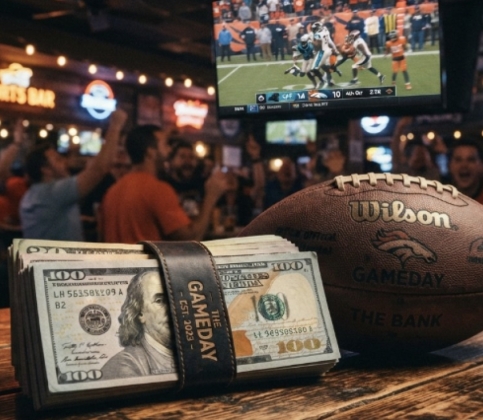
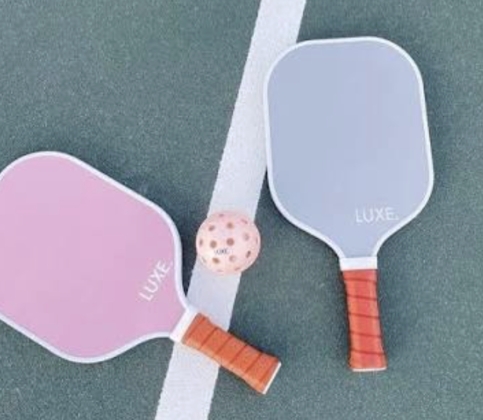
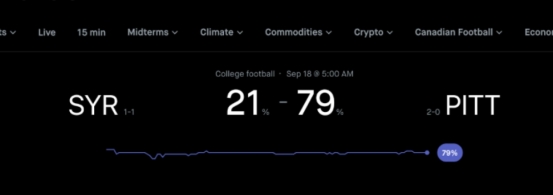
Sports fans thrive on calculating strategy, reading momentum, and maximizing every tactical…
 From the Desk of the Chairman
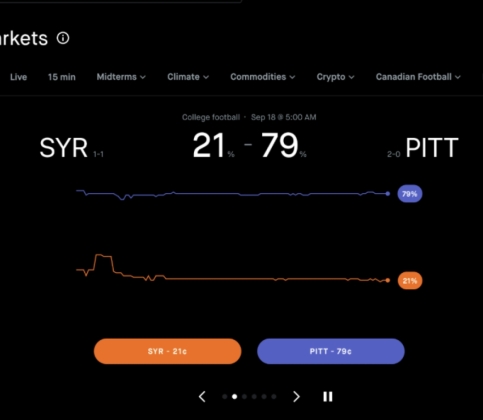
The 2026 NFL season is two weeks old and the division races…
 From the Desk of the Chairman
Sports communities are often built around things that have nothing to do…
 From the Desk of the Chairman
Every hall of fame eventually faces the same problem. The selection process…
 From the Desk of the Chairman
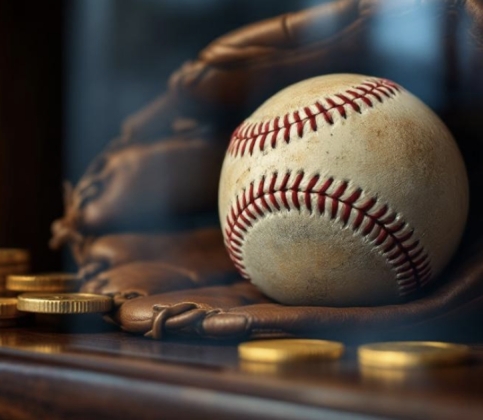
Pete Rose died in 2024. On May 13, 2025, Commissioner Rob Manfred…
 From the Desk of the Chairman
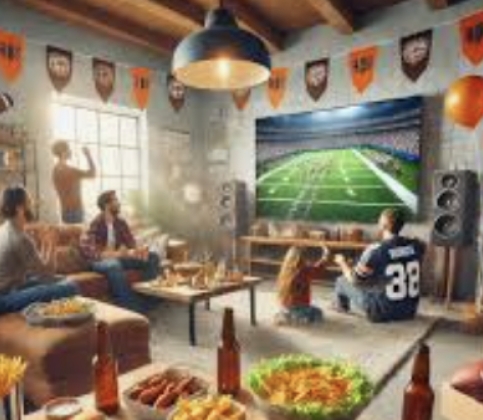
For NFL fans, game day offers much more than three hours of…
100 Active Potential Football Hall of Famers
-
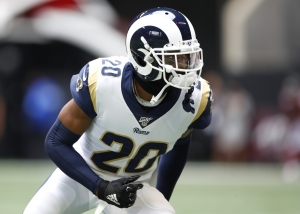 #23 Overall, Jalen Ramsey, Pittsburgh Steelers, #1 Cornerback2025 Pre-Season Rank #20, 2024 Pre-Season Rank #20, 2023 Pre-Season Rank #23, 2022 Pre-Season Rank #35, 2021 Pre-Season Rank #54, 2020 Pre-Season Rank…in Cornerbacks
 -
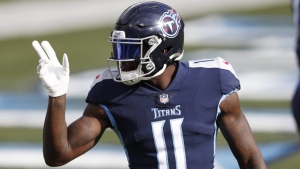 #50 Overall, A.J. Brown, New England Patriots, #9 Wide Receiver2025 Pre-Season Rank #49, 2024 Pre-Season Rank #76, #2023 Pre-Season Rank #106, 2022 Pre-Season Rank #142, 2021 Pre-Season Rank #141. Peak Period: 2020-24…
 -
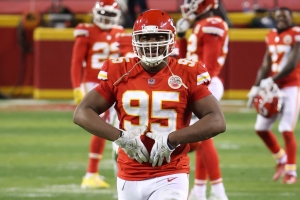 #19 Overall, Chris Jones, Kansas City Chiefs, Defensive Tackle, #8 Defensive Lineman/Linebacker: Pass Rusher2025 Pre-Season Rank #15, 2024 Pre-Season Rank #15, 2023 Pre-Season Rank #58, 2022 Pre-Season Rank #100. Peak Period 2020-24. When you think of…
 -
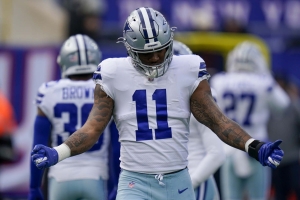 #29 Overall, Micah Parsons, Green Bay Packers, Linebacker, #10 Defensive Lineman/Linebacker: Pass Rusher2025 Pre-Season Rank #54, 2024 Pre-Season Rank #79, 2023: Pre-Season Rank #102. Peak Period: 2021-25 Here is what we wrote about Micah Parsons…
Visit the Fictitious Halls of Fame!

You May Also Like...
EDITOR’S CHOICE
 DDT's Pop Flies
When the veterans committee (VC), officially convening as the Contemporary Baseball Era…

 Live Music Head
Project/Objectan interview with André Cholmondeleyby Live Music HeadOriginally published at timessquare.com on…

LATEST RANKINGS
MOST POPULAR RANKINGS

Committee Chairman
Olivier Vernon
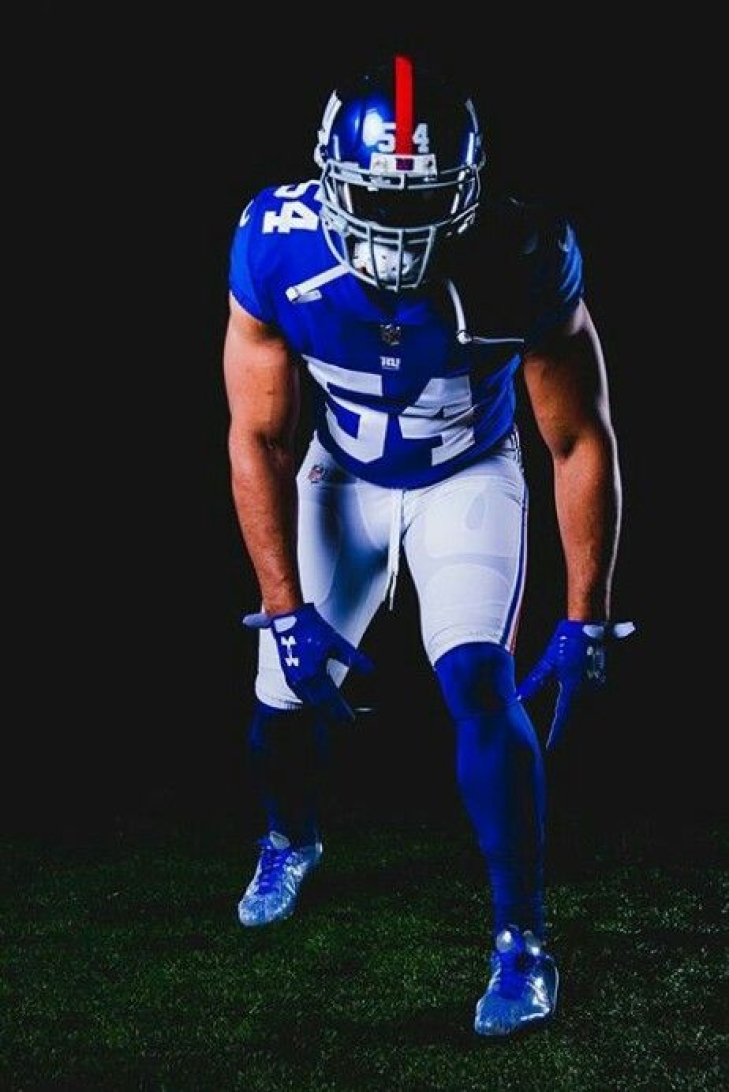
Olivier Vernon had a nice collegiate career at the University of Miami, and the local pro team noticed, as the Miami Dolphins made the Defensive End a Third Round Pick in 2012.
Vernon became a starter as an NFL sophomore at Right Defensive End, and in that year, he had a career-best 11.5 Sacks. Joining the New York Giants in 2016, Vernon was a Second Team All-Pro and would be a Pro Bowler in 2018. He played two more years in Cleveland, and had a total of 63.5 Sacks over a nine-year run.
Dexter Fowler

Fowler was traded to Houston in 2014 and subsequently dealt to the Chicago Cubs a year later. He was only there for two seasons, but the second one is what his career is most known for. The year in question was 2016 when Fowler went to his only All-Star Game and helped lead the Cubs to their first World Series in 108 Years. Notably, Fowler made history as the first player to lead off a game by hitting a Home Run.
Fowler left Chicago as a Free Agent and played for the St. Louis Cardinals for four seasons. While declining, he had his two best power years, with 18 Home Runs in 2017 and 19 in 2019. Fowler was traded to the Los Angeles Angels in 2021, but a torn ACL held him to 7 Games, and he could not make a comeback.
The Outfielder had 1,306 lifetime Hits.
Derek Holland
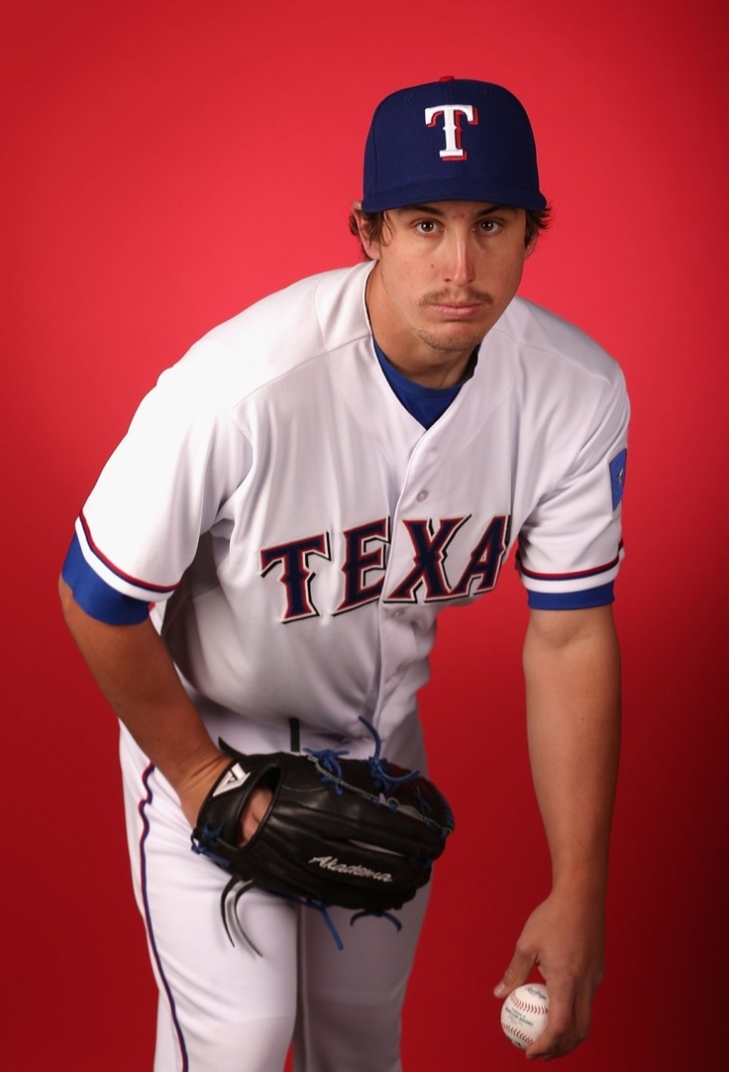
Though he was a 25th Round Pick in 2006 and not highly rated, Holland impressed in the Minors and made it to Texas in 2009 as part of their starting rotation. He had his best year in 2011, with a record of 16-5, and was the league leader with four shutouts. Holland played a crucial role in helping Texas reach the World Series, where he secured a win over the Yankees in the ALCS. Despite at least ten wins over the following two seasons, a series of injuries hindered the rest of his career.
He later played for Chicago (AL), San Francisco, Chicago (AL), Pittsburgh, and Detroit. Holland retired with an 82-83 record and is unlikely to appear on the ballot.
Dellin Betances
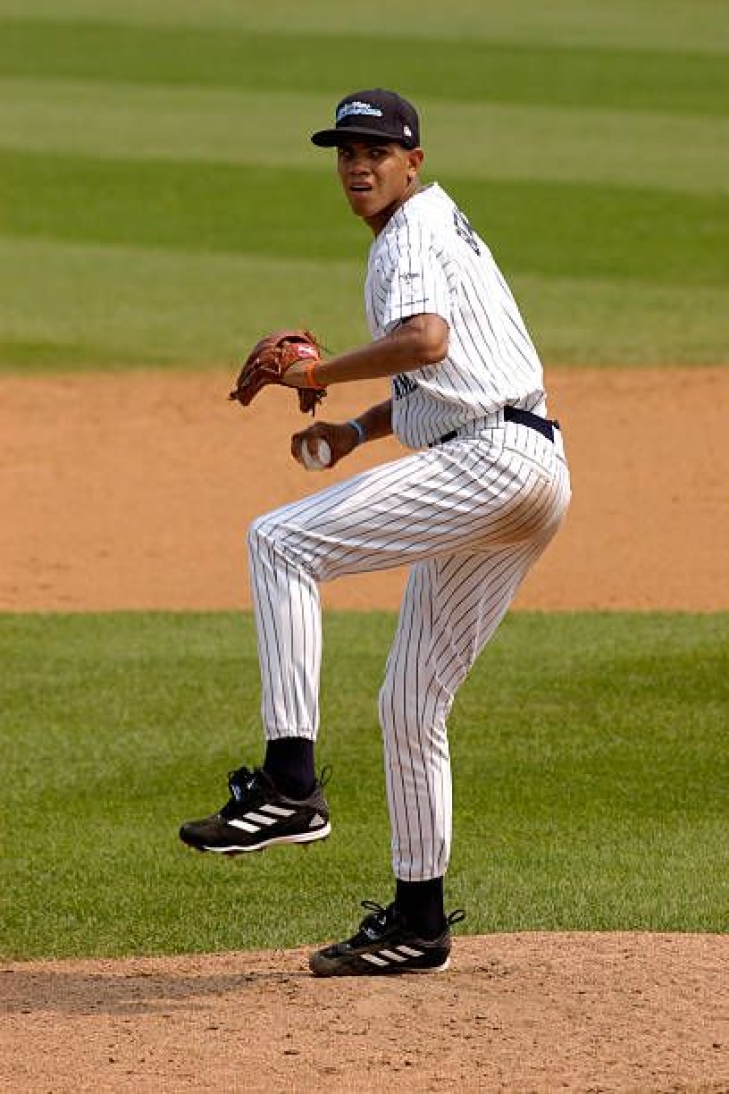
Betances hails from New York City and was drafted by the New York Yankees, his favorite team, in 2006. He made his first appearance in the Bronx in 2011 (2 Games) and again in 2013 (6 Games). But the following year, Betances was ready to stay in the Majors for good.
Standing at 6'8", Betances had the imposing stuff that a man with his frame should possess. He dominated as a set-up man, striking out 135 batters over 90 innings in 70 games. He was an All-Star that year, with an ERA of 1.40 and a WHIP of 0.778. He was third in voting for the American League Rookie of the Year, and even though he did not receive a Cy Young vote, The Sporting News named Betances the AL Pitcher of the Year.
Betances went to the All-Star Game the following season, finishing 14th in Cy Young voting (6-4, 1.50 ERA, 131 SO, 1.012 WHIP), and was once again named the Sporting News AL Pitcher of the Year. Betances was not only a two-time All-Star but was also established as the best set-up man in baseball during that period.
Betances made the All-Star Game for the next two years (2016 and 2017) but was not as dominant as before. In 2018, he made history as the first reliever to strike out 100 batters five years in a row. However, a bone spur in his right shoulder kept him out of most of the 2019 season. He signed with the Mets but struggled with continued shoulder problems, playing in only 16 games for the team before retiring.
