

 Not in Hall of Fame News
Would you like to know what we love the most about the…
 Not in Hall of Fame News
1993 SEMI-FINAL RESULTS: Thank you for your participation in the Pro Football…
 Not in Hall of Fame News
Regular visitors of Notinhalloffame.com know that we are slowly working on the…
 Not in Hall of Fame News
Last January, the Baseball Hall of Fame announced the Class of 2026,…
 Not in Hall of Fame News
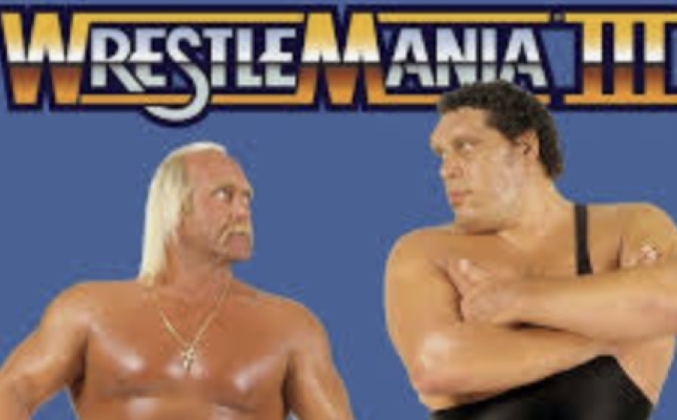
The WWE Hall of Fame announced that the Hulk Hogan vs Andre…
 Not in Hall of Fame News
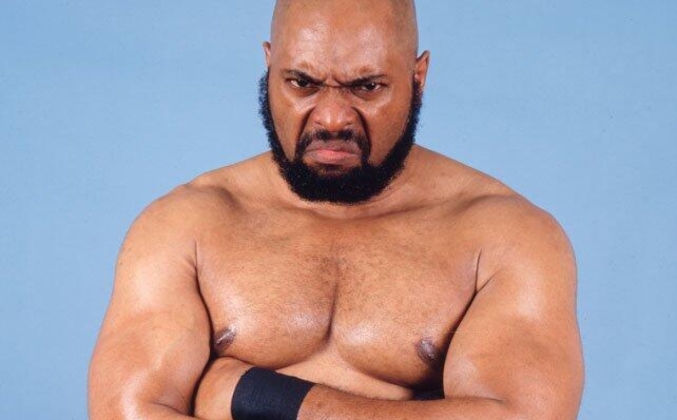
It was announced that Bad News Brown will be inducted into the…
 From the Desk of the Chairman
Sports and regular physical activity are widely celebrated for building strength, improving…
 The Buck Stops Here
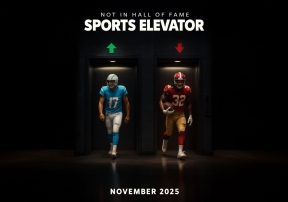
The wait is over! Join the NotInHallOfFame.com crew—Kirk Buchner, Evan Nolan, and…
 The Buck Stops Here
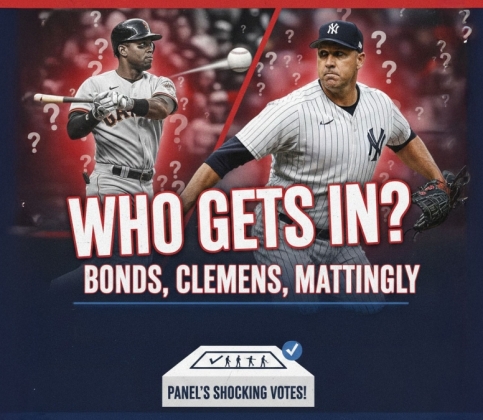
Join Kirk Buchner and Evan Nolan from NotInHallOfFame.com for a special roundtable…
 The Buck Stops Here
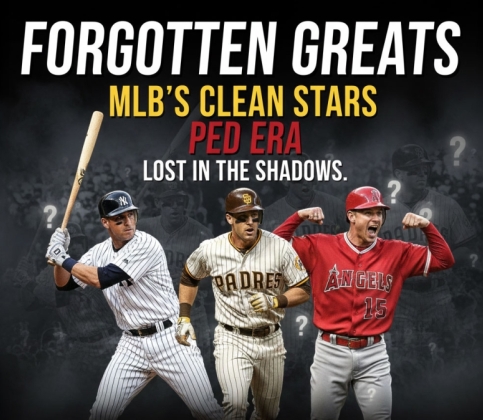
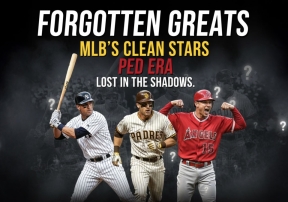
Kirk Buchner (NotInHallOfFame.com) and Robert Dobek dive into the dark shadow the…
 The Buck Stops Here
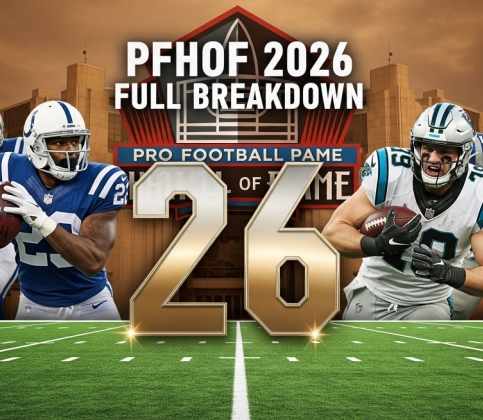
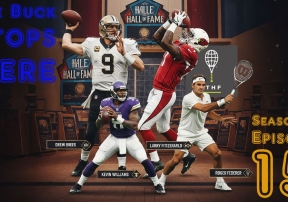
Kirk Buchner and Evan Nolan return for Season 6, Episode 15 of…
 The Buck Stops Here
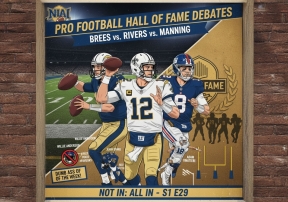
Kirk Buchner and Paul Lawrence sit down to break down the newly…
100 Active Potential Football Hall of Famers
-
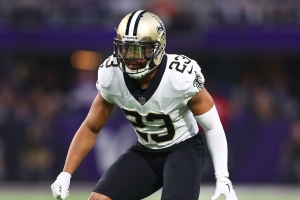 #85 Overall, Marshon Lattimore, Washington Commanders, #8 Cornerback2024 Pre-Season Rank #97, 2023 Pre-Season Rank #98, 2022 Pre-Season Rank: #106, 2021 Pre-Season Rank: #125, 2020 Pre-Season Rank #138. Peak Period 2017-21…in Cornerbacks
 -
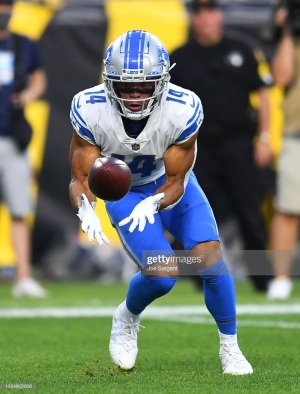 #98 Overall, Amon-Ra St. Brown, Detroit Lions, #16 Wide Receiver2024: Pre-Season Rank: #144. Peak Period: 2021-24* Amon-Ra St. Brown has only been in the NFL for four years, but has put forth…
 -
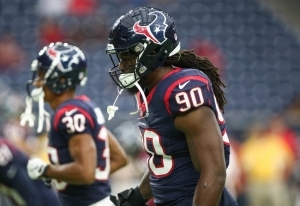 #86 Overall, Jedeveon Clowney, Free Agent, Defensive End, #19 Defensive Linemann/Linebackers: Pass Rushers2024 Pre-Season Rank #92,2023 Pre-Season Rank #89, 2022 Pre-Season Rank #87, 2021 Pre-Season Rank #89, 2020 Pre-Season Rank #85. Peak Period: 2015-19.More of a…
 -
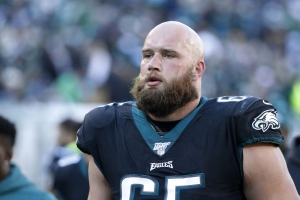 #27 Overall, Lane Johnson, Philadelphia Eagles, Right Tackle, #3 Offensive Lineman2024 Pre-Season Rank #40, 2023 Pre-Season Rank #57, 2022 Pre-Season Rank #107, 2021 Pre-Season Rank #143. Peak Period 2017-18/2022-24 When you are on…
Visit the Fictitious Halls of Fame!
You May Also Like...
EDITOR’S CHOICE
 DDT's Pop Flies
When the veterans committee (VC), officially convening as the Contemporary Baseball Era…

 Live Music Head
Project/Objectan interview with André Cholmondeleyby Live Music HeadOriginally published at timessquare.com on…
LATEST RANKINGS


MOST POPULAR RANKINGS

Site Admin
65. Heinie Groh
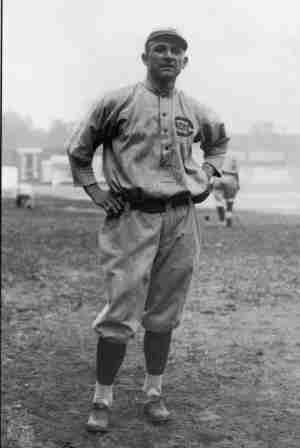
Considered by baseball historians to be the best Third Baseman of the Deadball Era, Heinie Groh quietly won two World Series Rings, one controversially with the Reds in 1919 and another with the Giants in 1922. It was in Cincinnati that Groh had his best seasons, where he twice led the National League in On Base Percentage and was a hit-and-run machine. He was also considered one of the best defensive players at his position in his era. This has garnered Heinie Groh a second look from a lot of modern baseball pundits, as though his traditional accumulative stats do not reflect a Hall of Fame baseball player, his Sabremetric ones paint a different possibility.
129. Cupid Childs
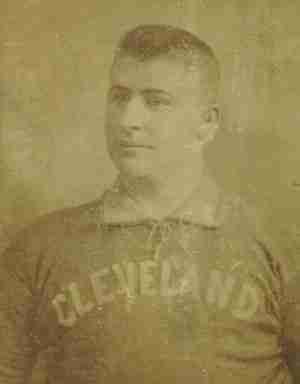
A slick hitting Second Baseman, who was pretty good on the field too, Cupid Childs was one of the top stars for the Cleveland Spiders and was one of the top leadoff hitters in the 1890’s
Childs showcased a keen batting eye and was often in the top ten in On Base Percentage. His .416 OBP is actually number three all-time for Second Basemen. Childs was a gifted athlete, but he never delivered power numbers even by 1890’s standards. Had he been the type of batter who delivered more extra-base hits, it is very possible that he would have been a Cooperstown candidate. As it stands now, we expect him to remain buried among other candidates on the Veterans Committee desktop.
Should Cupid Childs be in the Hall of Fame?
96. Wilbur Cooper
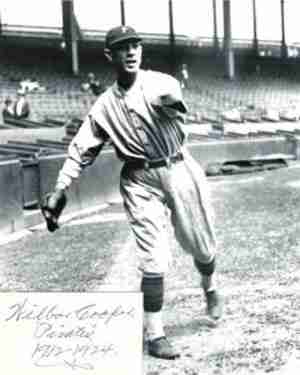
Although Wilbur Cooper is considered one of the best pitchers in Pittsburgh Pirates history, his legacy is often forgotten because it was so long ago. From 1917 to 1924, Cooper was at his best and was in the top ten regularly in virtually every pitching category in the National League. He was the first left-hander in the NL to hit 200 wins, but his overall total in that department did not exceed much more than that. Advanced metrics have given Cooper a bit more of a look again, but at the very least, he should be remembered with greater fondness in the Steel City than he is currently. Had he played for a World Series team, he probably would be.
38. Bob Caruthers
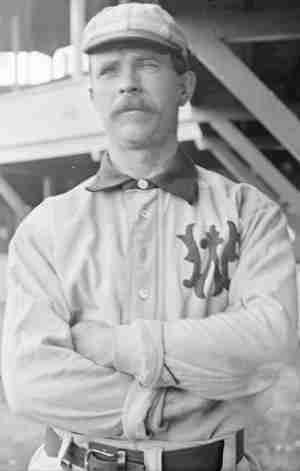
For about six seasons, Bob Caruthers was considered one of the best pitchers in baseball. Sadly, because his career lasted only nine seasons, his impact on the game may not have allowed him to cement himself as one of the great early pitchers.
‘Parisian’ Bob Caruthers was not a flame-throwing Pitcher who relied more on outsmarting batters than powering past them. To this day, he holds one of the top career winning percentages in Baseball (.688) and twice led the American Association in victories. Caruthers was an excellent batter who also posted significant offensive numbers for a few seasons. Caruthers would struggle, though, with arm trouble and could not adjust to the farther pitcher’s mound. As the length of his career was not overly long, the ledger for Bob Caruthers’ Hall of Fame candidacy becomes a little difficult for some to justify, especially if we look at only nine years of service, but again, how tight is that on pre-1900 players?