
 Not in Hall of Fame News
Yes, we know that this is taking a while! As many of…
 Not in Hall of Fame News
1993 Pro Football Hall of Fame Revisited Project Class. Here we are! …
 Not in Hall of Fame News
Afrika Bambaataa, the legendary DJ, producer, and widely recognized "Godfather" of hip-hop…
 Not in Hall of Fame News
Would you like to know what we love the most about the…
 Not in Hall of Fame News
1993 SEMI-FINAL RESULTS: Thank you for your participation in the Pro Football…
 Not in Hall of Fame News
Regular visitors of Notinhalloffame.com know that we are slowly working on the…
 The Buck Stops Here
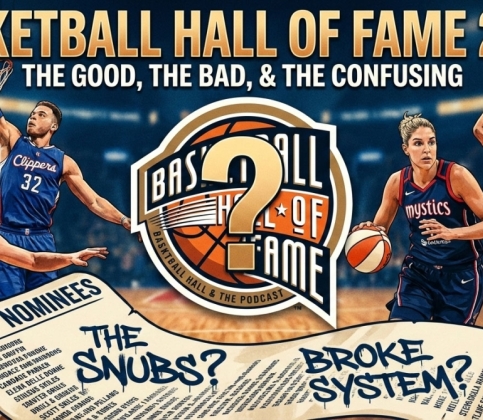
Kirk Buchner and Chris Mouradian dive into the massive list of over…
 The Buck Stops Here
Welcome to Season 6, Episode 16 of The Hall of Fame Show…
 The Buck Stops Here
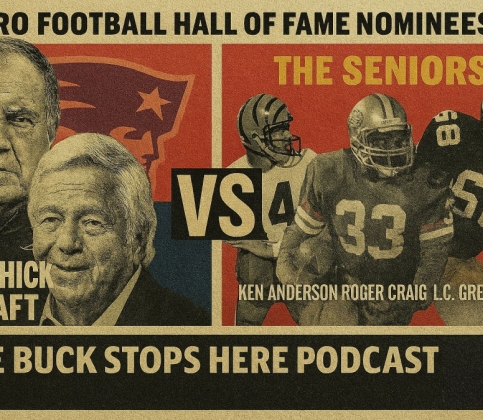
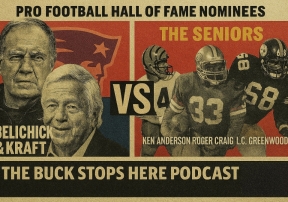
Bill Belichick & Robert Kraft vs. The Seniors: Analyzing the ProFootball Hall of Fame Class Nominees
The Pro Football Hall of Fame voting process is more complicated than…
 From the Desk of the Chairman
Recreational cannabis laws have changed how adults can buy cannabis in many…
 From the Desk of the Chairman
Synthetic turf has become an increasingly familiar surface in the sports world.…
 From the Desk of the Chairman
Athletic performance is shaped by discipline, training, and resilience, but motivation often…


 The Buck Stops Here
Bill Belichick & Robert Kraft vs. The Seniors: Analyzing the ProFootball Hall of Fame Class Nominees
The Pro Football Hall of Fame voting process is more…
100 Active Potential Football Hall of Famers
-
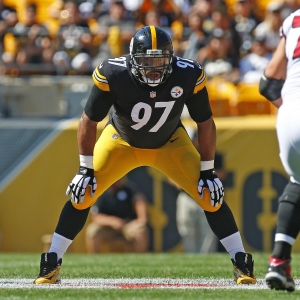 #19 Overall, Cameron Heyward, Pittsburgh Steelers, Defensive End, #8 Defensive Lineman/Linebackers: Pass Rushers2024 Pre-Season Rank #28, 2023 Pre-Season Rank #33, 2022 Pre-Season Rank #38, 2021 Pre-Season Rank #75, 2020 Pre-Season Rank #87. Peak Period: 2017-21…
 -
 #17 Overall, Josh Allen, Buffalo Bills, #5 Quarterback2024 Pre-Season Rank #39, 2023 Pre-Season Rank #69, 2022 Pre-Season Rank #98, 2021 Pre-Season Rank #117. Peak Period: 2020-24. What Josh Allen accomplished…in Quarterbacks
 -
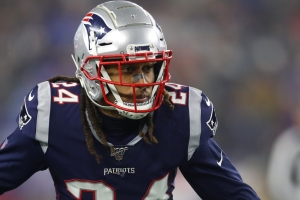 #32 Overall, Stephon Gilmore, Free Agent, #2 Cornerback2024 Pre-Season Rank #34, 2023 Pre-Season Rank #41, 2022 Pre-Season Rank #55, 2021 Pre-Season Rank #55, 2020 Pre-Season Rank #54. Peak Period 2016-20…in Cornerbacks
 -
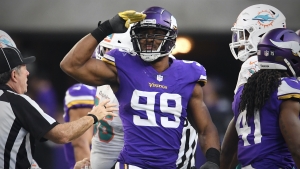 #44 Overall, Danielle Hunter, Houston Texans, #10 Defensive End: Defensive Linemen/Linebackers: Pass Rushers2024 Pre-Season Rank #57, 2023 Pre-Season Rank #87, 2022 Pre-Season Rank #102 2021 Pre-Season Rank #102, 2020 Pre-Season Rank #90. Peak Period: 2018-19/2022-24…
Visit the Fictitious Halls of Fame!


You May Also Like...
EDITOR’S CHOICE
 DDT's Pop Flies
When the veterans committee (VC), officially convening as the Contemporary Baseball Era…



 Live Music Head
Project/Objectan interview with André Cholmondeleyby Live Music HeadOriginally published at timessquare.com on…

LATEST RANKINGS



MOST POPULAR RANKINGS




Site Admin
41. Mark Stuart

It's All In the Game
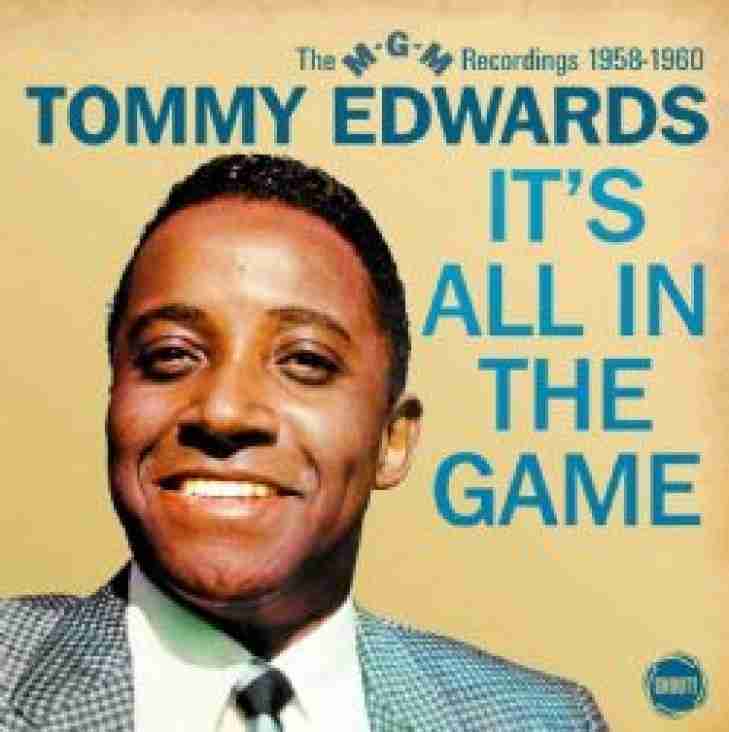
Tommy Edwards
It’s All in the Game
33. George Kell
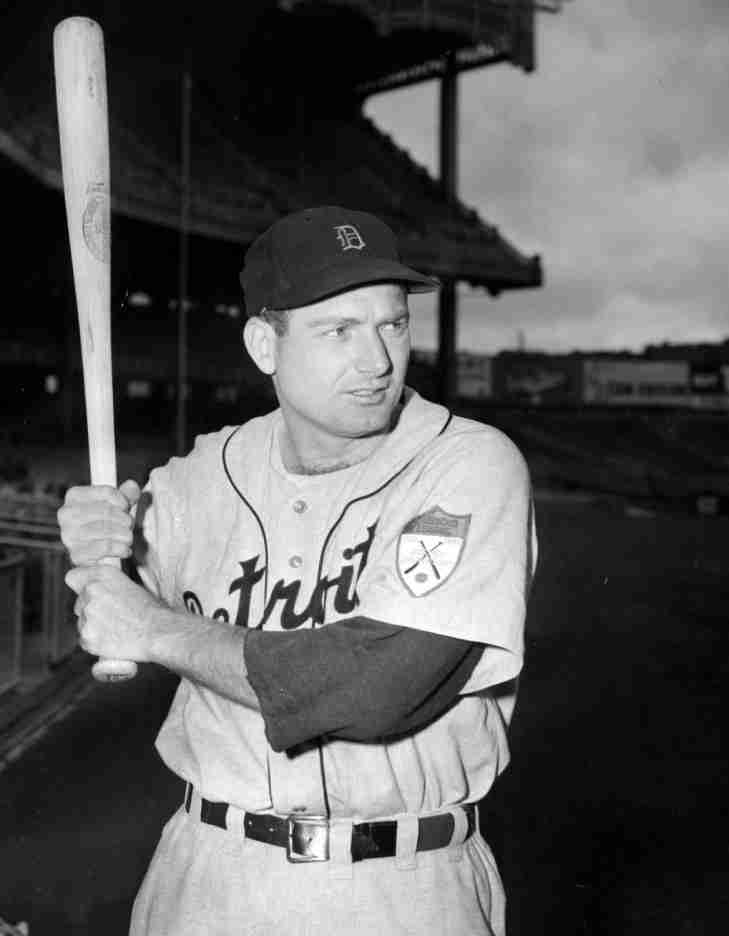
George Kell found his footing in Detroit after a mid-season swap with the Philadelphia Athletics in 1946, a move that immediately solidified the Tigers' infield. For seven seasons, he personified the pure contact hitter, utilizing a short, level swing to spray line drives across the grass of Briggs Stadium. While the era was often defined by the long ball, Kell carved out a Hall of Fame trajectory by mastering the strike zone.
during the 1949 season. In a race that came down to the final afternoon, he edged out Ted Williams to capture the American League batting title with a .343 average. This achievement marked his transition into the upper tier of the game’s elite, as he paired his offensive efficiency with a glove that earned him a reputation as one of the premier defenders of his generation. He showed the organization that a third baseman could be a primary engine for winning, leading the league in hits and doubles for the first of several times during his tenure.
The middle of his run in Detroit was characterized by a relentless ability to put the ball in play. Between 1947 and 1951, he was a perennial fixture in the All-Star starting lineup, earning five consecutive nods while wearing the iconic Old English "D." He surpassed 200 hits in back-to-back seasons and routinely finished among the leaders in on-base percentage, providing a steady-state offensive threat that made him a nightmare for opposing pitching staffs. Despite a lack of over-the-fence power, he eventually recorded 1,075 hits and a .325 batting average in just over 800 games with the club.
During the 1952 season, the Tigers traded their star infielder to the Boston Red Sox in a multi-player blockbuster. While he continued to produce elsewhere, his impact on the Detroit community never wavered. He was inducted into the National Baseball Hall of Fame in 1983.
Wade Barrett