 Not in Hall of Fame News
Yes, we know that this is taking a while! As many of…
 Not in Hall of Fame News
1994 PRELIMINARY RESULTS: Thank you to all who participated in the Pro…
 Not in Hall of Fame News
Yes, we know that this is taking a while! As many of…
 Not in Hall of Fame News
On this evening’s American Idol, the Rock and Roll Hall of Fame…
 Not in Hall of Fame News
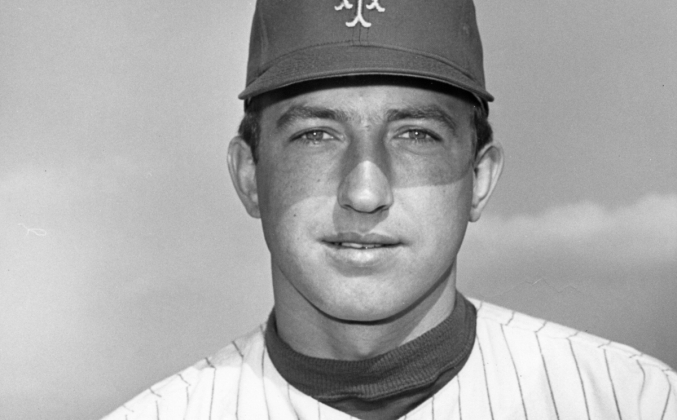
Last January, the Baseball Hall of Fame announced the Class of 2026,…
 Not in Hall of Fame News
Yes, we know that this is taking a while! As many of…
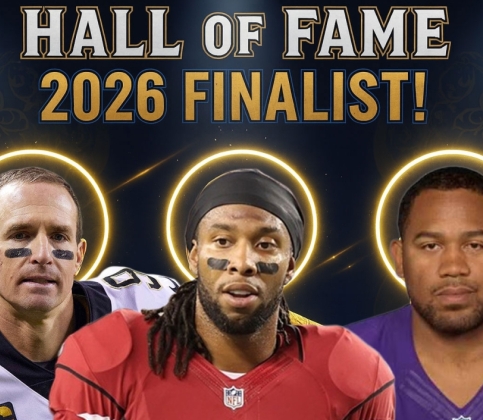 The Buck Stops Here
In this special episode of The Buck Stops Here, host Kirk Buchner…
 The Buck Stops Here
Kirk Buchner and Chris Mouradian dive into the massive list of over…
 The Buck Stops Here
Welcome to Season 6, Episode 16 of The Hall of Fame Show…
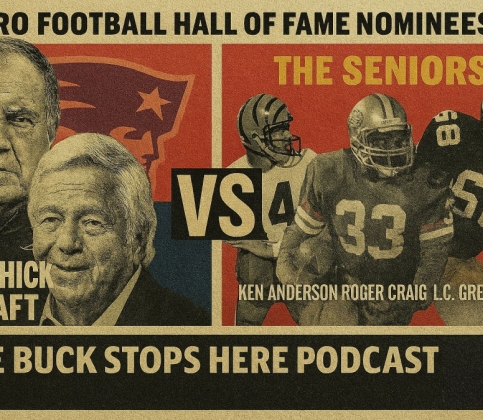 The Buck Stops Here
Bill Belichick & Robert Kraft vs. The Seniors: Analyzing the ProFootball Hall of Fame Class Nominees
The Pro Football Hall of Fame voting process is more complicated than…
 From the Desk of the Chairman
Recreational cannabis laws have changed how adults can buy cannabis in many…
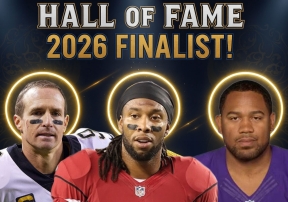


100 Active Potential Football Hall of Famers
-
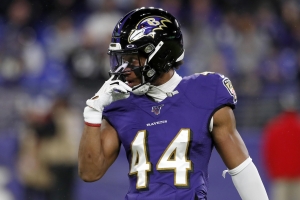 #82 Overall, Marlon Humphrey, Baltimore Ravens, #7 Cornerback2024 Pre-Season #106, 2023 Pre-Season Rank #112, 2022 Pre-Season Rank #149, 2021 Pre-Season Rank #146. Peak Period: 2019-20 & 22-24 Marlon Humphrey went…in Cornerbacks
 -
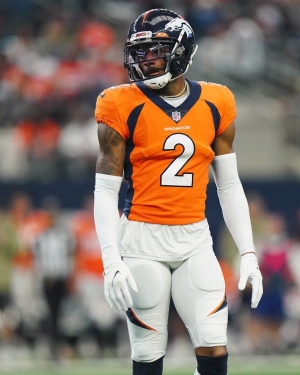 #77 Overall, Patrick Surtain II, Denver Broncos, #6 Cornerback2024: Pre-Season Rank: #134. Peak Period 2021-24* Doesn’t it feel like Patrick Surtain II knows what the Wide Receiver’s route is before he does?…in Cornerbacks
 -
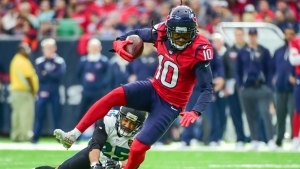 #24 Overall, DeAndre Hopkins, Baltimore Ravens, #4 Wide Receiver2024 Pre-Season Rank #24, 2023 Pre-Season Rank #20, 2022 Pre-Season Rank #28, 2021 Pre-Season Rank #30, 2020 Pre-Season Rank #44. Peak Period: 2015-19…
 -
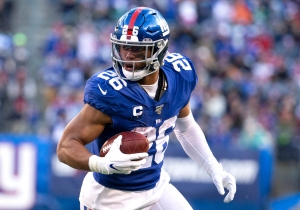 #51 Overall, Saquon Barkley, Philadelphia Eagles, #4 Running Back2024 Pre-Season Rank #117, 2023 Pre-Season Rank #122, 2022 Pre-Season Rank #132 2021 Pre-Season Rank #101, 2020 Pre-Season Rank #100. 2018-19/2022-24 Last year,…
Visit the Fictitious Halls of Fame!


You May Also Like...
EDITOR’S CHOICE
 DDT's Pop Flies
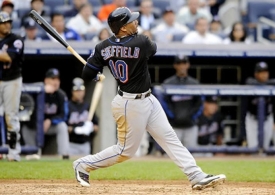
When the veterans committee (VC), officially convening as the Contemporary Baseball Era…



 Live Music Head
Project/Objectan interview with André Cholmondeleyby Live Music HeadOriginally published at timessquare.com on…
LATEST RANKINGS



MOST POPULAR RANKINGS


Site Admin
10. Vada Pinson
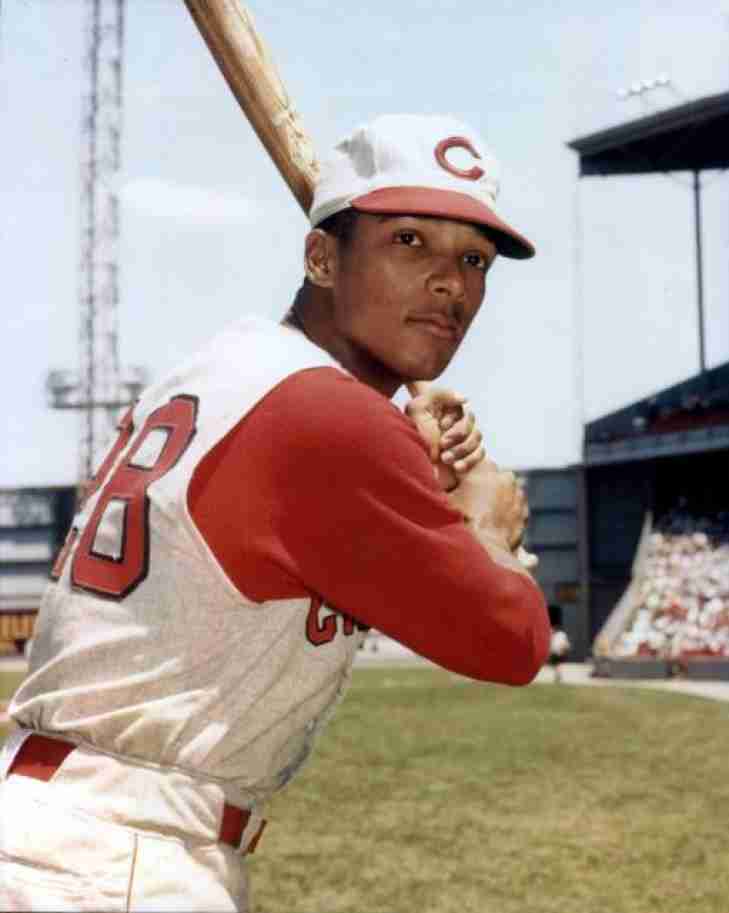
When Vada Pinson arrived in Cincinnati in 1958, he was a 19-year-old phenom who had reportedly considered a career as a trumpet player before his coach convinced him his future was on the grass. Pinson brought an immediate impact to the plate from his very first full season in 1959, leading the National League in runs (131) and doubles (47) while batting .316. He arrived as a kid with immense speed and immediately transformed into a high-volume producer.
The peak of his residency, and the highlight of his career, arrived in 1961, as he helped lead the Reds to their first pennant in over two decades. That season, Pinson led the league with a career-high 208 hits and batted a blistering .343, finishing only behind Roberto Clemente for the batting title. That year, he finished third in the MVP voting and captured his only Gold Glove for his defensive mastery in center. In his first seven seasons, he recorded five years with at least 300 total bases, a feat matched only by legends like Willie Mays and Joe DiMaggio during similar spans.
Pinson was known for his consistency and a quiet, professional demeanor. Pinson was a metronome of production, twice leading the league in hits, doubles, and triples, respectively. He was a perennial 20/20 threat long before it became a standard metric for stardom, rattling off six seasons of at least 20 home runs for the Reds. On May 22, 1968, he collected a double that allowed him to pass Edd Roush for the most hits in franchise history at the time, a record he held until it was eventually surpassed by Pete Rose. He left the organization with 1,881 hits.
Following the 1968 season, Pinson was traded to the St. Louis Cardinals, marking the end of an eleven-year tenure in Cincinnati that saw him earn four All-Star selections. While the call from Cooperstown has remained elusive, the Reds rightfully recognized his impact by inducting him into the team Hall of Fame in 1977.
9. George Foster
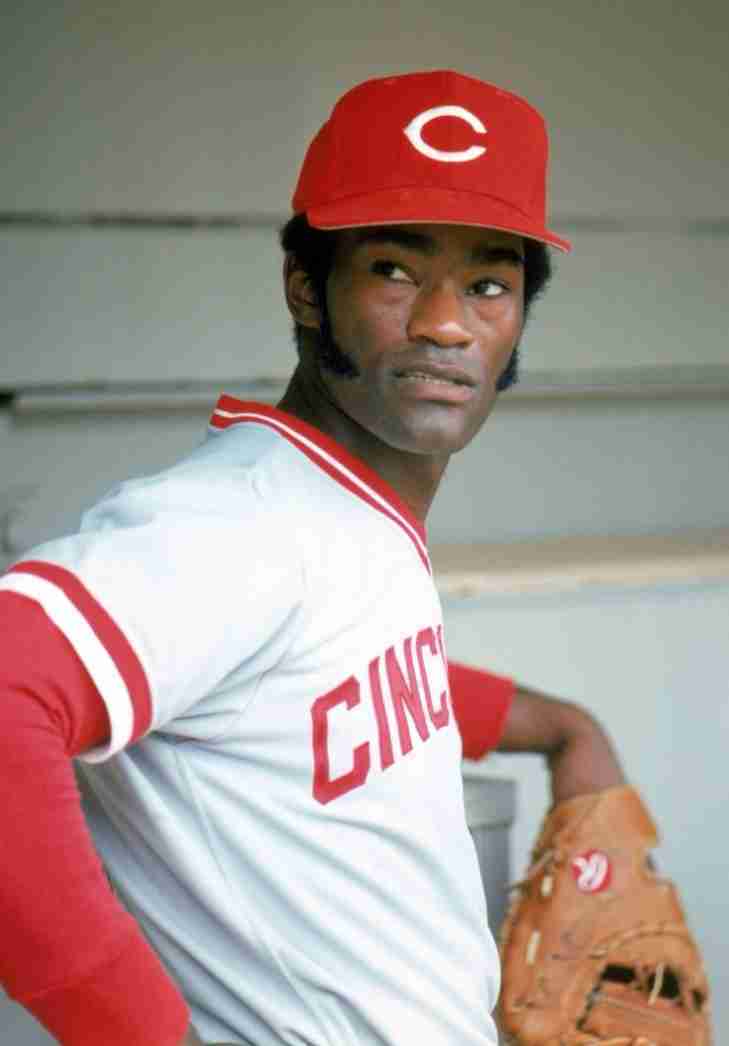
When George Foster arrived in Cincinnati via a trade from San Francisco in 1971, he was a talented outfielder searching for a permanent home on a crowded roster. It took a few seasons of refinement before he truly ignited, but once he locked down the starting job in left field, he became the ultimate deep threat. He joined the organization as a high-potential trade piece and matured into the most dangerous power hitter of the 1970s, with the guise of aquiet giant who let his black bat do all the talking.
His tenure reached a historic crescendo in 1977. In a decade where league leaders often hovered in the 30s, Foster exploded for 52 home runs, becoming the first player to eclipse the 50-mark since Willie Mays over a decade prior. It earned him the National League MVP, as he paired those home runs with 149 RBIs and a .320 batting average. He wasn't just hitting for the highlight reels; he was driving the Reds' offense with relentless efficiency, capturing three consecutive RBI titles from 1976 to 1978.
Foster served as the high-leverage cleanup hitter for the back-to-back championship teams of 1975 and 1976. While Bench, Morgan, and Rose set the table or provided the tactical edges, Foster was the hammer that finished the job. His 1976 campaign was particularly vital, as he drove in 121 runs to help secure the sweep of the Yankees in the World Series. He concluded his time in Cincinnati with a staggering .514 slugging percentage and 244 home runs, a volume of production that made him the most feared out in the National League for half a decade.
Following the 1981 season, Foster was traded to the New York Mets, marking the conclusion of a legendary era in the Queen City. He left the Reds as a beloved icon of the "Big Red Machine.” While the Hall of Fame in Cooperstown has proven elusive, the Reds recognized his impact by inducting him into the team Hall of Fame in 2003, ensuring that the man who brought the "Long Ball" back to the 70s would always have a place in Cincinnati.
11. Noodles Hahn
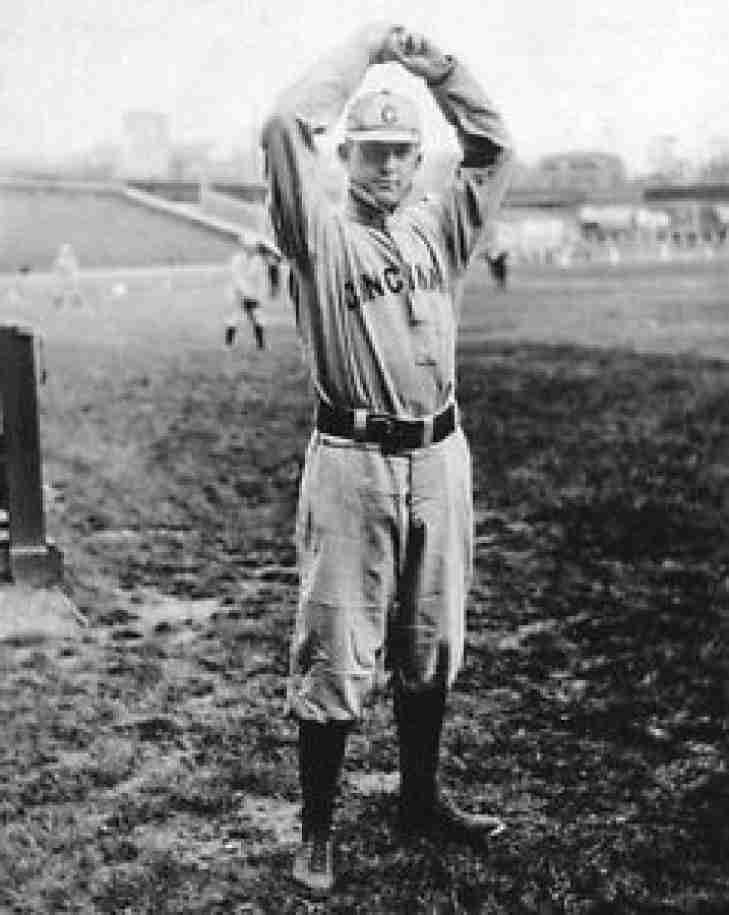
Cincinnati found a statistical titan in 1899 when a young Noodles Hahn debuted and immediately matured into the most feared strikeout artist in the National League. He arrived with a deceptive delivery and a relentless competitive streak, capturing the league's strikeout title in each of his first three seasons. His "Traditional Dominance" reached an iconic crescendo in 1901 when he etched his name into the history books by hurling the very first no-hitter of the 20th century. He wasn't just a part of the staff; he phenomenon who routinely shouldered a disproportionate share of the team's success.
The true weight of his is best seen through the lens of positional scarcity and efficiency. During an era where the Reds often struggled to field a competitive roster, Hahn remained a lighthouse of quality, frequently leading the league in innings pitched and complete games while maintaining a microscopic ERA. Hahn was a perennial leader in bWAR, proving that he was effectively providing Hall of Fame-level value in a vacuum. He was the rare pitcher who could dictate the pace of a game entirely on his own terms, regardless of the supporting cast behind him.
His legacy was built on this iron-man reputation. Hahn was the definition of a workhorse, often pitching on short rest to give his team their only reliable chance at a victory. He concluded his Cincinnati tenure with a resume that many modern analysts consider the most effective in the team’s long history, a legacy built on missing bats and finishing what he started. However, the sheer volume of his early-career usage eventually led to the inevitable.
The sun began to set on his career far too soon as the relentless toll on his arm became impossible to ignore. Like so many of the great "arms of iron" from the Deadball Era, his physical ceiling was reached well before he hit the age of 30. He moved on from the game before he could accumulate the massive career totals of some of his peers, but the quality of his peak was undeniable.
Recognition for his historic brilliance arrived in 1963 when he was rightfully inducted into the Cincinnati Reds Hall of Fame.
7. Bucky Walters