

 Not in Hall of Fame News
Would you like to know what we love the most about the…
 Not in Hall of Fame News
1993 SEMI-FINAL RESULTS: Thank you for your participation in the Pro Football…
 Not in Hall of Fame News
Regular visitors of Notinhalloffame.com know that we are slowly working on the…
 Not in Hall of Fame News
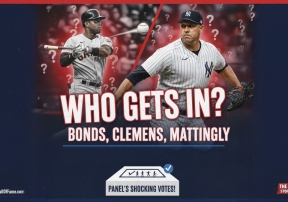
Last January, the Baseball Hall of Fame announced the Class of 2026,…
 Not in Hall of Fame News
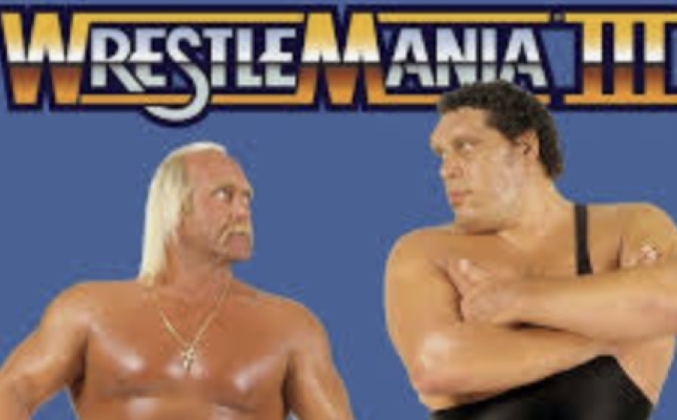
The WWE Hall of Fame announced that the Hulk Hogan vs Andre…
 Not in Hall of Fame News
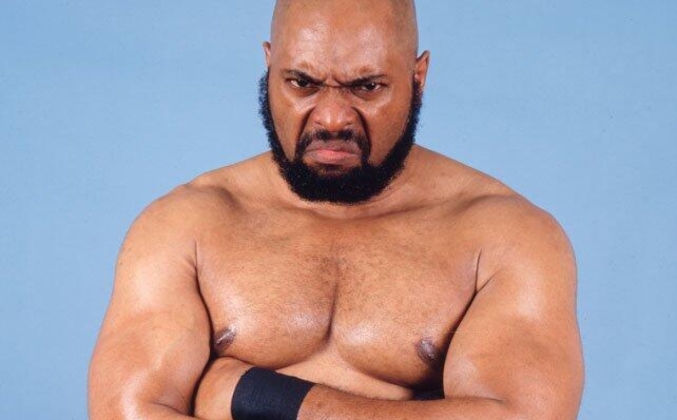
It was announced that Bad News Brown will be inducted into the…
 From the Desk of the Chairman
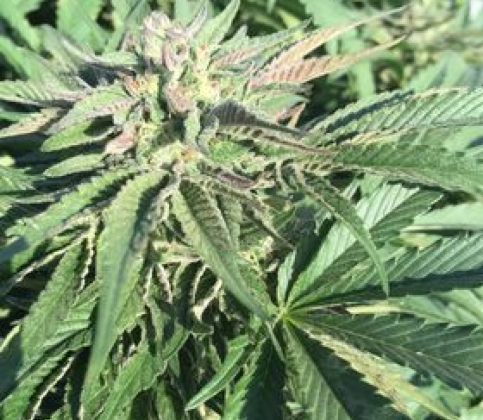
Recreational cannabis laws have changed how adults can buy cannabis in many…
 From the Desk of the Chairman
Synthetic turf has become an increasingly familiar surface in the sports world.…
 From the Desk of the Chairman
Athletic performance is shaped by discipline, training, and resilience, but motivation often…
 From the Desk of the Chairman
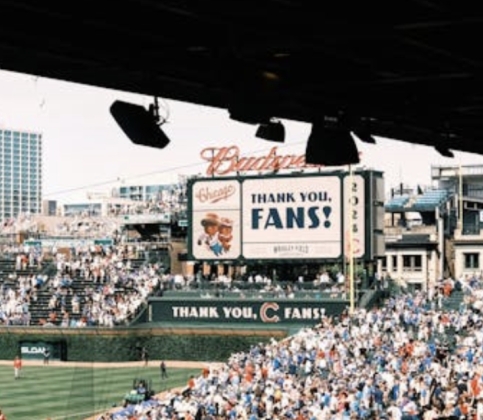
The first month of the MLB season always feels a bit unsettled.…
 From the Desk of the Chairman
Sports and regular physical activity are widely celebrated for building strength, improving…
 The Buck Stops Here
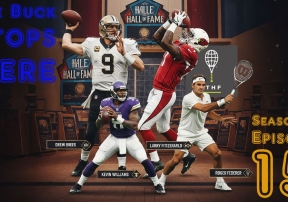
The wait is over! Join the NotInHallOfFame.com crew—Kirk Buchner, Evan Nolan, and…

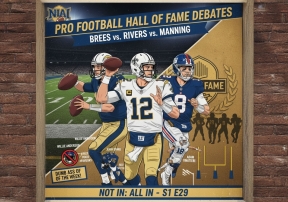
100 Active Potential Football Hall of Famers
-
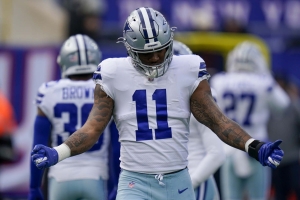 #54 Overall, Micah Parsons, Green Bay Packers, Linebacker, #11 Defensive Lineman/Linebacker: Pass Rusher2024 Pre-Season Rank #79, 2023: Pre-Season Rank #102. Peak Period: 2021-24* The biggest surprise of the 2025 off-season is that Micah Parsons was…
 -
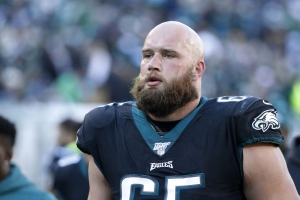 #27 Overall, Lane Johnson, Philadelphia Eagles, Right Tackle, #3 Offensive Lineman2024 Pre-Season Rank #40, 2023 Pre-Season Rank #57, 2022 Pre-Season Rank #107, 2021 Pre-Season Rank #143. Peak Period 2017-18/2022-24 When you are on…
 -
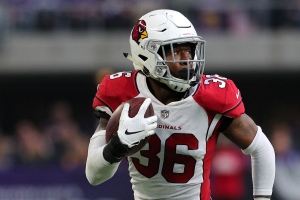 #28 Overall, Budda Baker, Arizona Cardinals, Free Safety, #1 Safety2024 Pre-Season Rank #43, 2023 Pre-Season Rank #78, 2022 Pre-Season Rank #86, 2021 Pre-Season Rank #113, 2020 Pre-Season Rank #147. Peak Period: 2020-24.…in Safeties
 -
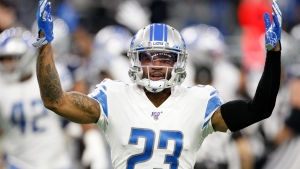 #48 Overall, Darius Slay, Pittsburgh Steelers, #3 Cornerback2024 Pre-Season Rank #58, 2023 Pre-Season Rank #70, 2022 Pre-Season Rank #101, 2021 Pre-Season Rank #125, 2020 Pre-Season Rank #125. Peak Period: 2017-21…in Cornerbacks
Visit the Fictitious Halls of Fame!

You May Also Like...
EDITOR’S CHOICE
 DDT's Pop Flies
When the veterans committee (VC), officially convening as the Contemporary Baseball Era…



 Live Music Head
Project/Objectan interview with André Cholmondeleyby Live Music HeadOriginally published at timessquare.com on…
LATEST RANKINGS



MOST POPULAR RANKINGS



Site Admin
The Buck Stops Here -- Hall of Fame News -- Season 1 Episode 11

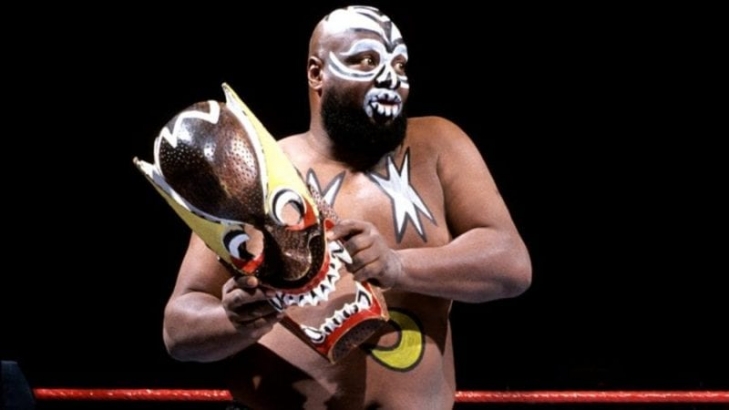
The Buck Stops Here -- Interview with Kamala
The Buck Stops Here -- Hall of Fame News -- Season 1 Episode 10
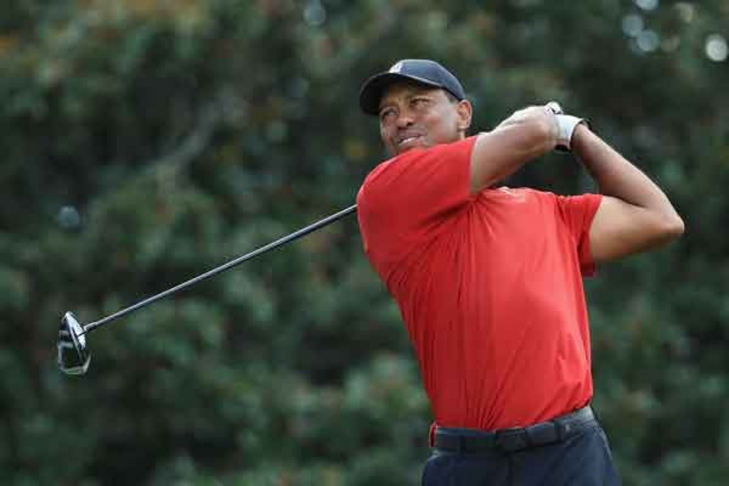
5. Billy Williams
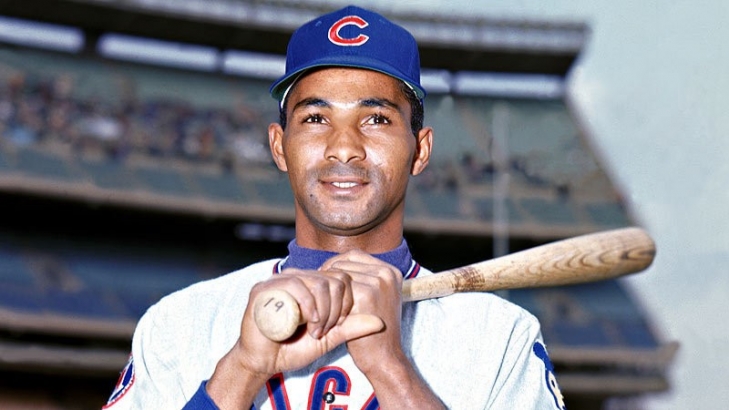
When Billy Williams arrived at Wrigley Field, he brought with him a left-handed stroke so smooth and effortless that it earned him a nickname for the ages: "Sweet-Swinging Billy." But behind that picturesque mechanics was a player carved out of granite. Williams didn't just play for the Cubs; he was their heartbeat, a fixture in the lineup so dependable that manager Leo Durocher famously said he didn't pencil Billy’s name in—he wrote it in ink.
His journey began with a bang in 1961, when he captured the National League Rookie of the Year Award with a 25-homer campaign. It was the start of a historic run of consistency that saw him blast at least 20 home runs for 13 consecutive seasons. The pinnacle arrived in 1970, an "Iron Man" year where he led the NL in hits (205) and runs (137) while launching a career-high 42 home runs. He finished as the MVP runner-up that year, a feat he would repeat in 1972 when he claimed the National League Batting Title with a .333 average and led the circuit in slugging. In any other era, Williams would have walked away with a shelf full of trophies; instead, he frequently found himself as the "best in the world,” standing just a half-step behind Johnny Bench.
Perhaps most remarkably, Williams set a National League record by playing in 1,117 consecutive games between 1963 and 1970. He didn't just show up; he produced at an elite level while refusing to take a day off, a streak that showcased mental toughness often overlooked because of his soft-spoken nature. He was the quiet engine of a legendary core that included Banks, Santo, and Jenkins, a team that flirted with greatness but never quite reached the October summit.
In late 1974, with the Cubs looking to rebuild, Williams was traded to the Oakland Athletics in a deal that finally gave the veteran a taste of the postseason. He left Chicago with 392 home runs and 2,510 hits, a statistical titan who never lost his humble edge. The franchise rightfully hoisted his number 26 to the foul pole in 1987, the same year he took his place in Cooperstown. He arrived as a rookie sensation and left as "Mr. Consistency," the man who proved that being "sweet-swinging" didn't mean you weren't as tough as they come.