


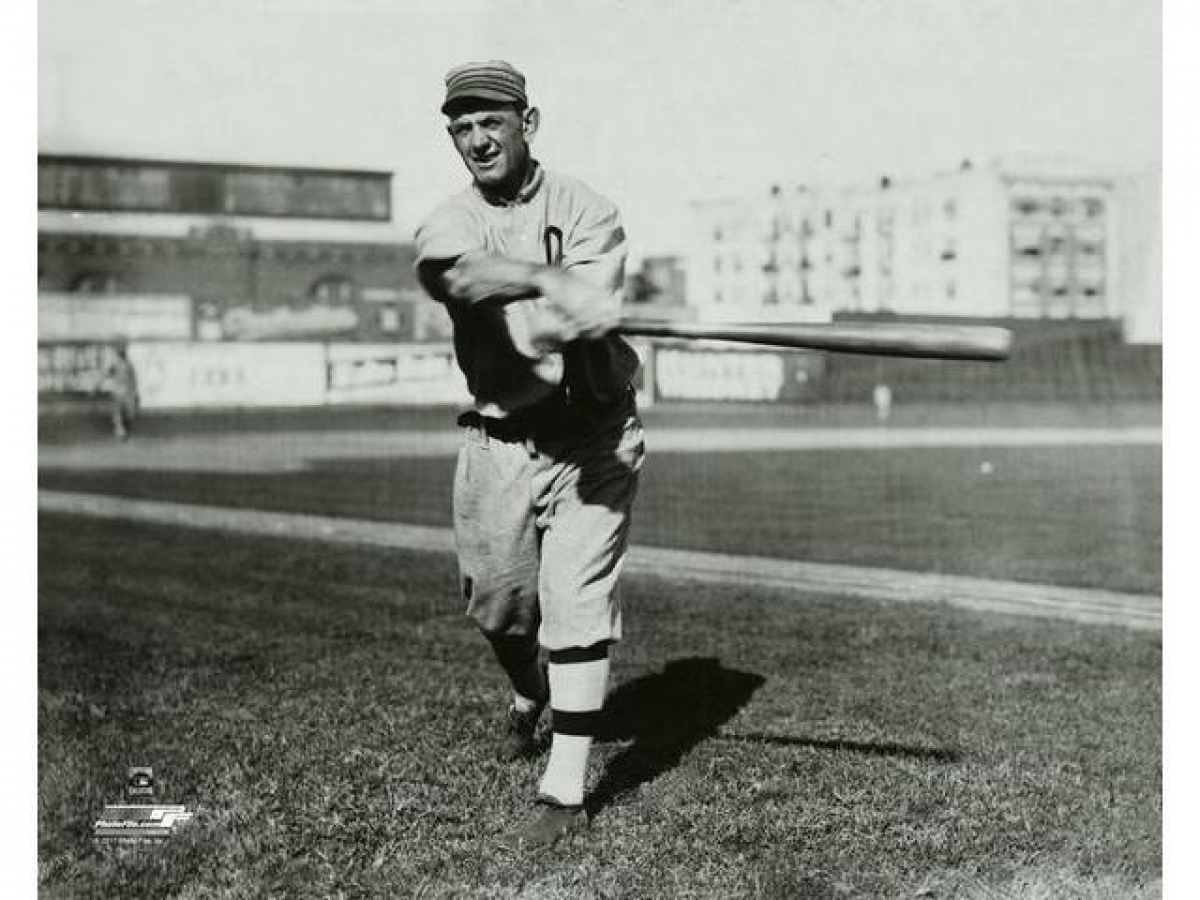
When Connie Mack established his pioneering Philadelphia Athletics dynasty at the beginning of the twentieth century, the team roster rapidly became filled with some of the most notable figures of the dead-ball era. Sharing the field with legendary players such as Home Run Baker, Chief Bender, and Eddie Plank, it was surprisingly easy for Danny Murphy to be neglected by history. Nevertheless, his adaptable, decade-long contribution served as the critical, high-impact offensive driver that contributed to the transformation of the early Athletics into a respected baseball empire.
Murphy arrived in Philadelphia during the midpoint of the 1902 season, initially establishing himself as the team's regular second baseman. He managed the position with consistent reliability until the emergence of a young, generational talent prompted a tactical adjustment. Acknowledging the exceptional defensive skills of future Hall of Famer Eddie Collins, Mack decided to reposition Murphy from the infield to the outfield. Rather than allowing the demotion to adversely affect his mindset, Murphy embraced the transition, demonstrating commendable selflessness and adaptability that maintained the elite defensive standard of the infield while ensuring his potent bat remained in the lineup.
That bat proved to be a highly potent weapon in an era defined by low-scoring, tactical baseball. Murphy was a remarkably aggressive, line-drive hitter who accumulated 1,489 hits during his pinstriped tenure. While his free-swinging approach resulted in a relatively low .336 on-base percentage, his raw, extra-base power was an absolute anomaly for the period. He possessed an uncanny ability to drive the ball deep into the gaps, twice finishing second in the American League in triples and placing inside the junior circuit's top ten in slugging percentage and overall OPS on six separate occasions.
His clutch, heavy-hitting style served as a critical catalyst when the franchise reached its absolute peak. Murphy acted as a driving force for the back-to-back 1910 and 1911 World Series Championship teams, routinely delivering high-leverage hits in the Fall Classic to help secure the organization's first tastes of global supremacy.
His extended tenure in Philadelphia ultimately concluded after the 1913 season. Similar to numerous undercompensated star athletes of his era who became increasingly dissatisfied with Mack's stringent financial policies, Murphy opted to switch leagues by signing a lucrative contract with the nascent Federal League's Brooklyn Tip-Tops. He ended his distinguished eleven-year tenure with the Athletics with a robust .290 batting average, leaving a legacy characterized by discreet, versatile excellence that laid the groundwork for the sport's inaugural significant American League dynasty.

Comments powered by CComment