


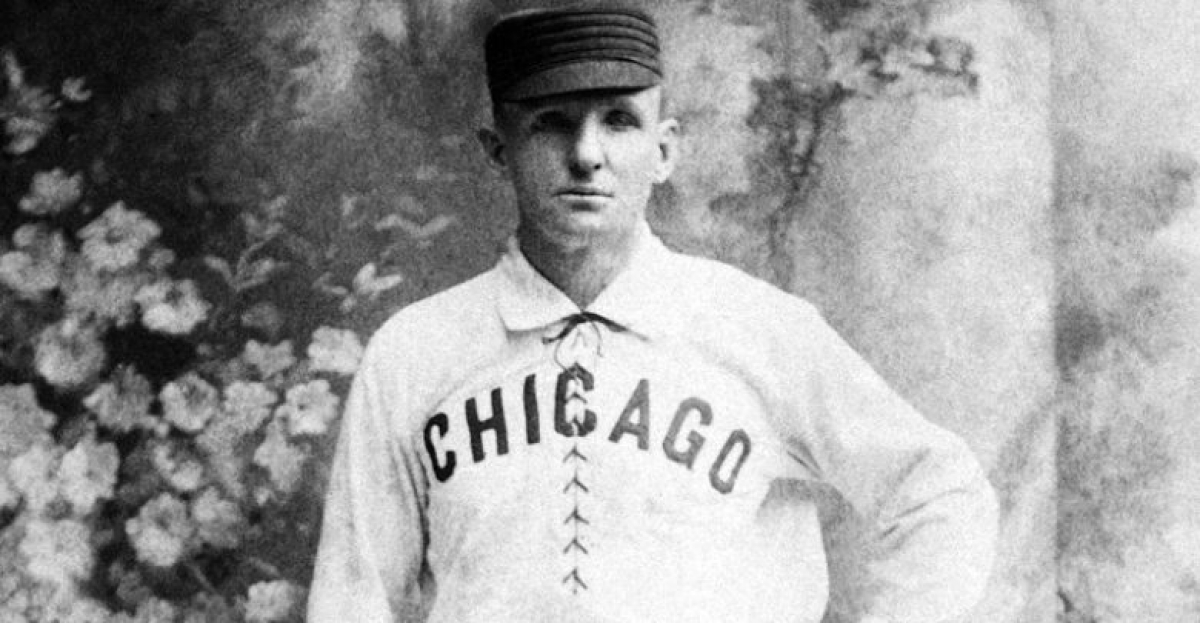
When Cap Anson joined the Chicago White Stockings in 1876, the National League was in its infancy. Over the next 22 years, Anson didn’t just play for Chicago; he was Chicago baseball. He arrived as a cornerstone and left as the most statistically dominant force the 19th century ever saw. His run was a relentless, two-decade march of production that defined the "Old Eight" era, including a staggering 15-year streak of batting over .300.
Anson was the game’s first true "accumulator" and its first "clutch" icon. He captured three batting titles and led the league in RBIs eight times—a total that keeps him 4th on the all-time list over a century after his retirement. But his impact went beyond the batter’s box. As a player-manager, he led Chicago to six National League pennants, essentially building the winning culture that would eventually become the Cubs' identity. He was the first player to reach 3,000 hits, and he did it while playing a defensively sound first base that anchored the best teams of the 1880s.
However, the story of Cap Anson’s run with the team is inseparable from a legacy of exclusion. While he was building a Hall of Fame resume on the field, he used his massive influence as the game’s biggest star to enforce a "color line" that would last for 60 years. His refusal to take the field against teams with Black players was not just a personal prejudice; it was a systemic weapon that reshaped the history of the sport.
By the time his Chicago tenure ended in 1897, Anson had amassed 3,012 hits and a .331 average, numbers that would make him the undisputed greatest of his age. When the "Old Timers" committee sent him to Cooperstown in 1939, they were honoring the statistical titan who built the Chicago dynasty. But in the modern audit, Anson remains a haunting figure: the man who showed us how high a player could climb, and how low a leader could stoop. He arrived as a pioneer and left as a monument, both to the game’s incredible growth and its most profound moral failures.

Comments powered by CComment