
Tagged: Baseball Hall of Fame
We have uploaded the 2027 list of Baseball Eligibles
We have added a new section on the Notinhalloffame.com site with the 2027 Baseball Futures. These are the players who will first be eligible for the Baseball Hall of Fame in 2027, though there is no guarantee that they will make the ballot. It is likely that many will not make it. We encourage you to vote and give your opinions on their respective HOF credentials.
The names are:
Alex Avila: Avila was an All-Star Catcher once while playing with the Detroit Tigers.
Andrew Miller: A two-time All-Star as a Relief Pitcher, Miller won the 2015 Rivera Relief Award and won the ALCS MVP as a member of the Cleveland Indians. He twice finished in the top ten in Cy Young voting.
Asdrubal Cabrera: Cabrera went to back-to-back All-Stars as a Cleveland Indian in 2011 and 2012, and was a Silver Slugger later in the first of those two years. He later won a World Series with Washington (2019).
Brett Gardner: A New York Yankee for the entirety of his Major League career, Gardner was an All-Star once, a Gold Glove winner once and once led the American League in Defensive bWAR. He was one of the better defensive outfielders of his era and offensively provided 1,470 Hits.
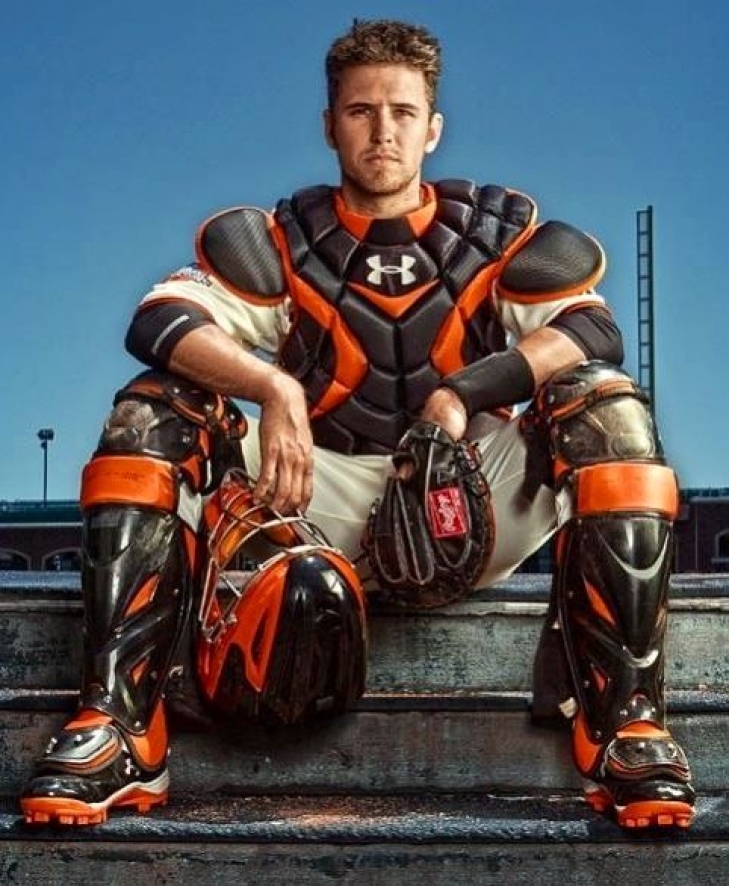
Buster Posey: Arguably the best Catcher in the National League throughout the 2010s, Posey played his entire career with the San Francisco Giants where he won three World Series Rings, an MVP, the Rookie of the Year, five Gold Gloves and one Silver Slugger. The seven-time All-Star also won a Batting Title and had a lifetime Batting Average of .302 with 1,500 Hits.
Dellin Betances: Betances was twice named the Sporting News Pitcher of the Year and was a four-time All-Star as a reliever.
Derek Holland: Holland played for eight teams and had an 82-83 lifetime record. His best years were with Texas.
Dexter Fowler: Fowler helped the Chicago Cubs win the 2016 World Series and the Outfielder was also an All-Star once.
Ervin Santana: A two-time All-Star, Santana twice finished in the top ten in Cy Young voting. He accumulated 1,978 Strikeouts with a record of 151 and 128.
J.A. Happ: Happ won a World Series Championship early in his career with Philadelphia (2009), and the Pitcher was an All-Star later in 2018. He won 133 Games over his career.
Jake Arrieta: Arrieta is best known for his run with the Chicago Cubs, where he pitched them to a World Series Championship in 2016. He was also an All-Star that year and won the Cy Young the year before. The hurler had a career record of 115-93 with 1,443 Strikeouts.
Jay Bruce: A power-hitting Outfielder, Bruce was a three-time All-Star and two-time Silver Slugger and 319 career Home Runs.
Joakim Soria: A two-time All-Star as a Relief Pitcher with Kansas City, Soria had 229 career Saves.
John Axford: In 2011, Axford (as a Milwaukee Brewer) won the Rolaids Reliever of the Year and led the NL in Saves.
Jon Jay: Jay played 12 years in the Majors, most notably with St. Louis, where he won a World Series in 2011.
Jon Lester: A five-time All-Star, Lester won three World Series Rings (two with Boston and one with Chicago Cubs). He finished in the top four In Cy Young voting four times and secured an even 200 Wins with 2,488 Strikeouts.
Jonathan Lucroy: Lucroy was twice an All-Star at Catcher, both of which was as a Brewer.
Jordan Zimmerman: A solid control Pitcher, Zimmerman was twice named to the All-Star Game.
Josh Reddick: Reddick won a World Series with Houston in 2016 and was a two-time Wilson Defensive player and one-time Gold Glove in Oakland.
Kyle Seager: Seager played all 11 of his MLB seasons with the Seattle Mariners, where he was an All-Star, Gold Glove winner, and American League leader in Total Zone Runs in 2014. He had 1,395 Hits and 242 Home Runs.
Neftali Feliz Feliz was the American League Rookie of the Year in 2010 where he was an All-Star, but injuries turned him into a journeyman.
Pablo Sandoval: Sandoval helped the San Francisco Giants win three World Series Championships (2010, 2012, and 2014) and won the World Series MVP and Babe Ruth Award in 2012. He is also a two-time All-Star.
Ryan Zimmerman: Zimmerman is the all-time leader in Nationals history in Hits (1,846), Home Runs (284) and RBIs (1,061), and was a member of Washington’s 2019 World Series Championship team. He is also a two-time All-Star and two-time Silver Slugger and also won one Gold Glove and one Wilson Defensive Award.
Scott Kazmir: Kazmir went to three All-Star Games, two with Tampa and one with the Dodgers. He had 108 Wins with 1,618 Strikeouts.
Starlin Castro: Castro went to four All-Star Games and had over 1,700 Hits, but had it not been for domestic violence allegations that booted him from the league, he would have had much more.
Todd Frazier: Frazier was a two-time All-Star when he played for Cincinnati. He had 218 Home Runs.
Tony Watson: Watson was an All-Star in 2014, and he led the NL in Games Pitched that year.
Wade Davis: Davis was a three-time All-Star who won the Babe Ruth Award and a World Series Ring with Kansas City in 2015.
Will Harris: Unlikely to make the ballot, Harris is a one-time All-Star and World Series winner with Houston, so his career is more than complete.
Wilson Ramos: Ramos was a two-time All-Star and one-time Silver Slugger Catcher.
You can find the entire list of 2027 eligible baseball players here.
As always, we here at Notinhalloffame.com thank you for your support!
Joe Mauer, Adrian Beltre and Todd Helton inducted into the Baseball Hall of Fame
The Hall of Fame season is in full swing as the Baseball Hall of Fame vote has been tabulated and we have three new inductees who were voted in by the writers. Adrian Beltre, Todd Helton and Joe Mauer will become enshrined in the most prestigious sports hall of fame this summer, and we are thrilled that we have a large class. They will join Jim Leyland, who was inducted by the Veteran’s Committee.
The inductees:
Adrian Beltre: 95.1% on his first ballot. The Third Baseman was considered by everyone to be a first ballot lock, and today the Dominican made that projection come true. He brings to Cooperstown a resume that had 3,166 Hits, 487 Home Runs, 1,707 RBIs, five Gold Gloves, four Silver Sluggers, five Gold Gloves and two Platinum Gloves. Playing for the Los Angeles Dodgers, Seattle, Boston and Texas, Beltre was never an MVP but finished in the top ten five times. Amazingly, Beltre did not really look like a Hall of Fame possibility until he was past 30, as his second half eclipsed his first.
Todd Helton: 79.7% on his fifth ballot. Helton jumped from 52.0 from last year, and came a long way from the 16.5% from year one. He enjoyed the entirety of his career with the Colorado Rockies, where he smacked 369 Home Runs with 2,519 Hits and 1,405 RBIs. Finishing his career as a member of the lifetime 3/4/5 club (.316/.414/.539), went to five All-Star Games, won three Gold Gloves, four Silver Sluggers and owns a Batting Title. He joins Larry Walker in joining Cooperstown while donning the “CR”.
Joe Mauer: 76.1% on his first ballot. Mauer’s election gives us two first ballot inductees, but unlike Beltre, Mauer’s Cooperstown career was spent with one team, Minnesota. One of the best hitting Catchers of all-time, Mauer won the MVP in 2009 in the season he won his third Batting Title. Mauer was. Six-time All-Star, five-time Silver Slugger and three-time Gold Glove winner. He recorded 2,123 Hits with a lifetime .306 Batting Average. He is a minor surprise to make it as a first ballot entry.
Failing to make the Baseball Hall of Fame were:
Billy Wagner: 73.8% on his eighth ballot. Wagner fell five votes shy of the Hall, but momentum is certainly on his side, even though there are only two years left of eligibility. This is phenomenal progress for a player who was under 20% in his first four years. With 422 career Saves (6th all-time), Wagner was a seven-time All-Star with a lifetime ERA of 2.31 and WHIP of 0.998.
Gary Sheffield: 63.9% on his tenth and final ballot. It is off to the Veteran’s Committee for Sheffield, and while that worked for Fred McGriff, this might not be the case for Sheffield who was suspected of PED use. Sheffield’s numbers are overall better than McGriff, with 509 Home Runs, 1,676 RBIs, 253 Stolen Bases and a Slash Line of .292/.393/.514. Chalk “Shef” as a member of the all Non-Cooperstown team.
Andruw Jones: 61.6% on his seventh ballot. Jones has a unique resume with 434 Home Runs and 19 Gold Gloves, and when you throw in five All-Stars and a Major League Player of the Year Award, this is a player who feels like he should be in already. He only moved up 3.5% from last year, but Jones has come a long way from his first two years where he was just hanging on with over 7%.
Carlos Beltran: 57.1% on his second ballot. Had it not been for the sign-stealing scandal in his final, and World Series winning year, Beltran would have probably been a first ballot inductee. He has the stats for it with 2,625 Hits, 435 Home Runs, 1,578 RBIs and 312 Stolen Bases, and the accoladed (nine All-Stars, two Silver Sluggers and three Gold Gloves, but this is a message by the voting body. He moved up 10.5% from last year, and he will get in eventually.
Alex Rodriguez: 34.8% on his third ballot. Nobody had a better resume on this ballot than A-Rod. Three MVPs, 10 Silver Sluggers, 696 Home Runs, 3,115 Hits, 2,021 Runs and 2,086 RBIs dwarves what many Cooperstown inductee have, but so does one other stat: two PED suspensions. You would think that Rodriguez’s work on Fox might show that he is forgiven, but clearly, he isn’t. His total went down from 35.7 in 2023, and why should we think anything will change for him moving forward?
Manny Ramirez: 32.5% on his eighth ballot. Like Rodriguez, Ramirez should be in the Hall. Owning a lifetime Slash Line of .312/.411/.585, 555 Home Runs, 1,831 RBIs, 12 All-Stars and nine Silver Sluggers, Ramirez was the catalyst of Boston’s two World Series Championships in the 2000s. However, again like A-Rod, Man-Ram was also popped for PEDs twice. He also dropped from last year, descending .7%.
Chase Utley: 28.8 on his first ballot. A six-time All-Star and four-time Silver Slugger, Utley’s strength lies on his sabermetrics (64.5 bWAR) and a 28.8 debut is a lot better than what Helton got. This is not a bat start.
Omar Vizquel: 17.7% on his seventh ballot. Ob boy. Vizquel was on track for the Hall. Voters loved his defense (11 Gold Gloves), and though he was a light hitter, he stayed around so long that he accumulated 2,877 Hits. He had 37.0 percent on his first ballot, and reached 52.6 in year three. However, he dropped to 49.1, as while votes were submitted, domestic allegations emerged. As they were credible, he plummeted to 23.9 in 2022, and has trended downward with 19.5 in 2023 and his now new low of 17.7. Here is another number. 0.0. Those are his Hall of Fame chances.
Jimmy Rollins: 14.8% on his third ballot. Inching up from 12.9 %, Rollins is a former MVP and World Series winner with Philadelphia and had 2,455 Hits with 231 Home Runs. The Shortstop also went to three All-Star Games and won four Gold Gloves.
Bobby Abreu: 14.8% on his fifth ballot. Abreu reminds surprisingly low as his 60.2 bWAR puts him in line with others in the Hall. Throw in 2,460 Hits, 288 HR, and a lifetime OBP of .395, he has the credentials, but he was only an All-Star twice and never sought attention. Abreu fell 0.6% from last year.
Andy Pettitte: 13.5% on his sixth ballot. Pettitte had a career record of 256 and 153 with 2,448 Strikeouts, three All-Stars and five World Series rings. The latter credential, and his performance in them should put him much higher, but Pettitte is an admitted PED user. That is probably enough for a lot of voters to pass on him.
Mark Buehrle: 8.3% on his fourth ballot. The five-time All-Star and World Series Champion with the Chicago White Sox had 214 Wins but only had one year where he received Cy Young votes. The Pitcher dropped from 10.8%, and is treading water at this point.
Francisco Rodriguez: 7.8% on his second ballot. Rodriguez has 437 Saves, five All-Stars and is best known for exploding out of the gate leading the Angels to their first World Series Championship. He had a disappointing drop from 10.8 on year two.
Torii Hunter: 7.3% on his fourth ballot. Hunter hangs on for life, but has never broke double-digits, and is down from year one’s number of 9.5%. He was a five-time All-Star, nine-time Gold Glove winner and two-time Silver Slugger with a 50.7 bWAR, 353 Home Runs and 1,391 RBIs.
David Wright: 6.2% on his 1st ballot. Wright loves to fight another day, but it won’t get easier going forward. The career Met went to seven All-Star Games and won two Gold Gloves and two Silver Sluggers, but faces a tall order to enter the Hall. We do think he should be honored by New York as soon as possible.
Falling off of the ballot:
Jose Bautista: 1.6% on his first, only and last ballot. Bautista entered the Blue Jays Ring of Excellence last year, but this Hall will elude the former slugger. He blasted 344 Home Runs, won three Silver Sluggers and went to five All-Star Games.
Victor Martinez: 1.6% on his first, only and last ballot. Martinez exits on his first try after a five All-Stars, two Silver Sluggers and 295 Home Runs.
Bartolo Colon: 1.3% on his first, only and last ballot. The big man had a disappointing showing considering he won 247 Games and a Cy Young, but as popular as he was, he was suspended for PEDs. That still seems weird, doesn’t it?
Matt Holliday: 1.0% on his first, only and last ballot. The Outfielder won a World Series with St. Louis in 2011, and was a seven-time All-Star. He also won a Batting Title, NLCS MVP and four Silver Sluggers.
Adrian Gonzalez: 0.8% on his first, only and last ballot. Gonzalez had a good career with five All-Stars, four Gold Gloves, two Silver Sluggers and 317 Home Runs.
Brandon Phillips: 0.3% on his first, only and last ballot. Phillips received a single vote after a nice career that saw him belt 211 Home Runs with 2,029 Hits.
Jose Reyes: 0.0% on his first, only and last ballot. Reyes had a good career, but it had its share of controversies that likely cost him from receiving a vote. When we get around to the dream team of players who were shutout does Reyes belong on it? 2,138 Hits, a Batting Title and 517 SB tells us he might.
James Shields: 0.0% on his first, only and last ballot. While he received no votes, he belonged on the ballot with a respectable 145 Wins and 2,234 Strikeouts.
We will now begin work on revising the Notinhallofame.com Baseball List of those to consider for the Baseball Hall of Fame. Look for that later next month.
We here at Notinhalloffame.com would like to congratulate the impending members of the Baseball Hall of Fame.
Jim Leyland elected into the Baseball Hall of Fame
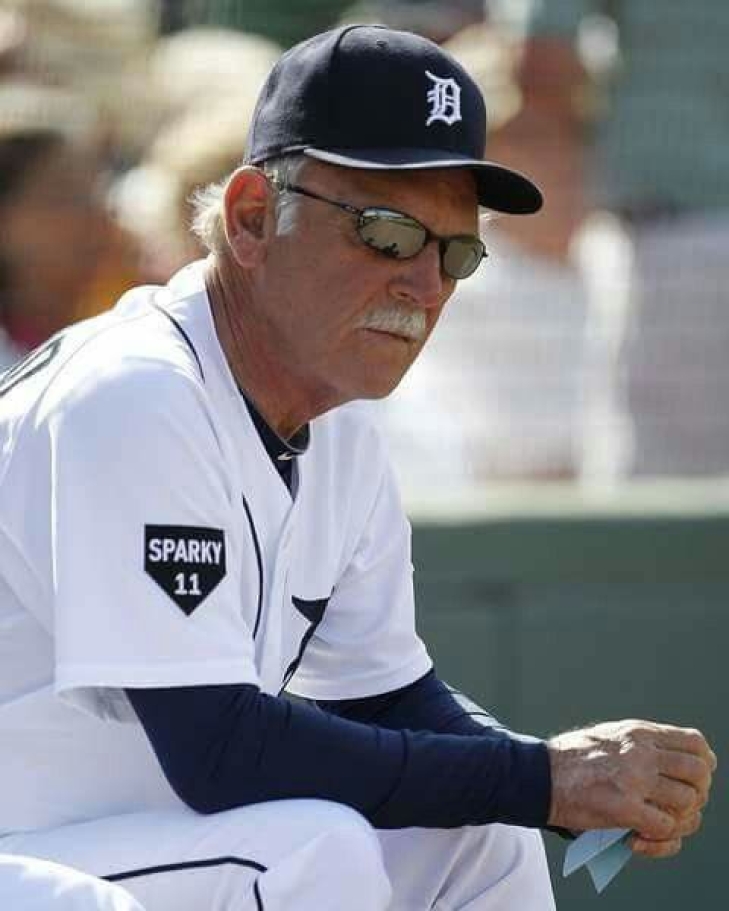
The Hall of Fame season continues with the Baseball Hall’s announcement that Jim Leyland has been named to the Hall via the Contemporary Baseball Era Committee for Managers/Executives/Umpires. The former Manager received 15 of 16 voted for the ballot, making him the only person selected from this group.
Leyland is a three-time Manager of the Year (1990, 1992 & 2006), and led the Florida Marlins to their improbable 1997 World Series title. With a career record of 1,769-1,728 and helmed the United States to victory in the 2017 World Baseball Classic.
Missing out was Lou Piniella who received 11 votes and Bill White who had 10. Also on the ballot were Cito Gaston, Davey Johnson, Ed Montague, Hank Peters and Joe West.
We here at Notinhllloffame.com would like to congratulate Jim Leyland for his impending honor.
The Committee is named for the Contemporary Ballot
Halls of Fames struggle with transparency, but the Baseball Hall does a very good job telling you who are the voters and what the results were.
We now know the 16-person group who comprise the Contemporary Committee.
The voters will comprise of five Hall of Fame players (Jeff Bagwell, Tom Glavine, Chipper Jones, Ted Simmons and Jim Thome), Hall of Fame Manager, Joe Torre, and Hall of Fame Commissioner Bud Selig. Also included are Executives Sandy Alderson, Bill DeWitt, Michael Hill, Ken Kendrick, Andy MacPhail and Phyliss Merhige and media members/historians, Sean Forman, Jack O’Connell and Jesus Ortiz.
The group will be voting on Managers, Cito Gaston, Davey Johnson, Jim Leyland and Lou Piniella, Umpires Joe West and Ed Montague, Executive Bill White and Executive Hank Peters.
To enter the Baseball Hall of Fame, a candidate needs at least 75% for election. Should the Committee induct any of the candidates they will be elected inducted on July 21, 2024.
Andre Dawson still hopes to have his hat changed on his HOF plaque
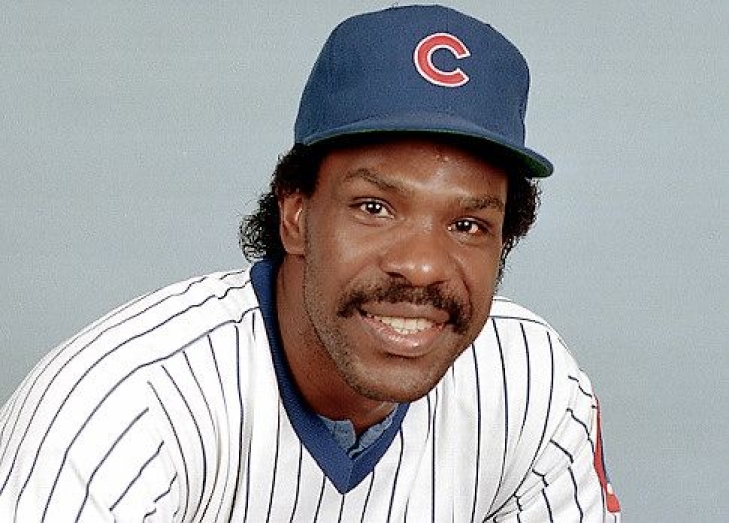
As we are deep into the Baseball Hall of Fame season, one of the inductees is hopeful to get the logo on his plaque changed from the Montreal Expos to the Chicago Cubs.
Andre Dawson, who was inducted into the Hall in 2010, was enshrined with the Expos cap, but stated all along that he wanted to go in as a Cub. He is still hopeful of changing it to the iconic Cubs “C”, as reported by the Chicago Tribune, and he has sent letters to the chairman of the Hall of Fame Board of Directors in another effort. Dawson has long since said that he wanted to go in as a Cub, the team he won his only MVP (1987), despite the longer and more successful statistical tenure with Montreal.
The Hall of Fame rarely makes changes to plaques, and as the Cooperstown-based institution has not corresponded with Dawson, it is unlikely that we will see any changes in bronze.
If I Had a Vote in the 2023 Baseball Hall of Fame Election
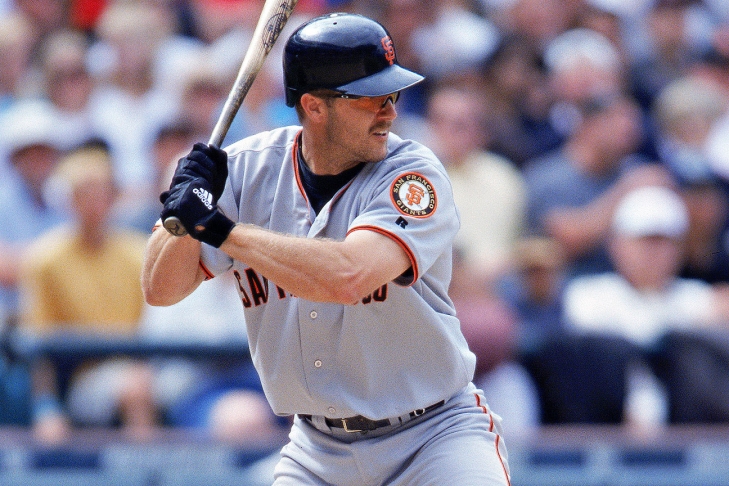
Days from the January 24, 2023, announcement by the National Baseball Hall of Fame of candidates who may have been elected by the Baseball Writers' Association of America (BBWAA), the burning question is not who those candidates, if any, will be. Instead, the burning question is: What morality are BBWAA voters going to legislate for the Hall of Saints this year?
For more than a decade, the controversy over performance-enhancing drugs (PED) has consumed discussion about who should or should not be elected to the Hall, capped by the late Hall of Famer Joe Morgan's now-infamous 2017 missive to voters about keeping the PED Penitents out of Cooperstown. But although the PED predicament remains—among the returning candidates on the 2023 BBWAA ballot are Manny Ramirez and Álex Rodriguez—voters are now finding other performance flaws in candidates to deny them entrance to the Hallowed Hall.
Baseball Hall of Fame 2023: Contemporary Baseball Era Committee
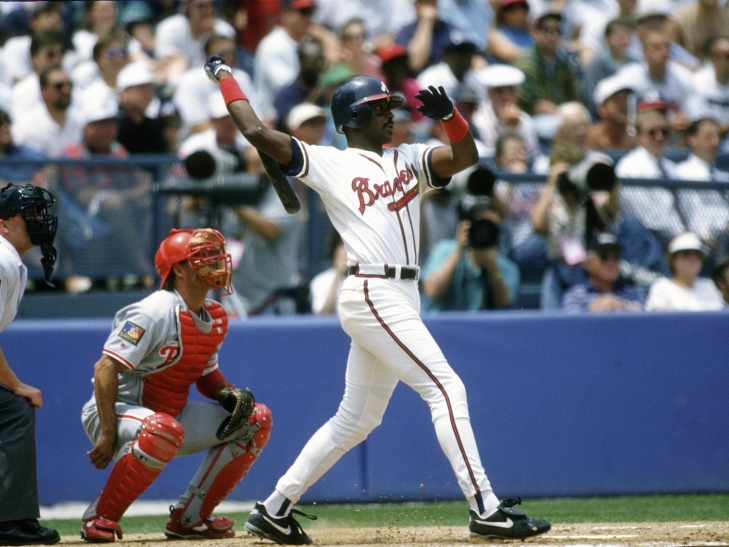
By paring the number of candidates to be considered by the Contemporary Baseball Era Committee to a lean-and-mean eight, and if trends by recent iterations of the National Baseball Hall of Fame Veterans Committee continue, the odds look very good for Fred McGriff to be making an induction speech in Cooperstown, New York, in July 2023 when the committee announces its results during the baseball winter meetings to be held on December 4, 2022.
Why should McGriff start preparing his induction speech? Because the Screening Committee that selected the eight players whose careers began after 1980 to be considered by the Contemporary Baseball Era Committee of the Hall of Saints—sorry, make that the Hall of Fame—have gamed the ballot to, in essence, eliminate half of its candidates right off the bat, leaving the slugging first baseman as the most viable candidate for consideration ahead of, in order of descending likelihood, Don Mattingly, Dale Murphy, and Albert Belle.
If I Had a Vote in the 2022 Baseball Hall of Fame Election
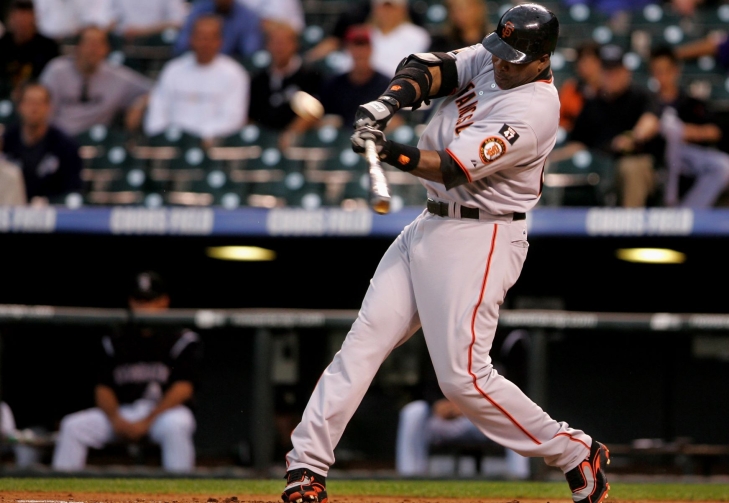
On a ballot packed with qualified candidates for the National Baseball Hall of Fame, is it possible that none of them will be elected this year?
If that happens, as it did last year, it would be the third time in the last decade that the qualified voters of the Baseball Writers' Association of America (BBWAA) have thrown a shutout at the Hall of Fame. This is an odd paradox considering that after the Big Zilch of 2013, the BBWAA in subsequent years went on to elect 22 players across the next seven ballots, with the various guises of the veterans committee voting in another five players (and six non-players) during that seven-year span. (In 2013, the veterans committee did elect three candidates to the Hall.)
Last year, Curt Schilling, who had garnered 70 percent of the vote on the previous ballot, seemed to be a lock for election. Instead, he stalled with a negligible increase in support, then threw a social-media Trumper tantrum declaring that he wanted to be removed from this year's ballot. The Hall of Fame quickly responded that it would not do so.
If I Had a Vote in the 2021 Baseball Hall of Fame Election
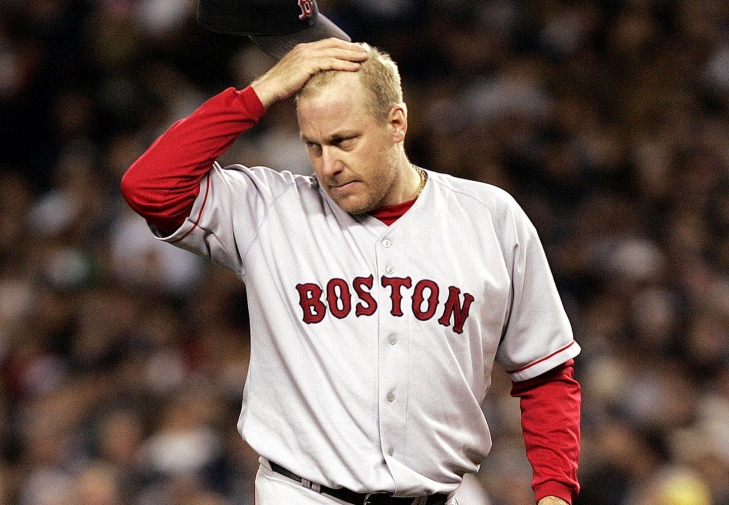
Is this the year Curt Schilling makes it into the National Baseball Hall of Fame? Will Schilling be the only player elected to the Hall this year? After all the tumultuous voting activity of the 2010s, has voting for the Hall returned to "normal"?
Only a crystal ball, or the patience to wait until voting results for the 2021 Baseball Hall of Fame are announced on January 26, 2021, can give us the definitive answers, but of course that doesn't stop us from prognosticating before we learn the results.
For now, the short answers are:
1. Maybe.
2. Possibly.
3. Likely.
2021 BBWAA Hall of Fame Ballot: Executive Summary
Baseball Hall of Fame: Ballot Forecast 2021 to 2025
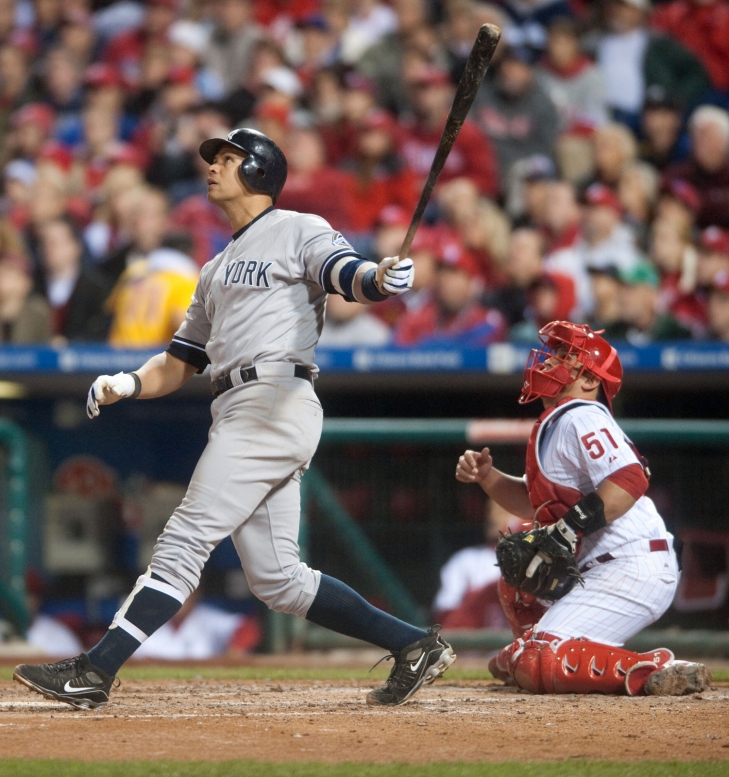
In a tumultuous year that was not normal for anything and everything including baseball, one thing that might be back to normal is voting for the Baseball Hall of Fame. Granted, the 2021 Baseball Hall of Fame ballot has 14 returning candidates, with just about every one of them owning cases for induction that range from borderline to compelling.
The Buck Stops Here -- African Americans Who Belong in Sports Halls of Fame
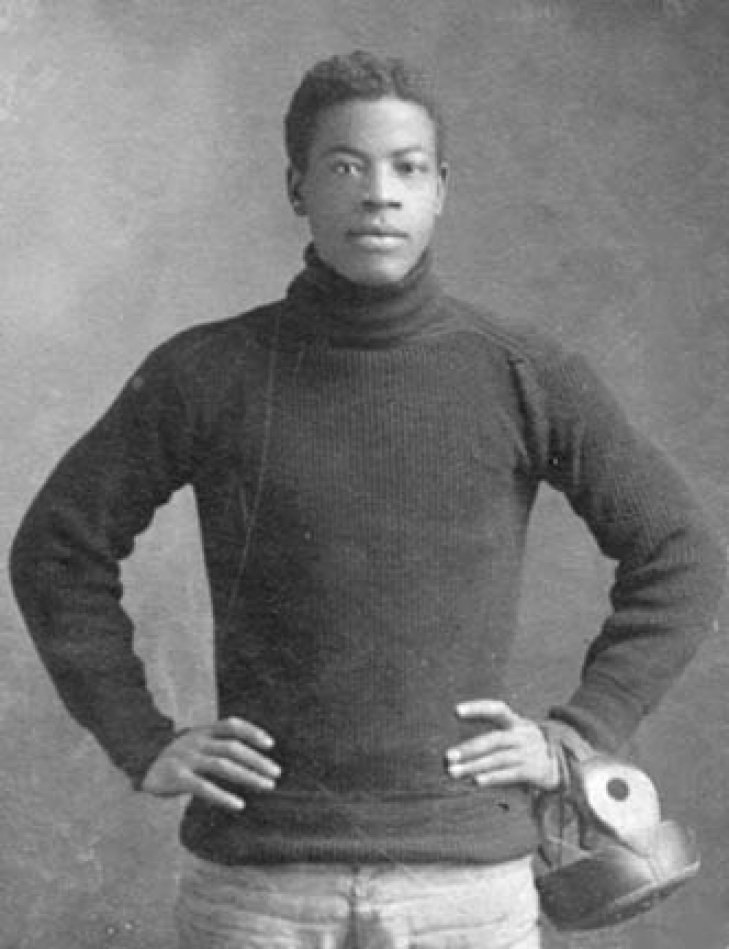
The Buck Stops Here -- Hall of Fame News -- Season 1 Episode 17
The Buck Stops Here -- Hall of Fame News -- Season 1 Episode 9
The Buck Stops Here -- Hall of Fame News -- Season 1 Episode 8
Baseball Hall of Fame Veteran's Committee 2019
The Buck Stops Here -- Episode 6
If I Had a Vote in the 2018 Baseball Hall of Fame Election
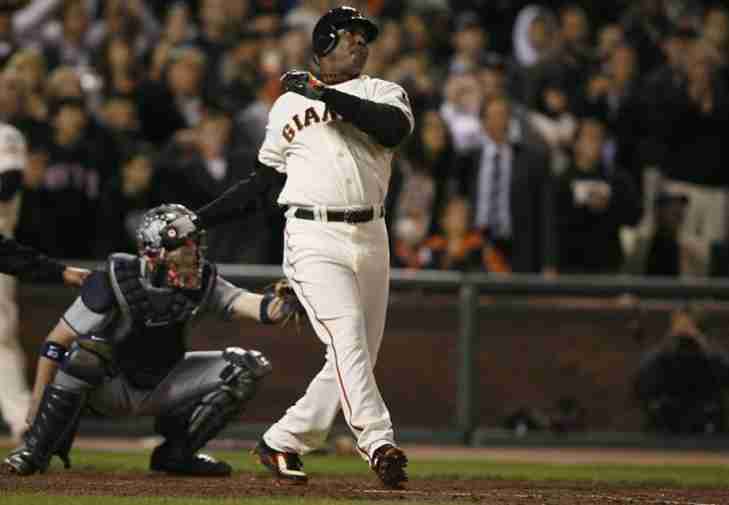
Sounds like voting for the Baseball Hall of Fame for the last few years, doesn't it?
The good news is that since the Shutout of 2013, when the eligible members of the Baseball Writers' Association of America (BBWAA) could not muster the 75 percent of the vote necessary to elect any one ballot candidate to the Hall of Fame despite a wealth of candidates from whom to choose (I counted 14), the BBWAA has sent a dozen players to Cooperstown. Based on that trend, and barring any unusual or unforeseen wrinkle, the writers are certain to elect at least one player for 2018.
Modern Baseball Committee (1970 – 1987): The 2018 Election
Baseball Hall of Fame: Upcoming Borderline Candidates, Part 2
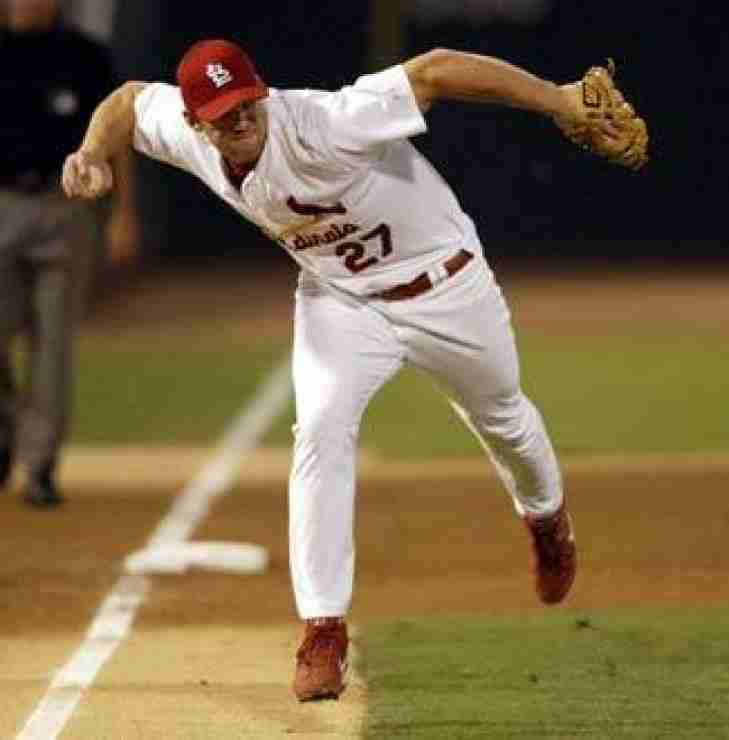
Baseball Hall of Fame voting in the last few years has been fascinating for a number of reasons, particularly the logjam of qualified candidates, which promises to remain an issue for the next few years. That logjam puts additional pressure on the borderline candidates—will they be overlooked, perhaps unfairly, because there are too many candidates from which to choose?
EVALUATING BASEBALL'S 2017 TODAY'S GAME ERA COMMITTEE BALLOT