


Site Admin
24. Gary Peters
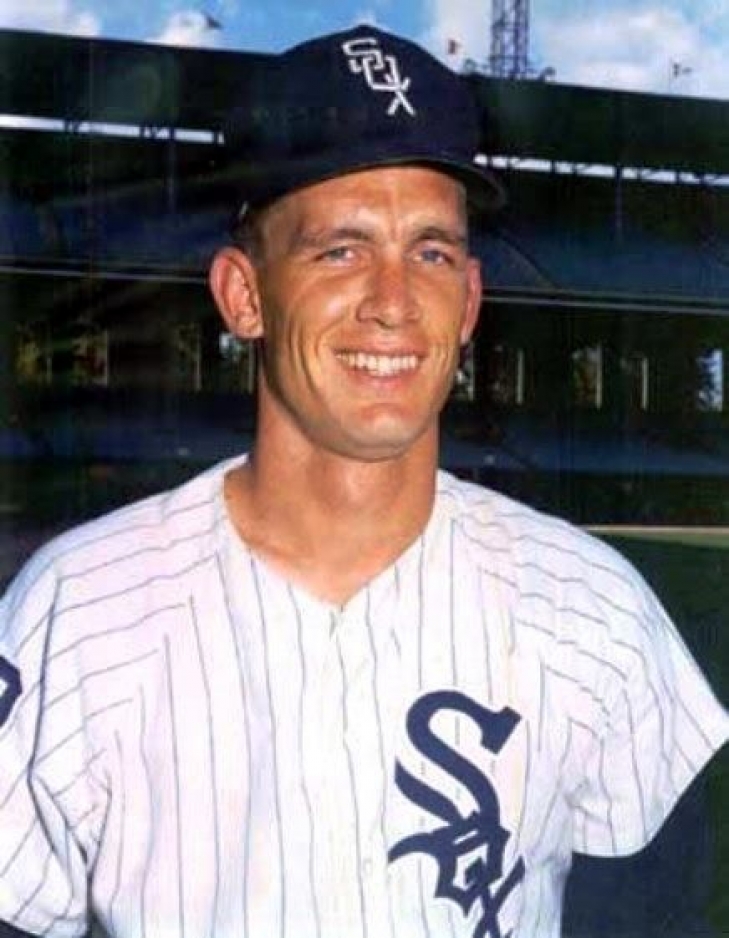
When Gary Peters finally secured a permanent spot in the White Sox rotation in 1963, he was already 26 years old and had spent four seasons tasting the big leagues in small, frustrating sips. He arrived at the "Go-Go" Sox era as a seasoned rookie with a live arm and an even sharper competitive edge. In that 1963 campaign, he went 19-8 and led the American League with a 2.33 ERA and an equally impressive 2.34 FIP. He was the runaway choice for Rookie of the Year and signaled the arrival of a new tactical anchor for the Chicago staff.
The peak of his tenure was defined by a blend of efficiency and volume that made him a perennial threat to any lineup. In 1964, he followed his rookie breakout by joining the elite 20-win club and earning his first All-Star nod. In 1966, Peters captured his second ERA title with an anemic 1.98 mark, proving that his ability to suppress runs was among the best in the sport. He was a two-time All-Star who thrived in the pitching-rich environment of the mid-60s, serving as a pillar for a staff that prided itself on surgical precision.
While the wins didn't always reflect the quality of his stuff due to the low-scoring era, his 1,098 strikeouts as a member of the White Sox tell the story of a pitcher who could miss bats when the stakes were high. He was the quintessential professional who turned years of minor-league frustration into a residency marked by hardware and league-leading metrics. Whether it was leading the league in wins or ERA, Peters was the left-handed hammer that the South Side relied on to keep them in contention.
The end came for Peters in Chicago after the 1969 season, when he was traded to the Boston Red Sox. He left Chicago with 91 wins and a legacy as one of the most efficient pitchers of his generation.
19. Robin Ventura
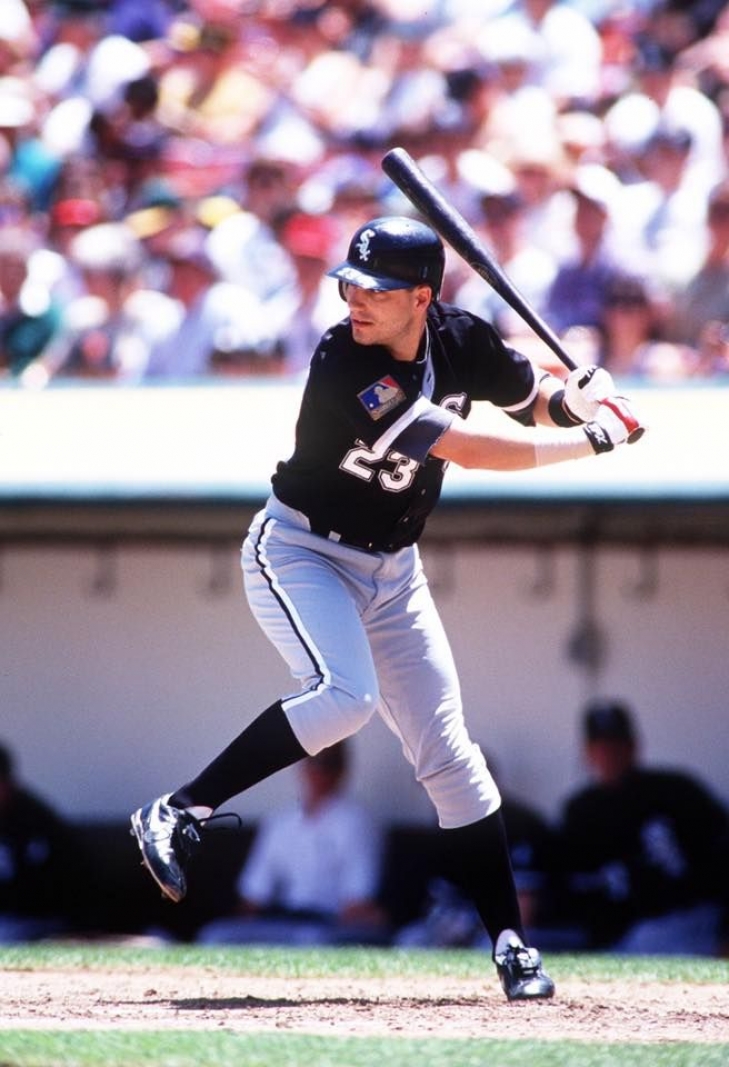
When Robin Ventura arrived on the South Side in 1989, he was the crown jewel of the White Sox farm system, a first-round pedigree with a legendary collegiate resume. While he initially struggled to adjust to big-league pitching, he soon found his rhythm, evolving into a surgical, left-handed threat who provided a perfect counterweight to Frank Thomas in the lineup. He arrived as a high-potential prospect and matured into a defensive institution at third base, but his tenure would ultimately be defined by a single, scorching August afternoon in Texas.
Ventura was a defensive vacuum who captured five Gold Gloves during his ten-year stay in Chicago. He led the league in Total Zone Runs at his position, making the most difficult backhand stabs at the hot corner look routine. Offensively, he was just as reliable; beginning in 1991, he rattled off four seasons of at least 20 home runs, twice eclipsing the 100-RBI plateau. He was the quiet, cerebral professional of the 1993 division-winning squad until the third inning of a game against the Rangers on August 4th.
The signature moment of his stint, for better or worse, occurred when Ventura was plunked by a 46-year-old Nolan Ryan. In a rare display of youthful rage, the 26-year-old Ventura threw down his bat and charged the mound. What followed became the most iconic snapshot in baseball history: the veteran Ryan met him halfway, caught him in a headlock, and delivered a flurry of punches to the top of Ventura's head. While Ventura later famously dismissed the blows as "a couple of noogies," the image of the young star being handled by the "Old Express" became a permanent part of his legacy. It was a moment where the "Franchise Identity" of the gritty White Sox met the immovable force of a living legend.
Despite that viral moment, Ventura’s skills remained undeniable. He was a two-time All-Star in Chicago and maintained a level of poise that helped the team navigate the high-leverage years of the early 90s. He wasn't just the guy in the headlock; he was the guy who provided 1,244 hits and 171 home runs while playing some of the most elite defense the South Side had ever seen. His walk toward the exit came after the 1998 season, when he signed with the New York Mets, leaving a void at third base that the organization struggled to fill for years.
20. Thornton Lee
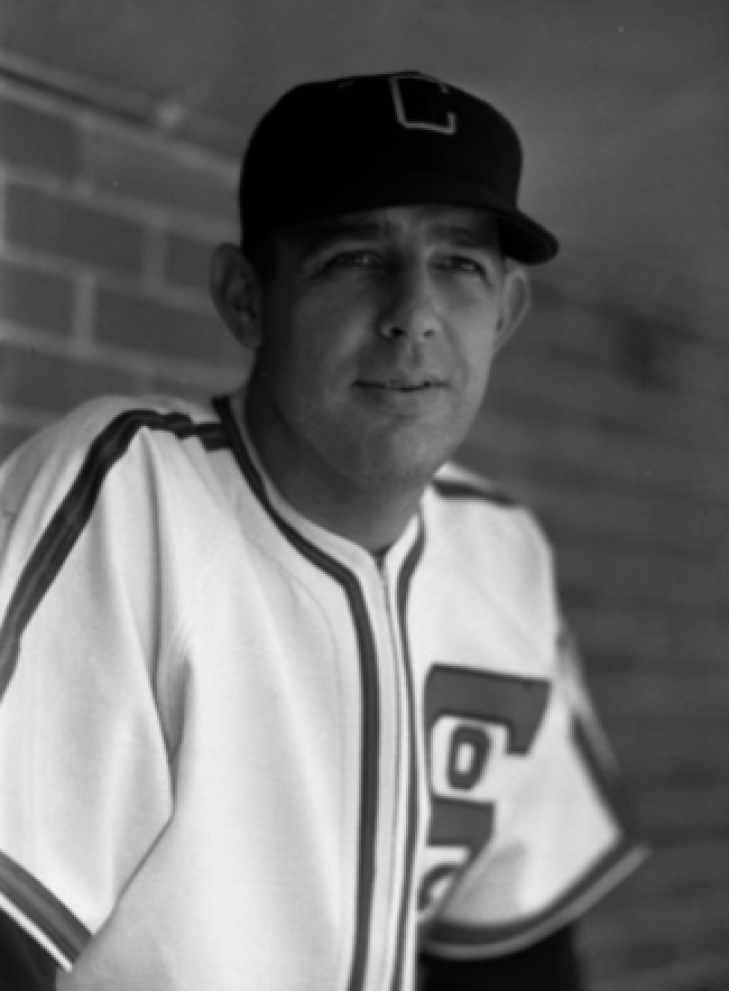
When Thornton Lee arrived in Chicago via a trade with Cleveland in 1937, he was already 30 years old and carried the label of a journeyman. His time with the Tribe had been largely forgettable, but the change of scenery to the "Pale Hose" acted as a catalyst for a mid-career evolution. He didn't just find a spot in the rotation; he became its primary engine. In his first full season in the Windy City, he posted a 12-10 record, and by 1938, his underlying value began to surface. While his traditional stats were respectable, he led all major league pitchers in bWAR (5.5) that season, proving he was doing more with less than any other arm in the game.
The peak of his residency, and one of the most dominant individual seasons in franchise history, arrived in 1941. At the age of 34, Lee staged a masterclass in efficiency that defied his age. He was an All-Star who once again paced the American League in bWAR with a staggering 8.6 mark, while capturing the ERA title (2.37) and leading the league in ERA+ (174) and WHIP (1.165). He finished fourth in the MVP voting and established himself as the premier left-hander in the junior circuit. He arrived as a cast-off and transformed into the most dangerous weapon in the Chicago arsenal.
However, the middle chapter of his journey was hampered by the onset of World War II and a mounting list of physical ailments. While Lee remained stateside during the conflict, his body began to betray the heavy workload of his peak years. He struggled with ineffectiveness for much of the early 40s, though he managed one final gasp of brilliance in 1945, grinding out a 15-win season at the age of 39. It was a final display that had made him so valuable, showing that even with diminished velocity, his tactical mind could still navigate a big-league lineup.
The final walk toward the exit came after the 1947 season. At the age of 41, the White Sox made the difficult decision to cut ties and release the veteran southpaw. He left Chicago with an even 104-104 record, a stat that serves as a reminder of how often he pitched brilliantly for teams that struggled to provide him with run support.
17. Paul Konerko
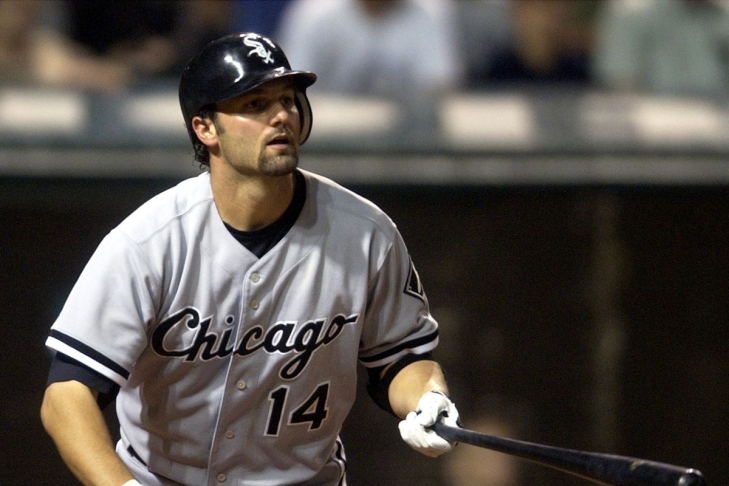
When Paul Konerko arrived in Chicago in 1999 via a trade with the Cincinnati Reds, he was a young hitter searching for a permanent home. The White Sox sent away a dynamic talent in Mike Cameron to get him, a move that initially raised eyebrows but quickly proved to be a stroke of genius. Konerko didn't waste time establishing his residency at first base, launching 24 home runs in his debut season and proving that his compact, powerful swing was perfectly suited for the South Side. He arrived as a promising trade piece and immediately began his transformation into the team’s identity that would define the organization for the next sixteen years.
The middle of his journey was highlighted by a level of power that peaked during the legendary 2004 and 2005 campaigns. Konerko rattled off back-to-back 40-home run seasons, earning his place among the elite power threats in the American League. The 2005 season, however, elevated him to the status of a permanent icon. Not only did he lead the team back to the postseason, but he also captured the ALCS MVP and provided the signature moment of the World Series with a thunderous grand slam in Game 2. He was the stoic leader of a squad that brought Chicago its first title since 1917, and carried the weight of a century-long wait on his shoulders.
However, calling a spade a spade requires acknowledging the limitations that came with his high-volume power. While he was a six-time All-Star, Konerko was often hindered by a lack of speed and a tendency to ground into double plays. His defensive range was limited, and he was never considered a threat on the basepaths. Yet, these negative attributes were largely overshadowed by his staggering moon shots from the plate. He amassed four more 30-home run seasons after the championship run and maintained a career slash line of .281/.356/.491 in a White Sox uniform. Fans were more than happy to overlook a few double plays in exchange for 432 home runs and 2,292 hits.
The final walk toward the exit came in 2014, concluding a nearly two-decade-long residency that had made him the emotional heartbeat of the franchise. He retired as one of the most beloved figures in Chicago sports history, a man whose number 14 was swiftly hoisted to the rafters. The organization further immortalized his impact by erecting a statue in his likeness outside the stadium, a permanent tribute to the man who hit the most important home runs in the history of the South Side.