


Site Admin
23. Harold Baines
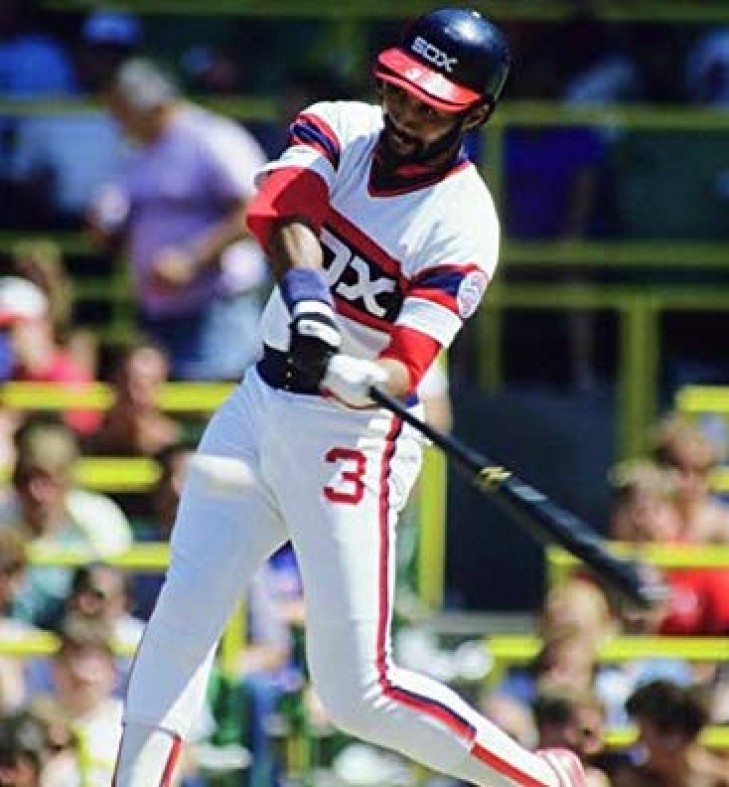
When Harold Baines arrived in Chicago in 1980, the expectations were sky-high for the former number-one overall pick. He didn't disappoint. By 1982, he had settled into a rhythm that would define his residency: a calm, left-handed stroke that produced line drives with relentless frequency. He arrived as a "can't-miss" prospect and quickly matured into the most reliable offensive engine in the White Sox lineup. He wasn't the type to provide vocal fireworks in the clubhouse, but his bat provided all the thunder necessary, beginning a streak of six consecutive seasons with at least 20 home runs.
The peak of his initial tenure in Chicago was a showcase of sweet hitting in the middle of the 1980s. From 1984 to 1987, Baines was a fixture in the All-Star Game and a terror for American League pitchers, twice eclipsing the 100-RBI plateau and posting back-to-back .300 batting average seasons. Baineswas rooted in his ability to deliver in the clutch; he was the tactical heart of the 1983 "Winning Ugly" division champions. While he eventually transitioned fully to the designated hitter role to preserve his knees, his value remained elite, underscoring his mettle as a pure hitter.
The middle chapter of his journey was nomadic, marked by a series of high-profile trades that saw him depart and return to Chicago like a favorite son. After being dealt to Texas in 1989, a move so unpopular it famously led to his jersey being retired while he was still an active player, Baines made a triumphant return in 1996. He picked up exactly where he left off, batting .311 with 22 home runs and reminding the South Side faithful why he was the gold standard for the franchise. Even a brief final stint with Baltimore and Cleveland couldn't keep him away, and he ultimately returned to finish his career where it all began.
His final walk toward the exit came in 2001, concluding a three-stint Chicago career that saw him tally 1,773 hits, 221 home runs, and 981 RBIs for the club. He was a player defined by his work ethic and consistency rather than flashy highlights. While his defensive metrics were a non-factor, his 2,866 career hits league-wide eventually earned him a place in Cooperstown, a nod to the decades of professional hitting he provided.
Harold Baines entered the Baseball Hall of Fame in 2019, and his #3 was retired by the team.
22. Carlton Fisk
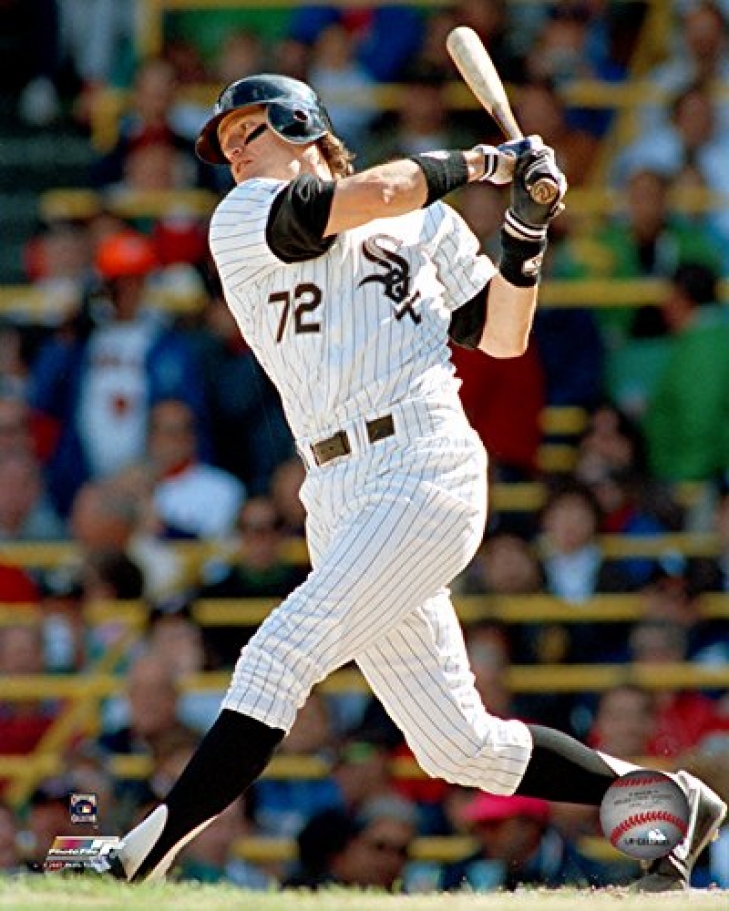
When Carlton Fisk arrived in Chicago in 1981, he was already 33 years old, an age at which most catchers are contemplating their retirement plans. Instead, Fisk signaled a fresh start by flipping his jersey number and asserting himself as the veteran gravity for a developing White Sox roster. He didn't just ease into the twilight of his career; he exploded into it, earning All-Star nods in his first two seasons. By 1983, he was the primary engine for the "Winning Ugly" squad that captured the AL West, finishing third in the MVP race with a blend of tactical leadership and a .289 average that proved his bat was as sharp as his legendary game-calling.
The middle chapter of his Chicago residency was a remarkable display of late-career power. In 1985, at the age of 37, Fisk posted some of the most staggering offensive metrics of his life, blasting 37 home runs and driving in 107 runs. He was a statistical outlier, a catcher who seemed to gain strength as the years piled up. FIskwas rooted in his ability to maintain elite production at a grueling position well past the point of physical reason. Even as he crossed into his 40s, he remained a legitimate threat, rattling off back-to-back 18-home run seasons in 1990 and 1991. He wasn't just "playing for his age"; he was an All-Star at 43, a feat that few in the history of the sport have ever replicated.
His ChiSox was built on a foundation of intense professionalism and a famously prickly competitive streak. He was the field general who wouldn't tolerate a lack of effort from his pitchers or his teammates. However, the final walk toward the exit in 1993 was a jarring contrast to the dignity of his career. Released mid-road trip without warning, Fisk’s twelve-season residency ended with a lack of ceremony that left a bitter taste for both the player and the fans. Despite that exit, his 214 home runs and 1,259 hits in a White Sox uniform ensured he would never be seen as just a "Boston transplant."
Carlton Fisk was a second-ballot immortal in 2000, and the White Sox wasted no time in honoring his longevity, retiring his number 72 in 1997.
21. Ray Schalk
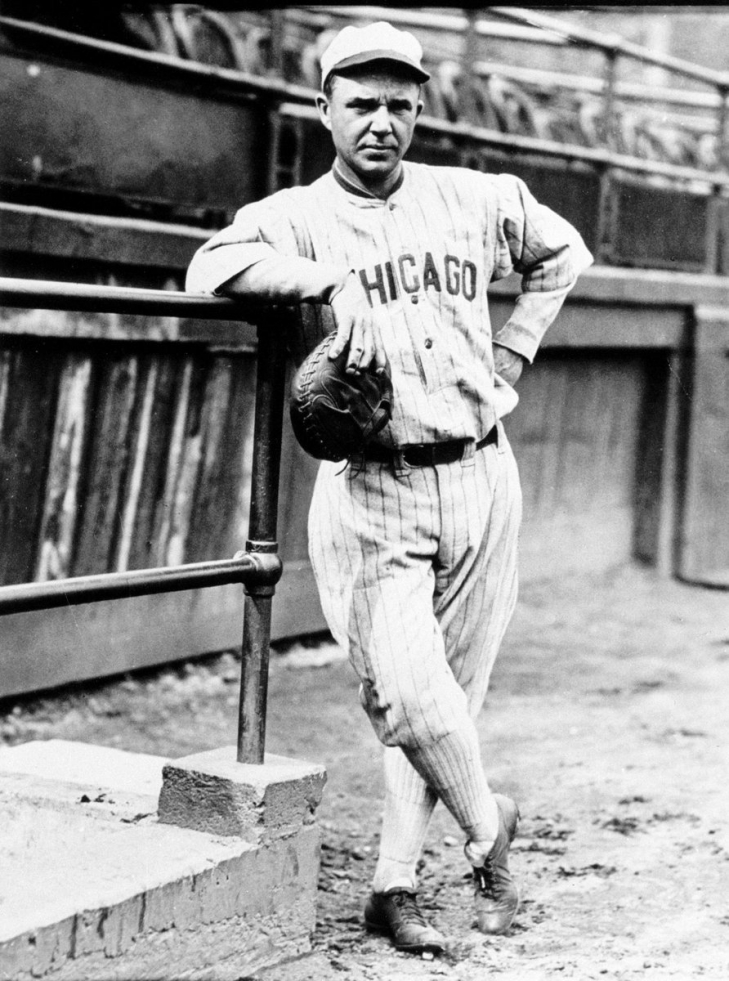
When Ray Schalk arrived in Chicago in 1912, the catcher's position was largely viewed as a stationary, grueling task of endurance. Schalk changed that narrative almost immediately. By 1913, he had secured the starting job, beginning a fifteen-season residency as the undisputed general of the White Sox infield. He didn't arrive with a thunderous bat, but he brought a level of defensive innovation that caught the league off guard. He was a pioneer of "active catching," famously becoming the first at his position to back up plays at first base and even third base, an athletic hustle that was revolutionary for the Deadball Era.
The peak of his career showcased skills that the box score alone struggles to capture. Schalk was a defensive titan who led the American League in Putouts nine times and Runners Caught Stealing on three occasions. His statistical outlier value reached its zenith in 1925 when he led the entire American League in defensive bWAR, not just among catchers, but across every position on the field. He was a five-time leader in fielding percentage, serving as the anchor for a pitching staff that relied on his cerebral game-calling and his lightning-quick release.
A defining chapter of his careerwas written during the darkest period in Chicago baseball history. During the 1919 "Black Sox" scandal, Schalk was one of the few players considered absolutely above reproach. His dedication to winning was so well-known that the conspirators didn't even dare approach him. He was the clean heart of a tainted era, a player who had already tasted championship glory in 1917 and refused to let the integrity of the game slip through his fingers. While his career average in Chicago sat at a quiet .254, his value was measured in the runs he prevented and the trust he inspired.
The final walk toward the exit for Schalk came after the 1928 season, following a tenure as a player-manager for the club. He left the South Side as a defensive legend, having caught more than 100 games in twelve different seasons, a staggering feat of durability for that era. His legacy was officially set in stone in 1955 when the Veterans Committee ushered him into Cooperstown, recognizing that his glove and his mind had influenced the game as much as any legendary slugger.
ittee.
18. Shoeless Joe Jackson
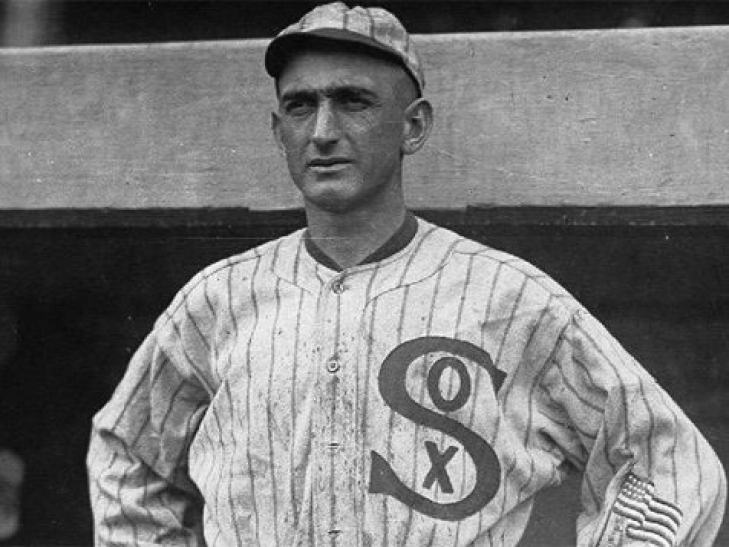
When Joe Jackson arrived in Chicago via a trade with Cleveland in 1915, he was already a certified legend of the diamond. A simple man from the South Carolina mills who never learned to read or write, he spoke through his legendary bat, "Black Betsy." His residency on the South Side began with the same relentless production that had defined his early years; he was a metronome of contact, never finishing a season with the White Sox with a batting average below .300. He arrived as the premier offensive force in the American League, a man whose .356 career average remains one of the highest in the history of the sport.
The peak of his Chicago tenure was marked by the 1917 championship. Jackson was a massive factor in the White Sox’s World Series victory over the Giants, batting .304 during the Fall Classic and providing the consistent, line-drive threat that anchored the heart of the lineup. By 1920, at the age of 32, he was arguably playing the best baseball of his life, leading the league in triples for the second time and setting career highs in home runs and RBIs. He was a superstar at the height of his craft, seemingly destined for a stroll into Cooperstown.
However, the narrative took a dark and permanent turn due to the infamous "Black Sox" scandal of 1919. While Jackson’s performance in the World Series against the Reds was statistically brilliant, he batted .375, collected a then-record 12 hits, and hit the Series' only home run, the cloud of the conspiracy hung over every play. Though he maintained his innocence and a jury eventually acquitted him, the damage to his reputation was irreparable. In 1921, Commissioner Kenesaw Mountain Landis issued the decree that would define Jackson's legacy: a lifetime ban from organized baseball for his alleged role in the fix.
The final walk toward the exit was not a voluntary retirement, but a forced exile. Jackson left the White Sox with 829 hits and a staggering slash line of .340/.407/.499, numbers that would be the envy of any Hall of Famer. For decades, he remained a ghost of the game, his name a shorthand for the loss of innocence in American sports. However, the story took a historic turn in 2025, when Commissioner Rob Manfred finally removed Jackson from the permanently ineligible list, making the legendary outfielder eligible for the Hall of Fame once again.
Joe Jackson arrived in Chicago as a "Natural" with a swing that sounded different from everyone else's and left as a cautionary tale of an era's corruption. He proved that while a ban can take a man off the field, it can never truly erase the brilliance of his numbers or the enduring mystery of his participation in the game's greatest scandal.