

RIP: Bill Freehan
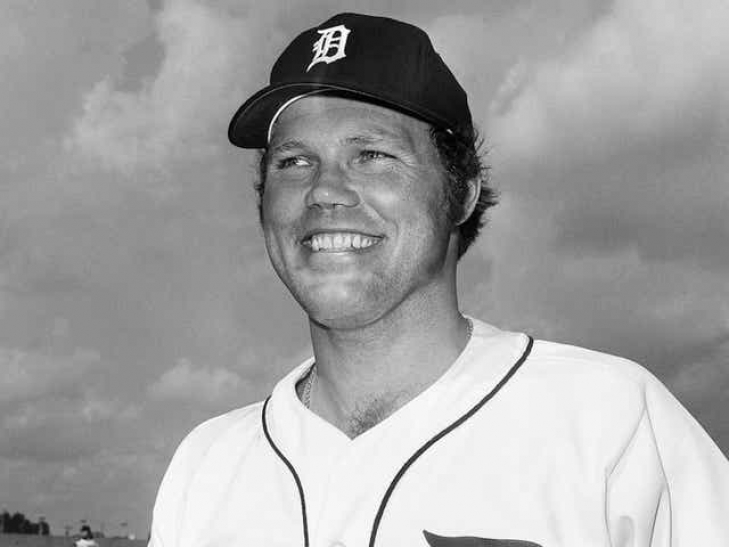
Detroit baseball lost one of its greats as their former Catcher, Bill Freehan, passed away at 79 following a long battle with Alzheimer’s Disease.
For a ten season stretch (1964-73), Bill Freehan was one of the top Catchers in the American League. In each of those years, he would be named an All-Star, and he would add an 11th one in 1975.
A member of the Tigers for his entire career, the apex of his career was in 1968, which was the season he staffed a roster of pitchers who took the Tigers to a World Series win. Freehan himself was the runner-up to the MVP Award that year, and he was third the year before. A five-time Gold Glove winner, Freehan would smack an even 200 Home Runs with 1,591 Hits.
In our latest Notinhalloffame.com rank of those to consider for the Baseball Hall of Fame, Freehan was ranked at #35, and he is #17 on our greatest Detroit Tigers of all-time.
We here at Notinhalloffame.com would like to extend our condolences to the fans, friends and family of Bill Freehan.
16. Bill Freehan
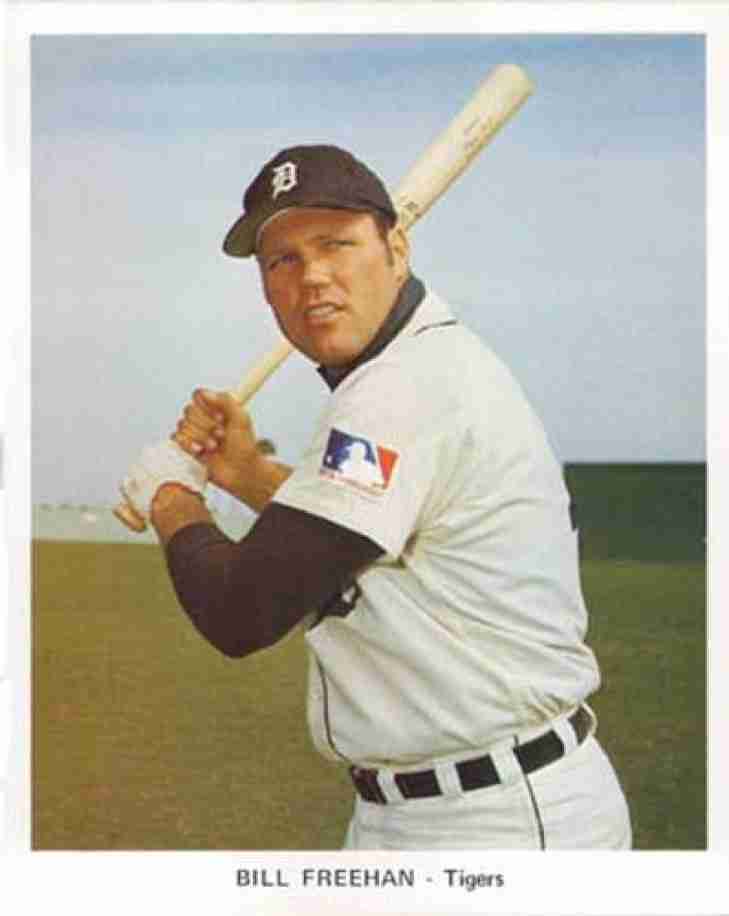
Bill Freehan’s journey in Detroit began as a local standout at the University of Michigan before arriving in the Tigers' clubhouse in the early 1960s. After a brief cup of coffee, he took over the starting catching duties in 1963 and immediately established a reputation for physical resilience. By 1964, he had earned his first All-Star nod—the start of a ten-year streak where he was virtually synonymous with the American League starting lineup. He wasn't a flashy performer; he was a model of specialized durability who played through the bruises and foul tips that defined the era's catching experience.
As the mid-60s progressed, Freehan evolved into one of the league's most feared offensive threats at his position. He reached a professional high point in 1967, hitting .282 with 20 home runs and finishing third in the AL MVP race. He possessed a fearless, focused intensity at the plate, frequently leading the league in hit-by-pitches because he refused to give up the inner half of the zone. This grit provided the middle-order muscle that kept the Tigers in the pennant race, setting the stage for the most iconic summer in the city's history.
Everything culminated in the legendary 1968 "Year of the Pitcher." That season, Freehan had a defensive season for the ages, directing a pitching staff that included 31-game winner Denny McLain and World Series hero Mickey Lolich. While the pitchers grabbed the headlines, Freehan set American League single-season records for putouts and total chances, proving to be the indispensable anchor of the defense. He finished as the runner-up for the MVP Award and capped the year by famously tagging out Lou Brock at the plate in Game 5 of the World Series, a moment that shifted the momentum toward Detroit's eventual championship.
The final chapters of his career saw Freehan maintain a steady state of excellence, earning five consecutive Gold Gloves and adding a final All-Star selection in 1975. He eventually retired in 1976 with 200 home runs and 1,591 hits, having spent all fifteen of his professional seasons in a Tigers uniform. He showed the organization that a catcher could become a franchise pillar by simply being the most reliable man on the field, leaving the diamond as the all-time leader in games caught for the club.
With the Tigers, Freehan compiled 1,591 hits and 200 home runs while earning 11 All-Star selections and five Gold Gloves.
25. Bill Freehan
You would not think that an eleven-time All-Star would be forgotten among Hall of Fame consideration, but in the case of career-long Detroit Tiger, Bill Freehan that appears to be the reality.
Bill Freehan gained a lot of respect among Major League players. He may not have been a huge force with his bat (though he did have a few respectable seasons), but he was among the best in handling a pitching staff and the defensive roles of a professional catcher. It was primarily through these attributes that Freehan gained as much MVP support as he did, as he was a serious contender in two seasons. Freehan may not have won the MVP, but he did win the Gold Glove five times and was an All-Star eleven times.
Bill Freehan was never a regular in any top ten offensive categories, but few catchers were when he played. He did more than most at that position, and as such, a great overall ballplayer, it is curious that the respect he got in terms of postseason awards did not translate into a larger Hall of Fame vote.
