

43. Jimmy Sheckard
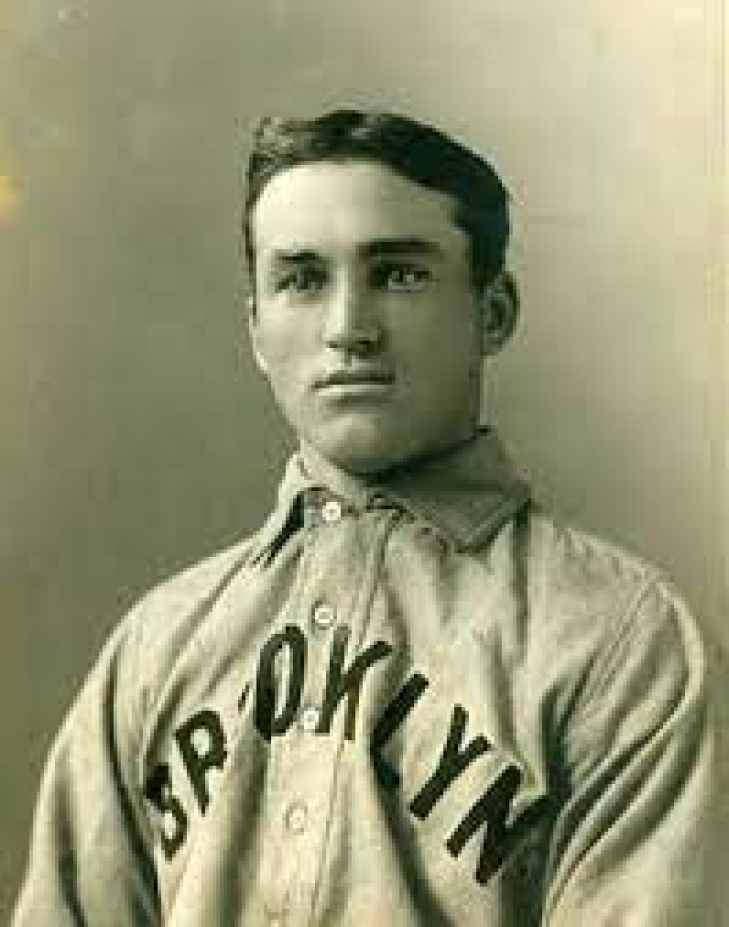
Jimmy Sheckard played for Brooklyn on three different occasions; though this was in a tight vacuum, you could argue that his first MLB half was indeed with Brooklyn.
Following his ‘loan' to the Baltimore Orioles in 1899, where he led the league with 77 stolen bases, Sheckard returned to Brooklyn in 1900 and achieved the pinnacle of his individual performance in 1901. He authored a remarkable season, batting a career-high .354 and leading the National League in triples (19) and slugging percentage (.534). He demonstrated comprehensive mastery of the game that summer, recording 104 RBIs and 11 home runs, a statistical record that cemented his reputation as the most formidable hitter in a lineup that secured consecutive pennants for Brooklyn.
1903 would be an incredible campaign for Schekard. He enjoyed a campaign in which he led the league in both home runs (9) and stolen bases (67), a rare dual-honor summit reached by only a handful of players in history. While his offensive output sometimes dipped, like in the tough 1904 campaign, his defense was consistently top-notch. He was a mainstay in the outfield, setting a National League record with 14 double plays, showcasing a "cannon" arm that often ended rallies early.
Following a season at the bottom of the standings, the team traded the popular Sheckard to the Chicago Cubs for a four-player package including Jack McCarthy and Doc Casey. In Chicago, he reached new heights, winning two World Series titles and setting a season record with 147 walks, while his time in Brooklyn was also memorable. In Brooklyn, Sheckard had 966 hits, a .295 batting average, and 212 stolen bases.
35. Kenley Jansen
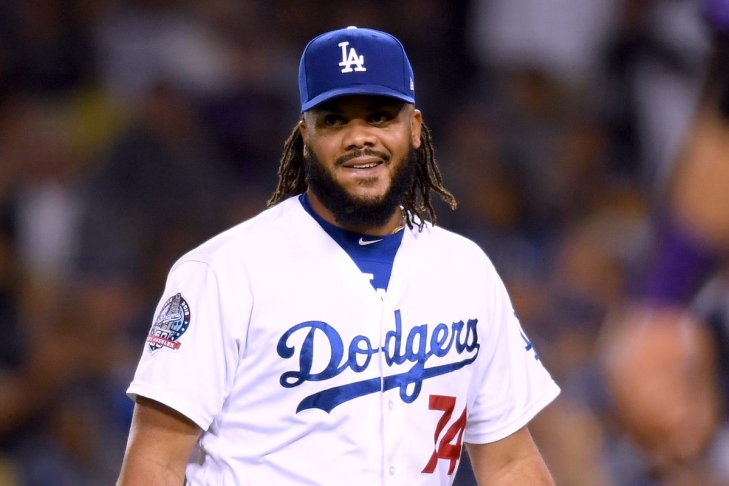
Kenley Jansen’s career in Los Angeles as a defensive specialist from Curaçao, but his journey took a historic turn when the organization converted him from a catcher into a relief pitcher in 2009. Armed with a natural, cut-fastball that defied physics, he moved through the system with lightning speed. Across 12 seasons in Chavez Ravine, he evolved into the most prolific "door-shutter" in the history of the franchise
Since his debut in 2010, Jansen elevated his consistency and became the full-time closer by 2012. He relied on a specialized cutter, similar to Mariano Rivera's signature pitch, to effectively strike out batters and achieve remarkable strikeout numbers. By 2015, he reached an exceptional level of efficiency, maintaining a WHIP below 0.800 for four consecutive years. During this period, he achieved an extraordinary 10.00 SO/BB ratio on two occasions.
Between 2016 and 2017, he authored a remarkable campaign in '17, finishing fifth in the Cy Young voting. He led the National League with 41 saves and posted a tiny 1.32 ERA. As a dominant force in late innings, he received back-to-back Trevor Hoffman NL Reliever of the Year Awards and was named the Sporting News Reliever of the Year both seasons. During this period, he became a regular participant in the Midsummer Classic, earning three straight All-Star selections and establishing himself as the top high-leverage reliever in the Senior Circuit.
After years of postseason heartbreak, Jansen served as a primary engine for the squad that finally captured the World Series title. He finalized his residency in Blue following the 2021 season, departing for Atlanta as the franchise’s all-time saves leader with 350.
Jansen compiled 350 saves, a 2.37 ERA, and 1,022 strikeouts as a Dodger.
38. Whit Wyatt
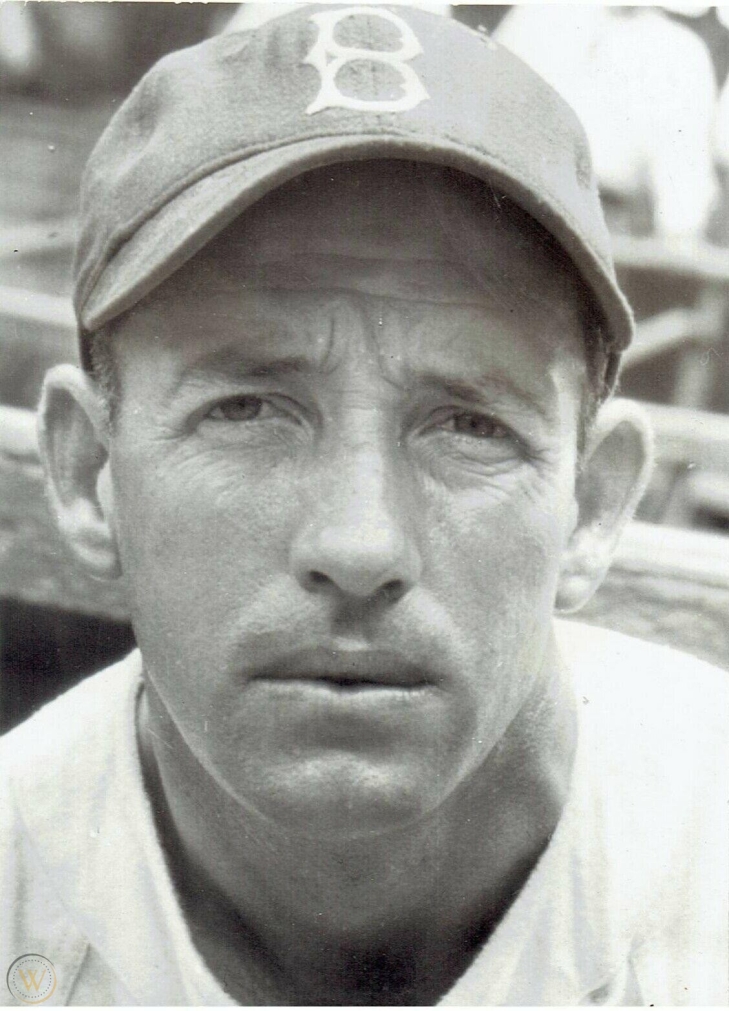
Whit Wyatt didn't merely find renewed success in Brooklyn; he essentially crafted a new career. By the time he joined the Dodgers in 1939, he was 30 years old and was largely viewed as a discarded player from the American League, having spent the previous year in the minor leagues. However, while three other teams saw him as finished, Brooklyn recognized him as an untapped ace.
After a decade of obscurity, he reached Ebbets Field and instantly elevated his play, earning four straight All-Star selections from 1939 to 1942. He displayed a sudden, localized dominance that peaked during the landmark 1941 season. That year, Wyatt was not just a contributor but a standout. He led the league with 22 wins and five shutouts, while his advanced metrics, leading the NL in FIP (2.44), WHIP (1.058), and SO/BB (2.15), established him as the clear staff leader. He finished third in MVP voting, a placement that would likely have secured a Cy Young award if the trophy had been available.
Wyatt's brilliance propelled the Dodgers to the 1941 pennant, ending a 21-year drought. He provided high-leverage efficiency, notably outdueling the Yankees in Game 2 of the World Series for Brooklyn's only win. He remained a key part of the rotation during the early war years, with 18 wins in 1942 and 14 in 1943, earning MVP votes both seasons. His mound command defied age, showing improvement as the stakes increased.
In 1944, as the heavy workload and his mid-thirties began to take their toll, the organization finalized a deal to sell his contract to the Phillies, but it lasted only 10 games before Wyatt called it a career.
Wyatt had an ERA of 2.86 with an 80-46 Record with Brooklyn. That might be 80 more Wins than many baseball writers thought he would do.
34. Jeff Pfeffer
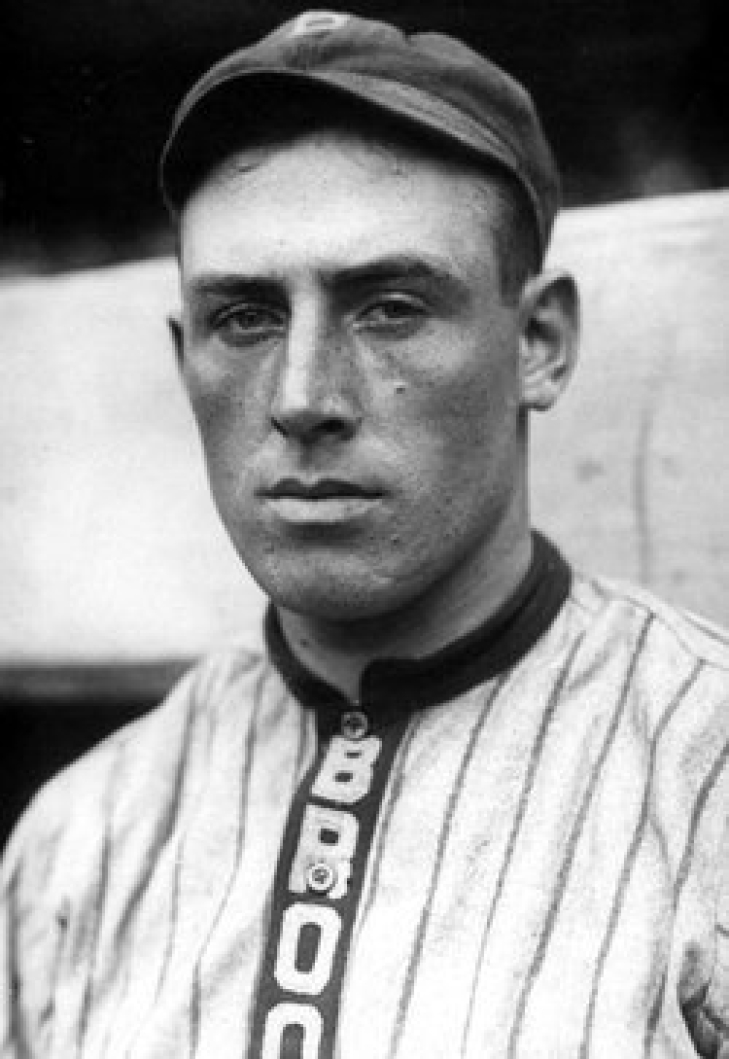
After a cup of coffee with the St. Louis Browns in 1911, Jeff Pfeffer made it to Brooklyn in 1913, where the righthander became one of the most durable arms of the Deadball Era.
Pfeffer reached an absolute summit of efficiency in 1914. He authored a brilliant 23-12 record with a 1.97 ERA over 315 innings, a performance that surely would have made him the Rookie of the Year had the award existed then. He also had a career-high 135 strikeouts
Pfeffer reached his peak during the memorable 1916 season. He delivered an incredible performance, winning 25 games with a fantastic 1.92 ERA as the Robins proudly took the National League crown. He was a key player on the team, finishing among the top five in wins and innings pitched, and he proved to be a versatile asset during the postseason. In the 1916 World Series against the Boston Red Sox, he made a crucial save in Game 3 and pitched a tough seven innings in the Game 5 finale. Although the Robins fell short in the series, Pfeffer’s stellar statistics from 1914 to 1916—67 wins and a remarkably low ERA, stand out as one of the most impressive three-year stretches in franchise history.
Pfeffer’s baseball journey took an unexpected pause in 1918 when he enlisted in the U.S. Navy during World War I. When he returned in 1919, he scored a fresh wave of success, recording two consecutive 16-win seasons and playing a key role in helping Brooklyn clinch another pennant in 1920. However, after facing some challenges at the start of the 1921 season, the team decided to trade him to the St. Louis Cardinals.
With the Robins, Pfeffer had a 2.31 ERA with a record of 113- 80.
33. Van Mungo
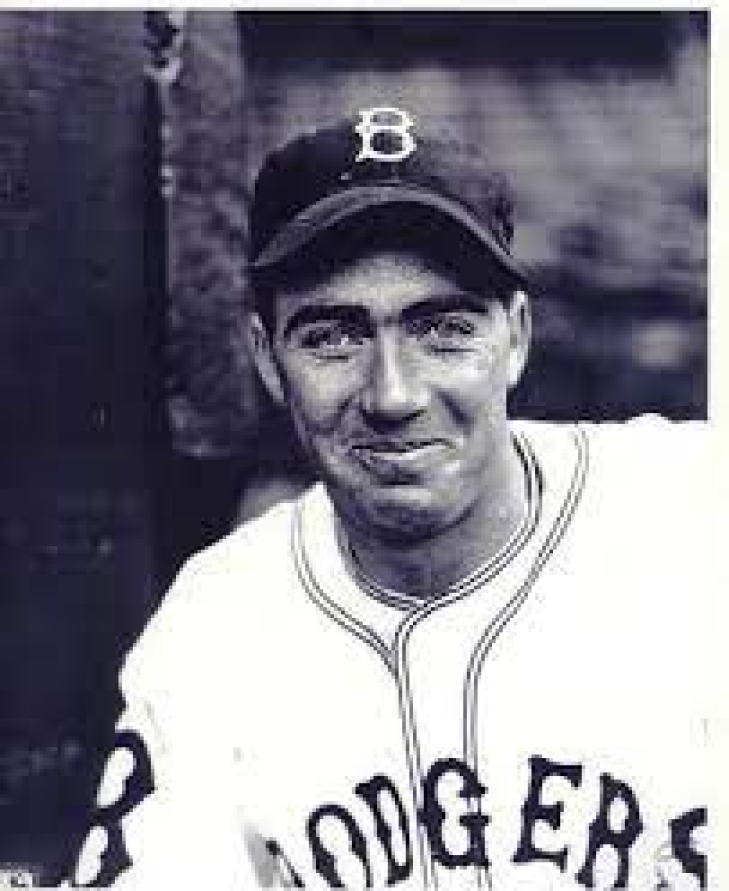
Van Lingle Mungo arrived in Brooklyn in 1931, replacing the legendary Dazzy Vance after his own shoes split. A right-hander with a fastball and an often erratic temperament, he was the only bright spot on a series of struggling "Daffy Dodgers" teams.
In 1933, Mungo achieved a new level of performance, posting a 16-15 record with an impressive 2.72 ERA for a team that was 23 games below .500. During this peak, he demonstrated complete control of his pitching arsenal, setting a career-high 238 strikeouts in 1936 to lead the league. Nonetheless, his career also included notable wildness; he led the NL in walks three times, driven by his aggressive style of pitching that aimed to overpower every batter he faced.
Mungo enjoyed a fantastic run from 1934 to 1937, earning four straight All-Star selections. During this period, he proved to be incredibly durable, leading the league in starts and innings pitched in 1934 and posting two seasons with 18 wins. However, his time was also known for his fiery personality; he often made headlines for his holdouts, late-night escapades, and a temper that once led him to destroy a clubhouse after a teammate mishandled a routine fly ball.
Mungo suffered a severe arm injury in 1937, which finalized his era as a power pitcher, though he managed to stick around the Majors as a junkball hurler. In 1941, he was traded to a minor league team.
As a Dodger, Mungo had a 102-99 record with a 3.41 ERA.
31. Watty Clark
After a brief run with the Cleveland Indians in 1924, it was back to the Minors for two years before the Brooklyn Robins signed Watty Clark in 1927.
A left-handed workhorse who returned from two years in the minors to anchor a struggling staff. Known for a high-leg kick and control, he led the Robins during a tough stretch in the National League. In 1929, Clark matched few in durability, leading NL in innings (279.0) and starts. Despite league-leading losses for a mediocre team, he showcased command by leading NL in FIP (3.24), proving his performance was a valuable asset. He then had a stellar 1931 season, finishing 20th in MVP voting, with 14 wins and a 3.20 ERA.
In the 1932 season, he became a 20-game winner for the only time and led the league in FIP (3.13) for the second time. He was a giant in the rotation, logging 19 complete games and demonstrating the specialized precision that made him a nightmare for opposing hitters; however, he was traded to the New York Giants during the 1933 season, where he won a World Series. A year later, Brooklyn reacquired Clark, and he would finish out his career with the now-named Dodgers in 1937.
For the Dodgers, Clark went 106-88 with a 3.55 ERA.
37. Jake Daubert
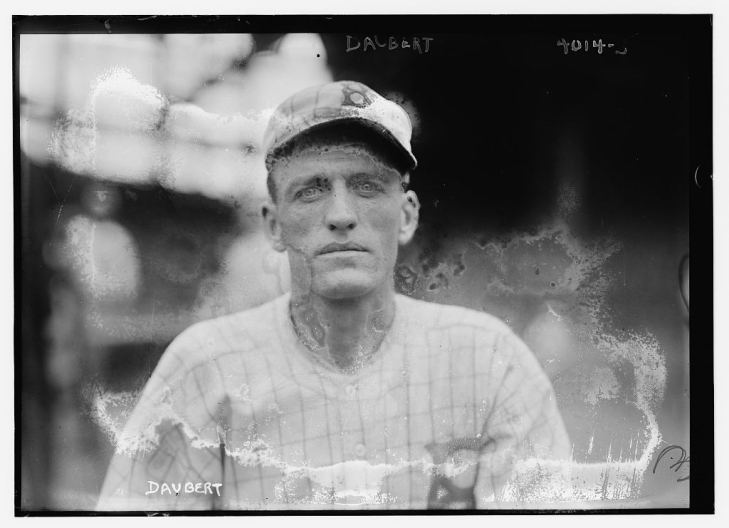
Jake Daubert didn't look like a ballplayer when he first emerged from the coal mines of Pennsylvania. After a false start in Cleveland, where he was discarded before ever seeing a pitch, the Brooklyn Superbas, the precursor to the Dodgers, took a chance on the quiet first baseman in 1910. He arrived as a "slashing chop hitter" with a game built on precision rather than power.
After a quiet start, Daubert experienced an impressive six-year streak of batting over .300, making him a regular presence at the top of the leaderboards. His peak occurred between 1913 and 1914, when he won consecutive National League Batting Titles. His 1913 season was particularly outstanding; he hit a career-high .350 and received the Chalmers Award, the precursor to the MVP. Besides his batting prowess, his speed was a significant advantage, often surprising opponents, as he stole 20 or more bases in six seasons with Brooklyn.
Beyond just the statistics, Daubert was a key figure in the era of “small ball.' He was especially skilled at bunting, setting a National League record with 392 career sacrifices, a record that still stands at the top of NL history. He combined outstanding bunt control with exceptional defense, often being compared to the legendary Hal Chase for his range and hands at first base. Daubert led the 1916 team to its first National League pennant, providing veteran leadership that helped transition the team from the rough early years to the organized success under Wilbert Robinson.
Daubert was traded to Cincinnati in 1919, leaving Brooklyn with 1,387 Hits and a Batting Average of .305.
27. Justin Turner
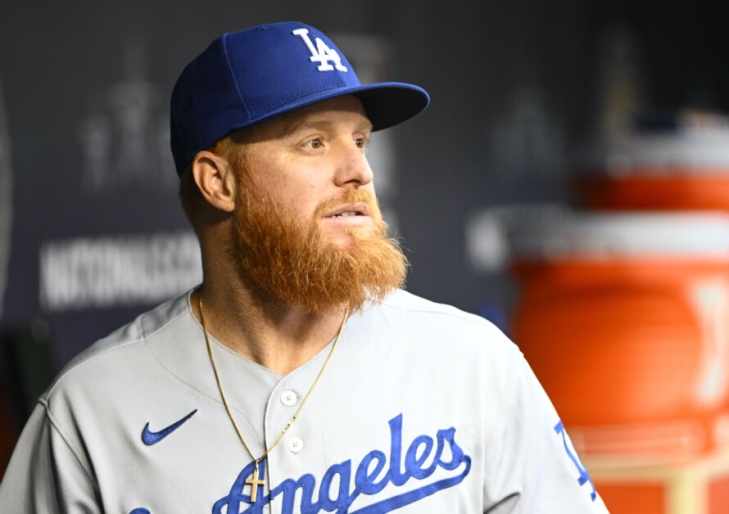
Can you imagine Justin Turner as anything other than a Los Angeles Dodger? He was, and it can also be argued that he was lucky to ever play in L.A., as Turner seemed to have two steps away from the diamond.
Turner first made the Majors in 2009 with Baltimore and would later spend time with the Mets, but he was not impressive for either team and was non-tendered in 2013, making him a Free Agent. He was signed by the Dodgers after starring in a Cal State Fullerton alumni Game, made the Los Angeles roster in 2014, and was set to erase his past performance.
In 2014, Turner seized an opportunity due to injuries and achieved an unexpected high performance, batting .340 over 109 games. He quickly became a key player, demonstrating that his improved swing mechanics were a reliable asset rather than a coincidence. By 2016, he reached a new level of individual recognition, hitting a career-high 27 home runs and placing ninth in MVP voting. He nearly matched this success in 2017, batting .322 with a .945 OPS and earning his first All-Star appearance.
Turner became a postseason legend, creating iconic moments in Chavez Ravine. In the 2017 NLCS, he hit a walk-off home run on Kirk Gibson’s anniversary, earning NLCS MVP. He provided leadership and clutch production that helped the Dodgers reach three World Series in four years, winning in 2020. During this run, he set franchise records in postseason hits, home runs, and RBIs, demonstrating mastery in high-stakes games.
Despite his status as the "Face of the Franchise" and his recent win of the Roberto Clemente Award, the organization chose not to exercise his $16 million option, favoring a younger, more flexible roster. Turner compiled 1,088 hits, 156 home runs, and a .296 batting average for the team.
32. Davey Lopes
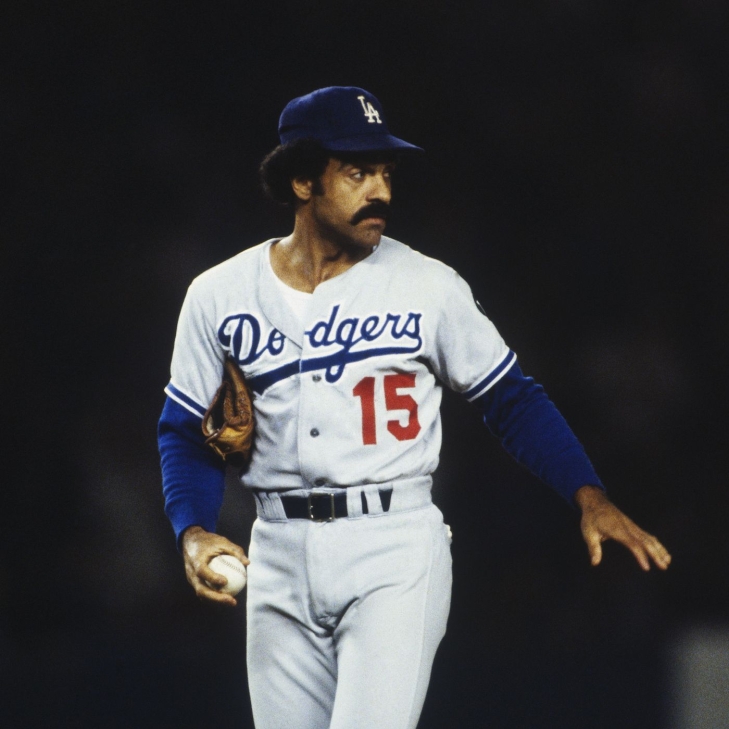
A 2nd-round draft pick, Davey Lopes made his Major League debut with Los Angeles in 1972 and won the starting job at Second Base the following year.
Lopes established dominance on the basepaths, winning back-to-back National League Stolen Base titles with 77 steals in 1975 and 63 in 1976. He set a major league record by successfully converting 38 consecutive stolen base attempts without being caught. As a leadoff hitter, he proved to be a formidable threat, capable of manufacturing a run immediately.
As the 70s went on, Lopes became even more powerful in his game. In 1979, he hit a career-high 28 home runs, tying with teammates Steve Garvey and Ron Cey for the team lead. He was a regular presence at the All-Star Game during that time, earning four straight selections from 1978 to 1981 and even receiving the Gold Glove Award in 1978. His time in Los Angeles reached a memorable peak in 1981, when he played a key role in helping the Dodgers win the World Series over the Yankees. His performance that season marked a fitting ending to his impressive ten-year journey with the team.
After the 1982 season, Lopes was traded to Oakland. With the Dodgers, Lopes batted .262 with 1,204 Hits and 418 Stolen Bases.
Lopes parlayed his leadership skills into a successful career as a Coach, winning a second World Series Ring with the Phillies in 2008.
26. Bill Russell

Bill Russell debuted in 1969 and was a versatile athlete who began his career in the outfield before being asked to move to the infield to fill a critical vacancy. Known for his steady hand and quiet professionalism, he served as the defensive anchor of the longest-running infield in the sport's history.
Initially serving as a utility player and outfielder during his early seasons, Russell shifted to shortstop in 1972 to fill Maury Wills' role. He quickly became a top-tier defender, leading the National League in Defensive bWAR (2.3) and assists (427) in 1973. Recognized for his dependability, he was an essential part of the legendary infield alongside Steve Garvey, Davey Lopes, and Ron Cey, a group that remained a steady fixture in the lineup for more than eight years.
Although he earned three All-Star selections (1973, 1976, and 1980), his most impactful performances were observed during the most prominent moments. During the 1978 World Series, he was electric, batting .423 with 11 hits. He remained an essential member of the team roster into the early 1980s, ultimately contributing to the Dodgers’ 1981 World Series victory. Throughout his career, he established himself as a dependable catalyst at the plate, concluding his playing tenure with 1,926 hits.
He hung up his cleats in 1986. After retiring as the player with the most games played in the team’s West Coast history (2,181), he transitioned into a coaching role and eventually served as the Dodgers’ manager from 1996 to 1998. In 2022, the organization honored his 30-year association with the club by naming him a "Legend of Dodger Baseball."
29. Dolph Camilli
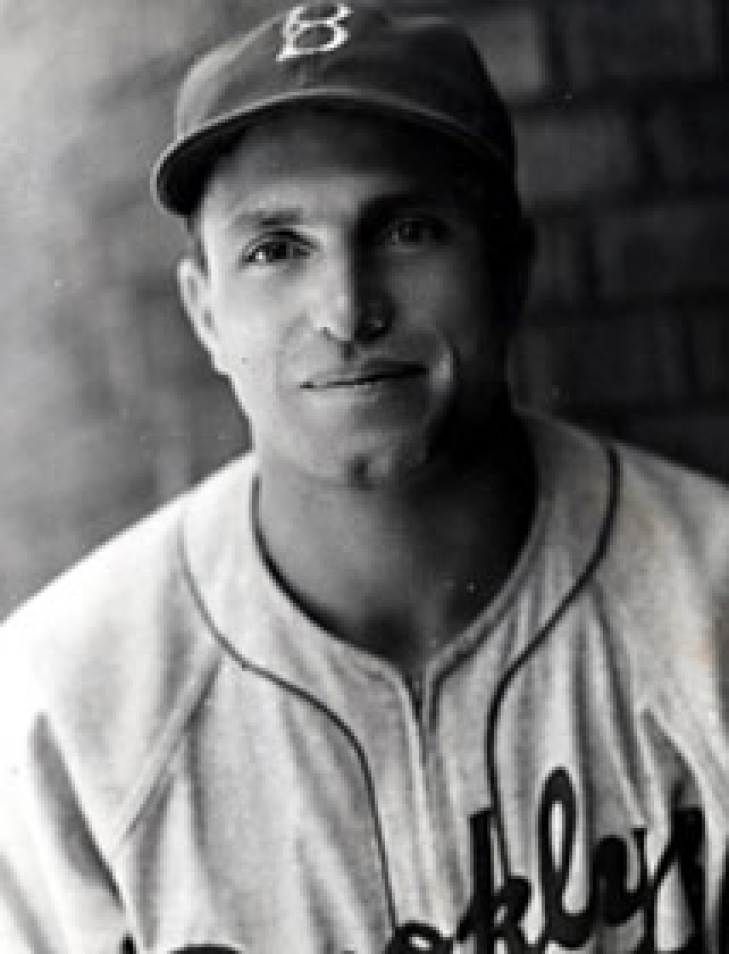
Dolph Camilli began his Major League career with the Chicago Cubs, but it was with his second team, the Philadelphia Phillies, that he proved he was an everyday player. The Dodgers took notice and traded for him, feeling that he had another level within him. They were right, as across six seasons in Brooklyn, he served as the premier run-producer for Leo Durocher’s squad.
In his 1938 debut, Camilli reached a plateau of efficiency by leading the National League in walks (119) while belting 24 home runs. He quickly established himself as a professional mainstay, earning his first All-Star selection in 1939 and finishing 12th in the MVP voting in back-to-back years.
Camilli truly shined during the unforgettable 1941 season. He put together an impressive display of offensive skill, leading the National League with 34 home runs and 120 RBIs, and inspiring the Dodgers to their first pennant in more than twenty years. His achievements reached new heights when he was named the National League MVP, showing he was the spark that brought a lively championship spirit back to Ebbets Field. Even in the 1941 World Series against the Yankees, he stood tall as a key player in the middle of the lineup, embodying both the heart and soul of the team. The end of his stay in Brooklyn would not be as pretty.
Believing he was beginning to age out of his prime, the organization finalized a trade that sent him to the rival New York Giants. In a legendary display of loyalty, or perhaps spite, Camilli reached a plateau of defiance and refused to report, choosing instead to go home and manage a team in the Pacific Coast League.
With the Dodgers, Camilli batted .270 with 139 Home Runs and 809 Hits.
30. Johnny Podres
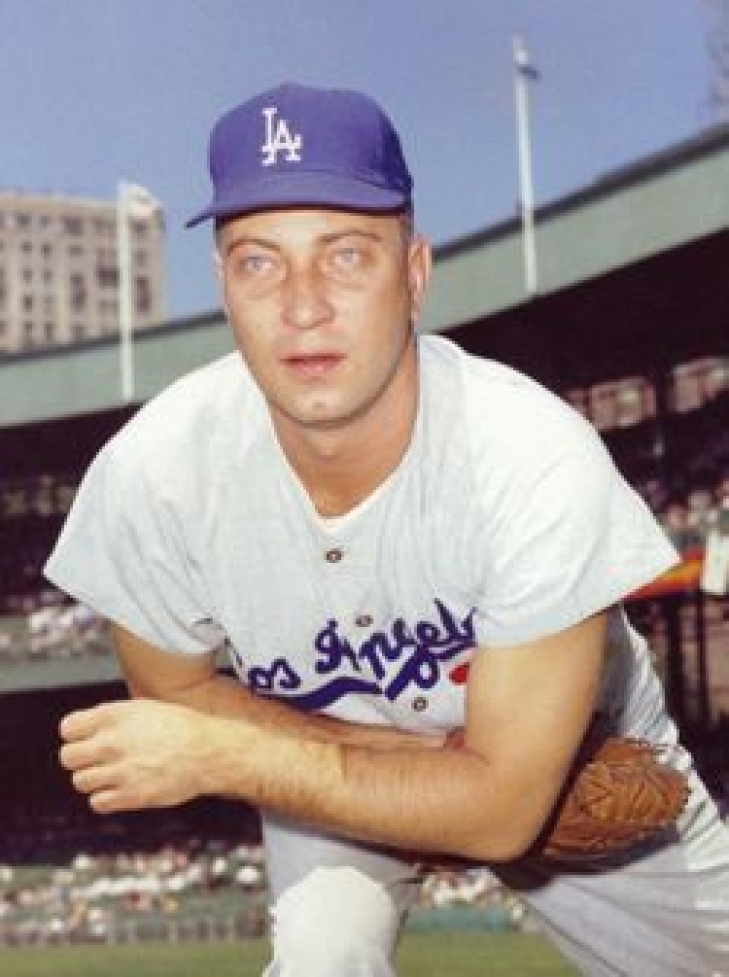
Johnny Podres was one of the most successful southpaws in Dodgers history, especially when you look at the postseason.
Debuting for Brooklyn in 1953, Podres became a forever Dodgers star during the 1955 World Series. After a modest regular season, he won both of his starts against the Yankees. His most historic moment came in Game 7, where he pitched a 2-0 shutout at Yankee Stadium, securing Brooklyn's first and only world championship. This performance earned him the inaugural World Series MVP Award.
In 1957, following a one-year period of military service, he returned to lead the National League in several efficiency categories. He recorded a 2.66 ERA and six shutouts, concluding the season with a league-best 1.082 WHIP. As the franchise transitioned to Los Angeles, he continued to be a key member of the pitching staff, earning three consecutive All-Star selections (1958, 1960, 1962). His role in the rotation was instrumental during the team’s relocation to the West Coast. In 1961, he achieved a significant milestone in his career by securing 18 wins, the highest in the league, with a .783 winning percentage.
Sandy Koufax had become the undisputed ace of the Dodgers staff, but Podres was still a valuable commodity, with solid contributions in L.A.’s 1959 and 1965 Championships. Podres was traded to Detroit during the 1966 Season, but by then, he was no longer the pitcher he had been.
With the Dodgers, Podres had a record of 136-104 with 1,331 Strikeouts.
25. Maury Wills
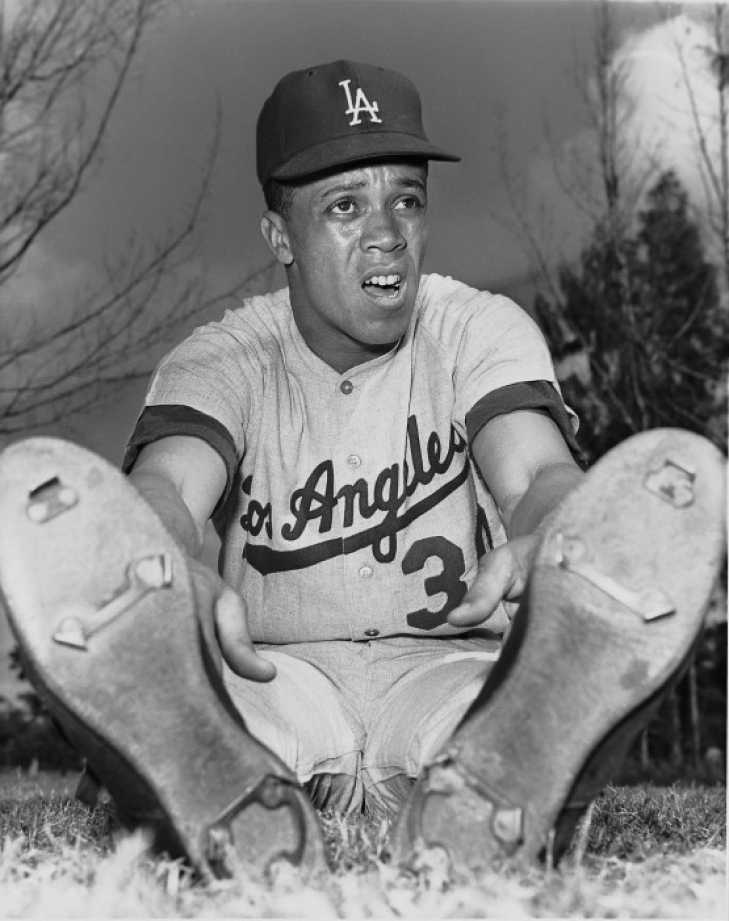
A switch-hitting shortstop who spent nearly a decade in the minor leagues before being granted an opportunity, Maury Wills finally made it to the Majors in 1959, and once he secured his place in the lineup, he operated as the most disruptive force on the basepaths since the Deadball Era.
In 1960, during his first full season as a regular player, Wills led the National League with 50 stolen bases, the highest total in the senior circuit in nearly forty years. He demonstrated complete mastery of the lead-off role in the early 1960s, securing six consecutive stolen base titles and establishing that his athleticism was a fundamental asset for a team primarily focused on pitching and defense. His career reached its zenith in 1962, when he became the first player in the modern era to surpass the century mark with 104 stolen bases, thereby earning the National League Most Valuable Player (MVP) Award and the inaugural All-Star Game MVP.
Wills was the catalyst for the Dodgers' 1963 and 1965 world titles. During the 1965 campaign, he recorded 94 stolen bases and scored 92 runs, serving as the spark that allowed the "Koufax and Drysdale" era to thrive with minimal run support. While he faced criticism for a below-ideal walk rate and a difficult relationship with some media members, his on-field efficiency remained reliable; he earned two Gold Gloves and was a seven-time All-Star.
During a Japan team exhibition tour, Wills, nursing a knee injury and frustrated, jumped the tour without permission to go home. The organization saw this as a major breach of loyalty, leading owner Walter O'Malley to trade Wills to the Pirates in December 1966 for Bob Bailey and Gene Michael. Despite a brief stint in Pittsburgh and Montreal, he was traded back to the Dodgers in 1969 to lend veteran leadership for his last four seasons.
Wills had 1,732 Hits and 490 Stolen Bases in Dodger Blue, and in 2019, Wills was one of four players awarded plaques in the stadium as Legends of Dodgers Baseball.
24. Carl Furillo
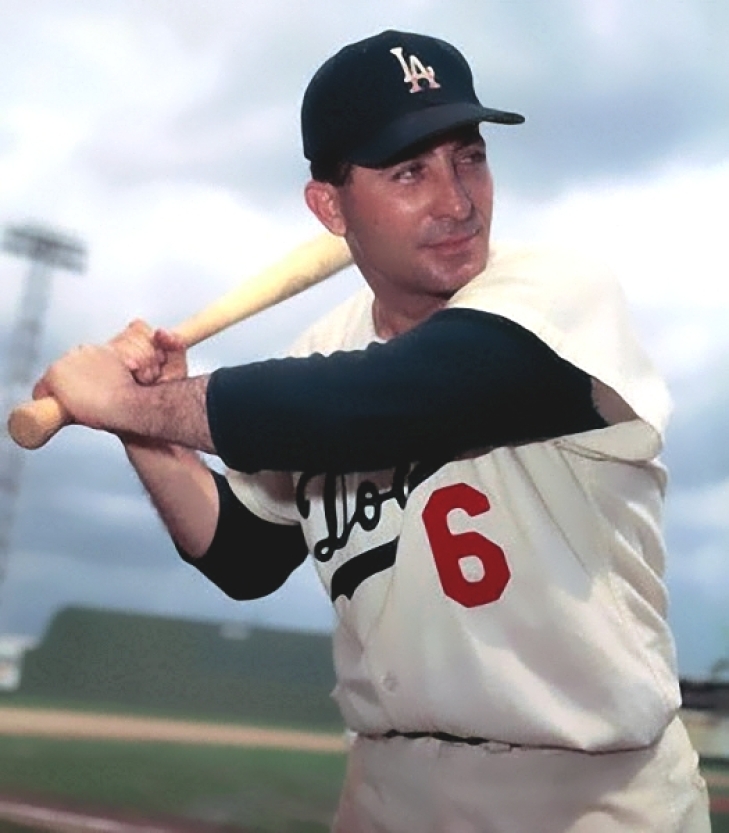
Following his military service, Carl Furillo debuted in Brooklyn in 1946. He was a right-handed outfielder known for his quiet professionalism unlike the more famous "Boys of Summer." Nicknamed "The Reading Rifle" for his feared arm, he was the master of the high right-field wall at Ebbets Field.
While Furillo initially commenced his career in center field, he achieved a pinnacle of versatility upon transitioning to right field, where he acquired the skill to interpret nearly 300 different trajectories of baseballs rebounding from the complex surface of the Ebbets Field walls. He owned the position, recording at least 10 assists in nine successive seasons and twice leading the league in this category. By 1949, he reached a new level of offensive excellence, batting .322 with 106 RBIs and finishing sixth in the MVP voting, thereby substantiating his capabilities beyond defensive prowess.
In 1953, Furillo secured the National League Batting Title with a .344 batting average, representing the highest mark achieved by a right-handed Dodger in the modern era at that time. Although he suffered a broken hand in a brawl against the Giants, which effectively ended his regular season in September, he notably returned for the Fall Classic, thereby reinforcing his reputation as a significant contributor in high-stakes games. Furthermore, he was a consistent presence for the 1955 World Series champions, hitting a career-high 26 home runs and playing a pivotal role in Brooklyn's first world championship.
After moving to Los Angeles with the team and contributing to the 1959 World Series victory, Furillo tore a calf muscle early the next year. He was released by the organization in May, sparking a lengthy legal battle in which Furillo claimed the team released him to dodge paying his 15-year pension. Although he won a court settlement, the dispute essentially blacklisted him from professional baseball.
He exited baseball with 1,910 Hits, 192 Home Runs, and a Batting Average of .299.
23. Don Newcombe
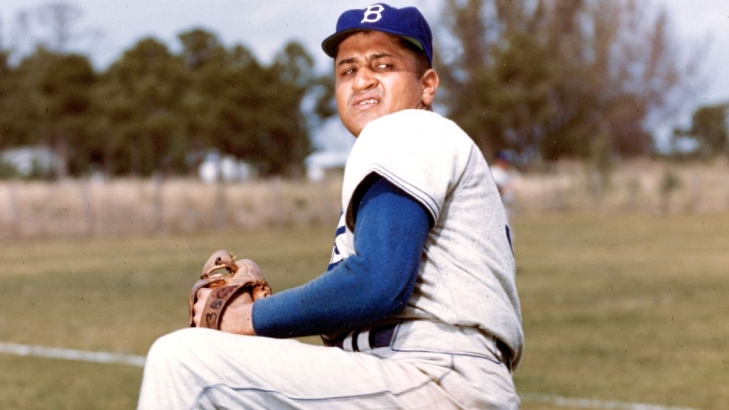
After a brief time with Newark in the Negro Leagues, Don Newcombe was signed by the Brooklyn Dodgers. After a few seasons in their minor league system, Newcombe was called up for the 1949 season, making him the third black pitcher in the Majors, but he was arguably the first dominant one.
With a towering 6-foot-4 frame, Newcombe captured the Rookie of the Year award after a 17-8 debut season that included 32 consecutive scoreless innings and a league-leading five shutouts, which he followed up with 19 wins in 1950 and his first 20-win season in 1951, while leading the league in strikeouts. Newcombe looked ready to dominate, but he was drafted into the U.S. Military and served in Korea for 2 years.
Following an underwhelming 1954 season, Newcombe demonstrated a remarkable resurgence. In 1955, he owned the mound, posting a 20-5 record that helped the Dodgers secure their inaugural and only World Series championship in Brooklyn. He subsequently delivered a stellar performance in 1956, posting a 27-7 record and leading the league with a WHIP of 0.989. This outstanding achievement granted him the distinction of being the first recipient of the Cy Young Award and concurrently named the National League Most Valuable Player, marking the first occasion on which a player received both honors within a single season.
Newcombe never came close to having another season like that again, and in the middle of the 1958 season, which he started 0-6 with a seven-plus ERA, he was traded to the Cincinnati Reds.
As a Dodger, Newcombe compiled a 123-66 record, a 3.51 ERA, and 916 strikeouts. The Dodgers would honor Newcombe in 2019, along with three others, with plaques as "Legends of Dodger Baseball."
17. Mike Piazza
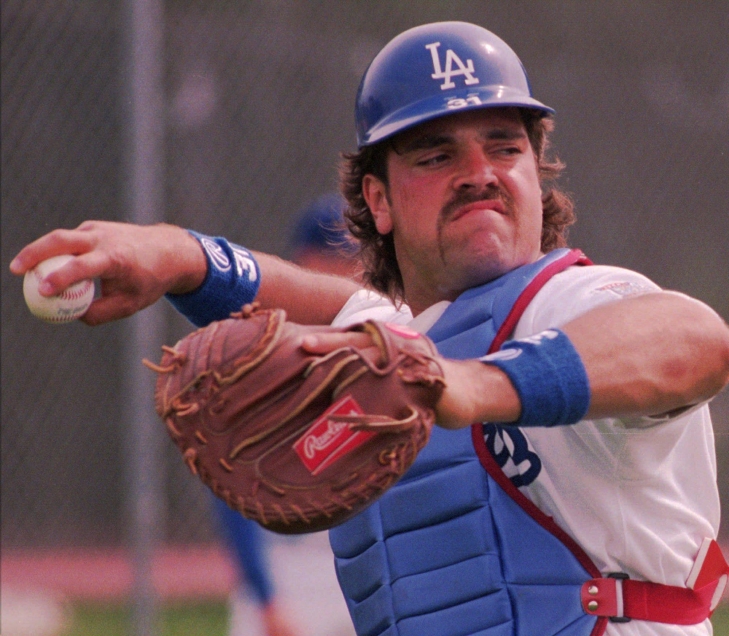
Mike Piazza’s story is a baseball impossibility, a 62nd-round draft pick whose entry into the professional ranks was a personal favor from Tommy Lasorda to his father. Initially a first baseman with a specialized bat but no defensive home, he made a tactical switch to catcher in the minors, a move that ultimately made him the greatest offensive force to ever play the position.
After a brief stint in 1992, Piazza took over the starting role in 1993 and delivered one of the most impressive debut seasons ever. He showed a rare ability to consistently hit to all fields, finishing with a .318 average, 35 home runs, and 112 RBIs, earning the National League Rookie of the Year Award unanimously. This breakout season set a new standard for a Dodger catcher, indicating that the organization had unintentionally discovered a once-in-a-generation talent with immense potential.
Between 1996 and 1997, Piazza achieved a historic surge in offensive efficiency, earning back-to-back second-place MVP finishes. His 1997 season stands out as a unique anomaly in franchise history; he hit an astonishing .362 with 40 home runs and 124 RBIs—a statistical feat that seems almost mythical for a full-time catcher. During this period, he was a regular All-Star and Silver Slugger, demonstrating his ability to anchor the middle of the lineup while managing a pitching staff featuring legends like Hideo Nomo and Pedro Martinez. Although some criticized his defensive skills, his offensive contributions largely made those concerns irrelevant.
As a Dodger, he posted a remarkable .966 OPS, a high-volume achievement that still stands as a franchise record for catchers. He demonstrated exceptional durability for the organization, regularly catching over 130 games annually while delivering a powerful bat that compelled opposing managers to adjust their entire game plan.
The departure from Los Angeles in May 1998 is one of the most divisive moments in the franchise's recent history. After a tense contract dispute and a change in team ownership to Fox, the Dodgers traded their star player to the Florida Marlins. This move was a bold sign of a rebuilding phase, although Piazza only spent a week in Florida before being traded again to the Mets.
Piazza compiled 177 home runs, a .331 average, and a .966 OPS in Dodger blue.
22. Pedro Guerrero
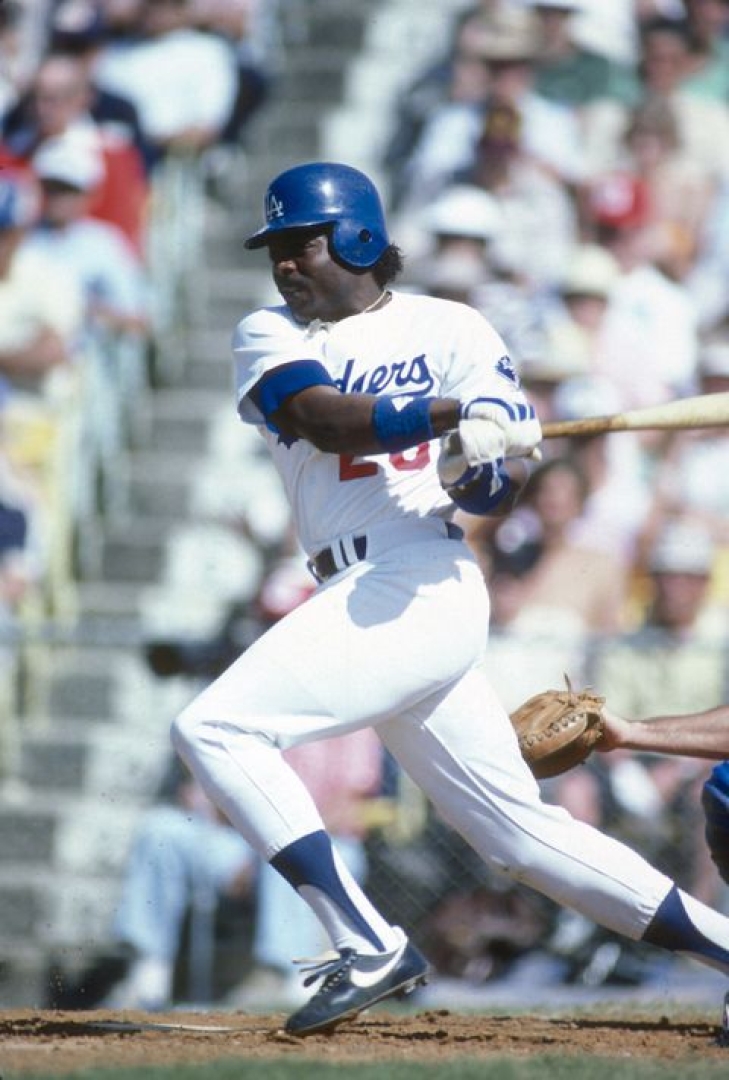
Pedro Guerrero was a “gift" from the Cleveland Indians, traded for pitcher Bruce Ellingsen before he ever saw a Major League pitch. A powerhouse from the Dominican Republic, he operated with a violent yet controlled swing that eventually led Bill James to label him "the best hitter God has made in a long time.”
After establishing himself as a professional mainstay in 1980, Guerrero reached a legendary plateau during the 1981 World Series. He dictated terms to the New York Yankees by belting two home runs and driving in seven runs, earning World Series Tri-MVP honors alongside Steve Yeager and Ron Cey.
The subsequent four seasons proved to be exceptional for Guerrero, as he recorded three seasons with thirty or more home runs. In 1982, he demonstrated comprehensive mastery of the game, earning a Silver Slugger Award and finishing third in the Most Valuable Player (MVP) voting after a distinguished season with 32 home runs and 100 runs batted in (RBIs). He reached a historic milestone in 1985, illustrating a season of extraordinary performance; he led the league in On-Base Percentage (.422), Slugging (.577), and On-base Plus Slugging (OPS) (.999), while hitting 33 home runs. During this peak, he earned four All-Star selections and consistently placed in the top five of the MVP voting.
Guerrero had an awful 1986, when a ruptured knee tendon in spring training cost him nearly the entire season. He reached a final summit of Dodger excellence in 1987, authoring a brilliant comeback by batting .338 with 27 home runs to win the UPI Comeback Player of the Year award. Despite his offensive skills, the organization looked to retool for a stretch run, and they traded him to the St. Louis Cardinals in exchange for pitcher John Tudor.
Guerrero had 1,113 hits with Los Angeles, with 171 Home Runs and a batting average of .309.
20. Jim Gilliam
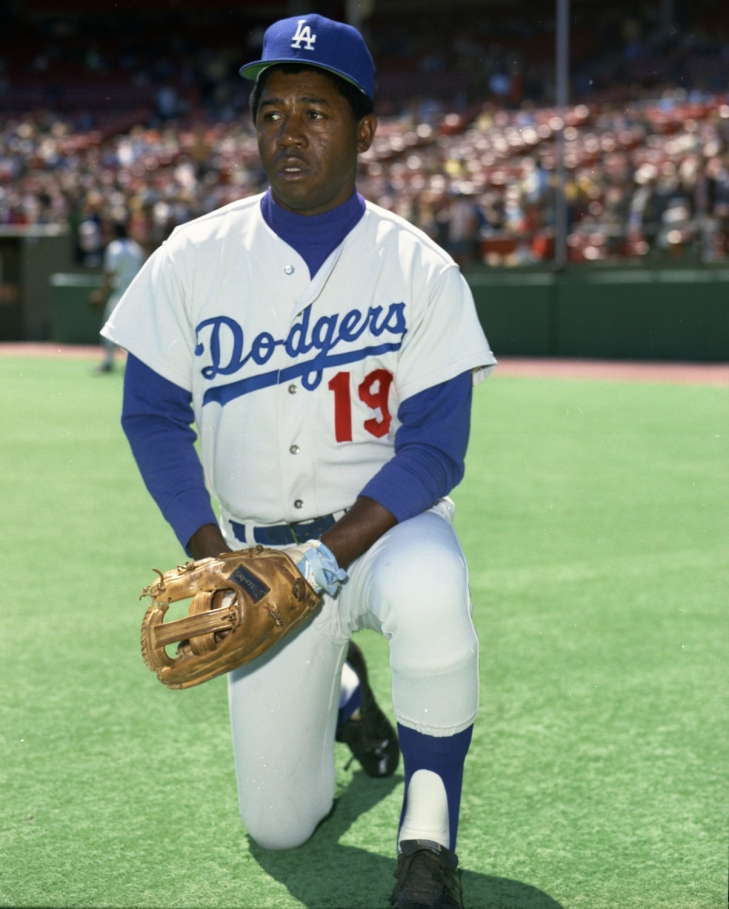
Jim Gilliam joined Brooklyn in 1953 as the last piece of the "Boys of Summer" puzzle, a versatile switch-hitter who enabled Jackie Robinson to move to third base. Quiet and tactically selfless, "Junior" served as the vital glue for the team during its significant transcontinental transition.
In 1953, Gilliam achieved a significant milestone as a debutant, leading the National League with 17 triples and accumulating 125 runs, which earned him the Rookie of the Year award. He promptly established a foundation of consistent excellence as the team's chief table-setter, recording three consecutive seasons with no fewer than 100 runs. By 1955, he demonstrated high-leverage on-base performance, evidenced by a .469 on-base percentage in the Fall Classic, that ultimately contributed to the Dodgers’ first and sole World Series championship in Brooklyn. In 1956, Gilliam was selected as an All-Star for the first time, batting .300 and leading the NL in Total Zone Runs as a second baseman. He excelled as the lead-off man, with a fourth straight 100-run season and finishing fifth in MVP voting.
Gilliam reached a new level of versatility after the franchise moved to Los Angeles in 1958. In 1959, he showed his keen batting eye, leading the National League with 96 walks and anchoring a young team that won its first West Coast title. His position shifted between second base, third base, and the outfield, but his efficiency stayed steady; he earned All-Star honors in Brooklyn (1956) and Los Angeles (1959) and finished in the MVP top ten twice. As the 1960s began, he transitioned into a specialized role as the "accomplice" to Maury Wills; batting second, he famously took pitches and fell behind in the count, giving Wills the freedom to dismantle opponents on the basepaths. This tactical selflessness fueled the Dodgers' high-speed offense and led to another World Series victory in 1963, where he played a reliable hand in the sweep of the Yankees. He reached his absolute summit of defensive value in Game 7 of the 1965 World Series, making a lunging, backhanded stab of a Zoilo Versailles grounder to save the game for Sandy Koufax.
Gilliam joined the coaching staff in 1966, but due to injuries on the team, the organization activated him in May, and the 36-year-old veteran responded by batting .280 over 111 games. He went back to coaching and was in that capacity when he passed away from a cerebral hemorrhage just before the start of the 1978 World Series. The Dodgers honored Gilliam by retiring his number 19 two days after.
While Gilliam might not be considered Hall of Fame worthy, he should have at least been on the ballot when he was eligible in 1972. With the Dodgers, Gilliam accumulated 1,889 hits with 203 stolen bases and a .265 batting average.
19. Dixie Walker
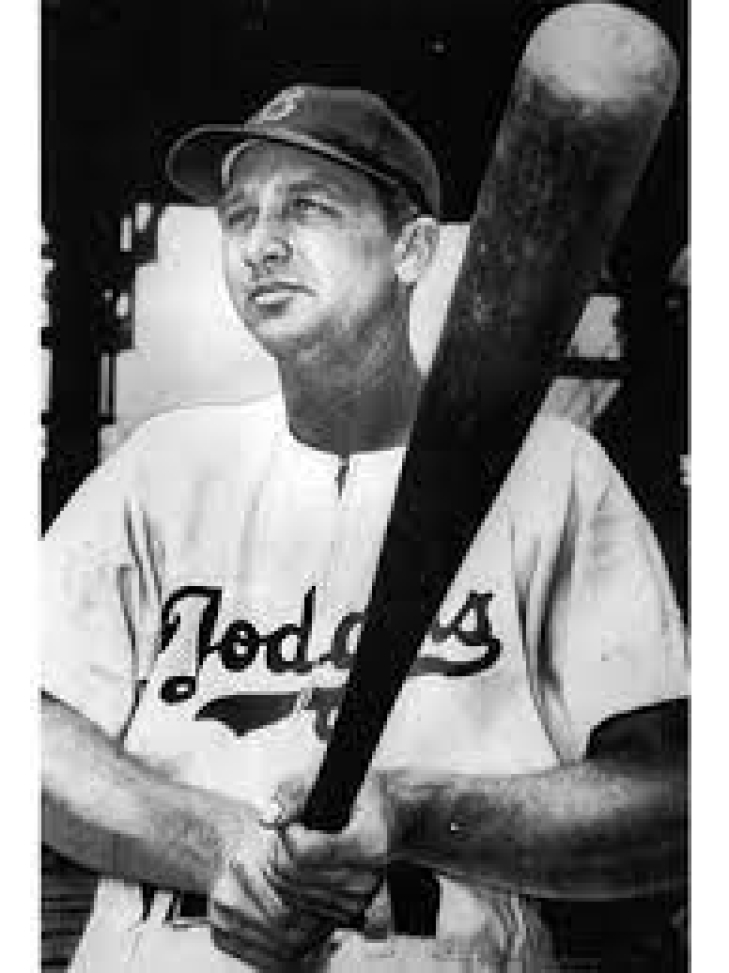
In 1939, the Brooklyn Dodgers signed Dixie Walker as a waiver-wire reclamation project, a player whose early promise in the Yankees' organization had been sidetracked by recurring injuries. Once touted as the heir to Babe Ruth in the Bronx, he had bounced around from Detroit to Chicago before finding his footing at Ebbets Field, and boy, did he find his footing!
Following a strong debut in 1939, Walker showed a remarkable talent for spotting gaps, batting .308 in 1940 and .311 in 1941. He quickly established himself as a key player, finishing in the top ten of MVP voting two years in a row and contributing to the Dodgers’ 1941 pennant win. Brooklyn did not win the World Series, but without Walker, they would have never made it there.
During the wartime period, Walker enjoyed a prolific streak of performance that few league players could rival. In 1944, he demonstrated exceptional hitting skill by winning the National League Batting Title with a .357 average, surpassing even the legendary Stan Musial. In 1945, he continued to excel by leading the league with 124 RBIs, establishing himself as a clutch run producer capable of carrying the team’s offense. Despite the return of the league's biggest stars in 1946, Walker remained a top-tier player, finishing second in MVP voting after batting .319 with 116 RBIs.
Walker maintained a batting average above .300 in seven out of his eight full seasons with the Dodgers. While not a power hitter by specialization, he demonstrated consistent efficiency, accumulating over 1,200 hits with the team. His tenure ended amidst controversy in spring 1947 when the Georgia native wrote a letter to management requesting a trade as the Dodgers prepared to integrate. Despite remaining professional, batting .306 and driving in 94 runs to help the team reach the World Series, his outspoken opposition to the new era in baseball made his departure inevitable.
Walker was traded to the Pittsburgh Pirates after the 1947 season. As a Dodger, Walker accumulated 1,295 hits, a .311 average, and the 1944 Batting Title.
16. Ron Cey
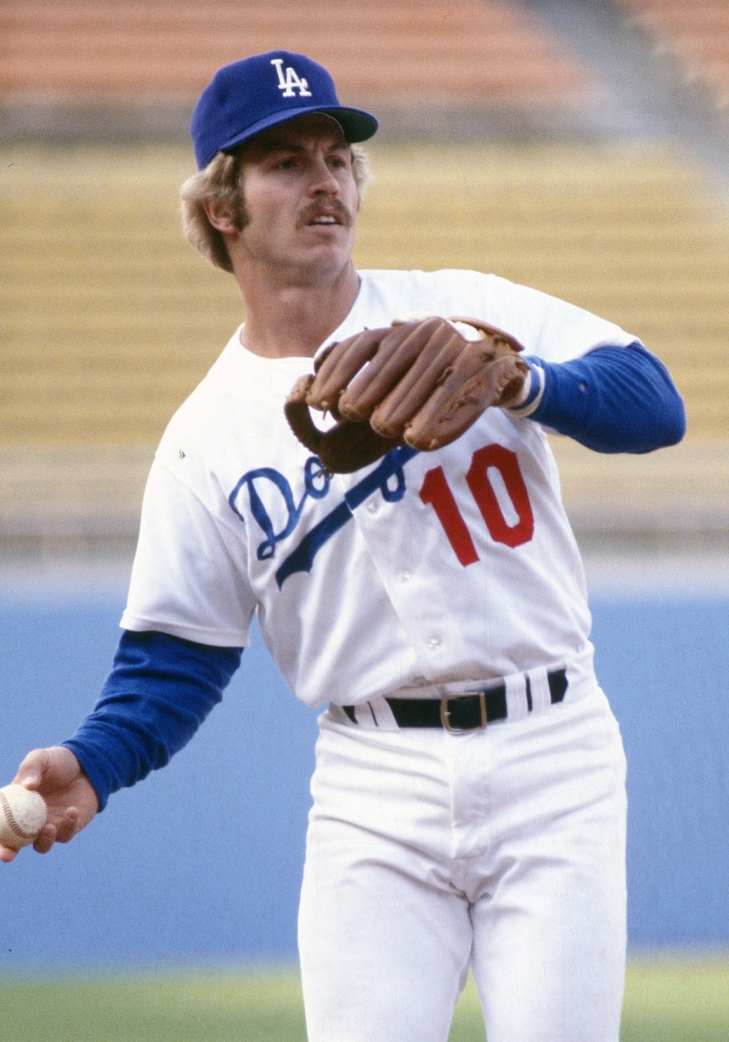
Ron Cey made his first MLB appearance in Los Angeles in 1971 as a stocky third baseman with a waddling walk, earning him the nickname "Penguin." However, his exceptional power and strategic dependability were serious assets. By 1973, he had established himself as the key figure at third base, forming a crucial part of what became the most resilient infield in baseball history.
Once he took on the starting role, Cey quickly proved his ability to hit balls into the seats repeatedly, a rare skill for a Dodgers team known for pitching and small ball tactics. By 1974, he had established himself as a player with a high potential ceiling, earning his first of six straight All-Star appearances. From 1974 to 1980, he achieved an impressive streak of seven consecutive seasons with at least 20 home runs. He demonstrated a particular talent for performing in clutch moments, especially during the 1977 season when he hit a career-best 30 home runs and drove in 110 RBIs. Although he wasn't flashy like other superstars, his efficiency at the plate and durability, playing at least 150 games in five seasons, made him a core player for a team that reached the World Series three times in five years.
Despite the strike-shortened schedule, Cey remained a professional mainstay, and in the 1981 Fall Classic against the Yankees, he provided the specialized spark needed to secure the title. He batted .350 in the series, earning World Series co-MVP honors and finally securing the ring that had eluded that core for a decade.
Before the 1993 season, the Dodgers traded Cey to the Chicago Cubs in a move designed to get younger and clear a path for Pedro Guerrero’s transition to the infield. With Los Angeles, Cey compiled 1,378 hits, 228 home runs, and a 1981 World Series MVP.
