


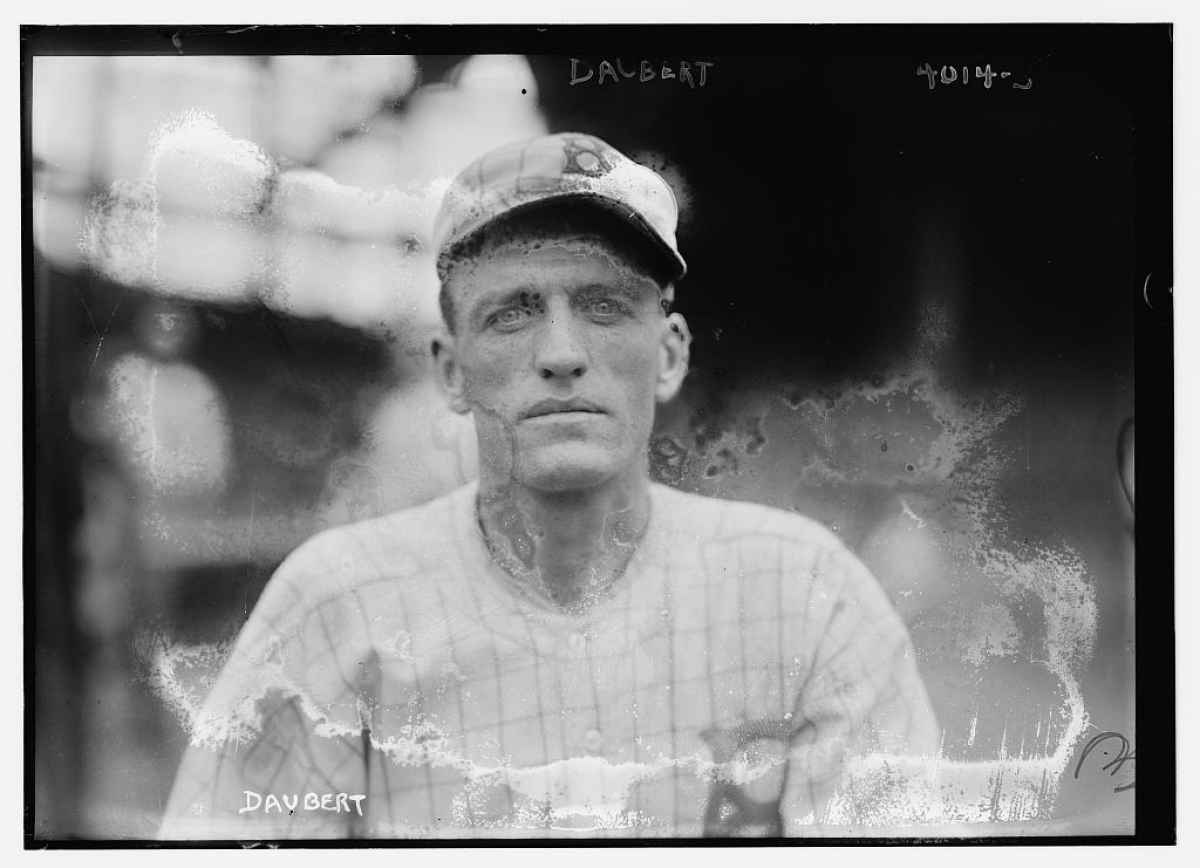


Jake Daubert didn't look like a ballplayer when he first emerged from the coal mines of Pennsylvania. After a false start in Cleveland, where he was discarded before ever seeing a pitch, the Brooklyn Superbas, the precursor to the Dodgers, took a chance on the quiet first baseman in 1910. He arrived as a "slashing chop hitter" with a game built on precision rather than power.
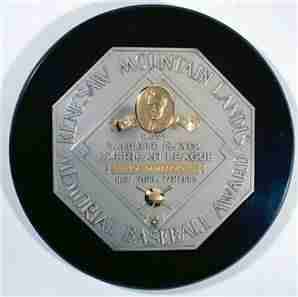
After a quiet start, Daubert experienced an impressive six-year streak of batting over .300, making him a regular presence at the top of the leaderboards. His peak occurred between 1913 and 1914, when he won consecutive National League Batting Titles. His 1913 season was particularly outstanding; he hit a career-high .350 and received the Chalmers Award, the precursor to the MVP. Besides his batting prowess, his speed was a significant advantage, often surprising opponents, as he stole 20 or more bases in six seasons with Brooklyn.
Beyond just the statistics, Daubert was a key figure in the era of “small ball.' He was especially skilled at bunting, setting a National League record with 392 career sacrifices, a record that still stands at the top of NL history. He combined outstanding bunt control with exceptional defense, often being compared to the legendary Hal Chase for his range and hands at first base. Daubert led the 1916 team to its first National League pennant, providing veteran leadership that helped transition the team from the rough early years to the organized success under Wilbert Robinson.
Daubert was traded to Cincinnati in 1919, leaving Brooklyn with 1,387 Hits and a Batting Average of .305.

Comments powered by CComment