


Site Admin
36. Gerrit Cole

It is when we have a player like Gerrit Cole on a list like this where we have to exercise our caveat that we place an equal premium on single-season greatness that we do on longevity. This is how Gerrit Cole is ranked this high on a list like this.
50. Buck Weaver
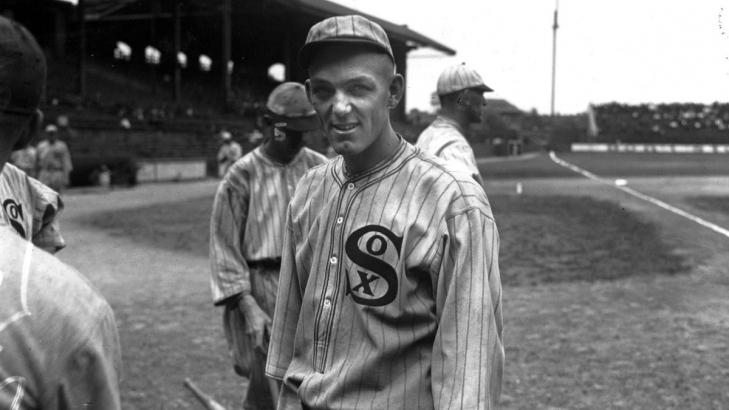
Arriving in the Chicago lineup in 1912, Buck Weaver rapidly established himself as a fixture of the infield. He arrived with a reputation for a relentless, aggressive style of play, transitioning from shortstop to third base, where his range and arm strength became a cornerstone of the club’s run prevention. He was a model of defensive reliability, never posting a negative defensive bWAR throughout his nine seasons and consistently shrinking the field for opposing hitters. He was the rare talent who understood the nuances of the "deadball" era, twice leading the American League in sacrifice hits and swiping 173 bases during his tenure.
The true magnitude of his value was on full display during the franchise's most successful stretch. Weaver was a primary catalyst for the 1917 World Series champions, providing the veteran poise and defensive stability that allowed the Pale Hose to capture the crown. His game reached a new level of sophistication by 1919; he had matured into a dangerous high-frequency hitter, and during the infamous World Series of that year, he was arguably the best player on the field. He recorded 11 hits and played flawless defense, a performance that remains the central piece of evidence for those who argue he never participated in the fix.
His presence was defined by a jovial, competitive nature that made him a favorite among both fans and peers. Weaver remained a standout through the 1920 campaign, authoring a career-high .331 batting average and accumulating over 1,300 hits before the legal and administrative storm broke over the club. Whether he was charging a bunt to cut down a runner or lacing a line drive into the gap, he competed with a visible joy that made his sudden exile all the more tragic. He proved that a player could anchor a championship team through a rare combination of grit, speed, and tactical intelligence.
His playing career reached a sudden, forced conclusion after the 1920 season. Despite his stellar play and his insistence that he had no part in the conspiracy, Commissioner Kenesaw Mountain Landis banned him for life for his "guilty knowledge" of the scandal. He left the organization as a statistical titan of the era, a man who spent his entire professional life in a White Sox uniform only to be cast out in his athletic prime.
With the White Sox, Weaver compiled 1,308 hits, 173 stolen bases, and 563 runs scored with a .272 batting average.
47. Jim Landis
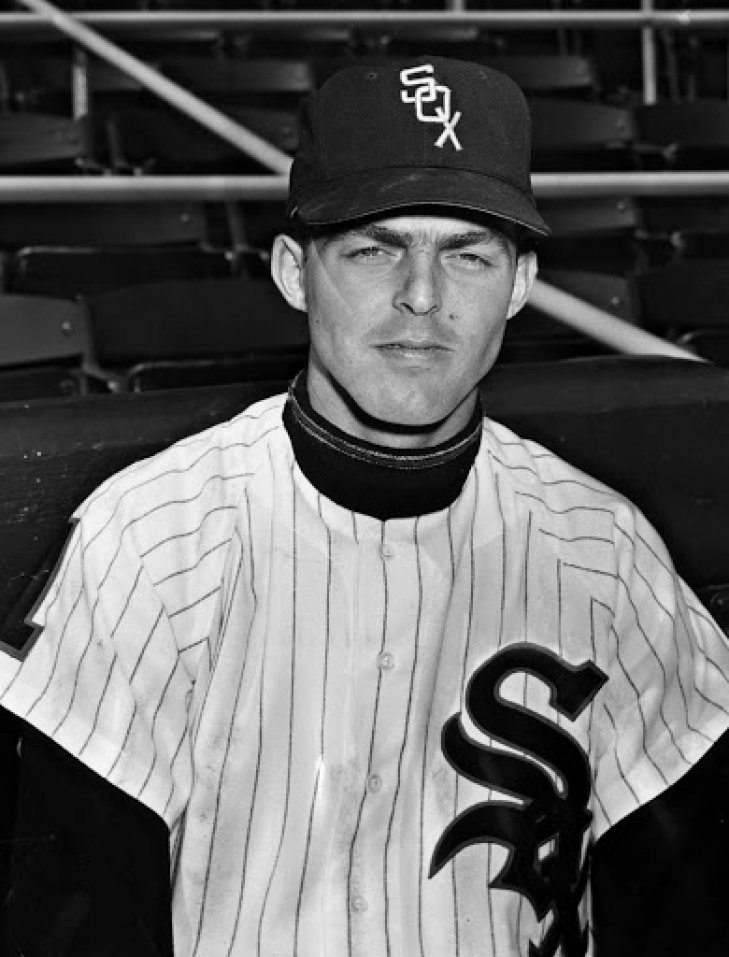
Landis emerged in the Chicago lineup in 1957 and matured into the premier defensive presence of the era by the following spring. He possessed a specialized ability to read the ball off the bat, a gift that allowed him to patrol the vast gaps of Comiskey Park with a grace that few could replicate. During the historic 1959 campaign, he became the engine of the "Go-Go" spirit, leading the American League with 25 Total Zone Runs while adding a dynamic spark to the offense with 140 hits and 20 stolen bases. He was the rare talent who could win a game with his legs in the eighth inning and save it with a diving catch in the ninth.
The most impressive aspect of his career was the iron-clad grip he held on the American League's defensive awards during the early 1960s. Landis authored a remarkable five-year run of Gold Glove excellence, securing the trophy annually from 1960 through 1964. He was a master of the "uncomfortable" out, a technician who shrank the field for opposing hitters and provided the White Sox pitching staff with a massive margin for error. His craftsmanship reached a peak in 1962, a season in which he was officially recognized as an All-Star and hit a career-high 15 home runs, proving that his game had matured into a well-rounded force.
In 1965, Landis was traded to the Kansas City Athletics. He left the organization having established himself as perhaps the finest defensive outfielder to ever wear the South Side pinstripes. With Chicago, Landis compiled 892 hits, 83 home runs, 127 stolen bases, and five Gold Glove Awards.
45. Lance Johnson
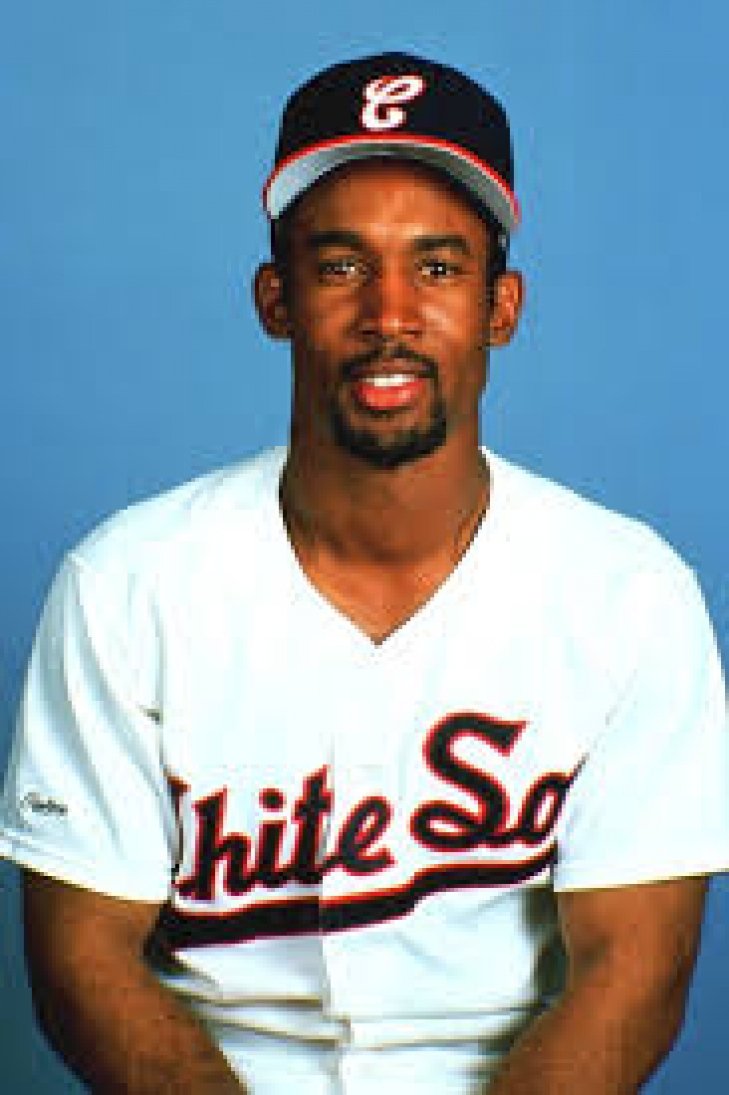
Johnson’s path to Chicago was the result of a lopsided 1987 swap with the St. Louis Cardinals, a deal that sent Jose DeLeon to the Senior Circuit. While the trade was headlined by other names at the time, it was Johnson who matured into the ultimate prize of the transaction. He emerged as a regular in 1990 and quickly became the premier leadoff threat for a surging squad. He possessed a "slap-and-run" style that relied on elite acceleration and a clinical ability to find holes in the defense, turning the trade from a simple roster move into a franchise-altering steal.
The most impressive aspect of his career was his total command of the basepaths and the gaps. Between 1991 and 1994, he authored a feat of speed-based dominance rarely seen in the modern era, leading the American League in triples for four consecutive summers. He was a model of specialized efficiency, proving that a hitter didn’t need over-the-fence power to dismantle an opposing pitching staff. This culminated in a 1995 campaign where he stood as the undisputed hit king of the American League, racking up 186 hits and showcasing a relentless approach that kept pressure on every battery he faced.
His stay in Chicago ended after that spectacular 1995 season, when he signed with the New York Mets as a free agent. He left the organization as a statistical pillar of the 1990s, having established himself as one of the most prolific speedsters to ever wear the uniform.
With the White Sox, Johnson compiled 1,018 hits, 77 triples, and 226 stolen bases with a .286 batting average.