
20. Y.A. Tittle
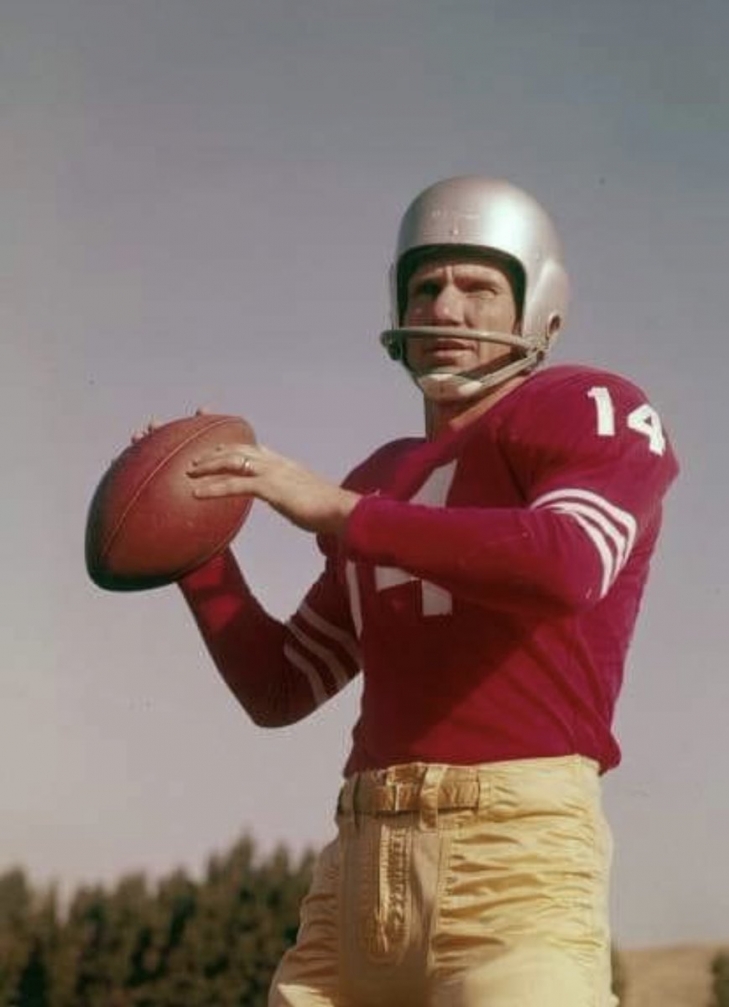
By today’s standards, the way Y.A. Tittle arrived to the San Francisco 49ers was unique. The LSU Quarterback was the Sixth Overall Pick in 1948 when the Detroit Lions took him, but he opted to sign with the Baltimore Colts of the AAFC instead. Tittle did well, and the Colts were one of the teams that merged with the NFL when the AAFC merged with the NFL, but this first incarnation of the Colts was short-lived as the Colts folded after only one year in the NFL. All of the Colts were made eligible in the 1951 Draft, and San Francisco took tittle Third Overall.
27. Jesse Sapolu
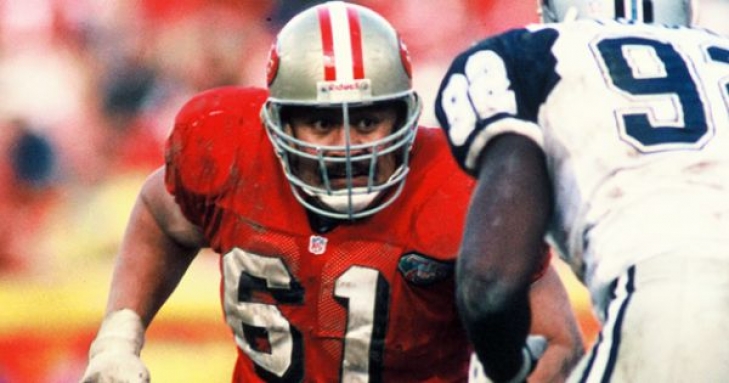
From Samoa, Jesse Sapolu played his college ball at Hawaii and was a late round (11th) pick by the San Francisco 49ers in 1983.
19. Bryant Young
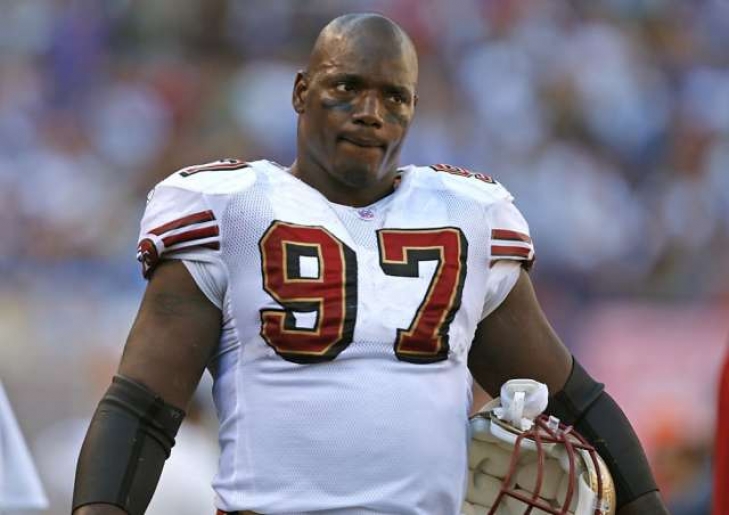
Bryant Young was the Seventh Overall Pick by the San Francisco 49ers in 1994, and the All-American from Notre Dame won the starting Left Defensive Tackle job as a rookie.
23. Justin Smith
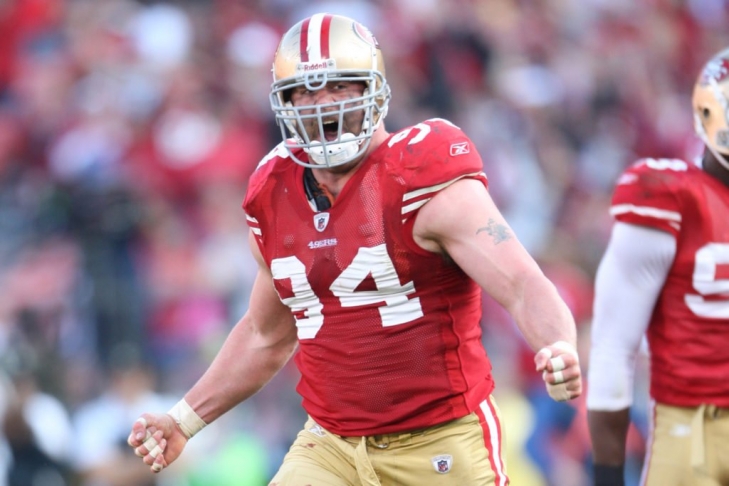
After seven years with the Cincinnati Bengals, Justin Smith signed with the San Francisco 49ers, where he played another seven years. It is very clear that the second half with the Niners was the far more successful portion.
17. John Brodie

Before there was Joe Montana and Steve Young, there was John Brodie, who played his entire 201-Game career with the San Francisco 49ers.
31. Keith Fahnhorst
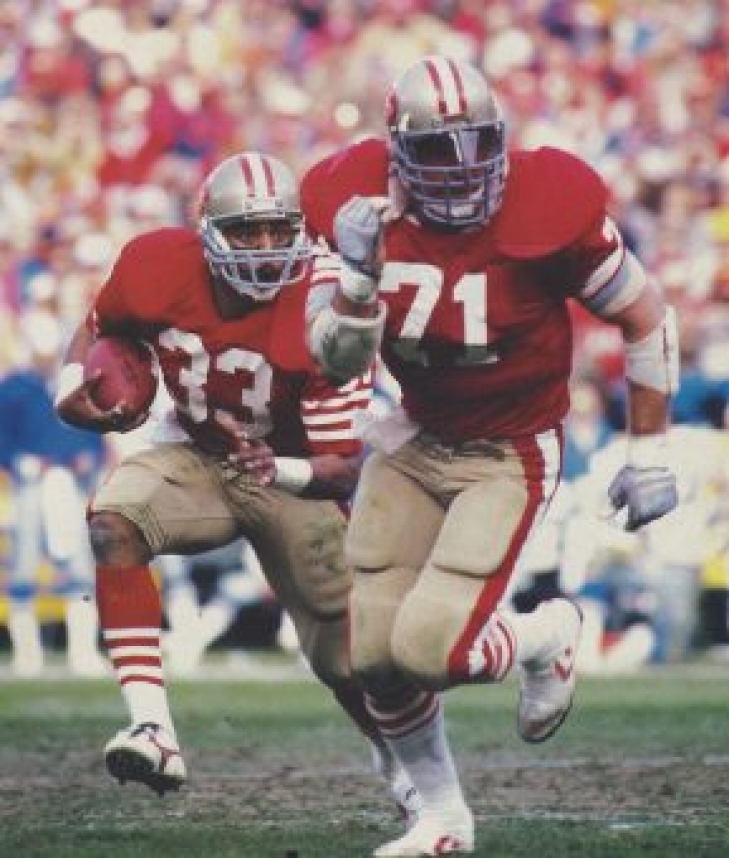
Keith Fahnhorst stood at 6’ 6” and tipped the scales at 275 pounds, so he brought a lot of size to the San Francisco 49ers who drafted him in the Second Round of the 1974 Draft.
28. Merton Hanks
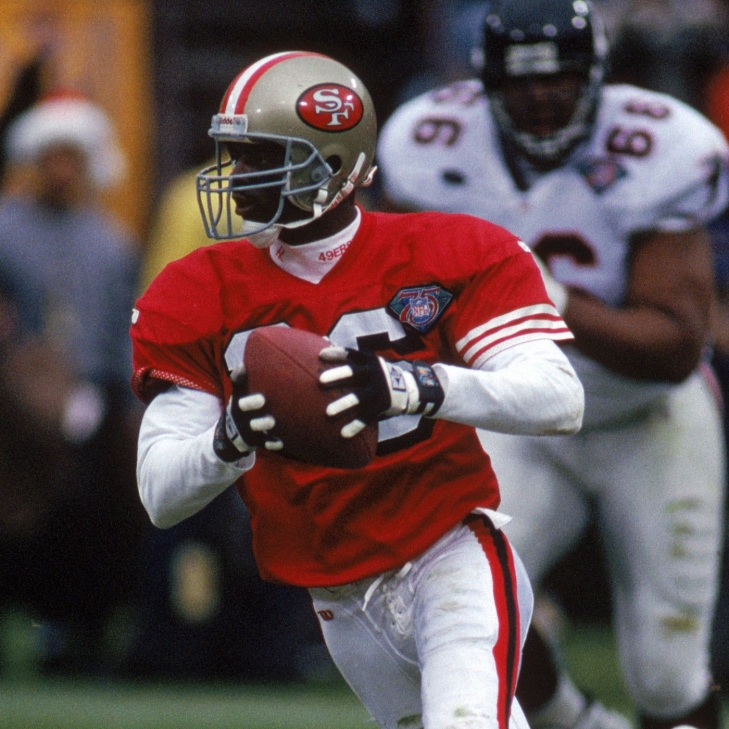
In his first two seasons in the National Football League, the Fifth Round Pick from Iowa started eight Games at Left Corner Back and five at Strong Safety. Hanks did well enough, but he was moved to Free Safety in 1993, and this was the position where he would flourish.
26. Harris Barton
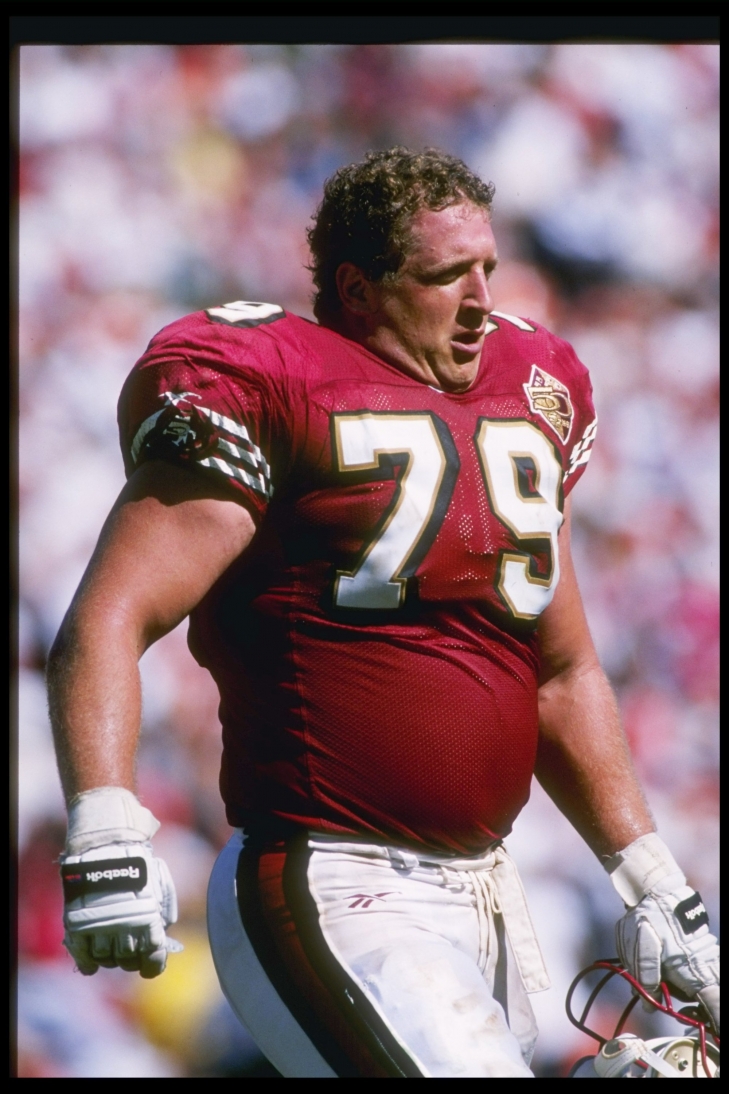
Harris Barton was a highly sought-after player in the 1987 Draft after the Offensive Lineman had a very good college career with North Carolina. San Francisco chose him with the 22ndOverall Pick, and Barton would be the starting Right Tackle, earning All-Rookie accolades.
11. Hugh McElhenny
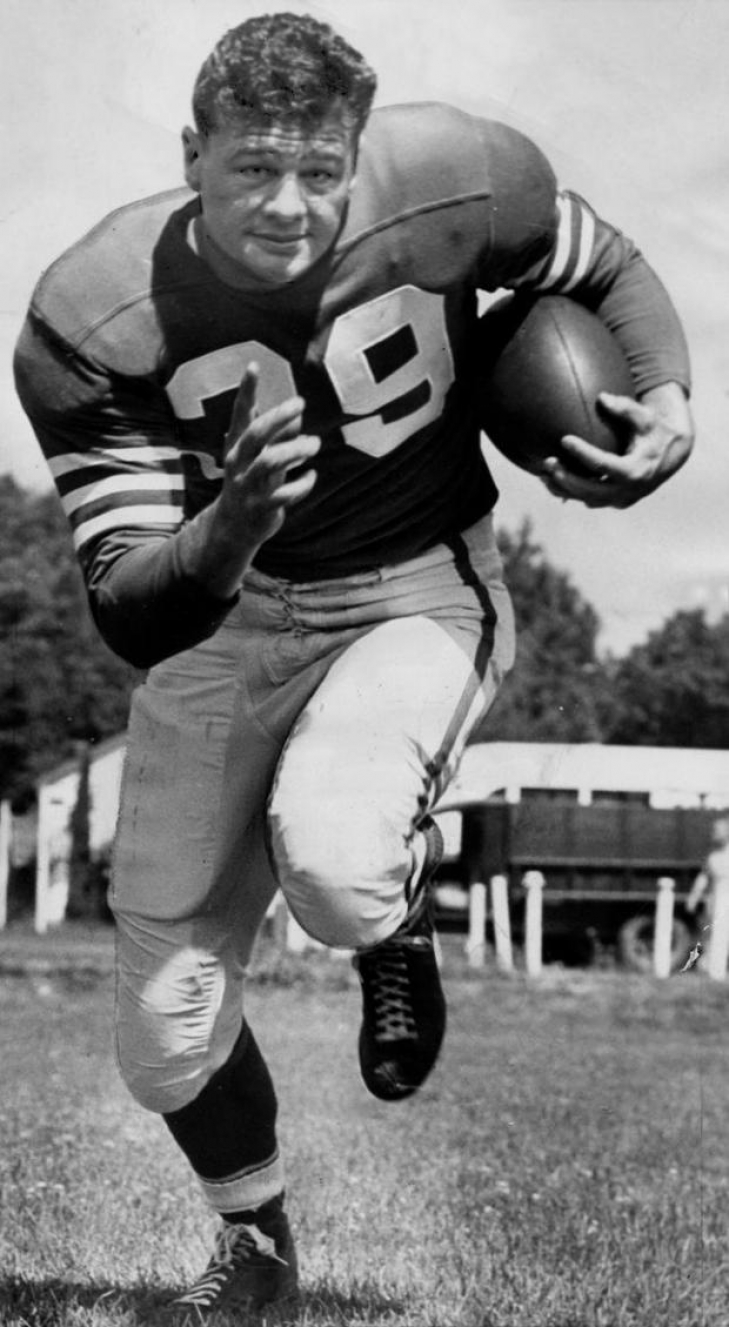
A First Round Pick from Washington, Hugh McElhenny traveled down the Interstate-5 to begin his professional football career.
22. NaVorro Bowman
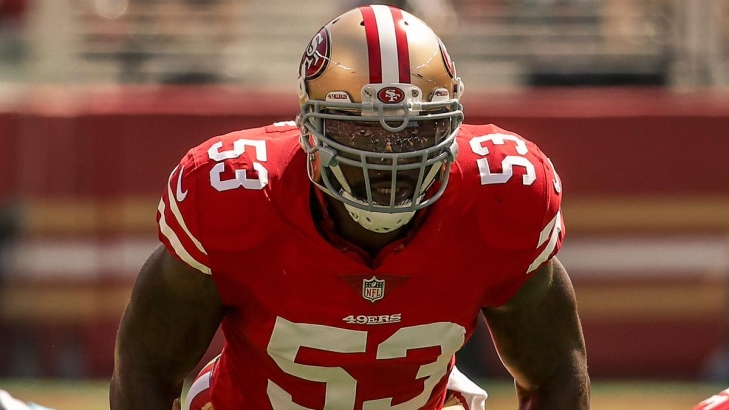
NaVorro Bowman was a star at Penn State, translating into a Third Round Draft Selection by the San Francisco 49ers.
25. Gene Washington
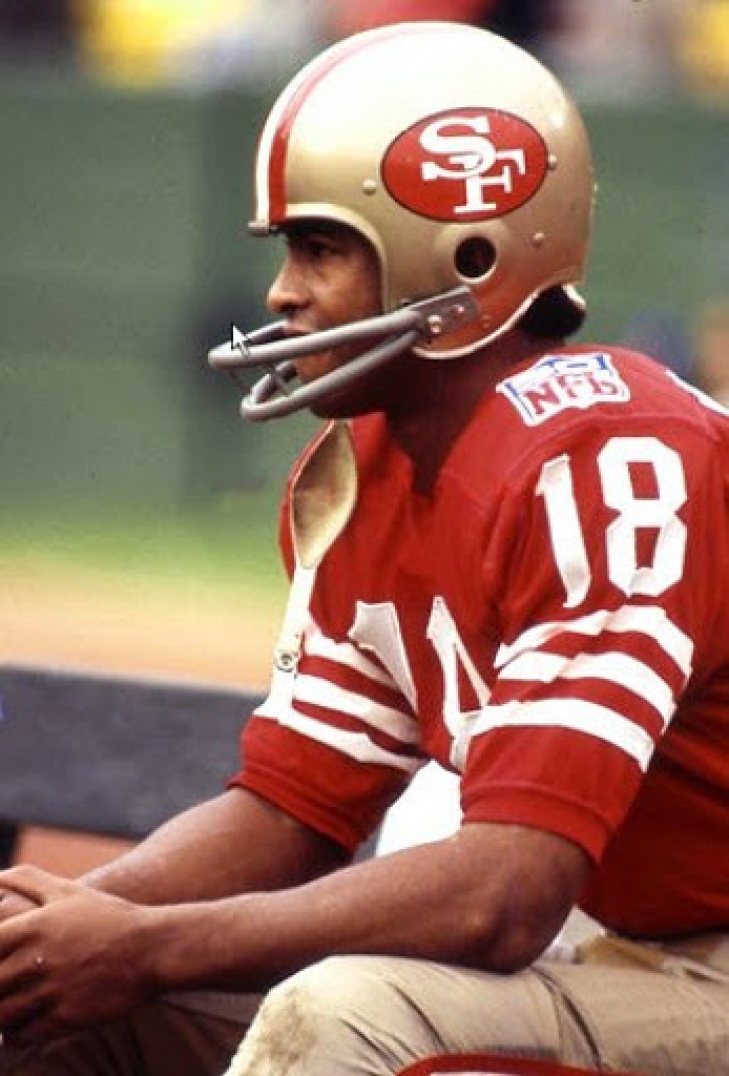
A First Round Pick from Stanford in 1969, Gene Washington was part of the turnaround for the San Francisco 49ers from league doormats to respectability. In his first four seasons in the National Football League, Washington would go to the Pro Bowl, with three of those years seeing him earn First Team All-Pro accolades.
16. Joe Staley
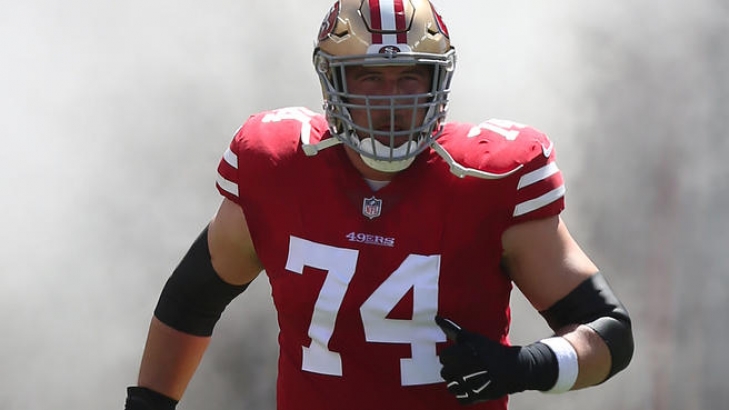
The 2007 28thOverall Draft Pick from Central Michigan, Joe Staley started at Right Tackle in his rookie year for San Francisco before being moved to Left Tackle, where he remained their starter for well over a decade.
10. Bob St. Clair
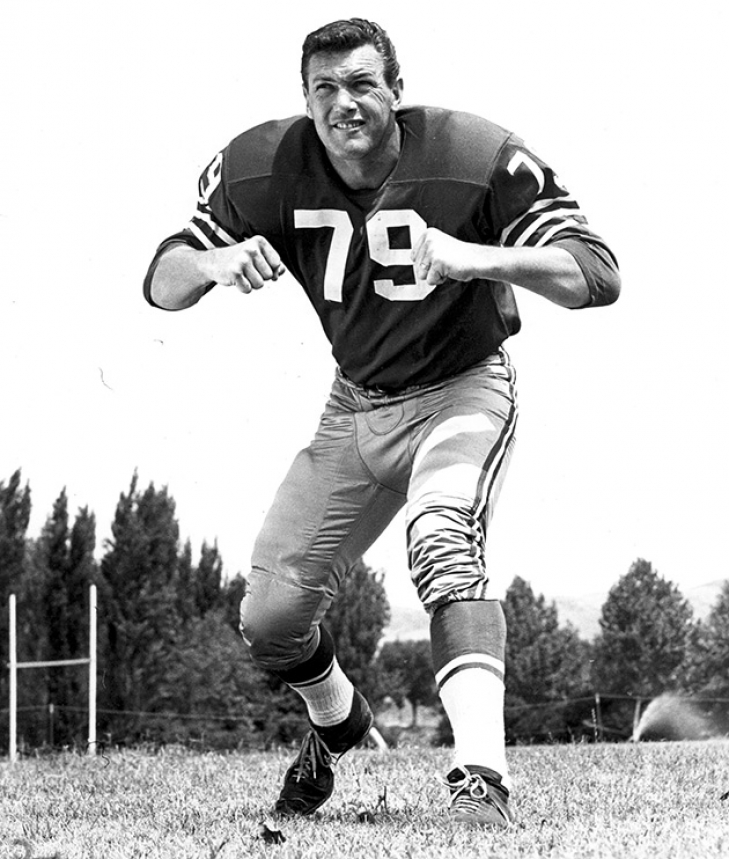
Bob St. Clair was a Third Round Pick from Tulsa in the 1953 Draft, and the player they called the "Geek" would make the San Francisco area his home for the rest of his life.
18. Frank Gore
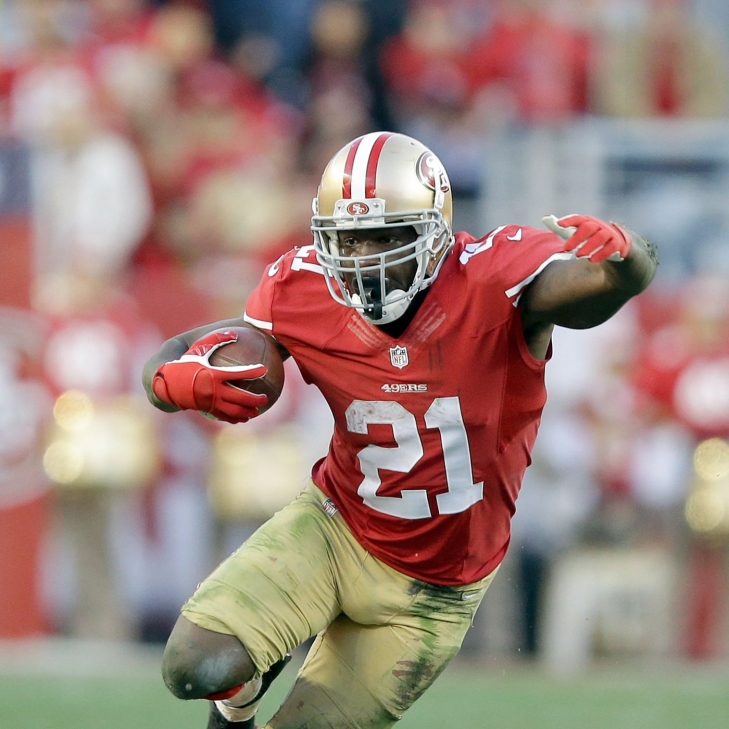
Frank Gore will go down in history as one of the most durable and ageless Running Backs of the game. That all began in San Francisco.
12. Terrell Owens

From Chattanooga, Terrell Owens was drafted in 1996’s Third Round by the San Francisco 49ers, and he found out quickly that his talents were worthy of the National Football League.
14. Dave Wilcox
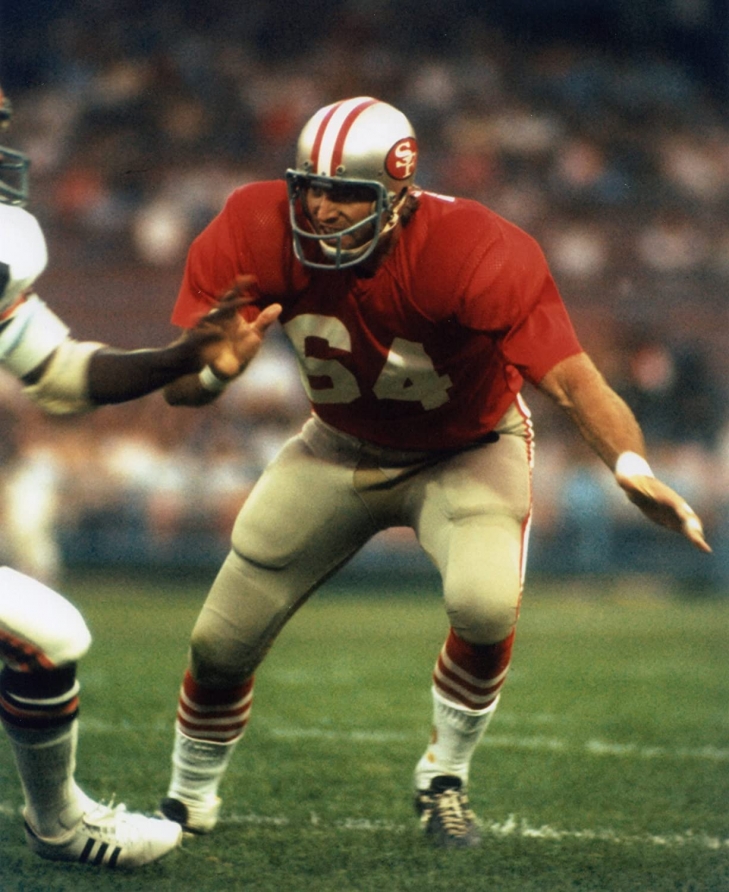
Drafted from the University of Oregon in the Third Round in 1964, Dave Wilcox won the Left Linebacker role during his rookie season, and he would hold on to it until he retired after the 1974 Season.
7. Joe Perry
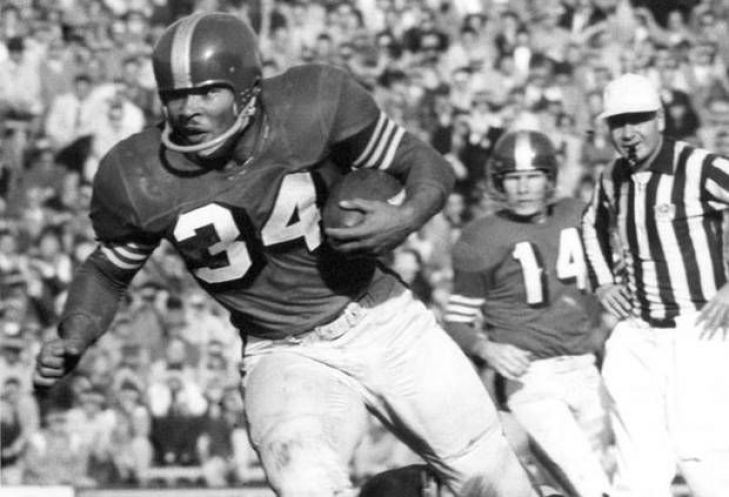
Joe Perry played football for the Naval Air Station Alameda after his military service, and despite being an African-American player in the 1940s from a non-major program, he drew interest from both the NFL and the All-America Football Conference. He chose the San Francisco 49ers of the AAFC over the Los Angeles Rams and became the first Black player in franchise history. As a rookie, he led the AAFC in rushing touchdowns with 10. The following year he led the league in rushing yards with 783 and rushing touchdowns with 8. The production announced him as a fullback capable of carrying an offense, and the 49ers had found a back who could handle a heavy workload between the tackles.
When the 49ers and the rest of the AAFC merged into the NFL, Perry remained a dominant force. Paired with running back Hugh McElhenny and quarterback Y.A. Tittle, the 49ers fielded their Million Dollar Backfield, one of the league's most potent units. In 1953, coming off his first Pro Bowl selection, Perry led the NFL in rushing yards with 1,018, rushing touchdowns with 10, yards from scrimmage with 1,209, and total touchdowns with 13. He earned first-team All-Pro recognition, and the United Press named him its MVP, the first time a Black player had won a version of that award. The following season he became the first player to post back-to-back 1,000-yard rushing seasons with 1,049 yards, and he again led the league in rushing yards and yards from scrimmage. His power and durability made him hard to bring down in short yardage, and the 49ers leaned on him when they needed to control the clock or punch the ball into the end zone.
Perry’s style was built on a low center of gravity and relentless leg drive. He could absorb contact at the line and still fall forward for extra yards, and he was effective as a receiver out of the backfield when defenses loaded the box. That versatility kept the Million Dollar Backfield balanced, and opposing defenses had to account for him on every snap whether the 49ers were running or throwing. The production stayed high through the rest of the 1950s even as the supporting cast changed. He continued to earn Pro Bowl recognition and remained a reliable option in short-yardage and goal-line situations, giving the offense a consistent way to finish drives.
Perry faced racial slurs and physical targeting on the field throughout his career, yet he refused to back down. He later said he could not remember a season without hearing a racial epithet, and he responded by continuing to run through the line. His success as the first Black player in franchise history and as the first Black player to win a version of the MVP award helped open opportunities for those who followed, even if he did not become a prominent public spokesman for civil rights causes. Teammates and owner Tony Morabito supported him, and that environment helped him sustain his production.
After a down year in 1960, the team traded him to the Baltimore Colts. He spent two seasons there before returning to San Francisco for one final year and then retiring. He left the 49ers after more than a decade as one of the most productive fullbacks in franchise history and as a key piece of the Million Dollar Backfield. The fullback, who had broken racial barriers with the franchise in the AAFC, became one of its most accomplished offensive players.
With the 49ers, he accumulated 10,194 yards from scrimmage and 79 touchdowns. Those totals, combined with league-leading seasons and MVP recognition, reflected both his individual excellence and the sustained impact he brought during his time in San Francisco. He finished as one of the more dominant running backs of his generation.
Perry entered the Pro Football Hall of Fame in 1969. The 49ers retired his number 34 in 1971, making him one of the first two players to receive that honor, and inducted him into their Hall of Fame in 2009 as part of the inaugural class.
9. Roger Craig
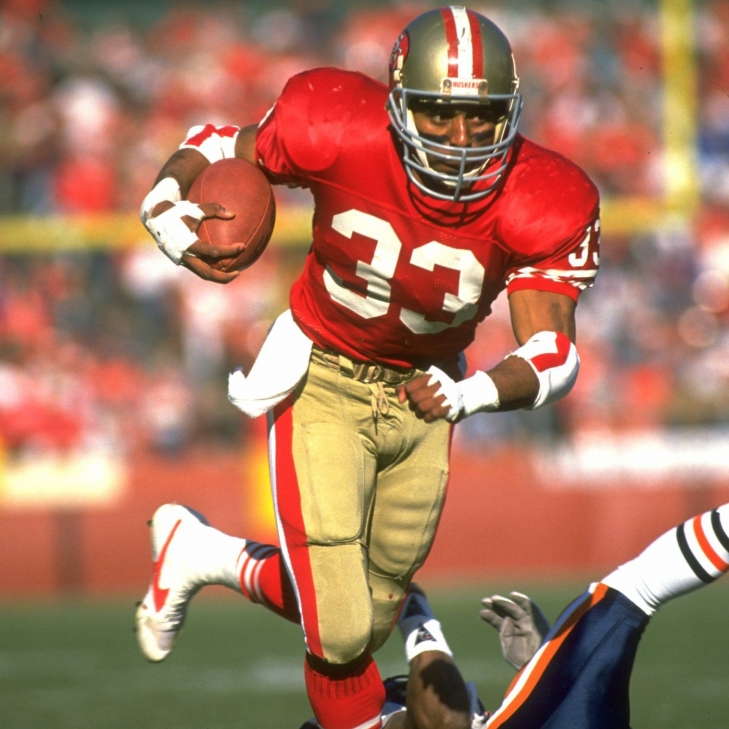
There have many Running Backs who were equally capable of the receiving game, but there can only be one groundbreaker. That man was Roger Craig.
8. Patrick Willis
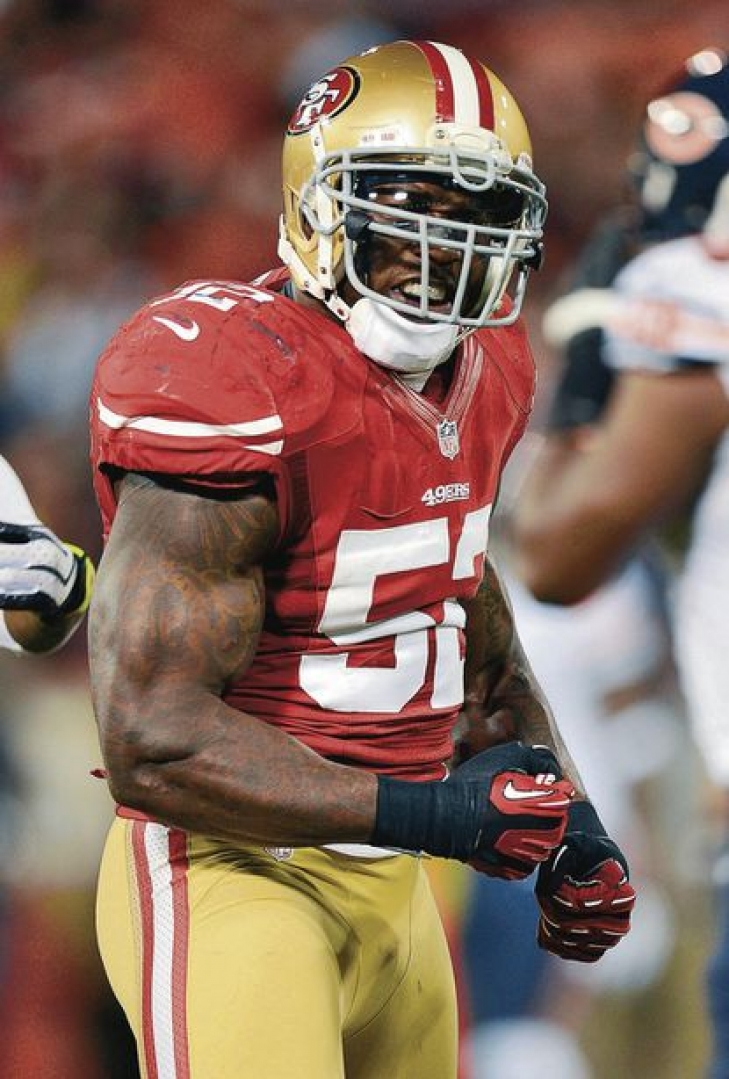
The professional football career of Patrick Willis was considered brief, as he only played eight seasons, but they were electric campaigns.
15. Randy Cross
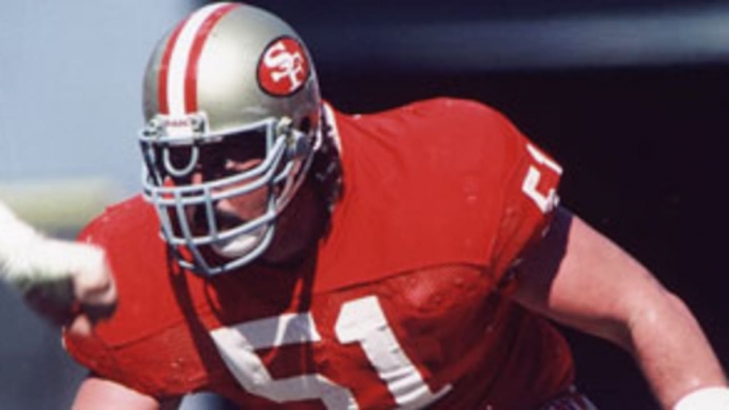
Debuting for the San Francisco 49ers as a Second Round Pick from UCLA in 1976, Randy Cross played his entire 13-year career with the Niners, where he would help them win three Super Bowls.
