


Site Admin
40. Bill Dahlen
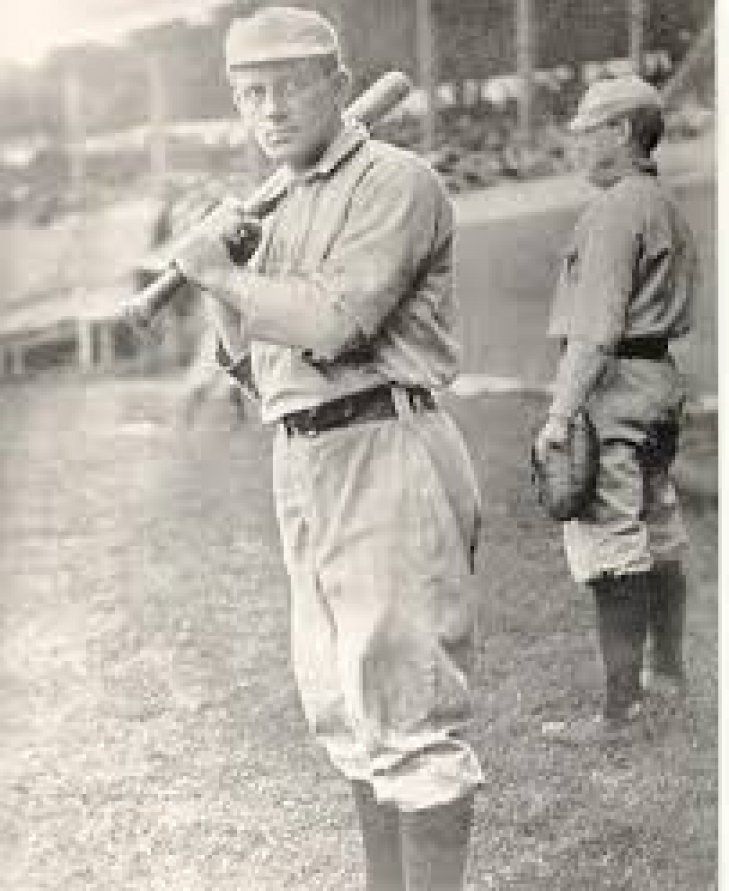
Dahlen arrived in Chicago in 1891 and quickly became a cornerstone of the lineup, offering a level of offensive production that was rare for a shortstop in the pre-modern era. He was a model of consistency at the plate, surpassing the .300 mark in three different seasons and maintaining a remarkable .299 average over his eight-year tenure with the team. His game was built on a rare blend of discipline and extra-base power; he started as a raw talent and rapidly evolved into a strategic threat capable of driving in runs as effectively as manufacturing them with his legs.
The peak of his time in Chicago featured one of the most legendary hitting streaks in baseball history. In 1894, Dahlen recorded a 42-game hitting streak, a feat that stood as the Major League record for years and remains the longest in the franchise's history. This wasn't just a hot streak; it was a sign of his elite efficiency and his ability to perform under the pressure of the era's rough-and-tumble style of play. He was a high-volume producer, tallying 1,170 hits and 561 RBIs, providing the offensive backbone for a team in constant flux.
His identity was defined by his work at shortstop, where he was a defensive standout. Dahlen had an exceptional glove and a strong arm, consistently ranking among the league leaders in putouts and assists. During his time in Chicago, he amassed a total of 34.0 bWAR, a number that emphasized his value as a true two-way star who influenced the outcome of the game on every pitch. Whether he was sparking a rally or preventing a certain base hit in the hole, "Bad Bill" was the heartbeat of the Chicago infield.
Dahlen’s chapter in the Windy City ended after the 1898 season, when he was traded to the Brooklyn Bridegrooms. He left the organization as a statistical titan, having established himself as the greatest shortstop in the early history of the club.
41. Andy Pafko
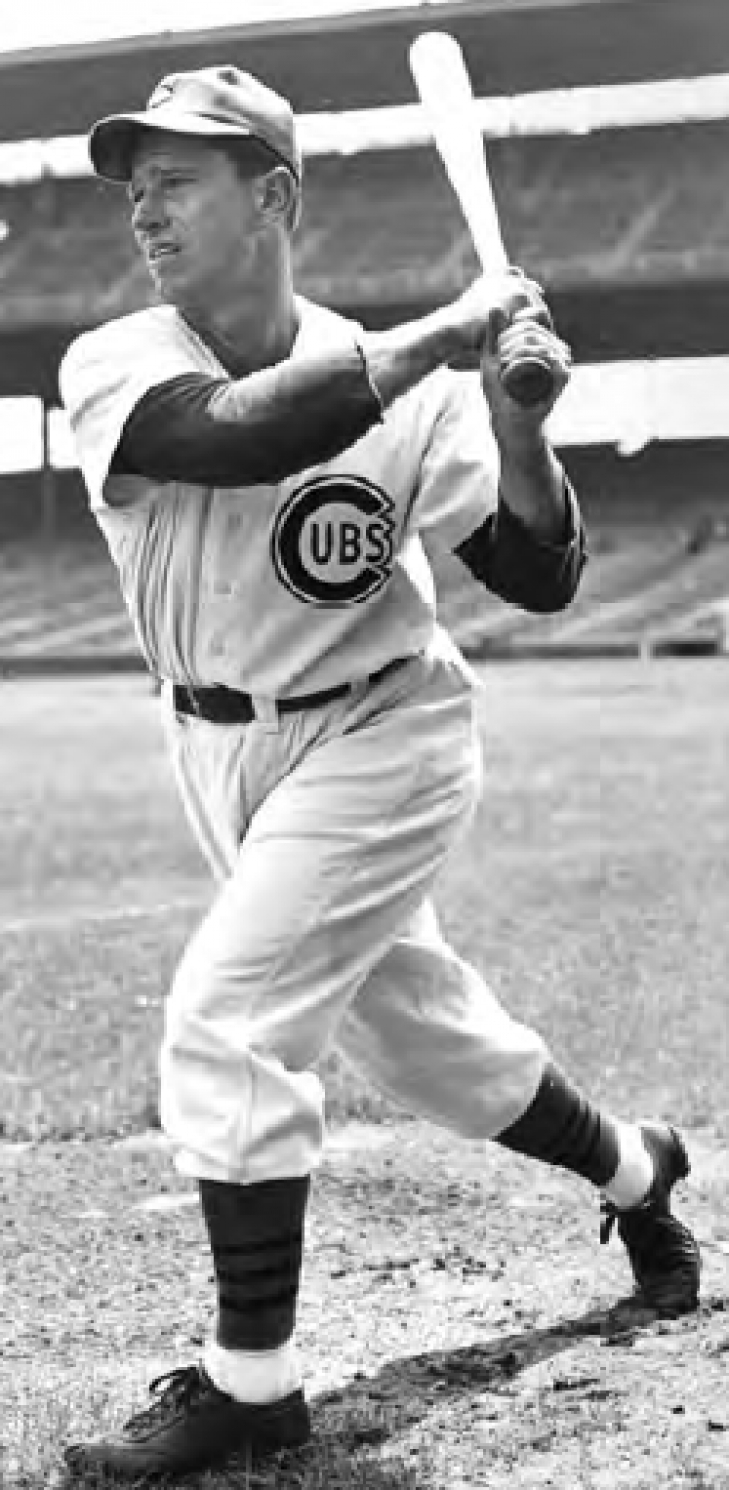
Pafko’s journey in Chicago began in 1943, but it was the 1945 campaign where he matured into a legitimate cornerstone of the franchise. That year, he tallied 159 hits and served as a vital tactical piece for a Cubs team that captured the National League Pennant. While many wartime players saw their opportunities vanish when the veterans returned from service, Pafko’s production only intensified. He arrived as a young talent and evolved into a statistical powerhouse, rattling off four consecutive All-Star selections from 1947 to 1950, proving he was one of the elite outfielders in the senior circuit.
The peak of his career was marked by a rare combination of contact and high-ceiling power. During that four-year All-Star run, Pafko eclipsed the .300 mark three times and showcased a burgeoning home run stroke, twice reaching the 30-homer plateau. He was a master of the gaps at Wrigley, a high-volume producer who understood how to drive in runs while maintaining a sophisticated .294 career average with the club. He wasn't just a placeholder; he was the primary threat in the middle of the order, providing the stability that kept the organization a factor in the post-war landscape.
His identity was synonymous with a blue-collar work ethic and a deep connection to the Chicago faithful. Pafko was an efficiency machine, accumulating 1,048 hits and 126 home runs during his stay with the Cubs. Whether he was tracking down fly balls in the shadows of the ivy or launching a late-inning blast to ignite the crowd, he played with a professional grace that earned him the respect of teammates and rivals alike. He concluded his primary journey with the organization as a symbol of an era when the game returned to its full strength, leaving behind a legacy of consistency that few have matched.
The chapter eventually closed on his time in Chicago in mid-1951, when he was sent to Brooklyn in a blockbuster deal. While he went on to play in more World Series with the Dodgers and Braves, his impact on the Cubs remained indelible. He left the organization as a statistical titan of the 40s, a man whose peak performance helped define a generation of North Side baseball.
In recognition of his massive contribution and enduring popularity, the organization named him to the inaugural class of the Chicago Cubs Hall of Fame in 2021.
37. Frank Schulte
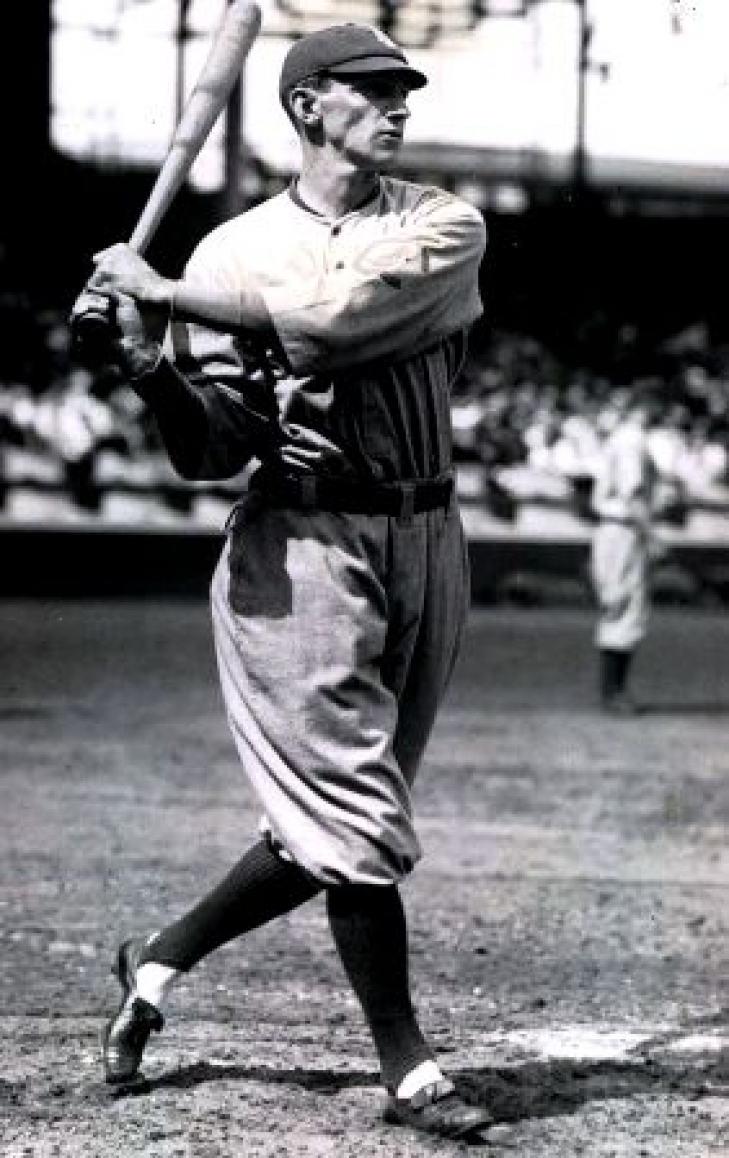
Chicago’s early 20th-century dominance relied on a core of legendary infielders, but it was Schulte who provided the stability from the grass of the West Side Grounds. He settled into the Cubs' starting lineup during the historic 1906 campaign and quickly matured into a vital postseason performer. During the franchise's run of four pennants in five years, Schulte was a model under pressure, batting a collective .321 across four World Series appearances. He arrived as a young outfielder and immediately became a championship-caliber contributor to the 1907 and 1908 world titles.
The absolute pinnacle of his career, and a milestone for the sport, arrived in 1911. In an era where power was a rare commodity, Schulte authored a season of such profound that he was named the National League’s Most Valuable Player. He led the circuit in home runs (21), RBIs (107), and slugging percentage (.534), but his most enduring achievement was becoming the first player in baseball history to join the "20-20-20-20" club. By recording at least 20 doubles, triples, home runs, and stolen bases in a single summer, he proved he was the most dynamic all-around threat of his generation.
Consistency defined the remainder of his thirteen-year tenure on the North Side. While he never replicated the triple-slash explosion of his MVP campaign, he remained a high-volume producer, accumulating 1,590 hits and maintaining a respectable .272 career average in a Cubs uniform. In Chicago, he was regarded as a hard-nosed veteran who could impact the game in every phase, serving as the bridge between the Tinker-to-Evers-to-Chance era and the years that followed. He wasn't just a part of the dynasty; he was the player who ensured the Cubs remained the class of the league well into the next decade.
The conclusion of his storied Chicago journey came in 1916 when he was traded to the Pittsburgh Pirates.
43. Larry Corcoran
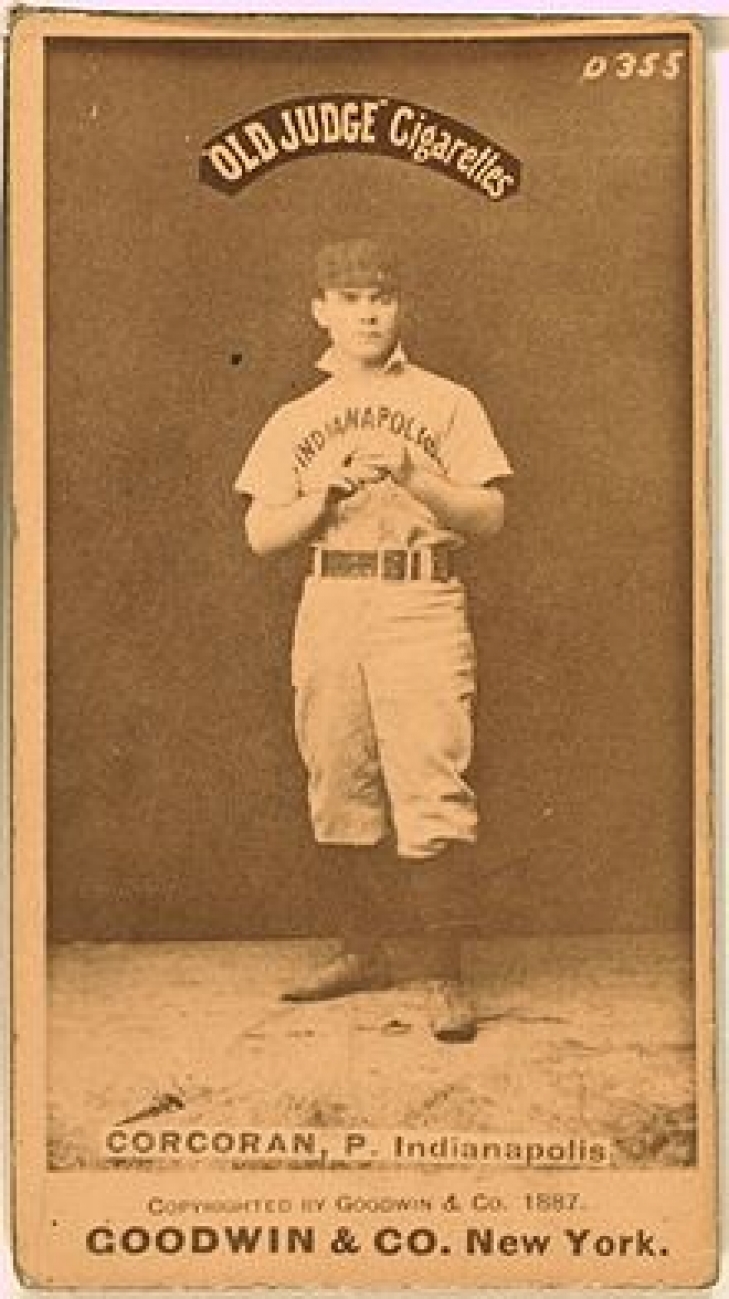
Corcoran debuted in 1880 and bypassed the usual maturation process, maturing instantly into the most feared right-hander (and occasional left-hander) in the National League. He was the definition of a workhorse for a White Stockings club that terrorized the league during the early 1880s. Between 1880 and 1884, Corcoran amassed a staggering 170 wins, a total that speaks to a level of durability that is almost incomprehensible by modern standards. He relied on a rare, "switch-pitching" ability that allowed him to alternate arms to combat fatigue or exploit a hitter's weakness, a tactical outlier in an era of iron-man rotations.
The absolute pinnacle of his career arrived in 1882, a season in which he stood as the undisputed king of the mound. Corcoran was an efficiency machine that summer, capturing the National League ERA title and leading the circuit in WHIP and hits per nine innings. Most notably, he made history by becoming the first pitcher in the history of the sport to throw a second career no-hitter. He wasn't just piling up wins; he was suppressing runs at a rate that made him a statistical titan, serving as the cornerstone for a championship-caliber roster.
His identity was synonymous with the high-stakes, high-workload environment of the early professional game. Corcoran was a master of the "Deadball" tactical battle, using his unique arm flexibility to navigate the grueling schedules of the 1880s. However, the sheer volume of his production eventually demanded a toll. By 1885, the arm that had carried the franchise to multiple titles was effectively "dead," the victim of a workload that saw him average nearly 400 innings a season during his prime. Whether he was baffling hitters with a side-arm curve or making history with his second no-no, he played with a focused intensity that made him a local immortal.
The chapter reached a sudden and quiet conclusion in 1887, just two years after his effectiveness vanished.