


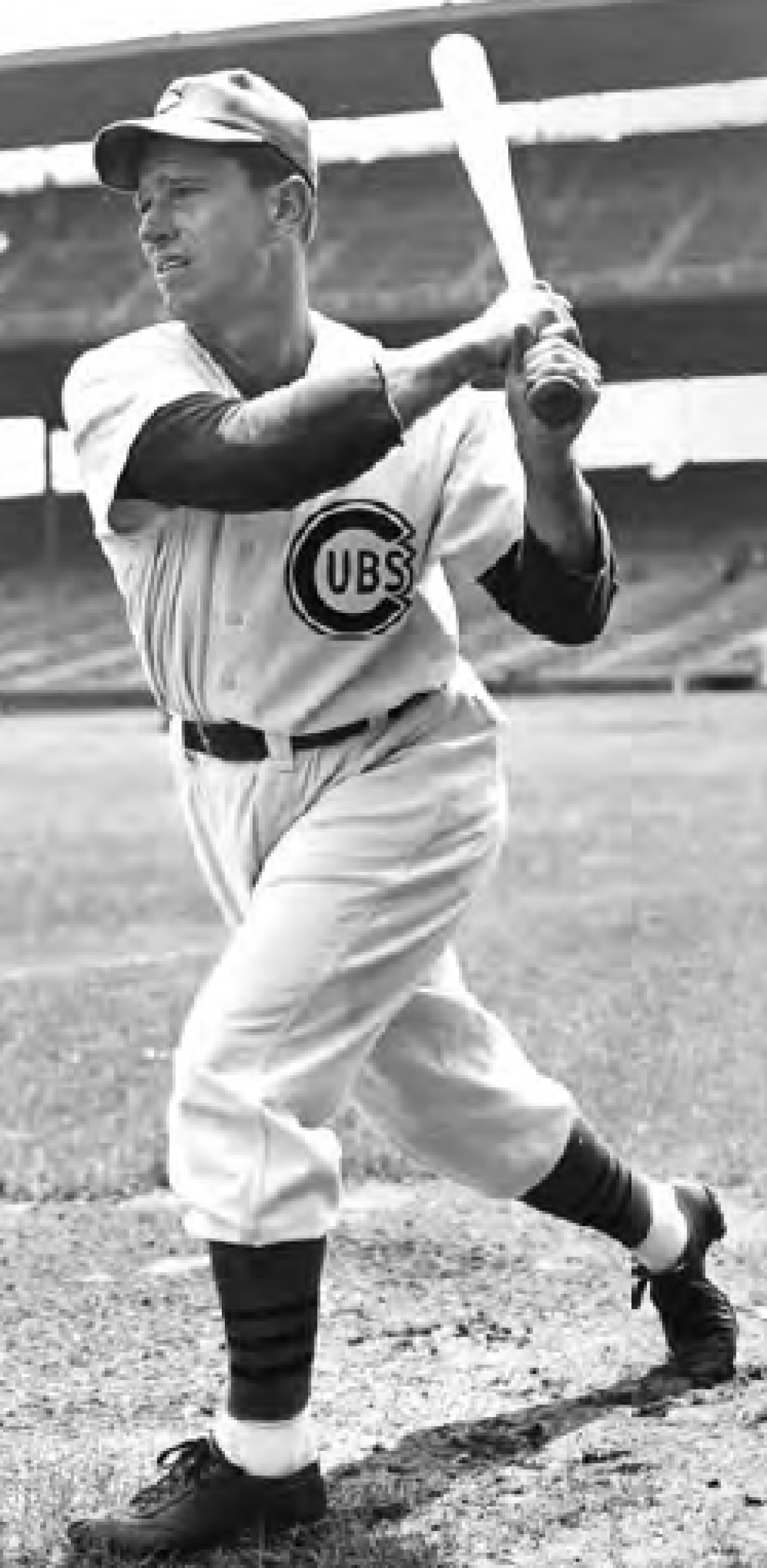


Pafko’s journey in Chicago began in 1943, but it was the 1945 campaign where he matured into a legitimate cornerstone of the franchise. That year, he tallied 159 hits and served as a vital tactical piece for a Cubs team that captured the National League Pennant. While many wartime players saw their opportunities vanish when the veterans returned from service, Pafko’s production only intensified. He arrived as a young talent and evolved into a statistical powerhouse, rattling off four consecutive All-Star selections from 1947 to 1950, proving he was one of the elite outfielders in the senior circuit.
The peak of his career was marked by a rare combination of contact and high-ceiling power. During that four-year All-Star run, Pafko eclipsed the .300 mark three times and showcased a burgeoning home run stroke, twice reaching the 30-homer plateau. He was a master of the gaps at Wrigley, a high-volume producer who understood how to drive in runs while maintaining a sophisticated .294 career average with the club. He wasn't just a placeholder; he was the primary threat in the middle of the order, providing the stability that kept the organization a factor in the post-war landscape.
His identity was synonymous with a blue-collar work ethic and a deep connection to the Chicago faithful. Pafko was an efficiency machine, accumulating 1,048 hits and 126 home runs during his stay with the Cubs. Whether he was tracking down fly balls in the shadows of the ivy or launching a late-inning blast to ignite the crowd, he played with a professional grace that earned him the respect of teammates and rivals alike. He concluded his primary journey with the organization as a symbol of an era when the game returned to its full strength, leaving behind a legacy of consistency that few have matched.
The chapter eventually closed on his time in Chicago in mid-1951, when he was sent to Brooklyn in a blockbuster deal. While he went on to play in more World Series with the Dodgers and Braves, his impact on the Cubs remained indelible. He left the organization as a statistical titan of the 40s, a man whose peak performance helped define a generation of North Side baseball.
In recognition of his massive contribution and enduring popularity, the organization named him to the inaugural class of the Chicago Cubs Hall of Fame in 2021.

Comments powered by CComment