

Committee Chairman
30. C.C. Sabathia
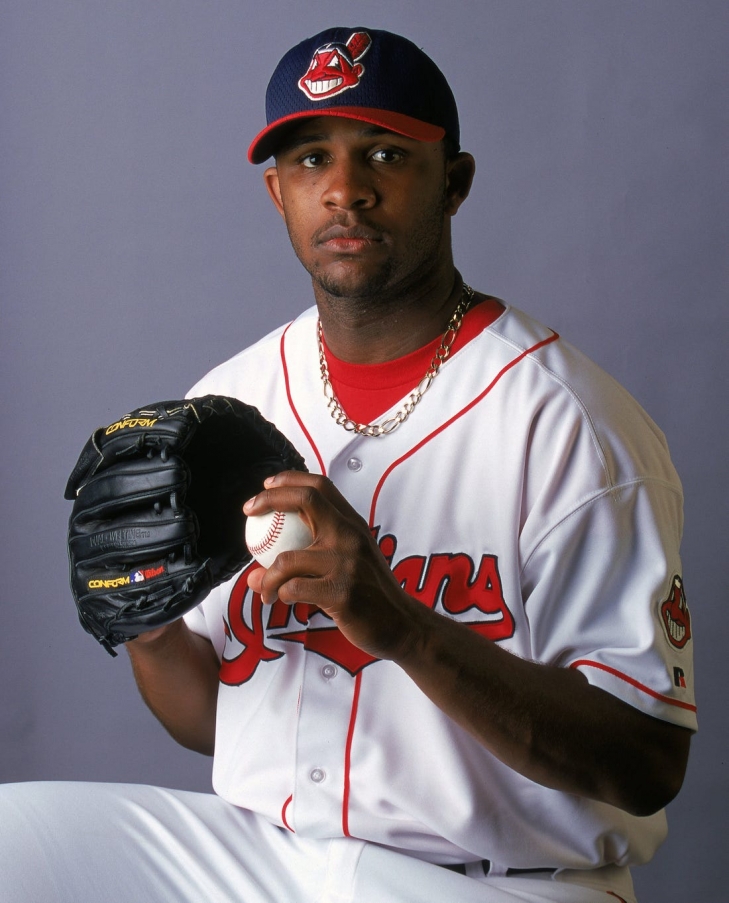
When a twenty-year-old C.C. Sabathia first stepped onto a Major League mound in 2001, he didn't just join the Cleveland rotation—he ignited it. Standing as a physical titan with a high-velocity arm to match, the young lefty authored a debut season for the ages, storming to a 17-5 record. While Ichiro Suzuki’s historic arrival in Seattle ultimately edged him out for Rookie of the Year honors, Sabathia’s presence in Cleveland was an immediate statement of intent. He possessed a specialized, heavy fastball that allowed him to navigate seven-and-a-half seasons in a Tribe uniform without ever recording a losing record, earning two All-Star nods before he had even reached his athletic prime.
The trajectory of his career reached its most dominant inflection point in 2007. That summer, Sabathia evolved from a raw power pitcher into a sophisticated tactical master, leading the American League with a staggering 241 innings pitched. He was the definition of a high-frequency workhorse, racking up 19 wins and a 5.65 strikeout-to-walk ratio on his way to capturing the Cy Young Award. His craftsmanship was the engine that powered Cleveland to the brink of a pennant, providing the veteran poise and high-leverage durability required to anchor a staff during a grueling postseason run.
Beyond the box scores, Sabathia’s legacy was defined by professional resilience and a genuine connection to the city. He remained the emotional heartbeat of the clubhouse until a June 2008 trade sent him to Milwaukee, but the foundation he built in Cleveland remained unshakable.
He exited the organization with 106 victories and 1,265 strikeouts, benchmarks that reflect a decade of sustained excellence off of Lake Erie.
32. Jim Bagby, Sr.
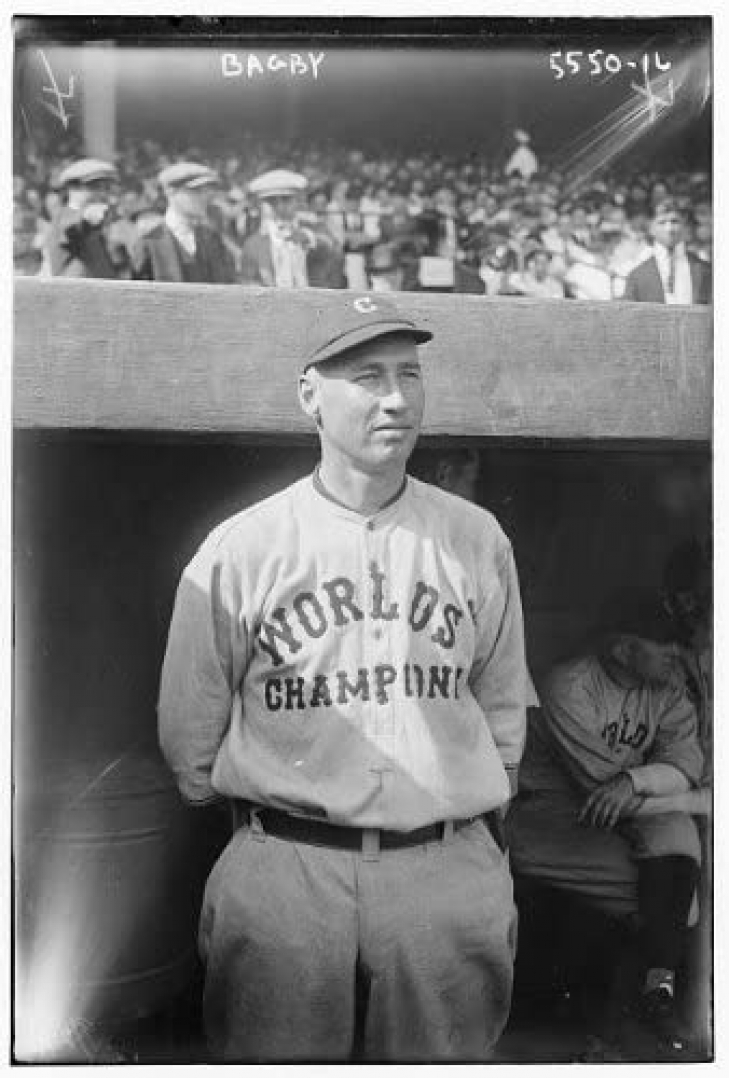
Bagby evolved into a premier workhorse as the franchise adopted the "Indians" moniker, consistently providing the high-leverage durability needed to keep the club in contention. He possessed a specialized ability to eat innings, maintaining a sharp 2.49 ERA over his first four seasons in a Cleveland uniform. However, his career reached an incredible inflection point during the legendary 1920 season. That summer, Bagby authored a workload that seems impossible by modern standards, leading the American League with 339.2 innings pitched and securing a staggering 31 victories. He was the definition of a high-frequency winner, serving as the tactical engine that powered Cleveland to its first-ever American League pennant.
The true magnitude of his contribution was felt during the 1920 World Series against Brooklyn. Bagby was a master of the big moment, becoming the first pitcher in World Series history to hit a home run, a feat of athletic versatility that punctuated his dominance on the mound. He was a model of specialized endurance, providing the strikes required to secure Cleveland’s first World Championship. This craftsmanship was the culmination of a peak that saw him lead the league in games started and complete games, proving that his game was built on a relentless refusal to leave the mound until the job was done.
His presence was defined by a professional resilience that eventually took its toll. After the heavy workload of 1920, his arm began to show the fatigue of those grueling seasons, leading to a decline in his effectiveness and an early exit from the sport just a few years later. He departed with a legacy of 122 victories and a reputation as the ultimate "big game" hunter in the twilight of the deadball era.
The organization provided the ultimate punctuation on his career nearly a century later by inducting him into the Cleveland Hall of Fame in 2007.
26. Terry Turner
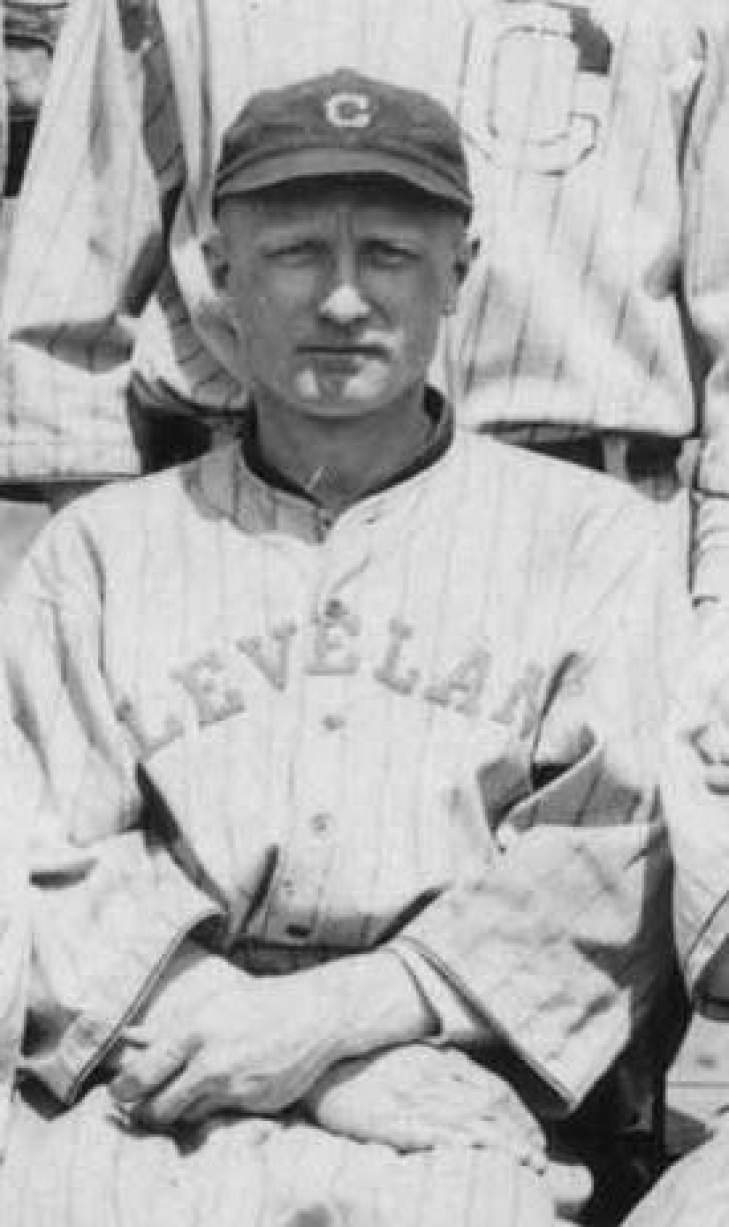
Terry Turner’s path to the American League was paved by the depth of the Pittsburgh roster, where future Hall of Famers Honus Wagner and Tommy Leach blocked his path to a starting role. Cleveland recognized the opening and secured the young infielder in 1904, a move that stabilized their defense for the next decade and a half. He surfaced as a shortstop and matured instantly into a premier run-preventer, reaching a defensive apex in 1906 when he recorded a staggering 5.4 dWAR, a mark that stands as one of the most statistically dominant fielding seasons in baseball history. He was a model of specialized range, leading the league in assists and double plays while providing the pitching staff with an elite security blanket.
The most impressive aspect of his tenure was his mastery of the "small ball" tactics required to survive the deadball era. Turner was a master of the sacrifice, authoring a career total of 264 sacrifice hits, a mark that still ranks him among the top three in franchise history. He possessed a specialized ability to manufacture runs without the benefit of power, utilizing a respectable .254 average and a fearless approach on the basepaths to pressure opposing batteries. He was the pioneer of the head-first slide, a technique he adopted to protect his ankles, and it served him well as he swiped 254 bases during his stay, a record that remained the Cleveland gold standard until the modern era.
In 1918, Turner departed as the organization’s most durable player, having played more games in a Cleveland uniform than any peer of his generation. With Cleveland, Turner compiled 1,472 hits, 254 stolen bases, and 264 sacrifice hits while appearing in a then-franchise record 1,619 games.
4. Jose Ramirez
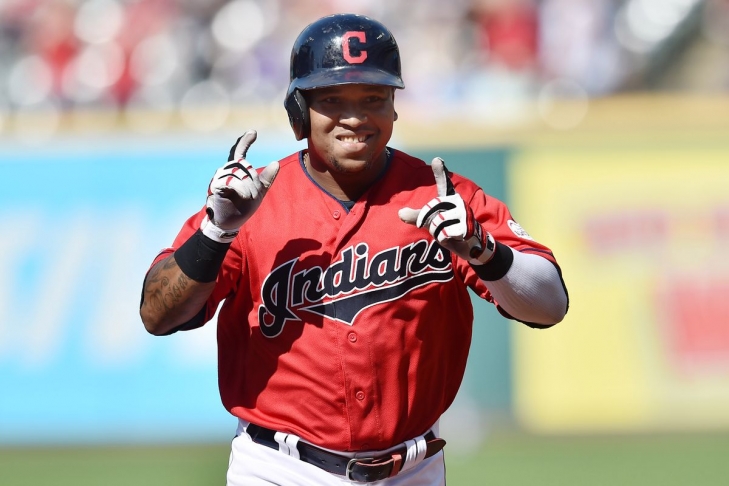
When José Ramírez arrived in Cleveland as an unheralded amateur free agent in 2009, few predicted he would become the statistical titan he is today. He debuted in 2013, but his true residency in the sport’s elite tier began with a breakout 2016 campaign, in which he helped anchor the team's run to the World Series. He arrived as a versatile "utility" piece but quickly matured into a cornerstone, displaying a combination of high-contact skill and a "leg-kick" power surge that turned him into a perennial MVP threat.
The middle of his journey has been phenomenal and consistent. Between 2017 and 2018, Ramírez firmly established himself as one of the game's premier players, leading the league in doubles (56) in 2017 and joining the prestigious 30/30 club a year later with 39 home runs and 34 stolen bases. He has spent the better part of a decade in the top 10 of MVP voting, finishing as the runner-up in 2020 and third on two other occasions. Whether it’s his five Silver Sluggers or his six All-Star appearances, Ramírez has proven that he is the rare superstar who can beat an opponent with a disciplined walk, a stolen base, or a walk-off blast.
The most significant chapter of his run occurred off the field in 2022. Amidst heavy speculation that he would be traded, Ramírez signed a long-term extension that effectively kept him in Cleveland for years. By prioritizing the city and the team over the open market, he solidified his status as a permanent hero. He followed that commitment with continued brilliance, including a massive 2024 campaign where he powered the Guardians to the postseason with 39 home runs and 118 RBIs, finishing fifth in the MVP race.
As he entered the 2025 season, the narrative of his residency remained one of a hunter chasing the final trophy. Still performing at an MVP-caliber level, Ramírez led a World Series-contending squad into the summer, continuing to climb the franchise leaderboards in home runs, doubles, and WAR. He is no longer just a "solid contributor”; he is a legend in real time, rapidly closing in on the top-five status in the organization's history.
José Ramírez’s walk toward the exit is still many years away, but his legacy is already etched in the dirt at Progressive Field. He arrived as a kid from Baní with a helmet that never stayed on his head and transformed into the emotional and statistical anchor of a franchise. He has proven that greatness isn't just about the numbers you put up, but the jersey you choose to wear while doing it.