

19. Phil Kessel

From Madison, Wisconsin, Phil Kessel had a very successful career in the NHL, where he became the league’s “Iron Man”, setting a record for consecutive games played with 1,064. As impressive as that accomplishment is, the other former players who had achieved that record over the previous decades were not the scorer that Kessel was.
Kessel was the 2006 WCHA Rookie of the Year in his lone year at the University of Minnesota, and the Boston Bruins were impressed enough to draft him with the fifth pick of that year’s draft. The Right Wing made the team quickly, but suffered a setback immediately when he was diagnosed with testicular cancer. He would beat it, and as a rookie, he won the Bill Masterton Trophy. Kessel played two more years in Boston and was a player on the rise, but that would take place elsewhere. The Toronto Maple Leafs traded two first-round and one second-round pick for Kessel before the 2009-10 Season began.
Kessel was a top scorer in Toronto, going to three All-Star Games and posting four 30-Goal seasons. Despite this, the Leaf fans turned on Kessel due to a perceived bad attitude and poor diet. In the hockey-mad city of Toronto, Kessel became the scapegoat for the Leafs' failures. He was traded to Pittsburgh in 2015 and played a significant role in the Penguins' back-to-back Stanley Cup titles in 2016 and 2017, and in the latter win, he mocked his own poor diet by filling the Cup with hot dogs, which he then proceeded to eat. He would later have his best season in hockey, posting a career-best 92 Points in 2017-18, and in 2018-19, he led the NHL in Game-Winning Goals with 10.
He continued to play a few more seasons, but his skills began to decline. In his final NHL campaign, Kessel won his third Stanley Cup as a member of the Vegas Golden Knights.
107. Dustin Brown
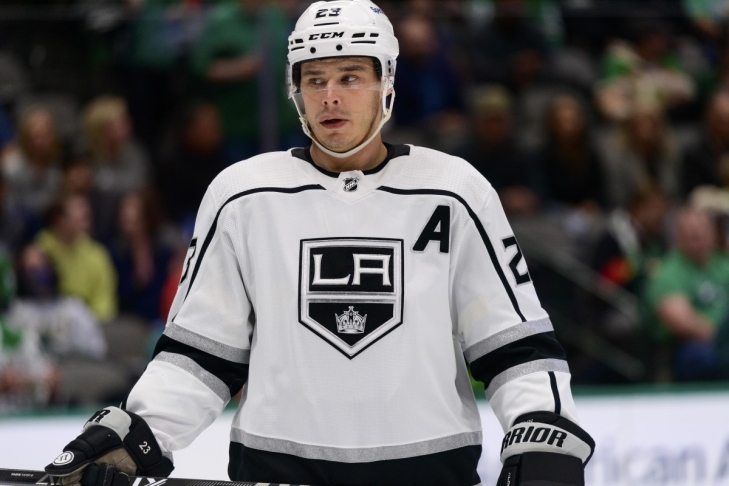
Dustin Brown played his entire professional career with the Los Angeles Kings, debuting for the squad in 2003 and playing in SoCal until 2022.
A natural leader, the native of Ithaca, New York, was L.A.'s 12th Overall Pick in 2003, quickly making the team and consistently being one of the team's leaders in Hits. However, he was not a stalwart in the Penalty Box. Brown led by example, selflessly acting in the best interest of his team, and though he was not the most gifted scorer, he tallied 712 Points over his career.
Ascending to the captaincy of Los Angeles, Brown led his team to Stanley Cup Titles in 2012 and 2014 while individually winning the 2014 Mark Messier Leadership Award.
While representing the United States, Brown participated in two Olympics (2012 & 2014), capturing Silver in the former Olympiad.
239. Dustin Byfuglien
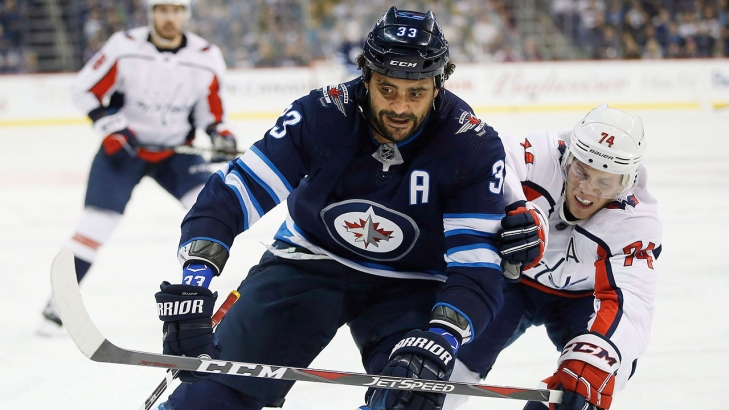
Already a Stanley Cup Champion (with Chicago) when Dustin Byfuglien was traded to the Thrashers in what would be their last year in Atlanta, he was moved back to his natural blueline position and essentially became a more valuable hockey player.
In that lone year in Atlanta, Byfuglien scored 53 Points and was an All-Star. As the team relocated to Winnipeg, the blueliner was cemented as their defensive star, reaching the 50 Point mark three times and cracked 40 another two. Byfuglien was seventh in Norris voting in 2010-11, and he received Norris votes five more times. A three-time All-Star as a Jet, Byfuglien is easily the best Defenseman in the young franchise's existence.
Sadly, it was an acrimonious end for Byfuglien in Winnipeg as he had personal problems in 2019, and requested a leave of absence, which led to a suspension. He was released in 2020, but his 525 career Points is an impressive tally.
13. Ryan Miller
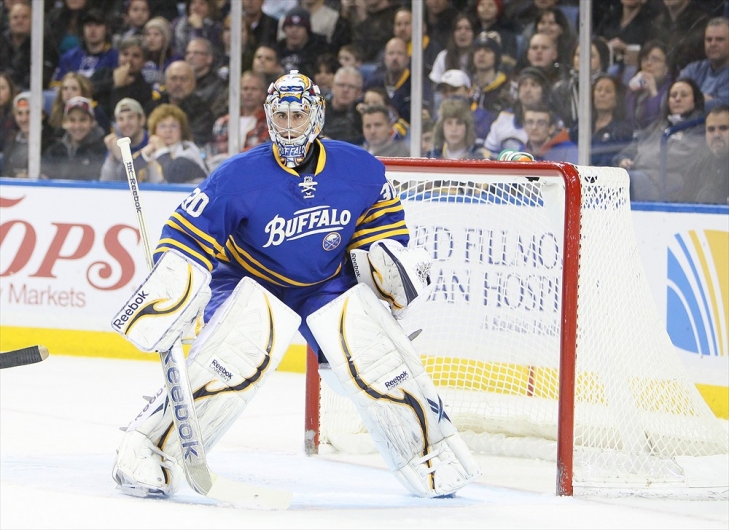
Because of the sheer greatness of Dominik Hasek, Ryan Miller was never going to be the best Goalie in Sabres history. That being said, we know that Miller was pretty damned good.
Miller joined the Sabres organization after three years at Michigan State, and in his fourth year of professional hockey, Miller became the primary netminder for Buffalo. He kept his GAA well under three, and finished sixth in Vezina voting in 2006-07, but Miller would have a banner year in 2009-10. That season, Miller led the NHL in Point Shares (16.8), winning the Vezina and was fourth in Hart Trophy voting. Miller would also post career-highs in Wins (41), GAA (2.22) and Save Percentage (.929). On top of everything, Miller was the prime Goalie for the United States in the Olympics, and while the Americans fell to Canada in the Gold Medal Game, it was widely believed that Miller was the best player of the tournament.
Miller could not match that year, but he remained a strong Goalie, later playing for St. Louis, Vancouver and Anaheim, finishing an 18-year career in 2021. He played in 540 Games, and had a 284-186-57 Record with a 2.58 GAA.
283. Bryan Smolinski
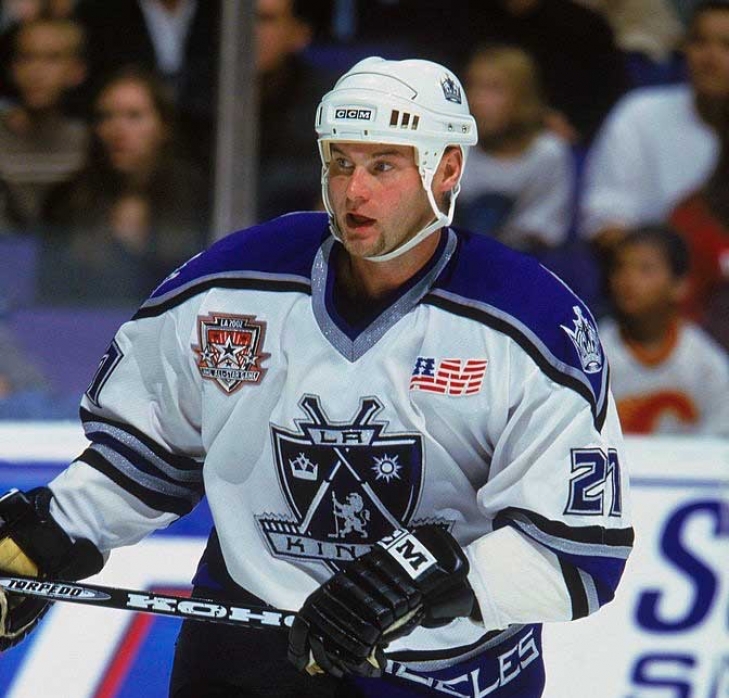
Bryan Smolinski could be considered a journeyman of sorts in the National Hockey League (he did play with nine teams) but his skill set was always coveted as every team can use a player who could score when needed and was adept at the penalty kill. The Centre would score 651 Points over a 1,056 Game NHL career.
217. Scott Young
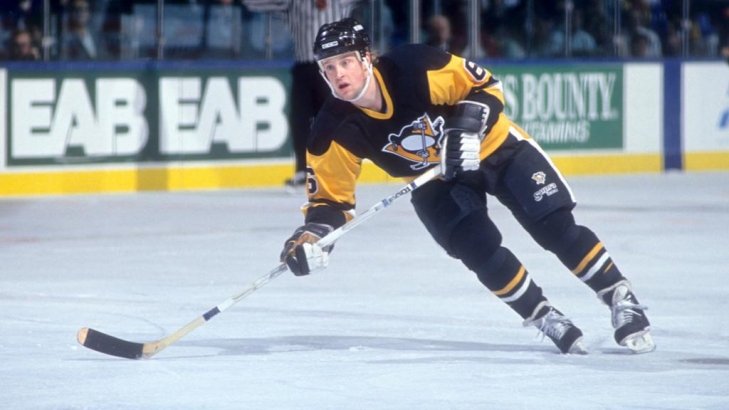
A member of the United States Hockey Hall of Fame, Scott Young quietly scored 756 Points over his 1,181-game career in the National Hockey League. Young played for six NHL teams, had four 60 Point seasons, and was a role player on two Stanley Cup Championship teams, one with Pittsburgh (1991) and one with Colorado (1996).
216. Craig Janney
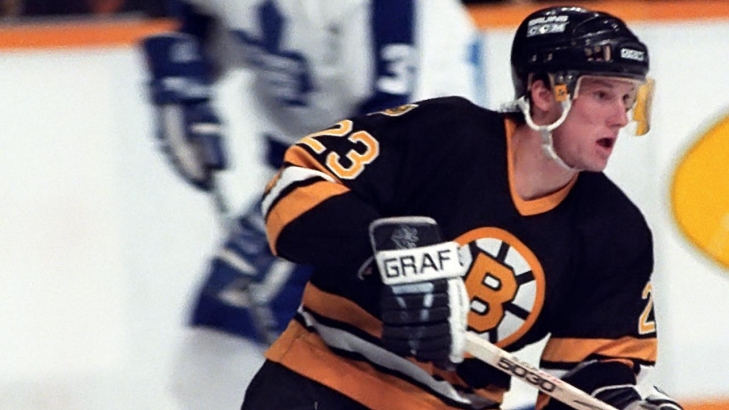
Nearly a Point per Game player over his NHL career (751 Points in 760 Games), Craig Janney might very well claim one of the best players never to make an All-Star Game. Janney was a brilliant playmaker who at times was one with the puck, and he would finish in the top ten in Assists four times, with a career high of 82 in the 1992-93 season. Janney, who was with the St. Louis Blues at the time, would tally 106 Points that year.
192. Ed Olczyk
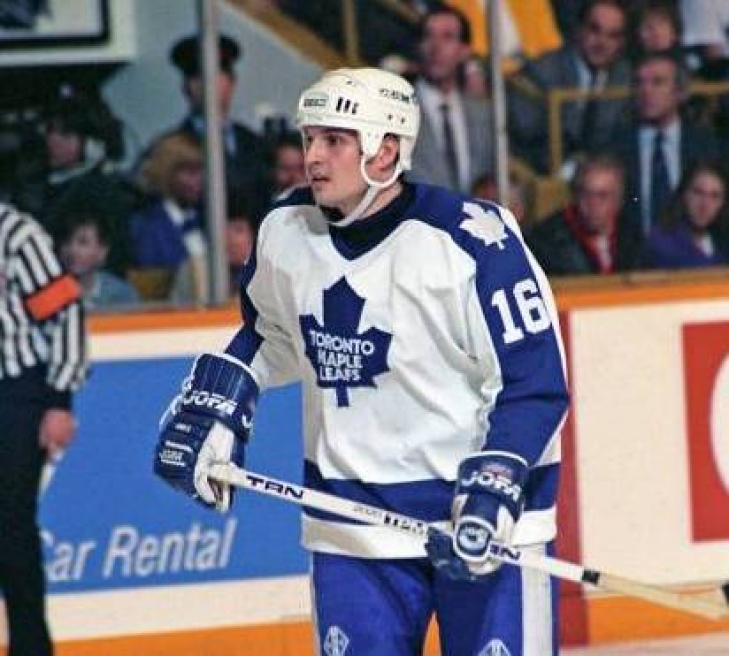
Falling six points shy of 800 over his NHL career, Ed Olczyk would play for six teams in the league, the best of which was when he would score 75, 90 & 88 Points respectively in his three full seasons with the Toronto Maple Leafs (1987-88 to 1989-90).
220. Eric Weinrich
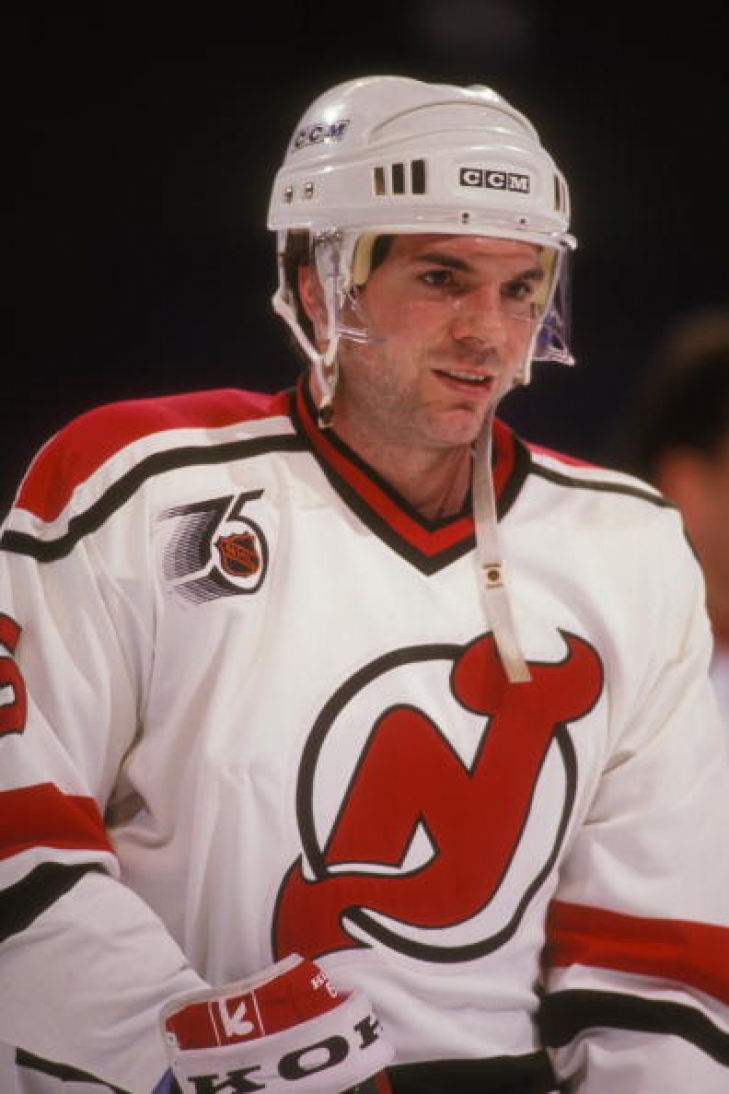
A veteran of 1,157 Games in the National Hockey League, Eric Weinrich provided solid defense for several clubs and was also a constant on the U.S. National Team. Weinrich was an above-average blueliner who brought steadiness to every team he played for. While he was never flashy or considered an All-Star, his long tenure in both the National Hockey League and internationally for the U.S. gives him a career worth celebrating, though more likely as a member of the U.S. Hockey Hall of Fame.
165. Reed Larson
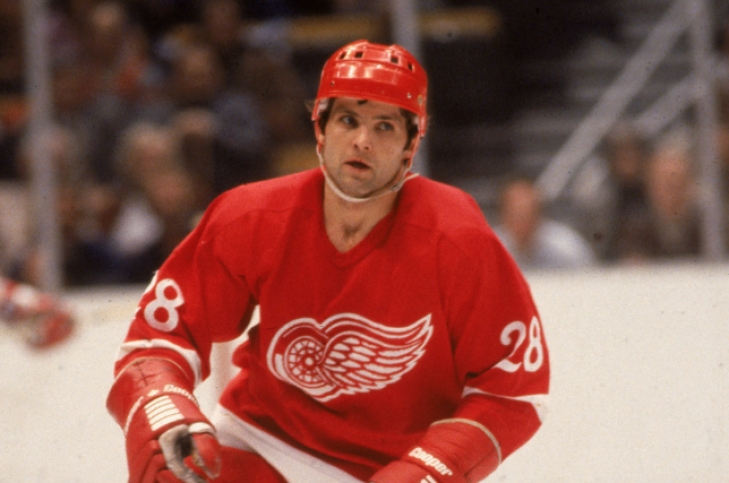
143. Derian Hatcher
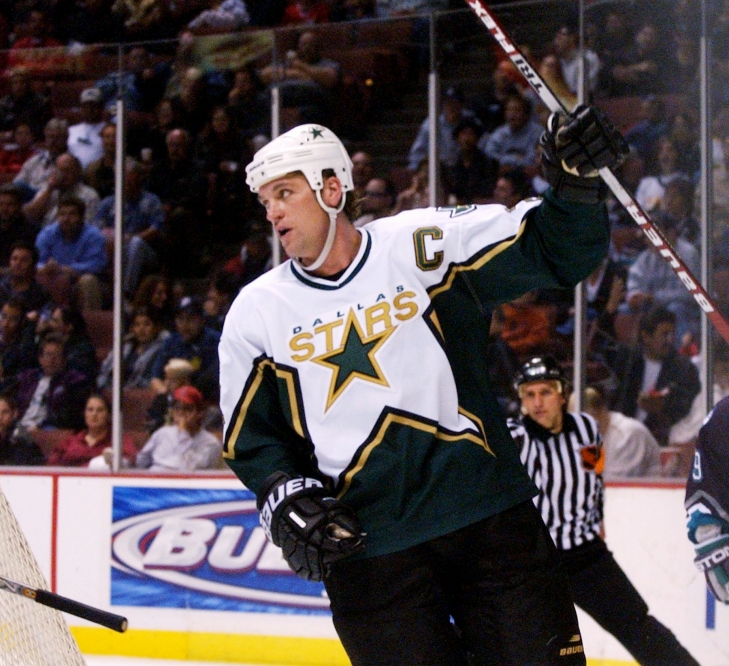
Derian Hatcher was not the type of Defenseman who was going to light the lamp regularly, but he was the type of blueliner who was going to keep you from doing it.
293. Paul Martin
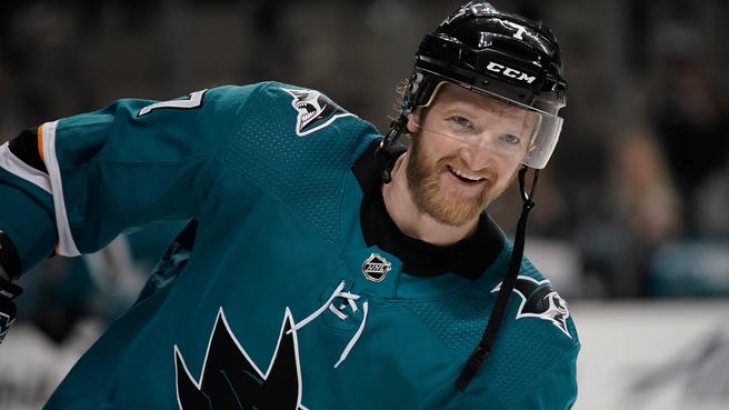
228. Mike Ramsey
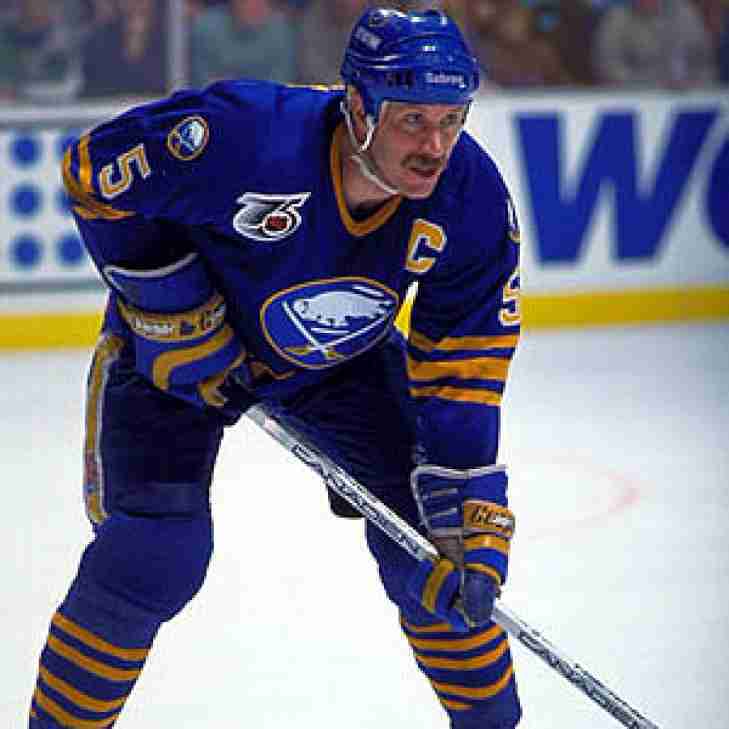
A member of the famed United States “Miracle on Ice” team, Mike Ramsey, continued his run as a defensive anchor in an over 1,000-game career in the National Hockey League. Ramsey played most of his career with the Buffalo Sabers, where his well-above-average defensive skill was complemented by five seasons of 30 or more Points. A four-time All-Star, Ramsey received votes for the Norris Trophy (finishing as high as seventh) four times and would represent the U.S. in two Canada Cups.
48. Mathieu Schneider
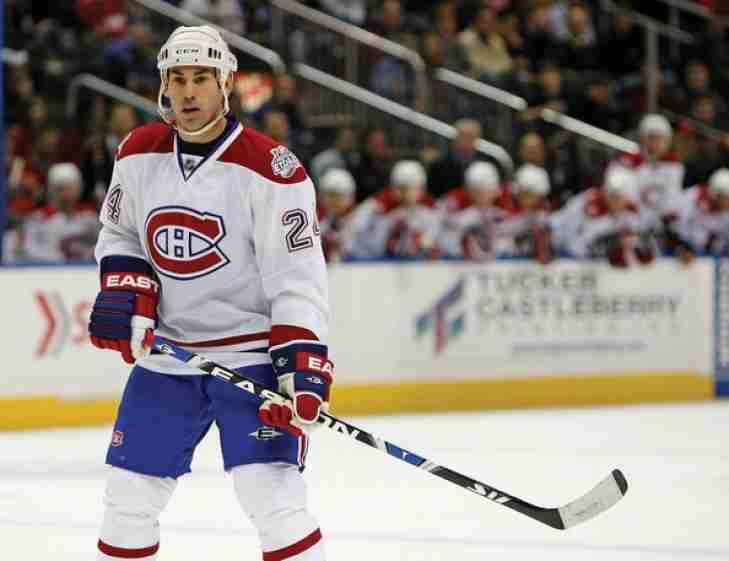
162. Bill Guerin
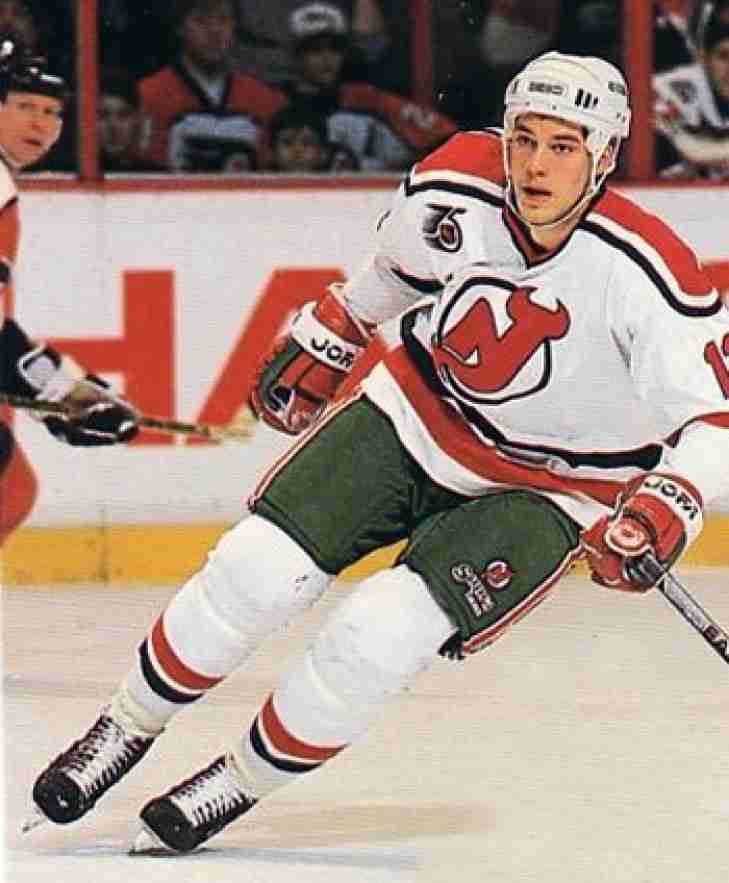
264. Scott Gomez
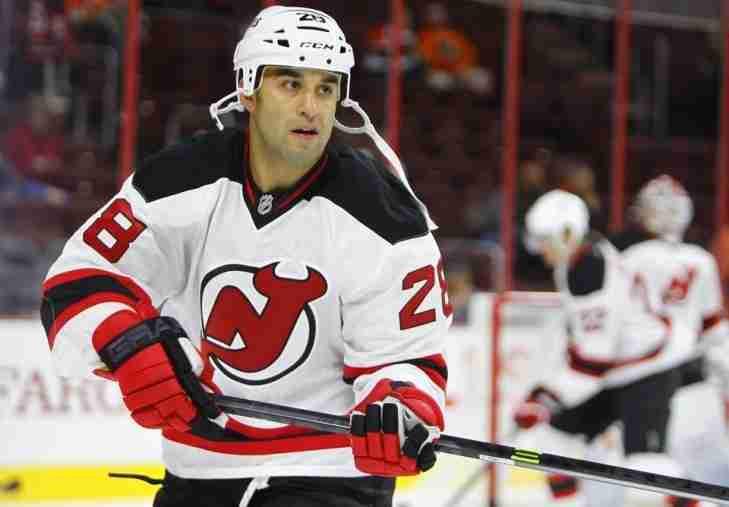
42. Gary Suter

Gary Suter started off with a bang, winning the Calder Trophy with the Calgary Flames. Suter continued to rack up points for the Flames, and the star was able to hoist the Stanley Cup in 1989. Year after year, Gary Suter was among the league leaders in points by a defenseman. With a career garnering 844 points, he is among the elite and is in the conversation when discussing the best American-born defenseman ever. Had he ever won a Norris trophy, he would have likely seen his chances increase by a wide margin.
45. Neal Broten
Arguably one of the best players to come out of the hockey-rich state of Minnesota, Neal Broten did not just come from the Gopher State; he played virtually his entire career there. Broten played his collegiate hockey for the University of Minnesota and played the bulk of his career for the Minnesota North Stars. The American Center was part of the 1980 Miracle on Ice team, and although he never did get a Stanley Cup Ring in Minnesota, he did gain that accolade with the Devils in 1995. Although Broten failed to reach 1,000 career points, he did record more than 60 assists four times in a season. With his Collegiate and International play, he must be considered a wildcard possibility to enter the Hall.
150. Kevin Hatcher
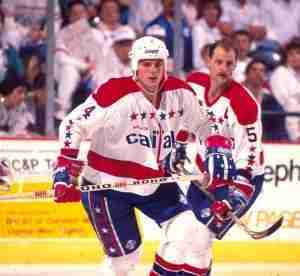
Likely because he played the bulk (and peak) of his career with the Washington Capitals, a lot of hockey fans were not watching Kevin Hatcher. The durable defenseman was able to score a lot of points and netted 34 goals in the 1992-93 campaign. On four occasions, Hatcher was able to achieve at least 50 points and was able to get 677 for his career. The five-time All-Star may not make the Hall in Toronto, but he should be able to rightfully gain entry into the United States Hockey Hall of Fame.
54. John Vanbiesbrouck
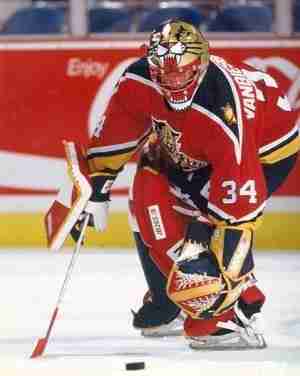
John Vanbiesbrouck’s career may be best described as one of “missing out.” He achieved great success as a New York Ranger, but was outplayed by Mike Richter, who won the starting job, and “Beezer” was shipped out before he could see the Rangers win that elusive Cup. His best work was with the Florida Panthers, where he gave that team “legitimacy” and actually took that team to a Stanley Cup berth, where he again “missed out” on winning. John Vanbiesbrouck seemingly had many very good seasons, but not exactly a great one, or a career-defining moment. His total of 374 career NHL wins is impressive, but he just lacked that intangible that makes it possible for the Hall to keep him out.
