

15. Butch Goring
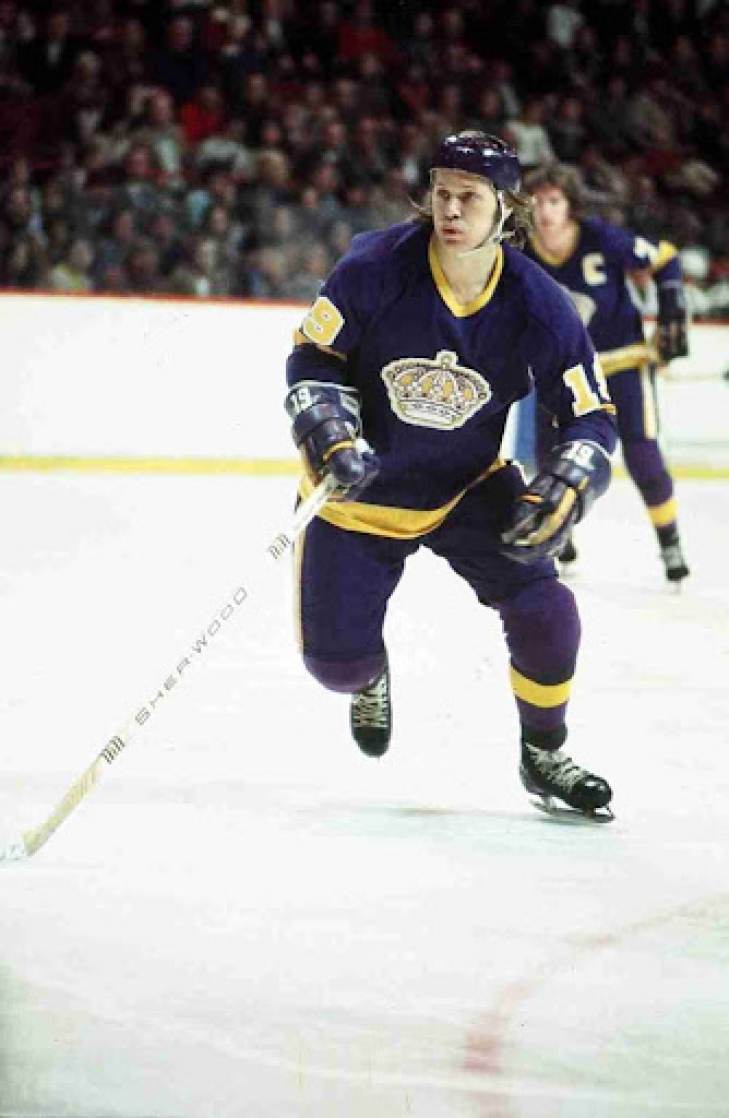
Bouncing between the minors and the Kings through his first two seasons, Goring showed a lot of potential in this period, and in 1971, his days in the secondary league were over.
Goring scored 50 Points in 1971-72, increasing it to 59 and 61 the next two years with a 60-Point year as the follow-up. Even in the 1970s, Goring was small, listed at 5' 9", and 170 pounds, but likely was smaller than that. Goring took his game to a higher level with the increased ice time, alternating 70-plus and 80-plus Point years over the next five years. The hockey writers noticed the cleanliness of his play, as it took until 1978-79 before he had double digits in Penalty Minutes. Goring won the Lady Byng Trophy in 1978 and was also awarded the Bill Masterton Trophy, a testament to his high output despite his small frame.
Goring was traded to the New York Islanders late in the 1979/80 Season, where he proved to be the final piece of the puzzle for the team that won four straight Stanley Cups.
With the Kings, Goring scored 659 Points with only 66 Penalty Minutes in 736 Games.
14. Charlie Simmer
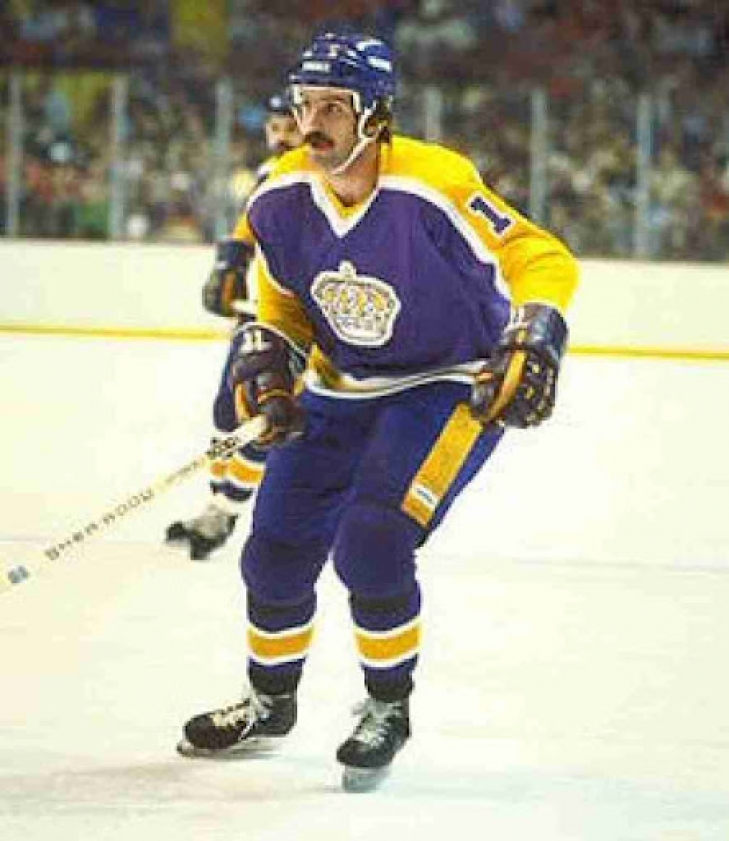
Charlie Simmer began his career with the California Seals, and after a brief period with the Cleveland Barons, he found himself with Los Angeles. After playing most of the 1977-78 Season in the Minors, Simmer split the following year with Springfield (AHL) and L.A., but the Left Wing established himself with 48 Points in 37 Games, and he was never demoted again.
Simmer was now on a line with Marcel Dionne and Dave Taylor, the famed "Triple Crown Line." In 1979-80, Simmer led the NHL in Goals with 56 and Power Play Goals (21). He was named a First Team All-Star and was so again in the year after, when he repeated his light-lamping output with 56.
Simmer could not reproduce the magic of those two years, though he did have an 80 Point campaign in 1982-83 with a 92 Point follow-up in 1983-84. The Kings traded Simmer to the Bruins very early in the 1984-85 Season, and Simmer left the L.A. with 466 Points in 384 Games.
13. Kelly Hrudey
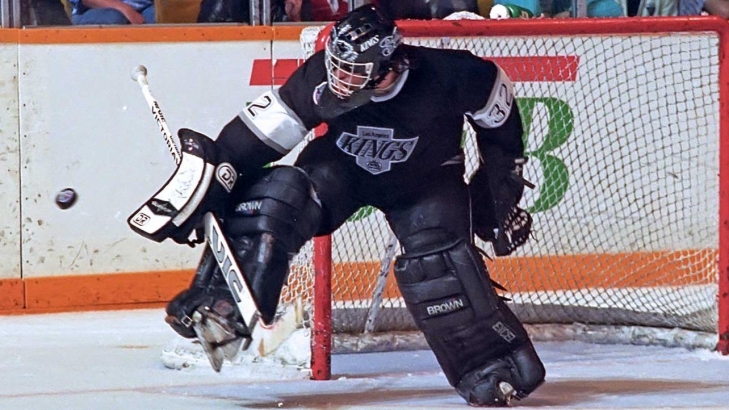
Kelly Hrudey already had his share of playoff heroics before he became a Los Angeles King. He recorded 73 Saves in the quadruple overtime win over Washington in Game 7 of the 1987 Patrick Division Semi-Finals. He earned a chance to go deeper into the postseason when he was traded to L.A. in 1989.
Hrudey was a King for eight years, and during some of those years, he could be classified as one of the better Goalies in the NHL. In 1990-91, he had a sub-three GAA and was fourth in Vezina voting. Hrudey followed that with another top-ten finish in Vezina voting, but the year after, he backstopped L.A. to the Cup Finals. The Kings did not win, but Hrudey had an excellent post-season, but it was not good enough to defeat Patrick Roy of the Montreal Canadiens.
Hrudey remained with the Kings until he joined San Jose as a Free Agent and would have a record of 145-135-55 with a 3.47 GAA.
12. Jeff Carter
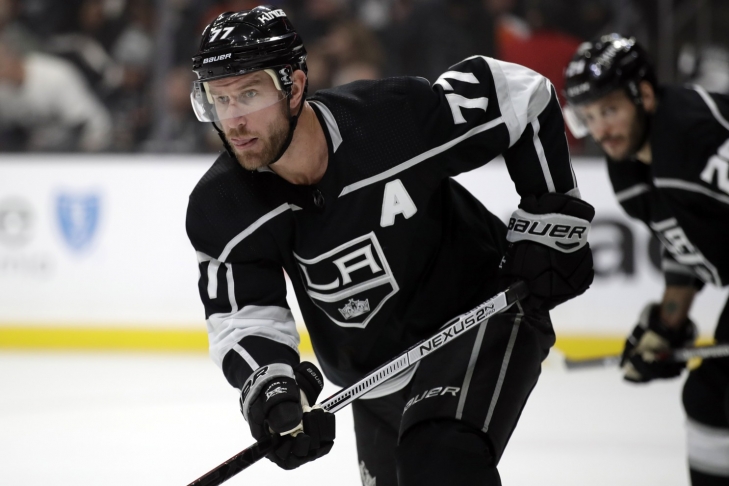
The Los Angeles Kings were the third team of Jeff Carter’s career, the first being Philadelphia, where he was an All-Star in 2009. The second was Columbus, a team he didn’t play for long, as they traded him at the 2012 deadline to Los Angeles. Arguably, it was the trade that took the Kings to their first Stanley Cup.
While it can be stated that Carter's best individual seasons were as a Flyer, it was as a King where he had his greatest success. A natural leader, Carter gave Los Angeles scoring depth and was the leading goal-scorer (8) in the 2012 playoffs. Carter led the NHL in Game-Winning Goals the following year (8), and again, he was a potent force in Los Angeles' 2014 Stanley Cup win.
Following that title, Carter put forth three consecutive 60-Point campaigns, culminating with an All-Star appearance in 2017. Carter slowed down after that and was dealt to Pittsburgh late in the 2020-21 season.
As a King, Carter scored 383 Points.
11. Bernie Nicholls
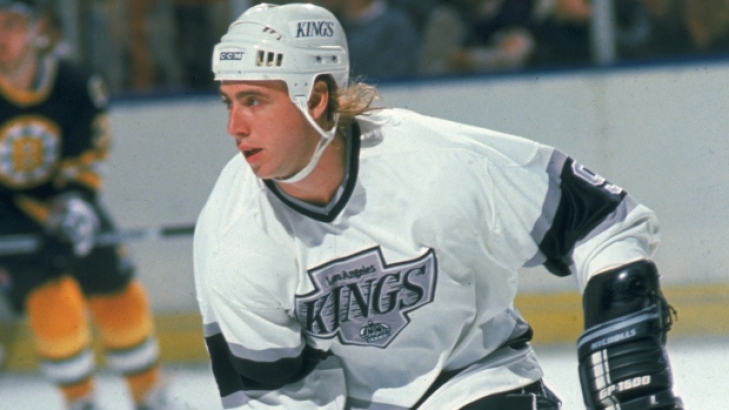
Bernie Nicholls might be one of the most potent scorers you forgot entirely about.
There is ample reason for it. First off, Nicholls was overshadowed by Marcel Dionne and later Wayne Gretzky. As many Points as the Center scored for L.A. (758), he did most of this on the second line, an impressive feat. Nicholls was with the Kings throughout the 1990s, scoring over 75 Points seven years in a row (1983-84 to 1989-90), with three of those years seeing Nicholls exceed 100 Points.
Nicholls had a special year for Los Angeles in 1988/89, joining the rare 70 Goal, 150 Point club, which was incredible for a second-line player. He was fifth in Assists and fourth in Points this year, and his 70 Goals remain the highest amount ever by a King in a season.
Nicholls, named to his third All-Star Game appearance in 1990, was traded the day before the contest to the New York Rangers because the Kings' ownership felt he might have been a little soft and thought it best to change the team's makeup. Nicholls scored 658 Points for Los Angeles with a 1.25 PPG.
20. Justin Williams
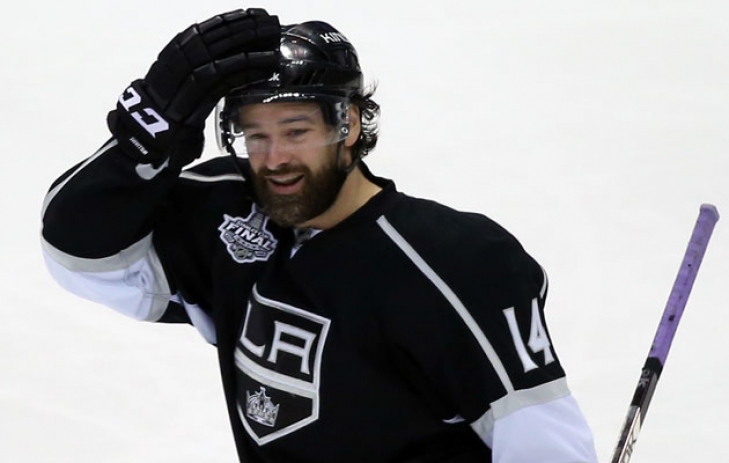
“Mr. Game 7”.
If you are not going to be a Hall of Fame player, there is no better nickname to have than that.
The man with that moniker, Justin Williams, earned his reputation by participating in nine final playoff contests and winning eight, with 15 Points, an all-time record. Williams, who won a Stanley Cup with Carolina in 2006, was traded to L.A. in 2009, and it was with the Kings where his playoff heroics continued.
Williams stayed with Los Angeles until 2015, scoring 266 Points in 427 Games. Those are respectable numbers, but when the pressure was on the tightest, the Right Wing responded accordingly. Williams played a large part in Los Angeles' first Stanley Cup win in 2012, scoring 15 Points in the playoffs. Two years later, L.A. won it all again, with Williams scoring 25 Points with a post-season leading Plus/Minus of +13. For his efforts, Williams won the Conn Smythe Trophy as the playoff MVP.
10. Rogie Vachon
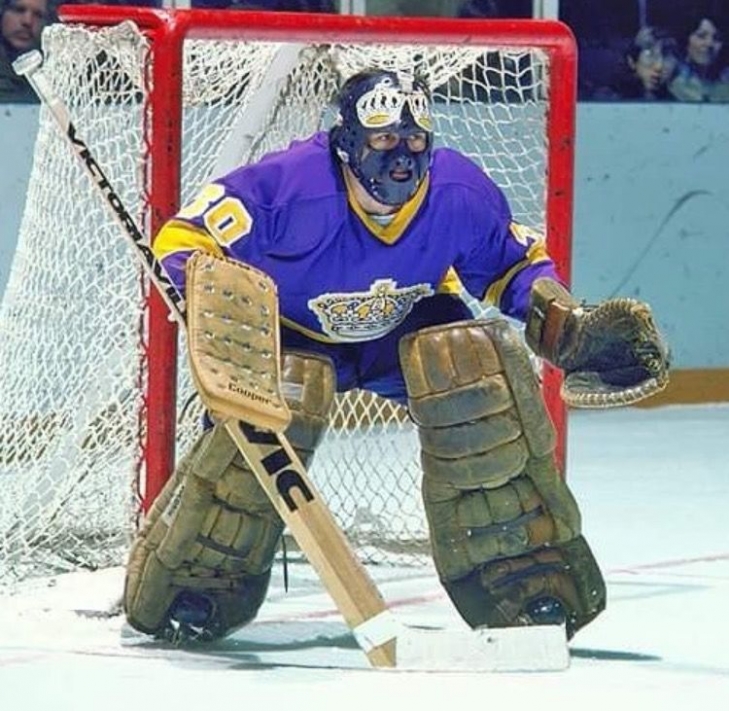
A two-time Stanley Cup Champion with Montreal, Rogie Vachon was traded to the Los Angeles Kings one Game into the 1971-72 Season, and it was with the Kings that Vachon cemented his Hall of Fame resume.
Vachon's first year in L.A. was not very good, but he was easily the best player the Kings had over the next four years. In 1974-75 and 1976-77, Vachon was a Second Team All-Star and a Finalist for the Hart in both years. Had it not been for the greatness of Ken Dryden, he would have been a First Team All-Star at least twice. Thanks to Vachon, the Kings made the playoffs five times. Although they weren't serious contenders, their presence in the postseason was largely due to Rogie.
The Los Angeles days of Vachon ended when he signed with the Red Wings in 1978, and Vachon gave them 171 Wins against 148 Losses and 66 Ties. In 1985, the Kings made him the first player in franchise history to have his number retired when number 30 was taken out of circulation.
Vachon was inducted into the Hockey Hall of Fame in 2016.
9. Rob Blake
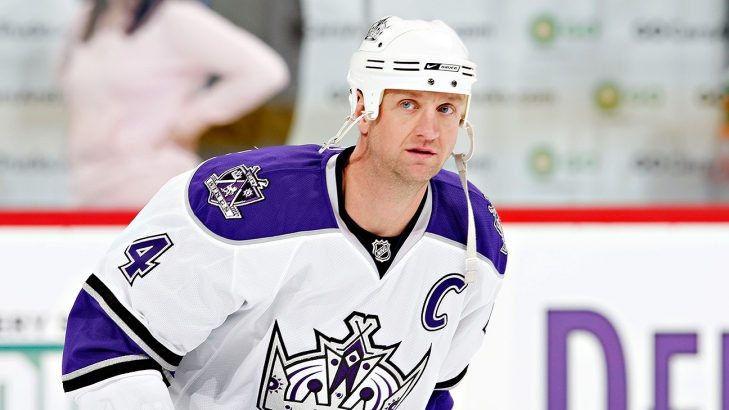
When the Los Angeles Kings drafted Rob Blake with the 70th Overall Pick in 1988, they likely did not say internally that they drafted a player who would be one of the best Defensemen and prolific leaders in the game's history, but that is what they acquired. Blake, who was playing at Bowling Green when he was chosen, remained with the Falcons for another two years before joining the Kings at the tail end of the 1989-90 Season, giving Blake a taste of what he could do in an entire season.
Blake was an All-Rookie with 46 Points, and though he slipped to 20 Points the following year, he rebounded with 59 and 68 Points, respectively, the latter being a career-high and enough to earn him his first All-Star Game appearance. The Canadian was beset with injuries over the next two years, and Blake only appeared in 30 Games. Still recovering, Blake had 31 Points in the 1996-97 Season, which was good, but nothing to make you think that he would rise to the upper-tier of Defenseman. Everything was about to change in 1997.
Blake was healthy, and he scored an even 50 Points with a career-high 23 Goals. Not only that, his attention to his end of the ice improved, and along with his grit and aggression, Blake became one of the most complete players in the league. He won the Norris Trophy and was a First Team All-Star, making Blake the first Kings blueliner to earn those honors. He continued his momentum, scoring 59 Points in 1999-2000, and was a Second Team All-Star. Blake was on route to another 50-Point Season the following year, but it was destined to be split between two teams.
Although Blake was an incredible player, the team around him wasn’t, and the Kings went into rebuilding mode, trading away Blake to the powerful Colorado Avalanche. Blake helped the Avalanche win the Stanley Cup, and he earned Second Team All-Star accolades that year. Blake returned as a Free Agent to L.A. four years later, playing two more years in a Kings uniform before departing to San Jose to close his career.
In his second year of eligibility, Blake entered the Hockey Hall of Fame in 2014, and his no.4 was retired by Los Angeles.
8. Dustin Brown
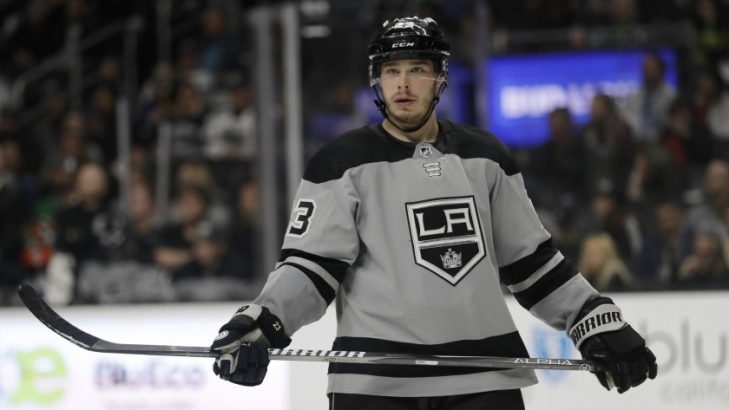
Dustin Brown is one of those players whose traditional stat line does not tell the story.
A former First Round Pick (13th Overall), Brown made it to the Kings in his first year in pro hockey, and he has been praised for his grit, tenacity, and leadership ever since. A genius at drawing penalties, Brown is not a natural scorer, but he has achieved seven 50-plus Point seasons over his career, with 712 Points in total.
Brown was the team captain in the Kings' wins in the 2012 and 2014 Stanley Cups, especially in 2012, where he was the playoff leader in Goals (8), Assists (12), Points (20), and Plus/Minus (16). Brown also had three Game-Winning Goals in the playoffs. Naturally, Brown won the Mark Messier Leadership Award in 2014.
He played with the Kings until 2022, when he retired after an 18-year career, and L.A. retired his number 23 the following year. Brown may never make the Hockey Hall of Fame, but the story of the Los Angeles Kings can not be written without him.
7. Dave Taylor
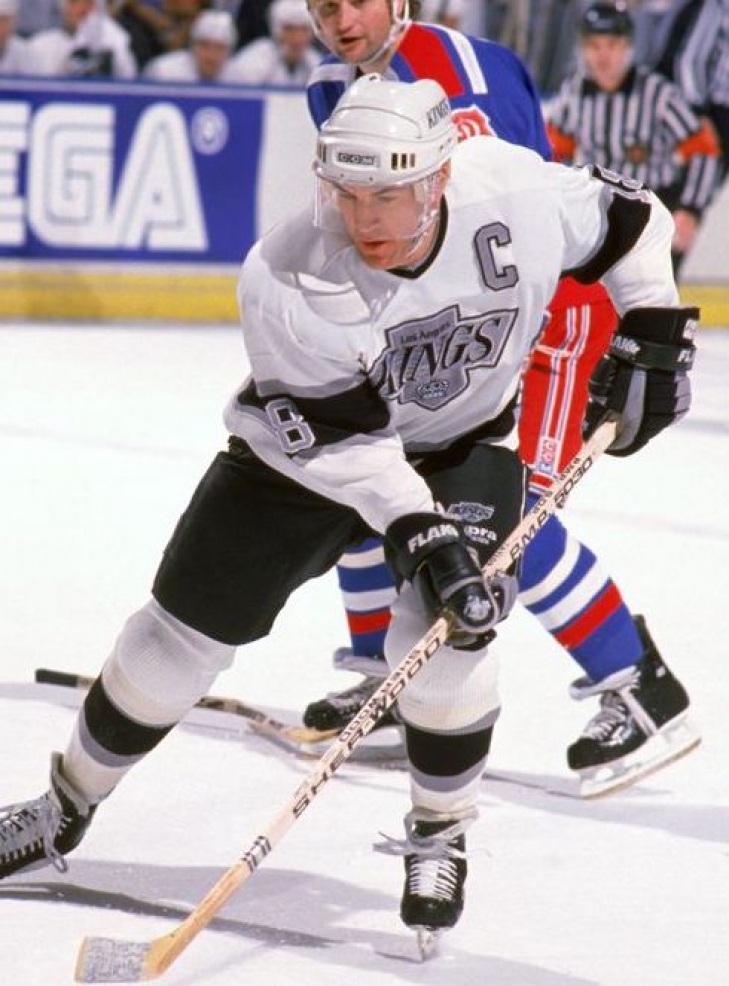
Dave Taylor played college hockey with Clarkson University, where he became the institution’s all-time leading scorer. As Clarkson is not known for their Hockey prowess, Taylor was a low pick (210th Overall in 1975) but continued to improve. Playing two more years at Clarkson, Taylor joined the Kings, which became the only NHL team in his career.
Taylor had 91 Points in his sophomore season and 90 in his third. The Right Wing would join Marcel Dionne and Charlie Simmer on what became Los Angeles's famed "Triple Crown Line," resulting in back-to-back 100-Point campaigns. In Taylor's best year, 1980-81, he had career-highs in Points (112), Goals (47), and was named a Second Team All-Star.
Taylor remained a potent scorer, cracking 90 Points for the fifth time in 1984-85. As he got older, he continued to provide depth and leadership, so much so that in 1991, he won both the King Clancy and Bill Masterton Memorial Trophies.
Taylor retired after the 1993-94 Season, and he remains the lowest drafted NHL player in the 1,000 Point Club. The Kings gave him the ultimate honor in 1995 when they retired his number 18.
1. Marcel Dionne
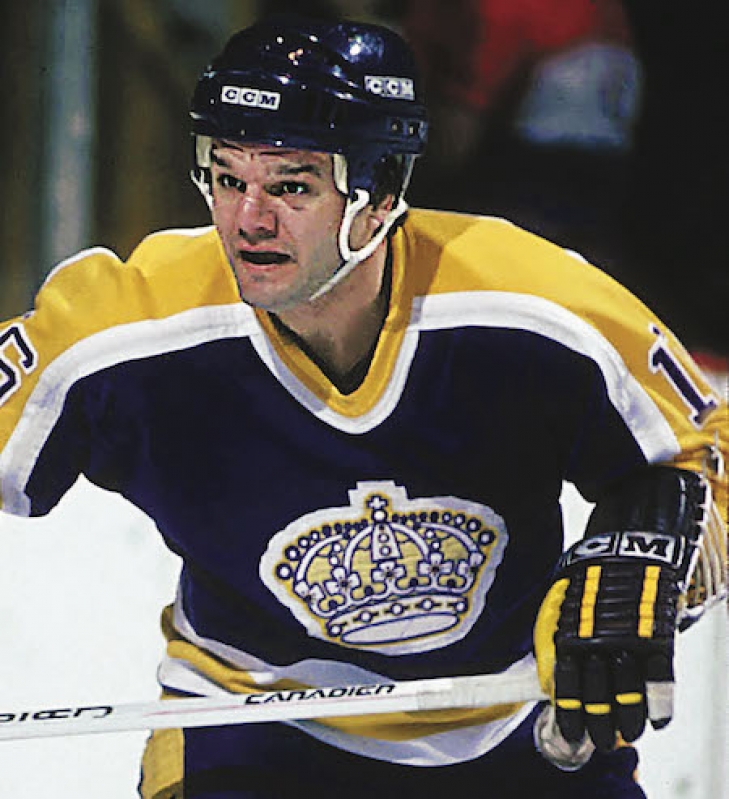
Marcel Dionne played his first four seasons for Detroit, where he emerged as their brightest star, but the team itself was abysmal. His agent orchestrated a trade to Los Angeles, where in the bright lights, he became their first bona fide superstar.
Dionne had 94 Points in his debut season as a King, but he shot that up to 122 in his second campaign wearing the crown. The French-Canadian Center was a First Team All-Star, won the Lady Byng, and the best was yet to come.
He would eventually be joined by wingers Charlie Simmer and Dave Taylor, dubbed "The Triple Crown Line," arguably the first star threesome in Kings' history. Dionne scored 130 Points 1978-79, finishing third in Hart Trophy voting but winning the Ted Lindsay Award (then named the Lester B. Pearson Award) as the MVP as voted on by his peers. He missed out on the Hart again in 1979-80, losing to Edmonton's Wayne Gretzky, but Dionne beat him for the Art Ross (he tied Gretzky in Points with 137, but had more Goals) and won his second Ted Lindsay Award.
Gretzky would then eclipse Dionne as the premier Center in hockey, but Dionne was still a potent player. He would have four more 100-plus Point campaigns for Los Angeles, and in six of his 11 years as a King, he eclipsed 50 Goals.
History repeated itself as Dionne grew frustrated with the Kings' inability to go deep in the playoffs or even make it at all. He requested a trade to a contender, which he got late in the 1986-87 Season to the Rangers, where he would finish his career.
With the Kings, Dionne scored 1,307 Points and is the all-time leader in franchise history. He entered the Hockey Hall of Fame in 1992 in his first year of eligibility, and in 1990, his number 16 became the second jersey retired by the team.
4. Luc Robitaille
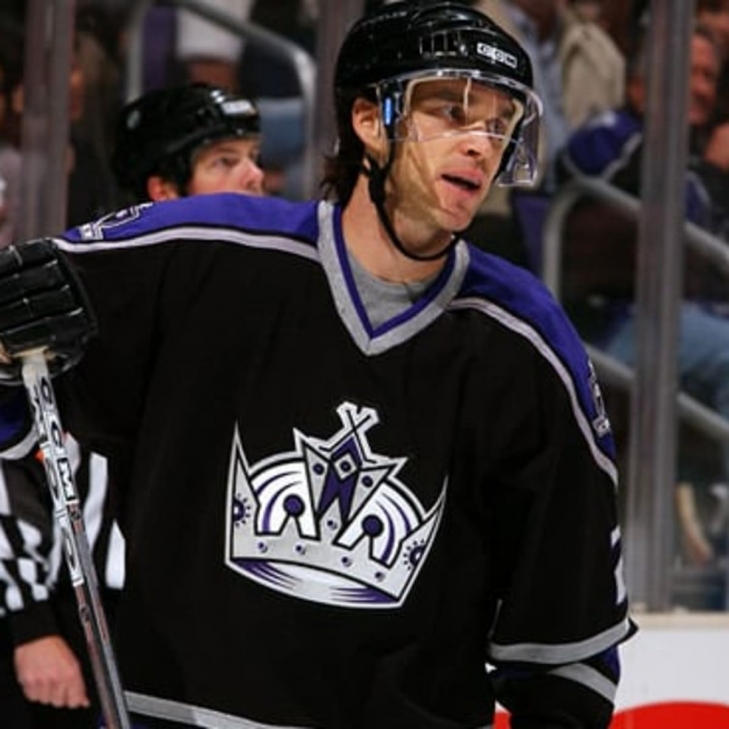
In the late 80s and early 90s, there was no question that Luc Robitaille was the top Left Wing in the National Hockey League, and it took him very little time to establish that title. What made it all the more impressive was that Robitaille turned out to be a steal as a Ninth Round Pick.
Two years after the Kings selected him, Robitaille made the team out of training camp and had an unexpected season, scoring 84 Points, earning Second Team All-Star accolades, and winning the Calder. This was no fluke, and he only got better, scoring over 100 Points in four of the next seven seasons, with his bottom only being 86 Points. Wayne Gretzky had arrived in 1988, and Robitaille would be a five-time First Team All-Star, four of which with Gretzky as his linemate. The Kings became contenders, largely thanks to Robitaille.
As Los Angeles began to slump, he was traded to Pittsburgh, but he returned three years later as a Free Agent. Robitaille was older but still a potent scorer, winning his third Second Team All-Star Selection. He left L.A. again, this time on his own accord, joining Detroit as a Free Agent. Robitaille finally got that elusive Stanley Cup (2002) but returned to the Kings to finish his career for two final seasons.
Robitaille is the franchise leader in Goals (557) and was enshrined in the Hockey Hall of Fame in 2009, two years after his #20 was retired by the team.
6. Jonathan Quick
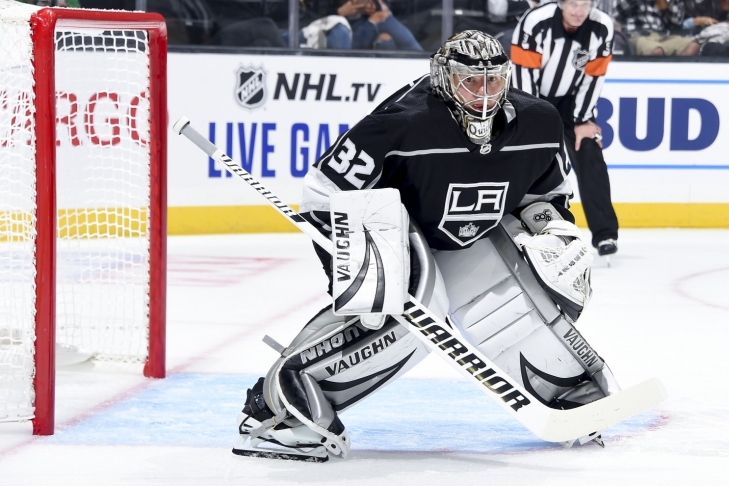
Jonathan Quick played the first fifteen years plus of his career in the National Hockey League with the Los Angeles Kings, a team that he backstopped to two Stanley Cups (2012 & 2014).
Quick won the starting job in 2008, and in five different seasons, he appeared in between the pipes 60 times. Twice an All-Star, Quick was outstanding in 2011-12, finishing second in Vezina voting, netting a Second Team All-Star nod while posting a sparkling 1.95 GAA. Quick was even better in the playoffs, winning his first Stanley Cup and Conn Smythe when he had a 1.41 GAA and .946 Save Percentage. He was also the Goalie of record in Los Angeles' second Stanley Cup in 2014. He also won two William M. Jennings Trophies while wearing the crown.
The rebuilding Kings traded Quick to Columbus (who packaged him to Vegas a day later) in the 2022/23 Season, and whether or not you think that he was the best Goalie in franchise history, there is no question that he is the most successful.
3. Anze Kopitar

Anze Kopitar made history in 2006 as the first Slovenian to make the National Hockey League. As it looks now, it could be decades, if ever, before anyone supplants Kopitar as the best player from that nation.
Despite there not being anyone at Kopitar's level in Slovenia, he was highly scouted and transferred to the Swedish League. After a year there, Kopitar was taken 11th Overall in the 2005 Draft, a move that some considered a risk. Kopitar elected to stay in Europe for one more season, and the more polished Center ventured overseas, ready to show off what he learned.
Kopitar had 61 Points as a rookie, and he never dipped below that number in his first six years. An All-Star in 2008, Kopitar scored 81 Points in 2009-10, which was the best tally of the first half of his career. Kopitar went to another All-Star Game in 2011, and in 2012, he was the offensive spark plug of the Kings' 2012 Stanley Cup Championship, a playoff run that saw Kopitar (along with Dustin Brown) lead all skaters in scoring with 20. Kopitar led Los Angeles to their second title two years later, and Kopitar was again the postseason leading scorer (26).
Since his second Cup, Kopitar has collected individual accolades. In addition to three more All-Star Games (2015, 2018 & 2020), Kopitar was a dual-award winner in 2015-16, capturing the Frank J. Selke and Lady Byng. Kopitar won his second Selke in 2917-18, in a year where he posted a career-high 92 Points. For his efforts, Kopitar was a finalist for the Hart Trophy for the first time in his career. He continued to produce and collect awards, including the Mark Messier Leadership Award in 2021/22 and his second Lady Byng the year after.
As of this writing, Kopitar is entering his 20th and final season in Los Angeles with 1,280 Points, going into the 2025-26 Season, and could become the all-time leading scorer for this franchise. Considering the snipers and offensive superstars this team has housed, that would be incredible.
2. Drew Doughty
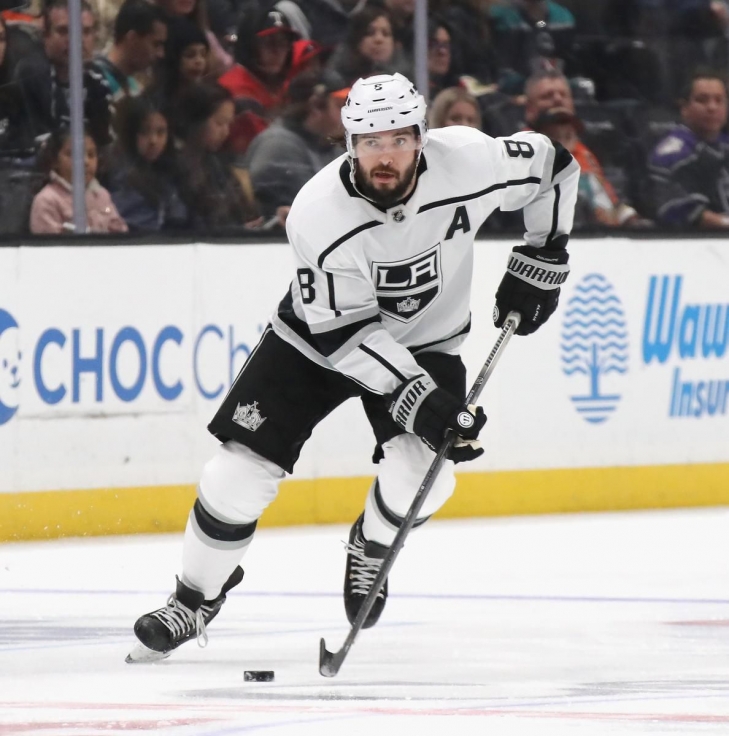
Drew Doughty was taken Second Overall in the 2008 Draft, and the Defenseman instantly went to work for the team that chose him, Los Angeles.
An All-Rookie in 2008-09, Doughty was a Second Team All-Star as a sophomore and the second runner-up for the Norris. Doughty established himself as the linchpin for the Kings' defensive corps and did so at age 20!
With the equal ability to lock down attackers and become one himself, Doughy anchored the Kings to Stanley Cup wins in 2012 and 2014 and began a six-year streak of finishing in the top ten in Norris voting in 2012-13. Doughty won the coveted Norris as the NHL's top Defenseman in 2016 and finished second in 2015 and 2018. Naturally, in all three of those years, he was named a postseason All-Star.
Doughty is still a King and is by far the best Defenseman in franchise history. His Norris runs might be behind him, but his leadership, experience, and passion make him valuable to keep around.
237. Glen Murray
177. Kelly Hrudey
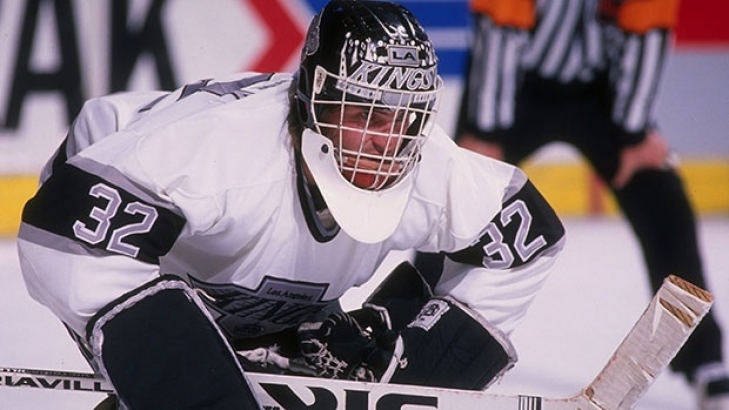
While Kelly Hrudey was never an All-Star, the flashy goaltender was actually better than people remember. Hrudey was never fortunate to play for teams that stressed defensive skill, and as such, he was in the top five in Shots Against four times, including facing the most in the 1988-89 season. Luckily for his teammates (which happened to be both the Islanders and Kings, as he was traded during the regular season), he also led the NHL in Saves that year.
97. Steve Duchesne
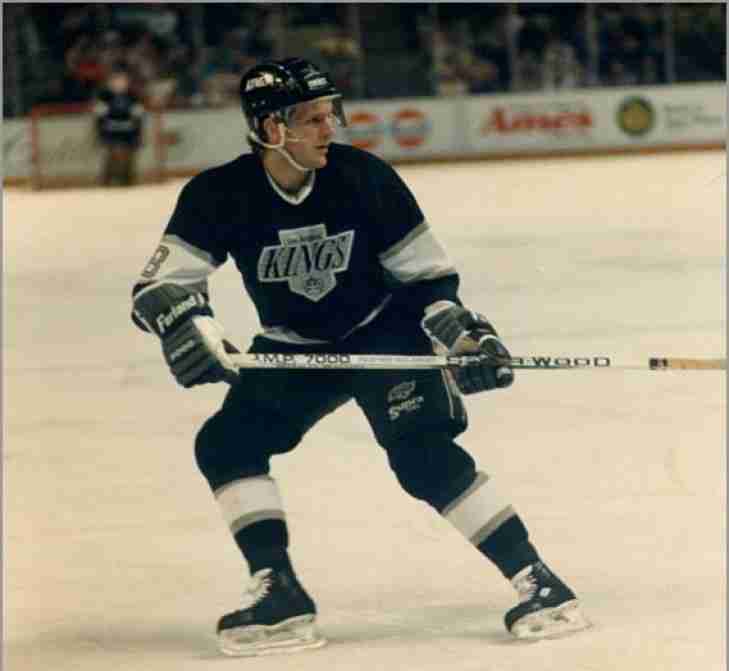
A very potent offensive defenseman, Steve Duchesne went from undrafted to playing sixteen seasons in the National Hockey League. That in itself was an impressive feat, but Duchesne would be an NHL All-Star three times and would finish fifth in Norris Trophy voting twice.
16. Bernie Nicholls
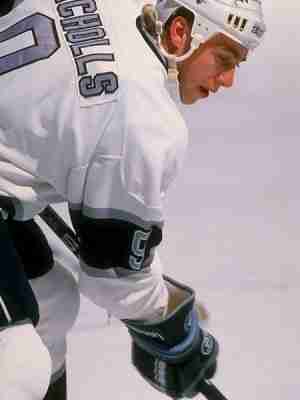
Bernie Nicholls was already a productive member of the Los Angeles Kings, but when the legendary Wayne Gretzky went Hollywood, Nicholls’ statistics reached the stratosphere. With attention paid toward the other star center, Nicholls set personal records. To this day, Bernie Nicholls is one of eight players to score 70 goals in a season and one of five to have scored over 150 points in a single season. Yet even with those accomplishments, it seems that Bernie Nicholls racked up his 1,200 + career NHL points quietly. He wasn’t flashy, he wasn’t gritty and he was not the darling of any fan base or media outlet. Still, with 1,200 career points, he has earned more than a healthy look for Hall consideration.
14. Dave Taylor
It wasn’t that Dave Taylor wasn’t supposed to make the NHL, but when you are drafted 210th overall, the expectations aren’t great. Dave Taylor shattered all expectations, becoming part of the legendary Los Angeles Kings Triple Crown Line with Marcel Dionne and Charlie Simmer. Taylor was an unexpected scoring machine who eclipsed the 100-point plateau twice early in his career. Despite his offensive prowess, Taylor was a mean checker and had a strong feel for the defensive side of the game. He would use this defensive skill well late in his career, which would prolong his fruitful career in Hollywood. In what is a rarity, Dave Taylor began and ended his career with one team, and his number is currently retired by the Kings. It is not impossible for Dave Taylor to join his Triple Crown teammate, Marcel Dionne, in the Hockey Hall of Fame in Toronto.
