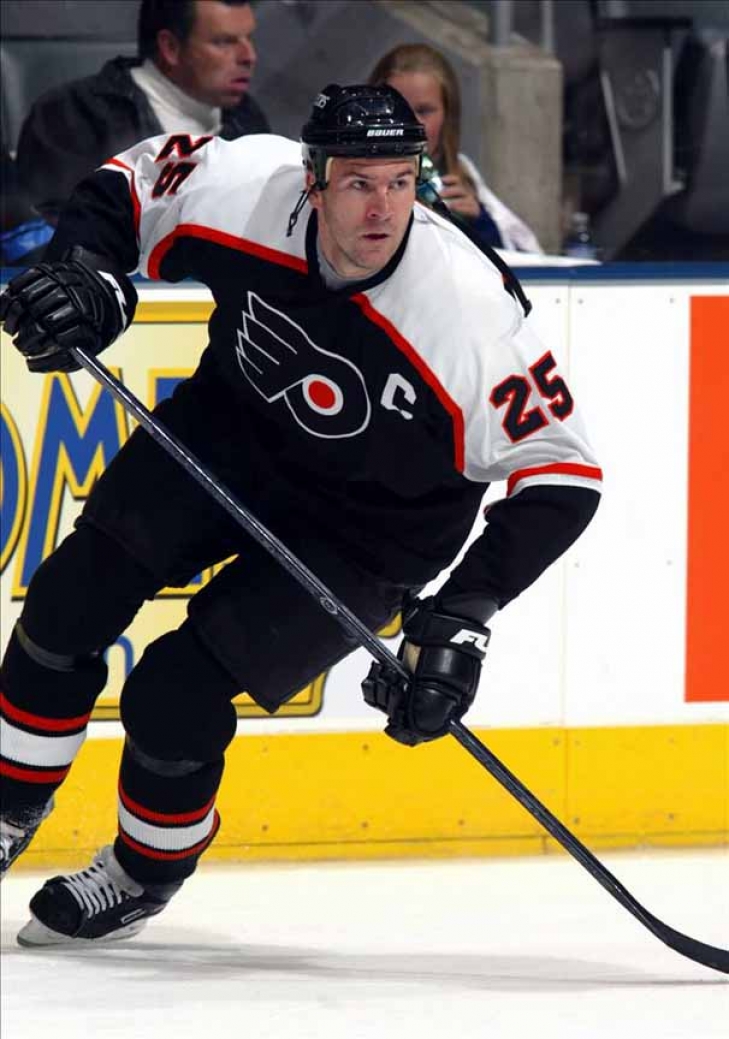
Hockey HOF Class of 2015 officially inducted

Representing Sweden, this year’s headliner is Swedish born Defenceman, Niklas Lidstrom, the seven time Norris Trophy winner who anchored the Detroit Red Wings to four Stanley Cups. Lidstrom is undeniably the top Defenceman of the 2000’s and also holds a Conn Smythe Trophy in his trophy case.
Lidstrom’s longtime teammate and roommate on the road, Sergei Fedorov also got in. The Russian born star won the Hart Trophy in 1994 and is a two time recipient of the Frank J. Selke as the NHL’s top Defensive Forward. He would win three Stanley Cup Wings with the Red Wings.
The American representatives are two Defenceman. Phil Housely, and eight time NHL All Star from St. Paul, Minnesota and Angela Ruggiero, a long time defender for the U.S. women’s team.
The lone Canadian player is another blueliner in Chris Pronger who won both the Norris and Hart Trophy in 2000. The native of Dryden, Ontario would also make five All Star Teams and win the Stanley Cup with the Anaheim Ducks in 2007.
Hockey Hall of Fame CEO, Bill Hay and Carolina Panthers owner, Peter Karmanos Jr, rounds out the class.
We here at Notinhalloffame.com would like to again extend our congratulations to this new class.
HHOF 2015 Class Announced!
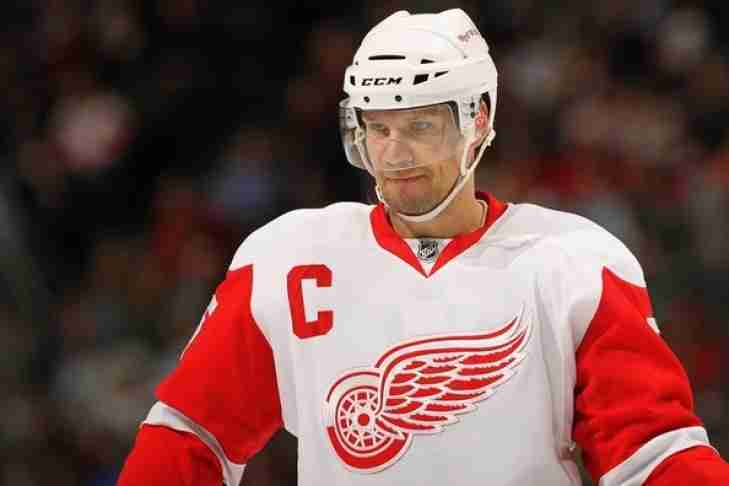
Nicklas Lidstrom will be entering the Hockey Hall on his first try, which should be a surprise to nobody. The Swedish born Defenceman, who was ranked #1 by us on Notinhalloffame.com helmed the Red Wings to four Stanley Cup wins and earned the Norris Trophy seven times.
Our number #3 selection, Chris Pronger will also be inducted. Pronger, who has not officially retired but has not played in the NHL for three years due to post-concussion syndrome is also a former Norris Trophy winner and won the Hart Trophy in 2000. Pronger also won the Stanley Cup in 2007 as a member of the Anaheim Ducks.
Sergei Fedorov, a teammate of Lidstrom on three Stanley Cups will be enshrined in Toronto too. The flashy forward is a former Hart Trophy winner (2004) and two time Frank J. Selke winner. The Soviet born player was ranked at #4 by us.
A mild surprise is the induction of American born Defenceman, Phil Housley, who holds the record for the most points for a blueliner born in the U.S. Housley has been eligible since 2006 and was ranked #14 at Notinhalloffame.com
The remainder of this year’s class includes Bill Hay, a former President of Hockey Canada, American female player, Angela Ruggerio, and Peter Karmonos Jr., the owner of the Carolina Hurricanes
A perceived snub by many is that of Eric Lindros, whose HOF momentum has been growing in recent years.
Next month, we here at Notinhalloffame.com will unveil our new ranking for next year.
84. Flash Hollett
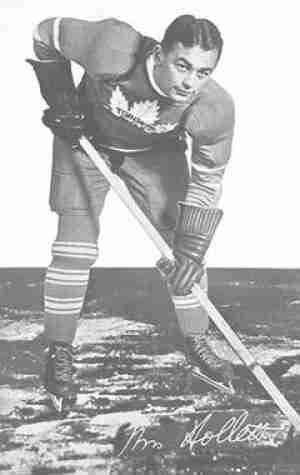
Like many Canadians of his era, Flash Hollett was a two-sport athlete (Lacrosse and Hockey). Thankfully for the Boston Bruins, Hollett, who focused on hockey, was among the first defensemen comfortable with rushing the ice. Flash held some of the early scoring records for defensemen. Because Hollett achieved his greatest offensive output during the war-depleted years of World War II, he does not receive as much respect as he likely should. Regardless, Flash Hollett was an effective player in the early years of the NHL and may still yet be considered by the Hall one day.
59. Larry Aurie
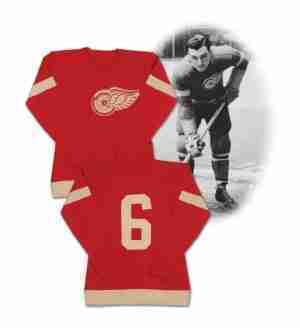
One of the few stars left yet to be enshrined from the “old time hockey era”, Larry Aurie was a master of the penalty kill and was dubbed “The Little Rag Man” for his entertaining puck handling while shorthanded. Famed Red Wings owner James Norris dubbed the diminutive (he was only 5 ft 6) as the heart and soul of the Red Wings. He may have been one of the smallest NHL players, but he was also one of its toughest. Had Aurie not suffered a severe leg injury in 1937, his career totals would have likely been much higher, as he never did recover properly. His number #6 was retired by the Red Wings but has been inconspicuously omitted from the rafters in Detroit’s home arena. Perhaps, if he was posthumously honored in Toronto, he would properly be honored in Detroit as well.
93. Bob Goldham
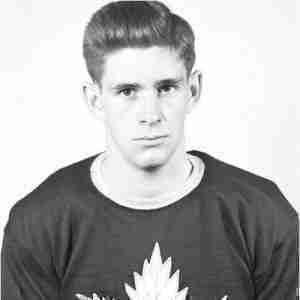
Called the “second goalie” for his penchant for throwing himself in front of the puck to stop any offensive burst, Bob Goldham was one of the premier defenders of his era. Goldham's career started a little late because he was a member of the Canadian Navy during World War II. However, upon his return to the professional game, there was little doubt that he was among the best at pure defensive hockey. Goldham became best known to many for his work with the CBC during the Hockey Night in Canada broadcasts in the ’70s. Maybe it is that combination of on and off-ice work that could help him reach the Hall.
38. Vladimir Konstantinov
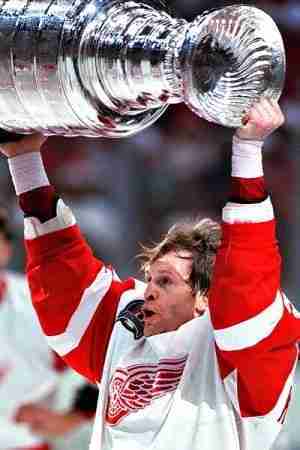
It might seem a little laughable now, but there was a time when all Russian players were considered soft. Vladimir Konstantinov may have been part of the 1980s Soviet Red Army team, but he was a man who seemed to be bred for the NHL, as he was anything but “soft.” Konstantinov had an instant impact on the pros with the Red Wings. He was literally a pest who made it exceptionally difficult for opponents to score. This was reflected by his high plus/minus tallies. Konstantinov’s last season saw him as the Norris Trophy runner-up and hoist the Stanley Cup. Less than a week after that triumph, Konstantinov was in a horrible limousine accident that put him in a coma and literally put him in the fight of his life. Needless to say, Vladimir never played again, though if he had, it can be argued that he might be a much stronger candidate for induction than he is now.
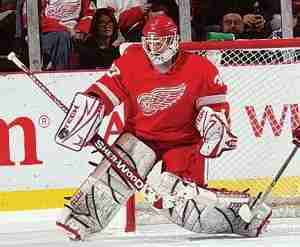
35. Chris Osgood
88. Brian Rafalski
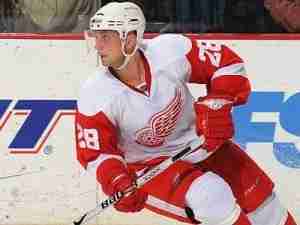
262. Keith Primeau