

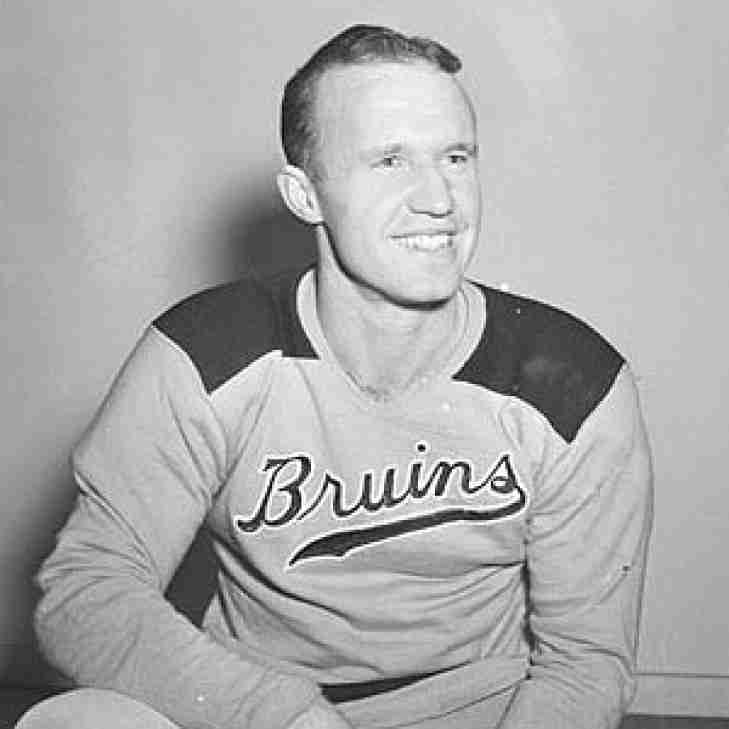
12. Bill Cowley
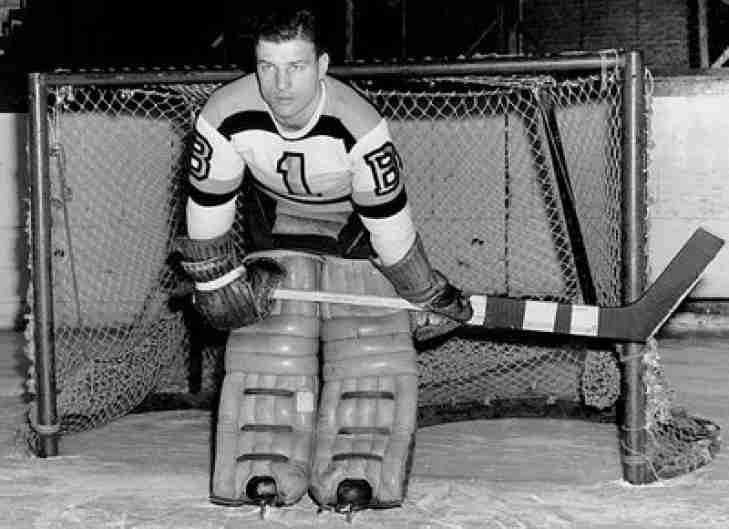
14. Frank Brimsek
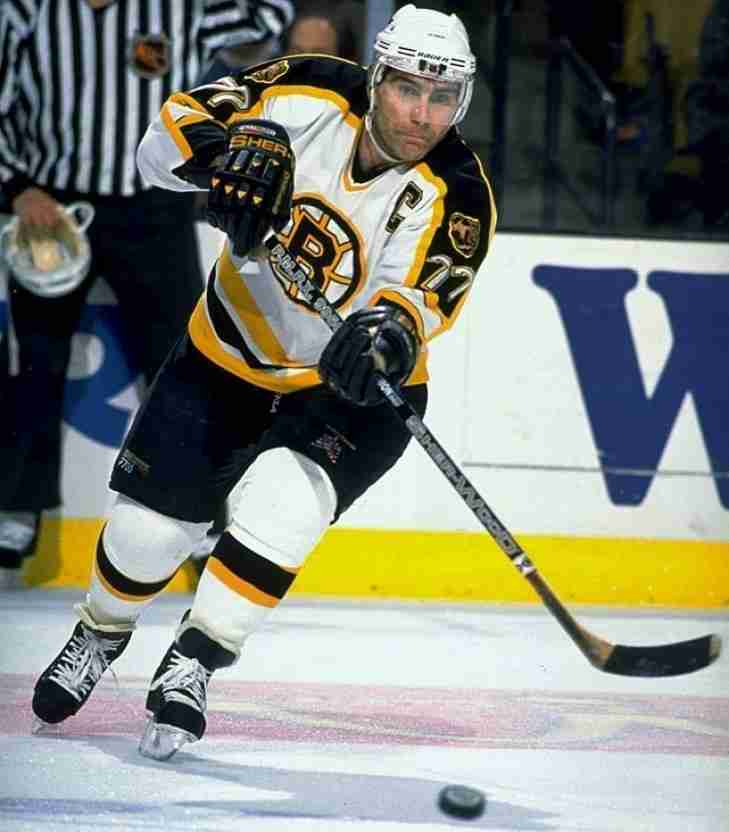
3. Ray Bourque
This was really hard.
Ray Bourque was one of the best defencemen of his time, and it was a long time! Bourque played the most games in Bruins history, has the most Points in Bruins history, and leads the franchise in many more statistical categories.
4. Phil Esposito
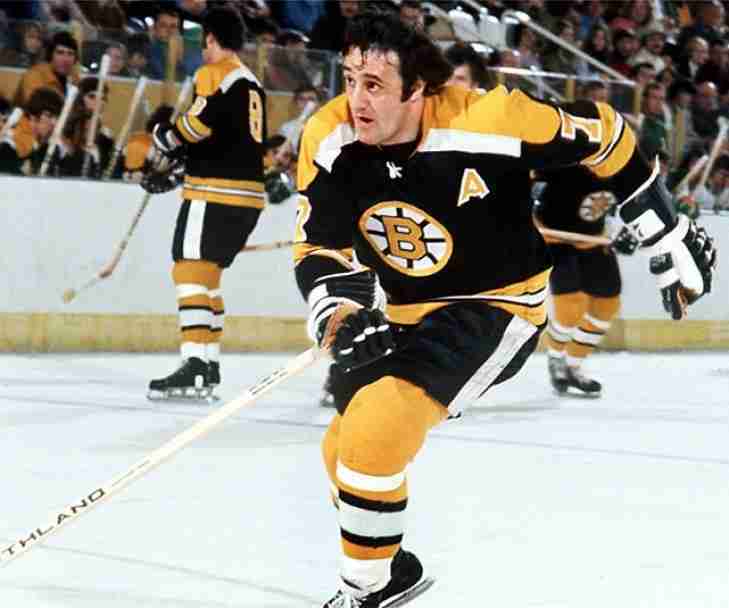
The Chicago Blackhawks had to regret trading away Phil Esposito, but it was in Boston where he developed his scoring touch. Esposito would park himself in front of the net and would shatter the single-season scoring record, becoming the first man to score 100 Points in a season. He would hit that plateau six more times, winning a total of scoring trophies and two Hart Trophies.
2. Eddie Shore
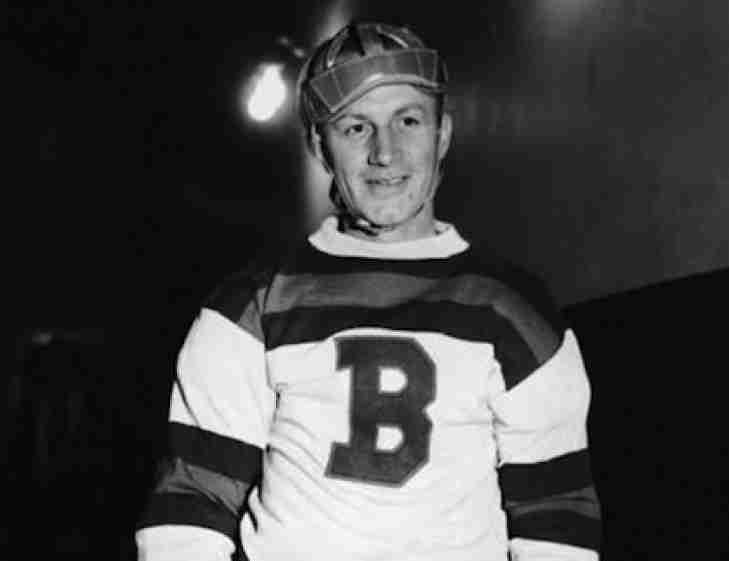
Eddie Shore was feared. He was feared because he was tough as nails and could (and would) physically intimidate anybody. He was also feared because he was talented and knew exactly what to do on the ice and what to do with the puck. Shore was the first major star in Boston, and this was the man who started the tradition of stellar blueliners in Beantown.
6. Milt Schmidt
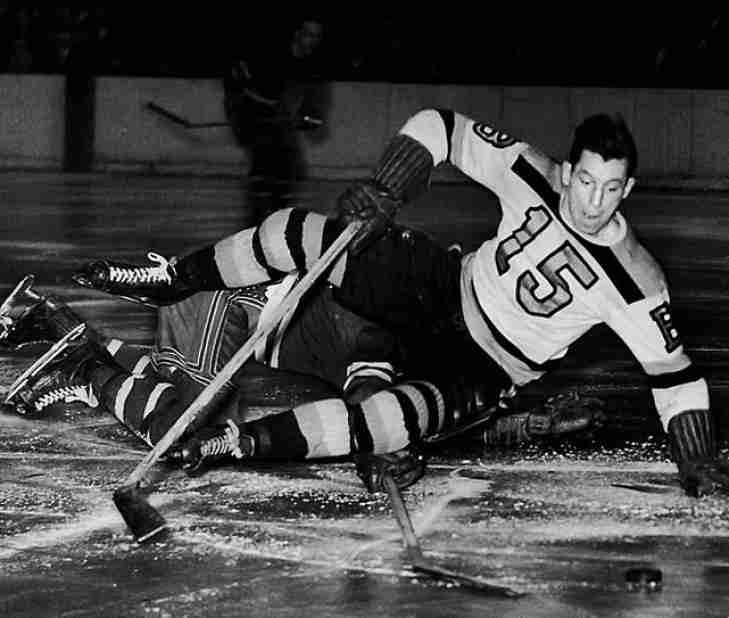
The centre of the famed “Kraut Line”, Milt Schmidt was the centerpiece of the Bruins for years. Schmidt may have been undersized even for his day, but pound for pound, he was one of the best in the business and was lauded for his two-way skill.
1. Bobby Orr
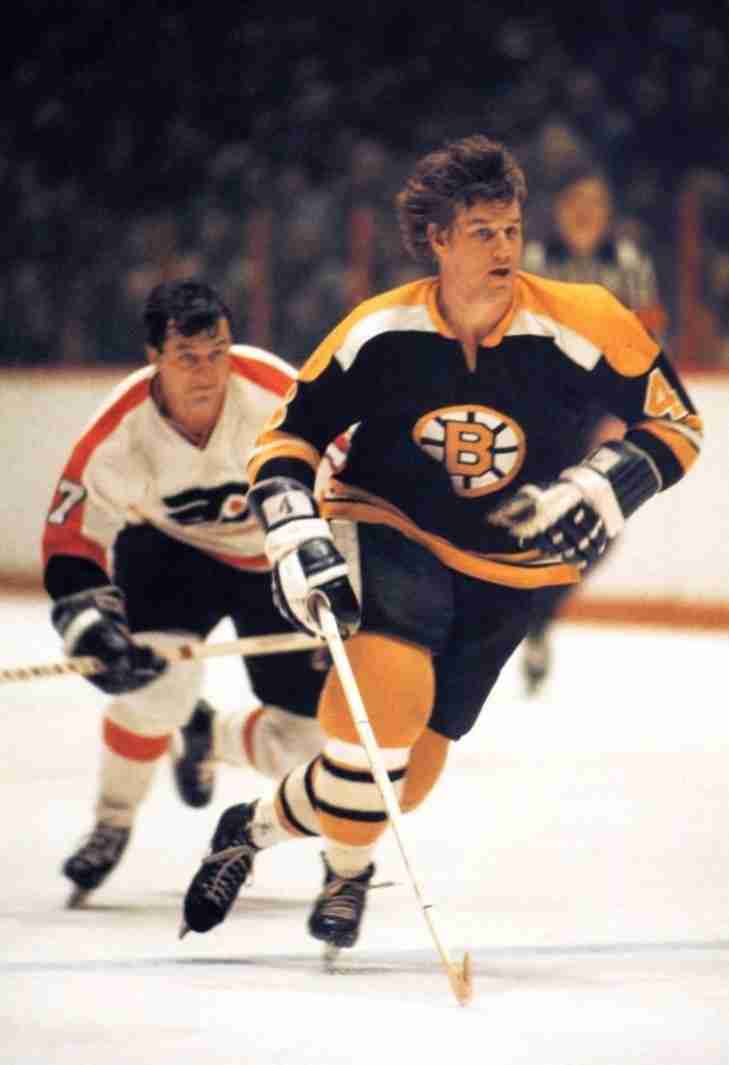
There have been a lot of great players who have worn the large “B” on their chest, many of whom can be called legends.
But there is only one Bobby Orr.
3. Don Cherry
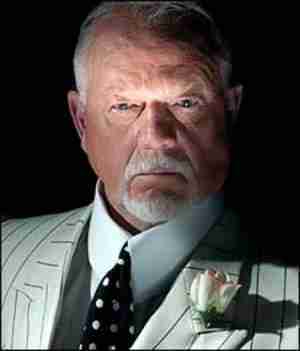
On paper, how is it possible that a hockey player who logged only one game in the NHL and is best remembered as a coach for a too many men on the ice call that cost his Boston Bruins a chance at a Stanley Cup birth, possibly enter the Hockey Hall of Fame?. Well, when that former player and coach is Don Cherry, who may very well be the most well-known man in hockey north of the border.
46. Andy Moog
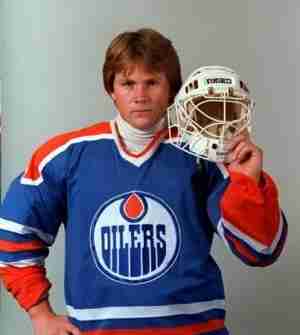
It is hard to call someone with the skill set of Andy Moog unfortunate, but he did emerge as a star goaltender for the Edmonton Oilers around the same time as Grant Fuhr. As such, Moog did not receive as much playing time in Edmonton as he would have liked, and despite being a valuable component in three Stanley Cup wins, he sought more responsibility elsewhere. He found it in Boston, where he enjoyed the best years of his career, posting personal highs. Moog was known for his outstanding reflexes, and despite being very well-known, he was somewhat underrated. Moog finished off his career with an impressive 372 career wins, and though he played with some outstanding offensive teams, he certainly did his part in between the pipes to earn them.
17. Rick Middleton
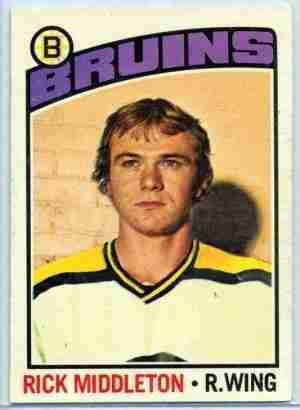
Generally, when General Managers engineer trades, both hope for some sort of accurate equity in return. The New York Rangers certainly did not gain that equity when they traded Rick Middleton to the Boston Bruins for Ken Hodge, who was nearing the end of his career. Middleton, however, was just getting started. The man dubbed “Nifty” scored 898 points for his new team and proved to be the best offensive threat for the Bruins for nearly a decade.
79. Wayne Cashman
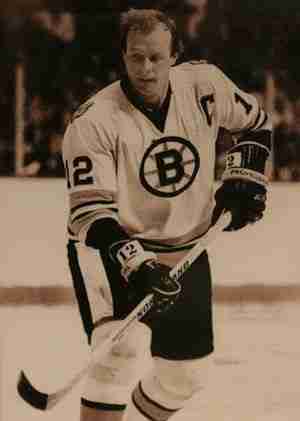
The last survivor of the Original Six, Wayne Cashman, made the most of what he had. Cashman was not considered a gifted skill player, but he was an adept grinder and the last guy you wanted to fight for a puck in the corners. He was also known as one of the game’s best fighters, and although he was not known for his scoring, he finished in the top five in points during the 1973-74 season. A seventeen-year veteran of the Boston Bruins, Cashman remains one of the most beloved figures in Beantown. He will likely receive no such love from the Hall in Toronto.
84. Flash Hollett
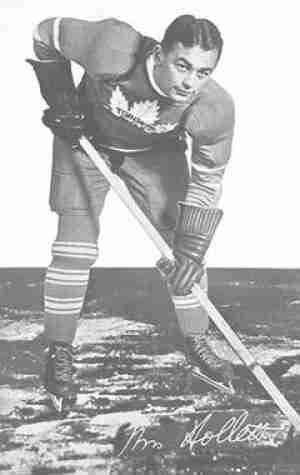
Like many Canadians of his era, Flash Hollett was a two-sport athlete (Lacrosse and Hockey). Thankfully for the Boston Bruins, Hollett, who focused on hockey, was among the first defensemen comfortable with rushing the ice. Flash held some of the early scoring records for defensemen. Because Hollett achieved his greatest offensive output during the war-depleted years of World War II, he does not receive as much respect as he likely should. Regardless, Flash Hollett was an effective player in the early years of the NHL and may still yet be considered by the Hall one day.
87. Terry O’Reilly
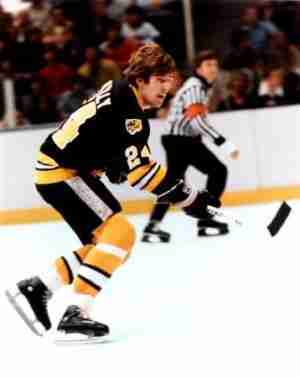
As one of the toughest members of the 1970s Boston Bruins (which really says something), Terry O’Reilly was a rough enforcer who was able to score. The emotional leader of Boston was a rugged protector of skilled players, but he himself enjoyed a pair of 70-point-plus seasons and was an underrated defender. With 606 career points, Terry O’Reilly likely does not have the overall statistics for serious consideration from the Hall. Still, his number was retired by Boston, an honor that he certainly deserved.
82. Doug Mohns
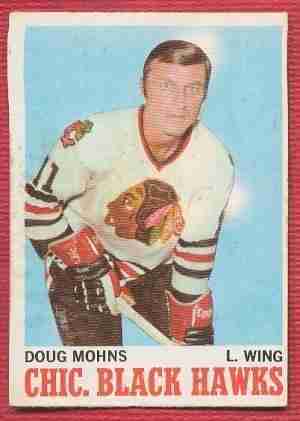
Possibly one of the most versatile players in NHL history, Doug Mohns spent the first half of his career as a defenseman with the Boston Bruins. In Beantown, Mohns had a flair for offense and was able to help his team at that side of the ice. Later, Mohns was traded to Chicago where he was converted forward and placed on a line with the legendary Stan Mikita. Naturally, his scoring totals increased and with his knowledge of the defensive game, Doug Mohns was one of the more complete players in NHL history. Hopefully is known more for his skills than the bad toupee he wore at the end of his career.
99. Ken Hodge
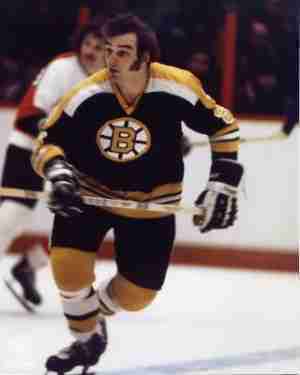
Although Ken Hodge got off to a slow start in the NHL, a trade to the Boston Bruins saw him reach new heights on a line with the legendary Phil Esposito. Hodge was able to show off his offensive abilities, and he was a great compliment to the other Bruins, who were known for their bruising nature. As Hodge was oversized (for that era), he was seldom known for having to rough it up. Although Hodge scored 800 points in his career, he was criticized for selfishness and poor defensive play. Those determinants may very well be the yoke that is keeping Ken Hodge from Hall consideration.
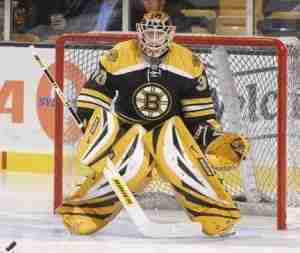
70. Tim Thomas
148. Herb Cain
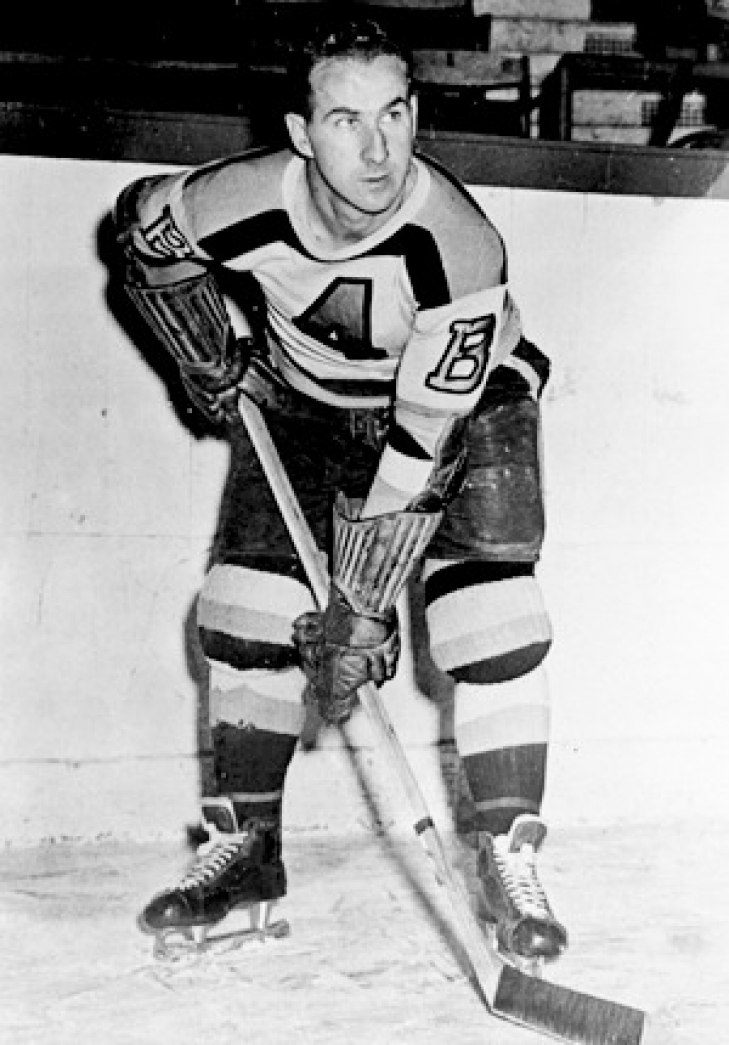
This is an interesting one for sure.
During World War II, there was certainly a level of what could be considered elite in professional hockey. Still, in the 1943-44 season, Herb Cain shocked the statisticians by becoming an NHL league leader with 82 Points.
