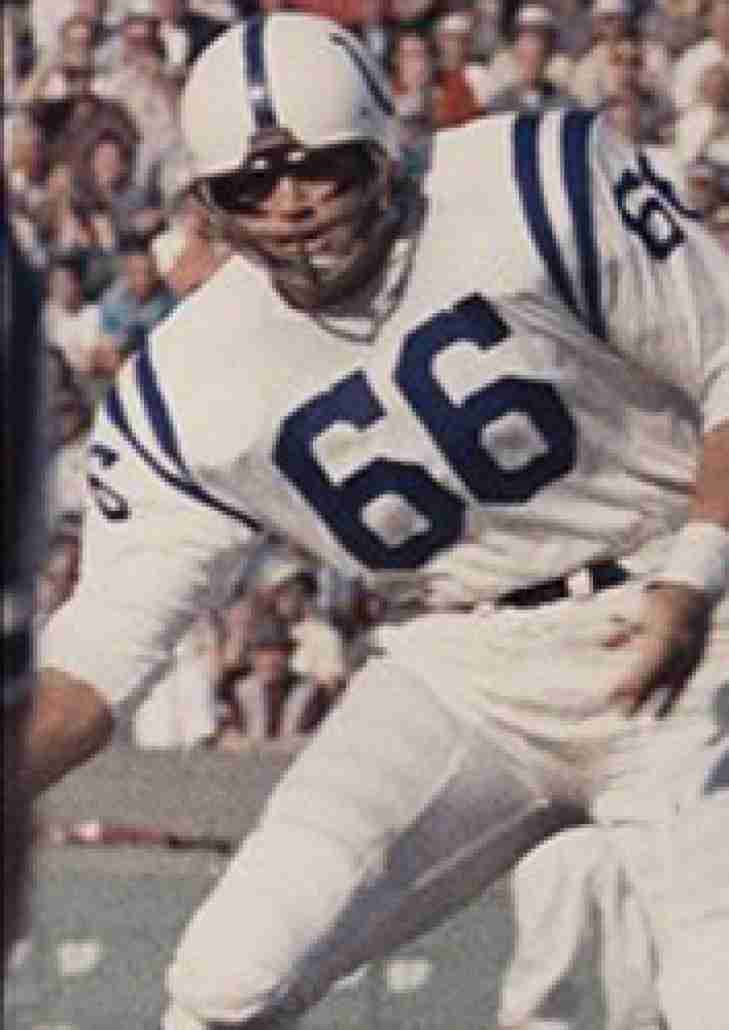
24. Andrew Luck
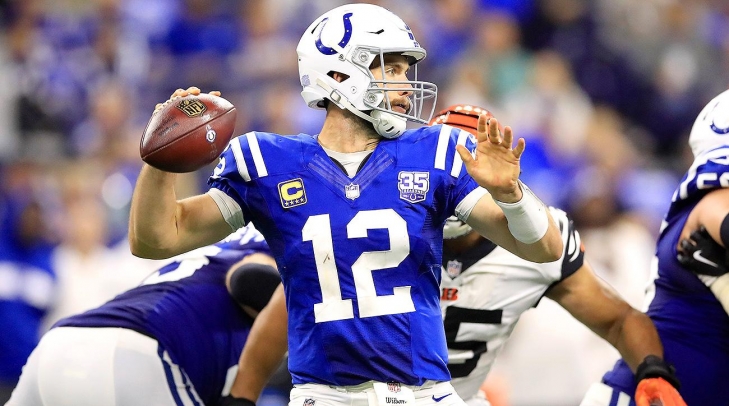
Exit Peyton Manning. Enter Andrew Luck.
Everybody knew that Andrew Luck was going to be the first overall pick in 2012, as it was widely believed that the Stanford superstar was going to be a difference-maker in the National Football League. The Colts, who had Peyton Manning, had to watch their stud Quarterback sit out that year, resulting in a terrible season and a #1 overall draft pick for Indianapolis, which of course led to Luck donning the horseshoe. How appropriate is that?
Luck’s early trajectory matched the highest expectations. He earned Pro Bowl selections in each of his first three seasons (2012–2014), elevating the team deeper into the postseason each year. His peak campaign arrived in 2014, when he led the entire NFL with 40 touchdown passes and threw for a franchise-record 4,761 yards while powering the Colts all the way to the AFC Championship Game. Possessing elite field vision, deep-ball accuracy, and the athletic strength to extend plays through heavy contact, Luck regularly carried entire game plans on his shoulders.
That physical style of play and porous pass protection eventually took a severe toll. A lacerated kidney and shoulder damage limited him to seven games in 2015, and after battling through the 2016 campaign, lingering shoulder issues forced him to miss the entire 2017 season following surgery. Luck mounted an inspiring return in 2018, delivering a stellar 39-touchdown performance that earned him his fourth Pro Bowl nod, the AP Comeback Player of the Year award, and another postseason victory.
Then came the moment that stunned the sporting world. In August 2019, at just 29 years old and on the eve of the regular season, Luck abruptly announced his retirement, citing the relentless cycle of injury and rehabilitation. Though his career ended far sooner than anyone anticipated, his talent and impact left an indelible mark on the era.
He threw for 24,671 Yards with a 171-83 TD-INT Ratio while also punching it in the end zone 14 times on the ground.
25. T.Y. Hilton

Drafted in the third round out of Florida International in the 2012 NFL Draft, Eugene Marquis "T.Y." Hilton arrived in Indianapolis with blazing sub-4.4 speed and immediately transformed into one of the most lethal deep-threat receivers of his generation. Though initially slotted into return duties and rotational work on special teams, injuries across the receiving corps quickly forced Hilton into the spotlight. He answered by striking up an instant, electric connection with rookie quarterback Andrew Luck, establishing himself as the primary weapon for a new era of Colts football.
Known as "The Ghost" for his remarkable ability to disappear behind secondaries and then suddenly appear wide open deep downfield, Hilton enjoyed a decade of excellence in Indianapolis. In his 10 seasons with the team, he achieved five 1,000-yard receiving seasons (2013–2016, 2018). His best year was in 2016 when he led the NFL with 1,448 receiving yards on 91 catches. This peak performance led to four straight Pro Bowl nominations from 2014 to 2017, cementing his reputation as one of the franchise's top wide receivers alongside Marvin Harrison and Reggie Wayne during the Indianapolis era.
Known as a big-game performer who famously torched the division-rival Houston Texans on a regular basis, Hilton’s production eventually slowed as injuries piled up toward the end of his tenure in Indy. After a final ten-game stretch with the Colts in 2021, Hilton spent a brief late-season stint with the Dallas Cowboys in 2022 before stepping away from the gridiron.
With the team, Hilton tabulated 9,691 yards with 53 touchdowns.
239. Ray Donaldson
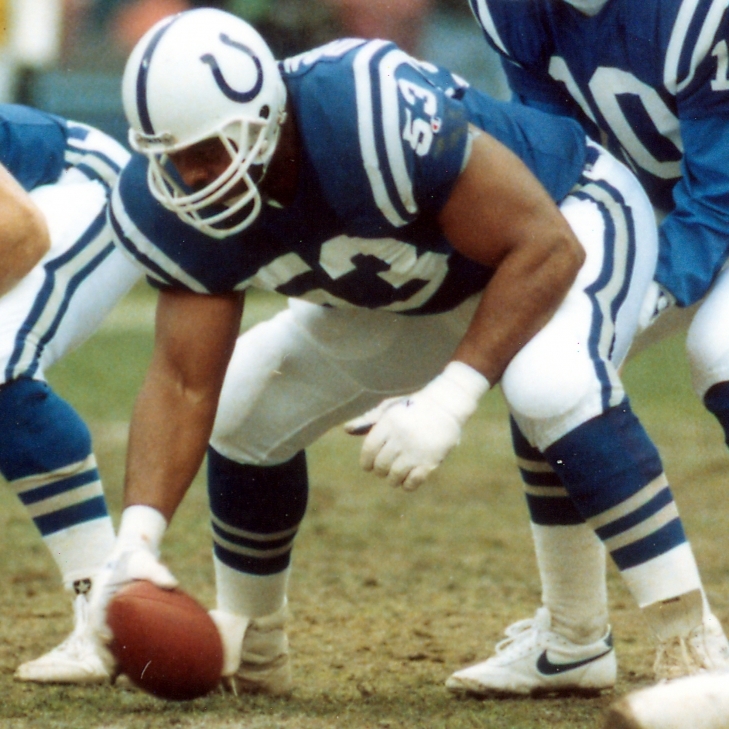
Ray Donaldson played 17 seasons in the NFL, the first 13 with the Baltimore/Indianapolis Colts, where he was their starting Center for 12 of them.
From 1986 to 1989, he was named to the Pro Bowl, and he was unquestionably considered to be one of the best Centers in the game. He later played for the Seattle Seahawks, then spent two more seasons with the Dallas Cowboys, both of which earned him a Pro Bowl Selection. He would stabilize that Cowboys O-Line to a win in Super Bowl XXX.
96. Cornelius Bennett
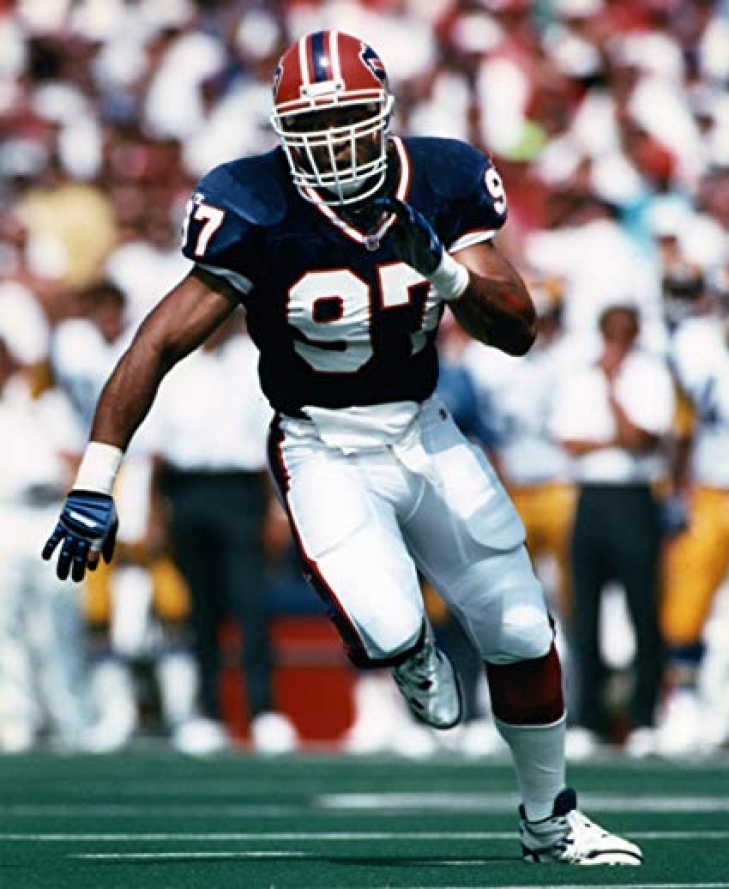
A complete beast at the University of Alabama, Cornelius Bennett was drafted second overall in 1987 by the Indianapolis Colts and, as part of a mega-trade, would become a Buffalo Bill. With the Bills, he would help them win four straight AFC Championships and was a five-time Pro Bowl Selection. One of those seasons saw Bennett named a First Team All-Pro, and UPI named him Defensive Player of the Year twice. Securing well over 1,100 Tackles over his career, the Bills may never have won a Super Bowl during Bennett's time there, but without the defensive stalwart, they never would have had four cracks at it. Considering his versatility as a Linebacker, he should have received at least a look from the powers that be.
113. Robert Mathis
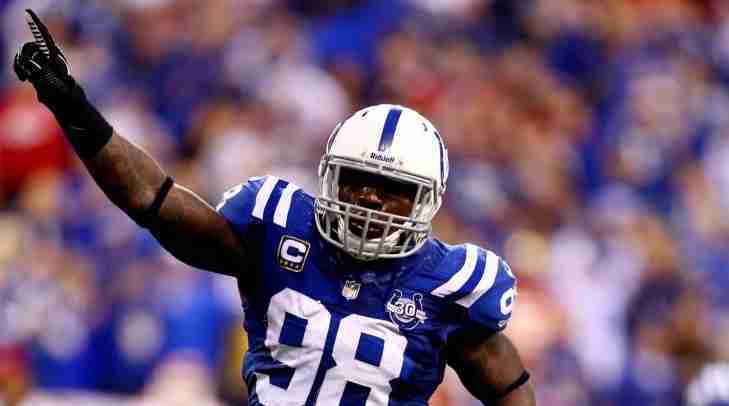
A member of the 100 Sack Club, Robert Mathis proved time and time again over his career that he was a certified beast on the pass rush.
Following a season where he was a vital part of a Colts defense that would win Super Bowl XLI, Mathis would be named to six consecutive Pro Bowls, culminating in 2013, when he would be named the AFC Defensive Player of the Year and lead the NFL in Sacks. Known for his way of evading blockers by getting them to commit to where he was no longer there, Mathis might have enjoyed the least amount of contact of anyone with 100-plus Sacks!
In a career spent entirely with the Indianapolis Colts, Mathis would net 123 Sacks with 527 Tackles.
Pat McAfee Abruptly Retires
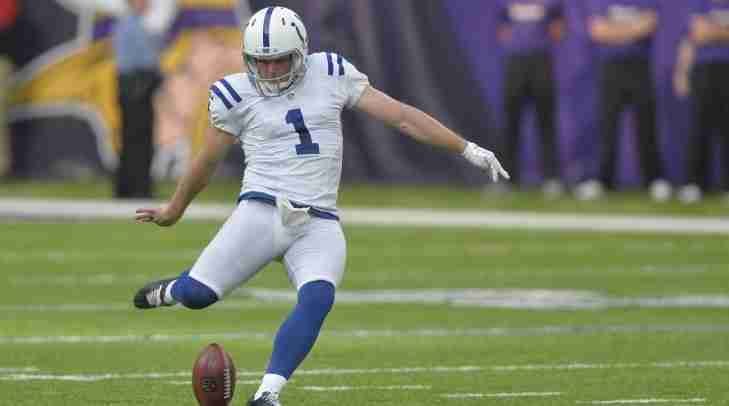
McAfee, who is only 29, was a very popular player amongst the Colts fans, both for his skill and for his quirky personality. He actually ranked third in jersey sales on the team. He retired from the NFL to join the growing website Barstool Sports.
The Punter is a former two time Pro Bowler and one time First Team All Pro Selection.
While we don’t see him as a Pro Football Hall of Famer, he is eligible in 2022 and we will be profiling him once our 2022 Football Futures are up.
We here at Notinhalloffame.com would like to congratulate Pat McAfee on a great career and wish him the best at Barstool Sports.
Now maybe we should get a former Punter to work for us!
23. Reggie Wayne
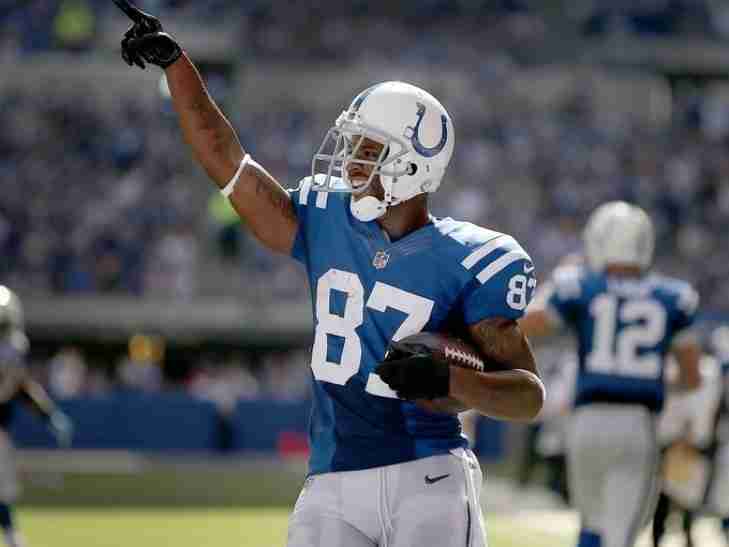
Drafted late in the First Round out of the University of Miami, Reggie Wayne was brought in to complement Marvin Harrison. It is safe to say he accomplished much more than that.
Wayne blossomed into an elite NFL Wide Receiver and exemplary route-runner, earning six Pro Bowl selections and leading the NFL in Receiving Yards in 2007. Spending his entire professional career with the Indianapolis Colts, Wayne was a large part of their Super Bowl XLI win, catching a 53 Yard Touchdown Pass in the first quarter. He went over 1,000 yards eight times in a season, finishing with 14,345 for his career. He also had another 1,254 Yards in the Playoffs, an exceptional number that should be celebrated on its own.
The Top 50 Indianapolis Colts of All-Time are now up
We are proud to present our Top 50 Indianapolis Colts, an organization with 2 Super Bowls, 2 NFL Championships and a rich history in two cities.
As always, we will give you a sneak preview of the top 5:
1. Peyton Manning
2. Johnny Unitas
3. Gino Marchetti
4. Marvin Harrison
5. Raymond Berry
The complete list can be found here and we encourage you to check it our and voice your opinions.
Up next will be the Top 50 Minnesota Timberwolves, and yes the #1 choice on that one was very easy!
Look for that soon!
41. Eric Dickerson
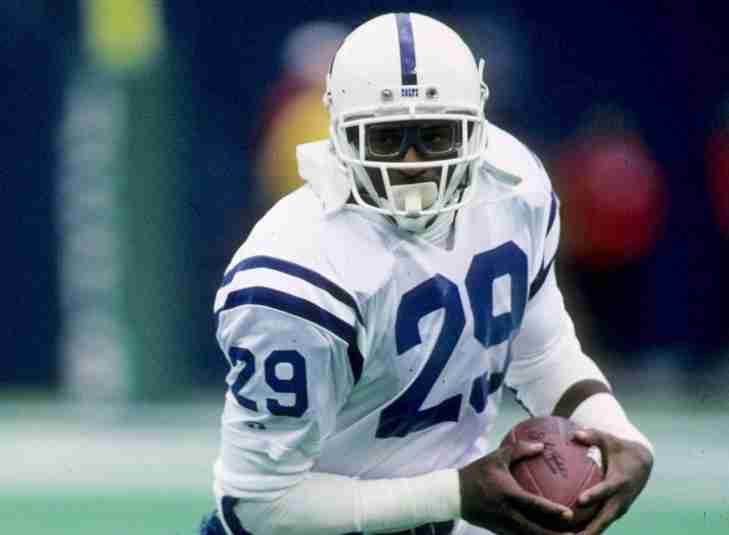
Dickerson entered the Pro Football Hall of Fame in 1999 and the Colts responded by enshrining the star into their Ring of Honor in 2013.
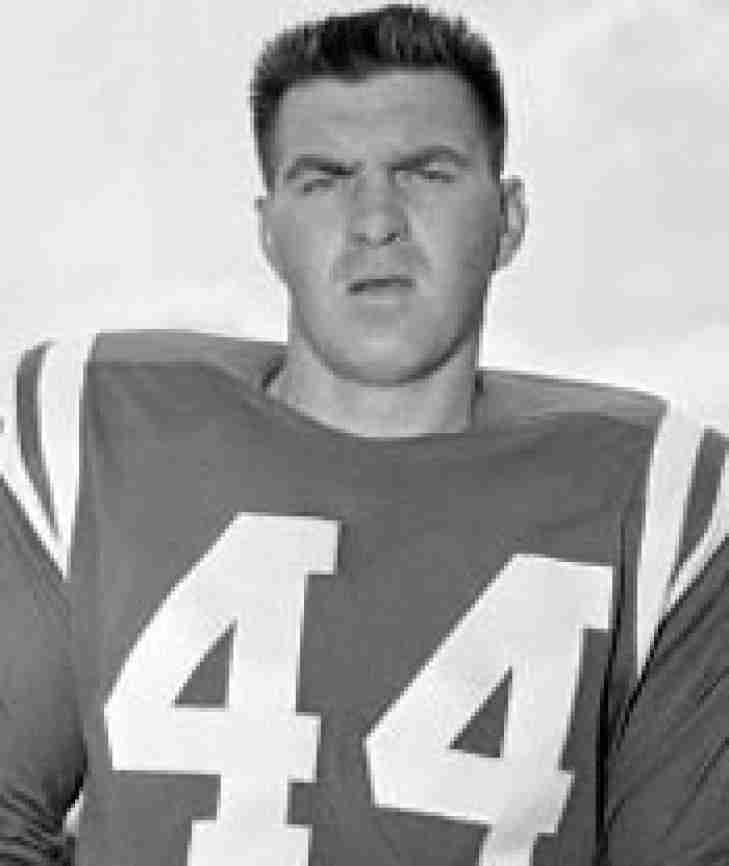
49. Bert Rechichar
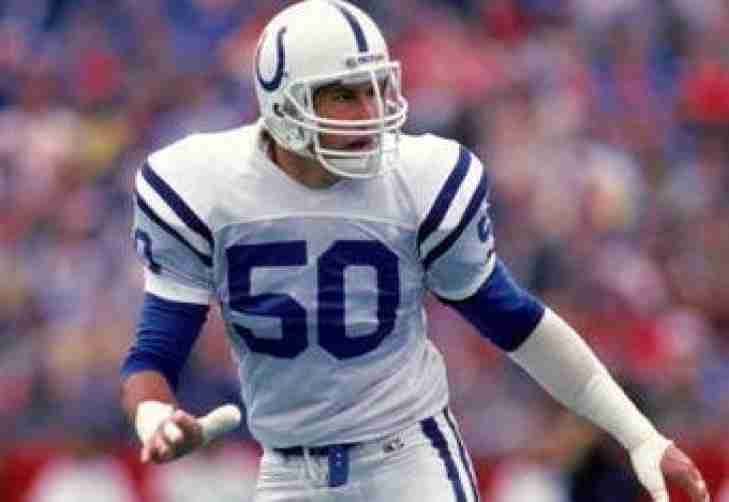
47. Duane Bickett
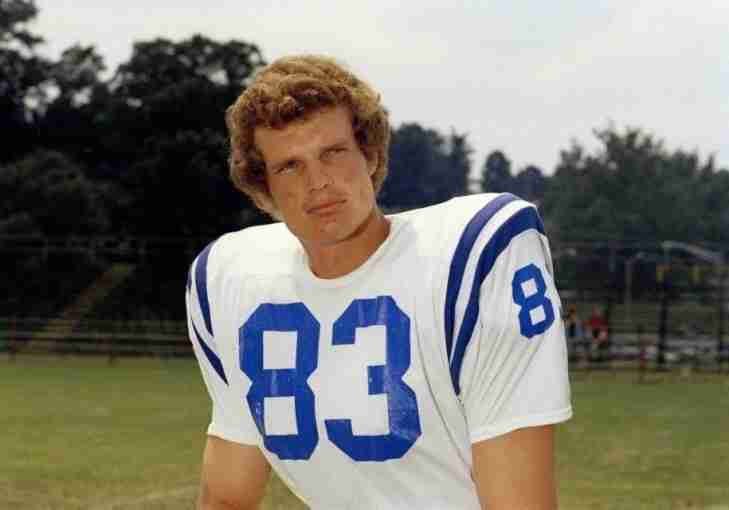
46. Ted Hendricks
35. Dick Syzmanski
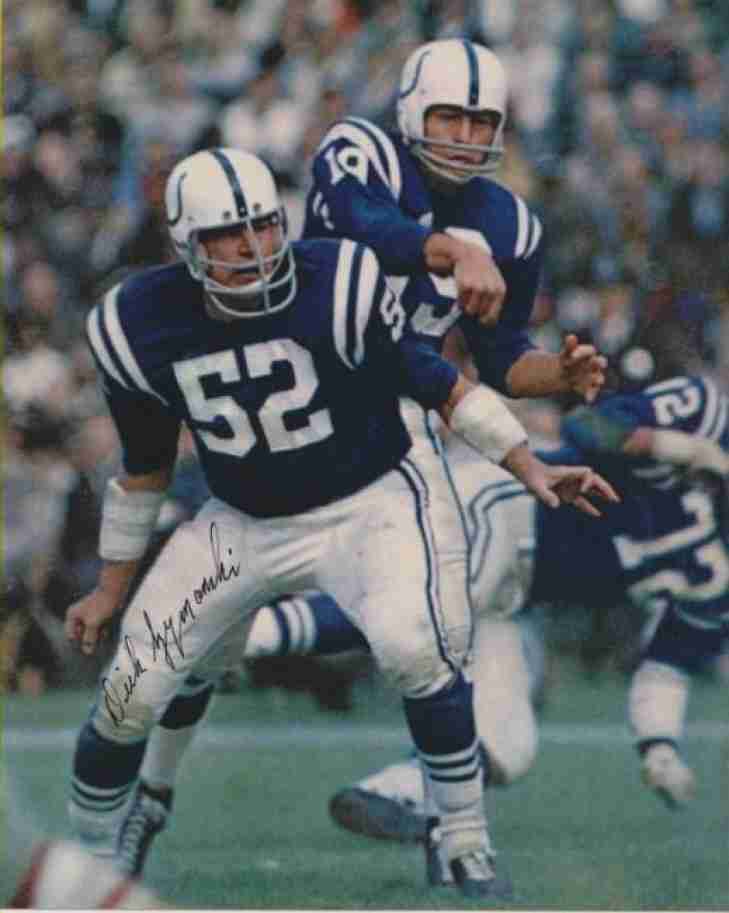
44. Bubba Smith
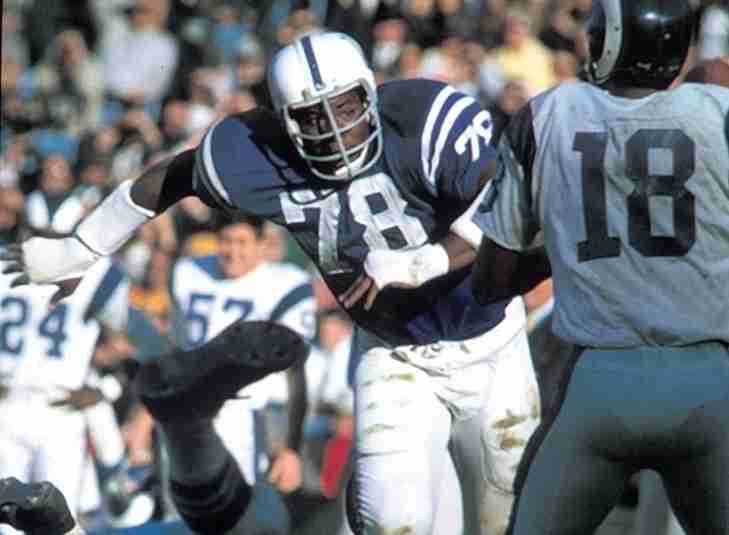
48. Gene Lipscomb
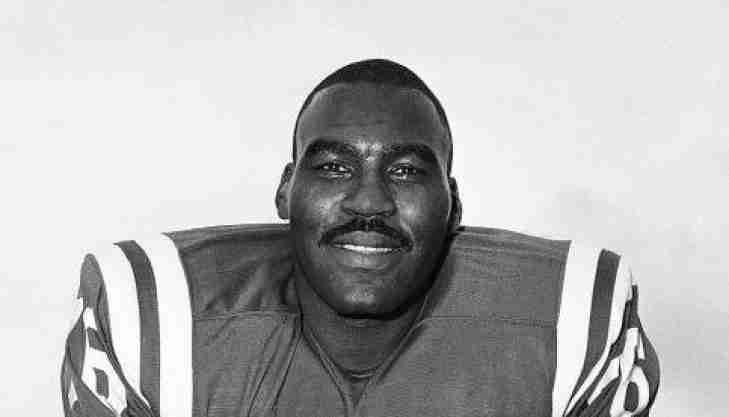
37. Billy Ray Smith
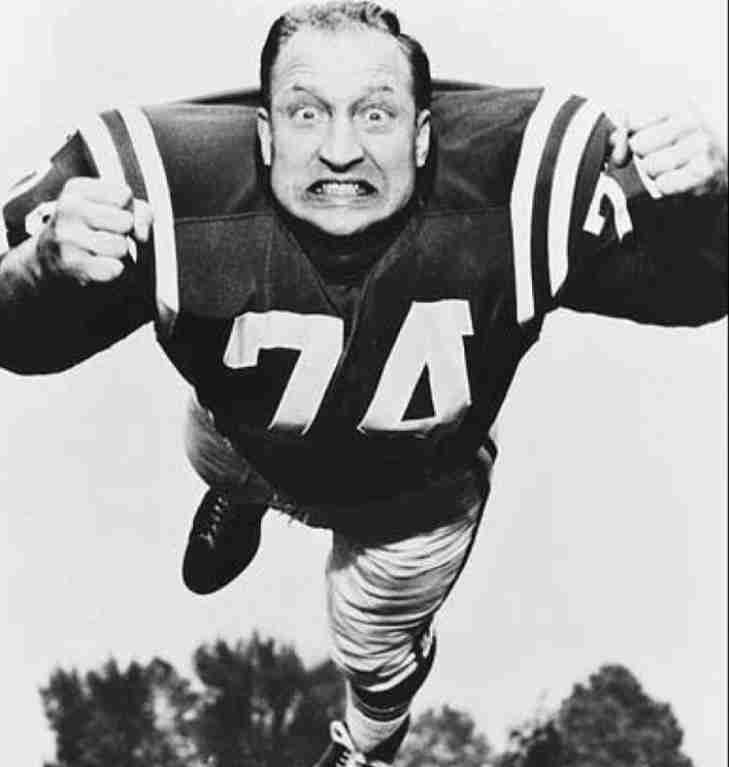
34. Ryan Diem
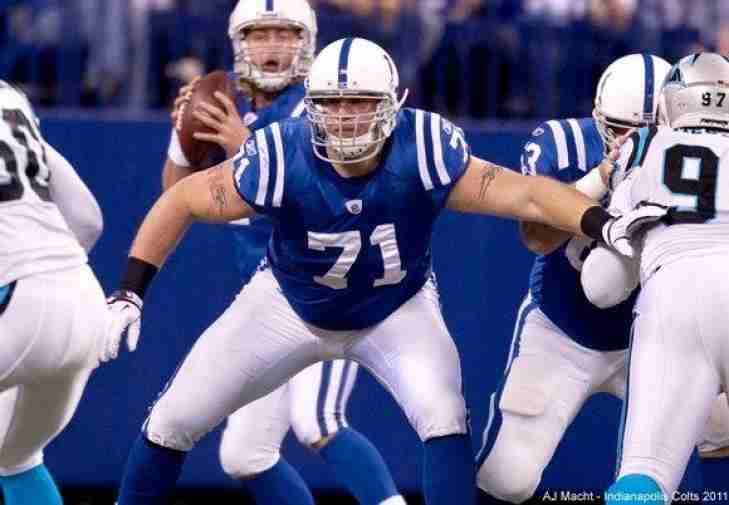
38. Eugene Daniel
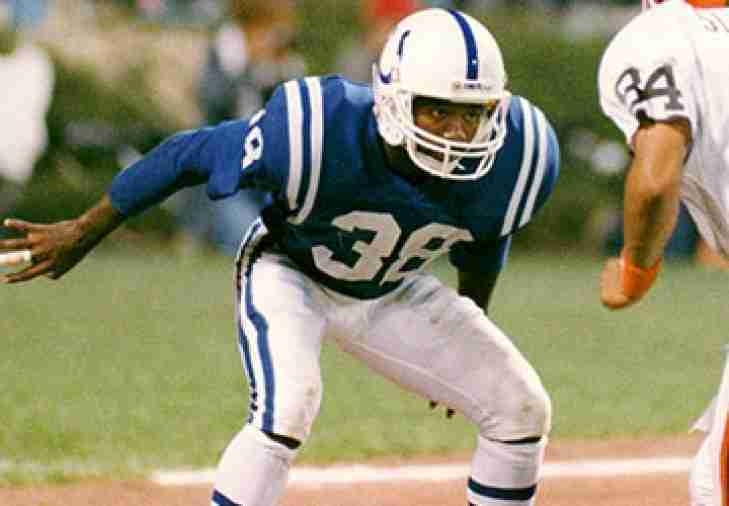
33. Jimmy Orr
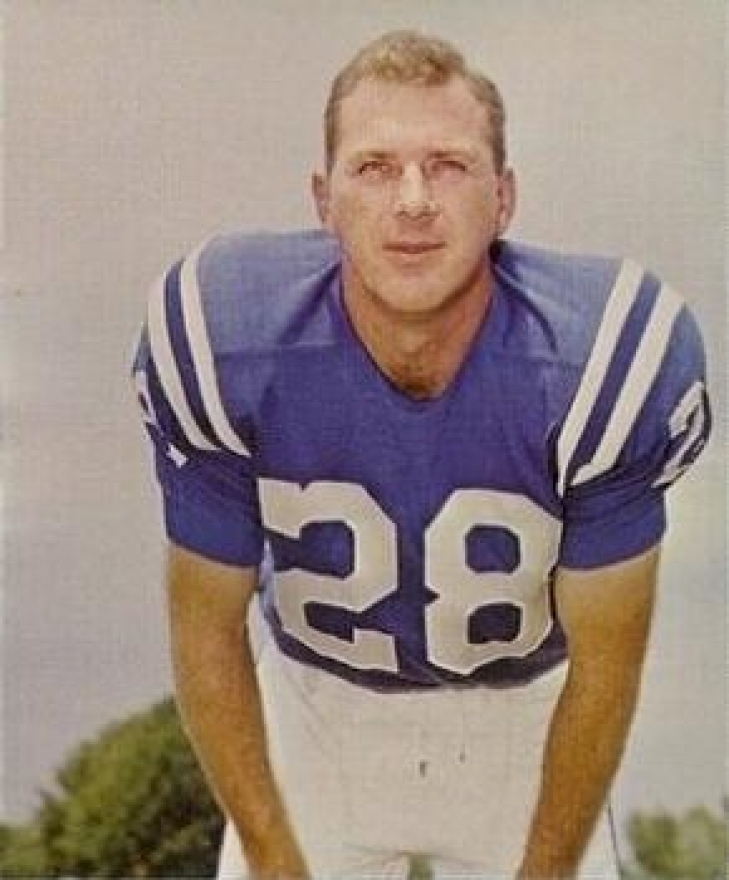
36. Don Shinnick