

24. Eric Moulds
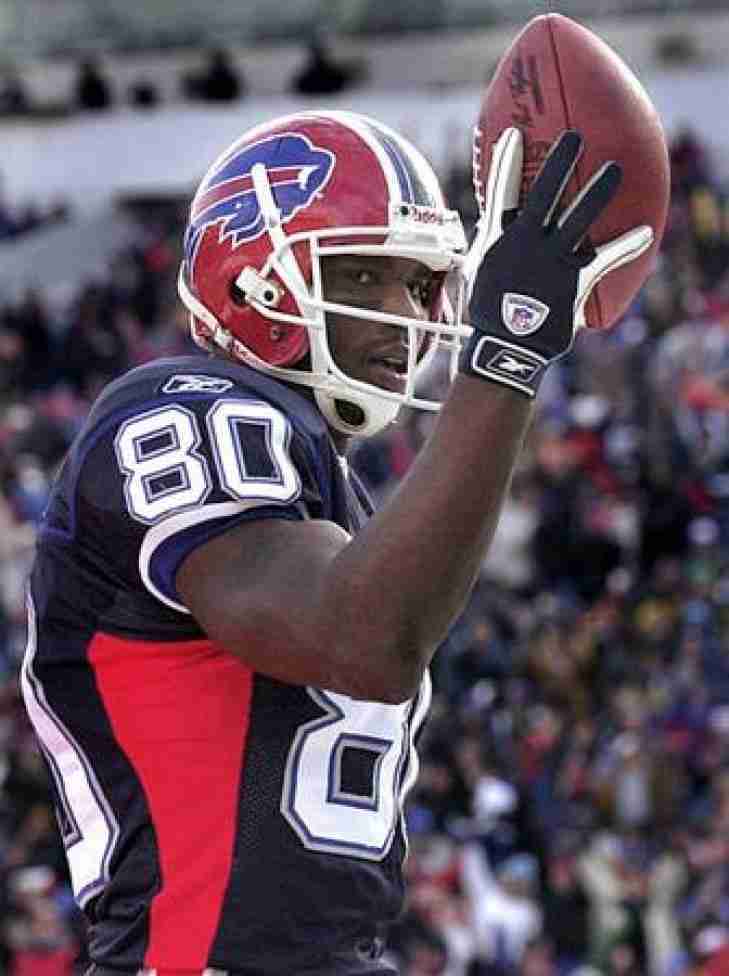
With the 24th overall pick in the first round of the 1996 NFL Draft, the Bills selected Eric Moulds, a dynamic wide receiver from Mississippi State. Biding his time on the depth chart behind legends like Andre Reed, Moulds exploded in his third season, establishing himself as one of the most dominant perimeter targets of the late 1990s and early 2000s.
Moulds had a rare physique, combining the robustness of a modern alpha receiver with the speed of a track athlete. He excelled at body-positioning defensive backs at the catch point, leveraging his formidable strength to dominate press coverage at the line. Once he secured the ball in the air, he demonstrated exceptional late-hands control, and his ability to break tackles after the catch made him a formidable threat in open space.
After spending his first two years as a rotational threat and return specialist, Moulds emerged in 1998 as a top offensive player. Dominating secondary after secondary, he broke the franchise record with 1,368 receiving yards—a record that lasted over twenty years—and averaged an impressive 20.4 yards per catch. He led the AFC in receiving yards, ranked second in the NFL, made his first Pro Bowl, and was named a Second-Team All-Pro. His standout 1998 season culminated in a memorable postseason game against the Miami Dolphins in January 1999, where Moulds caught nine passes for an astonishing 240 yards, setting an NFL playoff single-game record that still remains unbroken.
Despite catching passes from various quarterbacks after Jim Kelly's era, Moulds consistently demonstrated dominance. He earned his second Pro Bowl in 2000 with 1,326 receiving yards. In 2002, he made history as the first Bills player to reach 100 receptions in a season, finishing with 1,292 yards and 10 touchdowns, leading to a third Pro Bowl and his second Second-Team All-Pro selection.
After ten seasons with Buffalo, a salary-cap restructuring prompted a trade to the Houston Texans in 2006, a pick Buffalo used to select Kyle Williams. He ended his career with a final season in Tennessee in 2007. During his time with Buffalo, Moulds appeared in 154 regular-season games, recording 675 receptions, 9,096 receiving yards, and 48 receiving touchdowns. He also scored 10 total touchdowns on returns and rushing.
9. Joe DeLamielleure
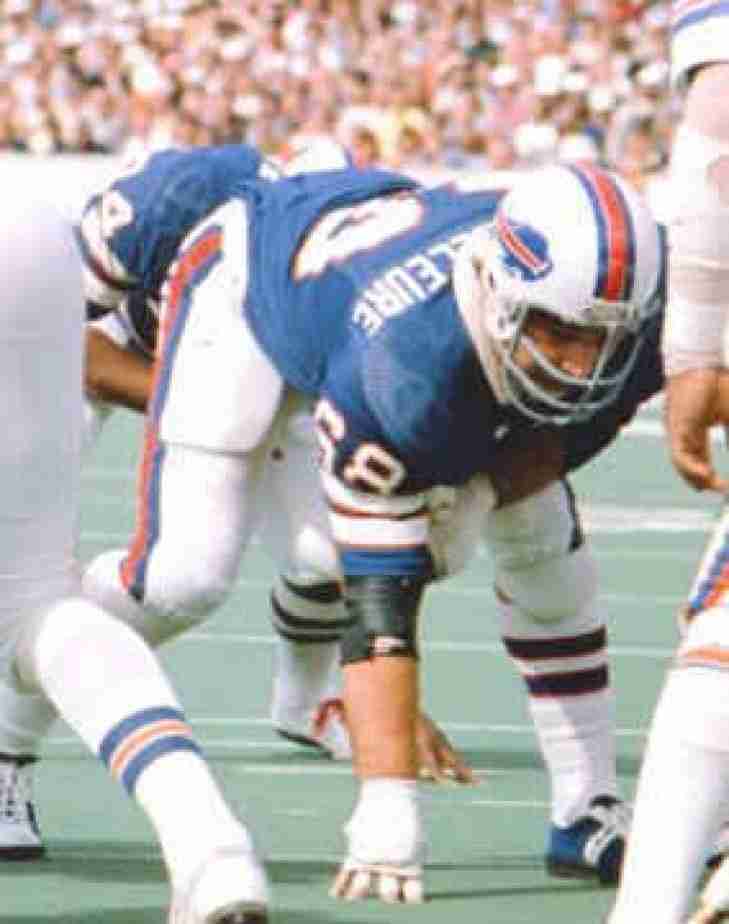
Selected 26th overall in the first round of the 1973 NFL Draft from Michigan State, Joe DeLamielleure arrived in Buffalo under immediate pressure to enhance the franchise's offensive line. Paired with tackle Donnie Green and guard Reggie McKenzie, "Joe D" became the central force of the renowned "Electric Company"—the offensive line celebrated for "turning the Juice loose" and propelling O.J. Simpson into the annals of history.
DeLamielleure, a 1970s guard, revolutionized guard play with quick footwork and superior balance. He was effective as a pulling guard, aggressively engaging linebackers on sweep plays. What distinguished him was his leverage and upper-body strength, allowing him to hold off top defensive tackles at the line of scrimmage. Notably, he frequently faced off against the legendary "Mean" Joe Greene of the Pittsburgh Steelers in intense trenches battles.
DeLamielleure received All-Rookie honors in 1973, starting immediately and playing a key role as Simpson became the NFL's first player to surpass 2,000 rushing yards (2,003 yards in 14 games).
His prime individual performance occurred in the mid-1970s. DeLamielleure received his first Pro Bowl nod in 1975, followed by three straight First-Team All-Pro selections in 1975, 1976, and 1977. His pulling blocks were key to Buffalo's 1975 offense, which at the time set an NFL record with 2,975 rushing yards in a single season. During his initial tenure with Buffalo (1973–1979), he appeared in five consecutive Pro Bowls and played in every game.
DeLamielleure was traded to the Cleveland Browns in 1980, where he played five seasons, earning another Pro Bowl in 1980 and supporting Brian Sipe's MVP season. He went back to Western New York in 1985 for one last season with the Bills before retiring. Over his 13-year career, he played in 185 straight regular-season games.
He was named to the NFL 1970s All-Decade Team, confirming his status as one of the top guards of his era. The Buffalo Bills honored him by adding him to the Wall of Fame in 1997. Six years afterward, DeLamielleure received football's highest accolade when he was inducted into the Pro Football Hall of Fame in 2003.
20. Jim Ritcher
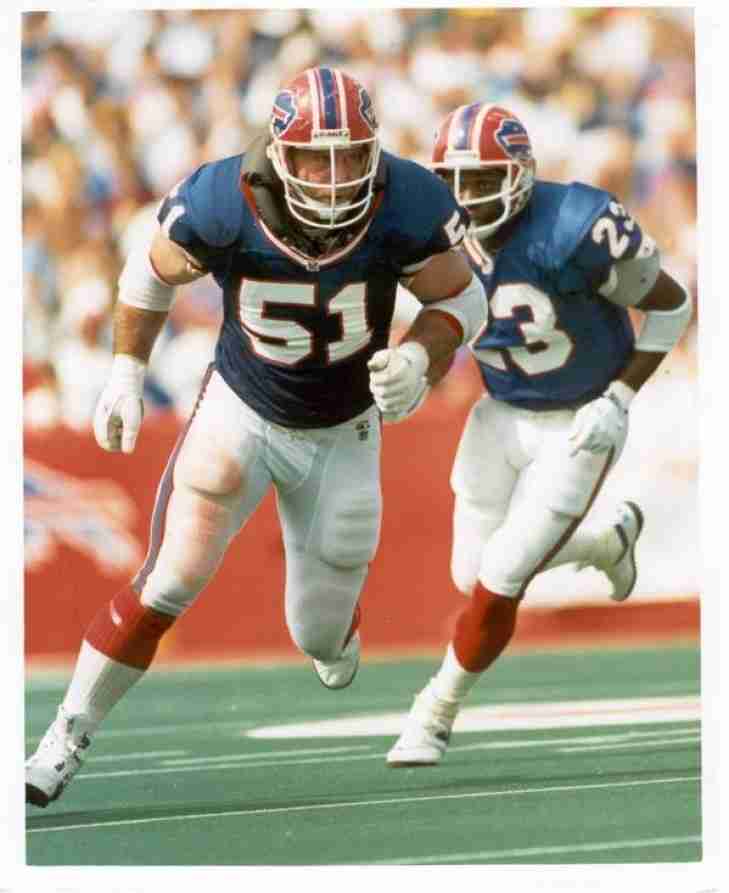
Ritcher entered the Bills Wall of Fame in 2004.
10. Ruben Brown
8. Billy Shaw
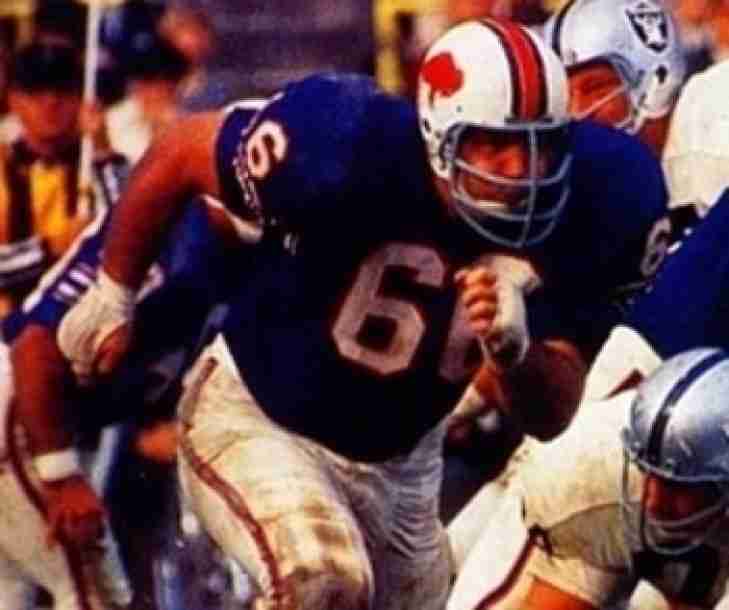
Billy Shaw, drafted in the second round of the 1961 AFL Draft out of Georgia Tech, faced a crucial decision. Picked at the same time by the Dallas Cowboys in the 14th round of the NFL Draft, Shaw chose Western New York because the Bills saw him as a mobile left guard, while Dallas considered him a linebacker. This decision changed the franchise’s course, as Shaw became a key figure in Buffalo's offensive line during its most successful pre-merger period.
In the 1960s, Shaw transformed interior line play with his exceptional speed and agility for an offensive lineman. Instead of just staying stationary as a pass protector, he was a versatile pulling guard, adept at leading sweep plays into open space. Shaw's quickness allowed him to get ahead of runners like Cookie Gilchrist and Wray Carlton, where he delivered powerful blocks against linebackers and defensive backs on the outside. At the same time, he had enough lower-body strength to handle larger interior tackles.
Shaw joined the starting lineup right away as a rookie in 1961, maintaining an elite level of consistency throughout his nine-year career. In 1962, he received his first AFL All-Star nod, beginning an impressive streak of eight consecutive All-Star selections from 1962 to 1969.
Between 1962 and 1966, Shaw received five consecutive First-Team All-AFL honors, anchoring Buffalo's championship offenses. His powerful blocking propelled the Bills to consecutive AFL Championships in 1964 and 1965, notably in 1964 when Buffalo defeated the San Diego Chargers 20-0 with a dominant ground game.
Shaw continued to be a top interior lineman until the end of the decade, earning Second-Team All-AFL honors in 1968 and 1969. He retired after the 1969 season, just before the AFL-NFL merger in 1970. During his nine seasons in Buffalo, he started 116 of his 119 career games and never played for another professional team.
His dominant decade secured his place on the AFL All-Time Team and the NFL 1960s All-Decade Team. The Buffalo Bills honored Shaw by adding him to their Wall of Fame in 1988. In 1999, he made football history by becoming the only player inducted into the Pro Football Hall of Fame who spent his entire professional career exclusively in the American Football League.
16. Jack Kemp
13. Mike Stratton
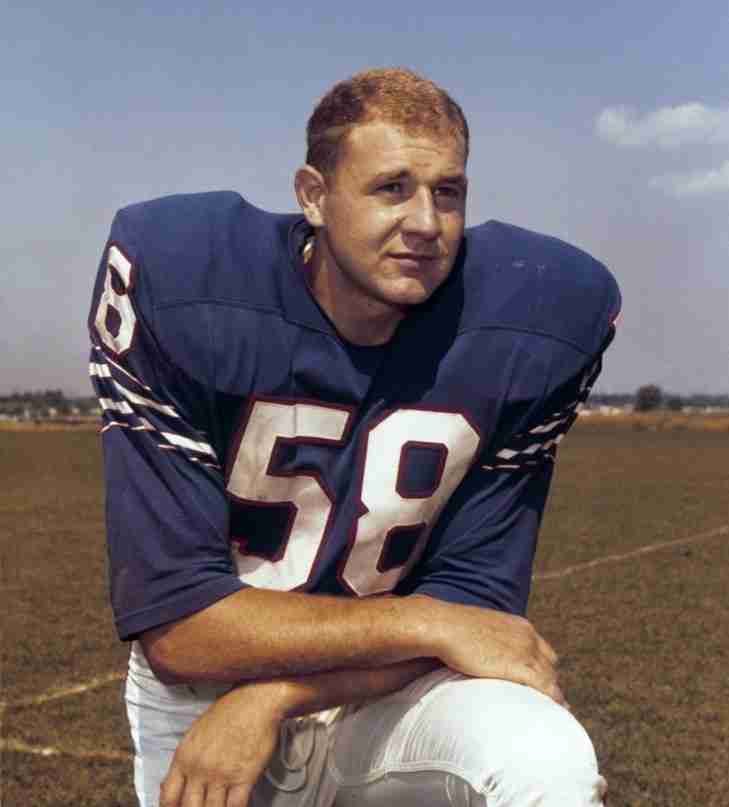
Buffalo chose Stratton for their Wall of Fame in 1994.
12. Cornelius Bennett

Taken second overall in the 1987 NFL Draft by Indianapolis out of Alabama, Cornelius Bennett landed in Buffalo following a blockbuster three-way trade before ever playing a down for the Colts. Joining a talent-rich core featuring Bruce Smith, Darryl Talley, and Shane Conlan, "Biscuit" brought rare, world-class athletic traits that elevated Ted Cottrell and Walt Corey's defense into an aggressive, championship-caliber unit.
Bennett possessed a rare combination of raw power, closing acceleration, and fluid movement skills. Operating as an outside linebacker in Buffalo's 3-4 front, he was equally adept at turning the corner as an explosive edge rusher or dropping back into pass coverage to blank out tight ends. His signature trait was his violent closing speed in pursuit—he possessed the lateral range to run down sweeps on the opposite sideline and the brute strength to blow up lead blockers in the hole.
Bennett made an immediate impact when he arrived midway through his rookie season in 1987, recording 8.5 sacks in just eight games. His rise to superstardom started in 1988. That year, he tallied 9.5 sacks, two interceptions, and three forced fumbles, earning him the UPI AFC Defensive Player of the Year award and his first Pro Bowl selection, along with a First-Team All-Pro honor.
As the Bills began their historic dominance in the early 1990s, Bennett was the driving force of Buffalo's front seven during four straight Super Bowl appearances (1990–1993). In 1991, he delivered another exceptional season, recording 78 tackles, 9.0 sacks, and three forced fumbles, earning his second UPI AFC Defensive Player of the Year award, his second First-Team All-Pro selection, and his third Pro Bowl.
He continued to be a dominant player throughout the decade, earning Pro Bowl selections in 1992, 1993, and 1995. His most memorable moment was during the 1993 playoffs against Oakland, when he delivered a powerful sack on Vince Evans, marking Buffalo's return to the championship game.
After nine stellar seasons in Western New York, salary-cap pressures led to a separation following the 1995 season. Bennett signed a free-agent deal with Atlanta in 1996, helping lead the Falcons to Super Bowl XXXIII before concluding his career with the Indianapolis Colts. His dominance throughout the era earned him a spot on the NFL 1990s All-Decade Team.
Bennett played in 128 regular-season games, accumulating 52.5 sacks, 793 total tackles, seven interceptions, 22 forced fumbles, and 19 fumble recoveries as a Bill. In 2010, the franchise honored his lasting impact by inducting Bennett into the Buffalo Bills Wall of Fame.
14. Darryl Talley
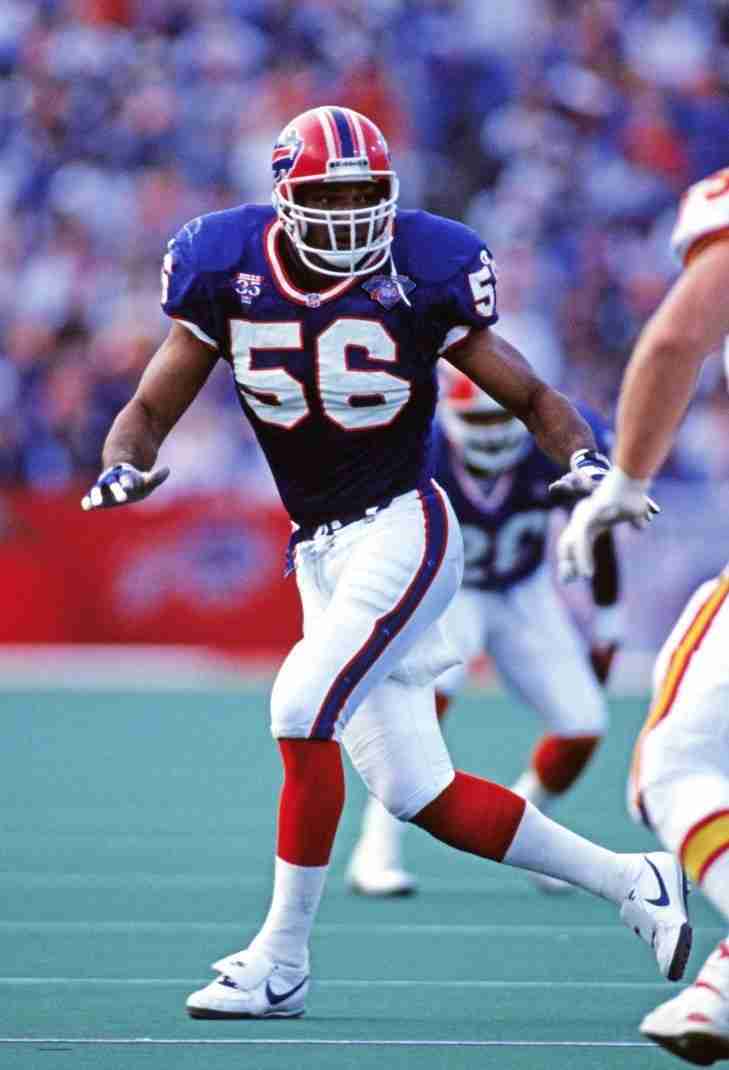
Chosen in the second round (39th overall) of the 1983 NFL Draft by Buffalo from West Virginia—where he earned unanimous All-American honors—Darryl Talley joined Western New York as an energetic and formidable defender. Throughout his twelve-season tenure with Buffalo, "Spider-Man" established himself as an essential defensive pillar, exhibiting exceptional durability and extensive sideline-to-sideline coverage during the franchise's most illustrious period.
Talley was a standout outside linebacker who combined the quickness of a defensive back with the powerful hits of a down lineman. Playing on Buffalo's right side in the 3-4 defense, he lined up right next to Bruce Smith, giving him plenty of space to rush the passer, stop the run, or cover receivers. Known for his distinct arms-extended "Spider-Man" stance at the pre-snap line, Talley used his keen sense of space and relentless energy to make tackles before plays could easily go outside.
Talley fulfilled his role as a key rotational player and pass rusher before becoming a full-time starter in 1984. During the Bills’ championship team formation in the late 1980s, Talley became the defensive unit's central figure and outspoken leader.
His peak performance period aligned with Buffalo's four consecutive AFC Championship appearances from 1990 to 1993. In 1990, Talley was selected for his first Pro Bowl and received First-Team All-Pro recognition for leading a formidable linebacker group to Super Bowl XXV. He repeated his individual achievements in 1991, earning a second consecutive Pro Bowl selection while anchoring a defense that successfully contained top offenses in the AFC.
He added another First-Team All-Pro selection in 1993, capping off a golden four-year stretch in which he started all four Super Bowl appearances for Western New York.
Salary-cap constraints led to Talley's emotional departure after the 1994 season. In 1995, he joined Atlanta via free agency, then moved to Minnesota in 1996 before retiring after 14 NFL seasons. Throughout his time in Buffalo, Talley played in every game, with a streak of 188 consecutive regular-season appearances. He totaled 1,137 tackles—an all-time franchise record—along with 38.5 sacks, 12 interceptions, and 14 fumble recoveries. The Bills inducted him into their Wall of Fame in 2003.
2. Thurman Thomas
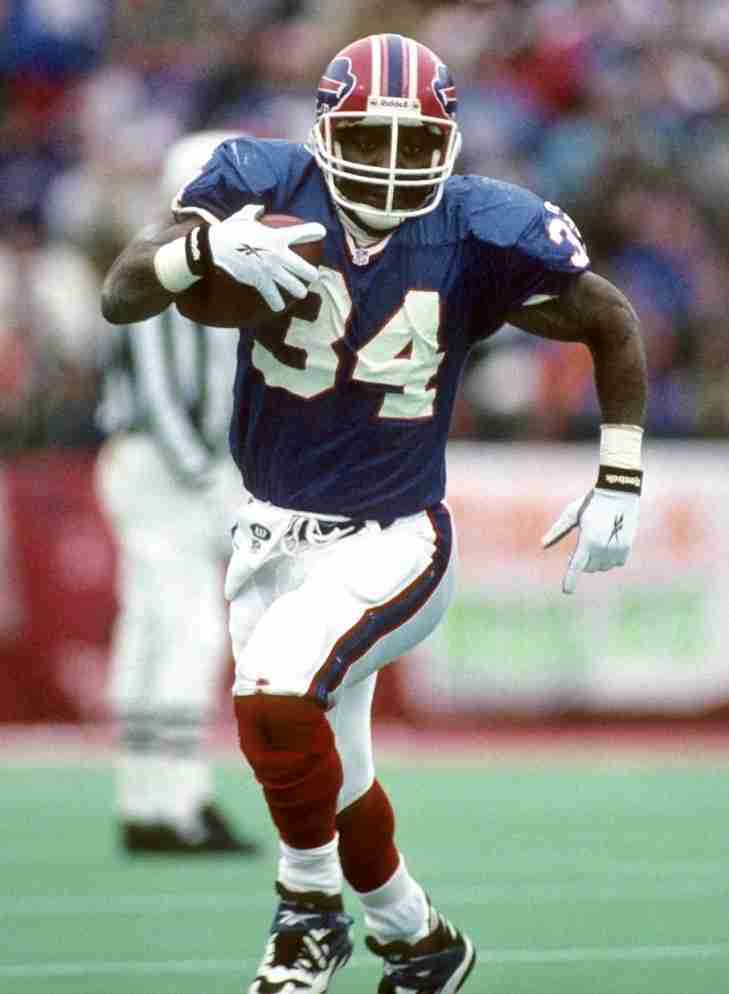
Thurman Thomas was drafted 40th overall in the second round of the 1988 NFL Draft from Oklahoma State, after falling past the first round due to knee concerns, but he arrived in Buffalo determined to prove himself. Teaming up with Jim Kelly, Andre Reed, and coach Marv Levy, Thomas became central to the iconic "K-Gun" fast-paced offense, transforming the running back role into a formidable dual-threat weapon both rushing and receiving.
Thomas had outstanding open-field vision, quick lateral movements, and exceptional pass-catching ability. When working in no-huddle formations, he took advantage of light defensive boxes meant to defend against Buffalo's passing attack. He pushed defensive edges, made sharp acceleration cuts to weave through second-level gaps, and absorbed hits without slowing down. As a backfield receiver, he ran diverse routes—such as slants, wheels, and angles—creating tough single-coverage challenges for linebackers.
Thomas quickly established himself as a rookie in 1988, gaining 881 yards, and then exploded in 1989 with 1,244 rushing yards and 60 receptions. This marked the start of an exceptional period where Thomas led the NFL in total yards from scrimmage for four straight seasons (1989–1992), showcasing durability and versatility comparable to Buffalo's four consecutive AFC championships.
His outstanding season came during the 1991 AP NFL MVP and Offensive Player of the Year campaign. Thomas propelled Buffalo to a 13–3 record, rushing for 1,407 yards and seven touchdowns, while also making 62 receptions for 631 yards and five touchdowns through the air. His 2,038 total yards from scrimmage topped the league, earning him his second First-Team All-Pro honor as Buffalo secured its second straight conference title.
Thomas demonstrated exceptional durability by achieving eight straight 1,000-yard rushing seasons from 1989 to 1996. During Buffalo's four Super Bowl appearances, he was the team's key postseason performer, setting NFL postseason records for total points (126) and touchdowns (21) at retirement.
Following a 12-year tenure with Buffalo and a final season with Miami in 2000, Thomas retired holding franchise records of 11,938 rushing yards and 65 rushing touchdowns. He also recorded 4,458 receiving yards and 22 receiving touchdowns. Thomas was named to the NFL 1990s All-Decade Team. Buffalo honored him by adding him to the Wall of Fame in 2005. He was inducted into the Pro Football Hall of Fame in 2007, and in October 2018, the franchise officially retired his No. 34 jersey.
11. Fred Smerlas
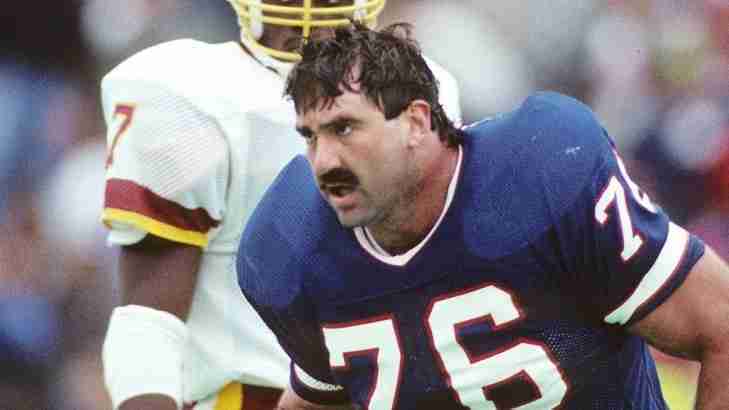
Drafted in the second round (32nd overall) of the 1979 NFL Draft out of Boston College, Fred Smerlas arrived in Western New York as a relentless, physical force. Tipping the scales at 6 feet 3 inches and 275 pounds, he redefined nose tackle play in Chuck Knox’s 3-4 defense, anchoring the center of Buffalo's front line during an era of massive franchise transition.
Smerlas operated with a low center of gravity, aggressive hand techniques, and relentless energy. Positioned centrally, he excelled at breaking double-teams and absorbing hits in the interior, enabling linebackers like Shane Conlan and Darryl Talley to make tackles. Unlike typical nose tackles of his time, Smerlas was noteworthy for his lateral agility—he often shed blocks to disrupt running lanes or collapse the pocket during passing plays.
Smerlas became the starting nose tackle full-time in 1980 during his sophomore year, earning his first Pro Bowl selection as he led a defense that helped Buffalo win its first AFC East title in four years. He reaffirmed his status in 1981 with another Pro Bowl appearance, cementing his reputation as one of the top interior defensive linemen in the league.
His peak performance came in the limited 1982 season. As the key threat on a defense that helped Buffalo stay competitive, Smerlas had a standout run that earned him his only First-Team All-Pro honor and his third straight Pro Bowl selection.
Despite the Bills experiencing several tough losing seasons in the mid-1980s, Smerlas remained a fan favorite and a standout player in Western New York. He earned two more Pro Bowl selections in 1983 and 1988, playing a key role on the defense as young stars like Bruce Smith, Cornelius Bennett, and Jim Kelly helped turn Buffalo into a powerhouse. By the late 1980s, Smerlas's efforts paid off as the team became a consistent contender, winning back-to-back AFC East titles in 1988 and 1989.
After 11 seasons in Buffalo, Smerlas departed after the 1989 campaign as the Bills transitioned to younger defensive linemen. He played one season for San Francisco in 1990 and finished his career with New England in 1991 before retiring.
With the Bills, Smerlas played in 162 regular-season games, accumulating 29 official sacks and recovering 11 fumbles. In recognition of his stellar play and lasting popularity, Smerlas was inducted into the Buffalo Bills Wall of Fame in 2001.
6. Andre Reed
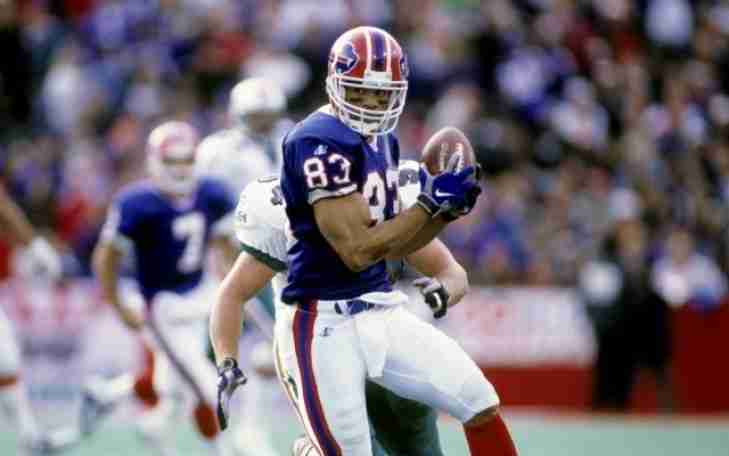
Selected in the fourth round (86th overall) of the 1985 NFL Draft out of Division II Kutztown University, Andre Reed arrived in Buffalo as a small-school prospect with raw athletic upside. He quickly shattered expectations, spending 15 seasons as Jim Kelly's most dependable target and establishing himself as one of the most prolific wide receivers in NFL history.
Reed revolutionized slot and intermediate receiver roles within Marv Levy's fast-paced "K-Gun" offense. Known for his fearless approach to the middle of the field, he specialized in running slants, shallow crosses, and seam routes through dense secondary coverage. Once he caught the ball, Reed became a strong runner, leveraging his powerful lower body and quick bursts of speed to make significant yardage after the catch (YAC).
Reed made an impressive rookie debut in 1985 with 48 catches, 637 yards, and four touchdowns. In 1986, he became Buffalo's top receiver, leading in both receptions and yards. His rise to elite status aligned with Buffalo's no-huddle offense. Reed received his first of seven straight Pro Bowl selections (1988–1994) in 1988, with 71 catches for 968 yards. He hit his career high in receiving yards in 1989, with 88 catches, 1,312 yards, and nine touchdowns, earning Second-Team All-Pro honors.
During Buffalo's four straight AFC championship runs, Reed was the offense's key player in crucial moments. In 1991, he made 81 catches for 1,113 yards and scored 10 touchdowns, setting a personal best, with another impressive season in 1992. His postseason performance in 1992 solidified his reputation in big games, especially during "The Comeback" against the Houston Oilers, where he caught eight passes for 136 yards and scored three second-half touchdowns, helping set the NFL record for the biggest playoff comeback.
Reed enjoyed another prolific season in 1994, setting a single-season career high with 90 receptions for 1,303 yards. Despite a hamstring injury in 1995, he bounced back in 1996 with 66 catches for 1,036 yards—his fourth 1,000-yard campaign. He remained a steady starter through his final year in Buffalo in 1999, then concluded his career with Washington in 2000.
Over 15 seasons with Buffalo, Reed established franchise records that remain unbroken: 941 receptions, 13,095 receiving yards, and 86 receiving touchdowns in 221 regular-season games. Upon retiring, he ranked just behind Jerry Rice in career postseason receptions (85) and Super Bowl catches (27). The franchise enshrined Reed on the Buffalo Bills Wall of Fame in 2006. Eight years later, he took his place in the Pro Football Hall of Fame in 2014.
4. Jim Kelly
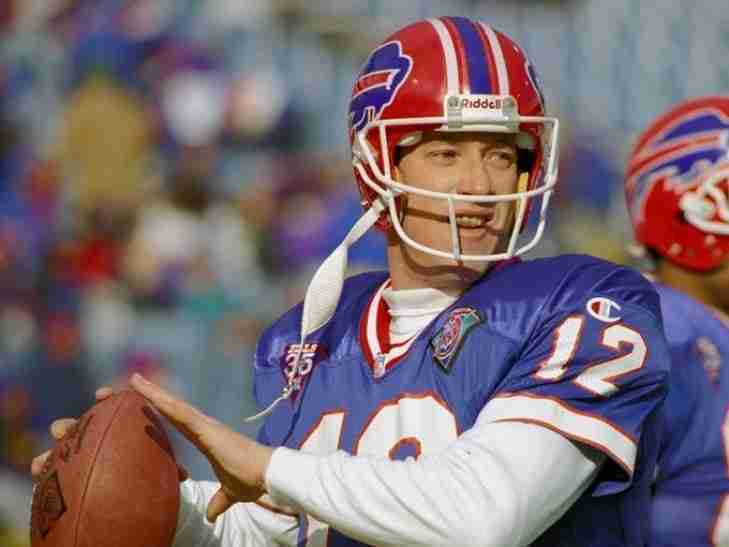
Drafted 14th overall in the renowned 1983 NFL Draft class originating from Miami, Jim Kelly initially expressed reluctance regarding the prospect of playing in Western New York, choosing instead to sign with the Houston Gamblers of the USFL. After two outstanding seasons within the spring league, the USFL ceased operations, prompting Kelly to relocate northward and join Buffalo in 1986. What commenced as a hesitant arrival ultimately evolved into one of the most celebrated bonds between a player and a city in sports history, as Kelly wholeheartedly adopted the blue-collar ethos of the region and became the cherished face of the franchise.
Kelly epitomized a formidable, physically robust pocket passer, embodying a linebacker’s mentality in the quarterback role. Serving as the field general for the innovative "K-Gun" offense, he exercised comprehensive control at the line of scrimmage, calling plays without a huddle to prevent opposing defenses from mounting effective countermeasures. Kelly demonstrated a rapid release, superior intermediate ball placement, and exceptional composure under pressure, consistently remaining upright in the pocket to deliver accurate throws just prior to receiving substantial hits.
Kelly made an immediate impact when he debuted with the Bills in 1986, passing for 3,593 yards and 22 touchdowns. He earned his first Pro Bowl in 1987 after guiding Buffalo to a .500 record, and secured another in 1988 as he led the team to a 12–4 record and an AFC East championship.
His prime years aligned with Buffalo's remarkable streak of four straight AFC championships from 1990 to 1993. In 1990, Kelly topped the NFL in passer rating (101.2) and completion percentage (63.3%) while leading the team to Super Bowl XXV. The following year, he delivered an outstanding 1991 season, earning First-Team All-Pro honors, leading the league with 33 touchdown passes, and setting a personal best with 3,844 passing yards. He earned Pro Bowl selections in 1990, 1991, and 1992, and was among the top five in MVP voting in 1990 and 1991.
Over his 11 seasons in Buffalo, Kelly led the team to six AFC East division titles and eight playoff appearances. He retired following the 1996 season holding every major franchise passing record, finishing his career with 35,467 passing yards and 237 touchdown passes across 160 regular-season starts.
In November 2001, the organization honored his legacy by inducting him into the Buffalo Bills Wall of Fame and retiring his No. 12 jersey, the first in team history to do so. The next year, Kelly was elected to the Pro Football Hall of Fame in his first year of eligibility.
1. Bruce Smith
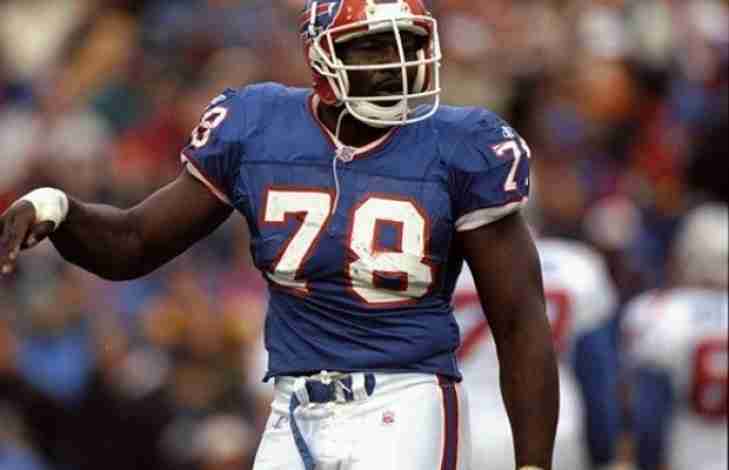
Drafted first overall in the 1985 NFL Draft from Virginia Tech, Bruce Smith came to Western New York with high expectations and quickly proved himself. Although Buffalo's explosive K-Gun offense frequently made headlines nationally, Smith was the true driving force of the team, dominating opposing backfields for 15 seasons and becoming the all-time leading sack artist in football history.
Smith combined explosive quickness, lateral agility, and raw power with an exceptional skill set. Usually playing as a 3-4 defensive end—an role mainly focused on absorbing double-teams rather than racking up individual stats—he defied traditional positional roles. Smith utilized his signature dip-and-rip move, leveraging his flexibility to bend around corners at sharp angles without losing speed. When offensive linemen over-kicked to contain the outside, he responded with a powerful swim move or a fierce bull rush that pushed the pocket into the quarterback. Additionally, Smith showed impressive stamina and sharp game awareness, often disengaging from blocks to tackle running plays behind the line of scrimmage.
Smith made an immediate impact as a rookie in 1985 with 6.5 sacks, then truly established himself in 1986 with 15 sacks, marking his rise. In 1987, he achieved his first Pro Bowl and First-Team All-Pro honors after recording 12.0 sacks in only 12 games, beginning a streak of double-digit sacks in 12 of his 13 full seasons in Buffalo. He continued with 11.0 sacks in 1988 and 13.0 in 1989, leading a swiftly improving defense that propelled Buffalo into serious playoff contention.
His standout season was 1990, when he earned the Defensive Player of the Year award. Smith led the league throughout the season, setting a franchise record with 19.0 sacks and making 101 tackles—an impressive feat for a defensive lineman. His dominance was especially clear in Week 14, when he sacked Indianapolis quarterback Jeff George four times in the first 20 minutes. He finished the year by helping Buffalo reach its first AFC championship, highlighted by a safety in Super Bowl XXV.
After missing most of the 1991 regular season due to knee surgery, Smith made a strong comeback in 1992, recording 14.0 sacks and helping the defense secure a third consecutive AFC title. He replicated that 14.0-sack achievement in 1993, adding 108 tackles and earning another First-Team All-Pro honor as Buffalo secured its fourth straight conference championship. Smith continued to perform at an elite level into the mid-1990s, with 10.0 sacks in 1994 and 10.5 in 1995.
Smith captured his second AP Defensive Player of the Year award in 1996 at age 33. Racking up 13.5 sacks, 90 tackles, and five forced fumbles, he proved virtually unblockable even as offenses geared their entire blocking schemes toward stopping him. He backed that up with 14.0 sacks in 1997 and 10.0 sacks in 1998, turning in his final double-digit sack year in Western New York. He completed his Buffalo tenure in 1999 with a 7.0-sack campaign, taking the team to its final postseason appearance of the decade.
Smith played his final four seasons in Washington, surpassing Reggie White's all-time record in 2003 to finish with 200.0 sacks, a mark that remains the benchmark for pass rushers. During his 15 seasons with Buffalo, he appeared in 217 regular-season games, set franchise records with 171.0 sacks, and earned 11 Pro Bowl selections. He was named to the NFL 1980s All-Decade Team, the 1990s All-Decade Team, and the NFL 100th Anniversary All-Time Team.
His impact in Western New York is unparalleled. The Buffalo Bills added him to their Wall of Fame in 2008. A year afterward, he was inducted into the Pro Football Hall of Fame in 2009 on his first ballot. In 2016, the team honored him with a jersey retirement ceremony for No. 78, the first in franchise history.
3. O. J. Simpson
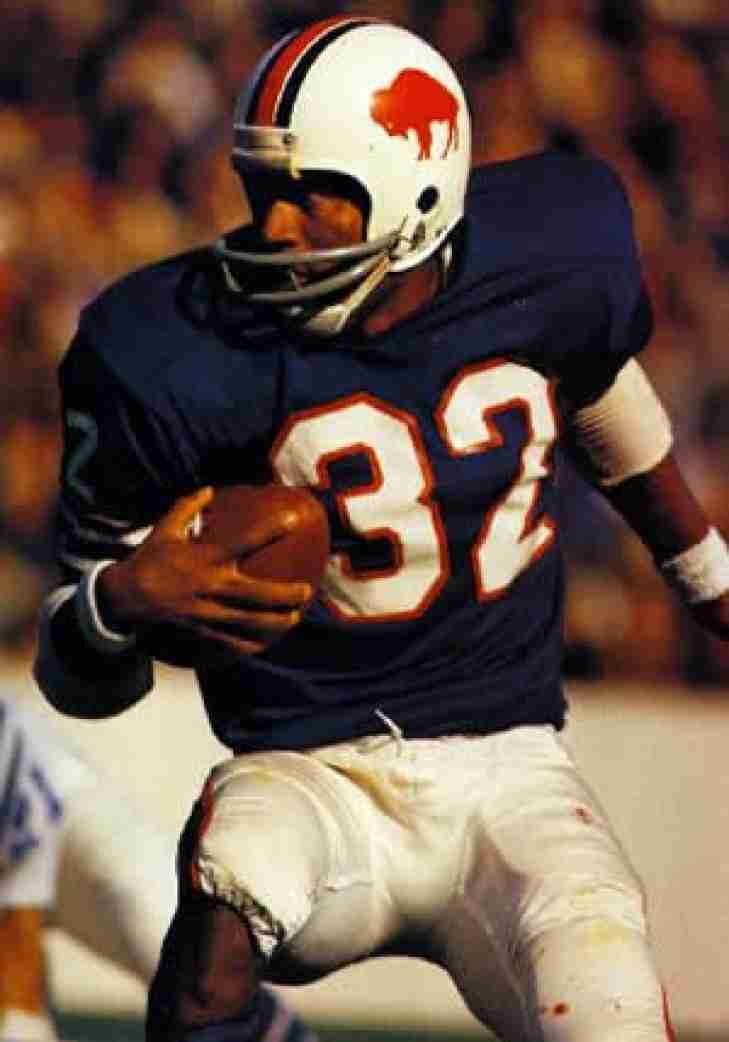
Drafted first overall in the 1969 AFL-NFL Draft from USC after winning the Heisman Trophy, Orenthal James Simpson joined Buffalo amid huge expectations as one of the most highly touted college prospects in football history. His early career was limited by head coach John Rauch's mismanagement of his skills, resulting in modest stats during his first three seasons. Everything changed in 1972 with the arrival of head coach Lou Saban and the formation of the "Electric Company,” a powerful offensive line featuring guards Joe DeLamielleure and Reggie McKenzie. With a strong blocking unit, Simpson was able to run freely, leading to five seasons of remarkable individual rushing success.
Simpson blended exceptional track sprinting speed with impressive lateral agility. From deep I-formation formations, he used sharp vision to analyze blocking schemes at the line, reaching top speed in just two strides. After turning the corner, Simpson was nearly impossible to catch in open space, often employing a stiff-arm to fend off defenders while sprinting down the sideline.
His legendary 1973 season marked his greatest achievement. In only 14 games, Simpson made history as the first NFL player to surpass 2,000 rushing yards, tallying 2,003 yards and 12 touchdowns with an impressive average of 143.1 yards per game. This single-season league record remains unbroken. He also claimed all major awards, including AP NFL MVP, Offensive Player of the Year, and the Bert Bell Award. It remains one of the most impressive offensive campaigns in NFL history.
"The Juice" maintained his reputation as the premier running back over the next three seasons. In 1975, he led the league with 1,817 rushing yards and scored 23 total touchdowns (16 rushing, 7 receiving). The following year, he secured his fourth rushing title with 1,503 yards, highlighted by a famous 273-yard game against Detroit on Thanksgiving Day. From 1972 to 1976, Simpson earned five straight First-Team All-Pro selections and appeared in five Pro Bowls, despite leading a struggling Buffalo team.
After a shoulder injury ended his 1977 season early, Simpson was traded to the San Francisco 49ers, where he played two more seasons before retiring in 1979. During nine seasons with Buffalo, he rushed for 10,183 yards and scored 57 touchdowns, accumulating a total of 12,425 yards from scrimmage. He was honored as a member of the NFL 1970s All-Decade Team and the NFL 100th Anniversary All-Time Team. In 1980, Simpson became the inaugural member of the Buffalo Bills Wall of Fame, becoming the first individual enshrined on the stadium's ring. Five years later, he entered the Pro Football Hall of Fame in 1985.
Simpson’s legacy is complex. In June 1994, his ex-wife Nicole Brown Simpson and her friend Ronald Goldman were tragically murdered outside her Los Angeles residence. Simpson was later arrested after a televised low-speed chase in his white Ford Bronco, an event that became known as the "Trial of the Century.”
The Bills did not remove Simpson from the Wall of Fame, but when the team relocated to Highmark Stadium, they announced that he would no longer be included in the display.
149. Steve Tasker
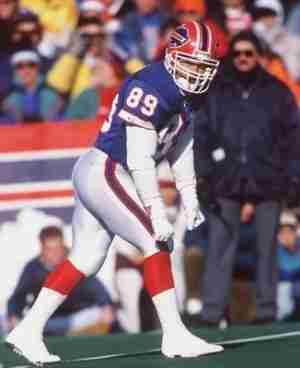
Steve Tasker may have been listed as a Wide Receiver, but with only 51 career receptions, it is hard to think of him as a successful wideout. Tasker did, however, make the Pro Bowl, but it was not because of his offensive capabilities but because of his prowess on the Special Teams.
Tasker was probably the first player in NFL history to distinguish himself on special teams without being a Punter or Kicker. He was not a big man, but he was deceptively quick and a brilliant tackler. He excelled at stripping the ball away from runners, and it was rare when he was not the first run to reach the return man upon kickoff.
Many consider Steve Tasker the greatest Special Teams player of all time. If the Hall looks to someone in that discipline, they would have to look to Western New York.
Should Steve Tasker be in the Hall of Fame?
59. London Fletcher
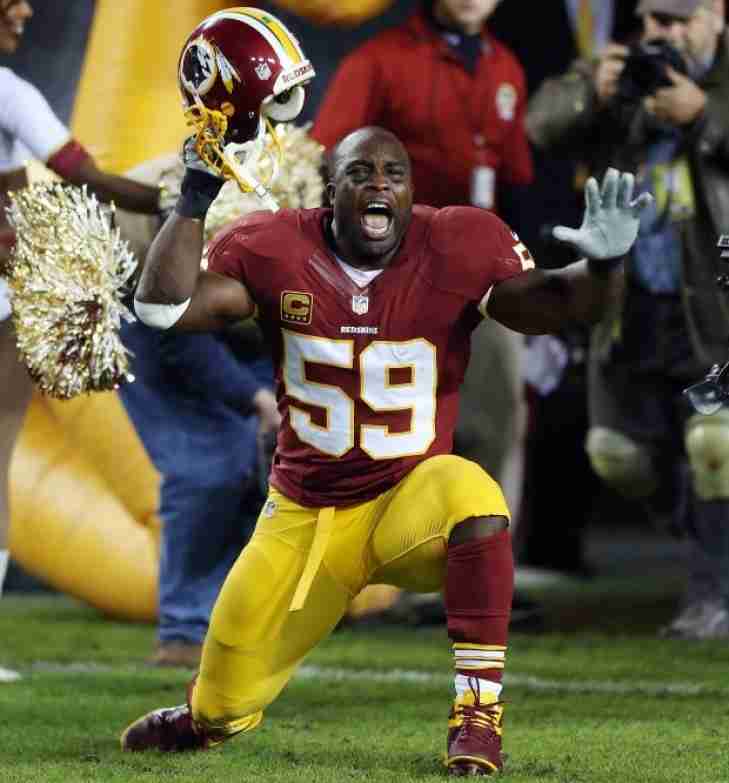
London Fletcher was a tackling machine who had accumulated over 2,000 Tackles in the National Football League. This is where Fletcher’s best chance for the Hall lies, as he was only a four-time Pro Bowl selection, a number that, right or wrong, does matter. Fletcher, however, does hold a resume with all those tackles, longevity, a Super Bowl Ring with the Rams, and a reputation as a locker room leader and off-field good guy.
For our money, nobody more intriguing was first eligible in 2019, and his overall resume is one of the most interesting on this list. Whether or not he ever receives any PFHOF consideration, the fact that he accomplished so much as an undrafted player from John Carroll will forever be impressive.
197. Drew Bledsoe
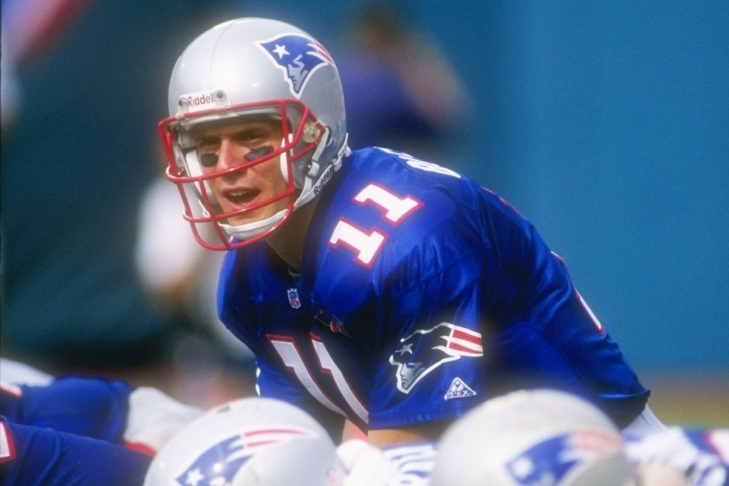
Did we make a mistake not ranking Drew Bledsoe in his first year of eligibility? Statistically speaking, we may have made a mistake, as his career statistics are more impressive than those of other Quarterbacks ranked higher than him. However, other intangibles come into play, which makes it hard for us to determine his perfect place on this list.
Sure, he has solid career totals and impressive statistical seasons, but what can never be forgotten is that once he got injured, Tom Brady stepped in and took the Patriots over the final hurdle Bledsoe never could; and that is where the problem lies. In his first year of eligibility, Bledsoe was not a semifinalist, which shows that many view him the same way we do…a very good QB who also was a bit of a stat accumulator at the end, yet has a bit of a Wally Pipp quality to him. Drew Bledsoe was very good, but a lot of things would have to go right for him to be considered a serious threat for Canton; that elusive Super Bowl (which he does have, but on the injured list) means more on a Quarterback’s Hall of Fame resume than any other position.
