


Committee Chairman
20. Joe Sewell
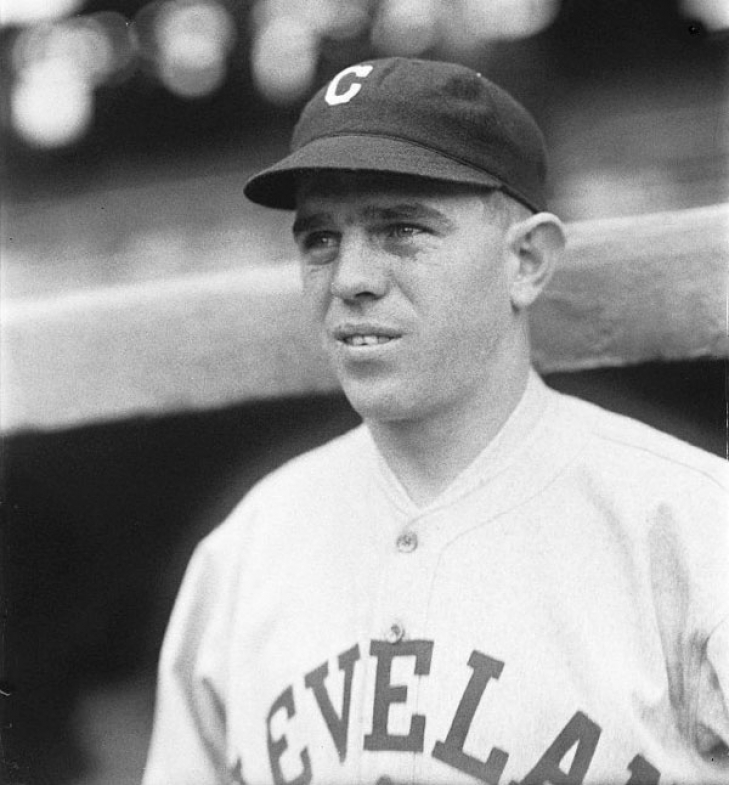
Joe Sewell’s entry into the Major Leagues was forged in the fire of the 1920 season, arriving just weeks after the tragic death of Ray Chapman. Tasked with replacing a beloved icon in the midst of a pennant race, the young infielder matured instantly, anchoring the infield and helping propel the Indians to their first World Series championship. He emerged with a specialized, contact-heavy approach that relied on the most discerning eye in the history of the Junior Circuit. During his tenure, he was a model of relentless efficiency, achieving an incredible stretch where he batted over .300 in eight different campaigns for the club.
The most impressive aspect of his career was a statistical outlier that borders on the impossible. Sewell was a master of plate discipline, with a knack for putting the ball in play regardless of the count or the quality of the pitch. He famously never struck out more than 20 times in a single season, and in four separate years with Cleveland, he finished with single-digit strikeouts despite surpassing 600 plate appearances. He wasn't just a tough out; he was a tactical ghost who haunted opposing pitchers, accumulating 1,800 hits as an Indian and serving as a high-frequency run producer through pure, professional craftsmanship.
His presence was defined by a quiet, blue-collar durability and a defensive skill set that made him one of the most dependable infielders of the 1920s. Sewell remained the heart of the Cleveland infield for eleven seasons, utilizing a workmanlike approach to navigate the demands of a decade defined by high offensive output.
Sewell was released by the organization following the 1930 season, but he eventually moved on to capture another title with the New York Yankees. With the Indians, Sewell compiled 1,800 hits, 375 doubles, and maintained a historic .320 batting average across 1,513 games.
The ultimate punctuation on his legacy arrived in two significant stages. In 1951, the organization recognized his monumental contribution by selecting him for the inaugural Cleveland Guardians Hall of Fame class. The final recognition of his mastery came in 1977, when Joe Sewell was inducted into the National Baseball Hall of Fame in Cooperstown.
21. George Uhle
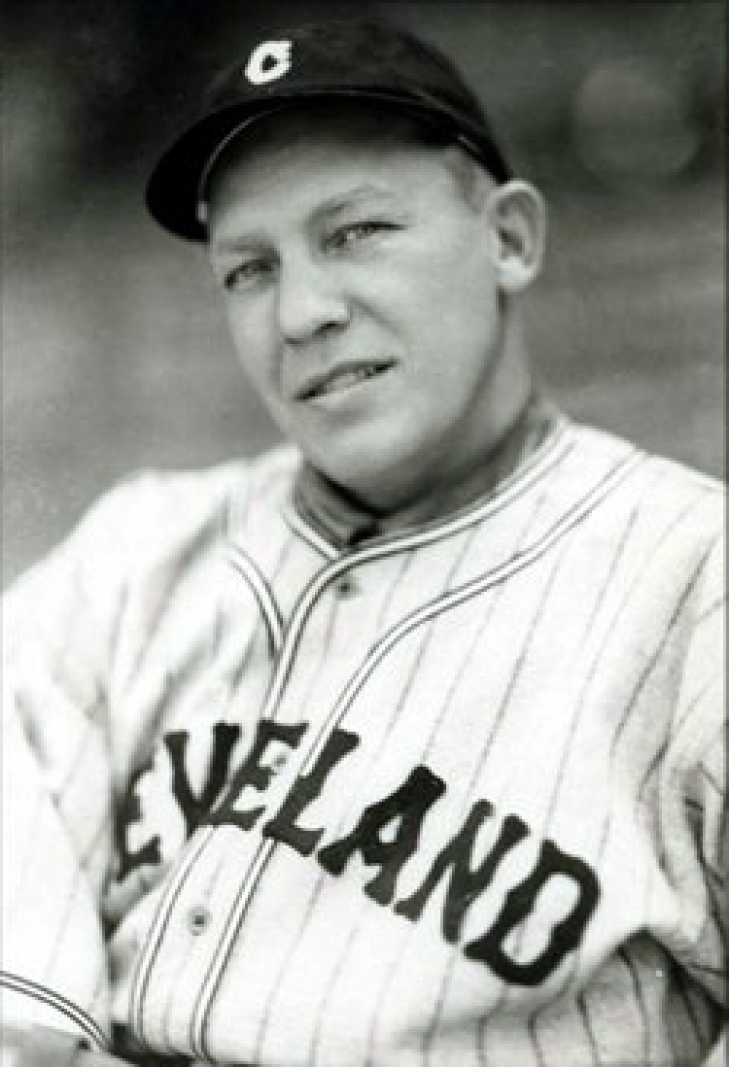
George Uhle surfaced in the Cleveland lineup in 1919, and “The Bull” quickly became a fixture of the staff, playing a supporting role in the franchise’s historic 1920 World Series championship. He emerged with a specialized repertoire that relied on durability and a deceptive breaking ball, embarking on a stretch where he became the undisputed ace of the Tribe. By the early 1920s, he had reached a remarkable ceiling of productivity, achieving three 20-win seasons and twice leading the American League in victories. He was a model of specialized workload, leading the league in innings pitched and complete games in 1923 and 1926, proving that his game was built on a relentless ability to outlast any opponent.
The most impressive aspect of his tenure was his legendary fearlessness when facing the most dangerous hitters in baseball history. Uhle was a master of high-stakes psychology, famously walking a batter once specifically to get to Babe Ruth, whom he promptly struck out. He possessed a specialized "number" on the Sultan of Swat, fanning Ruth 25 times over his career, the second-most of any pitcher in history. This wasn't just a defensive specialty; he was also one of the premier hitting pitchers of all time, maintaining a career .289 batting average and serving as a high-frequency pinch-hitting option when the club needed a professional bat late in games.
Uhle remained a fixture of the Cleveland rotation for a decade, using his innovative slider to remain productive even as the league's offensive numbers exploded. Whether he was grinding through a league-leading 357 innings or lacing a line drive as a pinch-hitter, he competed with a focused intensity that made him a local favorite and a national standout. He proved that a player could become the cornerstone of a franchise through a rare combination of mound dominance and offensive reliability.
Uhle was traded to the Detroit Tigers, but he left the organization with a 147-118 record with 1,894 innings pitched and a .303 batting average in over 700 at-bats.
17. Albert Belle
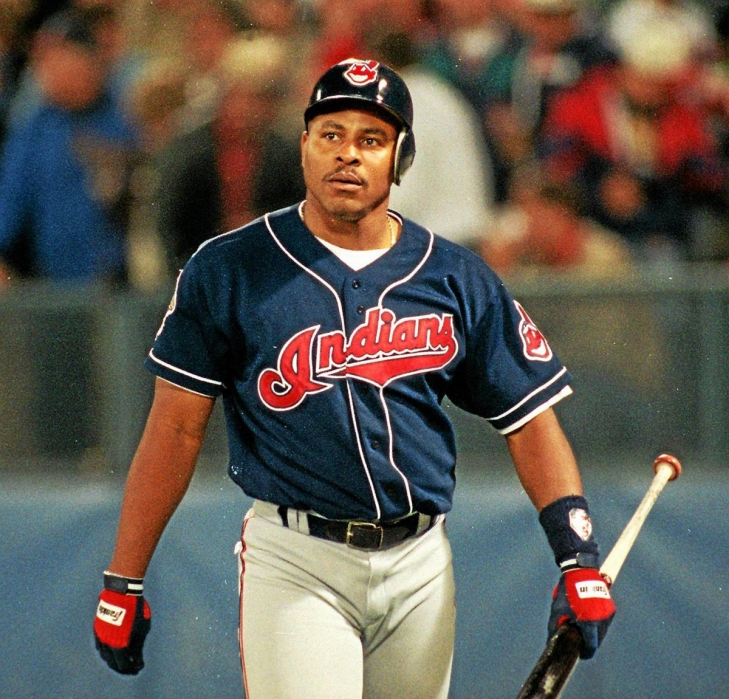
Albert Belle surfaced as a regular fixture in the Cleveland lineup in 1991 and matured instantly into the premier power threat in the American League. He emerged with a specialized, heavy-handed stroke that turned the "Jake" into a launching pad, embarking on a remarkable five-year run where he hammered at least 34 home runs and drove in over 100 runs annually. He was the definition of an efficiency outlier, a tactical weapon who anchored a lineup that led the franchise back to the World Series for the first time in over forty years.
In 1995, Belle had a season of such profound offensive dominance that it remains a statistical anomaly. That summer, Belle became the first and only player in Major League history to record 50 home runs and 50 doubles in the same season. He was a master of run production, leading the American League in homers (50), doubles (52), and runs scored (121) while authoring a massive .317/.401/.690 slash line. Despite this historic performance, he famously finished as the runner-up for the MVP, a result often attributed to his abrasive relationship with the media rather than a lack of competitive brilliance. He followed that masterpiece with another RBI title and a third-place MVP finish in 1996, proving that his value was rooted in a sustained, high-ceiling excellence that few could hope to contain.
Belle was synonymous with a relentless, focused aggression that made every at-bat a high-stakes event. Belle was a master of the inner half of the plate, using his legendary strength to pull balls into the left-field bleachers with terrifying frequency. Whether he was pointing to his hip after a controversial home run or lacing a double into the gap to spark a late-inning rally, he played with a visible intensity that made him a local immortal. Even as he sought a change of scenery and joined the Chicago White Sox as a free agent in 1997, he left behind a decade of production that defined the most successful era in the club's modern history.
As a member of the Indians, Belle compiled 1,014 hits, 242 home runs, and 751 RBIs with a .580 slugging percentage, and in 2016, the organization recognized the sheer magnitude of his contribution to the city's baseball renaissance by inducting him into their Hall of Fame.
19. Mike Garcia
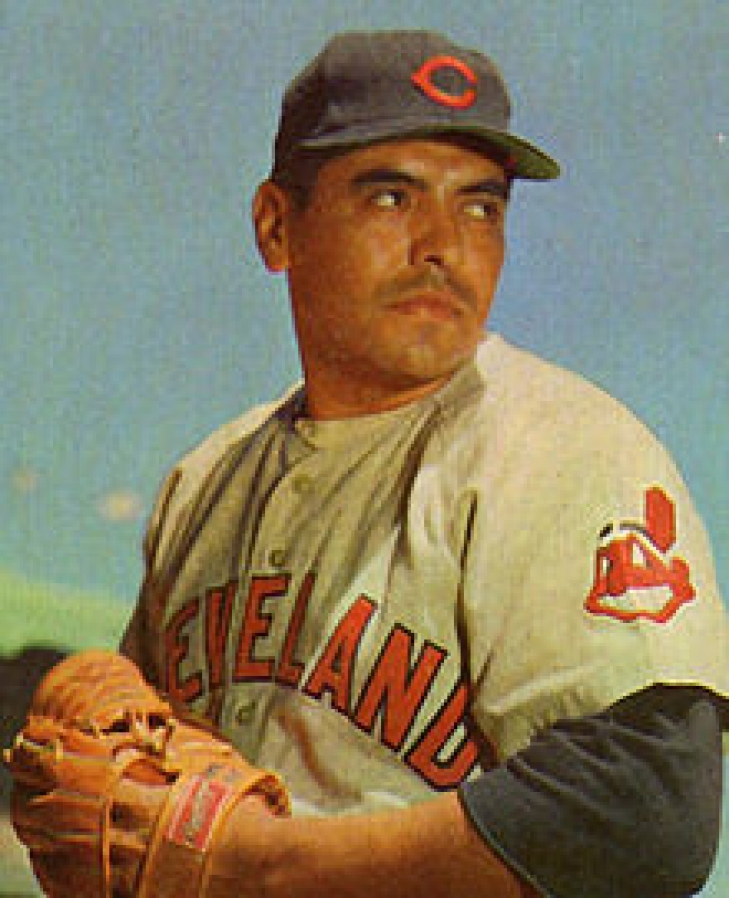
Mike Garcia, “The Big Bear”, emerged as a force in 1949, having returned from his service in World War II to claim a spot in the Cleveland rotation. He made an immediate statement by capturing the American League ERA title (2.36) as a rookie, proving that his game was built on a sophisticated blend of power and run suppression. He possessed a heavy, sinking fastball and a relentless work ethic that allowed him to anchor the staff during a period of historic franchise success. By the dawn of the 1950s, he had matured into a cornerstone of the organization, embarking on a stretch where he secured back-to-back 20-win seasons in 1951 and 1952.
The true magnitude of his effectiveness was often obscured by his teammates' win totals, yet he was a master of efficiency. Garcia stood as the American League leader in FIP on four separate occasions, demonstrating a tactical command of the strike zone that few could rival. This excellence reached a crescendo during the historic 1954 campaign, where he captured his second ERA title and served as a primary catalyst for a club that won 111 games and the American League Pennant. He was the staff’s quiet technician, a high-leverage producer who navigated the era’s most dangerous lineups with professional poise and an indomitable spirit.
Garcia remained a fixture in Cleveland for over a decade, navigating the transition from the post-war era into the late 1950s with a consistent, blue-collar approach. Whether he was grinding through a complete game to preserve the bullpen or leading the league in shutouts, he competed with an intensity that solidified his status as a local immortal. He proved that a player could become a franchise pillar by outworking the opposition and providing a steadying hand for a championship-caliber rotation. Garcia played for The Tribe until 1959, when he moved on to the White Sox, but he left the organization as one of its most successful and respected hurlers. He departed with 142 victories against 96 Losses with 1,095 Strikeouts in a Cleveland uniform, leaving behind a legacy of strength and statistical dominance that bridged the gap between the legends of the past and the stars of the future.
The ultimate punctuation on his career arrived nearly a half-century after he last stepped off the mound at Municipal Stadium. In 2007, the organization recognized his massive contribution to the greatest era of Cleveland pitching by inducting Mike Garcia into the Cleveland Guardians Hall of Fame.