


Site Admin
Big Bad John
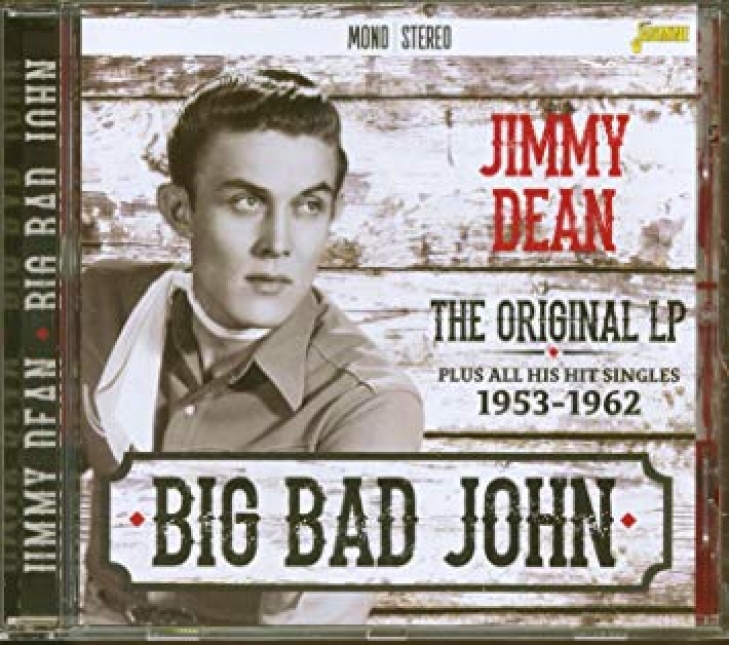
November 6 – December 10, 1961
Jimmy Dean
Big Bad John
Runaround Sue
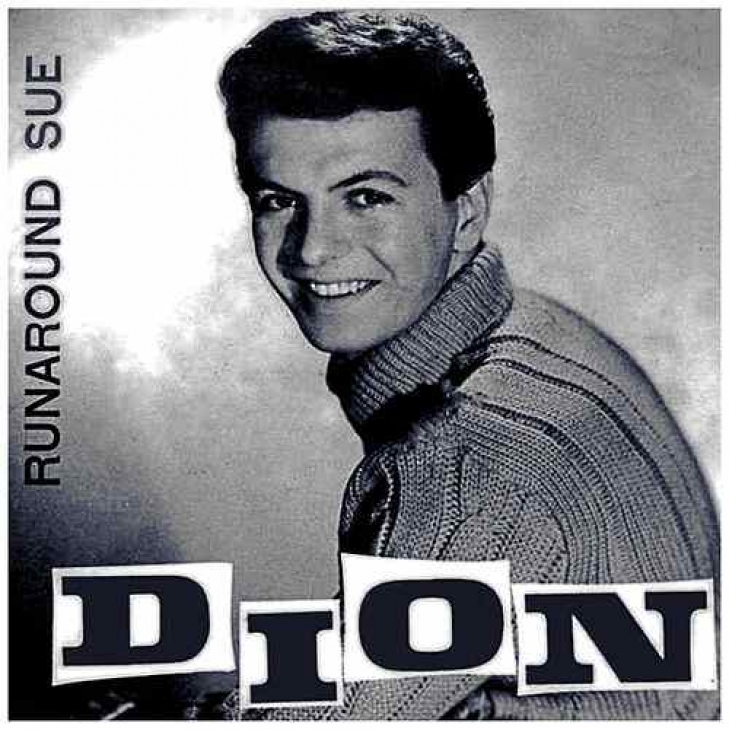
October 23 – November 5, 1961
Dion
Runaround Sue
47. Tony Gonzalez
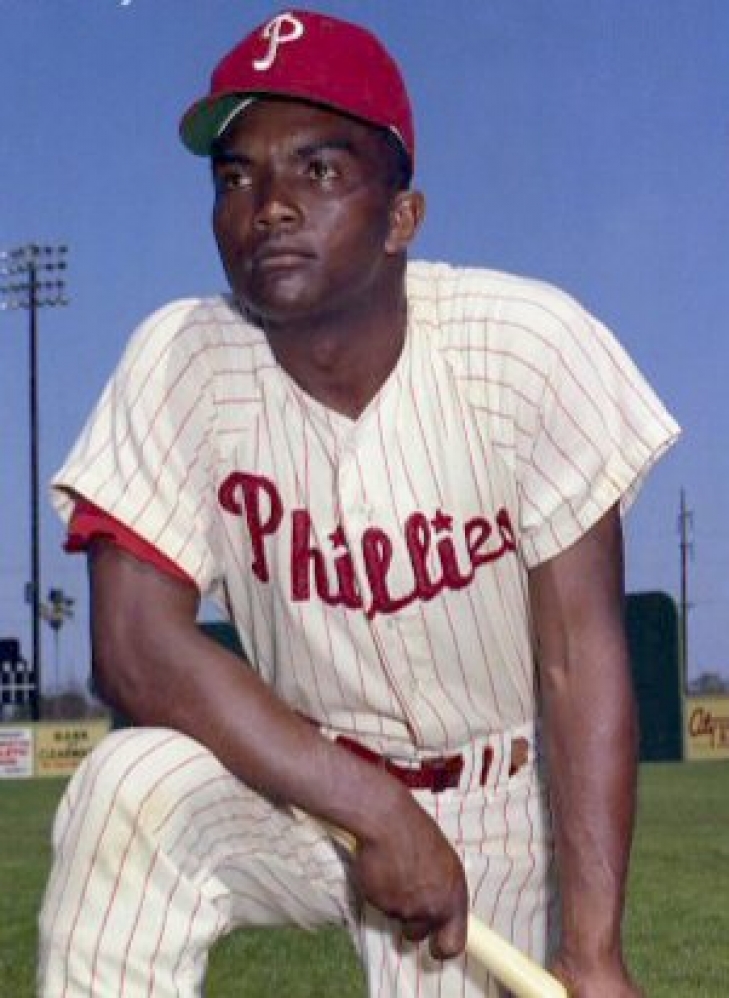
The 1960s baseball landscape was characterized by fast-paced pitching and low scores, making consistent middle-of-the-order hitters highly valuable. Tony González made this challenging environment the foundation of a disciplined career. Coming from Cuba just as political changes disrupted the island's pipeline to Major League Baseball, this calm, focused outfielder quickly became a key part of the Philadelphia Phillies’ team. Although he didn't attract national attention or major awards like more glamorous players, his smooth left-handed swing and precise defense made him an essential, reliable player for nearly ten years.
His early 1960 campaign arrival through a trade with Cincinnati provided the Phillies with a lively, everyday presence in center field. González approached hitting with pure structural efficiency, preserving a solid approach at the plate that shielded him from the period’s severe offensive decline.
He surpassed the coveted .300 batting average three times during his time in eastern Pennsylvania, highlighted by a remarkable 1963 season where he achieved a .306 average, along with a career-high 167 hits, 26 doubles, and 12 triples.
Far from being just a slap hitter, he merged a contact-focused style with subtle, highly effective gap power. He regularly surpassed 10 home runs and served as a key run scorer during the team's challenging, high-stakes 1964 pennant race.
Evaluating his legacy solely based on his 1,110 hits with the Phillies overlooks his exceptional defensive skills. On the field, González was a model of consistent efficiency. With sharp instincts and quick closing speed, he made center field a secure zone for preventing opponents' line drives. He led all National League center fielders in fielding percentage twice, notably in 1962 when he handled 321 chances without an error, becoming the first Major League center fielder to complete a season without a mistake.
He ultimately left the organization through a trade to San Diego midway through the 1968 season, ending a remarkable nine-season stint with a solid .280 batting average and 317 extra-base hits over 1,090 games.
49. John Kruk
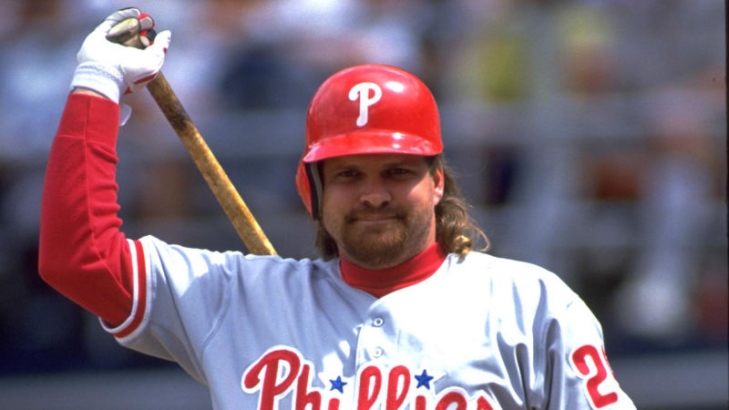
If a baseball roster typically calls for a polished, professional ambassador to represent the franchise, John Martin Kruk was the opposite of that ideal. His appearance, more resembling a guy who wandered onto the field from a local soft-pitch league than an elite athlete, along with his portly build and beer-drinking habits, made him an instant counterculture hero on Broad Street. Despite his rumpled uniform, untamed mullet, and repeated assertion that he was "not an athlete, but a ballplayer," he possessed one of the most refined, efficient left-handed swings of his era—an expert at strike-zone control who led the most colorful clubhouse in franchise history.
His arrival in June 1989 through a trade with San Diego immediately gave the Phillies a top-tier leadoff man. Kruk made reaching base an act of precise skill, using his exceptional eye to neutralize pitchers attempting to expand the strike zone.
During his five-and-a-half seasons wearing red pinstripes, he consistently challenged National League pitchers, posting an impressive .309 batting average and accumulating 790 hits along with 62 home runs across 738 games.
His peak performance and rising national profile occurred during a remarkable three-year period from 1991 to 1993, during which he earned three consecutive National League All-Star selections. In the 1992 and 1993 seasons, Kruk delivered outstanding offensive displays, consistently surpassing the .300 batting average and .400 on-base percentage benchmarks. He ranked as the runner-up in on-base percentage in the National League in those years, setting a career high with 111 walks in 1993, significantly contributing to his team's run production.
His consistent high-volume performance earned him steady recognition as a National League MVP contender, reaching a peak in 1993 when he hit .316, scored 100 runs, and drove in 85, cementing his reputation beyond doubts about his conditioning. Partnered with the legendary Mitch Williams, Kruk became the unmistakable, nationally televised figure of the beloved group of dirt-devils who surprised the baseball world by winning the 1993 National League pennant.
Tragically, at his peak across multiple dimensions, his timeline was suddenly interrupted during spring training in 1994 when he was diagnosed with testicular cancer. Despite bravely returning to play that summer following surgery, the physical strain and ongoing knee issues greatly affected his career longevity. He quietly moved to the Chicago White Sox in 1995 and then unexpectedly retired mid-game after making history by singles-hitting his way into it.
The team inducted Kruk into their Philadelphia Baseball Wall of Fame in 2011.
