

RIP: Jim Otto
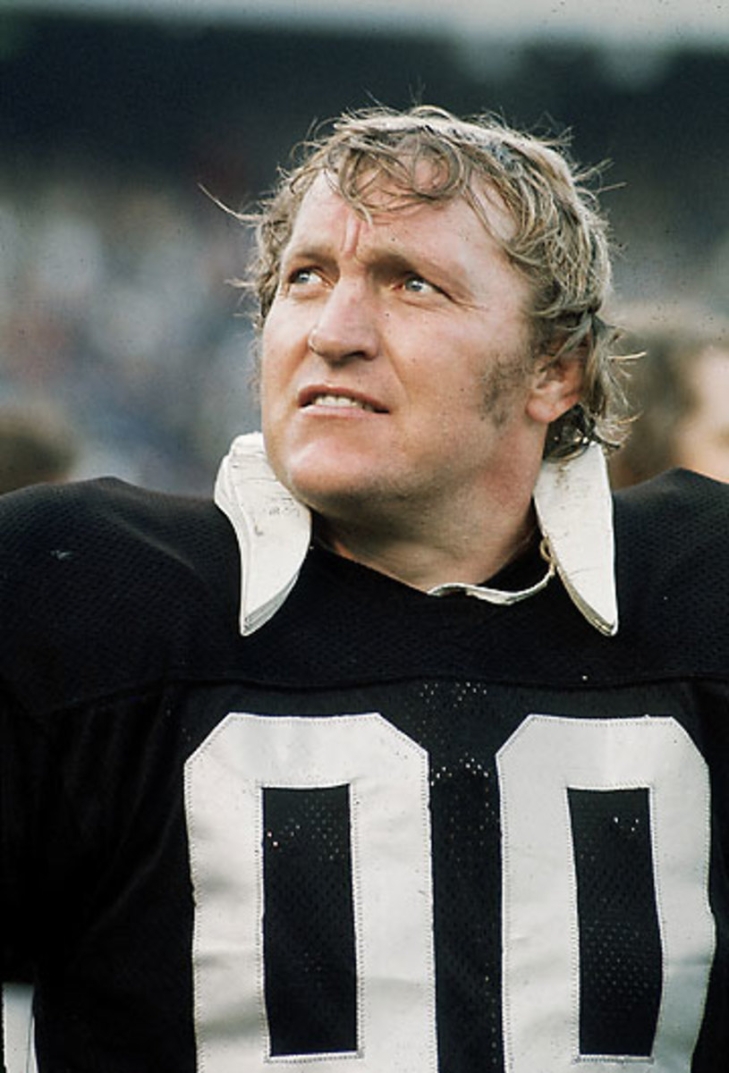
We lost a gridiron legend today.
Hall of Fame Center, Jim Otto, known as Mr. Raider, passed away today at the age of 86.
Otto was undrafted in 1960, as the teams in the National Football League considered the Center to be too small to take his skills to the next level. They got it wrong. The AFL took shape the same year, and the Oakland Raiders saw something in the Miami Hurricane, and Otto was given the opportunity to win the Center job with the Raiders. Otto won it as a rookie, and he would start the next (and first) 210 Games for the team.
Otto was not just the best Center of the AFL in the 1960s; he was the top man in front of the Quarterback in all of Professional Football. He became an 11-time AFL All-Star/Pro Bowl Selection and was so dominant that no other center was a first-team All-Pro in the entire history of the American Football League.
The Raiders would win the division seven times with Otto at Center, and won the AFL Championship in 1967. Otto played his entire career with the Raiders and is the best Offensive Lineman in team history.
In 1980, Otto was inducted into Canton in his first year of eligibility.
We at Notinhalloffame.com would like to extend our condolences to the fans, family and friends of Jim Otto.
RIP: Daryle Lamonica
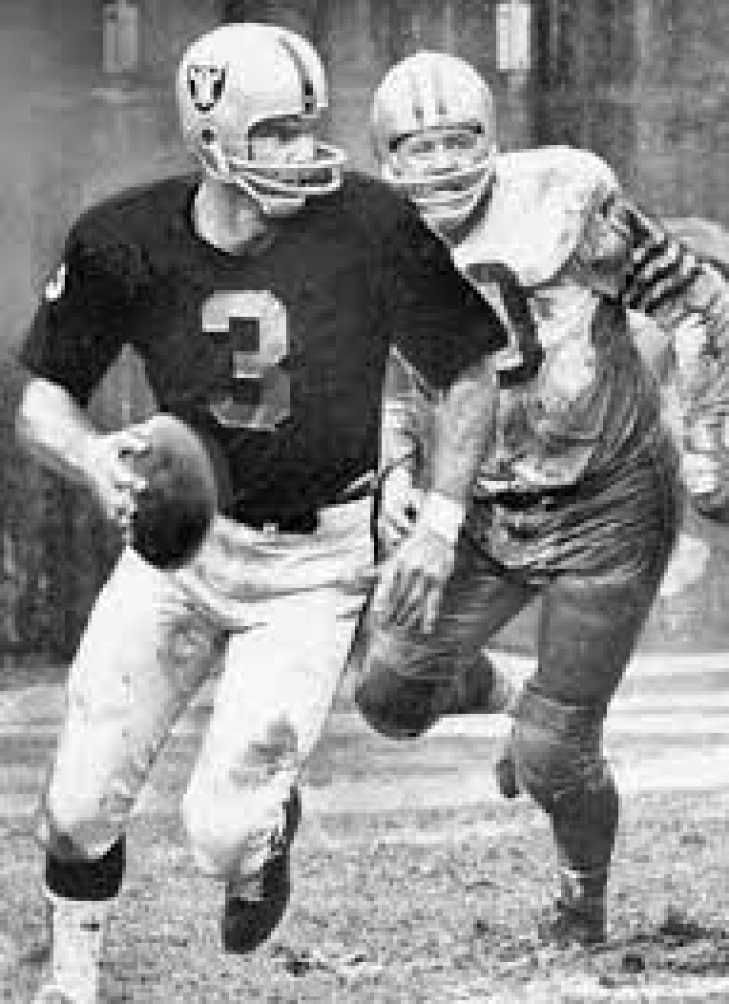
Raider Nation has lost one of their great ones.
Former Quarterback, Daryle Lamonica, passed away at the age of 80 of what is to believed to be natural causes.
Nicknamed the "Mad Bomber," Daryle Lamonica signed with the Buffalo Bills of the AFL, where he saw limited playing time at Quarterback playing behind Jack Kemp. He did get to play, however, and was a part of the Bills' 1964 and 1965 AFL Championship. Lamonica was traded to the Oakland Raiders, and he was finally the starting QB and had the chance to show what he could do, which, as it turned out, would be a lot!
Lamonica would run the Raiders offense, and in his first year there, he would lead the AFL in Touchdown Passes (30), won the AP and UFI MVP and took Oakland to win their first AFL Championship. 1969 was another phenomenal season for Lamonica, as he would win the UPI MVP again while again leading the AFL in Touchdown Passes (34). He also would throw for a league leading 3,302 Yards. Lamonica remained with the Raiders until 1974 and finished his career with a year in the World Football League.
We here at Notinhalloffame.com would like to extend our condolences to the friends, family and fans of Daryle Lamonica.
RIP: John Madden
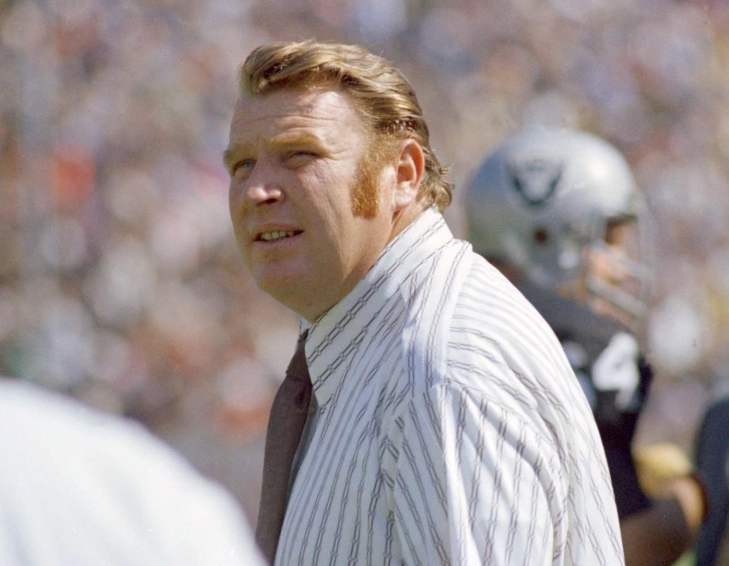
As we were preparing for Notinhalloffame.com Mock Committee to name our HOF Semi-Finalists, it was announced that Hall of Fame Coach, John Madden passed away. He was 85 years old.
Madden worked his way up the coaching ranks, first becoming the Raiders Linebackers Coach in 1967, and ascending to Head Coach two years later. In that capacity, Madden won Super Bowl XI, and had a coaching record of 103-32-7.
Retiring as a coach in 1978, Madden joined the broadcast booth for CBS, eventually teaming with Pat Summerall, where they would be the network’s prime announcers. When CBS lost football to FOX, both he and Summerall would join the new network, where again they were the top pairing. Following Summerall’s retirement, Madden would work for ABC’s Monday Night Football, and he closed his career with three years on NBC’s Sunday Night Football. He would lend his name and voice to the Madden NFL video game series, beginning all the way back in 1988.
Inducted into the Pro Football Hame in 2006, Madden is a part of every modern football fan’s past, and for many of us, the voice of the game.
We here at Notinhalloffame.com would like to offer our condolences to the fans, friends, and family of John Madden.
255. Jim Plunkett
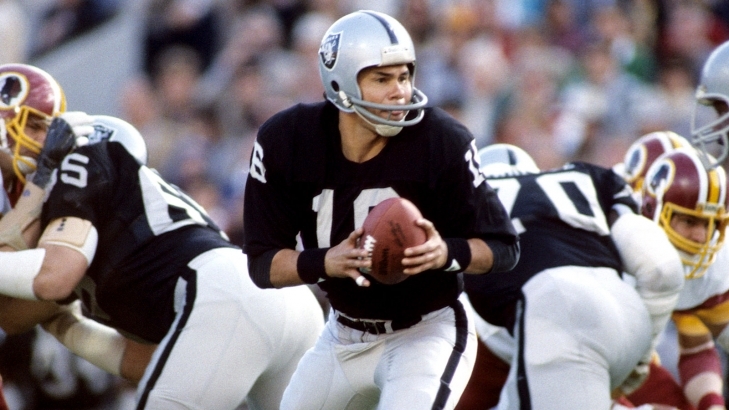
There are a lot of polarizing debates regarding the Pro Football Hall of Fame, but the one for Quarterback, Jim Plunkett, might be one of the hottest debates of all.
Truthfully, this debate is straightforward.
The vocal fans who support him in Canton point out that he is a two-time Super Bowl-winning Quarterback, the first of which saw him win MVP.
Those who don’t will say he was never chosen for a Pro Bowl, is an All-Pro, has a .500 regular-season record, and threw more Interceptions than Touchdowns.
Again, this is the easiest cut-and-dry debate, and we know the comments will be very one-sided on both sides!
306. Rich Gannon
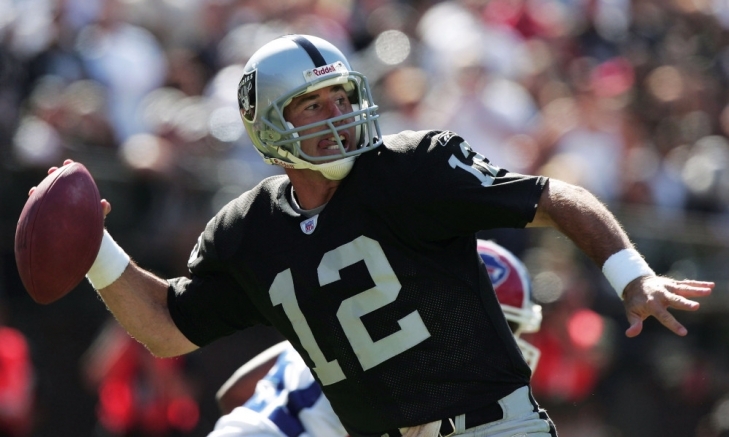
It took a long time before Rich Gannon really had his chance in the NFL and/or found his groove, but once he did, he had a stretch where he was amongst the best Quarterbacks in the National Football League.
From the University of Delaware, the New England Patriots drafted Gannon in 1987 and wanted to convert him to a Running Back. That never transpired, and he was traded to the Minnesota Vikings, where he was a backup for three years until winning the starting job in 1990. Gannon did okay for a few years but lost the starting job and was traded to the Washington Redskins, where a similar pattern would happen. It would all change in 1999 when he signed as a Free Agent with the Oakland Raiders.
Under Jon Gruden's West Coast Offense, Gannon became a star. He would be named to the Pro Bowl in four consecutive seasons (1999-02) and was a First Team All-Pro in 2000 & 2002. In those two All-Pro campaigns, Gannon won the Bert Bell Award and was the AP MVP in the latter year, where he led the NFL in Passing Yards (4,689). In all of those four years, he was in the top five in Touchdown passes. He would be injured early in 2003 from a helmet-to-helmet collision and was out of football for two years.
What kills Gannon’s chances is that when he did make it to the Super Bowl, he was picked off five times, though it can be argued that it did not help that Gruden was now coaching the opposing Tampa Bay Buccaneers. Had that gone differently, we expect that Raiders fans would be championing his cause as opposed to (or in addition to Jim Plunkett.
If only!
279. Clem Daniels
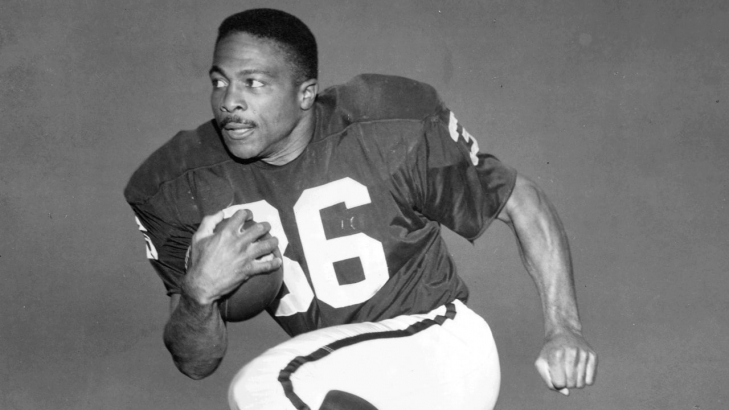
Clem Daniels was signed as an undrafted player (by both the NFL and AFL) by the Dallas Texans, but playing behind Abner Haynes in 1960 meant that you weren't going to see much playing time if you were a Halfback. Daniels was traded to the Oakland Raiders, where he worked his way into the starting rotation, and from 1962 to 1966, he would finish in the top three in All-Purpose Yards. Daniels went on a four-year streak of AFL All-Star Selections in 1963, and that year The Sporting News would name Daniels their version of the MVP as he was the league leader in Rushing Yards, Yards From Scrimmage and Yards per Reception. Later in his career, although he was beaten up, he would help Oakland win the 1967 AFL Championship.
When his career was said and done, he retired with 9,771 All-Purpose Yards, a very good number for the 1960s.
163. Art Powell
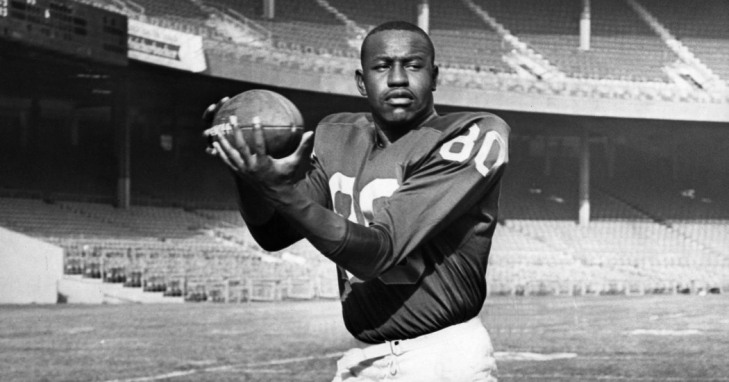
Art Powell played in the Canadian Football League for two seasons before the Philadelphia Eagles drafted him in 1959. As an NFL rookie, Powell played returner and defensive back but later joined the New York Titans (later renamed the Jets) of the American Football League. With the Titans, Powell would lead the AFL in Receiving Touchdowns (14) in the league's first year of existence, and in 1962 he would finish first in Receiving Yards (1,130).
He joined the Oakland Raiders, where he stayed for four years, and was named an AFL All-Star each season. In his first season there (1963), he would lead the AFL in Receiving Yards (1,304) and Touchdown Receptions (16) and was a First Team All-Pro. Powell also exceeded his yardage in 1964 (1,361) and again had a four-digit output in yardage in 1966 (1,026). He would also never have fewer than 11 TDs in a season as a Raider. Powell finished his career with one season each in Buffalo and Minnesota.
Powell would accumulate 8,046 Receiving Yards and 81 Touchdowns over his 177 Game career in American Football, and in 2024, it looked like he was going to get his bust in Canton. The Senior Committee put him forward as a Finalist, but along with Buddy Parker, the main committee passed on Powell. This does not bode well for him in the future.
121. Daryle Lamonica
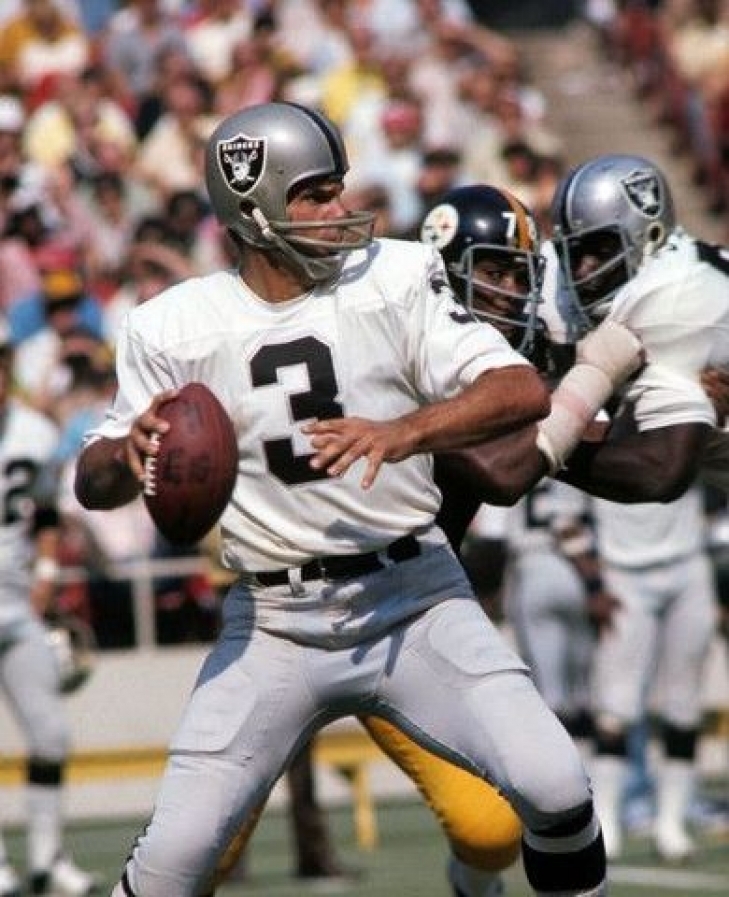
Nicknamed the "Mad Bomber," Daryle Lamonica signed with the Buffalo Bills of the AFL, where he saw limited playing time at Quarterback playing behind Jack Kemp. He did get to play, however, and was a part of the Bills' 1964 and 1965 AFL Championships. Lamonica was traded to the Oakland Raiders, and he was finally the starting QB and had the chance to show what he could do, which, as it turned out, would be a lot!
Lamonica ran the Raiders offense, and in his first year there, he led the AFL in Touchdown Passes (30), won the AP and UFI MVP, and led Oakland to its first AFL Championship. 1969 was another phenomenal season for Lamonica, as he would win the UPI MVP again while again leading the AFL in Touchdown Passes (34). He also would throw for a league-leading 3,302 Yards. Lamonica remained with the Raiders until 1974 and finished his career with a year in the World Football League.
102. Shane Lechler
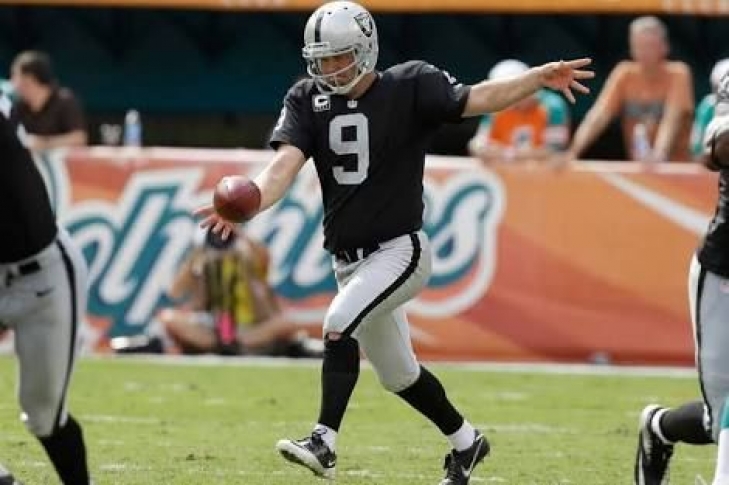
Not too many Punters get drafted, but Shane Lechler was in the 5th Round out of Texas A&M in 2000 by the Oakland Raiders, who would quickly see that it was an excellent choice. Lechler would play for the Raiders for 13 seasons, and in six of those years he was named a First Team All Pro, with seven seasons being deemed Pro Bowl-worthy. Oakland was often struggling during Lechler’s tenure in the Bay Area, so they saw Lechler punt more than they would have wanted, but they knew that he did his job exceptionally well. Five times in Oakland, he would lead the National Football League in Yards per punt, and he was second another five times. Lechler signed with the Houston Texans and played there for five seasons before retiring.
At the time of his retirement, Lechler went to more Pro Bowls than any other Punter and holds the record for most Yards per Punt.
With Shane Lechler as potentially the top Punter ever, you can ask Ray Guy what that means in getting into the Pro Football Hall of Fame, as he had to wait until he was a Senior Candidate. This is a player who gets in early or might have to wait two decades.
The Pro Football HOF snubs the Stabler family
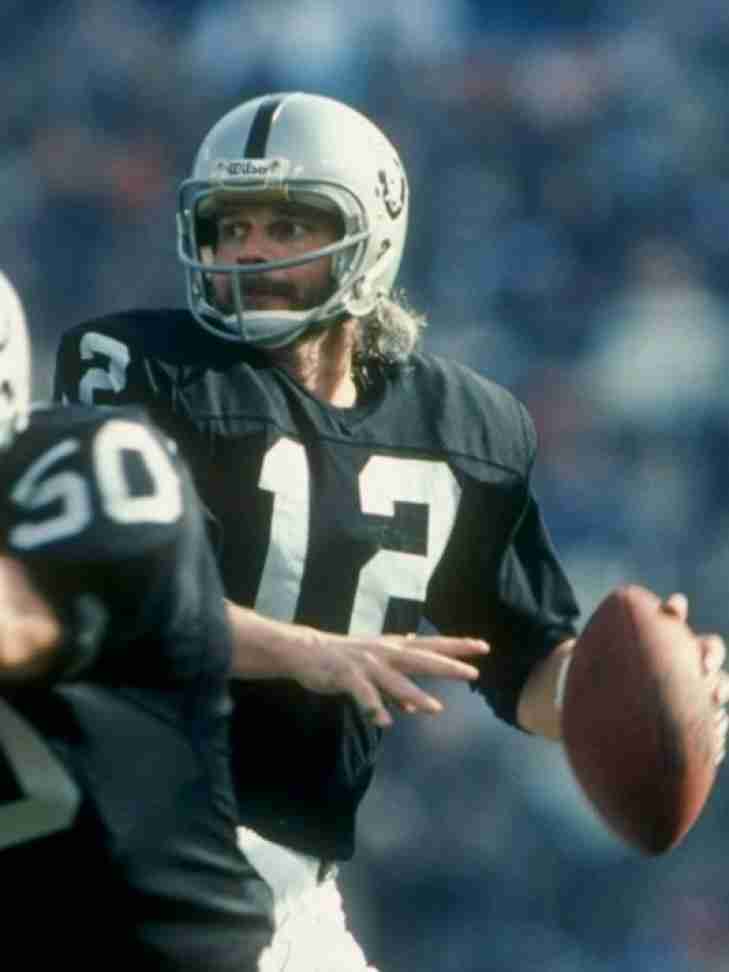
Traditionally when players are inducted into the Pro Football Hall of Fame they receive an official Hall of Fame jacket and ring. When asked over Twitter when the late Ken Stabler’s family would be receiving their jacket and ring, Kendra Stabler Moyes (Ken’s daughter) stated that they did not receive one, and will not be in the future.
To make matters worse, when she asked if it could be purchased, the family was told by the Hall of Fame President, David Baker, a firm “No” with the reason being that they did not want families selling the items or fighting over them.
Pretty stupid rationale, wouldn’t you say?
There is no support for this decision, especially from the team that Stabler starred for years, the Oakland Raiders themselves.
Current Head Coach, Jack Del Rio succinctly stated on Twitter for the Hall to “Do the right thing”. Current Raiders owner, Mark Davis pointed out that he has his fathers (Al Davis) ring and that the families of Stabler, Junior Seau and Dick Stanfel should also.
Davis, in a phone interview with ESPN, stated that he learned of this situation earlier as he was intending to honor Stabler’s family with a halftime ceremony presenting the ring and jacket.
With the backlash that the Pro Football HOF is receiving, will they do the right thing as Del Rio says?
Let’s hope!
A look at Ken Stabler's PFHOF induction
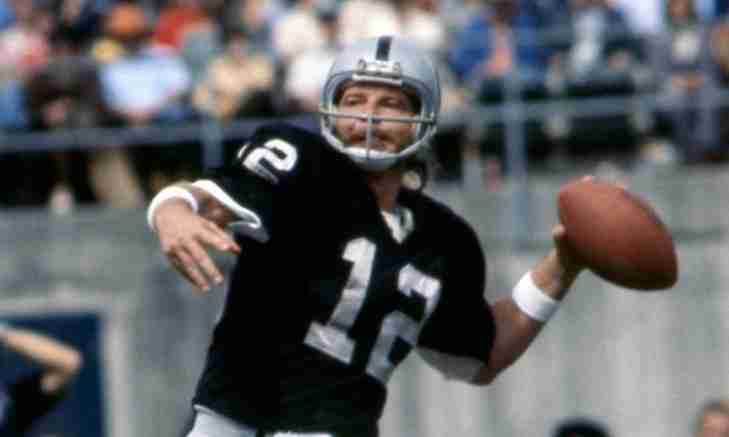
Now that the Baseball Hall of Fame Class of 2016 has announced their class has done the same. We were hopeful to do this prior to the announcement of the actual inductees, but life, as it often does simply got in the way!
63. Todd Christensen
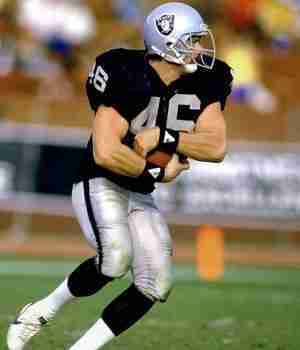
Considering that Todd Christensen was drafted as a Running Back, it is impressive that he developed into one of the most successful Tight Ends of the 1980s.
The transition to Tight End was not a quick one, and it was not until his fifth year in the NFL that Christensen was productive. He would then embark on a five-year stretch that would see him set (then) records for receptions for the position. The Raider would twice lead the league in receptions, which is still unheard of for a Tight End. The five-time Pro Bowler may not have been the Raiders’ most explosive weapon, but he was their most consistent.
It could be imagined how many totals Todd Christensen could have put up had he learned the Tight End position earlier in his career. Regardless, with two Super Bowl Rings and his early 80’s exploits, he has a legacy in Raiderland that few can match.
Should Todd Christensen be in the Hall of Fame?
17. Lester Hayes
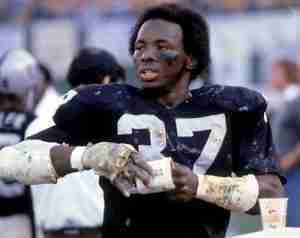
Many Hall of Fame candidates watch their push for the Hall build and build. This doesn’t seem to be the case for Lester Hayes, who was a finalist in his first four years of eligibility but has only been a semifinalist six years thereafter.
Lester Hayes is best known for two things. The first was in 1980, when he had 13 picks and won Defensive Player of the Year. The year after, the “Lester Hayes” rules were put into effect, banning players from the use of “stickum,” an adhesive that Hayes was using to get a better grip on the ball. Hayes was more than that, with his bump-and-run coverage and route disruption showing few peers in professional football.
Hayes' 1980 season was so good that he was forever associated with that year. Had he had another monster year, perhaps he would not be seeing his chances diminish as appears to be happening now. Regardless, Hayes was a key contributor on a Super Bowl championship team, where he was a top defensive player. That alone places him ahead of other Hall of Fame candidates.
Should Lester Hayes be in the Hall of Fame?
Charles Woodson to retire at the end of the season
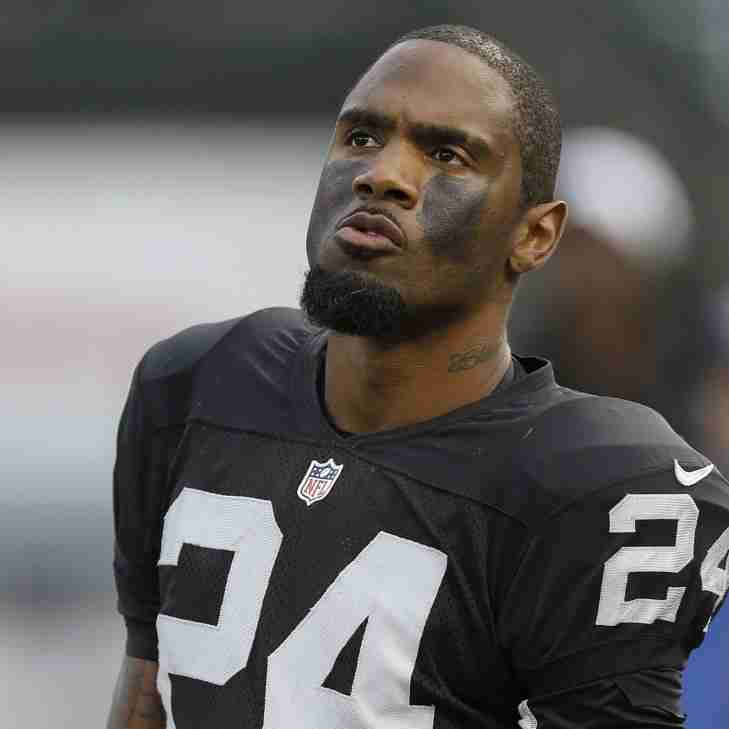
A major retirement will take place at the end of the season as Oakland Raiders, Safety, Charles Woodson, has stated that this will be his final season in Professional Football.
Woodson spent the majority of his career with the Green Bay Packers and he helped them with a Super Bowl. Eight times, he was named to the Pro Bowl and three times, a first team All Pro. Woodson was also named the Defensive Rookie of the Year and in 2000, was named the NFL Defensive Player of the Year.
There are many who have named Charles Woodson as the best Defensive Back of his era and his Hall of Fame chances are very good. Woodson will be eligible for the Hall of Fame in 2021.
Overall Woodson has played 252 Games (with two to go) and has 20 Quarterback Sacks, 65 Interceptions with 11 of them returned for Touchdowns.
We here at Notinhalloffame.com would like to thank Charles Woodson for the memories and we don’t put it past him to created one more in the two games remaining in the season.
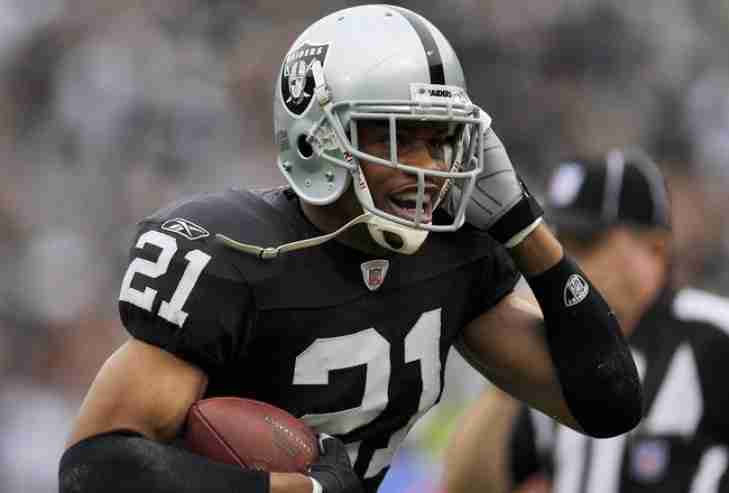
323. Nnamdi Asomugha
Ken Stabler and Dick Stanfel named 2016 Senior Nominees for the PFHOF
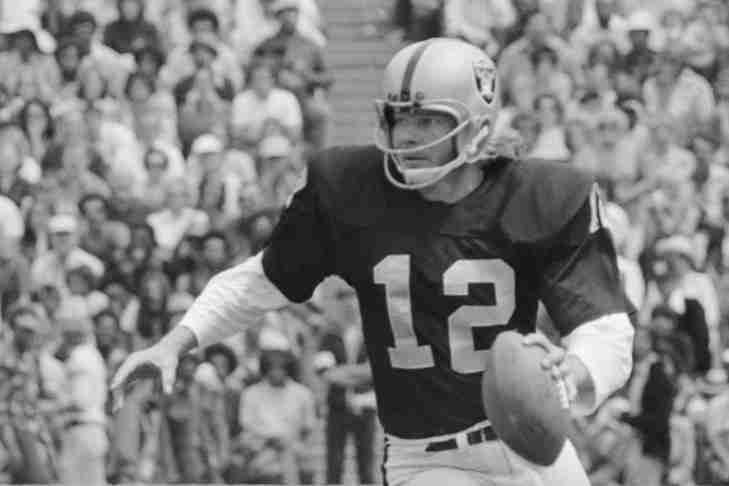
Former Oakland Raiders Quarterback, Ken Stabler, who died earlier this year has been named as a Senior Finalist. “The Snake” had been a popular choice for many in terms of long time omissions for the Hall, and was himself a Finalist three times (1990, 1991 & 1993). Stabler is ranked at #6 on the Notinhalloffame.com Football countdown for 2016.
The other Senior Nominee is Dick Stanfel, who also died this year. The Offensive Lineman split his playing career in the 1950’s with the Detroit Lions and Washington Redskins and was named a First Team All Pro five times. Stanfel would go on to have a successful offensive line coaching career, most notably earning a Super Bowl Ring with the Chicago Bears in 1986. He is ranked at #30 on the Notinhalloffame.com Football countdown for 2016.
It should be noted that roughly two thirds of Senior Nominees make the Pro Football Hall of Fame and that the Senior Nominees automatically are Finalists for this year’s Hall of Fame.
We here at Notinhalloffame.com only wish that both Stanfel and Stabler were still alive to enjoy this day.
RIP: Ken Stabler
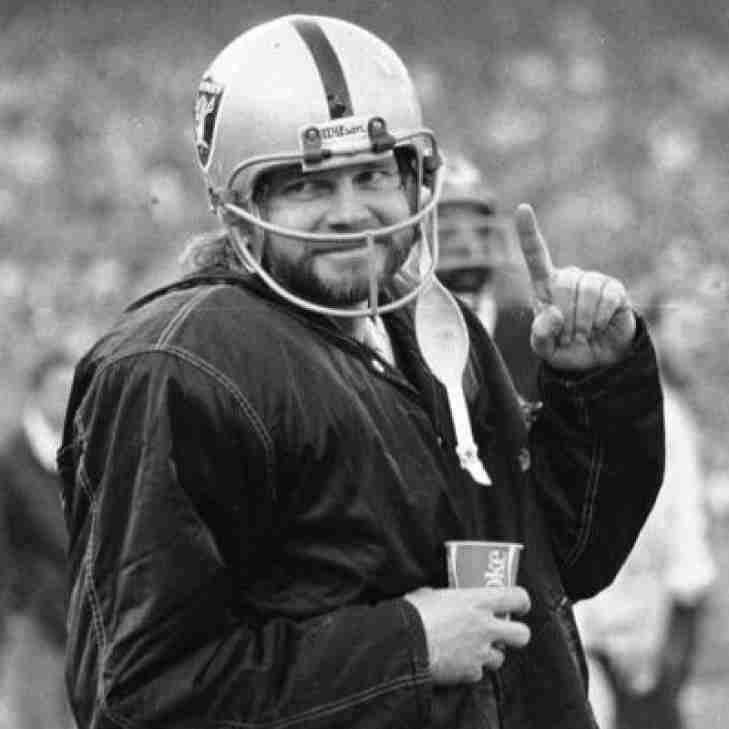
Stabler was a standout at the University of Alabama and would be drafted by the Raiders in the second round in 1968 but would not play for the team until 1970. Emerging as a classic drop back passer, “The Snake” would win the 1974 MVP award and later in 1976 would win the Offensive Player of the Year. He would have his greatest moment in Super Bowl XI when he would lead his team to victory. He would finish his career with the Houston Oilers and New Orleans Saints, but it was with the Raiders of which he has become synonymous.
Over his career, Ken Stabler would throw for nearly 28,000 Yards and was a former four time Pro Bowl selection. He would also compile an impressive 96-49-1 record as a starting Quarterback.
There have many who have claimed that Stabler is one of the biggest snubs from the Pro Football Hall of Fame. He is the only member of the 1970’s NFL All-Decade Team. At present, we at Notinhalloffame.com have him ranked at number six of those who should be considered for the Hall. He was a Finalist for Canton in 1991, 1992 and 2003.
We here at Notinhalloffame.com would like to extend our condolences to the friends and family of Ken Stabler at this time. He will be missed.
100. Dave Grayson
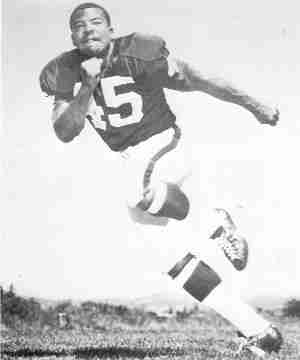
For so long, the AFL was considered the ugly stepchild of Football. This officially changed when the Jets won Super Bowl III, and many people reevaluated their position on American Football League talent. One such person was Dave Grayson who was a pick machine.
Grayson came a long way, as he went undrafted out of Oregon. Upon making the Dallas Texans roster, he immediately made an impact with his defensive acumen and kick return ability. Grayson was an AFL All-Star six times and is the all-time interception leader in the league.
Joining the Oakland Raiders in 1965, he remained an elite Cornerback, but he switched to Safety in his last four seasons, where, like he was at Corner, he was a multi-time AFL All-Star in his second position. He led the AFL in picks in 1968 (10) and had 48 overall.
