

Committee Chairman
The Trend of Swinger Culture in 5 Songs from Honor Board Artists

It is time to get your groove on! Whether new to the swing lifestyle or a seasoned veteran, it pays to have a good soundtrack. After all, there is nothing like a great song to set the right mood. That is why we have rounded up five classic hits from some legendary artists perfect for any swinger dating party. So, put on your dancing shoes and get ready to boogie, and if you are feeling adventurous, do not forget to up the tempo with a few remixes of these classic hits!
"Open Relationship" by Lil Baby and Gunna
When curating your swinger dating playlist, "Open Relationship" by Lil Baby and Gunna is an absolute must. Once you secure a date on dating sites for swingers, romanticize the moment with this banger ad rest assured of a memorable night. First, it sets the mood and sends the message of a relationship that is not strictly monogamous without judgment or persecution.
In this banger, the duo speaks about being fun and non-clingy. Also, it emphasizes that open-mindedness and respect build strong foundations between two or more partners. Hence, makes it clear why they are integral for successful swinger dating.
"Beautiful Liar" by Beyoncé & Shakira
There is no better way to add Latin flavor to your swinger dating playlist than with "Beautiful Liar" by Beyoncé and Shakira. This upbeat tune is sure to get you in the mood for some romantic fun, and its lyrics about a temptation that is too hard to resist will give you some nostalgic moments.
The song talks about a woman unsure of what to do with someone who is not just a lover but also her "best friend." In the swinger dating scene, it is common for the partners to be friends first, then lovers. The song topped the charts in more than 50 countries, so you know you can trust its quality. With catchy beats and sultry singing, "Beautiful Liar" will get your blood pumping with anticipation of what is ahead.
"Adventure of a Lifetime" by Coldplay
Head back to 2015 with Coldplay's "Adventure of a Lifetime." This Grammy Award-winning single is the perfect laid-back tune to set the tone for your swinger adventure. The song talks about taking a break from life routines and going on an adventure with someone special. These words perfectly describe what you would do on your swinger date. Cold Play’s inviting vocals create an ideal and relaxed atmosphere to explore your relationship in new ways.
Conversely, why not add your spin to make the song even more special for your night? You could use the original version if you want a more laid-back vibe, or find a cover that fits whatever mood you want to create! The point is to have the message in the song in the most accommodating way possible for dating swingers, so have fun.
"Cheap Thrills" by Sia Ft. Sean Paul
If you are looking for a modern-day swinger song, look no further than "Cheap Thrills" by Sia Ft. Sean Paul. This jam has a great beat to dance to, and its lyrics also make it the perfect addition to your swinger dating playlist. Sia's lyrics combine with Sean Paul's voice, creating the perfect feel-good love song about two lovers who cannot get enough of each other. The chorus says it all, "I ain't got cash, I ain't got cash, but I got you, baby." This song is about living life fully and embracing unconventional love and relationships. Something that swinger couples can relate. So, put on those dancing shoes and get ready to hit the club with this certified dancefloor banger!
"No Scrubs" by TLC
One of the tracks that have and will always be on your swinger playlist is "No Scrubs" by TLC. This is an iconic hit from the legendary R&B girl group TLC. The song talks about not giving a chance to a guy with nothing to bring to the table. He is a scrub—a broke person with nothing going for him.
But this can also apply to relationships in general. If someone is not bringing that same energy, love, or understanding, they are just as much "scrubs" regarding relationships.
Conclusion
Creating a spicy playlist is one of the best ways to add a touch of life and oomph to your date from a swinger dating site. This list is just the tip of the iceberg. There are an incredible number of artists who have made timeless love songs about relationships. Every great song has the power to deliver something special and emotional, and no playlist is complete without the legendary tunes of these superstars. So what are you waiting for? Give your swinger dating the attention it deserves, and pump up your playlists with these timeless classics!
Andy Kaufman to be inducted into the WWE HOF

Wrestlemania is coming fast and furious, and we now know our third entrant to the WWE Hall of Fame Class of 2023, which is Andy Kaufman.
Kaufman was a popular actor and comedian, who was the breakout star of the sitcom, Taxi. Always enamoured with pro wrestling, Kaufman incorporated intergender wrestling into his act, and worked that into a money-making angle in Memphis with Jerry “The King” Lawler, that would bleed across Saturday Night Live and Late Night With David Letterman.
We assume that it will be Lawler who will be doing the induction.
This is long overdue, and when the WWE first added a celebrity wing, this is the man who should have spearheaded it.
It will be a posthumous induction, as Kaufman passed aay from cancer in 1983.
Anderson Silva named to the UFC Hall of Fame
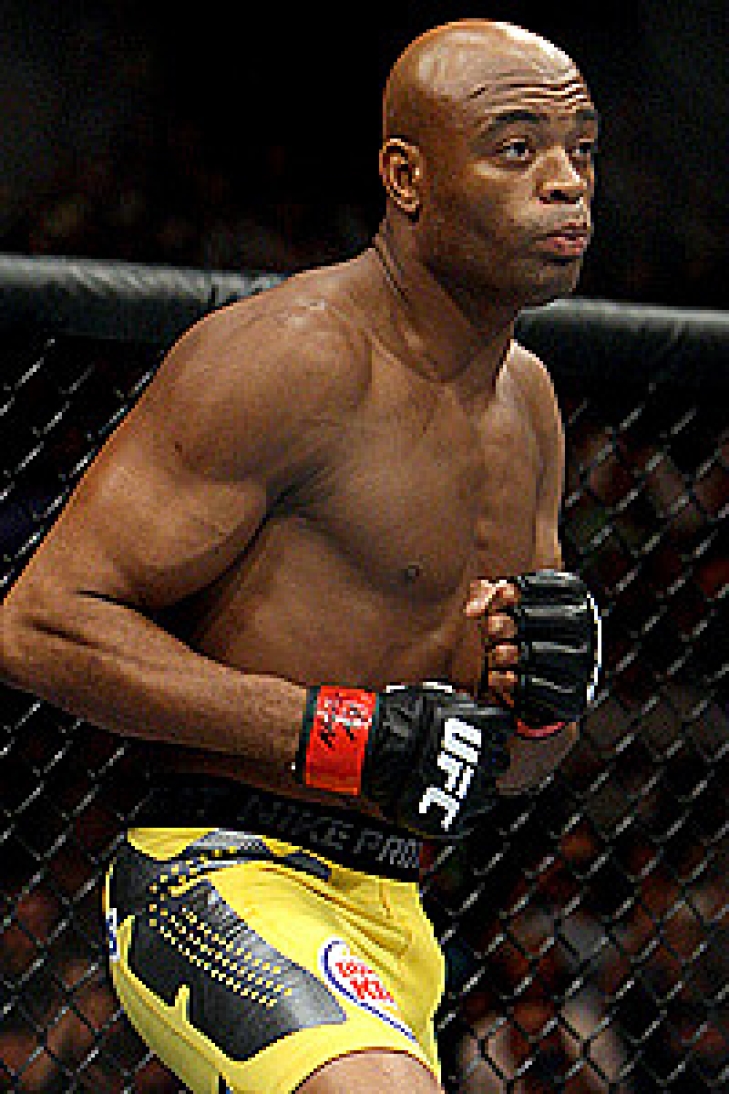
Tonight, during the UFC 286 show, it was announced that Anderson Silva will be inducted into the UFC Hall of Fame as part of the Pioneer Division.
“The Spider” held the UFC Middleweight Title from 2006 to 2013, and compiled a 16-match winning streak, which remains the longest in promotion history. Silva had an overall MMA record of 34-11-0-1, won the Fight of the Night five times, Knockout of the Night seven times, and Submission of the Night twice. He holds wins over Rich Franklin (twice), Dan Henderson, Forest Griffin, Chael Sonnen (twice), Vitor Belfour and Stephen Bonnar, and is the greatest Middleweight in company history.
We here at Noinhalloffame.com would like to congratulate Anderson Silva for this impending honor.
Our All-Time Top 50 Chicago Cubs have been revised to reflect the 2022 Season
Yes, we know that this is taking a while!
As many of you know, we here at Notinhalloffame.com are slowly generating the 50 of each major North American sports team. That being said, we have existing Top 50 lists out and we always consistently look to update them when we can and based on necessity. As such, we are very happy to present our post 2022 revision of our top Chicago Cubs.
As for all of our top 50 players in baseball we look at the following:
1. Advanced Statistics.
2. Traditional statistics and how they finished in the National League.
3. Playoff accomplishments.
4. Their overall impact on the team and other intangibles not reflected in a stat sheet.
Last year, the Cubs had a poor season, and were unable to make the playoffs. There were no changes to the Top 50, but we have to acknowledge that we looked at the past year.
As always, we present our top five, which was not affected by the last season:
1. Cap Anson
2. Ernie Banks
4. Ron Santo
You can find the entire list here.
We welcome your input and comments and as always, we thank you for your support.
