

Committee Chairman
The Baseball Hall of Fame names its eight-man Contemporary Ballot
The baseball season might be over, but that means the Baseball Hall of Fame season has begun.
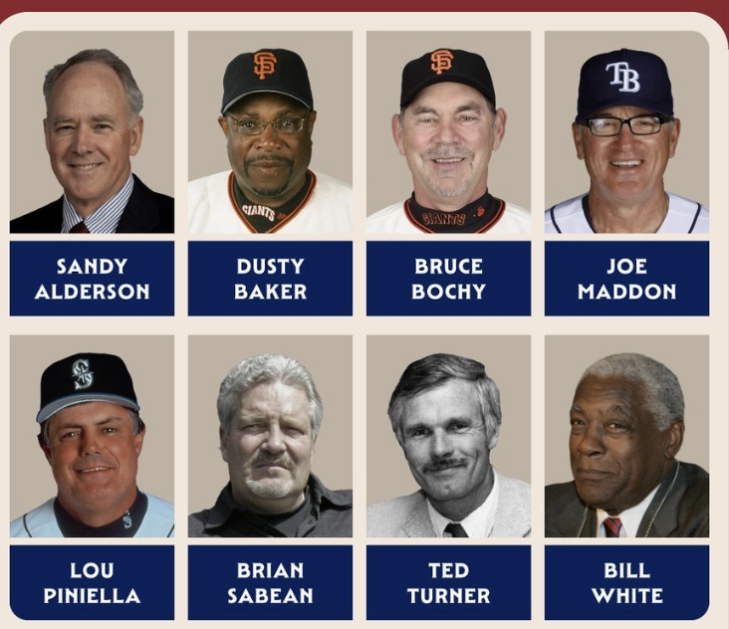
This morning, the Baseball Hall of Fame announced the eight-man Contemporary Ballot, featuring four managers and four executives for consideration for the Class of 2026.
Here are the candidates:
Sandy Alderson: Oakland Athletics General Manager 1983-97, MLB Executive Vice President 1998-2005, San Diego Padres CEO 2005-09 & New York Mets General Manager 2011-18 & President 2021-23. A member of the Athletics Hall of Fame, Alderson built a team that won three straight American League Pennants (1988-89), and won it all in 1989. He also oversaw postseason berths for San Diego and the New York Mets, including a National League pennant in 2015.
Dusty Baker: San Francisco Giants 1993-2002, Chicago Cubs 2003-06, Cincinnati Reds 2008-13, Washington Nationals 2016-17 & Houston Astros 2020-23. A 19-year vet and two-time All-Star as a player, Baker won three Manager of the Year Awards (and was the runner-up three other times. He guided his teams to thirteen postseasons and took the Astros to a World Series win in 2022. Overall, he boasts a record of 2,183 and 1,862.
Bruce Bochy: San Diego Padres 1995-2006, San Francisco Giants 2007-19 & Texas Rangers 2023-25. Bochy brings a loaded resume: over his 28 years as a manager, he won four World Series titles (2010, 2012 & 2014 with San Francisco, and 2023 with Texas), reached the postseason nine times, and won six division titles. He also won the 1996 NL Manager of the Year Award and finished in the top three six other times. Bochy’s overall record as a Manager is 2,252 and 2,266.
Joe Maddon: California Angels/Anaheim Angels/Los Angeles Angels of Anaheim (Coach) 1994-2005, Tampa Bay Devil Rays/Rays 2006-14, Chicago Cubs 2015-19 & Los Angeles Angels 2020-22. Maddon won a World Series as a coach with the Angels in 2002, and as a manager led his teams to eight postseasons, including the Chicago Cubs’ historic 2016 World Series win. A three-time Manager of the Year, Maddon has an overall record of 1,382 and 1,216.
Lou Piniella: New York Yankees 1986-87 & 1988, Cincinnati Reds 1990-92, Seattle Mariners 1993-2002, Tampa Bay Devil Rays 2003-05 & Chicago Cubs 2007-10. Piniella played 18 seasons in the Majors and enjoyed his best success as a manager with Cincinnati, which he guided to a World Series title in 1990. A three-time Manager of the Year, Piniella also made history by leading the Mariners to a record 116-win year in 2001. His managerial record is 1,835 wins and 1,712 losses.
Brian Sabean: New York Yankees 1985 Scout, 1986-89 Director of Scouting & 1990-92 Vice President of Player Development and Scouting, San Francisco Giants, Vice President of Scouting 1993-96, General Manager 1997-2014 & 2015-22 Executive, New York Yankees Executive Advisor to the General Manager 2023-26. A scout who helped draft Mariano Rivera, Derek Jeter, Andy Pettitte, and Jorge Posada to the Yankees, Sabean was an executive for 26 years with the San Francisco Giants, where his work helped them win three World Series titles.
Ted Turner: Atlanta Braves Owner 1976-2007. Turner bought the Atlanta Braves in 1976 and put them on his WTBS Superstation, raising their profile and reshaping televised baseball. Under his ownership, the Braves won five National League Pennants and the World Series in 1995.
Bill White: National League President 1989-94. White was an eight-time All-Star and seven-time Gold Glove winner who later became National League President, marking the first time an African-American served in that capacity. He received the 2026 Buck O’Neill Lifetime Achievement Award.
The results will be announced at 8 PM EST on December 3.
We here at notinhalloffame.com would like to congratulate the eight finalists.
RIP: Jerry Koosman
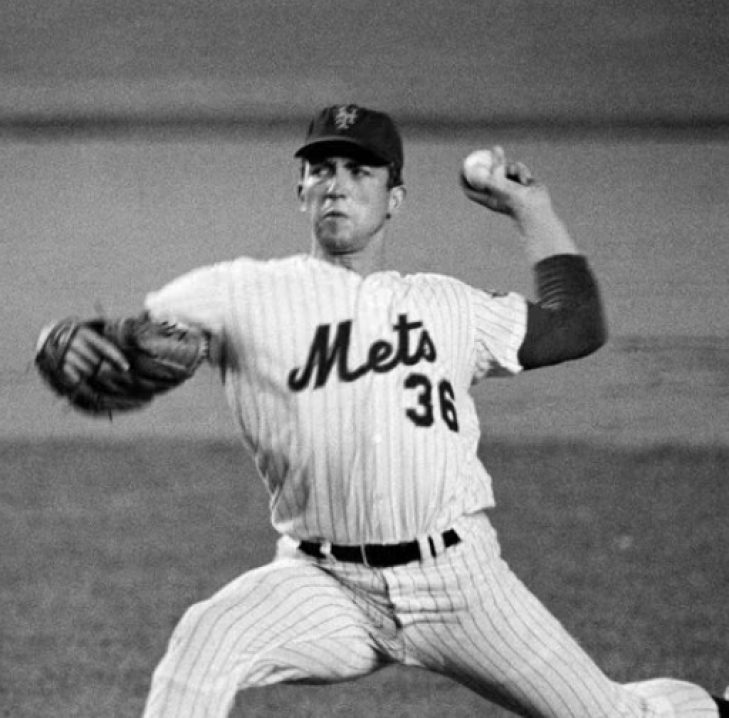
Baseball lost a great hurler when Jerry Koosman passed away this morning at age 83.
He spent most of his career with the New York Mets, was a two-time All-Star (1968 and 1969), and is best known as a member of the Miracle Mets that shocked the sporting world with a World Series Championship in 1969.
Koosman also played for Minnesota, Chicago (AL), and Philadelphia, and over his 19-year career, he posted a 222-209 record with 2,556 strikeouts.
We at notinhalloffame.com extend our condolences to the fans, friends, and family of Jerry Koosman.
How to Become a Star: Talent, Grit and a Smart Online Strategy
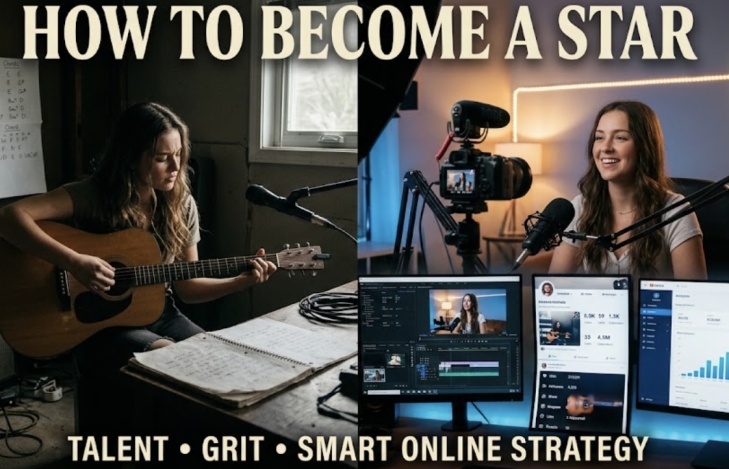
Almost everyone has imagined it at least once: a packed stadium chanting your name, a song you wrote climbing the charts, or millions of people waiting for your next post. Fame looks effortless from the outside, but behind every famous face there is a long chain of decisions, setbacks and deliberate self-promotion. The good news is that the path to stardom is more open today than ever before. The internet has replaced many of the old gatekeepers, and a talented person with a phone and a plan can reach a global audience. This guide breaks down what real stars have in common and how you can use modern tools, including online advertising, to build your own name.
What Does It Really Mean to Be a Star?
Being a star is not only about being recognised in the street. It is about having an audience that cares about what you do and keeps coming back for more. Today, stardom comes in many sizes:
- Global celebrities: household names known across the world, from football legends to pop icons.
- Niche stars: people who dominate a specific field, such as esports, fitness or cooking.
- Micro-celebrities: influencers and local artists with smaller but highly loyal communities.
Whatever level you aim for, the core ingredients stay the same: a clear talent, consistent work, a recognisable personal brand and the ability to get noticed.
Lessons from Legendary Athletes
Sport offers some of the clearest examples of how discipline turns into fame. Athletes rarely become stars by accident; their reputations are built on years of training that nobody sees.
Discipline Comes First
Cristiano Ronaldo is famous not only for his goals but for his obsessive approach to fitness, diet and recovery. Serena Williams spent her childhood on public tennis courts in Compton before becoming one of the most dominant players in history. Their stories show that skill is the foundation; without it, attention fades quickly.
Personality Turns Champions into Icons
Usain Bolt did more than break world records. His relaxed smile and famous lightning-bolt pose made him instantly recognisable, even to people who never watch athletics. Michael Jordan went further and turned his name into a business through the Air Jordan line. The lesson is simple: results earn respect, but personality and branding earn lasting fame.
How Musicians Went from Bedrooms to Billboards
The music industry has changed more than almost any other creative field. Record labels still matter, but many modern stars were discovered online long before they signed a contract.
- Justin Bieber was a teenager posting cover songs on YouTube when his videos caught the attention of a talent manager.
- Billie Eilish uploaded "Ocean Eyes" to SoundCloud with her brother Finneas, and the track spread far beyond what either of them expected.
- Lil Nas X turned "Old Town Road" into a global hit by riding memes and short-form video trends.
- Ed Sheeran played countless small gigs and open-mic nights, building a fan base one audience at a time.
Taylor Swift adds another lesson: she treats her fans as a community, sharing hidden messages, personal stories and behind-the-scenes moments. Loyal fans become your best promoters.
Pop Culture Icons and the Power of Personal Branding
Some of the biggest names of our era built fame by turning their lives and personalities into a brand. Kim Kardashian transformed reality-TV attention into beauty and fashion businesses. Dwayne "The Rock" Johnson moved from wrestling to Hollywood while keeping the same warm, hard-working image. MrBeast built one of the largest YouTube channels by reinvesting his earnings into bigger and more surprising videos.
What unites them is consistency. Their audiences know what to expect, and every appearance reinforces the same story. Before you chase attention, decide what you want people to associate with your name.
Build Your Personal Brand Step by Step
You do not need a famous family or a big budget to start. Follow a clear sequence:
1. Define your talent. Choose one area where you can genuinely become excellent.
2. Know your audience. Decide who you are speaking to and what they value.
3. Create a recognisable identity. Pick a consistent name, visual style and tone across every platform.
4. Publish consistently. Post on a regular schedule so followers know when to return.
5. Engage with fans. Reply to comments, run live sessions and thank your supporters.
6. Own your platform. Build a personal website as your home base, where fans can find news, music, merch or booking details.
Online Advertising Methods That Speed Up Fame
Organic growth is powerful but slow. Most rising stars combine great content with paid promotion to reach the right people faster. Here are the main methods worth knowing.
Social Media Ads
Platforms such as Instagram, Facebook and TikTok let you promote posts to people by age, location and interests. A new musician can push a music video to fans of similar artists, while a fitness creator can target people who follow workout content.
Search and Display Advertising
Search ads appear when people look for specific terms, while display banners show up across thousands of partner sites. Well-planned ads for website traffic help turn casual curiosity into visits to your official page, where fans can subscribe, buy tickets or download your work.
Video Ads on YouTube
Short pre-roll videos are ideal for performers. A strong first five seconds can introduce your style to viewers who have never heard of you.
Influencer Collaborations
Teaming up with creators who already have an audience is one of the fastest ways to borrow trust. Collaborations, duets and guest appearances expose you to new fans in a natural way.
Retargeting, Email and SEO
- Retargeting shows your ads again to people who already visited your site, reminding them to come back.
- Email newsletters gives you a direct line to your most loyal fans, independent of any algorithm.
- Search engine optimisation helps your website appear when people search for your name or genre.
Start with a small budget, test different ads for website visitors and social audiences, and keep the formats that bring real engagement rather than empty clicks.
Common Mistakes on the Road to Fame
Many talented people stall because of avoidable errors. Watch out for these traps:
- Buying fake followers, which damages credibility and engagement rates.
- Copying another star instead of developing an original voice.
- Spending on promotion before the content is genuinely good.
- Ignoring mental health and burning out under constant pressure.
- Giving up after a few months without visible results.
Final Thoughts: Stardom Is a Long Game
Every famous athlete, musician and pop-culture icon once started as an unknown beginner. What separated them from the rest was a mix of real talent, relentless practice, a memorable personality and the courage to put themselves in front of an audience. Today you have tools that earlier generations could only dream of: free platforms, precise advertising and direct contact with fans. Combine hard work with a smart online strategy, stay patient and stay authentic. Fame may not arrive overnight, but a loyal audience built step by step is the most reliable path to becoming a star.
The Pro Football Hall of Fame Revisited Project: 2003 Semi-Final VOTE
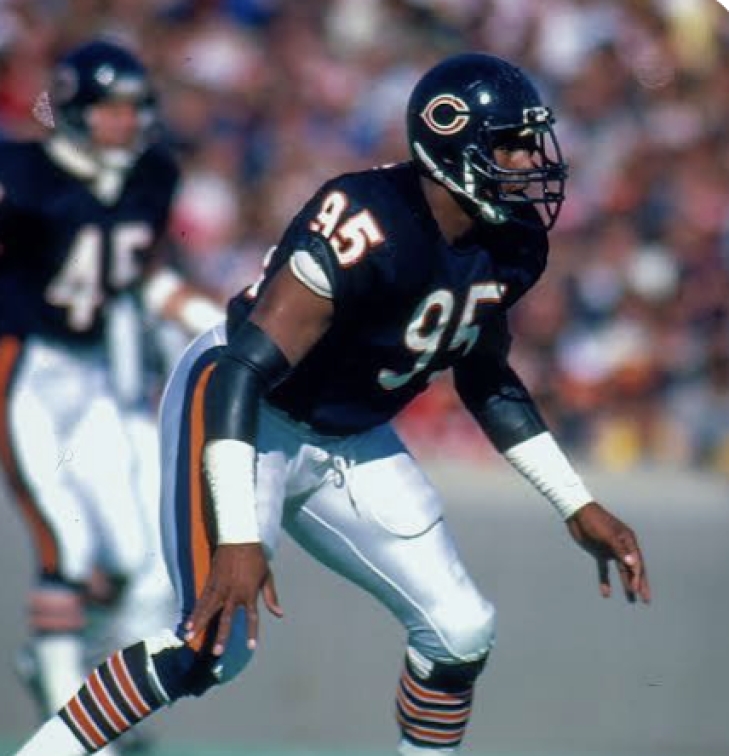
2003 SEMI-FINAL RESULTS:
Thank you for your participation in the Pro Football Hall of Fame Revisited Project. If you are unaware of what that is, we acted like the PFHOF had its first class in January 1946.
We have completed the years up to 2002.
For “2003,” a Preliminary Vote with nearly 100 players whose playing career ended by 1997. We also follow the structure in which players have 20 years of eligibility, and if they do not make it into the Hall, they are relegated to the Senior Pool.
Each voter was asked to select 25 names from the preliminary list, and the top 25 vote-getters were named Semi-Finalists.
A week later, the voters were asked to pick 15 names from the 25 Semi-Finalists, and next week, they will choose five from the remaining 15. We will continue this process every week until we catch up to the current year.
32 votes were cast, with the top 15 advancing.
This is for the “Modern Era”
Bold indicates they advanced to the Finals:
|
Player |
Year of Eligibility |
Vote Total |
|
Marucus Allen RB |
1 |
30 |
|
Gary Zimmerman T |
1 |
27 |
|
Curley Culp DT-NT |
17 |
25 |
|
Richard Dent DE |
1 |
25 |
|
Ken Anderson QB |
12 |
24 |
|
Ken Riley DB |
15 |
22 |
|
Harry Carson LB |
10 |
21 |
|
Mark Gastineau DE |
10 |
21 |
|
Joe Klecko DE-NT |
9 |
21 |
|
Drew Pearson WR |
15 |
19 |
|
Stanley Morgan WR |
8 |
17 |
|
Todd Christensen TE |
10 |
16 |
|
Deron Cherry DB |
7 |
16 |
|
Steve McMichael DT |
4 |
15 |
|
Karl Mecklenburg LB |
4 |
15 |
|
George Kunz T |
18 |
14 |
|
Fred Dean DE |
13 |
13 |
|
Jim Marshall DE |
19 |
12 |
|
Sam Mills LB |
1 |
12 |
|
Harold Carmichael WR |
14 |
10 |
|
Steve Tasker ST |
1 |
10 |
|
Jimbo Covert T |
8 |
9 |
|
Mike Kenn T |
4 |
9 |
|
Clay Matthews Jr. LB |
2 |
9 |
|
Ottis Anderson RB |
6 |
7 |
|
Russ Francis TE |
10 |
6 |
This is for the “Senior Era”
*Bold indicates they advanced to the Finals:
|
Player |
Year of Eligibility |
Vote Total |
|
Winston Hill T |
1 |
22 |
|
Arch Ward CONTRIBUTOR |
14 |
20 |
|
Andy Russell LB |
2 |
13 |
|
Alan Ameche FB |
18 |
13 |
|
Ed Budde G |
1 |
12 |
|
None of the Above |
1 |
This is for the “Coaches/Contributors Era”
*Bold indicates they advanced to the Finals:
|
Nominee |
Year of Eligibility |
Vote Total |
|
COACH: Jimmy Johnson |
2 |
20 |
|
EXEC: Jim Finks |
15 |
16 |
|
COACH: Tom Flores |
7 |
16 |
|
EXECUTIVE: George Young |
6 |
15 |
|
OWNER: Eddie DeBartolo Jr. |
4 |
11 |
|
None of the Above |
2 |
We will post the Class of 2003 Pro Football Hall of Fame Revisited Project next Saturday.
Thank you to all who contributed. If you want to be part of this project, please let us know!
