


Site Admin
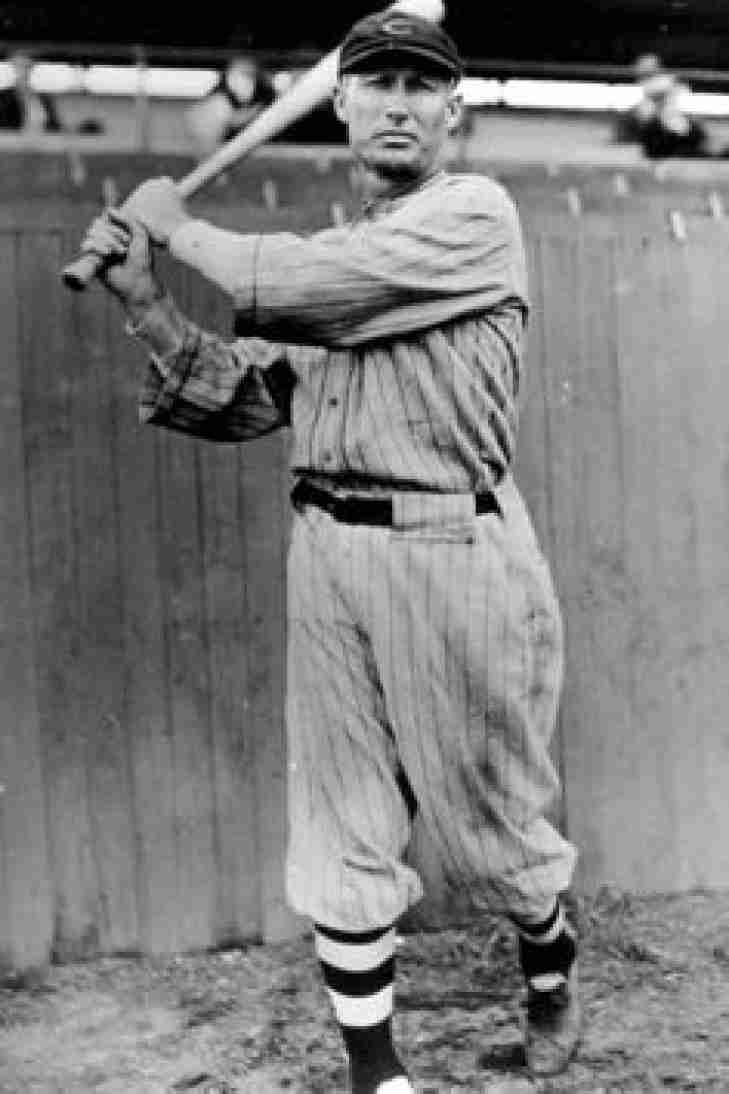
7. Sam Rice
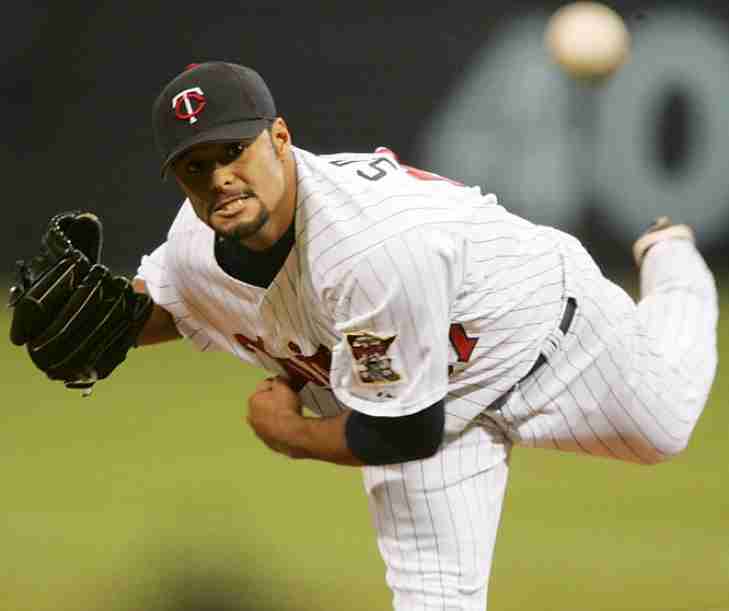
10. Johan Santana
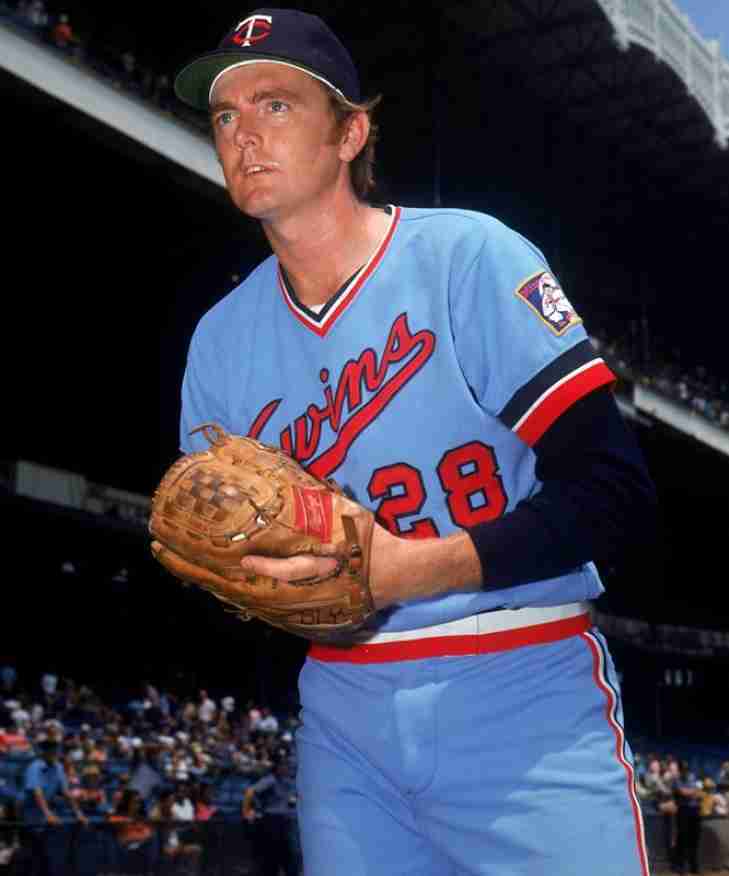
8. Bert Blyleven
6. Tony Oliva
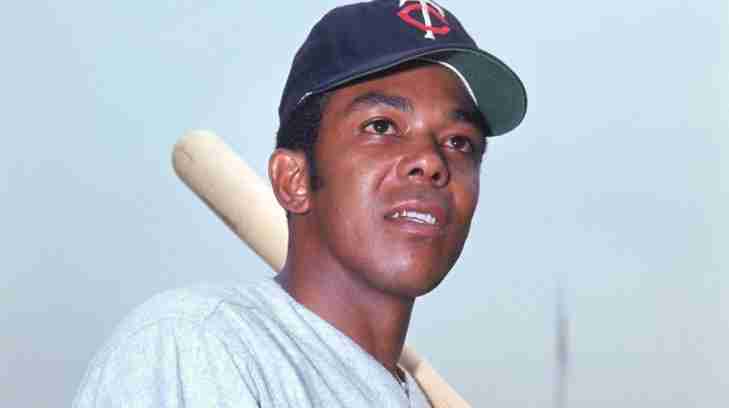
A young outfielder from Cuba, Tony Oliva, came to the Twin Cities, carrying a sweet left-handed swing that would soon become the envy of the American League. While he faced the immense challenge of adapting to a new country and language, he allowed his bat to do the talking, transitioning from a raw prospect into one of the most naturally gifted hitters the sport had ever seen.
In 1964, Oliva showcased mastery of the plate to win Rookie of the Year, leading the league in batting average (.323), hits (217), and doubles (43). He quickly became a key player, defending his batting crown in 1965 and helping the team win its first Minnesota pennant. This early success marked the start of a career with eight consecutive All-Star selections from 1964 to 1971, providing a high-quality offensive presence.
During the late 1960s and early 1970s, he led the league in hits five times. In 1966, he won a Gold Glove in right field while again leading in hits. In 1971, he won his third batting title (.337) and led in slugging percentage, despite playing through pain. This run made him a perennial MVP candidate, with runner-up finishes in 1965 and 1970, cementing his status as a superstar.
A series of knee injuries drastically changed his career, forcing him to adapt. After a severe injury in 1971 nearly ended his career, he demonstrated resilience by becoming the Twins' first Designated Hitter in 1973. Despite limited mobility, he remained a key hitter, with over 90 RBIs in his first DH season and serving as a veteran presence. He left Minnesota with 1,917 hits, 220 home runs, and a .304 batting average, showcasing consistent excellence beyond his physical limits.
Oliva was honored with his number 6 retirement in 1991. He demonstrated that true greatness lies in maintaining elite production through adversity, leading to his induction into the first Twins Hall of Fame in 2000. In 2022, he was finally inducted into the Baseball Hall of Fame via the Golden Days Era Committee.