

Committee Chairman
197. Robin Ventura
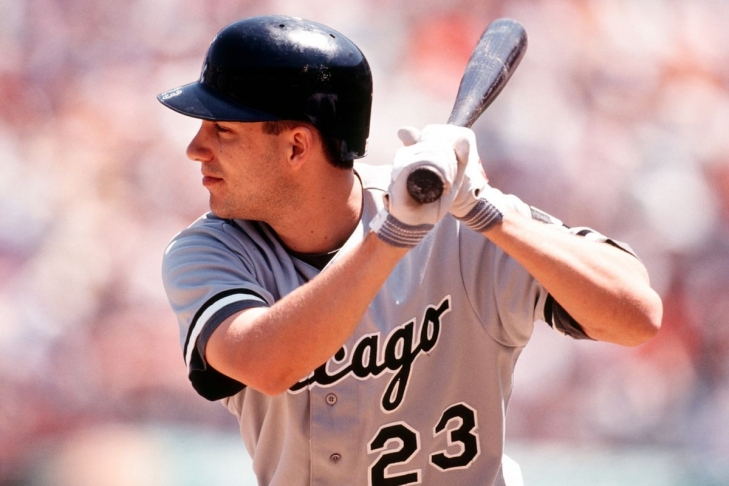
Forget about Robin Ventura headbutting Nolan Ryan’s fist.
Before he reached the Majors, Robin Ventura already had a full trophy case. In 1988, the Oklahoma State star was a three-time All-American, won the Dick Howser Trophy, the Golden Spikes Award, and was a Gold Medal winner for the United States.
Professionally, Ventura proved to be a good-hitting third baseman who spent the majority of his career with the Chicago White Sox, the team he debuted with in 1989. Ventura became a starter in 1990 and was an All-Star in 1992. With the Chi-Sox, Ventura had five 20 Home Run years and six 90-plus RBI years, but his best asset was his defense, as he earned five of his six Gold Gloves with Chicago. Ventura is also currently in the top twenty all-time in Total Zone Runs.
While the White Sox are the team Ventura is best known for, he would have another four-year run of 20 Home Runs, three with the Mets and one with the Yankees.
Over Ventura’s career, he blasted 294 Home Runs with 18 of them being Grand Slams. He would later manage the White Sox from 2012 to 2016.
172. Jose Canseco
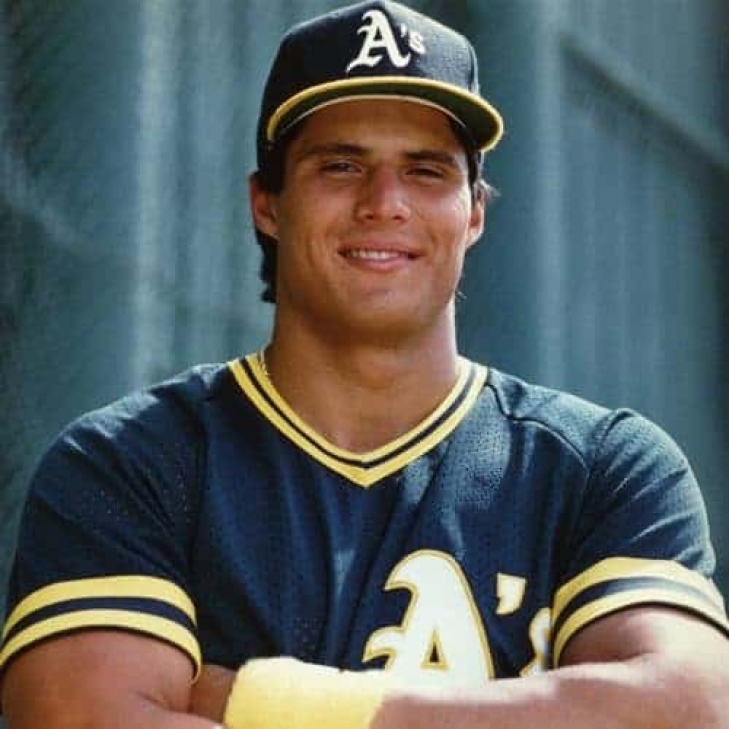
While the career of Jose Canseco was beset with controversy regarding his steroid use, the players he would later accuse of taking PEDS, and his off-field shenanigans, there should be no doubt that during his prime, he was pegged as a future Hall of Famer.
That prime was in the late 80s and early 90s, where Canseco was one half of the “Bash Brothers” with Mark McGwire in Oakland. Canseco was an immediate sensation, winning the American League Rookie of the Year award in 1986. Two years later, Canseco was the best hitter in baseball, winning the Home Run Title (42), RBI Title (124), and he was the first player to have a 40/40 year in Home Runs and Stolen Bases. Canseco was named the MVP, and he took the A’s to the first of three consecutive World Series appearances. Oakland only won one of them (1989), and Canseco continued to be an offensive force, winning another Home Run Title with 44 deep in 1991.
With Oakland, Canseco was a five-time All-Star and three-time Silver Slugger, but the rebuilding Athletics dealt him to the Texas Rangers during the 1992 season. Canseco was only 27, but he sustained injury after injury, and his defensive skills deteriorated badly, as with many big guys. When he was healthy, he could still belt it over the fence, as shown by his six straight 20 Home Run years from 1994-99, and he had a personal best in 46 with the Blue Jays in 1998.
Canseco also played for Boston, Tampa, New York (AL), and Chicago (AL) and retired with 462 Home Runs and 1,407 RBIs.
154. Hippo Vaughn
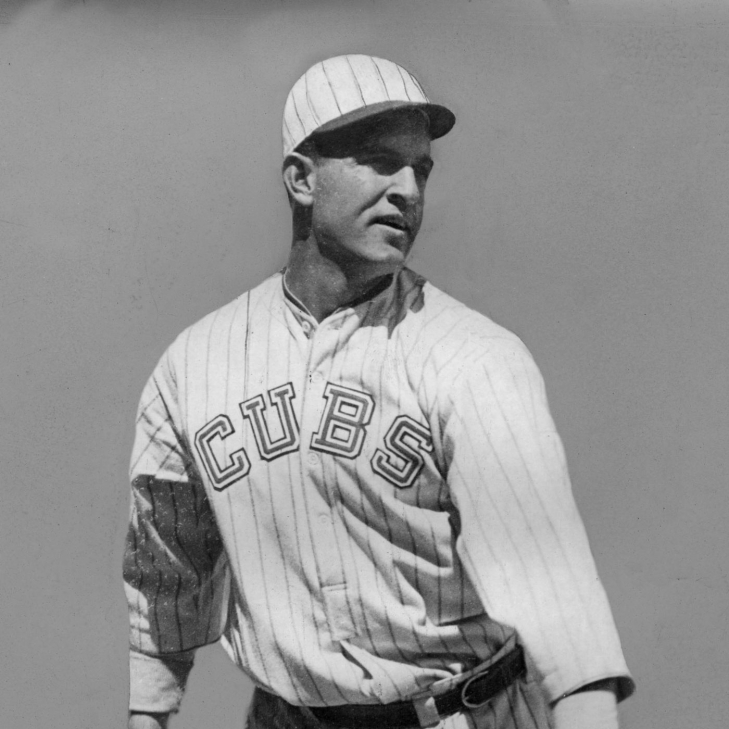
James Leslie “Hippo” Vaughn appeared in two games for the New York Highlanders (later to be the Yankees) in 1908, and after a full year in the minors, he had a promising 1910 campaign with a 13-11 record and an ERA of 1.83. It wasn’t quite the springboard to greatness, as he struggled over the next three seasons, going back and forth from the minors, and bouncing to the Washington Senators and then the Chicago Cubs. In the Windy City, he would live up to that potential that New York fans saw in 1910.
From 1914 to 1920, Vaughn was one of the best left-handers in the National League, and there were times when he certainly was. In that seven-year run, Vaughn was a 20 Game winner five times, was always in the top five in Strikeouts, and was in the top five in bWAR for Pitchers in five seasons. Had there been a Pitcher of the Year, Vaughn would have captured it in 1918, as that season he won the ERA Title (1.74), Wins (22), WHIP (1.006), SO/BB (1.947), ERA+ (159), and FIP (2.25).
Vaughn’s skills eroded significantly in 1921, and he was out of the Majors the year after. He retired with a healthy record of 178-137.
147. Camilo Pascual
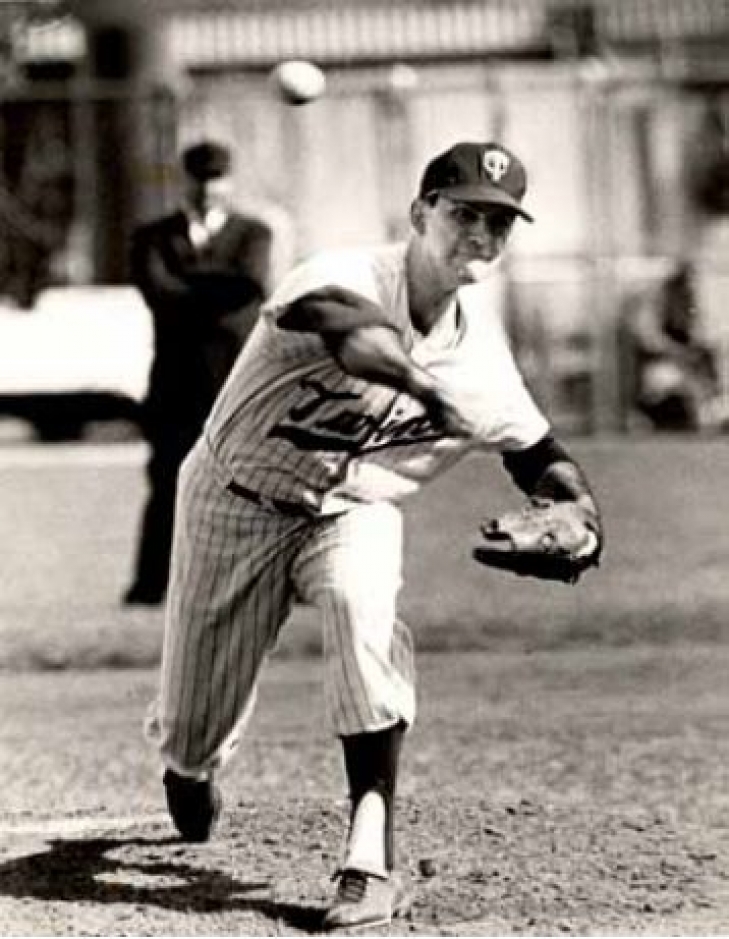
Camilo Pascual left Cuba in 1951 at the age of 17, and a year later, he was part of the Washington Senators’ farm system. Pasucal was impressive and made the Washington main roster in 1954.
Pascual was largely unimpressive in his first few years, but he came of age in 1959, when he went 17-10 and led the American League in Complete Games (17) and FIP (2.44). The Cuban was an All-Star for the first time and would be in four of the next five seasons.
The Senators relocated to Minnesota, becoming the Twins in 1961, and in the first three years of the franchise's relocation, he was the league-leader in Strikeouts. The Twins won the American League Pennant in 1965, of which Pascual was a part, but he was no longer the same Pitcher by this time.
He was traded back to the city of Washington and the new version of the Senators at the end of the 1966 season, and he had a pair of 12 Win years. He finished his career with Cincinnati, Los Angeles, and Cleveland, retiring in 1971 with a 174-170 record with 2,167 Strikeouts.