


Committee Chairman
143. Dizzy Trout
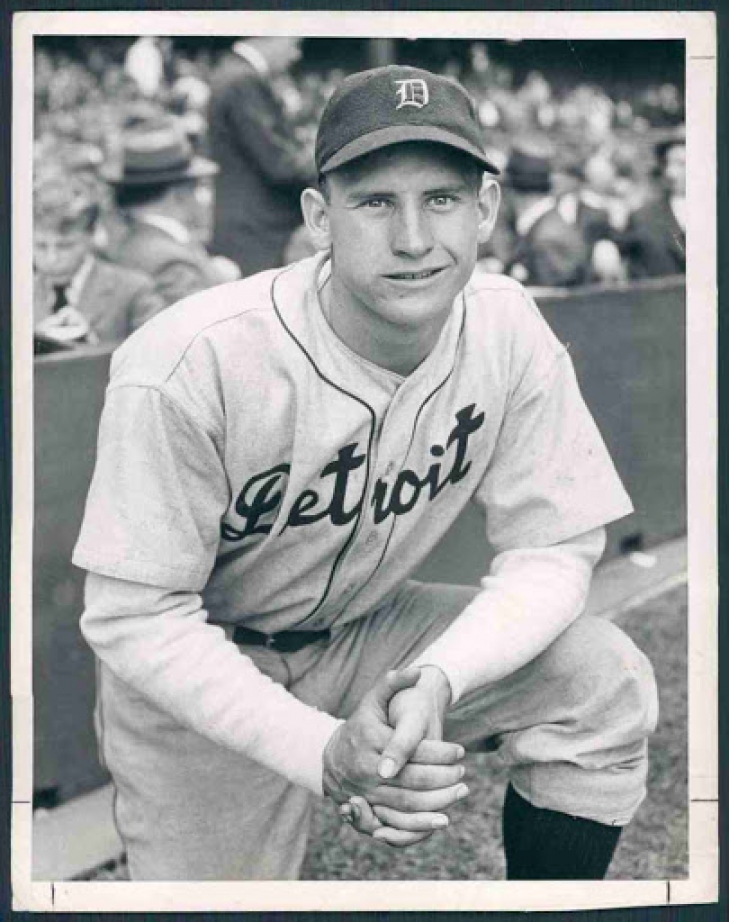
When you have a name like Dizzy Trout, you expect that you have a unique and colorful character on your hands. Trout fit the bill, and while the validity of many of the stories surrounding him might not be valid, he was unquestionably an excellent Pitcher.
Trout played most of his career with the Detroit Tigers, breaking in during the 1939 season. Due to a hearing impairment, Trout could not serve his country during World War II, and during that time, he had his best run in baseball. Trout led the American League in Wins (20) in 1943, and he had an even better year in 1944, going 27-14 with a league-leading 2.12 ERA. Trout was an All-Star that year and was the runner-up to his teammate, Hal Newhouser, for the MVP. While he was not as good in 1945, Trout helped the Tigers win the World Series.
Trout never had another dominant year, but he was still good enough to be a solid pitcher for Detroit until he was traded to Boston in 1952. He won 170 Games against 161 Losses over a 15-year career.
137. Cesar Cedeno
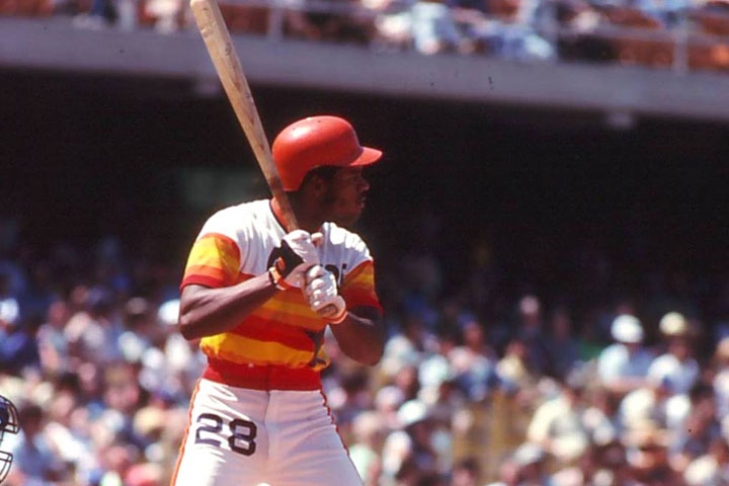
Cesar Cedeno played the first twelve years of his seventeen-year career with the Houston Astros, and it was there that he established himself as one of the best baserunners of the 1970s.
From 1972 to 1977, Cedeno swiped at least 50 Bases, and he had good power in those years, with the first three seasons showcasing at least 20 Home Runs. The four-time All-Star was also a five-time Gold Glove winner, and he had two years where he topped the National League leaderboard in Doubles. It was a unique blend of power and speed, and he led the NL in Power-Speed # in 1974 and was in the top four in five other campaigns.
The Dominican would finish his career with Cincinnati, St. Louis, and Los Angeles. Cedeno had 199 Home Runs, 2,087 Hits and 550 Stolen Bases.
162. Lew Burdette
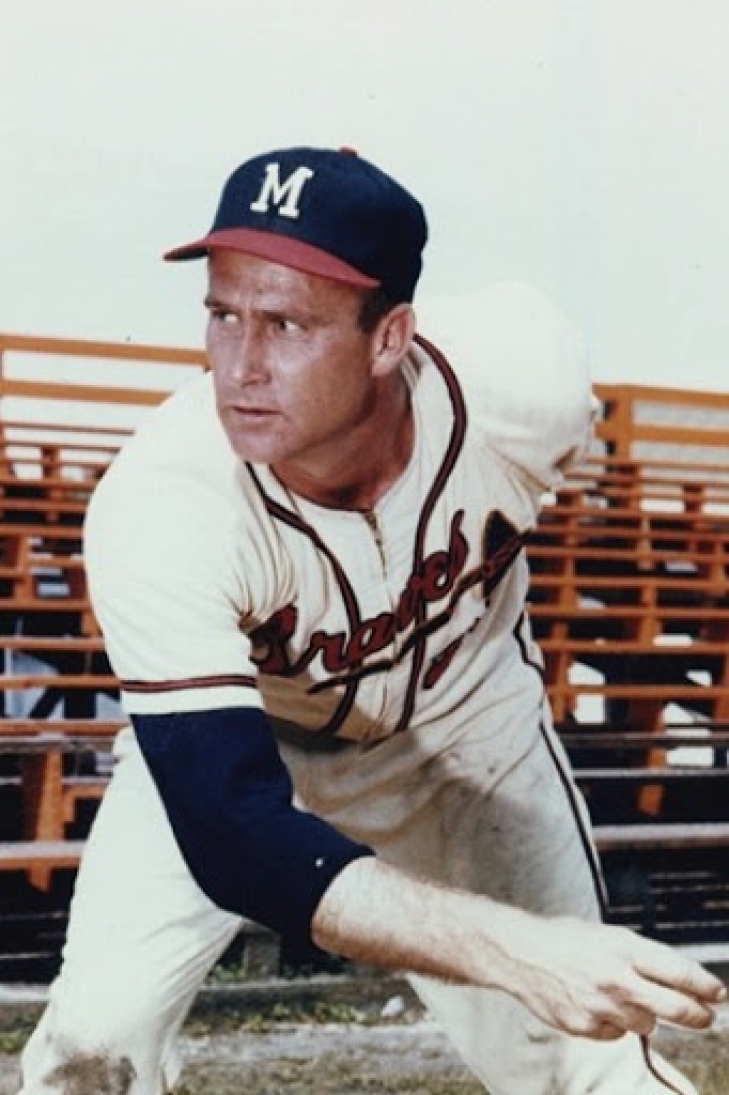
Lew Burdette was the star right-hander for the Milwaukee Braves in the 1950s, but his career was a tad on the complicated side to dissect.
Burdette made his first appearance in the Majors for the Braves in 1950, but he was not a permanent member of the roster until 1952. Burdette became a top hurler in 1953, and from 1953 to 1961, he had at least 15 Wins every year but 1955. Burdette won the National League ERA Title in 1956 (2.70), and the year after, he was the World Series MVP in what would be the Braves' only World Series Championship in Milwaukee. He had 20 Win years in 1959 and 1960 and was third in Cy Young voting in the latter season.
Burdette was good during this period, utilizing control to lead the NL in BB/9 three times, but he also gave up a lot of Hits, and his career bWAR is under 30. Known for his fidgeting, Burdette was an annoyance to batters, and it was joked that he would make coffee nervous.
After declining in the early 60s, Burdette bounced to St. Louis, Chicago (NL), Philadelphia, and California before retiring in 1967 with a record of 203-144.
203. Kevin Appier
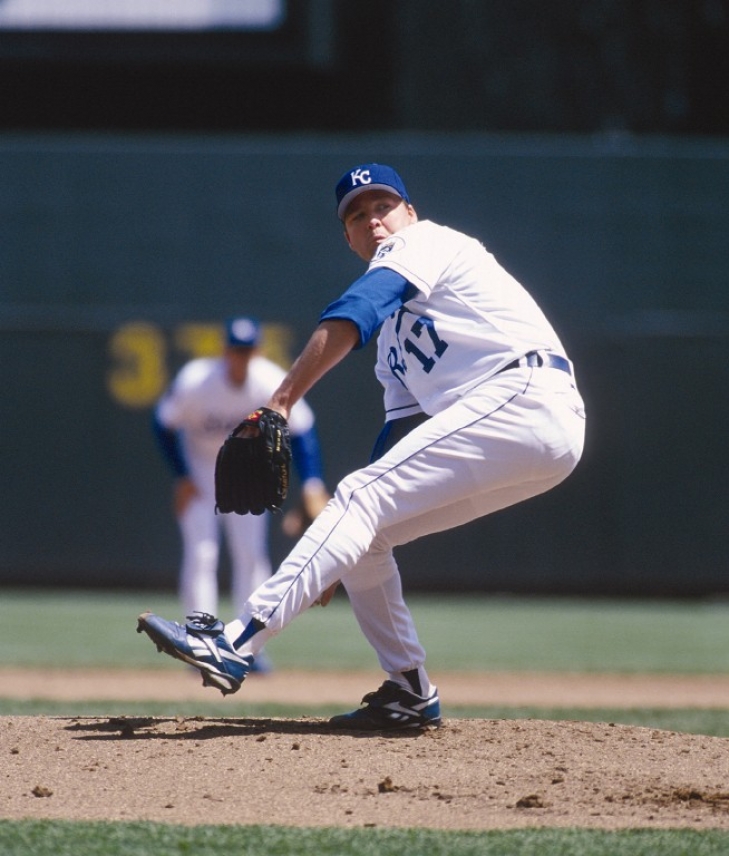
Kevin Appier was arguably one of the most underrated Pitchers of the 1990s, and perhaps we can shed some light on a career that feels unknown outside of Kansas City.
After finishing 12-8 with a third-place finish in Cy Young voting in 1990, Appier was a fundamentally sound, albeit somewhat hidden, player in the small market of Kansas City. The righthander had a great 1993 season, going 18-8, and leading the American League in ERA (2.56), ERA+ (179), FIP (2.90), and bWAR (9.3). Appier was third in Cy Young voting, though his bWAR was more than double that of the winner, Jack McDowell of Chicago. Appier would finally earn an All-Star berth in 1995, though it would be the only one he attended.
In his time with the Royals, Appier had seven top-ten finishes in bWAR, five ERA top-ten finishes, and four top-five finishes in Strikeouts. Despite these strong stats, the 1993 season was the only year that he received a Cy Young vote.
Following the Royals, Appier played for Oakland, New York (NL), and Anaheim, where he won a World Series Ring in 2002. He returned to KC to finish his career, retiring in 2004. Appier left the game with a 169-137 record with 1,994 Strikeouts.