

Committee Chairman
210. Cy Williams
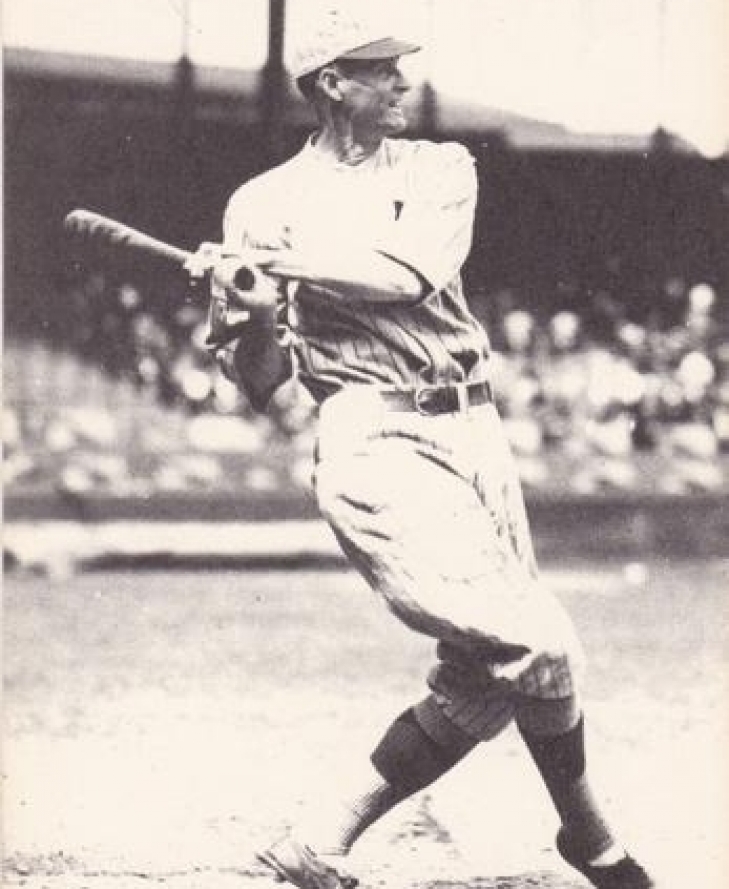
Cy Williams entered Notre Dame, having only played in a handful of baseball games. He left them as an accomplished player whom the Chicago Cubs signed after he finished school.
Williams joined the Cubs right away (1912), and a few years later, he was a regular in the Outfield. Williams won the Home Run Title in 1916 (12), but he was a defensive liability and was viewed as expendable. He was traded to the Philadelphia Phillies in 1918, and it turned out to be a lopsided transaction in the Phillies' favor.
The Baker Bowl, where the Phillies played, fit the strength of Williams, and as the ball started flying out of the park in the 1920s, he was one of those who perfected the art of the long ball. Williams led the NL in Home Runs in 1920 (15), 1923 (41), and 1927 (30), and he was also the leader in Slugging in 1926 (.568). Williams would also have six .300 seasons for Philadelphia.
At the time of his retirement in 1930, Williams was the all-time Home Run leader in the National League (251).
241. Frank Viola
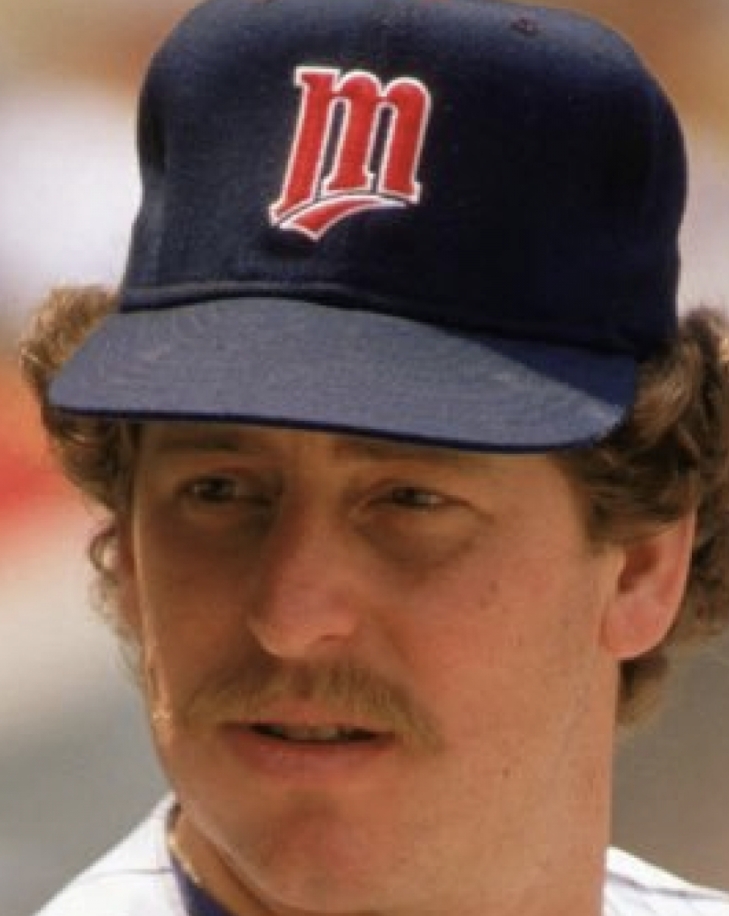
Frank Viola was a star Pitcher known for his stint with the Minnesota Twins, where his work there made him a legend in the state.
169. Harry Davis
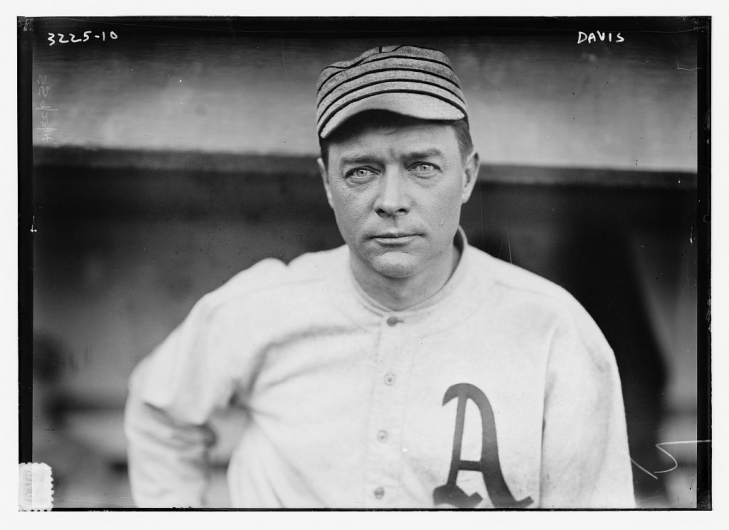
From 1895 to 1899, Harry Davis was either a budding journeyman or a future star. He played for four different teams in the National League and had a 28 Triple year in 1897 while batting .305. Davis was in the minors for all of 1900, and Connie Mack, the owner/manager of the Philadelphia Athletics, saw him as a building block for his brand new American League franchise, and he was one of their first signees.
190. Buddy Myer
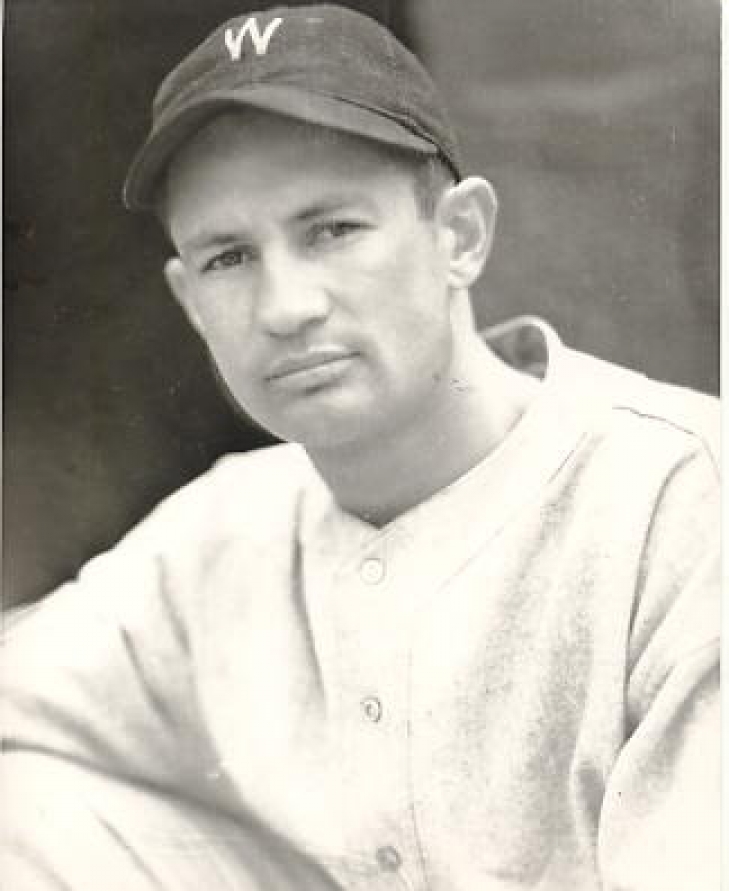
Buddy Myer was referred to as the "cocky little Second Baseman," though that was not meant as a compliment, and was usually used by opponents or opponents' fans after Myer did well.
According to his peers, Myer was one of those super-nice guys, but once on the field, he was one of the most tenacious players in diamond history. He first cracked the Majors with Washington in 1925, where, as a rookie, he was part of their American League pennant win. He would take over as their starting Shortstop the year after, batting .304, which would be the Infielder's first of eight .300 years. The Senators inexplicably traded Myer to Boston during the 1927 season, and in 1928, he led the AL in Stolen Bases. Washington reacquired Myer in the offseason, and they never let him go again.
Myer later helped the Senators win the Pennant in 1933, though they would lose to the New York Giants. It was a tumultuous year for Myer, who got involved in a bloody brawl with Ben Chapman, who made anti-Semitic remarks toward Myer. This was par for the course for Chapman, who later tormented Jackie Robinson with racial slurs when he was the Phillies Manager.
Myer would later go to two All-Star Games and win the Batting Title in 1935. That year, he finished fourth in MVP voting. Myer played until 1941 and left the game with 2,131 Hits and a lifetime Batting Average of .303.