


Site Admin
25. Reb Russell
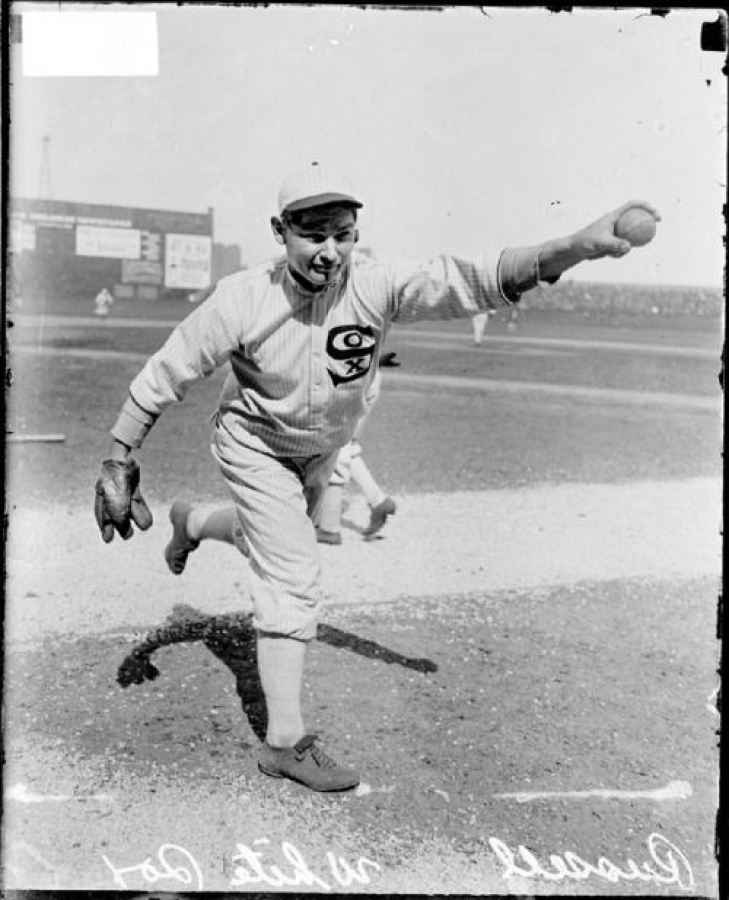
Scouted out of the Texas League and snatched up in the 1912 Rule 5 Draft, Reb Russell bypassed the traditional developmental curve to stage a rookie season for the ages in 1913. He emerged as a high-volume workhorse immediately, leading the American League with 52 appearances while posting a staggering 22-16 record and a microscopic 1.90 ERA. He arrived as an unheralded addition and matured instantly into the staff's most versatile weapon.
Reliability and precision became his calling cards as the residency progressed. Russell was a master through elite control, consistently suppressing runs with a style that never saw his season ERA climb above 3.00 in a White Sox uniform. In 1916, he led the American League with a league-best 1.053 WHIP, proving that he hated to give up the free pass. This surgical efficiency served as a primary engine for the 1917 squad, where he played a vital role in delivering a World Series title to Chicago, cementing his role as a big-game winner.
The tactical value of his tenure was further enhanced by his prowess at the plate, a hint of the second career he would eventually forge as an outfielder in the National League. For the White Sox, however, he was the ultimate left-handed hammer, concluding his pitching residency with an 80-59 record and a stellar 1.080 career WHIP. Even when arm trouble began to shadow his performance in 1918, his reputation as a competitor remained untarnished. He left the organization following the 1919 season, a casualty of physical decline rather than a lack of talent.
His transition to a full-time hitter later in his career with Pittsburgh only serves to highlight the raw athletic skills he brought to the South Side. He proved that he wasn't just a pitcher, but a ballplayer in the truest sense of the word.
28. Sherm Lollar
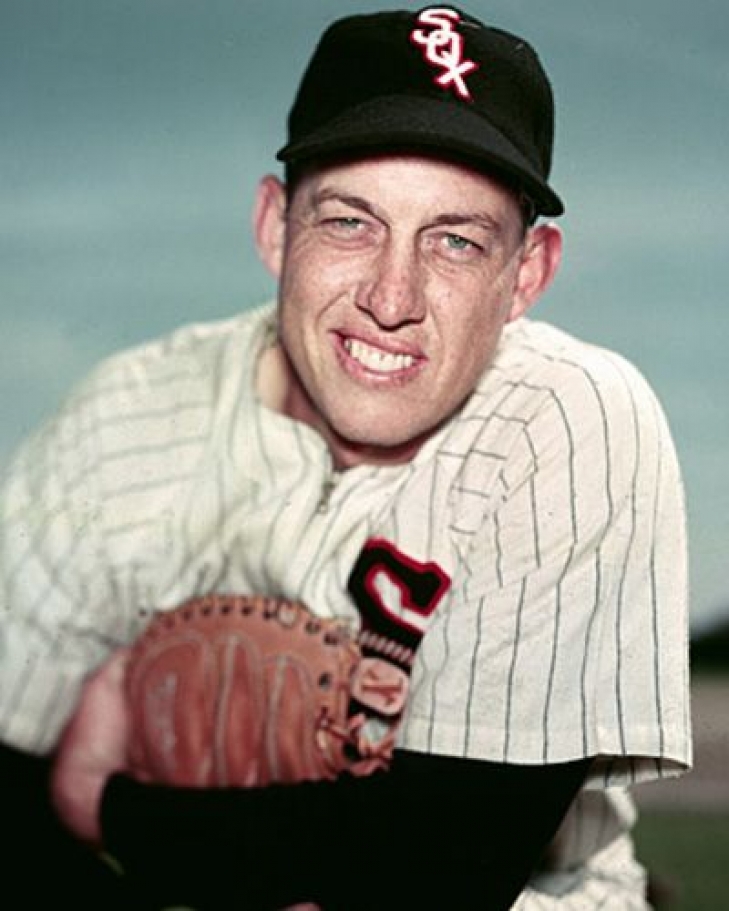
Chicago’s defensive identity in the 1950s was anchored by a man whose preparation and poise made him the envy of every pitching staff in the junior circuit. Lollar arrived in 1952 via a trade with the Browns and matured instantly into the undisputed leader of the clubhouse. His ability to handle a staff and his individual brilliance were officially recognized in 1957, when he became the inaugural winner of the Gold Glove Award, a single honor for both leagues, and followed it up by capturing the first two Gold Gloves ever awarded specifically to American League catchers.
Reliability at the plate provided a vital secondary layer as a player. While Berra garnered the headlines for his power, Lollar held his own as a productive offensive force, rattling off five seasons of at least 100 hits and twice eclipsing the 20-home run mark for the White Sox. He was a six-time All-Star in Chicago, providing a high-leverage bat in a lineup that prioritized speed and defense. He arrived as a respected veteran and finished his South Side tenure with 1,122 hits and 124 home runs, a volume of production that made him the premier two-way catcher in the franchise's modern history.
The peak of his baseball career arrived in 1959, as he guided the White Sox to their first pennant in forty years. Lollar’s ability to navigate a diverse pitching staff was the primary engine of that championship run, proving that a catcher's true value is often found in the runs he prevents rather than the ones he drives in. He was the quintessential "field general," a player who understood the psychological nuances of the mound as well as he understood the mechanics of the swing.
Consistency remained his hallmark until the conclusion of his career following the 1963 season.
29. Fielder Jones
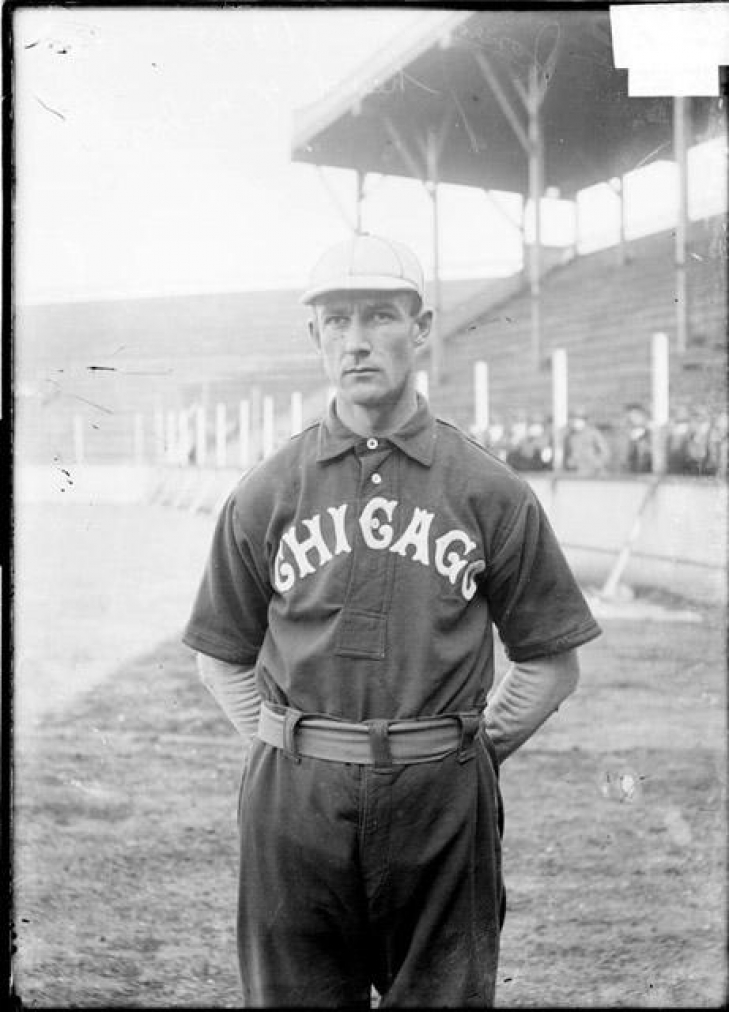
The landscape of Chicago baseball shifted in 1901 when Fielder Jones defected from Brooklyn to join the White Sox as a cornerstone of their inaugural American League roster. He arrived as a premier leadoff threat, maturing instantly into a force by batting over .300 in each of his first two seasons in the junior circuit. His combination of speed and on-base ability provided the spark for a team still searching for its identity, but his promotion to player-manager in 1904 truly transformed the franchise's trajectory.
Leadership and run prevention became his primary calling cards during the most successful stretch of his residency. While his individual batting average began to dip under the weight of his managerial duties, Jones remained a consistent producer, generating at least 110 hits in every season from 1904 to 1908. He understood that in the Deadball Era, the White Sox didn't need a juggernaut offense to win; they needed a team built on grit and defensive precision. Under his guidance, the 1906 squad earned the "Hitless Wonders" moniker, famously shocking the cross-town Cubs to capture the World Series title.
Reliability in the field was paired with an aggressive approach on the basepaths, as evidenced by his 206 stolen bases in a Chicago uniform. Jones was the rare manager who could lead by example, patrolling center field with a range that shortened the game for his pitching staff. His skills weren't found in a high slugging percentage, but in his ability to manufacture wins through tactical ingenuity and high-leverage decision-making. He concluded his Chicago stay with 1,151 hits, a total that reflects a decade of being the most influential figure on the South Side.
The conclusion of his time in Chicago was marked by a growing friction with owner Charles Comiskey. Exhausted by the internal politics of the front office, Jones abruptly walked away from the game following the 1908 season. Though he eventually resurfaced in the Federal League years later, his legacy was firmly rooted in the dirt of South Side Park.
26. Joe Horlen
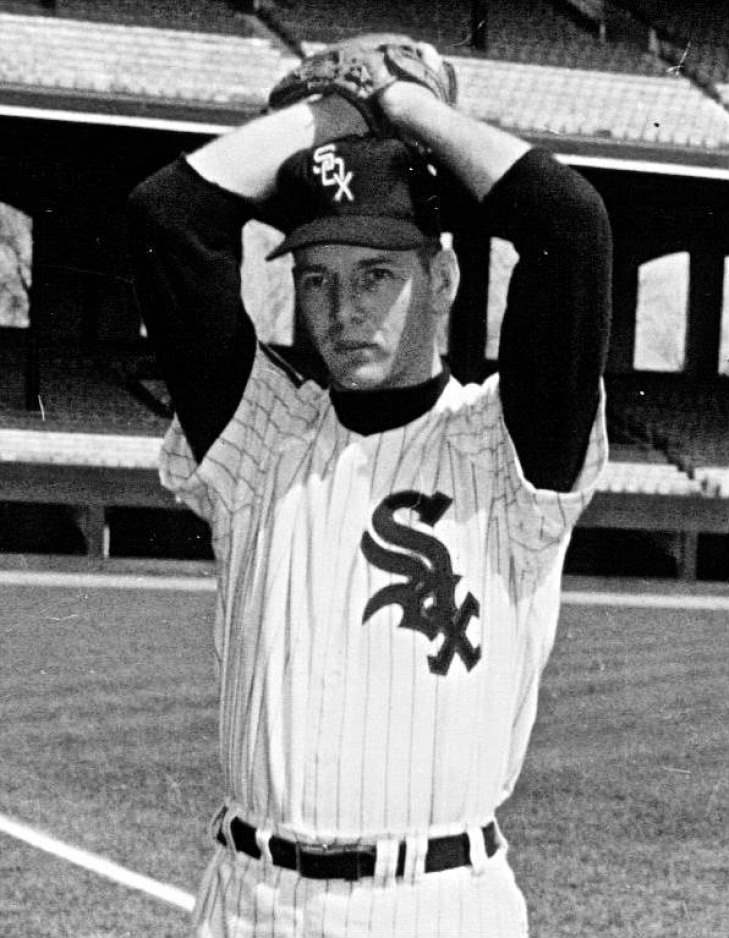
A debut in 1961 offered only a glimpse of the tactical master Horlen would become, but by 1963, he had secured his place as a primary pillar of the Chicago rotation. He matured into a frontline starter during the 1964 campaign, a remarkable season where he posted a microscopic 1.88 ERA. The year was best illustrated by his league-leading 0.935 WHIP and a staggering 6.1 H/9 innings, the best mark in the junior circuit. He arrived as a young prospect and instantly became the pitcher that opposing managers feared most when a low-scoring game was on the line.
The pinnacle of his career arrived in 1967, a season in which he ascended to the very top of the pitching world. Horlen captured the American League ERA title with a 2.06 mark and claimed his second WHIP crown, earning his first All-Star nod in the process. He was the outlier of the summer, finishing second in the Cy Young voting and fourth in the MVP race. His ability to suppress runs was nearly unmatched; he maintained an ERA under 2.90 for three consecutive seasons, serving as the high-leverage anchor for a staff that specialized in run prevention.
Consistency and durability defined him throughout the decade. While his eventual 113-113 record in a White Sox uniform was often a byproduct of the team's struggling offense, his 1,007 strikeouts and relentless efficiency told a much different story. He was a volume-dense workhorse who took the ball in the most critical matchups, providing a decade of stability on the South Side. Even as his ERA began to climb toward the end of his tenure in 1970, his reputation as a big-game specialist remained intact.
The organization moved in a different direction just before the 1972 season, leading Horlen to a final chapter with the Oakland A’s, where he added a World Series ring to his resume.