


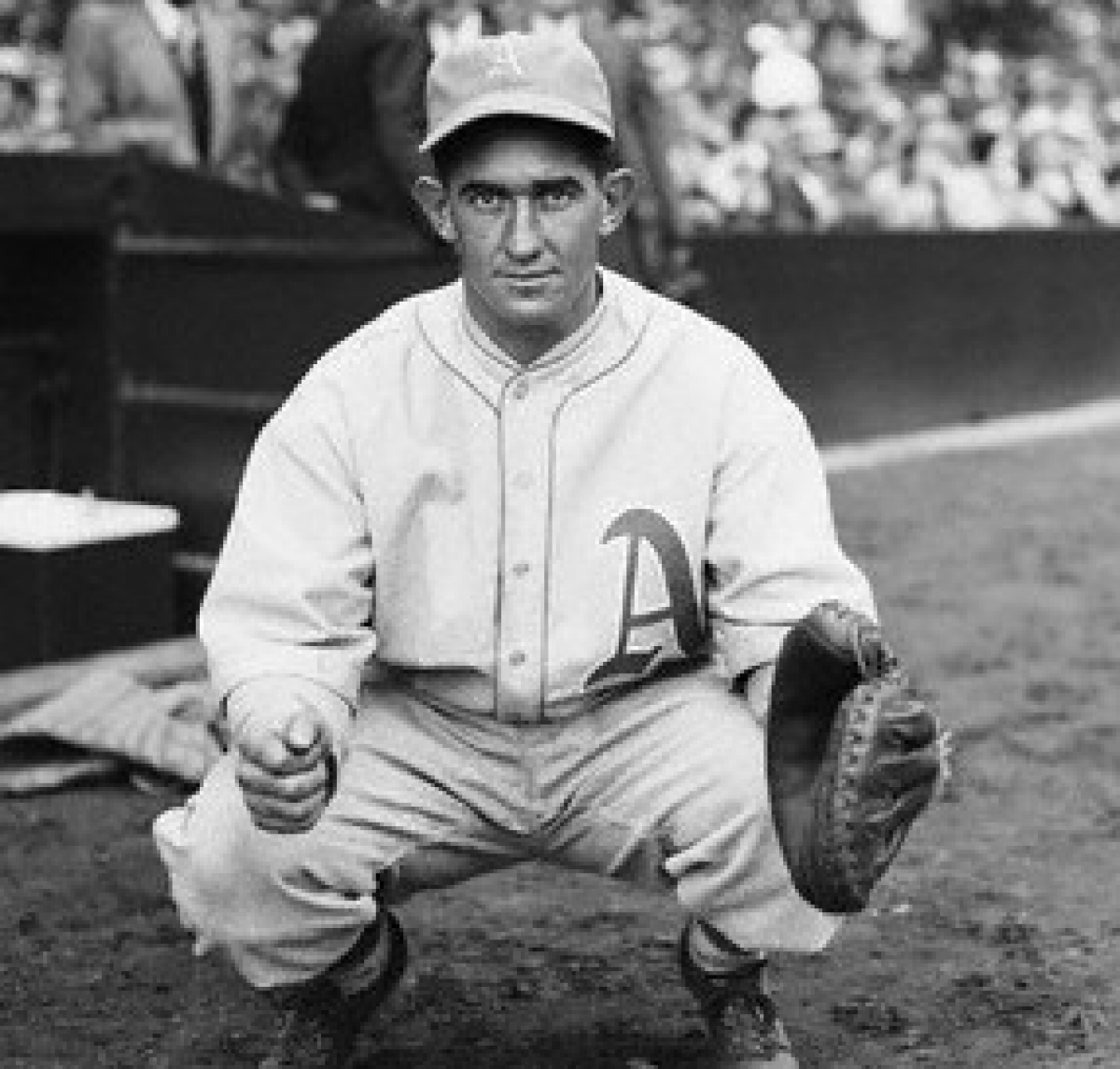



When Connie Mack surveyed the baseball landscape in late 1924, he knew his rebuilding Philadelphia Athletics required a dynamic center of gravity behind the plate to challenge the New York Yankees' emerging dominance. He found his man in the Pacific Coast League, aggressively prying Mickey Cochrane away from the Portland Beavers. Mack wasted absolutely no time, immediately thrusting the young backstop into the starting lineup for the 1925 campaign, igniting a run that permanently redefined the offensive baseline for the modern catcher.
Cochrane burst onto the major league scene with an impressive rookie summer, batting .331 and finishing tenth in the American League MVP voting. He effortlessly produced base hits as a left-handed hitter, combining excellent plate discipline with a crisp, line-drive swing.
During his nine outstanding seasons in Philadelphia, he broke the conventional expectations for a catcher by batting over .300 six times. His skill in controlling the strike zone was also renowned; he posted six seasons with an on-base percentage above .400, with his peak during his last year here when he led the entire American League with a remarkable .459 OBP.
Focusing solely on his offensive statistics overlooks the intense, motivating leadership that strengthened the team. Cochrane was a highly athletic and quick defender who neutralized base-stealers and played with a passionate, vigorous spirit. His exceptional defensive stance and relentless energy made him stand out, enabling him to lead all junior circuit catchers in Range Factor per Game for five straight seasons from 1925 to 1929.
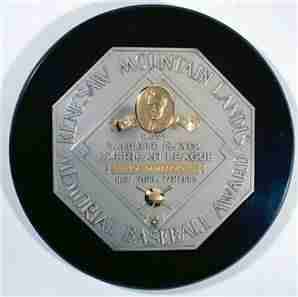
The ultimate validation of this complete, all-around impact came during the 1928 season. Though it was a rare sub-.300 batting average (.293), his masterful handling of the pitching staff, and clutch intangibles were so deeply respected by voters that he captured the American League MVP Award.
With Cochrane as the clear emotional driving force, the historic core Mack developed around him matured completely. The Athletics demonstrated a true dynasty, winning consecutive World Series in 1929 and 1930, and securing another AL pennant in 1931.
The severe economic challenges of the Great Depression quickly affected the franchise. With attendance dropping sharply and limited funds, Mack decided to break up his star lineup. After the 1933 season, he sold Cochrane’s contract to the Detroit Tigers for a hefty $100,000. The legendary catcher demonstrated that his greatness was not tied to any one team, earning his second AL MVP award in 1934 and leading Detroit to a world championship as a player-manager in 1935.
He left Philadelphia having authored an astonishing .321/.412/.490 slash line alongside 1,317 hits and 108 home runs. The national baseball community delivered the ultimate punctuation to his historic legacy in 1947, overwhelmingly electing Cochrane into the National Baseball Hall of Fame. He was later inducted into the Philadelphia Baseball Wall of Fame in 1982 and permanently enshrined in the Athletics Hall of Fame as part of the 2021 class.

Comments powered by CComment