


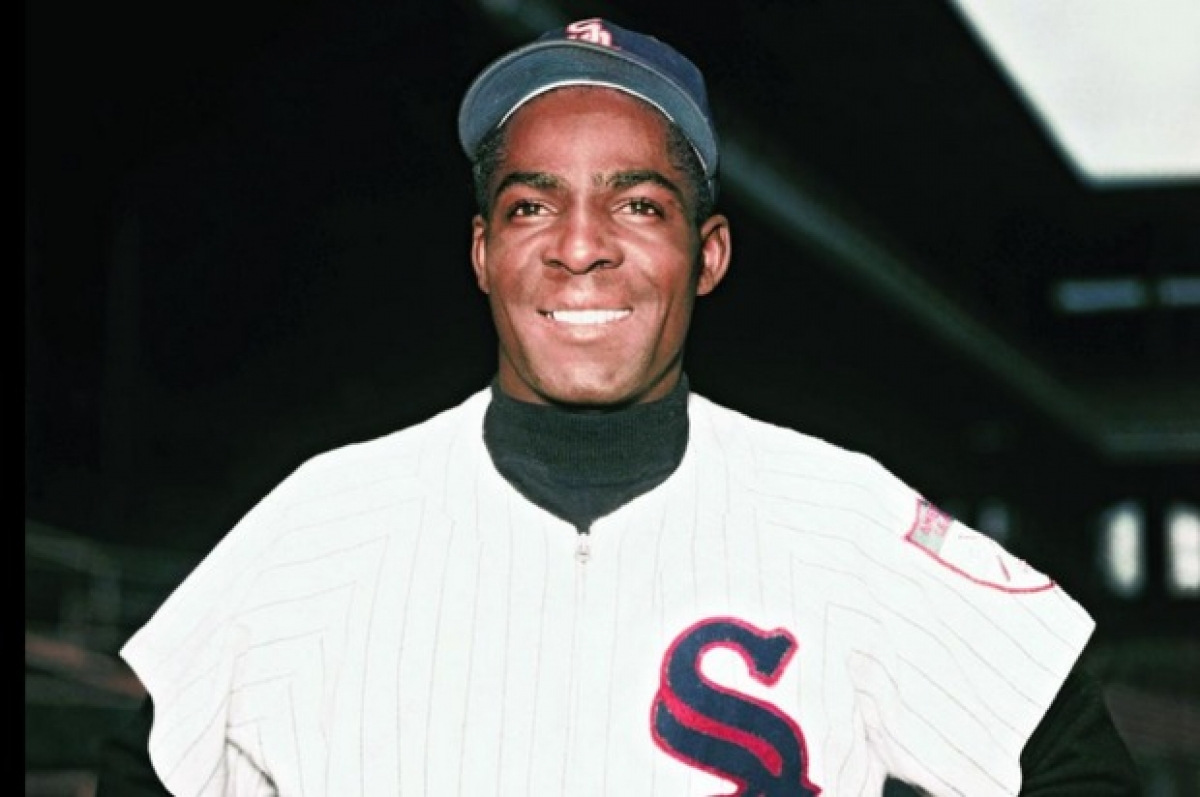

When Orestes "Minnie" Miñoso arrived in Chicago in May of 1951, he was the centerpiece of a massive three-team trade that sent him from Cleveland to the South Side. The White Sox had been searching for a spark, and in Miñoso, they found a wildfire. As the first Black player to wear the uniform, the Cuban native faced immense pressure, yet he responded with a charisma and a playing style that instantly captivated the city. In his very first at-bat in a Sox jersey, he hammered a home run against the Yankees, signaling the start of a decade-long love affair. He didn't just break the color barrier; he shattered it by becoming the team’s undisputed engine.
Throughout the 1950s, Miñoso was the high-voltage energy behind the "Go-Go Sox" identity. He was a perennial All-Star who lived at the top of the MVP ballots, combining a .300 bat with a fearless aggression on the basepaths. He was a master of a style that was fast, flashy, and fundamentally sound. But perhaps his most endearing trait was his utter selflessness. Miñoso made a painful art form out of getting hit by pitches, leading the league in that category eight times as a member of the Sox. He wore every bruise like a badge of honor for the fans, proving he would give his literal body to reach first base.
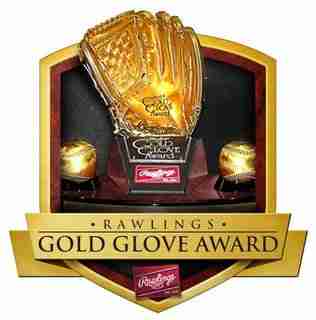
His defensive game was equally refined, as evidenced by his capture of the inaugural Gold Glove Award in 1957. However, the business of baseball led to his trade back to Cleveland in 1958, a move that felt like a localized tragedy for Chicago. The separation didn't last long; Miñoso was traded back in 1960 and immediately reminded the league of his greatness. At age 34, he led the American League in hits, earned his final All-Star nod, and once again finished fourth in the MVP race. He was the rare veteran who seemed to draw energy directly from the Chicago crowd, returning their affection with every line drive.
The 1960s marked the beginning of a strange and beautiful pattern of departures and homecomings. After being dealt to the Cardinals in 1962, Miñoso returned to Chicago in 1964 for a stint as a pinch-hitter. Even as he moved to Mexico to continue playing for another eight seasons, the gravitational pull of the South Side never weakened. He eventually returned as a coach, but his competitive fire was so legendary that the organization couldn't resist putting him back in a jersey. In 1976, at the age of 50, he suited up to prove that his swing was timeless.
This penchant for returns became a part of Chicago lore. In 1980, at the age of 54, Miñoso made a publicized appearance in a game, making him one of the few players to ever compete across five different decades. While a planned return in 1990 was eventually blocked by the league office, the message was clear: Minnie Miñoso was the White Sox, and the White Sox were Minnie Miñoso. He was a permanent fixture at the ballpark, a man whose popularity never waned because he never stopped being the accessible, smiling face of Chicago baseball.
The final validation of his epic journey arrived in stages. The team retired his number 9 in 1983, but the ultimate honor took much longer. In 2022, the Veterans Committee finally ushered him into Cooperstown, a posthumous recognition of a career that saw him accumulate 1,523 hits and a .304 average in Chicago. He arrived as a pioneer in 1951 and left as a permanent immortal, the man who proved that once you are a part of the South Side, you never truly leave.

Comments powered by CComment