

49. Ferris Fain
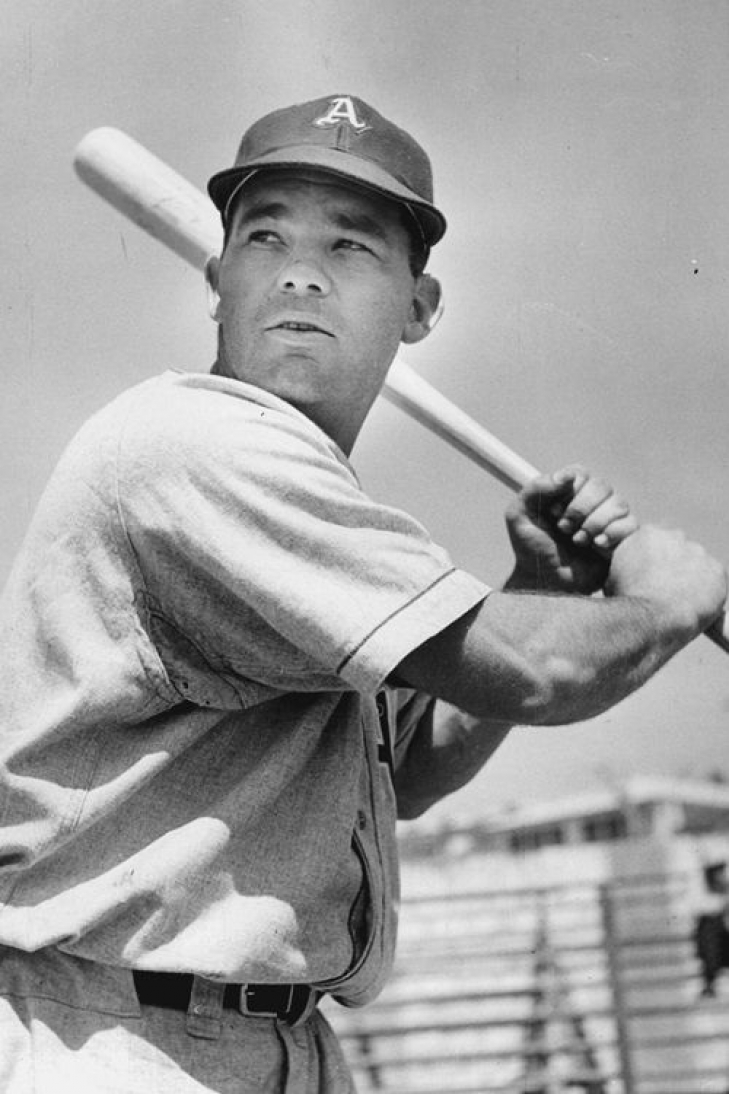
Ferris Roy Fain entered the majors with a reputation that preceded him, though it wasn't exactly the kind that traditional managers favored. The son of a professional boxer, Fain possessed a notoriously combustible, high-velocity temper and a complete willingness to speak his mind. He spent several long years refining his craft in the Pacific Coast League before Connie Mack finally brought the left-handed hitting first baseman to Philadelphia in 1947.
At 26, he brought a unique offensive style. Unlike typical mid-century first basemen who relied on power, Fain focused on a disciplined approach, turning walks into an art. He rapidly developed elite plate discipline from the top of the batting order. In his 1947 rookie season, Fain drew 95 walks, balancing a .244 batting average with a .368 on-base percentage. He became a nightmare for pitchers, heavily relying on walks and refusing to expand his strike zone.
During the 1951 schedule, Fain exhibited an exceptional offensive performance, leading the entire junior circuit with a commendable .344 batting average while also leading all of baseball with 107 bases on balls and an impressive .451 on-base percentage. Instead of experiencing a natural decline, he successfully defended his title during the 1952 season. Fain consistently baffled American League pitchers with a smooth, compact stroke, achieving a .327 batting average to secure his second consecutive American League batting title, complemented by a league-leading 43 doubles and earning another starting position in the Midsummer Classic.
Yet, focusing solely on his advanced offensive efficiency overlooks the incredible defensive vacuum he created at first base. Fain combined supreme athletic instincts with an exceptionally aggressive approach, routinely playing shallow to take away the bunt and leading American League first basemen in double plays turned on five separate occasions.
His regular-season output kept the Athletics competitive, but his fiery personality often clashed with the front office. Recognizing his trade value was highest, Philadelphia traded their two-time batting champion to the White Sox before 1953 in a blockbuster to inject youth into the roster.
In a Philadelphia uniform, Fain managed 831 hits, 585 walks, and a spectacular .425 career on-base percentage. Fain entered the Philadelphia Baseball Wall of Fame in 1997.
26. Eric Chavez
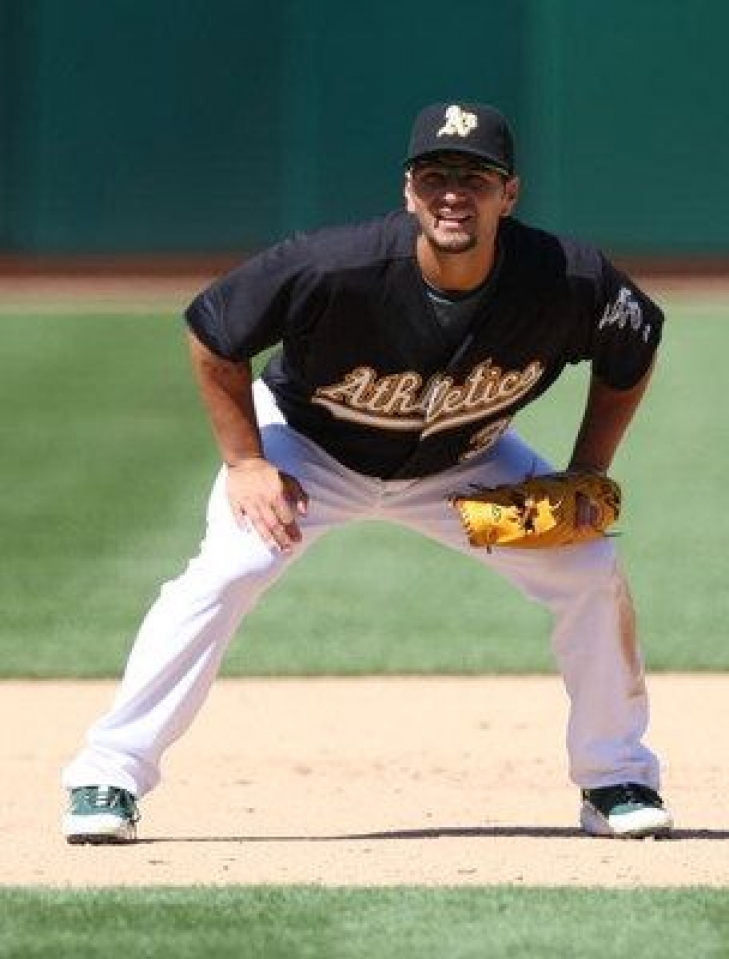
When the Oakland Athletics selected Eric Chavez tenth overall in the 1996 draft, they gained a player whose career would stand out as one of the most unique and unpredictable of his time. For more than ten years, Chavez served as the quiet, reliable anchor for the "Moneyball" teams. He is still recognized by many historians as one of the best players who never made an All-Star Game, despite being a top two-way performer during his physical prime.
Chavez officially debuted in the major leagues late in the 1998 season. By the 2000 campaign, he had firmly secured the hot corner in the East Bay. Offensively, he contributed significant power to the lineup, maintaining a highly productive seven-year period from 2000 to 2006, during which he consistently exceeded 22 home runs. He exceeded the 30-homer mark on two occasions, most notably with a career-high of 34 home runs in 2002, and utilized his formidable batting to achieve membership in the exclusive 100-RBI club four times.
Although he never fully achieved a .300 batting average over a summer, his exceptional ability to accumulate extra-base hits was outstanding. Chavez achieved four straight seasons from 2001 to 2004 with a slugging percentage exceeding .500, a remarkable streak that peaked offensively when he won the 2002 American League Silver Slugger Award.
Nonetheless, despite the potency of his left-handed swing, his principal achievements were realized in defensive play. Chavez was an exemplary defensive specialist, combining exceptional lateral mobility with a rapid-throwing arm to establish third base as an area of superior defense. He initiated a historic sequence of defensive excellence, earning six consecutive Rawlings Gold Glove Awards from 2001 to 2006. His spatial awareness and defensive motivation were unparalleled; he led all American League third basemen in Range Factor per Game for three consecutive seasons (2002 to 2004) and twice ranked first among his peers in overall fielding percentage.
Chronic back and shoulder injuries after 2006 significantly disrupted his career, leading to surgeries that limited his playing and reduced his power. Despite this, he stayed loyal, with the longest tenure on the roster of his era. He left the East Bay after 2010 to reinvent himself as a reliable veteran bench player for the Yankees and Diamondbacks before retiring.
In Northern California, Chavez accumulated 1,276 hits, 230 home runs, and would join the Athletics Hall of Fame in 2022.
21. Dennis Eckersley
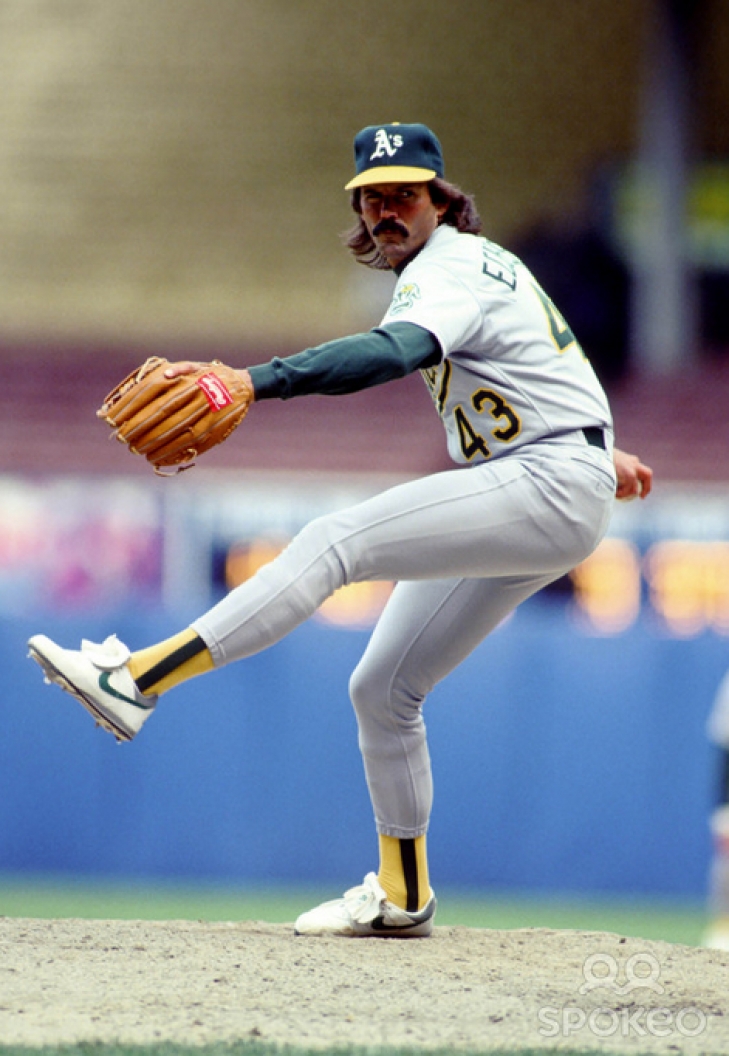
When the Chicago Cubs traded Dennis Lee Eckersley to the Oakland Athletics in April 1987, it seemed like a clear demotion—a subtle, final opportunity for a declining veteran. "Eck" had been a major league starting pitcher since 1975, earning two All-Star selections, but serious alcoholism was actively endangering both his career and his life.
Upon his arrival, Oakland manager Tony La Russa envisioned the right-hander as a high-leverage setup weapon. Eckersley accepted the role until an injury to incumbent closer Jay Howell necessitated a tactical adjustment. Thrust into the ninth-inning vacancy, he initiated a career transformation that would fundamentally redraft the blueprint for the modern closer and secure his place in Cooperstown.
Who would have thought?
Eckersley established himself as the foremost bullpen force in the game during the 1988 season. Achieving his inaugural of four All-Star selections as an Oakland reliever, he dominated American League hitters by winning the AL saves title with 45 saves, accompanied by an exceptional 0.867 WHIP. His dominant performance contributed significantly to the Athletics securing the junior circuit pennant and earned him a commendable second-place finish in the AL Cy Young Award voting.
The momentum carried directly into 1989, where the Athletics secured the World Series championship. Although his total number of saves decreased slightly to 33, Eckersley was arguably more lethal, confining opposing lineups to a 1.56 ERA and an astonishing 0.607 WHIP. The historic baseline reached an almost comical peak during the 1990 pennant-winning season. Although Oakland ultimately lost to Cincinnati in the Fall Classic, Eckersley demonstrated exceptional effectiveness in the bullpen, achieving a remarkable 0.61 ERA and a corresponding 0.614 WHIP. However, an unexpectedly lower number of saves resulted in a lower placement on the Cy Young Award ballot compared to previous summers.
Following an exceptionally successful campaign in 1991, his career reached its zenith during the 1992 season. Reclaiming the American League saves title with an impressive total of 51 saves, he complemented this achievement with a 1.91 ERA and a 0.913 WHIP. The national baseball community provided the highest recognition of this remarkable outlier performance, overwhelmingly voting Eckersley as both the 1992 AL Cy Young Award recipient and the American League Most Valuable Player.
He provided three more productive seasons in the East Bay before the inevitable toll of age and mileage caught up to his signature, sidearm delivery. Following the 1995 season, he reunited with La Russa by signing with the St. Louis Cardinals, eventually concluding his 24-year major league journey back where it started as a member of the Boston Red Sox.
With the Athletics, Dennis Eckersley had 330 Saves, won 41 Games with a WHIP of 0.953, and was inducted into the Baseball Hall of Fame in 2004. In Oakland, he was inducted into the inaugural franchise Hall of Fame Class in 2018.
29. Dave Stewart
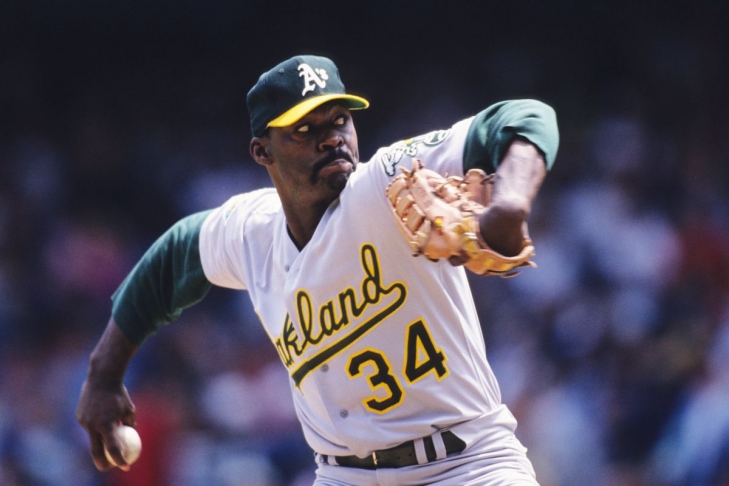
When the front office quietly signed Dave Stewart in May 1986, the transaction did not attract significant notice within the local community. He was regarded as an underperforming journeyman, having been discarded by a struggling Philadelphia Phillies organization that had explicitly released him. Nevertheless, nobody in the East Bay would overlook his potential for long. By reviving a forgotten forkball at the behest of pitching coach Dave Duncan, Stewart achieved an immediate 9-5 record during the latter part of the season, setting the stage for one of the most relentless and industrious periods in modern American League history.
What followed was a relentless four-year period of terror. From 1987 to 1990, Stewart became the team's core, achieving four straight 20-win seasons and leading the league in innings pitched twice. With a fiery fastball and a tumbling forkball, he led the rotation as the team's primary ace, effectively shutting down opposing offenses while Oakland's potent offense provided the support.
His intimidating, hyper-focused "Death Stare" from the rubber became renowned across the nation and contributed significantly to the Athletics securing three consecutive AL pennants. When the regular-season schedule concluded, Stewart elevated his performance to a legendary, high-stakes level. He demonstrated exceptional skill as the definitive clutch performer during the historic 1989 World Series against the San Francisco Giants, dominating the cross-bay rivals to earn the World Series Most Valuable Player (MVP) award and secure the world championship. Throughout that remarkable peak from 1987 to 1990, he consistently received substantial national recognition, achieving four consecutive top-four finishes in the American League Cy Young Award voting.
His iconic Northern California run ended when he signed with the Toronto Blue Jays in 1993, winning a second ALCS MVP and third championship ring, then returned to the East Bay for a final season in 1995 to finish his career.
Assessing Stewart’s position within the franchise history prompts a compelling discussion between conventional standards and contemporary evaluations. For advocates of sabermetrics, his ranking continues to be a matter of debate; advanced statistical models indicate a career-high bWAR finish of only sixth and a single top-ten ranking in seasonal WHIP, excluding him entirely from the top fifty in franchise bWAR. However, using only regular-season spreadsheets doesn't fully capture his true worth. His enormous volume of plays, key victories over top rivals, and unmatched playoff success firmly establish him as one of the franchise's greatest legends.
As an Athletic, Stewart went 119-78 with 1,152 strikeouts and was named to the first class of the Athletics Hall of Fame in 2018. The team would retire his number 34 in 2022.
27. Max Bishop
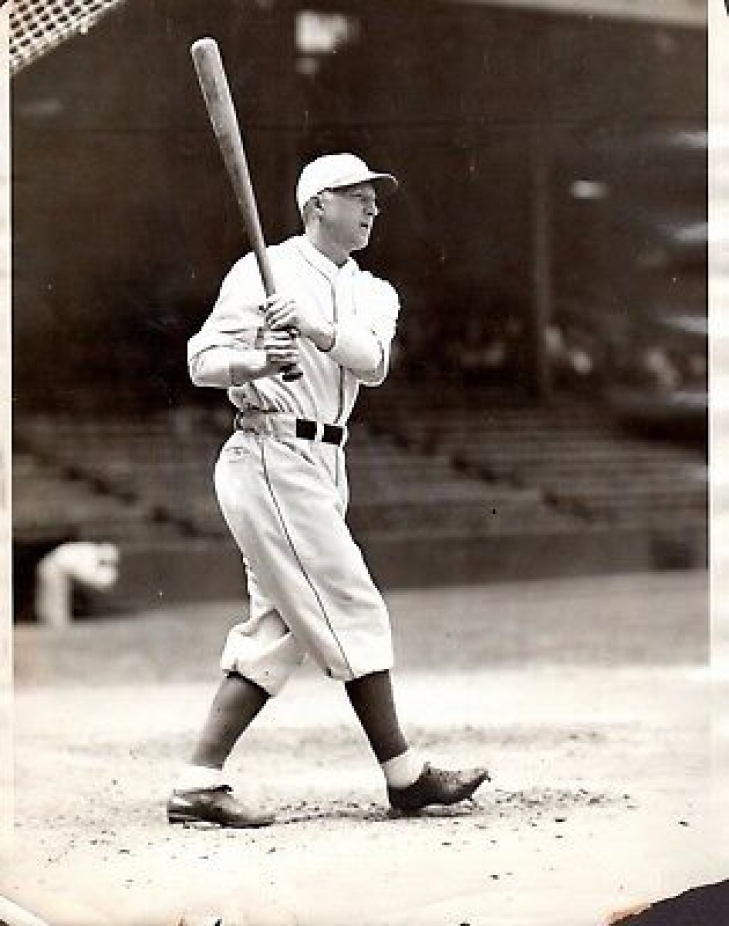
When Connie Mack established his second illustrious Philadelphia Athletics dynasty in the late 1920s, he assembled a roster featuring explosive, free-swinging Hall of Fame-caliber power. Nevertheless, to ensure the effective operation of this formidable lineup, the team required a highly disciplined and intensely focused lead-off batter. This role was fulfilled by Max Frederick Bishop. Renowned for his exceptional and precise strike zone discipline, earning the renowned nickname "Camera Eye”, Bishop’s decade-long service as a ball player who weaponized patience.
In 1924, Bishop secured the permanent starting position at second base, thereby providing Philadelphia with a highly valuable, versatile asset. Had the Rawlings Gold Glove Award been available during the transitional period between the dead-ball and live-ball eras, his collection of awards would have been substantial. He demonstrated an exceptionally flawless defensive technique, integrating superb footwork with an extraordinary sense of timing.
The comprehensive analysis of his defensive worth is substantial: he officially led the entire American League in Defensive bWAR during the 1931 season, ranked within the top ten on six additional occasions, and achieved the highest overall fielding percentage among his positional counterparts on three separate occasions.
Nevertheless, it was his innovative approach at the plate that genuinely perplexed opposing pitching staff. In an era where batters were encouraged to swing aggressively to escape the strike zone, Bishop regarded a base on balls as a home run. Although mainstream publications occasionally mischaracterized him as a light hitter owing to his modest .272 batting average with the Athletics, his capacity to generate offensive opportunities was historically exceptional.
Bishop achieved an impressive .423 on-base percentage over his decade-long tenure in Philadelphia, attaining six top-five positions in the American League OBP rankings. His unwavering patience was exemplified during the 1929 season, when he led the league with 128 walks, consistently creating opportunities for the formidable hitters behind him.
This distinctive blend of a low-variance foundational skill set and a flawless defensive record served as a pivotal catalyst during the franchise's golden era. Bishop provided stability at the top of the lineup, leading the Athletics to securing three consecutive American League pennants from 1929 to 1931, including consecutive World Series championships in 1929 and 1930. He participated in all 18 of those intense Fall Classic contests, executing his defensive responsibilities flawlessly across all 69 chances without a single error, thereby effectively counterbalancing a characteristically modest .182 postseason batting average with a highly profitable .316 on-base percentage.
The profound economic conditions of the Great Depression ultimately resulted in a rapid termination of his tenure in Philadelphia. With the front office urgently seeking liquidity to maintain the franchise's financial stability, Connie Mack arranged a significant roster liquidation after the 1933 season. Bishop was included among distinguished pitchers Lefty Grove and Rube Walberg, and was subsequently traded to the Boston Red Sox in exchange for a substantial cash sum and additional players.
24. Jason Giambi

When contemporary fans reflect on the career of Jason Giambi, their understanding is often unjustly influenced by the lucrative, high-pressure contract he signed later in New York, as well as the subsequent injuries and controversies that impeded his progress. However, from this perspective, his entire baseball journey significantly misrepresents the actual scope of his achievements in the East Bay. During his peak years in Northern California, Giambi was not merely an outstanding player; he was arguably the most formidable and feared offensive force globally, serving as the pivotal and intimidating figure during the early "Moneyball" era.
Giambi officially entered the major leagues with Oakland midway through the 1995 season, rapidly establishing himself as a fundamental member of a burgeoning young roster. He demonstrated an exceptionally perceptive eye at the plate and a powerful, left-handed swing ideally suited for driving balls into the gaps. From 1996 through 2001, he displayed remarkable offensive consistency, achieving six consecutive seasons with no fewer than 150 hits and 20 home runs, with his performance metrics seemingly increasing in value each summer.
The pinnacle of this regular-season mastery was achieved during the historic 2000 campaign. Giambi demonstrated exceptional offensive prowess, batting an impressive .333 with 43 home runs and 137 RBIs, thereby guiding the Athletics to secure the AL West division title. His exemplary plate discipline was evident as he led the league with 137 walks and maintained an outstanding .476 on-base percentage. This remarkable performance earned him his first career All-Star selection and the prestigious 2000 American League Most Valuable Player Award.
Far from reaching a peak in his performance after one year, he managed to further enhance his abilities to an even more formidable level during the 2001 season. Giambi exceeded his previous personal bests significantly, recording an impressive 47 doubles, which led the league, and generating a remarkable slash line of .342/.477/.660. His exceptional efficiency was a notable statistical anomaly, leading Major League Baseball with a 199 OPS+, and earning him a second-place finish in the 2001 AL MVP voting as well as his second consecutive All-Star selection while representing Oakland.
With the impending approach of free agency, the limited financial resources of the front office in a small-market team necessitated an arduous transition. After the 2001 postseason performance, Giambi departed from the East Bay to agree to a substantial contract with the New York Yankees, where he subsequently earned three further All-Star selections.
When Jason Giambi's career in Oakland was said and done, he would play 1,036 Games and have the illustrious 3/4/5 in the Slash Line with .300/.406/.531. That is an impressive feat, indeed!
19. Vida Blue
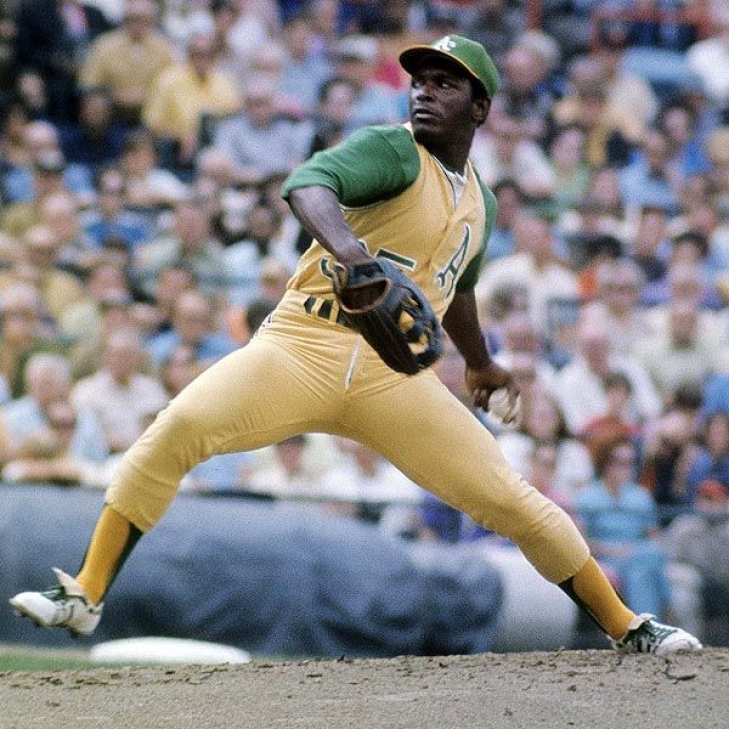
When Vida Blue fully established himself in the Oakland rotation in 1971, he didn't just deliver an outstanding pitching season; he became a true pop culture sensation. With a blazing fastball in the high 90s that baseball fans admired as the most exciting left-handed pitch of his era, the 21-year-old pitcher captured the sports world's attention. He appeared on the covers of Time and Sports Illustrated and kept opposing batters on their toes with his energetic and swift pitching style.
His 1971 campaign remains one of the most exceptionally brilliant single-season achievements within modern baseball history. Blue dominated the American League with a record of 24-8, leading the junior circuit with a minuscule 1.82 ERA, 2.20 FIP, and a 0.952 WHIP. He recorded an impressive 301 strikeouts over 312 innings pitched and curtailed opposing offenses through eight shutouts. His outstanding performance warranted him the prestigious American League Cy Young Award and Most Valuable Player accolade simultaneously, rendering him the youngest MVP recipient of the 20th century and serving as the definitive cornerstone of Oakland's emergence as a genuine power in the league.
The subsequent seasons, however, brought a reality check characterized by intense contractual disputes with the eccentric owner Charlie O. Finley. The off-field friction distinctly affected on-field performance in 1972, a summer during which a late signing restricted him to merely six victories. Nevertheless, Blue's resilience was evident as he regained his dominant form, surpassing 20 wins again in both 1973 and 1975. Although he never quite matched the extraordinary heights of his MVP peak, he remained a top-tier pitcher, earning three additional top-ten finishes in the Cy Young Award voting — including a seventh-place finish in 1973 and consecutive sixth-place rankings in 1975 and 1976.
As the Athletics transformed into a ruthless, high-leverage juggernaut that captured three consecutive World Series titles from 1972 to 1974, Blue was the essential workhorse who helped make their success possible. Although his individual postseason statistics during that period were notably inconsistent, recording a 1-5 win-loss record and a 4.31 ERA in October, the front office and his colleagues openly acknowledged that the modern dynasty would not have achieved its success without his substantial regular-season innings.
In 1976, as Finley desperately sought to liquidate his roster before the dawn of modern free agency, he famously attempted to sell Blue's contract to the New York Yankees for $1.5 million. In a historic intervention, Baseball Commissioner Bowie Kuhn swiftly blocked the transaction under the "best interests of baseball" clause, ruling that such a cash-for-star deal would completely distort competitive balance. Blue remained in green and gold for one more season before Finley finally engineered an acceptable intradepartmental trade, shipping him across the Bay to the San Francisco Giants prior to the 1978 campaign.
Blue’s run in Oakland concluded with a stellar 124-86 record and 1,315 strikeouts. Decades after his thunderous fastball shook the Coliseum, the organization ensured his legacy would forever remain in the East Bay, formally inducting Blue into the Athletics Hall of Fame in 2019.
17. Catfish Hunter
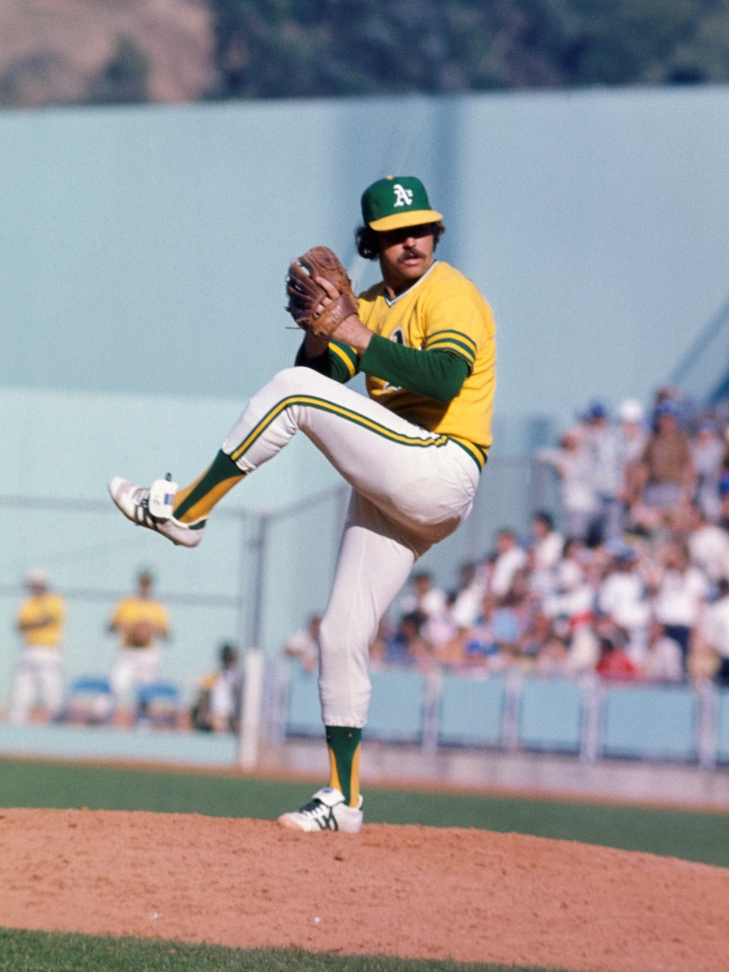
When Jim "Catfish" Hunter arrived in spring 1965, he had an interesting backstory and no minor league experience. Signed as an amateur free agent by Kansas City owner Charlie O. Finley, who quickly gave him the playful nickname because he thought the young pitcher lacked “character”, the 19-year-old right-hander didn't go through the usual farm system. Instead, he went straight to the big league mound, showing moments of precise control and steady confidence that would eventually make him a key player in a baseball dynasty.
He adapted so well to the heavy workload that he earned consecutive All-Star nods in 1966 and 1967 before the franchise moved to Oakland. It was in California that his journey truly changed, from a dependable young starter to a shining marquee star. On May 8, 1968, in front of a modest crowd at the newly opened Oakland Coliseum, Hunter pitched the ninth perfect game in baseball history against the Minnesota Twins, personally driving in three of the four runs in the game and forever making his mark in the record books.
That masterpiece set the stage for a wonderful era of strength and resilience. As the vibrant, mustache-wearing "Mustache Gang" grew into a formidable American League team, Hunter truly became the heartbeat of the rotation. Between 1971 and 1974, he proudly achieved four straight seasons with at least 21 wins, becoming the dependable leader for a tough, high-pressure team that won three consecutive World Series titles. His performance in October was almost perfect, with a 6-2 record and 49 strikeouts in the postseason for Oakland, as though he was simply relaxing and throwing rocks on his North Carolina farm during the sport’s biggest moments.
His regular-season performance really shined brightly in 1974. Hunter delivered an impressive display, leading the league with a personal best of 25 wins. He also took home the American League ERA title with an outstanding 2.49, along with a league-leading 0.986 WHIP. His remarkable skill against opposing lineups earned him the 1974 American League Cy Young Award, firmly establishing him as one of the top pitchers in pro sports.
Nonetheless, the victorious championship summer of 1974 signified the abrupt and dramatic conclusion of his tenure in green and gold. Following a decision by an arbitration panel that Finley had violated his contractual obligations by failing to make punctual payments on an annuity, Hunter was officially declared a free agent in December. This unprecedented ruling instigated a historic, high-stakes bidding war, which ultimately resulted in his transfer to the New York Yankees, representing one of the most significant structural transformations of the modern era.
He left the A's with a 161-113 record and 1,520 strikeouts over ten seasons. The franchise repeatedly honored him as the pitcher who taught them to win. Hunter was inducted into the Hall of Fame in 1987, and on June 9, 1991, they retired his No. 27 jersey, the first in team history. In 2018, he was named to the inaugural Athletics Hall of Fame.
20. Mickey Cochrane
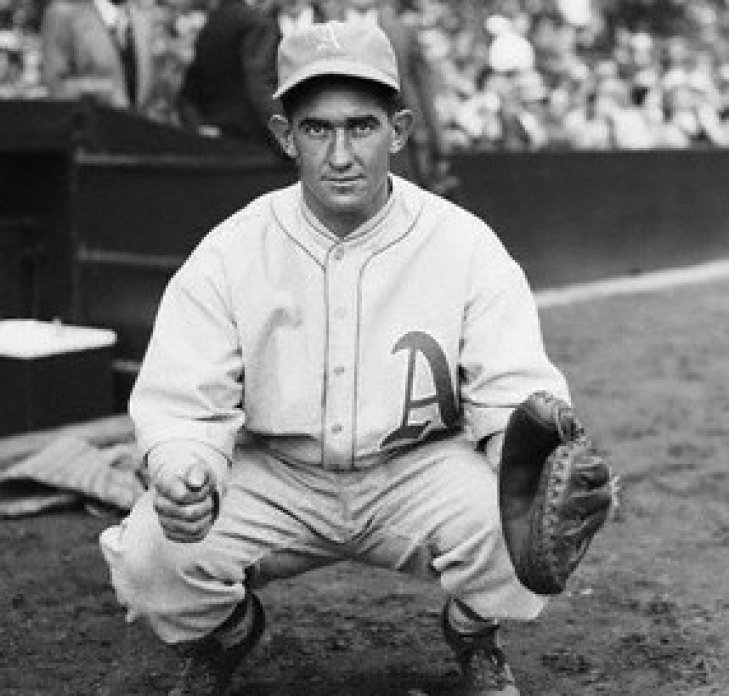
When Connie Mack surveyed the baseball landscape in late 1924, he knew his rebuilding Philadelphia Athletics required a dynamic center of gravity behind the plate to challenge the New York Yankees' emerging dominance. He found his man in the Pacific Coast League, aggressively prying Mickey Cochrane away from the Portland Beavers. Mack wasted absolutely no time, immediately thrusting the young backstop into the starting lineup for the 1925 campaign, igniting a run that permanently redefined the offensive baseline for the modern catcher.
Cochrane burst onto the major league scene with an impressive rookie summer, batting .331 and finishing tenth in the American League MVP voting. He effortlessly produced base hits as a left-handed hitter, combining excellent plate discipline with a crisp, line-drive swing.
During his nine outstanding seasons in Philadelphia, he broke the conventional expectations for a catcher by batting over .300 six times. His skill in controlling the strike zone was also renowned; he posted six seasons with an on-base percentage above .400, with his peak during his last year here when he led the entire American League with a remarkable .459 OBP.
Focusing solely on his offensive statistics overlooks the intense, motivating leadership that strengthened the team. Cochrane was a highly athletic and quick defender who neutralized base-stealers and played with a passionate, vigorous spirit. His exceptional defensive stance and relentless energy made him stand out, enabling him to lead all junior circuit catchers in Range Factor per Game for five straight seasons from 1925 to 1929.
The ultimate validation of this complete, all-around impact came during the 1928 season. Though it was a rare sub-.300 batting average (.293), his masterful handling of the pitching staff, and clutch intangibles were so deeply respected by voters that he captured the American League MVP Award.
With Cochrane as the clear emotional driving force, the historic core Mack developed around him matured completely. The Athletics demonstrated a true dynasty, winning consecutive World Series in 1929 and 1930, and securing another AL pennant in 1931.
The severe economic challenges of the Great Depression quickly affected the franchise. With attendance dropping sharply and limited funds, Mack decided to break up his star lineup. After the 1933 season, he sold Cochrane’s contract to the Detroit Tigers for a hefty $100,000. The legendary catcher demonstrated that his greatness was not tied to any one team, earning his second AL MVP award in 1934 and leading Detroit to a world championship as a player-manager in 1935.
He left Philadelphia having authored an astonishing .321/.412/.490 slash line alongside 1,317 hits and 108 home runs. The national baseball community delivered the ultimate punctuation to his historic legacy in 1947, overwhelmingly electing Cochrane into the National Baseball Hall of Fame. He was later inducted into the Philadelphia Baseball Wall of Fame in 1982 and permanently enshrined in the Athletics Hall of Fame as part of the 2021 class.
38. Jack Coombs
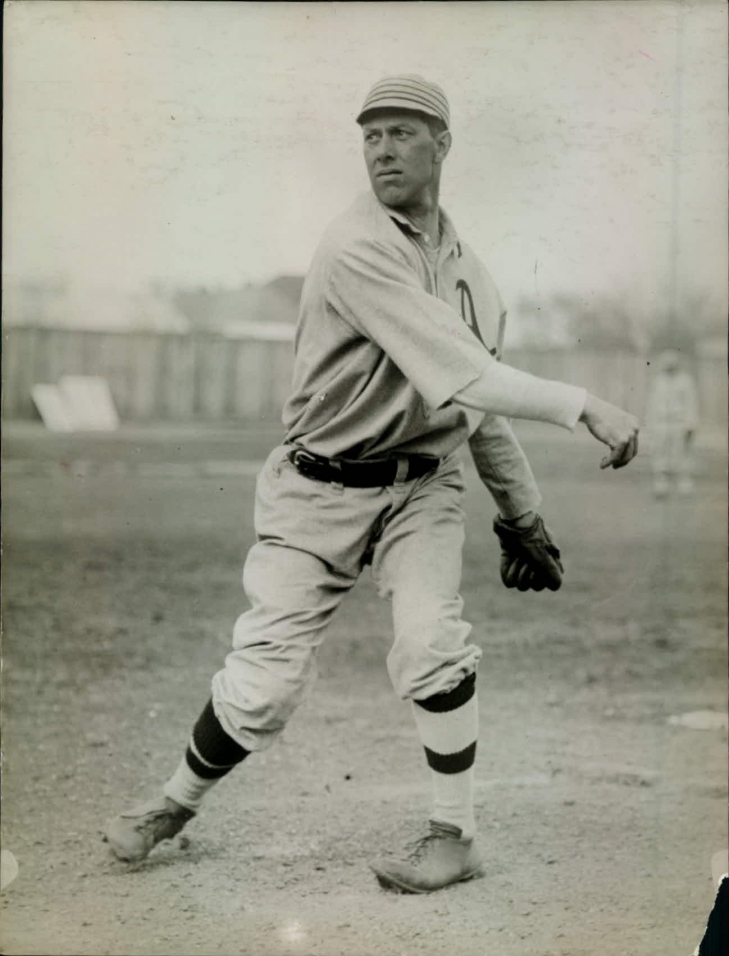
During the initial four years of his Major League career, Jack Coombs showed minimal indication that he would eventually rewrite the franchise record books. Upon his arrival in Philadelphia from Colby College in 1906, the right-handed pitcher epitomized an average, unrefined player. He maintained a perfectly balanced record of 35-35 entering the 1910 season, and when his early performances that spring were inconsistent, Connie Mack became sufficiently frustrated to demote him to the bullpen.
Then, baseball alchemy took place. According to dugout lore, during his exile to the relief corps, Coombs entirely rediscovered the release point on his overhand, drop-off-the-table curveball. Equipped with a new, deadly secondary pitch to complement his powerful fastball, he launched a summer streak unmatched in Athletics history.
Coombs rejoined the rotation and quickly became nearly unbeatable, dominating the A.L. like a natural phenomenon. He concluded the notable 1910 season with an astonishing 31-9 record, maintaining a minimal 1.30 ERA over an impressive 353 innings. During this period, he threw 13 shutouts, including a remarkable streak of 53 consecutive scoreless innings.
Fittingly, his regular-season mastery carried directly into October. Coombs single-handedly battered the Chicago Cubs in the 1910 World Series, throwing three complete-game victories in a span of just six days to carry Philadelphia to its first Title.
Instead of resting on his laurels, "Colby Jack" once again proved to be a relentless performer during the 1911 title defense. He secured his second straight American League wins title with 28 victories, despite the league's widespread offensive increase due to the new cork-centered ball, which caused his ERA to rise to 3.53 over 336.2 innings.
When the Athletics advanced to the Fall Classic to face the New York Giants, Coombs etched his name more deeply into baseball folklore. In a legendary, high-stakes duel, he out-slugged and outlasted the immortal Christy Mathewson on the mound, securing a signature postseason victory that helped secure back-to-back world titles.
He pushed through to secure another 21-win season in 1912, but the constant and extensive workload eventually wore him down. Before the 1913 season, Coombs contracted a severe typhoid fever, an illness so intense it nearly took his life and kept him out for most of the next two years. Realizing that the passionate right-hander was no longer at his peak physically, a financially strained Mack decided to release him. This move later allowed Coombs to make a successful second career as a veteran stabilizer for the Brooklyn Robins.
He concluded his dramatic, high-variance tenure in Philadelphia with a stellar 115-67 record, a 2.60 ERA, and 850 strikeouts. Coombs would be added to the Philadelphia Baseball Wall of Fame in 1992.
16. Bob Johnson

When Robert Lee "Indian Bob" Johnson made his debut as a 27-year-old rookie in 1933, he entered a team in decline. The renowned Philadelphia franchise, which had secured three consecutive pennants from 1929 to 1931, was being methodically dismantled by Connie Mack in an effort to prevent financial collapse. With legends such as Al Simmons and Jimmie Foxx departing, Johnson was tasked with carrying the responsibility for much of the team's offensive production alone, anchoring a roster that was rapidly deteriorating during a period of prolonged struggle in the American League.
Despite the challenging team environment, Johnson quickly proved himself as one of the most formidable and machine-like run producers in the sport. Playing in left field, this strong right-handed hitter mounted a relentless attack on American League pitching. He exceeded 20 home runs in each of his first nine seasons with Philadelphia—a rare consistency of power, culminating in three summers surpassing 30 homers, including a career-high 31 in 1940.
His offensive brilliance was rooted in a highly advanced approach at the plate. Johnson was more than just a pull-hitter taking advantage of short fences; he had an exceptional eye for batting, accumulating 853 walks compared to only 546 strikeouts while at Shibe Park. This top-tier discipline led to three seasons with an on-base percentage exceeding .400, maximizing his effectiveness even as opposing managers often pitched around him due to the lack of protection in the Athletics' lineup. Between 1935 and 1941, he achieved seven straight seasons with at least 100 RBIs, driving the offense with sheer determination.
Johnson, the sole bright spot for lean Philadelphia clubs, earned five All-Star selections during ten years, serving as a respected, quiet professional amid franchise overhaul. When traded to the Washington Senators after 1942, he left an enduring statistical legacy.
He left Philadelphia with 1,617 hits, 252 home runs, and a .298/.395/520 slash line. His volume and efficiency kept him high on the club's all-time list, fifth in hits and home runs, and third in RBIs with 1,040, behind Al Simmons and Jimmie Foxx.
15. Harry Davis
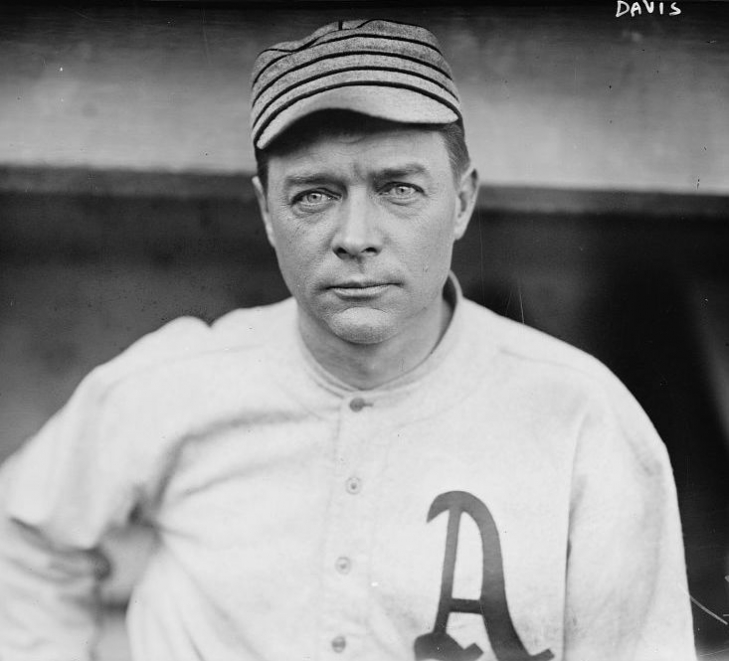
During the assembly of the original Philadelphia Athletics roster for the American League's inaugural season in 1901, Connie Mack looked to the minor leagues for a key addition. Harry Davis, aged 27 and seemingly prepared to retire after an inconsistent career across four National League clubs and a tenure with the Providence Grays, was identified as a promising talent. Mack recognized the potential in the right-handed infielder and persuaded Davis to relocate to Philadelphia. This decision catalyzed a revival, transforming Davis into one of the most formidable and enduring run producers of the dead-ball era.
Initially positioned at first base, Davis promptly emerged as the cornerstone of the early Athletics lineups. He adapted seamlessly to his new environment, achieving three consecutive summers with a batting average exceeding .300. While his patient approach did not always result in a high on-base percentage, settling at a modest .337 during his tenure, he compensated with exceptional line-drive power. He utilized his swing effectively to lead the American League in doubles on three occasions, consistently providing Philadelphia with a superior extra-base threat in the heart of the batting order.
That offensive value soared to a historic peak between 1904 and 1907. In an era characterized by deep fences and a soft, scuffed ball that made home runs extremely rare, Davis achieved an extraordinary feat by leading the American League in home runs for four consecutive seasons. His power was complemented by a precise efficiency with runners on base; he secured consecutive junior circuit RBI titles in 1905 and 1906, leading the offensive efforts for Mack’s early pennant contenders and establishing himself as the first authentic captain of the franchise.
As the decade progressed, his consistent presence within the clubhouse and leadership on the field served as a crucial bridge to the franchise's inaugural true dynasty. Although the younger and more athletic Stuffy McInnis would ultimately assume the daily responsibilities at first base, Davis continued to be an indispensable veteran. He made substantial contributions to the Athletics' consecutive World Series victories in 1910 and 1911, notably batting an impressive .353 in the 1910 Fall Classic against Chicago, thereby securing his first championship ring.
After managing Cleveland briefly in 1912, he returned as a coach and occasional defensive replacement. He played only 19 games from 1913 to 1917 but earned a third World Series ring with the 1913 team. He finished with 1,500 hits and 761 RBIs for Philadelphia, known as the foundational captain who helped modernize the Athletics.
7. Reggie Jackson
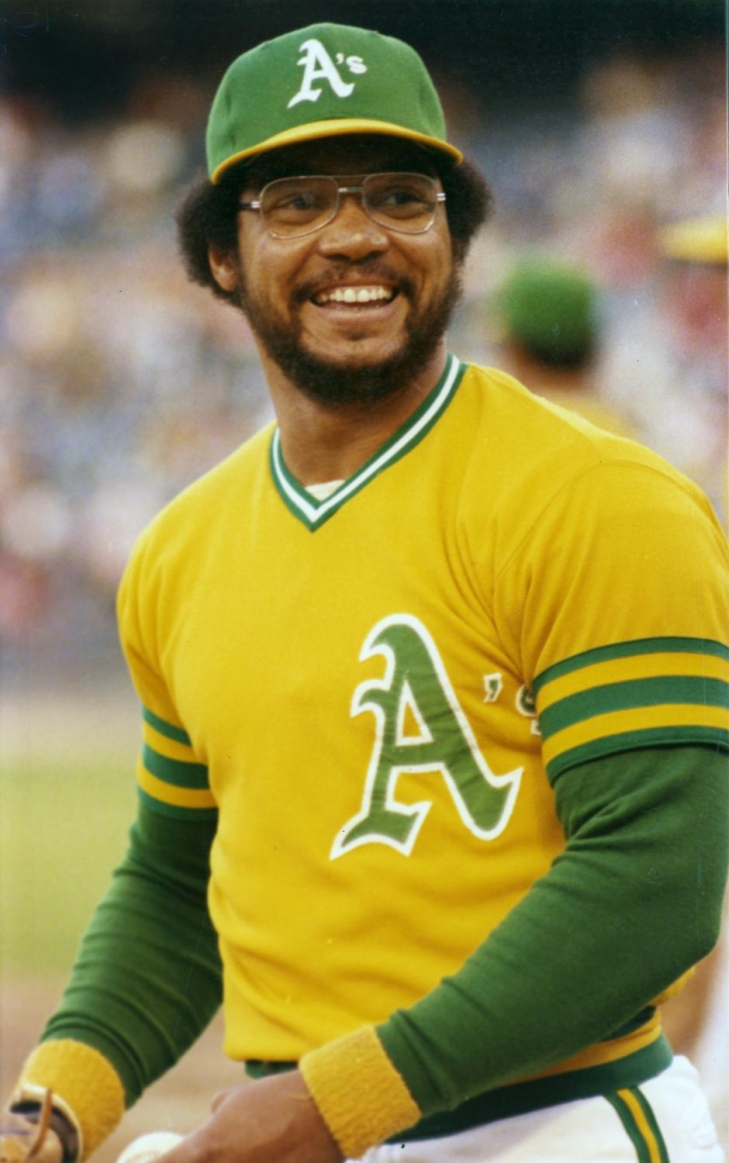
Reggie Jackson joined the organization in 1967, bringing incredible talent right from the start. He made his debut during the team’s last days in Kansas City and quickly became the heart of the lively "Swingin' A's" era in Oakland. Famous for his powerful, corkscrew swing that either sent the ball soaring for a home run or led to a strikeout, Reggie was truly one of the most captivating personalities in baseball.
Reggie Jackson came up with the A’s when they were still in Kansas City (1967), and he would become a starter the following year when the franchise relocated to Oakland. That year would show precisely what everyone should forever expect from Jackson. He went deep 29 times and led the AL in Strikeouts, but he was always a must-watch at bat.
In 1968, during the franchise's first year in Oakland, Jackson achieved a landmark by hitting 29 home runs, marking the arrival of a new kind of superstar who was not only a talented athlete but also a captivating showman. He continued to soar in 1969, delivering an impressive first-half performance that had him on track to challenge the all-time home run record, and he finished the year with 47 home runs and 118 RBIs.
Between 1970 and 1972, Jackson smoothly transitioned from a promising young slugger to a strategic leader guiding a rising powerhouse. Though he missed part of the 1972 postseason due to a high-stakes injury from stealing home in the ALCS, his outstanding regular-season performance, culminating in 25 home runs and 80 RBIs, was the key reason the Athletics made it to the Fall Classic and began their championship journey. By 1973, he had firmly established himself as a top run-producer, blending impressive power with a refined eye for drawing walks, paving the way for his unanimous MVP season.
Jackson achieved his peak in Oakland in 1973, giving us a season that still stands as a proud record for the franchise. He topped the American League in home runs (32), RBIs (117), and slugging percentage (.531), earning him the well-deserved title of American League MVP, chosen unanimously. Following this incredible season, he shone brightly in the playoffs, guiding Oakland to back-to-back championships and earning World Series MVP honors after hitting .310 and smashing a crucial home run in Game 7. He was a key figure in a team that celebrated a historic "three-peat" from 1972 to 1974, showing that his athletic talent was at its best when a championship was at stake.
His tenure in Oakland would end when he was due to become a Free Agent, and the A's Owner, Charlie Finley, arranged a trade to the Baltimore Orioles, believing he could not afford to sign him. Jackson’s overall numbers with the Athletics would see him blast 269 Home Runs with a .496 Slugging Percentage.
Jackson would enter the Baseball Hall of Fame in 1993, and in 2009, his number 9 was retired by the team. When the Athletics created their own Hall of Fame in 2018, he was inducted into the first class.
6. Eddie Collins
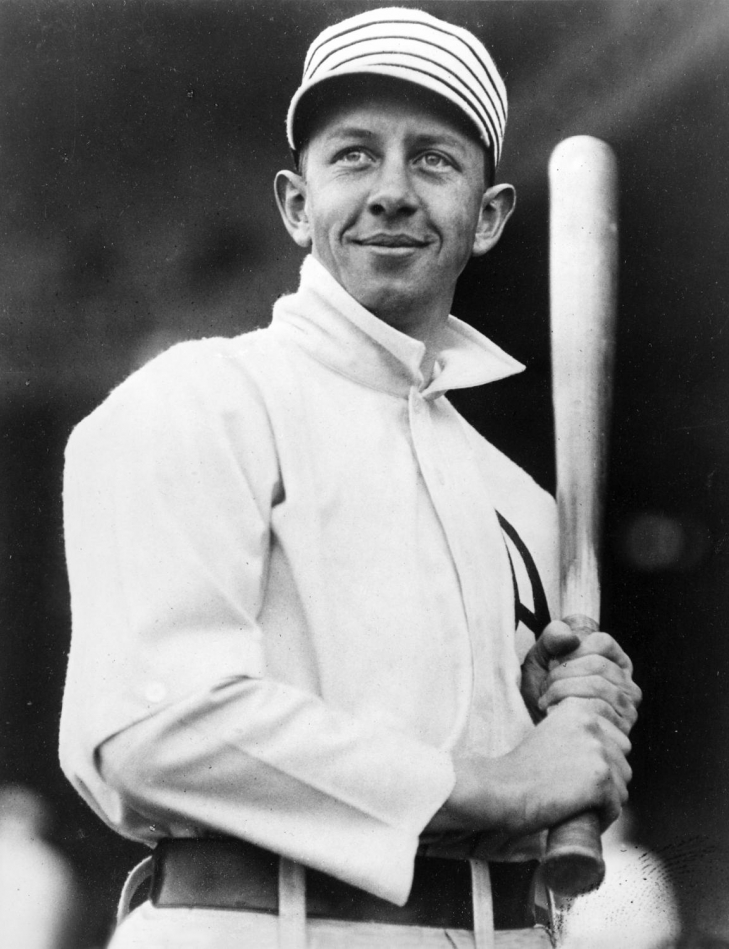
In 1906, Eddie Collins arrived in Philadelphia as a collegiate standout from Columbia University, signing under a local alias to protect his amateur eligibility. By 1909, he had emerged as the tactical brain of Connie Mack’s "$100,000 Infield," a second baseman whose mental acuity was matched only by his physical speed.
1909 was his first full season as a professional athlete, and he made the most of it. Collins achieved a significant milestone by batting .347 and stealing 63 bases. He reached an even more exceptional level in 1910, leading the American League with a career-high 81 stolen bases, becoming the first player in the history of the sport to surpass the 80-steal threshold. He contributed the dynamic energy that propelled the Athletics to three World Series championships in four years (1910, 1911, and 1913), establishing himself as a prominent figure of the Deadball Era, capable of influencing the game's tempo from the basepaths.
In 1914, Collins achieved an extraordinary level of individual recognition by producing an exceptional season that earned him the American League Most Valuable Player (MVP) Award. He demonstrated complete mastery of the game by leading the league in runs scored (122) for the third consecutive year and batting .344, thereby guiding the Athletics to their fourth pennant in five seasons. Nevertheless, the chapter in Philadelphia approached a pivotal juncture in 1915; amidst the imminent threat posed by the Federal League’s lucrative contracts, Connie Mack executed a significant transaction, transferring Collins to the Chicago White Sox for the sum of $50,000.
This would not be the end of Collins in Philadelphia.
After spending twelve productive seasons in Chicago, Collins’ return to Philadelphia in 1927 was a localized homecoming that brought his career full circle. Despite being 40 years old, he remained a sought-after professional mainstay, and he chose to reunite with Connie Mack to serve as a veteran player-coach for a rising Athletics squad. While he operated primarily as a tactical reserve, his localized value to the clubhouse was immeasurable as he mentored the next generation of Athletics legends. He reached a historic plateau of team success by serving as a professional mainstay on the 1929 and 1930 World Series championship rosters, making him the only player in franchise history to secure five championship rings with the team. He finalized his playing career after the 1930 season, departing as the only player in MLB history to spend at least 12 seasons with two different franchises.
As an Athletic, Collins compiled 1,308 hits, 337 stolen bases, and a .331 batting average. He was inducted into the Baseball Hall of Fame in 1939 and the Philadelphia Baseball Wall of Fame in 1987. The Athletics would also induct Collins into their franchise Hall of Fame in 2021.
5. Al Simmons
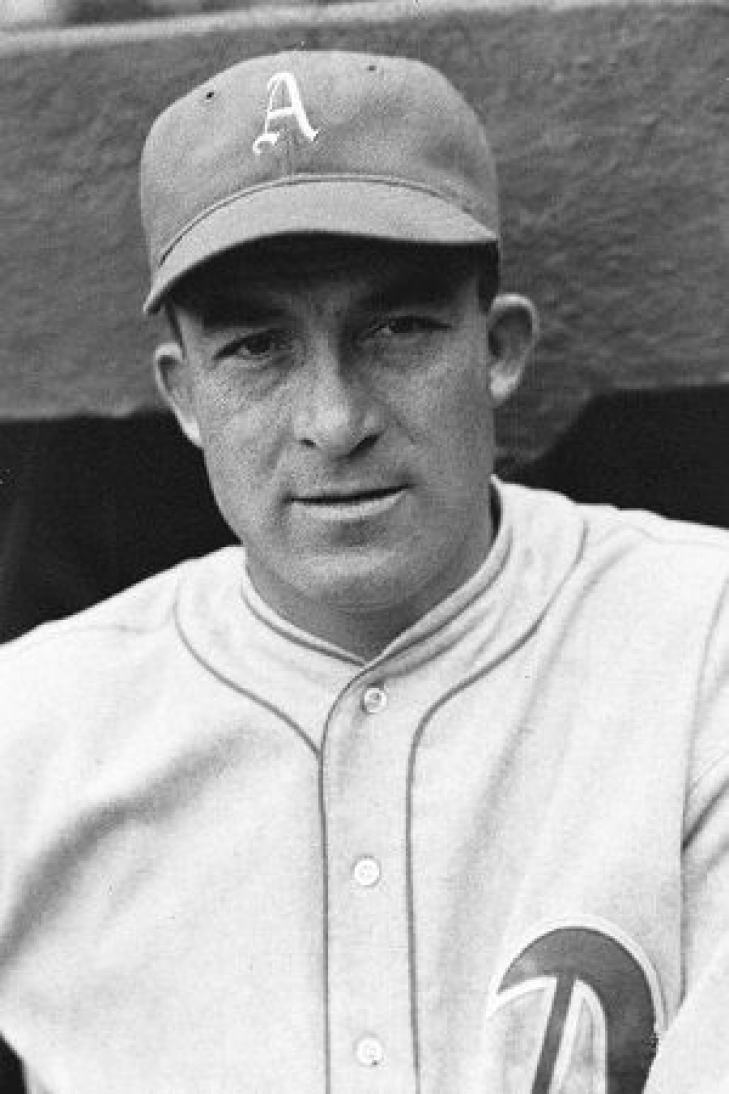
Al Simmons joined Philadelphia in 1924 after a standout run in the American Association, a right-handed outfielder with a peculiar "bucket-foot" hitting style that saw him step toward third base as he swung. While coaches initially tried to correct his localized mechanics, Connie Mack recognized a natural professional mainstay and let him be. As often was the case, Mack was right.
Following an impressive rookie campaign, Simmons achieved a historic milestone in 1925 by leading the American League with 253 hits and an exceptional .387 batting average. He concluded the season as the runner-up in the MVP race, solidifying his reputation as a formidable figure of the era who merged refined bat control with considerable power. In 1927, he attained another level of excellence by posting a career-high batting average of .392.
Simmons reached his ultimate peak between 1929 and 1931, establishing a lineup that secured three consecutive American League pennants. He delivered the high-impact performance that contributed to back-to-back World Series victories in 1929 and 1930, batting above .300 with multiple home runs in each Series. During this period, he demonstrated comprehensive mastery of the league, winning consecutive batting titles in 1930 (.381) and 1931 (.390). Over this three-year span, he averaged more than 150 RBIs per season, acting as the strategic centerpiece of a team often regarded by historians as comparable to the esteemed '27 Yankees.
Following the 1932 season, due to the localized economic pressures of the Great Depression. In a move that signaled the end of the dynasty, Connie Mack sold his contract to the Chicago White Sox as part of a $100,000 package deal. As an Athletic, Simmons would collect 1,827 Hits and belted 209 Home Runs with a Slash Line of .356/.398/.584.
Simmons would enter the Baseball Hall of Fame in 1953. Years later, in 1981, Simmons was inducted into the Philadelphia Baseball Wall of Fame and, in 2021, into the Athletics Hall of Fame.
9. Mark McGwire
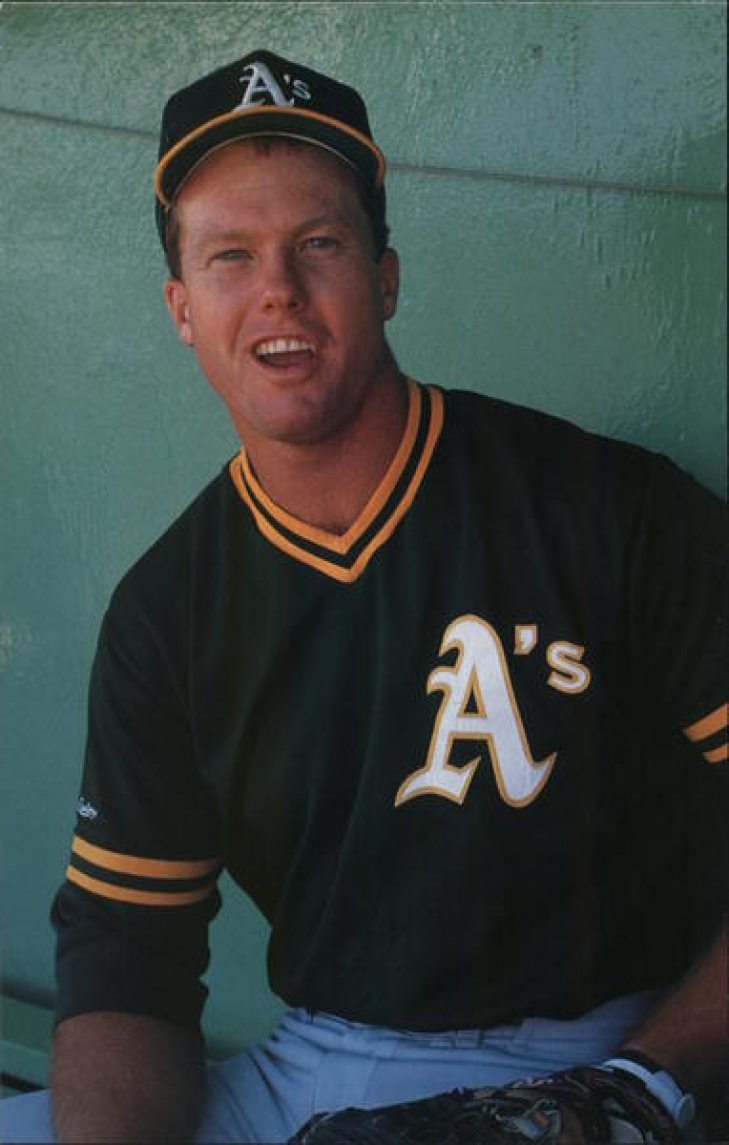
Mark McGwire first entered the Oakland Coliseum clubhouse in August 1986 as a tall, broad-shouldered first baseman, swiftly changing the competitive dynamics of the American League. While his legacy is often linked to his record-breaking single-season home run chase in St. Louis, it was in the East Bay that he truly became a cultural icon. Alongside Jose Canseco, as part of the legendary "Bash Brothers," McGwire was the key offensive force of a team that dominated the late 1980s.
Following an 18-game debut in 1986, McGwire had a groundbreaking breakthrough in the 1987 season, setting a new major league record with 49 home runs, the most in the league. This outstanding achievement earned him the American League Rookie of the Year Award by unanimous vote, establishing the Athletics as a powerful, high-energy force in the lineup. His performance demonstrated that this was not a one-time event, as he followed up with three straight 30-homer seasons, helping Oakland win three consecutive American League pennants and successfully sweeping San Francisco in the 1989 World Series.
Although he received a Gold Glove for his defense in 1990 and hit 42 home runs in 1992, persistent heel and back injuries greatly limited his playing time, causing him to miss most of the 1993 and 1994 seasons. Once he was fully healthy again, his hitting power returned strongly. In 1996, he achieved a career-high by leading Major League Baseball with 52 home runs and posted a league-best .730 slugging percentage, showcasing his powerful hitting when in top form.
As McGwire neared free agency and the Athletics, in the midst of a rebuild, looked to the future, the front office faced a tough choice: trading the franchise legend to the St. Louis Cardinals in late July 1997 for three pitchers. During his time with Oakland, McGwire hit 363 home runs and achieved a .551 slugging percentage. He was also selected as an All-Star nine times while with the team. In 2019, Oakland inducted him into their Hall of Fame.
12. Bert Campaneris
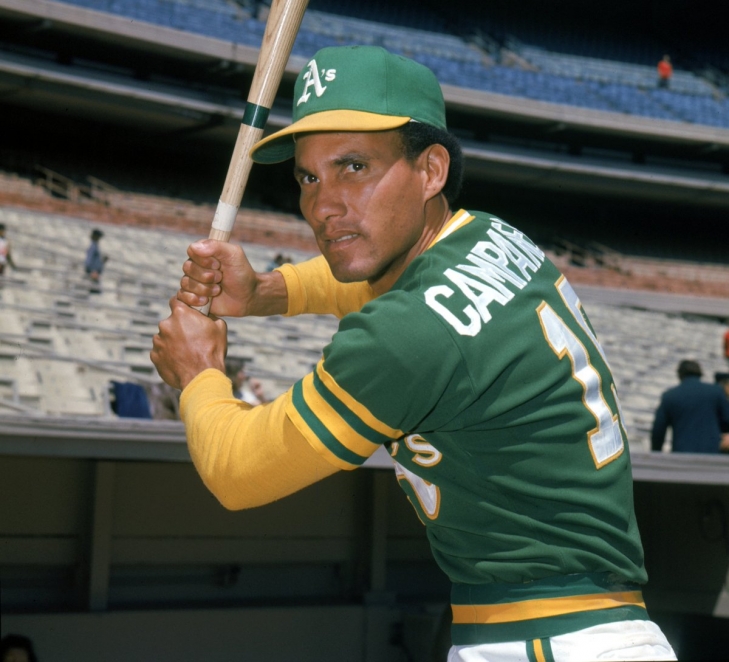
Bert Campaneris made his debut for the Kansas City Athletics in July 1964, providing an immediate boost to a team in trouble. At just 22, this Cuban shortstop announced his presence by hitting two home runs against Minnesota's Jim Kaat in his first game. While he showcased rare power early on, his main talent was in creating chaos with his speed and securing the infield with his glove.
By his first full season in 1965, "Campy" had truly harnessed his exceptional speed, leading the American League with 12 triples and 51 stolen bases. That September, owner Charlie Finley organized an exciting promotional event against the California Angels, showcasing Campaneris as the first player in modern major league history to play all nine positions in a single game, and even pitching a full inning on the mound. While this incredible feat highlighted his natural athletic talent, it was his consistent performance at shortstop that truly laid the foundation for the team's bright future.
When the franchise moved to Northern California in 1968, Campaneris became a key link between the cities and sparked the offense. That first summer in Oakland, he led the league with 177 hits and set a career high with 62 stolen bases, earning his first All-Star nod. While his focus on not walking limited his on-base percentage, his sharp baserunning skills made him incredibly dangerous once he got on base; he went on to win six American League stolen-base titles and was often among the most effective base stealers out there.
In the early 1970s, Campaneris became the key driver of the "Swingin' A's" modern dynasty. He was a top ten defender, combining range with a reliable arm to secure the left side of the infield alongside Sal Bando. His consistent performance helped Oakland secure five consecutive division titles and achieve their historic three-peat in the World Series from 1972 to 1974. Even during postseason tensions, like his infamous bat-throwing incident against Detroit in the 1972 ALCS, his situational hitting and threat on the bases remained crucial to winning those three championships.
After the 1976 season, Charlie Finley's long tenure came to an end. As free agency reshaped the league and dismantled Finley’s roster, Campaneris signed with the Texas Rangers. He left California holding franchise records for career games, hits, and at-bats, leaving a lasting legacy as the team’s key spark plug during the dynasty.
In 2019, the Athletics inducted Campeneris into their franchise Hall of Fame.
13. Eddie Rommel
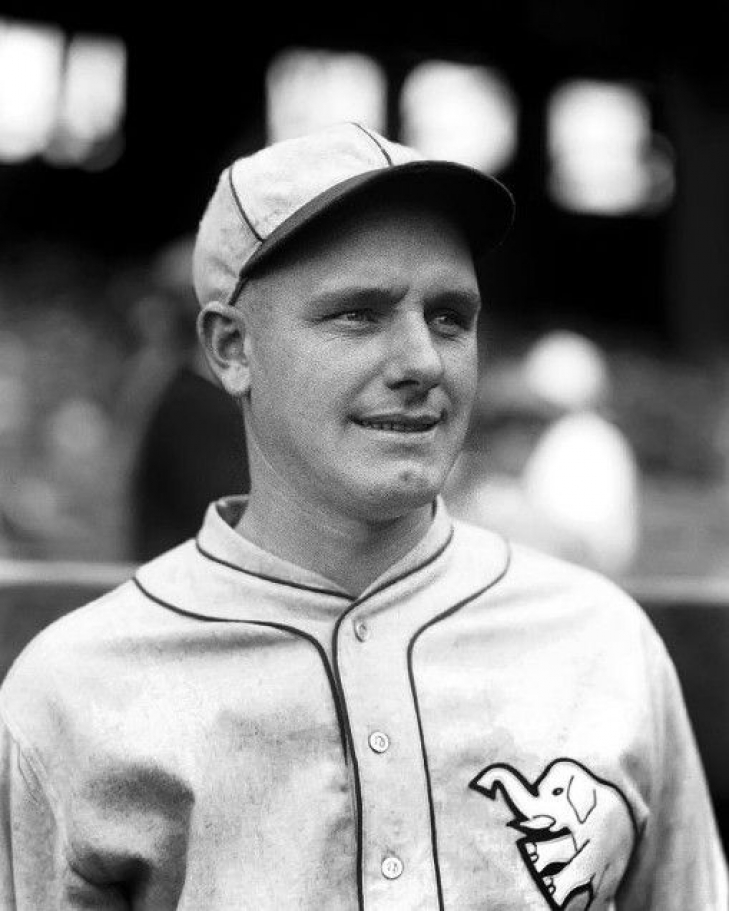
Connie Mack’s acquisition of Eddie Rommel prior to the 1920 season provided the Philadelphia Athletics with a pitcher who challenged the conventional mechanics of the period. Joining a roster still in the process of rebuilding following the disbandment of the 1910s dynasty, the right-hander brought with him an unconventional weapon: a dancing, unpredictable knuckleball. Unlike the high-velocity pitchers of the time, Rommel depended on exceptional precision and low spin, thereby introducing a style of play that transformed managerial strategies in utilizing their pitching staffs.
His breakthrough occurred in 1922, a season during which he single-handedly maintained the competitiveness of a developing Athletics team. Rommel led the American League with 27 victories and 41 complete games, pitching a substantial total of 293 innings. His capacity to confound hitters without relying on strikeouts, instead inducing weak contact and issuing very few walks, earned him a runner-up position to George Sisler in the American League Most Valuable Player voting. Later in his career, Rommel contributed to Philadelphia's victory in the 1929 World Series, where he secured a win in relief.
As the decade advanced, Rommel developed into an exceedingly adaptable asset for Connie Mack. During a period when pitchers were categorically classified as either starters or relievers, he adeptly bridged the distinction, often entering games in high-pressure relief roles prior to assuming his conventional position in the rotation on subsequent days. This dual role contributed to another league-leading season in 1925, during which he achieved 21 victories, many of which were obtained immediately from the bullpen to secure the outcomes of matches.
By the late 1920s, the Athletics had assembled a formidable roster comprising Jimmie Foxx, Al Simmons, and Lefty Grove. Although no longer the primary starting pitcher he was earlier in the decade, Rommel contributed as a seasoned veteran during the championship run. In the 1929 World Series against the Chicago Cubs, he assumed a pivotal relief role in Game 4, securing the victory on the mound as the Athletics orchestrated a historic ten-run comeback.
Rommel remained with the franchise until the conclusion of the 1932 season, retiring as a rare one-team "Lifer" during an era characterized by significant player movement. He concluded his thirteen-year career in Philadelphia with a record of 171-119 and was recognized as the first prominent practitioner of the knuckleball.
He was chosen for the Philadelphia Baseball Wall of Fame in 1996.
11. Sal Bando
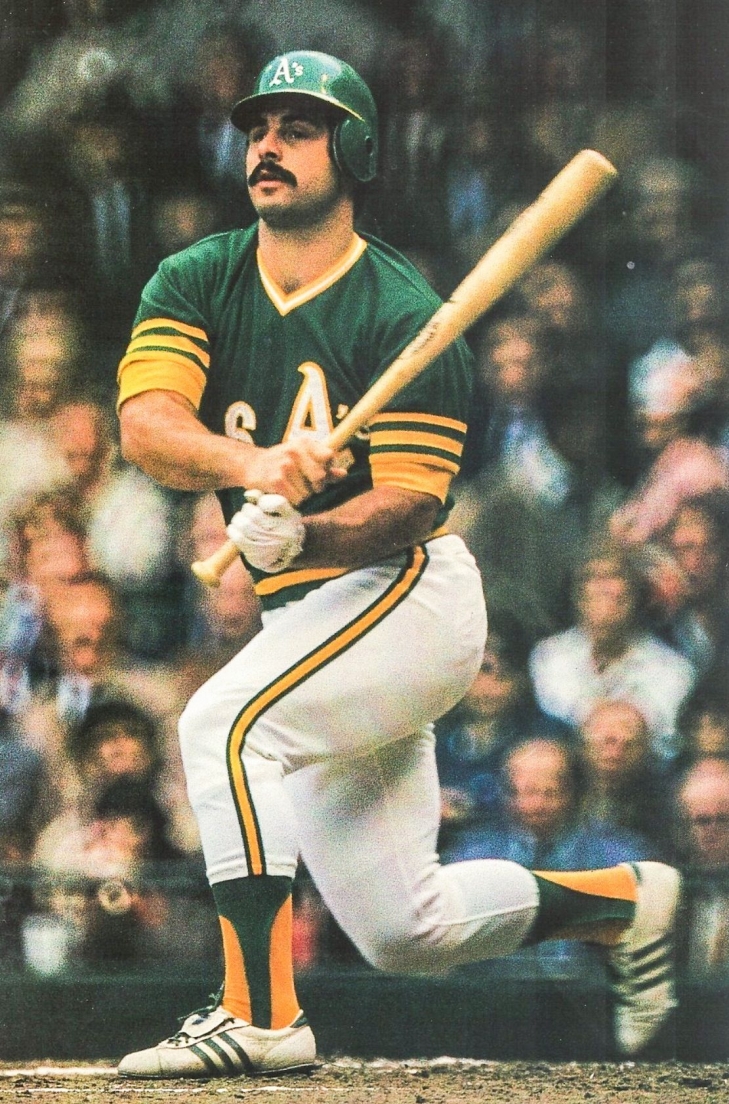
The Athletics’ move from Kansas City to Oakland in 1968 required a steady leadership. Sal Bando, picked in the sixth round of the 1965 draft from Arizona State, became that key figure. He secured the starting third baseman role just as the team settled in California, laying the groundwork for what would grow into one of the most formidable dynasties in modern baseball.
By May 1969, manager Hank Bauer acknowledged Bando's internal leadership, appointing him as team captain. This coincided with his rise to national prominence. That summer, Bando received his first All-Star selection, hitting a career-high 31 home runs and driving in 113 RBIs. He focused on consistent production rather than flashy style, leveraging a disciplined, power-hitter profile. He led by example through quiet leadership while more flamboyant stars made the headlines.
In the early 1970s, Bando was responsible for managing field operations for the renowned "Swingin' A's." Despite the team’s off-field turmoil, marked by roster chaos and public fights, Bando’s role at third base served as a stabilizing influence within the clubhouse. He achieved three straight top-five MVP rankings from 1971 to 1973, including finishing as a runner-up to teammate Vida Blue in 1971. Bando combined a dependable, slick glove with consistent power, surpassing 20 home runs six times during his career, and played a key role in Oakland's historic three-peat as World Series champions from 1972 to 1974.
The heavy workload and the abrasive management style of owner Charlie Finley eventually fractured the core roster. Following the 1976 season, Bando took advantage of the newly minted free-agency system, signing with the Milwaukee Brewers and leaving Northern California with 192 home runs and 1,311 hits in an A's uniform.
Bando was inducted into the Oakland Athletics Hall of Fame in 2022, which occurred just months before he passed away in January 2023.
3. Eddie Plank
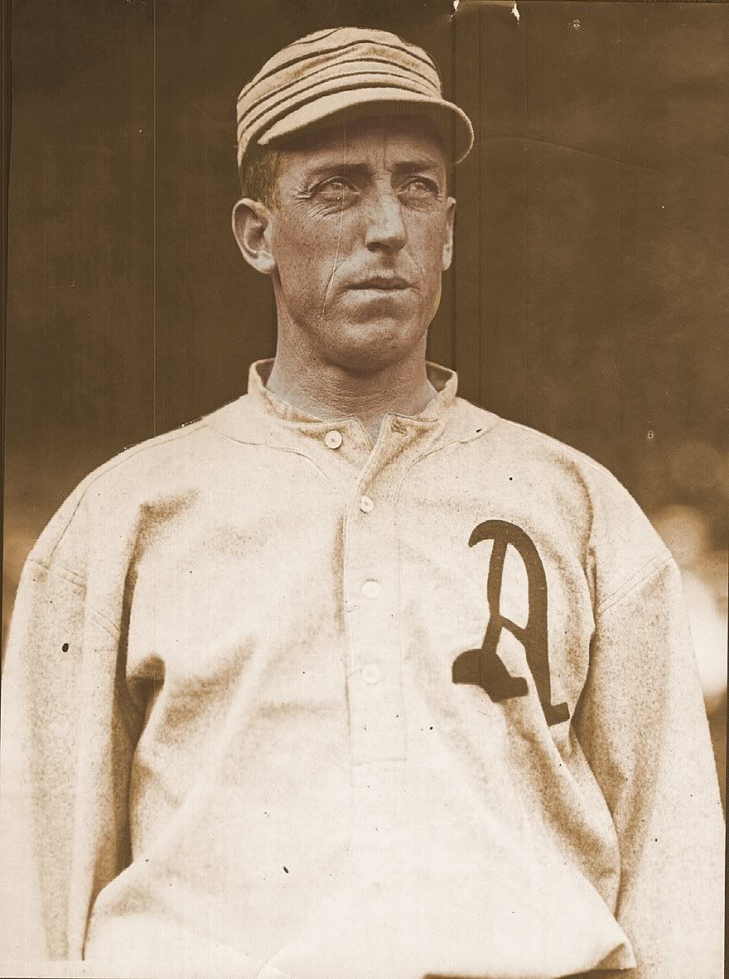
Eddie Plank arrived in Philadelphia in 1901, skipping the minor leagues to become a key part of Connie Mack’s famous pitching staff. As the leading left-hander of the Deadball Era, "Gettysburg Eddie" threw with a sidearm style and was known for a cross-fire motion that puzzled batters for more than ten years. Over 14 seasons with the Athletics, he was a central figure during multiple championship periods, setting franchise records for longevity and durability that still stand today.
After a successful 17-win debut in 1901, Plank achieved a historic milestone by recording four straight 20-win seasons from 1902 to 1905. He was the driving force behind the Athletics’ 1905 World Series appearance, demonstrating exceptional skill on the mound despite limited run support; he posted a 1.59 ERA across two complete games and notably faced off against the legendary Christy Mathewson of the New York Giants in one of the most intense pitching duels in baseball history.
Between 1910 and 1913, acting as the veteran anchor for a team that captured three world titles. While localized arm trouble sidelined him for the 1910 postseason, he returned to reach a new plateau in 1911, winning 23 games and securing a vital victory in the World Series to help the Athletics claim the championship. He followed this with a career-high summit of 26 wins in 1912 and another brilliant postseason performance in 1913, where he finally outdueled Mathewson in the World Series clincher to secure his second ring. During this peak, he was a giant of efficiency, leading the American League in shutouts twice and proving that his sidearm curveball was the most reliable weapon in the game.
Following the 1914 season, the organization faced a localized financial crunch and the emergence of the Federal League. After the Athletics were upset by the "Miracle Braves" in the World Series, Plank was released and signed a higher-paying contract with the St. Louis Terriers. Plank compiled a 284-162 record, a 2.39 ERA, and 1,985 strikeouts as an Athletic.
Plank was chosen for the Baseball Hall of Fame in 1946 and the Athletics Hall of Fame in 2021. Plank was also honored by the Philadelphia Baseball Wall of Fame in 1985.
