

Our All Time Top 50 Baltimore Orioles have been revised to reflect the 2024 Season
Yes, we know that this is taking a while!
As many of you know, we at Notinhalloffame.com are slowly generating the top 50 of each major North American sports team. That being said, we have existing Top 50 lists and consistently look to update them when necessary and based on necessity. As such, we are delighted to present our post-2024 revision of our top 50 Baltimore Orioles.
As for all of our top 50 players in baseball, we look at the following:
1. Advanced Statistics.
2. Traditional statistics and how they finished in the American League.
3. Playoff accomplishments.
4. Their overall impact on the team and other intangibles that are not reflected in a stat sheet.
Please note that our algorithm has changed, which yielded minor changes throughout the baseball lists.
Last year, the Orioles returned to the playoffs, but were hoping for a deeper run. Should they repeat what they accomplished in 2024 in 2025, there should be new entrants. As such, there was only one new entrant, but it is an older player who benefited from the new algorithm.
As always, we present our top five, which saw two changes based on the new structure:
3. Jim Palmer
4. Eddie Murray
You can find the entire list here.
Under the new system, Robinson moved to #2 by slightly edging out Palmer, and Murray overtook Sisler for #4.
Outfielder Burt Shotten enters the list at #47 with the new algorithm.
We thank you for your continued support of our lists on Notinhalloffame.com.
47. Burt Shotten
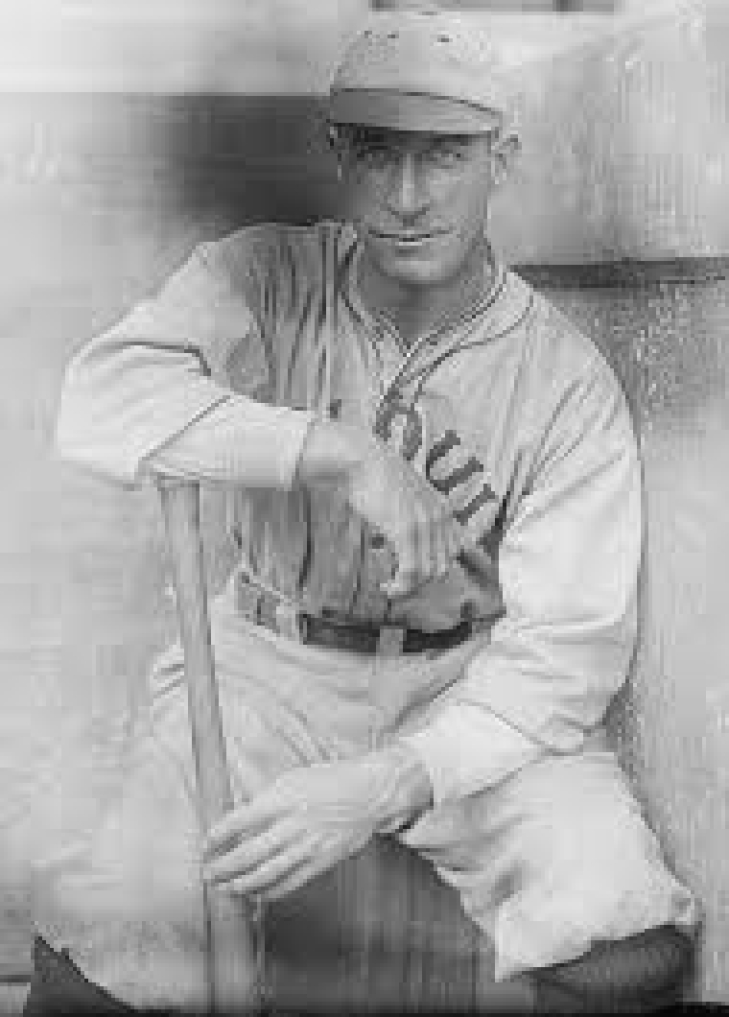
In the gritty, swing-at-everything culture of the 1910s, Burt Shotton was a tactical outlier. Serving as the catalyst for the St. Louis Browns for seven seasons, Shotton weaponized a rare brand of plate discipline that made him one of the most difficult outs in the American League. While he never hit for the high averages of a Ty Cobb, his ability to manipulate the strike zone made him a premier table-setter for the era.
He led the American League in Walks twice and posted an incredible On-Base Percentage over .390 on four separate occasions. At a time when slugging was non-existent, Shotton’s OBP was a massive "Efficiency Outlier," consistently placing him among the league leaders in runs created.
On the basepaths, Shotton was a high-risk, high-reward engine. He reeled off a four-year streak of stealing at least 40 bases (peaking at 52 in 1916), though his aggressive style often led to being caught at a high clip—a byproduct of the Browns' desperate need to manufacture runs. While his defensive metrics were occasionally marred by errors in the outfield, his durability and durability were unquestioned, as he amassed 1,070 hits in a Browns uniform.
Inducted into the lore of the franchise as one of its most cerebral early stars, Shotton’s legacy is defined by his patient eye and relentless speed.
217. Del Pratt
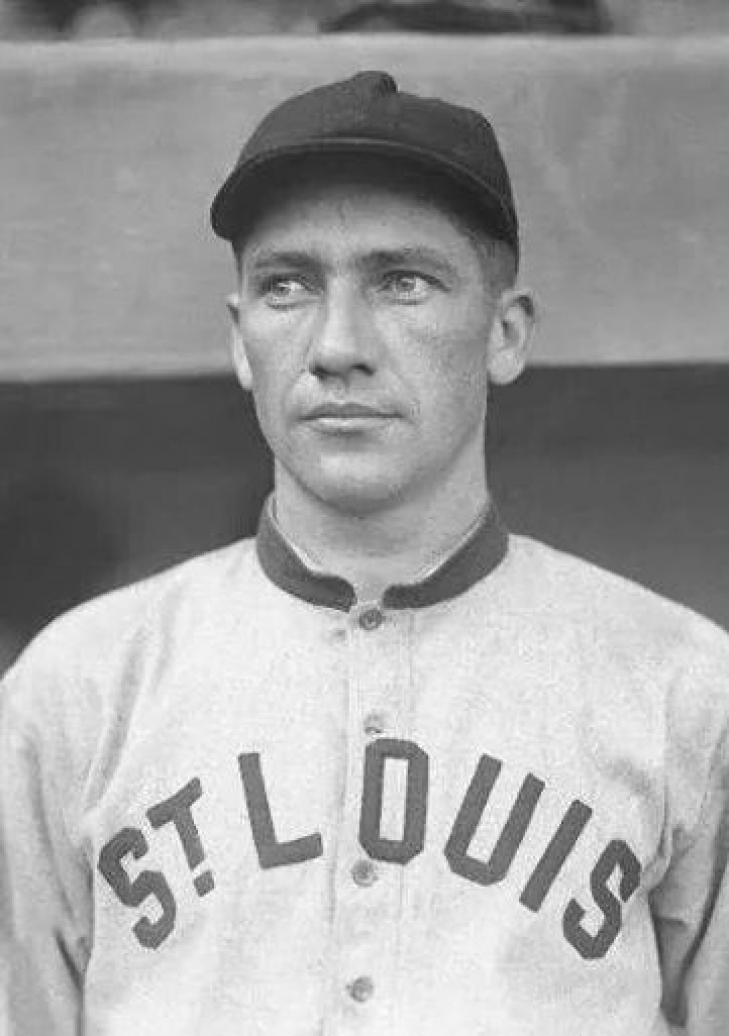
Del Pratt had a great rookie campaign in 1912, where the then St. Louis Brown had 172 Hits and a .302 Batting Average. The Second Baseman continued to do well, recording at least 159 Hits with 26 Stolen Bases and finishing first in Runs Batted In (103) in 1916. That was a good initial run, but all was not well in the city of St. Louis.
The Second Baseman had a poor 1917, and the Browns’ owner, Phil Ball, suggested that Pratt and other Browns players were deliberately playing badly with the hope of being traded. Ball suggested pay cuts for those players. Incensed that he was accused of dogging it, he and his teammate, Doc Lavan, sued Ball for slander. While the suit was eventually settled, Pratt was traded to the Yankees, which was good for both sides, as neither wanted to be around the other.
Pratt rebounded with New York, and he batted .314 in 1920. He was traded to the Boston Red Sox in 1921, where he batted .300 over his two seasons. He played two final years with the Detroit Tigers, again batting over .300 in those campaigns.
Pratt left the game four Hits shy of 2,000 with a Batting Average of .292.
251. Ken Williams
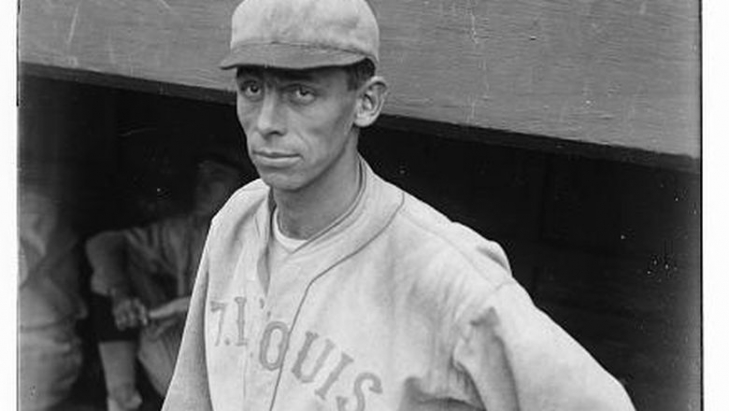
Ken Williams was a late bloomer of sorts, some by his own play, some by circumstance.
276. Theodore Breitenstein
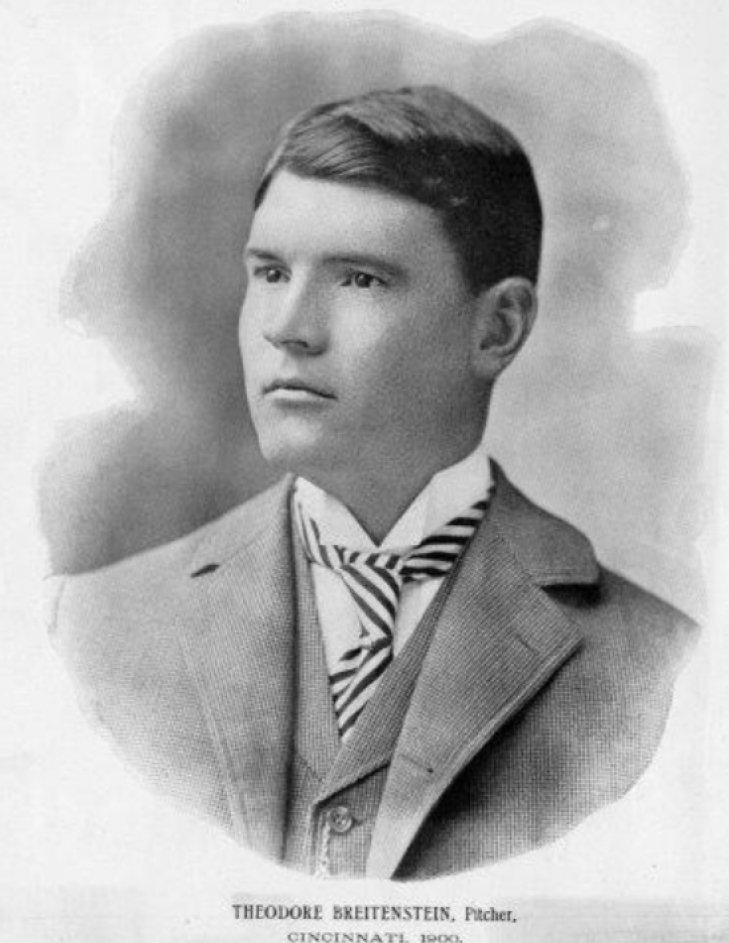
Before the St. Louis Cardinals were named the Cardinals, they were the first known version of the Browns, and one of their best Pitchers in the mid-1890s was Theodore Breitenstein.
254. Jack Powell
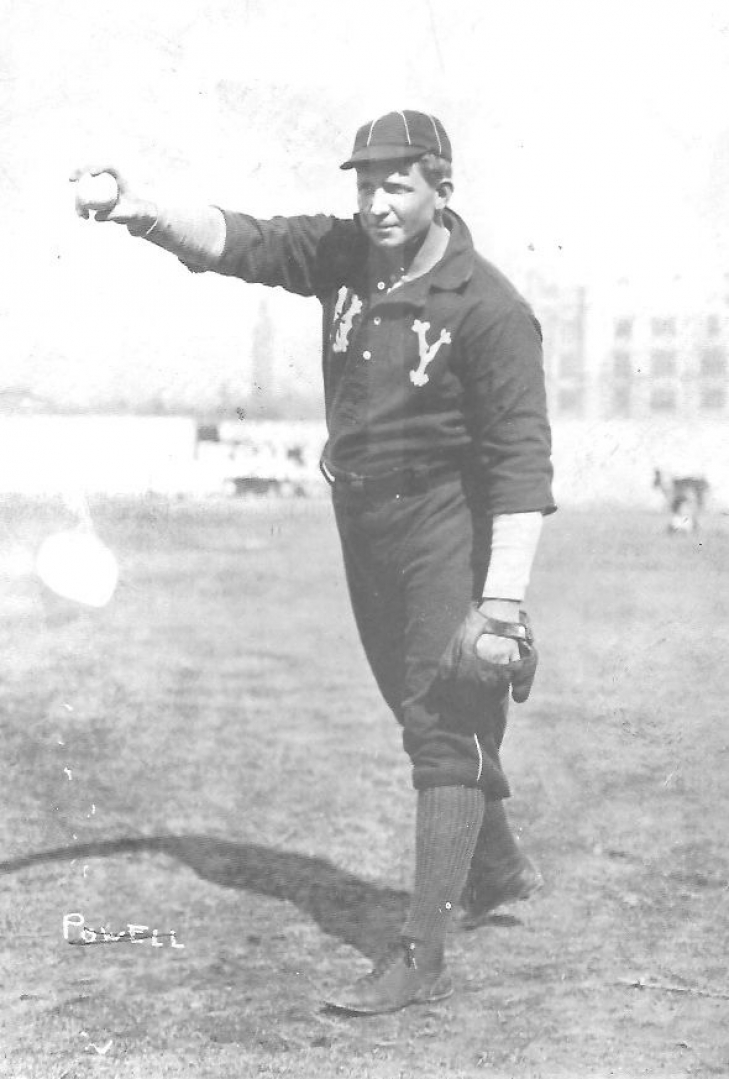
Jack Powell may have posted a losing record over his career (245-255), but regardless of the era, isn’t anyone who won these many games have to be considered good?
148. Silver King
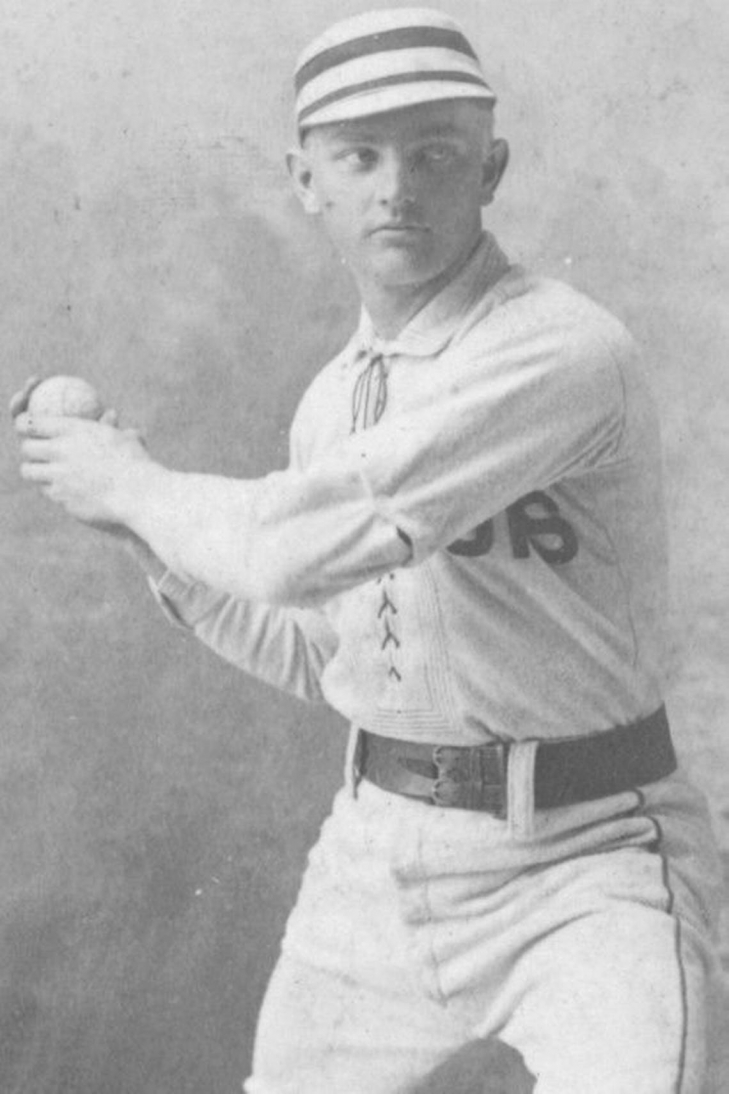
Silver King is quite the name, isn't it? This was the name of the man whose birth certificate stated, Charles Frederick Koenig, but doesn't this name sound more fun?
King debuted in 1886, playing a handful of games with the Kansas City Cowboys, but it was the three seasons that followed that put him on the map. These years were spent with the American Association's St. Louis Browns, where he won at least 32 Games each year. Known for his lack of windup and sidearm delivery, King had a monster season in 1888, where he led the league in Wins (45), ERA (1.63), Innings Pitched (584.2), FIP (2.38), WHIP (0.874), and SO/BB (3.39). The Browns won two AA Pennants while King was there.
Like many players in 1890, King joined the Players’ League, where, with the Chicago Pirates, he won the ERA Title (2.69) and led the league in H/9 (8.2). The league folded after that, and he went to the Pittsburgh Pirates of the National League, but he was beginning to suffer from arm fatigue and wasn't the same. He continued for a few years after, but he was done by 1897.
He retired with a 203-152 record.
133. Vern Stephens
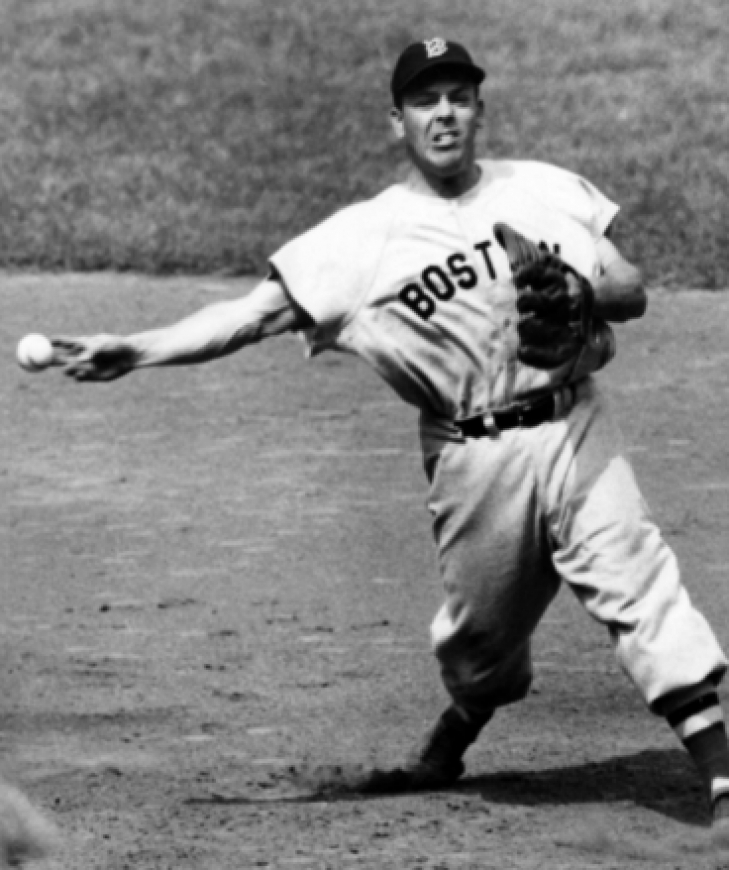
We here at Notinhalloffame.com talk every day about those who should be in their respective Halls of Fame. The hottest sports debate in this context might be in baseball. Vern Stephens might have a Hall of Fame case, but before we go there, we can say without question that he is the greatest player who never made the ballot.
Vern Stephens would debut in 1941 for the St. Louis Browns, where he would secure the starting role at Shortstop for the club in the following season. He would instantly establish himself as one of the best hitting Shortstops in baseball. He would have at least 20 Home Runs each year from 1943-45, and he would win the AL Home Run Title in 1945 and the RBI Title in 1944.
He would later join the Boston Red Sox in 1948, where he was an All-Star each year from 1948 to 1951; he had two 30-home-run seasons and led the AL in RBIs in both 1949 and 1950. He finished his career with the White Sox and Orioles and had 1,859 Hits with 274 Home Runs; great numbers for a Shortstop of his era.
Stephens may have had great seasons in the forgotten Browns and during the MLB-depleted WWII years, but he was still a great player. Again, we have an eight-time All-Star, who was never on the Baseball Hall of Fame ballot. How could this have happened? He would later make a Veteran’s Committee Ballot, but still, he deserved so much better.
25. Baby Doll Jacobson
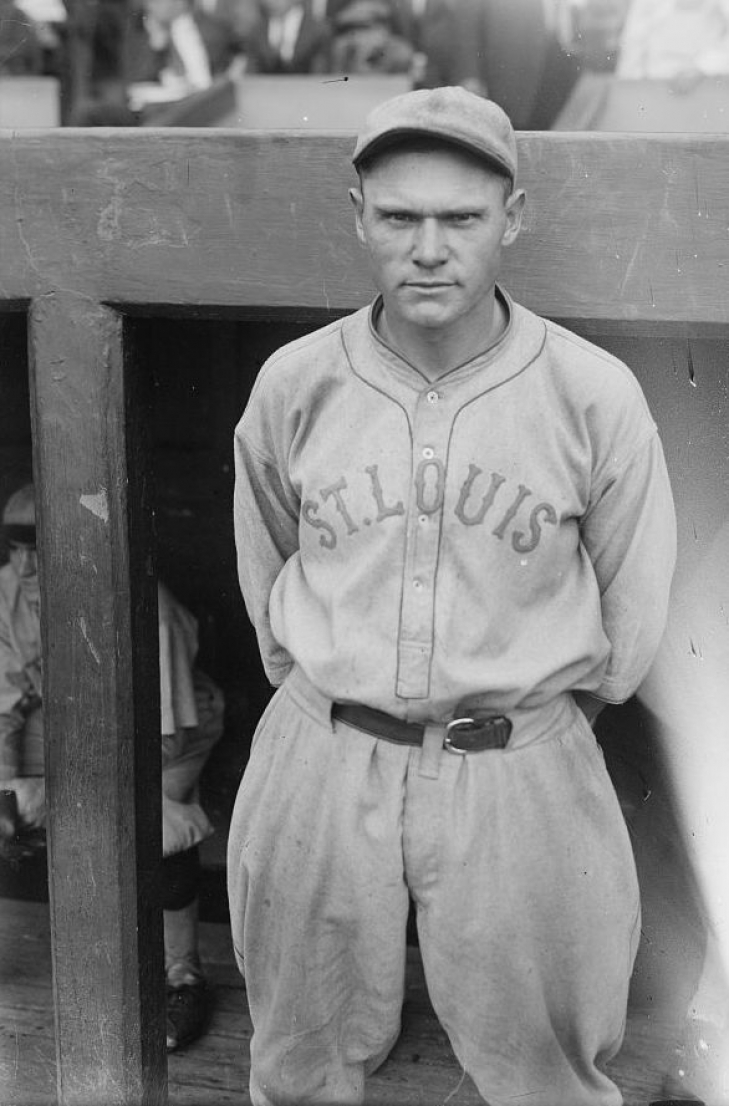
Standing 6' 3" and weighing over 210 pounds, William "Baby Doll" Jacobson was a towering figure in an era of smaller men, casting a long shadow over the St. Louis Browns’ outfield for the better part of a decade. His nickname—legendarily bestowed by a fan in the minors who shouted, "You must be that beautiful doll!" after a leadoff home run—belied a player of immense strength and surprising agility.
Jacobson’s journey was defined by perseverance. After a brief 1915 debut and a return to the minors, he secured a starting role in 1917, only to sacrifice his 1918 season to enlist in the U.S. Navy during World War I. When he returned in 1919, he embarked on one of the most productive offensive stretches in franchise history. From 1919 to 1925, Jacobson reeled off seven consecutive .300 seasons, including a career-high .355 in 1920 and a .352 in 1921. During this peak, he was a fixture on the leaderboards, recording over 210 hits in back-to-back years and driving in 122 runs in 1920—a mark topped only by Babe Ruth that season.
While his bat was his calling card, Jacobson was also a defensive pioneer in center field. Despite his size, he possessed incredible instincts, setting a major league record in 1924 with 488 putouts—a testament to his range that stood for over twenty years. He was the anchor of the legendary "1922 Browns" outfield that nearly toppled the Yankees for the pennant.
Jacobson was eventually traded to the Athletics in 1926, leaving St. Louis with 1,508 hits and a sterling .317 batting average.
34. Del Pratt
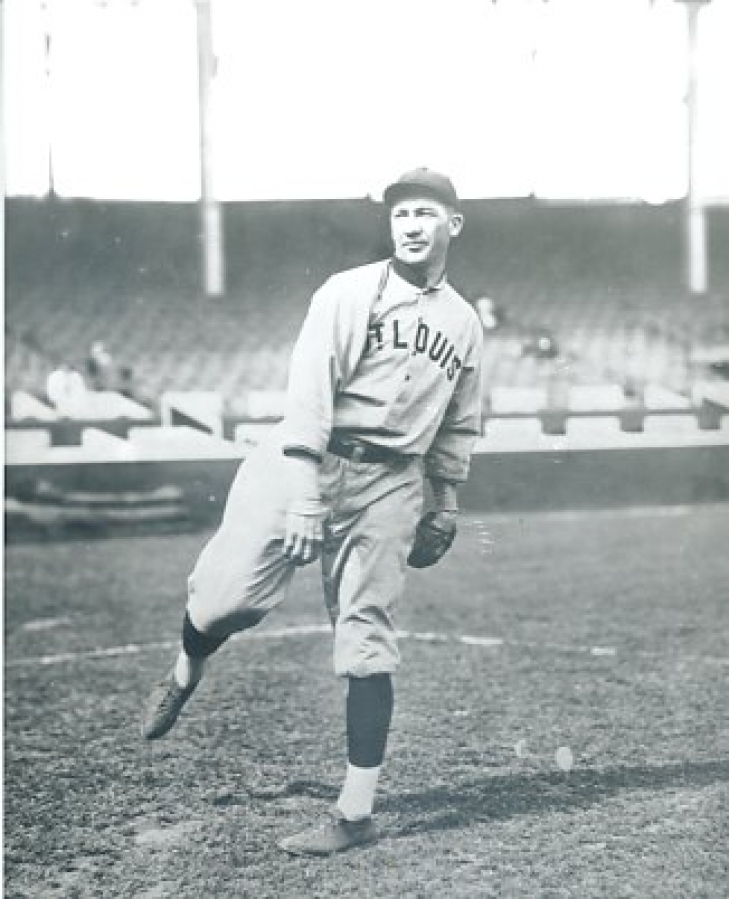
Had the Rookie of the Year award existed during the Deadball Era, Pratt likely would have walked away with the hardware. He burst onto the scene with a .302 average and 172 hits, following it up in 1913 with nearly identical production. It was a rare display of immediate, high-level consistency for a young player in the early 20th century.
While his batting average eventually settled into the high. In the 200s, in 1916, he achieved a historic milestone by leading the American League with 103 RBIs—a staggering feat for a middle infielder in an era of limited run scoring. Pratt was an "Iron Man" before the term was popularized, rarely missing a game and serving as the dependable heart of the St. Louis lineup for six seasons.
His time in St. Louis ended in 1918 when he was the centerpiece of a blockbuster trade to the New York Yankees, a deal that brought five players and significant cash to the Browns—a testament to his high market value at the time. Pratt left the franchise with 957 hits, 174 stolen bases, and a reputation as one of the most productive second basemen of his generation.
35. Harry Howell
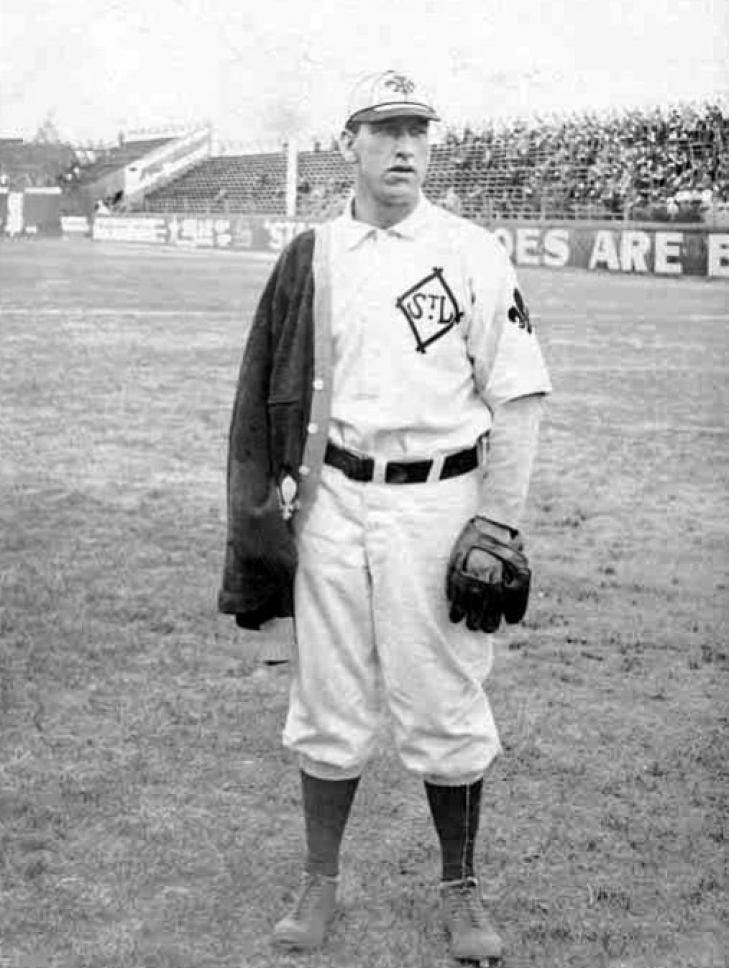
Acquired from the New York Highlanders in 1904, Harry "Handsome Harry" Howell quickly established himself as the premier arm of a struggling St. Louis Browns rotation. Armed with one of the most effective—and dampest—spitballs in the history of the game, Howell embarked on a five-year run of dominance that statistical leaderboards often obscure due to his team's lack of offensive support.
Howell’s consistency was nothing short of elite. From 1904 to 1908, he was a fixture in the American League's top ten for ERA, recording three seasons with a microscopic mark under 2.00. In 1905, he led the league with 35 complete games, an incredible display of durability in which he posted a 1.98 ERA despite losing 22 games—a testament to the "floundering Browns" lineups behind him. During this peak, his WHIP remained consistently under 1.10, proving he was one of the few pitchers who could match the era's legends strike-for-strike.
Beyond the mound, Howell was a versatile athlete who began his career as a legitimate two-way threat, possessing the agility to fill in at third base or the outfield when called upon. However, his legacy took a permanent hit in 1910. Involved in the infamous "Chalmers Award" scandal, Howell was accused of attempting to bribe an official scorer with a new suit to credit a hit to Nap Lajoie, an effort to help Lajoie beat out Ty Cobb for the batting title.
The scandal effectively ended his career in the Majors. Howell left St. Louis with a record of 78–91, 712 strikeouts, and a 2.06 career ERA with the Browns—a mark that, strictly by the numbers, remains one of the lowest in the history of the franchise
44. Lefty Stewart
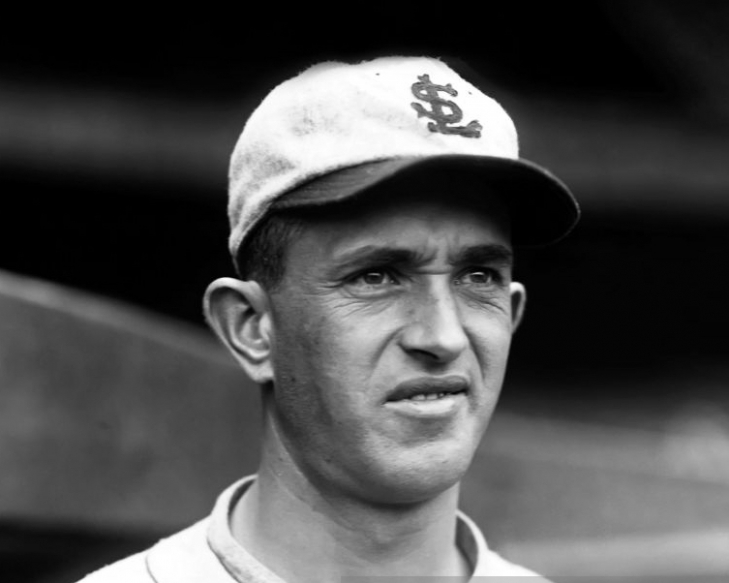
Walter Cleveland Stewart, known simply as "Lefty," was a durable left-handed mainstay who provided the St. Louis Browns with high-level stability during a period of league-wide offensive volatility. While he spent six seasons in the Browns' rotation (1927–1932), it was his final three years in St. Louis that cemented his legacy as one of the franchise's premier arms of the Depression Era.
Stewart’s 1930 campaign remains one of the most underrated individual seasons in Browns history. In a year where the league-wide ERA was sky-high, Stewart defied the trend by winning 20 games and posting a 3.45 ERA, which ranked third-best in the American League. His value was confirmed by advanced metrics, as he finished third in the AL in Pitching bWAR (7.2), trailing only Hall of Famers Lefty Grove and Wes Ferrell. Stewart was a workhorse who specialized in the complete game, providing the Browns with a competitive edge every fifth day.
His tenure in St. Louis came to an end in 1932, when he was traded to the Washington Senators, where he would immediately help his new club reach the World Series. He left the Browns with 73 wins and a reputation as a pitcher who thrived in an era dominated by hitters.
42. Nels Potter
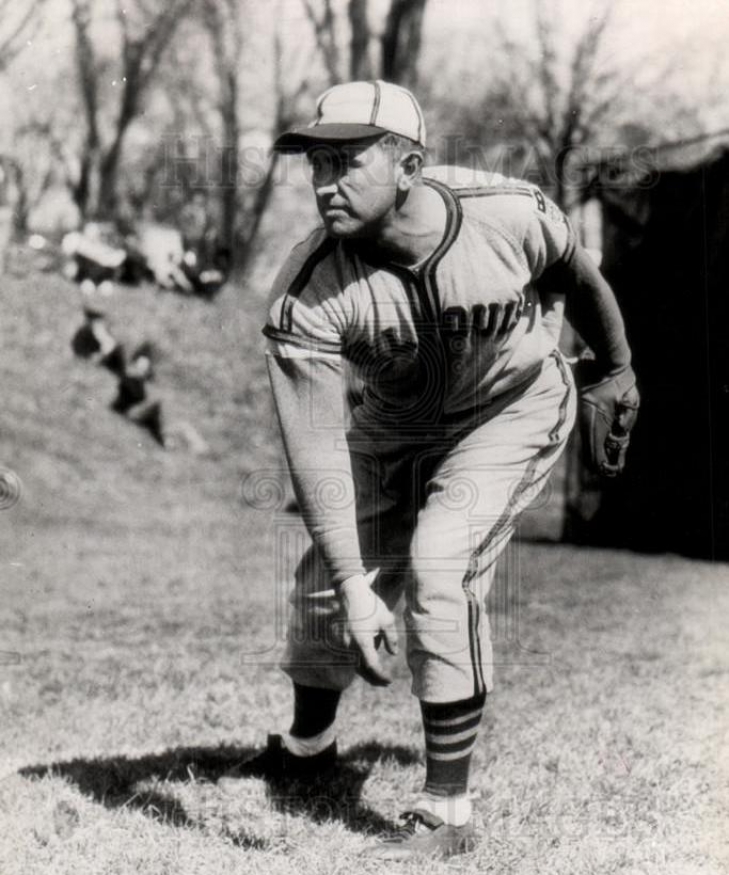
Nels Potter arrived in St. Louis as a 31-year-old journeyman, a screwball specialist who had struggled to find consistency until the Browns plucked him from the Red Sox organization in the 1942 Rule 5 Draft. In the high-pressure environment of wartime baseball, Potter didn't just find a home; he became the statistical engine that drove the Browns to their greatest heights.
Potter’s 1944 campaign remains a landmark in franchise history. As the Browns battled for their first American League Pennant, Potter delivered a 19–7 record and a career-best 5.7 bWAR, finishing ninth in the MVP voting. Though he was famously the first pitcher ever suspended for using a "foreign substance" (the spitball) earlier that year, he returned to lead the club into the World Series. On the game's biggest stage, he was nearly flawless, posting a 0.93 ERA in the Fall Classic—a performance that cemented his status as a big-game anchor.
While skeptics point to the diluted talent pool of the WWII era, Potter’s 1945 season silenced the critics. He was arguably even more dominant, posting a 2.47 ERA and a league-leading 1.097 WHIP, which earned him a staggering 7.2 bWAR—the second-highest mark in the American League. It was a masterclass in finesse and control that proved his success was rooted in skill, not just circumstance.
Age and the return of pre-war stars eventually slowed his momentum, leading to his sale back to the Athletics in 1948. However, Potter’s legacy is etched in the history books as the man who pitched the Browns into their only World Series.
31. Ned Garver
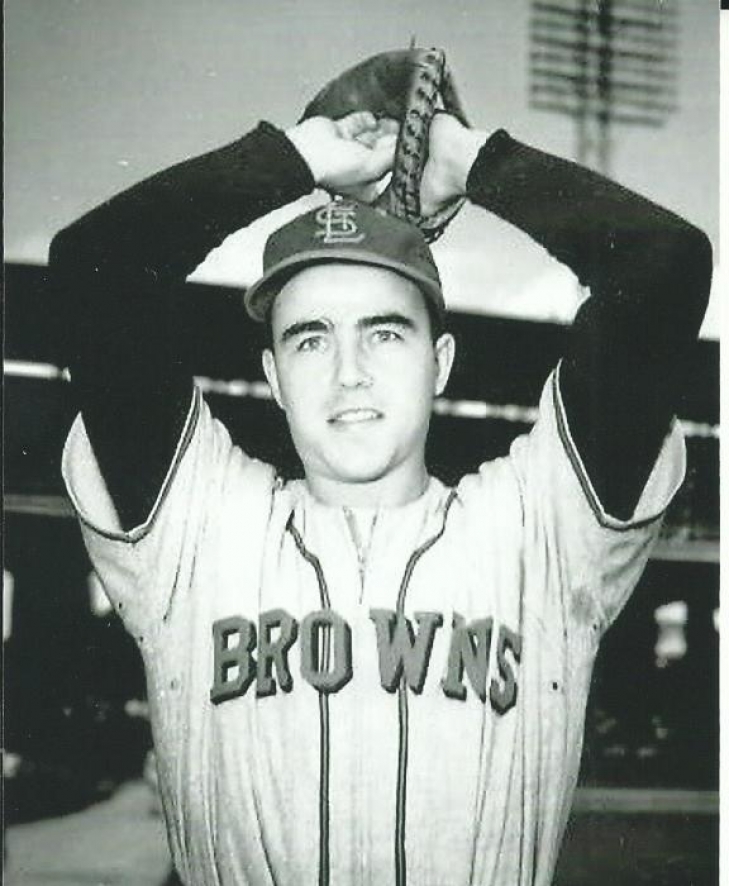
Ned Garver was the definition of a "hard-luck" ace, a premier talent tasked with anchoring the St. Louis Browns during their most difficult years. Joining the club in 1948, Garver quickly established himself as a durable workhorse, though the lack of offensive support often left him with a lopsided win-loss record that belied his true dominance on the mound.
The early 1950s saw Garver reach a level of individual brilliance that defied his surroundings. In 1950, despite leading the league with 18 losses, he paced the American League with 22 complete games and a respectable 3.39 ERA. However, it was his 1951 season that remains one of the most remarkable feats in baseball history. Garver became the first pitcher in the modern era to win 20 games for a team that lost 100. That year, he led the American League in Pitching bWAR (6.7) and complete games (24), earning a starting nod in the All-Star Game and finishing as the runner-up for the AL MVP; a nearly unheard-of feat for a pitcher on a last-place team.
Garver was more than just a pitcher; he was an athlete who often helped his own cause, famously batting .305 during his 20-win campaign. Because the Browns were in a constant state of financial flux and rebuilding, Garver was eventually sent to Detroit in a massive eight-player trade in 1952.
He left St. Louis with a 59–68 record, but to the fans and historians of the Browns, that number is a footnote.
39. George McQuinn
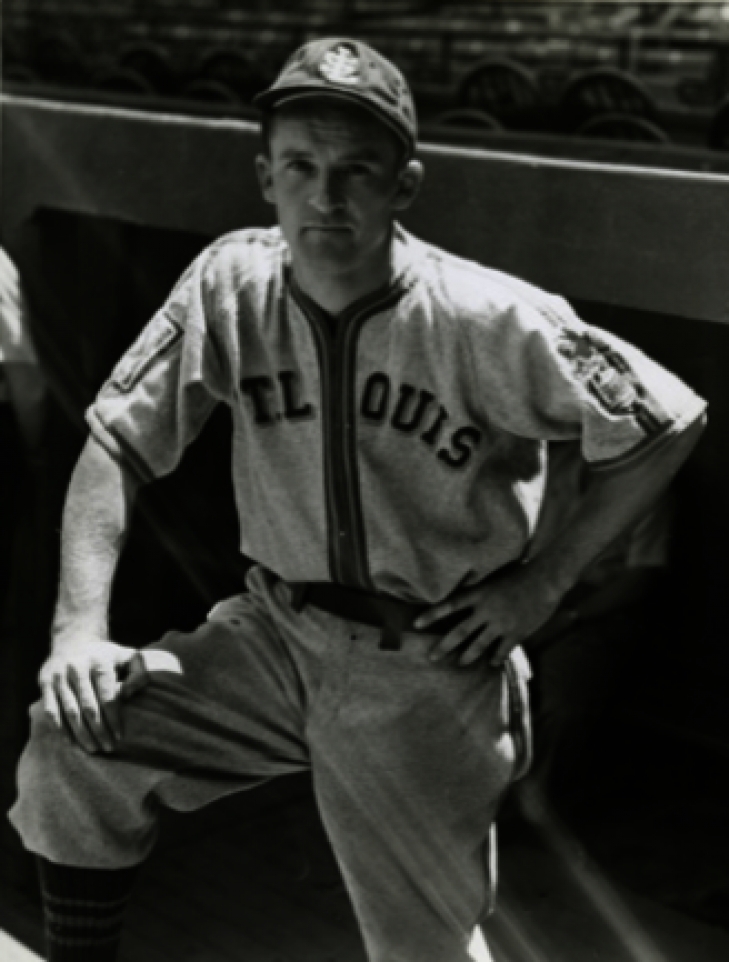
George McQuinn arrived in St. Louis as a diamond in the rough, plucked from the powerhouse Yankees organization in the 1937 Rule 5 Draft. It proved to be a franchise-altering acquisition. Over the next eight seasons, McQuinn established himself as the premier first baseman in the American League, providing a rare blend of defensive grace and consistent left-handed power.
McQuinn’s peak years in St. Louis were defined by elite consistency. He was a four-time All-Star with the Browns, batting over .300 in each of his first two seasons (1938–1939) and recording three consecutive years with at least 15 home runs. While many stars of the era were called away to military service during World War II, McQuinn remained the steady heartbeat of the Browns' lineup. His leadership and production were instrumental in the historic 1944 season, where he anchored the infield and powered the Browns to their first and only American League Pennant.
Though he was traded to Philadelphia after the 1945 season, McQuinn’s legacy in St. Louis was already secure. He departed with 1,220 hits, 108 home runs, and a reputation as a "big game" player who hit .438 during the 1944 World Series against the cross-town Cardinals.
20. Jack Powell
Jack Powell was a pillar of the St. Louis Browns' rotation for ten seasons across two separate stints, serving as the reliable engine of a team that often struggled to provide him with run support. While his 117–143 record with the Browns might suggest a mid-level starter, the underlying metrics reveal a pitcher who was consistently more effective than the teams behind him.
Powell lacked the dazzling velocity of the era’s "fireballers," instead relying on a unique, deceptive sideline delivery. What he lacked in arm speed, he made up for with craftiness and elite command. He joined the Browns during their inaugural American League season in 1902, immediately proving his mettle with a 22-win campaign. Though a brief trade sent him to the New York Highlanders, his 1904 return to St. Louis marked the beginning of a sustained period of efficiency.
Between 1905 and 1908, Powell was a fixture on the American League leaderboards. He finished in the top ten in WHIP four times, showcasing an ability to keep runners off the paths that rivaled the best in the game. His statistical peak arrived in 1906, when he finished fourth in the American League with a blistering 1.77 ERA. In an era defined by pitching, Powell’s ability to suppress scoring while throwing over 250 innings a year made him a workhorse of the highest order.
Powell remained a fixture in the St. Louis rotation until his release in 1912. He left the Browns as one of the franchise's most durable pioneers, proving that "craft" and control could be just as dominant as power. In the history of the St. Louis era, Powell stands as a testament to the "lonely excellence" of a premier pitcher on a sub-.500 team.
41. Carl Weilman
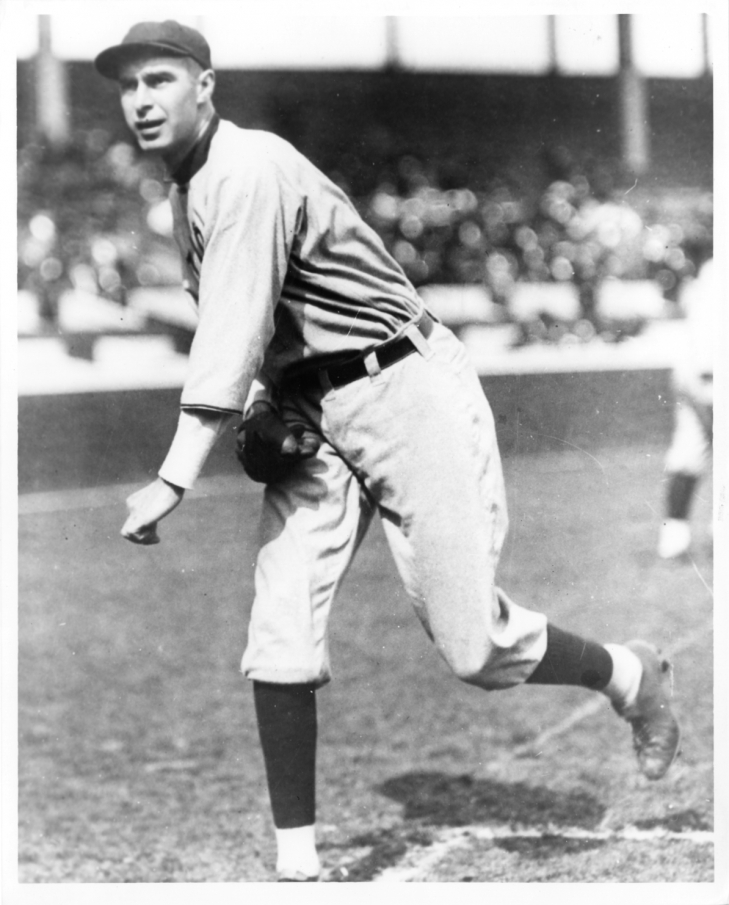
Standing a towering 6’5” in an era when the average pitcher barely cleared 5’9”, Carl Weilman was a literal and figurative giant for the St. Louis Browns. A "Lifer" who spent his entire eight-season career with the franchise, Weilman used his unique leverage and left-handed delivery to become one of the most effective, albeit overlooked, starters of the Deadball Era.
Weilman’s peak from 1914 to 1916 was a masterclass in efficiency. During this three-year stretch, he won at least 17 games annually while maintaining a microscopic sub-2.40 ERA. More impressively, he was a fixture on the American League leaderboards, consistently ranking in the top eight for Pitching bWAR and Wins. He was the rare arm that could neutralize the legendary hitters of the day, using his height to create a release point that Deadball hitters found nearly impossible to track.
His ascending career was tragically interrupted by a battle with Tuberculosis, which cost him the majority of the 1917 season and all of 1918. At a time when such a diagnosis was often a career-ender, Weilman staged a miraculous return in 1919, posting a 10-win season and a 2.76 ERA. Though his health finally faded in 1920, his return to the mound was a testament to his grit and his dedication to the St. Louis Browns.
Weilman retired with 84 wins and a 2.67 career ERA, a mark that remains one of the lowest in franchise history for a left-hander.
14. Harlond Clift
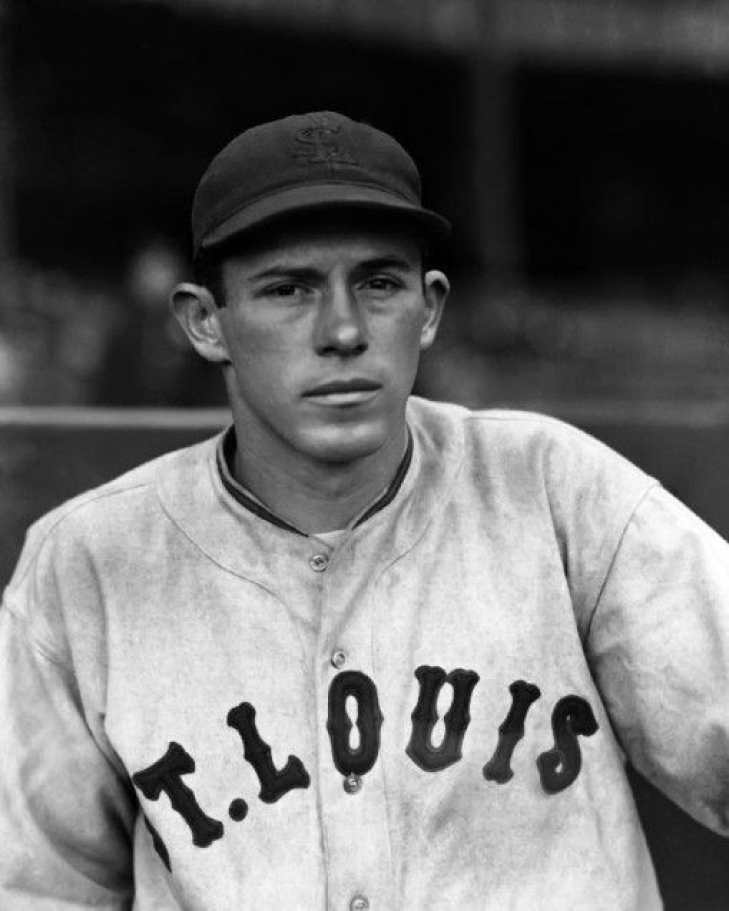
Harlond Clift arrived in St. Louis in 1934, immediately manning third base with a rookie campaign that featured 14 home runs and a .260 average. While he led the American League in strikeouts that year, Clift authored a rare and impressive mid-career adjustment. Unlike many power hitters who remain plagued by the "swing-and-miss," Clift refined his approach, drastically reducing his strikeouts while becoming one of the most disciplined hitters in the game.
This transformation turned Clift into a premier offensive weapon. He paired his power—recording four 20-home run seasons in St. Louis—with elite patience, registering five years with over 100 walks. In 1939, he led the American League in free passes, and from 1935 to 1939, he maintained a staggering on-base percentage of over .400. This relentless ability to reach base allowed him to become a run-scoring machine; Clift crossed the plate 100 or more times in seven different seasons for the Browns.
Beyond the batter's box, Clift was a defensive innovator, setting American League records for double plays and assists at the hot corner that would stand for decades. Though he was dealt to the Washington Senators during the 1943 season, he left an indelible mark on Browns history. He departed St. Louis with 1,013 runs, 1,463 hits, 170 home runs, and a career .394 OBP—numbers that established him as the gold standard for third basemen in the pre-war era.
26. George Stone
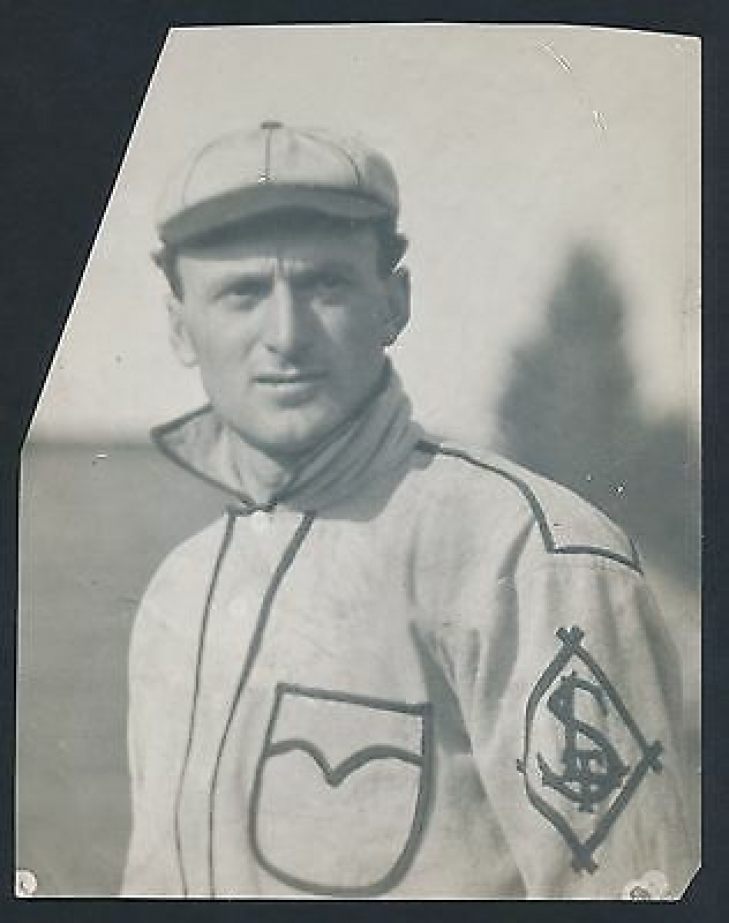
While many stars of the Deadball Era have been immortalized in bronze, George Stone remains one of baseball’s most overlooked offensive giants. A late bloomer who didn't find a permanent home in the Majors until age 28, Stone made up for lost time the moment he arrived in St. Louis. In 1905, his rookie campaign with the Browns, he immediately signaled his arrival by leading the American League with 187 hits.
However, it was his 1906 season that etched his name into the record books—even if history has been slow to remember it. In an era dominated by legends like Ty Cobb and Nap Lajoie, it was George Stone who "swept the slash line," leading the American League in Batting Average (.358), On-Base Percentage (.417), and Slugging Percentage (.501). His 208 hits that year made him the premier offensive force in the league, a "Triple Crown-lite" performance that proved he was the most dangerous hitter in the game at his peak.
Stone remained a highly competent and disciplined hitter for the Browns through 1910, consistently providing the team with elite contact and on-base skills. Though his career ended earlier than many of his Hall of Fame peers, his impact in St. Louis was undeniable. He finished his tenure with the Browns with 984 hits and a sterling .301 career batting average. In the Project Diamond lab, Stone serves as the ultimate "Peak Outlier"—a man who, for one glorious stretch, was the undisputed king of the American League batter's box.
21. Vern Stephens
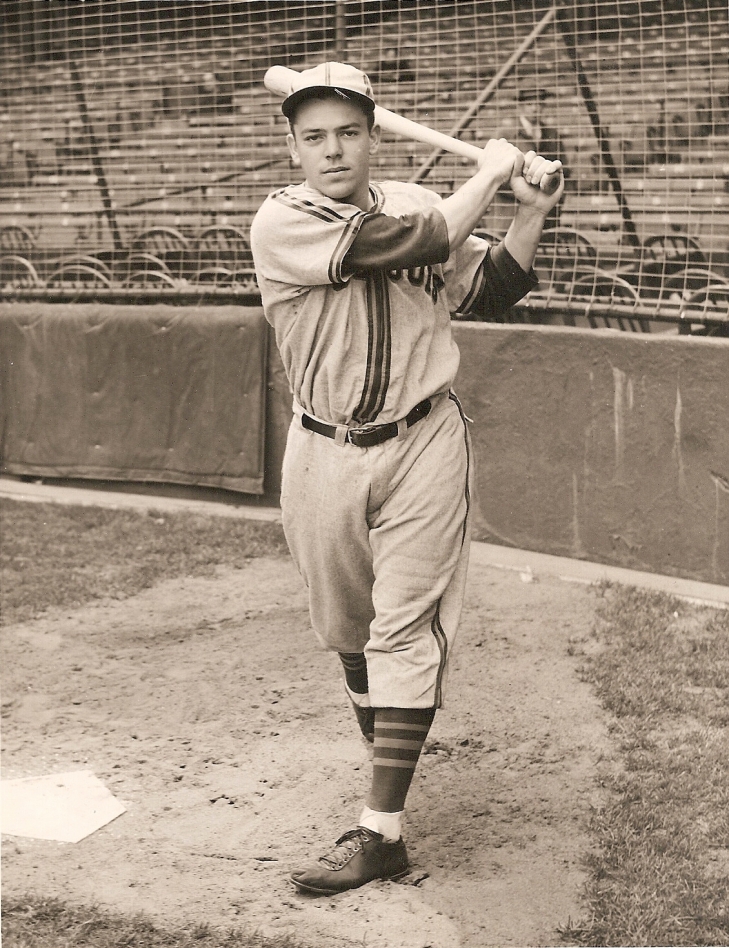
Vern Stephens arrived in St. Louis in 1941, quickly establishing himself as one of the most dynamic young talents in the American League. While many of his contemporaries departed for military service during World War II, Stephens remained a fixture in the Browns' lineup, producing a standard of offense rarely seen from the shortstop position in that era.
His impact was immediate. In his first full season in 1942, Stephens batted .294 and slugged 14 home runs, finishing an incredible fourth in the American League MVP voting. From 1943 to 1945, he reeled off three consecutive All-Star selections and three straight 20-home run campaigns. His peak in St. Louis arrived during the historic 1944 season; Stephens led the American League with 109 RBIs, serving as the offensive heartbeat of the team that captured the only American League Pennant in Browns history. He followed that performance in 1945 by leading the league with 24 home runs, cementing his reputation as a premier slugger.
Though Stephens would eventually be traded to the Boston Red Sox after the 1947 season—where he continued his All-Star trajectory—his legacy in St. Louis remains unmatched for a middle infielder. He departed the Browns with exactly 1,100 hits, 121 home runs, and a robust .292 batting average. In the Project Diamond lab, Stephens stands as the gold standard for offensive production at shortstop during the franchise's St. Louis years.
