


Committee Chairman
109. Jack Clark
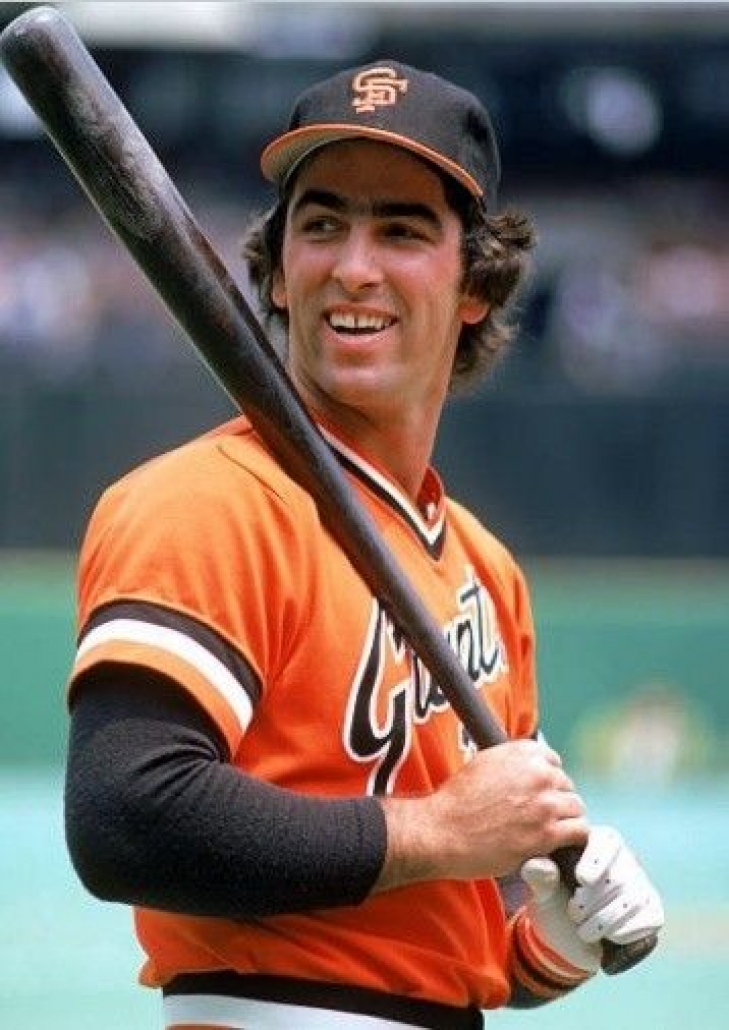
Jack Clark had the nickname of "Jack the Ripper," which was precisely the moniker that befit a lethal power.
193. Paul Derringer
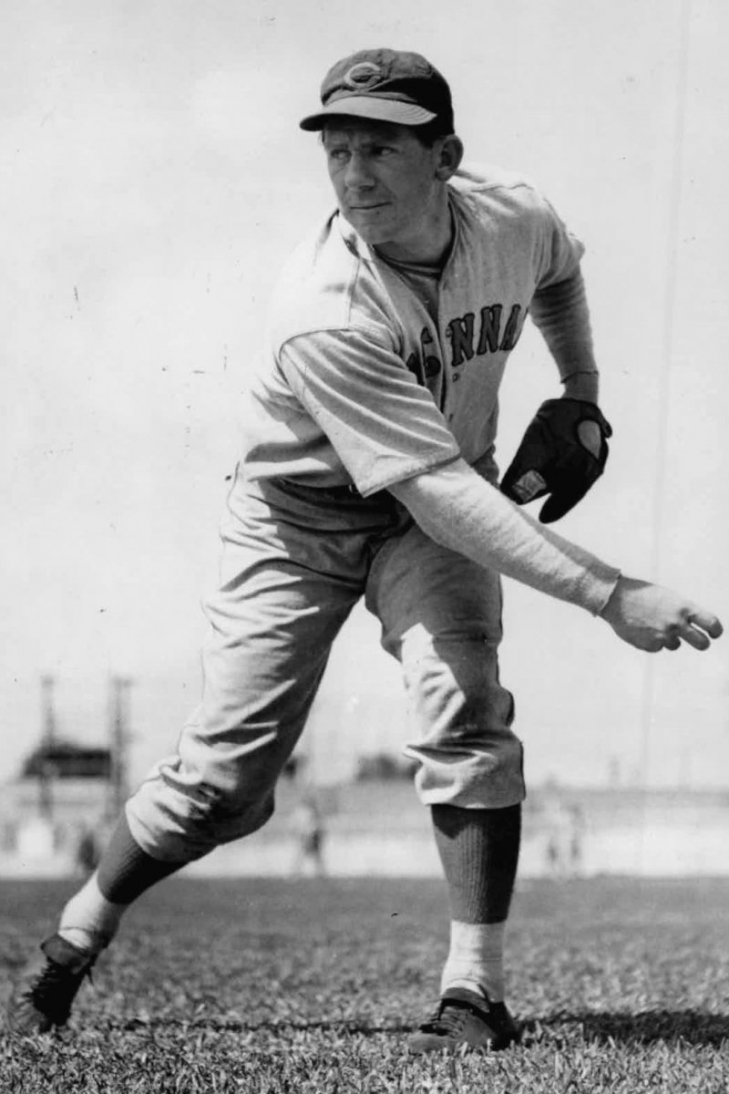
In 1931, Paul Derringer had a very good rookie year, going 18-8 and helping his St. Louis Cardinals win the World Series. He had a poor 1932 season, and he was traded early in ’33 to the Cincinnati Reds. His year ended with an abysmal 7-27 record. It would slowly turn around for Derringer after that.
With the Reds, he would go to six All-Star Games and had four 20 Win years. While he allowed many Hits, he did not walk very many batters and led the National League twice in BB/9 (1939 & 1940). In both of those seasons, Derringer finished in the top five in MVP voting, with a third-place rank in '39. That year, he was also atop the NL leaderboard in FIP (3.15) and SO/BB (2.66), and he helped the Reds win the National League Pennant. The Reds won the Pennant again in 1940, but this time they won the World Series, with Derringer going 2-1 with a 2.79 ERA. Derringer would notably finish in the top ten in FIP 13 times and in SO/BB 12 times.
He would play his final three years in Baseball with the Chicago Cubs. Derringer retired in 1945 with a 223-212 record and 1,507 Strikeouts.
181. Charlie Keller
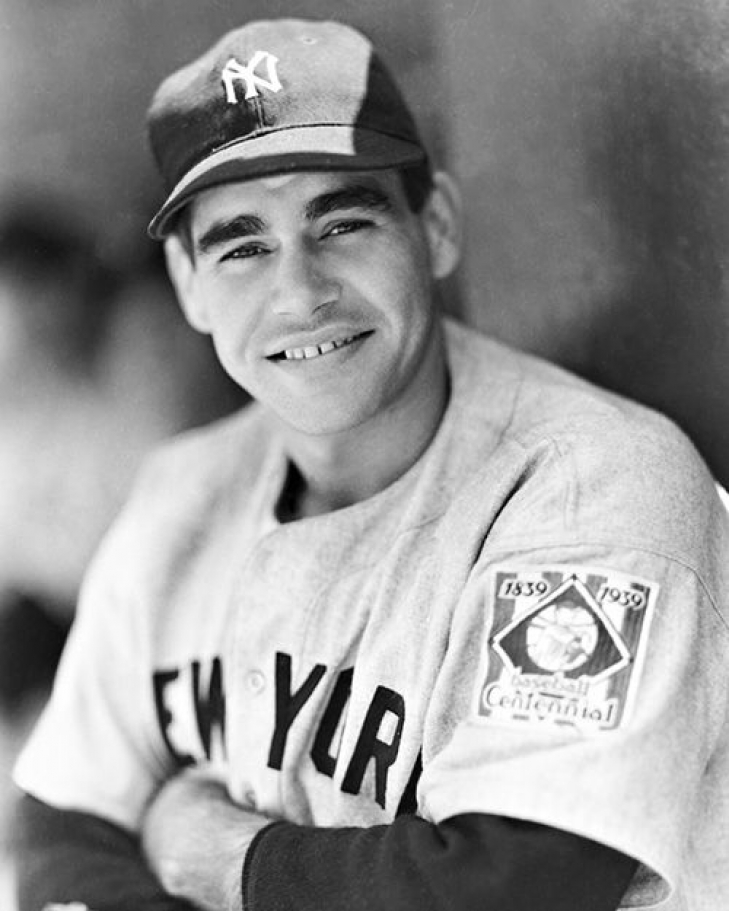
One of the most underappreciated members of New York Yankees folklore, Charlie "King Kong" Keller was known for his incredible strength and corresponding Home Runs, but he should probably be better known for his plate discipline. Keller would twice lead the American League in Walks and had an On Base Percentage over .400 seven times, six of which were enough to put him in the top ten that year. He would also lead the AL in OPS in 1943.
Keller would also help the Yankees win three World Series Rings. Keller would blast 189 Home Runs in his career and is still in the top fifty all-time in On Base Percentage, OPS, and OPS+.
150. Jorge Posada
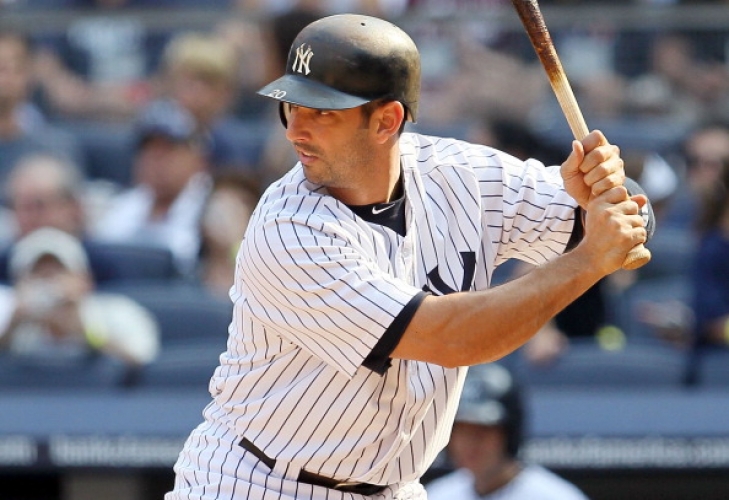
In the last half of the 1990s, the New York Yankees built a dynasty that would win four World Series Championships in five years. Jorge Posada missed the first one (1996) as he was not part of the postseason roster, but the Puerto Rican Catcher would see his playing time rise and earn rings with New York in 1998 and 1999.
The year 2000 would be a different story, as he was no longer splitting duties at Catcher with Joe Girardi. The Yanks again won the World Series, but this time, Posada was an All-Star and Silver Slugger. Posada would be dubbed one-quarter of the Yankees' "core four" along with Andy Pettitte, Derek Jeter, and Mariano Rivera. Posada went to four more All-Stars and four more Silver Sluggers, and he was one of the most highly regarded players on the team.
Posada was an expert at handling his pitchers, and he brought power from the Catcher's position. He hit the 20 Home Run plateau eight times and would have 275 overall with 1,065 RBIs. In 2007, he became the first Catcher to record an offensive season in which he batted .330 and had at least 40 Doubles, 20 Home Runs, and 90 RBIs. Posada would win another World Series with New York in 2009.
Posada retired in 2011, and he is considered to be one of the better offensive Catchers in baseball history.