


Committee Chairman
154. Hippo Vaughn
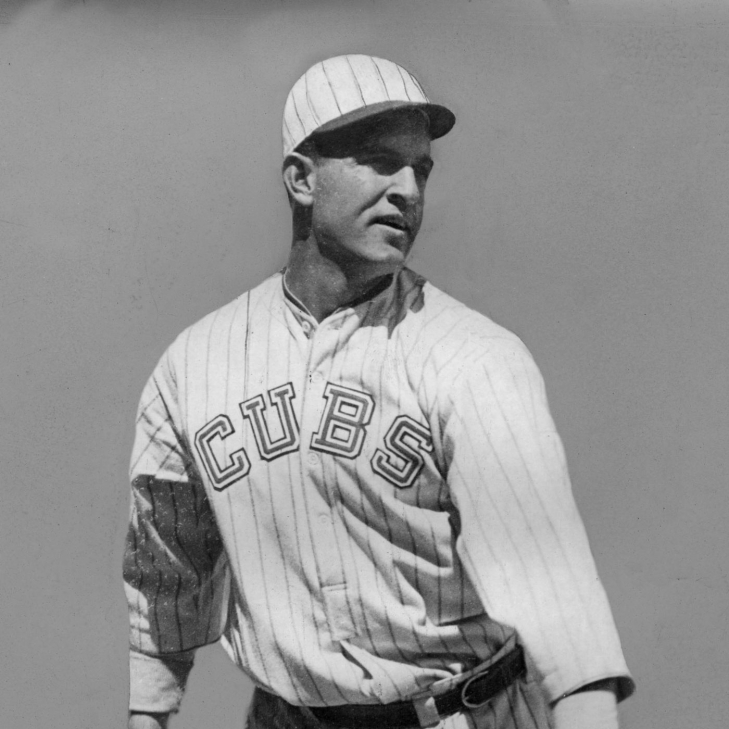
James Leslie “Hippo” Vaughn appeared in two games for the New York Highlanders (later to be the Yankees) in 1908, and after a full year in the minors, he had a promising 1910 campaign with a 13-11 record and an ERA of 1.83. It wasn’t quite the springboard to greatness, as he struggled over the next three seasons, going back and forth from the minors, and bouncing to the Washington Senators and then the Chicago Cubs. In the Windy City, he would live up to that potential that New York fans saw in 1910.
From 1914 to 1920, Vaughn was one of the best left-handers in the National League, and there were times when he certainly was. In that seven-year run, Vaughn was a 20 Game winner five times, was always in the top five in Strikeouts, and was in the top five in bWAR for Pitchers in five seasons. Had there been a Pitcher of the Year, Vaughn would have captured it in 1918, as that season he won the ERA Title (1.74), Wins (22), WHIP (1.006), SO/BB (1.947), ERA+ (159), and FIP (2.25).
Vaughn’s skills eroded significantly in 1921, and he was out of the Majors the year after. He retired with a healthy record of 178-137.
147. Camilo Pascual
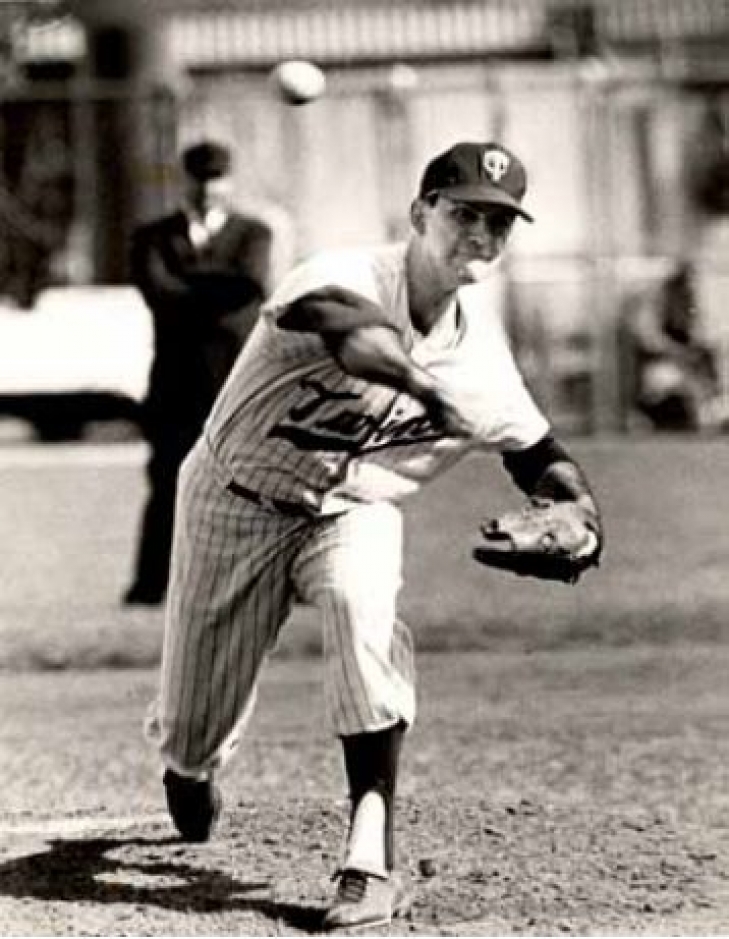
Camilo Pascual left Cuba in 1951 at the age of 17, and a year later, he was part of the Washington Senators’ farm system. Pasucal was impressive and made the Washington main roster in 1954.
Pascual was largely unimpressive in his first few years, but he came of age in 1959, when he went 17-10 and led the American League in Complete Games (17) and FIP (2.44). The Cuban was an All-Star for the first time and would be in four of the next five seasons.
The Senators relocated to Minnesota, becoming the Twins in 1961, and in the first three years of the franchise's relocation, he was the league-leader in Strikeouts. The Twins won the American League Pennant in 1965, of which Pascual was a part, but he was no longer the same Pitcher by this time.
He was traded back to the city of Washington and the new version of the Senators at the end of the 1966 season, and he had a pair of 12 Win years. He finished his career with Cincinnati, Los Angeles, and Cleveland, retiring in 1971 with a 174-170 record with 2,167 Strikeouts.
164. Matt Williams
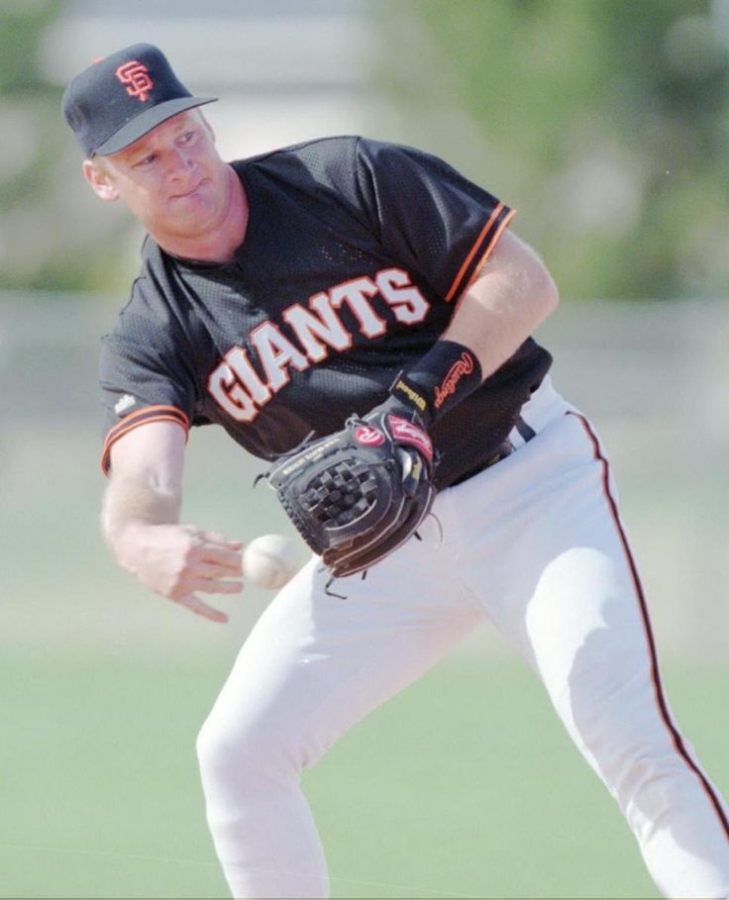
Matt Williams was a cornerstone of the San Francisco Giants for a decade (1987-96), during which he played in the infield, alternating between Third Base and Shortstop.
Williams broke out in 1990 when he had 33 Home Runs, a league-leading 122 Runs Batted In, and he went to his first All-Star Game. 1990 also marked the start of a 10-year streak of at least 20 Home Runs, and he won the Home Run Title in 1994, which also began a three-year run of All-Star Game appearances. In 1991, 1993, 1994, and 1997, Williams won both the Gold Glove and the Silver Slugger, the latter year being his only season with Cleveland.
Williams later signed with the Arizona Diamondbacks for their inaugural season in 1998, bringing a veteran presence to the expansion team. It led to Williams winning his only World Series Ring when the D-Backs won it all in 2001. He retired in 2003 with 378 Home Runs and 1,878 Hits
Williams would later win the Manager of the Year award in 2014 when he took the Washington Nationals to the playoffs.
125. Pete Browning
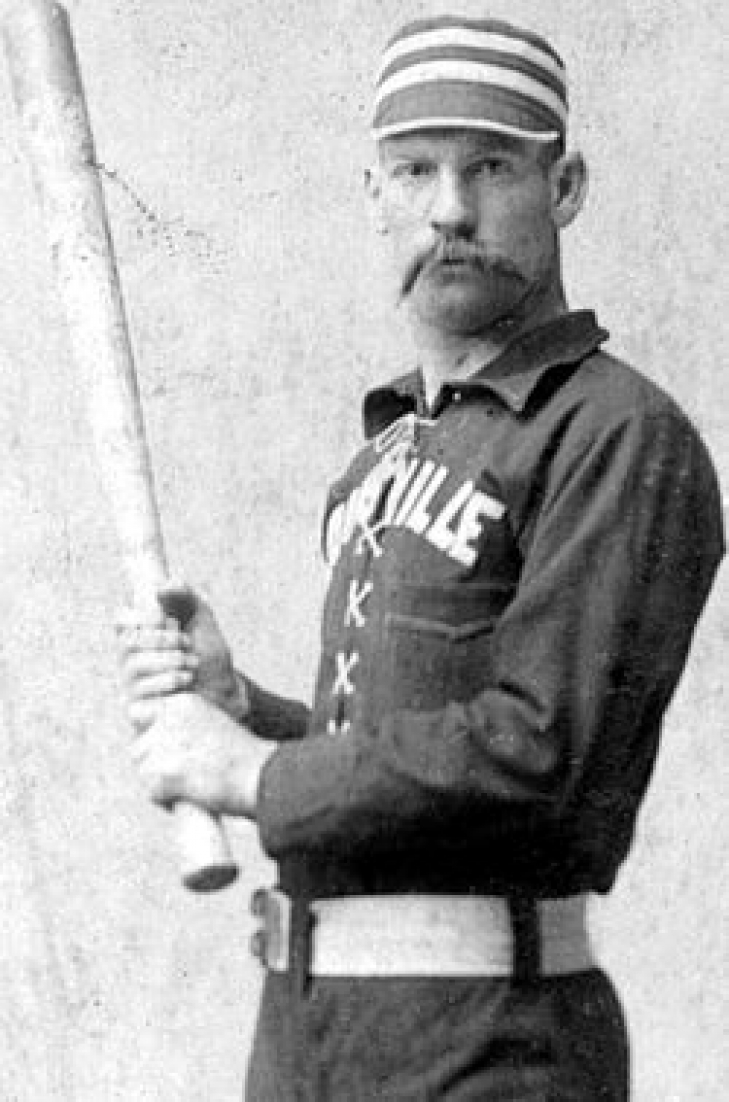
Many of the early baseball players suffered from an addiction to alcohol, but we have to wonder if any of them had anything on Pete Browning, an Outfielder who once quipped, "I can't hit the ball until I hit the bottle." He hit the bottle a lot, but he also hit the baseball at a high level.
Browning took his hitting seriously, as he was believed to be one of the first players to have his bats custom-made. He went as far as to give names to each of his bats, which may have been eccentric at the time, but the man who was known as the “Louisville Slugger” was one of the better hitters of his time.
Browning’s career began in his hometown of Louisville in 1882 with the Eclipse of the American Association, the team he played for the rest of the decade. In his rookie season, Browning swept the Slash Line (.378/.420/.510) and again led the AA in Batting Average (.362) and On Base Percentage (.392). He batted over .300 in the first eight of his nine years in baseball.
After Louisville, he played in Cleveland in the one season of the Players’ League, and he won the Batting Title (.373). Browning would bounce around for the rest of his career in the National League with stops in Pittsburgh, Cincinnati, Louisville, St. Louis, and Brooklyn.
Over a 13-year career, Browning had 1,646 Hits with a .341 Batting Average. This was an incredible career for someone who drank himself to death and dealt with mastoiditis and partial deafness.