


Committee Chairman
188. Jim Whitney
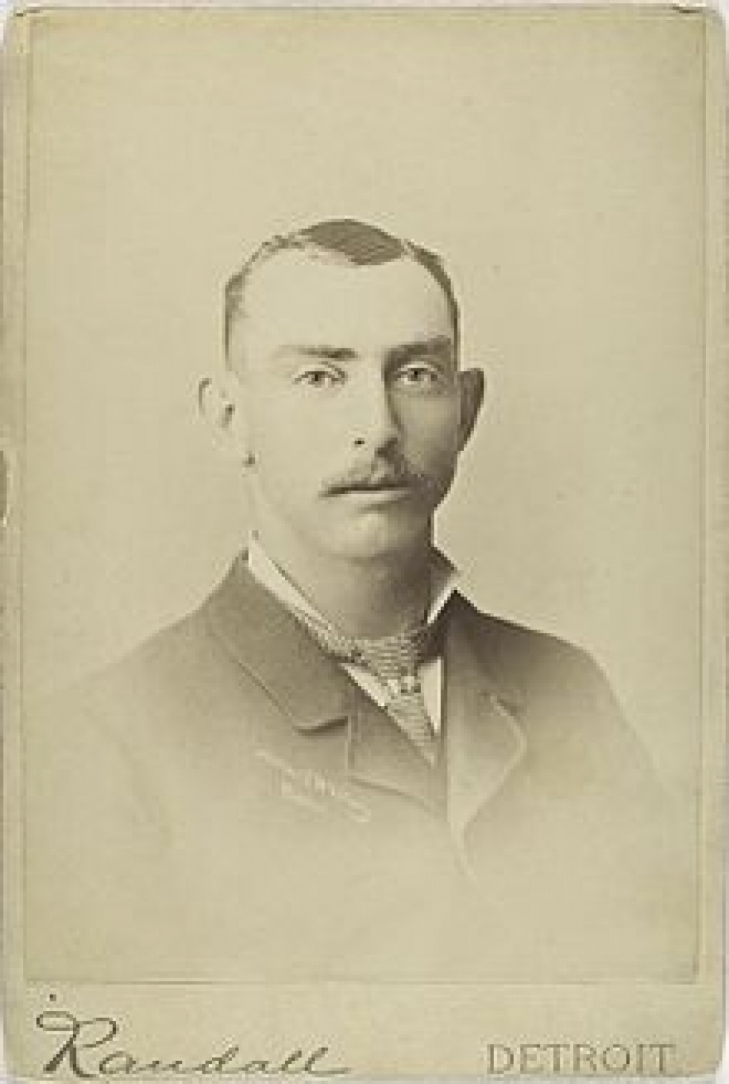
Don’t let the losing record of 191-204 fool you.
Jim Whitney's rookie season showed that, as in 1881 with the Boston Red Stockings, he led the National League in both Wins (31) and Losses (33), and his 552.1 Innings also was a first-place finish. Whitney would later win the Strikeout title with 345, and that would begin a three-year streak of leading the NL in SO/BB and BB/9, as well as two straight years of finishing atop the leaderboard in FIP.
Whitney, who was nicknamed the "Grasshopper Jim" for the way he appeared to jump while pitching, was with Boston for five seasons, which was his career's best run. However, he would lead the NL in BB/9 twice more (extending that streak to five) in a season, each with the Kansas City Cowboys and the original Washington Nationals. In his first four seasons in baseball, he was in the top five in bWAR for Pitchers, top seven in WHIP, top seven in Wins, and top six in Strikeouts.
Whitney was also capable of playing in the Outfield, and he was a decent hitter. In 1882, he was fifth in Batting Average (.323) and third in OPS (.892). He would overall bat .261 with 559 Hits.
183. Dutch Leonard
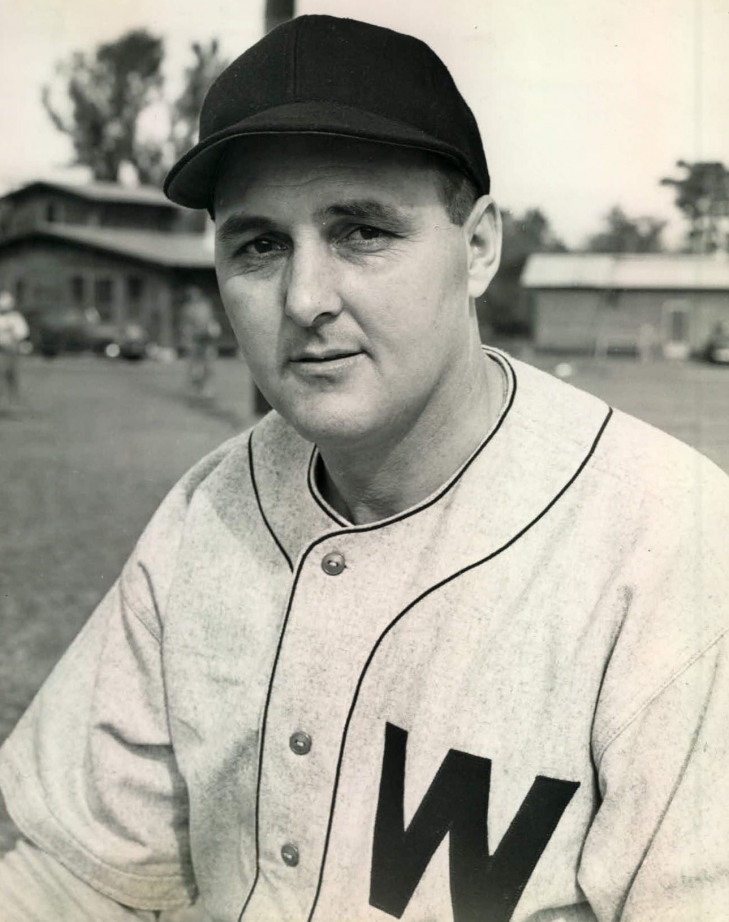
There were two Pitchers in baseball who were named Dutch Leonard. The first was Hubert “Dutch” Leonard, who was a lefthander who had a 139-113 record with two World Series Championships with the Boston Red Sox. The second was Emil John “Dutch” Leonard, a righthander who may not have had a World Series Ring, but had a much longer tenure and was one of the better knuckleballers in baseball history.
Leonard debuted in 1933 with the Brooklyn Dodgers, and while he had a decent 1934 (14-11, 3.28 ERA), he faltered and was back in the minors by 1936. The minors allowed him to perfect his knuckleball, and he was back in the Majors, this time with the Washington Senators, with whom he returned in 1938.
With the Senators, Leonard secured a 20 Win season (1939) and would go to three All-Star Games. He was in the top ten in bWAR for Pitchers and ERA four times with Washington. The knuckleballer was also first in WHIP (1938), and twice in BB/9 (1938 & 1943) as a Senator.
As is typical with many who mastered the knuckleball, Leonard played into his 40s. He was with Philadelphia for two years, and at the age of 40, he joined the Chicago Cubs, where he played five more seasons, including an All-Star season in 1951.
Leonard had 191 Wins against 181 Losses over his career.
133. Vern Stephens
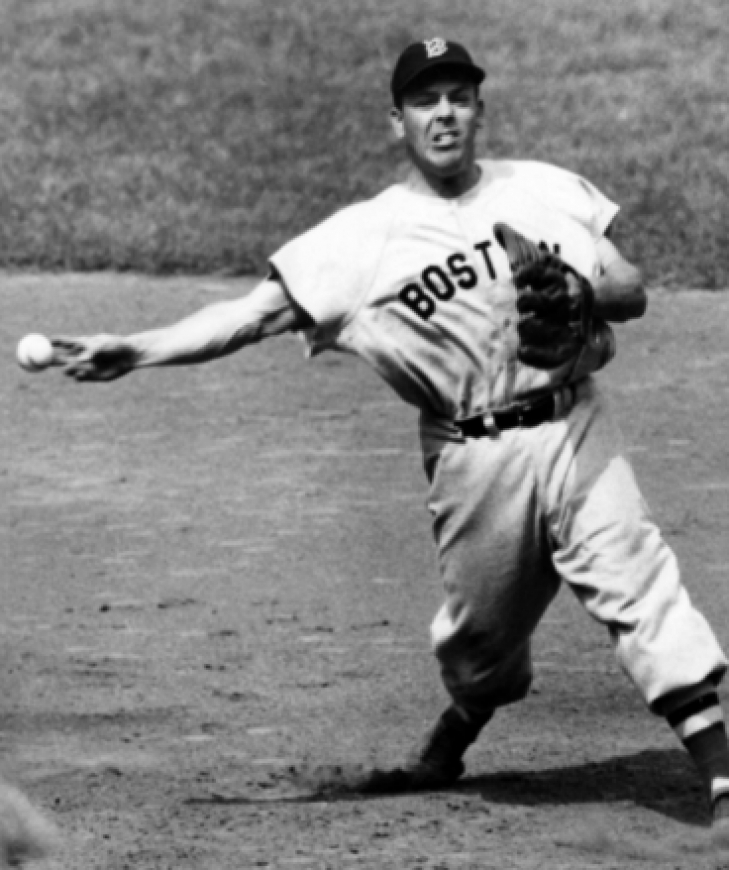
We here at Notinhalloffame.com talk every day about those who should be in their respective Halls of Fame. The hottest sports debate in this context might be in baseball. Vern Stephens might have a Hall of Fame case, but before we go there, we can say without question that he is the greatest player who never made the ballot.
Vern Stephens would debut in 1941 for the St. Louis Browns, where he would secure the starting role at Shortstop for the club in the following season. He would instantly establish himself as one of the best hitting Shortstops in baseball. He would have at least 20 Home Runs each year from 1943-45, and he would win the AL Home Run Title in 1945 and the RBI Title in 1944.
He would later join the Boston Red Sox in 1948, where he was an All-Star each year from 1948 to 1951; he had two 30-home-run seasons and led the AL in RBIs in both 1949 and 1950. He finished his career with the White Sox and Orioles and had 1,859 Hits with 274 Home Runs; great numbers for a Shortstop of his era.
Stephens may have had great seasons in the forgotten Browns and during the MLB-depleted WWII years, but he was still a great player. Again, we have an eight-time All-Star, who was never on the Baseball Hall of Fame ballot. How could this have happened? He would later make a Veteran’s Committee Ballot, but still, he deserved so much better.
135. Cliff Lee
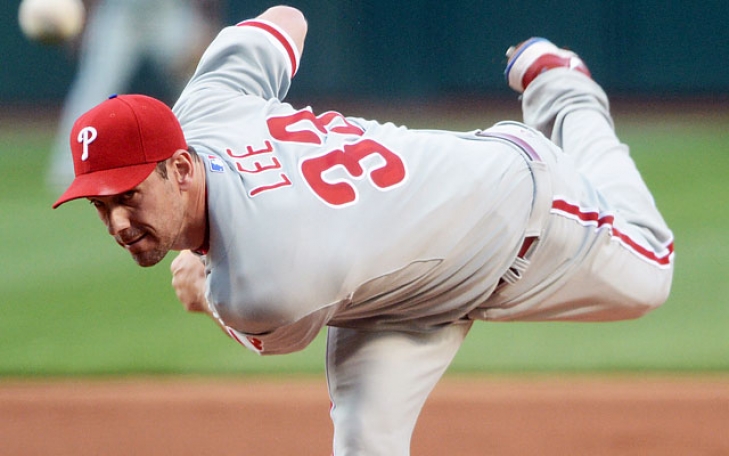
Cliff Lee was known for his methodical pitching style, and it was effective.
Lee’s MLB career began with the Cleveland Indians in 2002, and he was a fixture in their rotation two years later. The southpaw did well and had an 18-5 year in ’05, where he was fifth in Cy Young voting. That was good, and after an injury setback in 2007, Lee was set to have the season of his life.
In 2008, Lee won the Cy Young with a sparkling 22-3 record, and he led the American League in Wins (22), ERA (2.54), and FIP (2.83). He was traded to the Phillies during the 2009 season, and helped them win the National League Pennant, but he was traded again to Seattle in the off-season, only to be traded to Texas a few months later, where he went to the All-Star Game, though that was mostly based on his brief work in Seattle.
Lee returned to the Phillies as a Free Agent, where he had two more All-Star years. He retired in 2014 with a healthy record of 143-91, and 1,824 Strikeouts.