

 Not in Hall of Fame News
Yes, we know that this is taking a while! As many of…
 Not in Hall of Fame News
We are diligently working away at Notinhalloffame on revising our Football lists…
 Not in Hall of Fame News
We are diligently working away at Notinhalloffame on revising our Football lists…
 Not in Hall of Fame News
We are diligently working away at Notinhalloffame on revising our Football lists…
 Not in Hall of Fame News
We are diligently working away at Notinhalloffame on revising our Football lists…
 Not in Hall of Fame News
We are diligently working away at Notinhalloffame on revising our Football lists…
 From the Desk of the Chairman
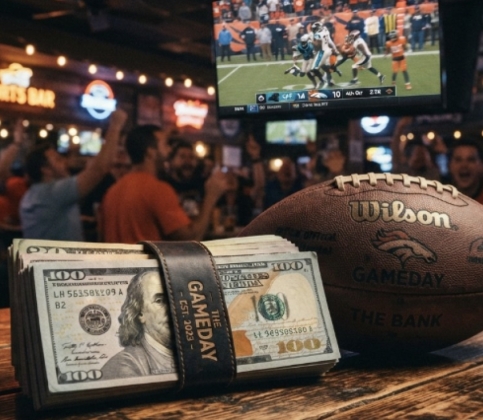
Sports fans thrive on calculating strategy, reading momentum, and maximizing every tactical…
 From the Desk of the Chairman
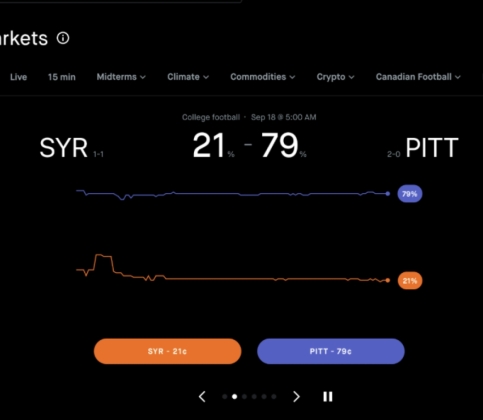
The 2026 NFL season is two weeks old and the division races…
 From the Desk of the Chairman
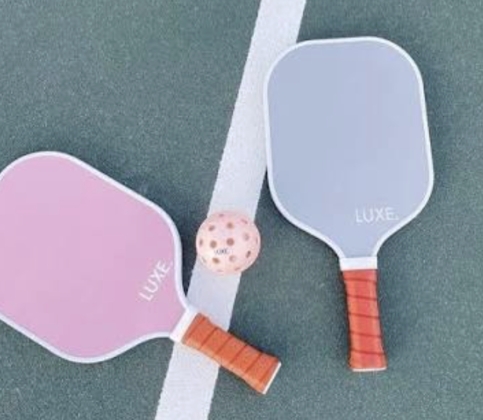
Sports communities are often built around things that have nothing to do…
 From the Desk of the Chairman
Every hall of fame eventually faces the same problem. The selection process…
 From the Desk of the Chairman
Pete Rose died in 2024. On May 13, 2025, Commissioner Rob Manfred…
 From the Desk of the Chairman
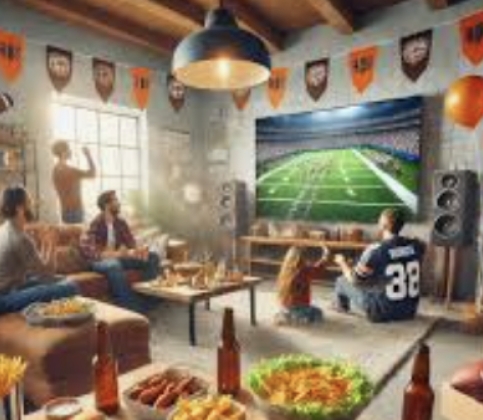
For NFL fans, game day offers much more than three hours of…
100 Active Potential Football Hall of Famers
-
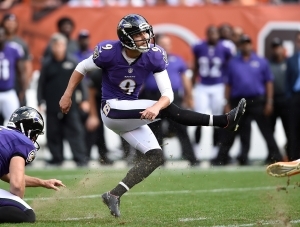 #36 Overall, Justin Tucker: Free Agent, Place Kicker, #1 Kickers & Special Teams2025 Pre-Season Rank #29, 2024 Pre-Season Rank #26, 2023 Pre-Season Rank #22, 2022 Pre-Season Rank #28, 2021 Pre-Season Rank #42, 2020 Pre-Season Rank…
 -
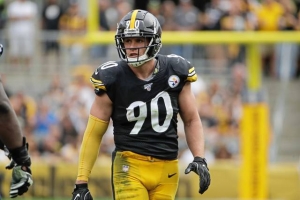 #10 Overall, T.J. Watt, Pittsburgh Steelers, #4 Defensive Lineman/Linebacker Pass Rusher2025 Pre-Season Rank #7, 2024 Pre-Season Rank #11: 2023 Pre-Season Rank #15, 2022 Pre-Season Rank #24, 2021 Pre-Season Rank #68, 2020 Pre-Season Rank…
 -
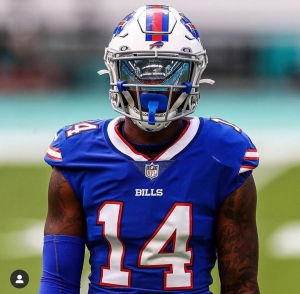 #43 Overall, Stefon Diggs, Washington Commanders, #7 Wide Receiver2025 Pre-Season Rank #40, 2024 Pre-Season Rank #38, 2023 Pre-Season Rank #48, 2022 Pre-Season Rank #57, 2021 Pre-Season Rank #118. Peak Period 2019-23…
 -
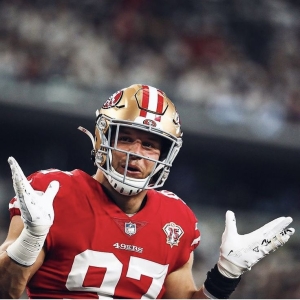 #39 Overall, Nick Bosa, San Francisco 49ers, #12 Defensive End: Defensive Linemen/Linebackers: Pass Rushers2025 Pre-Season Rank #42, 2024 Pre-Season Rank #52, 2023: Pre-Season Rank #83. Peak Period: 2019-23 The explosive Nick Bosa is one of a…
Visit the Fictitious Halls of Fame!

You May Also Like...
EDITOR’S CHOICE
 DDT's Pop Flies
When the veterans committee (VC), officially convening as the Contemporary Baseball Era…

 Live Music Head
Project/Objectan interview with André Cholmondeleyby Live Music HeadOriginally published at timessquare.com on…

LATEST RANKINGS

MOST POPULAR RANKINGS






Committee Chairman
Our All Time Top 50 Baltimore Ravens have been revised to reflect the 2025 Season
Yes, we know that this is taking a while!
As many of you know, we at Notinhalloffame.com are slowly generating the top 50 of each major North American sports team. That being said, we maintain and update our existing Top 50 lists annually. As such, we are delighted to present our post-2024 revision of our top 50 Baltimore Ravens.
As for all of our top 50 players in football, we look at the following:
1. Advanced Statistics.
2. Traditional statistics and how they finished in the National Football League.
3. Playoff accomplishments.
4. Their overall impact on the team and other intangibles that are not reflected in a stat sheet.
Last year, the Ravens went 12-5, made the playoffs, but were bounced in the second round. Despite the season's success and the franchise's relative brevity, there were no new entrants, but multiple elevations in the top 50.
As always, we present our top five, which has seen a change in that ranking.
1. Ray Lewis
2. Ed Reed
3. Jonathan Ogden
4. Terrell Suggs
5. Lamar Jackson
You can find the entire list here.
Jackson moved up to #5 from #6 after another phenomenal season.
Of note, Kicker Justin Tucker, who was waived after the season, was unable to move from #9.
Cornerback Marlon Humphrey climbed to #14 from #21.
Tackle Ronnie Stanley also moved up seven spots. He is now ranked #19.
Linebacker Roquan Smith, who was chosen for his third straight First Team All-American, rocketed from #41 to #27.
Tight End Mark Andrews went to #30 from #32.
Defensive Tackle Nnamdi Madubuike, who went to the Pro Bowl last season, shot to #31 from #43.
We thank you for your continued support of our lists on Notinhalloffame.com.
RIP: Dave Parker
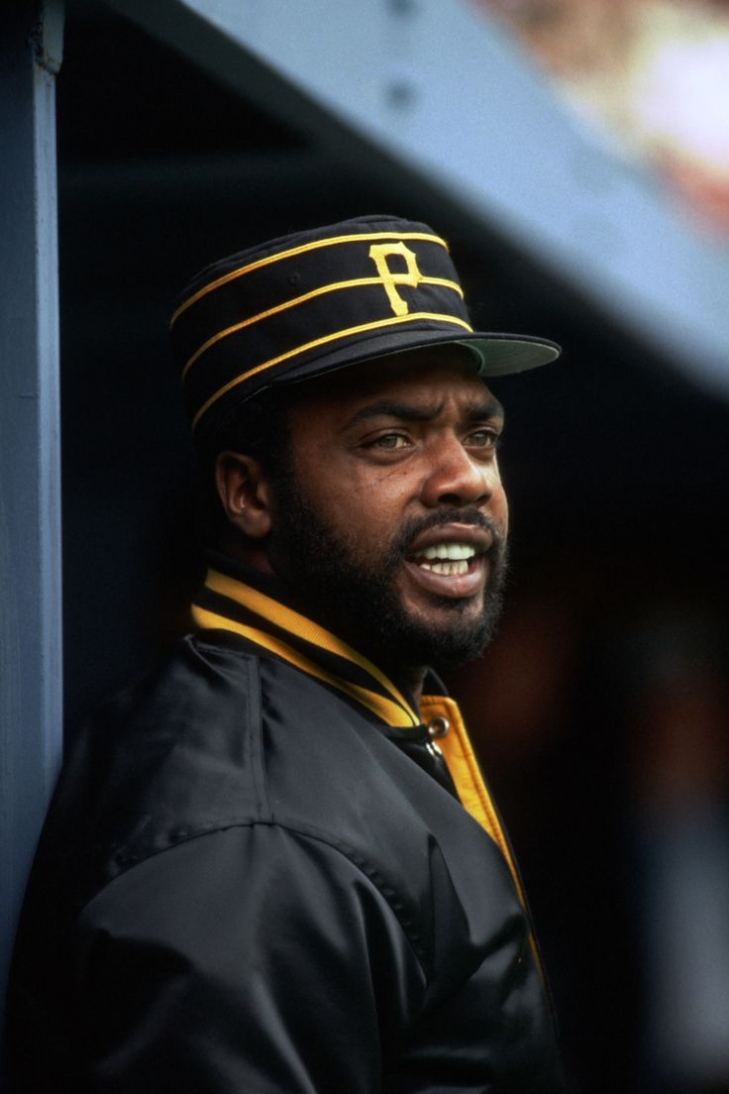
It is a sad day for baseball fans.
“The Cobra,” Dave Parker, passed away at the age of 74. He was scheduled to be inducted into the Baseball Hall of Fame next month on the 27th. His induction will now be posthumous.
Parker debuted for the Pittsburgh Pirates and quickly became one of the top players in the game. A seven-time All-Star, Parker won the National League MVP in 1978 and finished in the top four five times. Parker also won two Batting Titles and propelled the Pirates to win the 1979 World Series.
His cocaine use hampered Parker’s career, as this likely delayed his Hall of Fame induction. Parker was passed over on all fifteen of the Baseball Writers’ ballots, and on three Senior Ballots before he was chosen last December.
We here at Notinhalloffame would like to extend our condolences to the fans, friends, and family of Dave Parker.
The Pro Football Hall of Fame Revisited Project: 1980 Preliminary VOTE
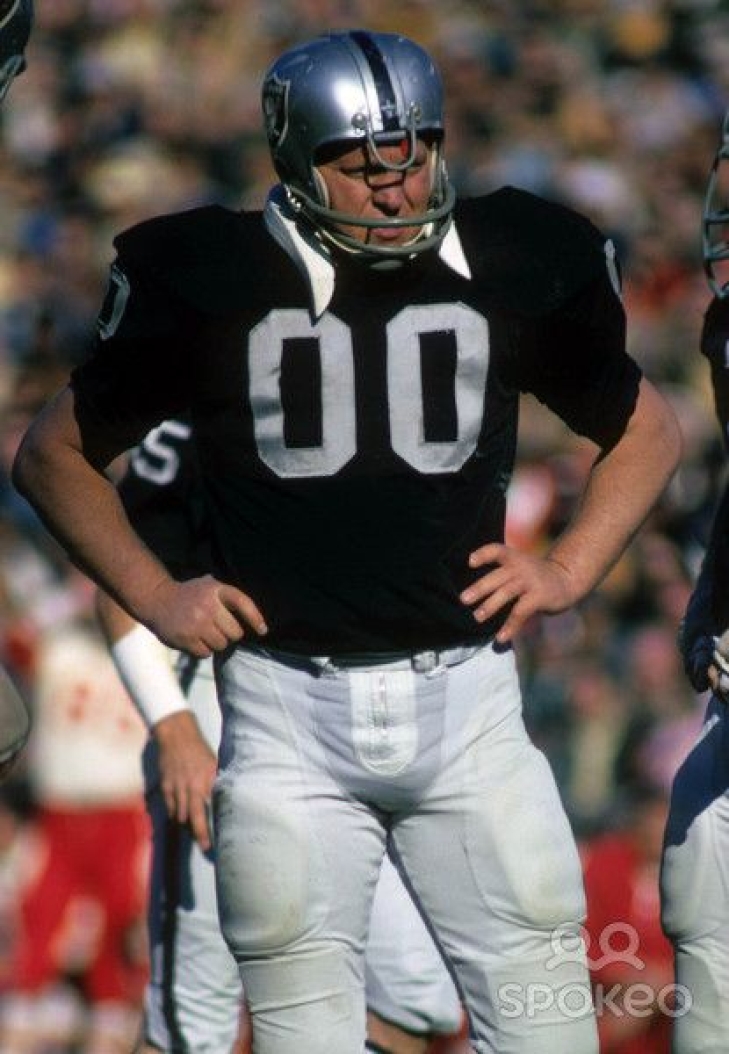
1980 PRELIMINARY RESULTS:
Thank you to all who participated in the Pro Football Hall of Fame Revisited Project. If you are still determining what that is, we acted like the PFHOF had its first class in January 1946.
We have completed the first 34 years thus far.
For “1980,” a Preliminary Vote with close to 100 players whose playing career ended by 1974. We are also following the structure, where players have 20 years of eligibility, and if they do not make it into the Hall, they are relegated to the Senior Pool.
Each voter was asked to select 25 names from the preliminary list, and the top 25 vote-getters were named Semi-Finalists.
A week later, the voters will be asked to select 15 names from the 25 Semi-Finalists, and then choose five from the remaining 15. We will continue this process on a weekly basis until we catch up to the current year.
Please note that a significant change occurred “years ago,” allowing voters to submit less than the allotted spots.
30 Votes took place.
This is for the “Modern Era”
Bold indicates they advanced to the Semi-Finals:
*Indicates they have been removed from future ballots
|
Player |
Year of Eligibility |
Vote Total |
|
Bob Lilly DT-DE |
1 |
27 |
|
Jim Otto C |
1 |
27 |
|
Sonny Jurgensen QB |
1 |
26 |
|
Deacon Jones DE |
1 |
24 |
|
Johnny Robinson DB-FL-HB |
4 |
22 |
|
Billy Howton E-FL |
12 |
21 |
|
Eddie Meador DB |
5 |
21 |
|
Gene Hickerson G |
2 |
21 |
|
Del Shofner E-DB |
8 |
20 |
|
Dick LeBeau DB |
3 |
19 |
|
Bob Brown T |
2 |
19 |
|
Chuck Howley LB |
2 |
19 |
|
Tom Sestak DT |
7 |
17 |
|
Billy Shaw G |
6 |
17 |
|
Dave Robinson LB |
1 |
17 |
|
Jimmy Patton DB |
9 |
16 |
|
Joe Fortunato LB |
9 |
15 |
|
Maxie Baughan LB |
1 |
15 |
|
Dave Wilcox LB |
1 |
15 |
|
Gino Cappelletti FL-SE-DB-WR-PK |
5 |
14 |
|
Jim Tyrer T |
1 |
14 |
|
Gene Lipscomb DT |
13 |
11 |
|
Pete Retzlaff E-HB-TE |
9 |
11 |
|
Abe Woodson DB |
9 |
11 |
|
Dick Schafrath T-G-DE |
4 |
11 |
|
Alan Ameche FB |
15 |
10 |
|
Les Richter LB-C |
13 |
10 |
|
Roger Brown DT |
6 |
10 |
|
Billy Wilson E-FL |
15 |
9 |
|
Daryle Lamonica QB |
1 |
9 |
|
Tank Younger FB-LB-HB |
17 |
8 |
|
Charlie Conerly QB |
14 |
8 |
|
Bucko Kilroy G-MG-T-DT |
20 |
7 |
|
Bobby Boyd DB |
7 |
6 |
|
Ernie Ladd DT |
5 |
6 |
|
Rosey Grier DT-DE |
9 |
5 |
|
Cookie Gilchrist FB |
8 |
5 |
|
Max McGee E |
8 |
5 |
|
Art Powell E |
7 |
5 |
|
Mike Stratton LB |
2 |
5 |
|
Cornell Green LB |
1 |
5 |
|
Jack Kemp QB |
6 |
4 |
|
Dave Grayson DB |
5 |
4 |
|
Butch Byrd DB |
4 |
4 |
|
Gary Collins FL-WR-P |
4 |
4 |
|
Boyd Dowler FL-SE-LB |
4 |
4 |
|
Walt Michaels LB |
12 |
3 |
|
Fuzzy Thurston G |
8 |
3 |
|
Jim Katcavage DE-DT |
7 |
3 |
|
Larry Grantham LB |
3 |
3 |
|
Rich Jackson DE |
3 |
3 |
|
Bob Gain DT-DE-MG-T |
11 |
2 |
|
Fuzzy Thurston G |
8 |
2 |
|
Clem Daniels HB-DB |
7 |
2 |
|
Babe Parilli QB |
6 |
2 |
|
Billy Cannon TE-HB |
5 |
2 |
|
E.J. Holub LB-C |
5 |
2 |
|
Jerry Mays DE-DT |
5 |
2 |
|
Erich Barnes DB |
4 |
2 |
|
Houston Antwine DT |
3 |
2 |
|
George Saimes DB |
3 |
2 |
|
Carroll Dale WR-E |
2 |
2 |
|
Jim Nance RB-FB |
2 |
2 |
|
George Ratterman QB |
19 |
1 |
|
Leon Hart E-FB-DE |
18 |
1 |
|
Harlon Hill E-DB |
13 |
1 |
|
Duane Putnam G |
13 |
1 |
|
Bobby Walston E-HB-K |
13 |
1 |
|
Bill Forester LB-MG-DT |
12 |
1 |
|
Jim Ray Smith G-T |
11 |
1 |
|
Alex Webster HB-FB |
11 |
1 |
|
Dick Modzelewski DT |
9 |
1 |
|
Goose Gonsoulin DB |
8 |
1 |
|
Abner Haynes HB |
8 |
1 |
|
John David Crow HB-TE-FB |
7 |
1 |
|
Ernie Ladd DT |
7 |
1 |
|
Keith Lincoln FB-HB |
7 |
1 |
|
Don Meredith QB |
7 |
1 |
|
Bob Talamini G |
7 |
1 |
|
Ben Davidson DE |
4 |
1 |
|
Tommy Mason HB |
4 |
1 |
|
Lee Roy Caffey LB |
3 |
1 |
|
Matt Snell RB |
3 |
1 |
|
Rosey Taylor DB |
3 |
1 |
|
Bob Vogel T |
3 |
1 |
|
John Brodie QB |
2 |
1 |
|
Bob Jeter DB-WR |
2 |
1 |
|
Dan Conners LB |
1 |
1 |
|
Speedy Duncan DB |
1 |
1 |
|
Lee Rohde T |
1 |
1 |
|
*Marion Campbell DE-DT-MG-G-T |
14 |
0 |
|
Rick Cesares FB |
9 |
0 |
|
Earl Faison DE |
9 |
0 |
|
Tobin Rote QB |
9 |
0 |
|
*Stew Barber T-LB-G |
6 |
0 |
|
*Paul Lowe HB |
6 |
0 |
|
Fred Arbanas TE |
5 |
0 |
|
Ken Gray G-DE |
5 |
0 |
|
Howard Mudd G |
5 |
0 |
|
George Andrie DE |
3 |
0 |
|
Jim Dunaway DT |
3 |
0 |
|
Fred Miller DT |
3 |
0 |
|
Richie Petitbon DB |
3 |
0 |
|
Pat Studstill FL-P |
3 |
0 |
|
Wayne Walker LB |
3 |
0 |
|
Ernie Wright T |
3 |
0 |
|
*Mel Farr RB |
2 |
0 |
|
*Miller Farr DB |
2 |
0 |
|
*Mike Garrett RB-HB |
2 |
0 |
|
*Dave Herman G-T |
2 |
0 |
|
*Charlie Kreuger DT-DE |
2 |
0 |
|
*Greg Larson C-T-G |
2 |
0 |
|
*Mike Lucci LB |
2 |
0 |
|
*Dave Parks SE-TE-WR |
2 |
0 |
|
*Gerry Philbin DE |
2 |
0 |
|
*Myron Pottios LB |
2 |
0 |
|
Grady Alderman T |
1 |
0 |
|
Verlon Biggs DE |
1 |
0 |
|
Bill Bradley DB |
1 |
0 |
|
Bill Brown FB-RB |
1 |
0 |
|
Dave Costa DT |
1 |
0 |
|
Robert James DB |
1 |
0 |
|
Harry Schuh T |
1 |
0` |
|
Ken Willard RB |
1 |
0 |
This is for the “Senior Era”
Bold indicates they advanced to the Semi-Finals:
*Indicates that they will be removed from the ballot permanently.
|
Player |
Year |
Votes |
|
Pat Harder FB |
2 |
14 |
|
Marshall Goldberg FB |
7 |
13 |
|
Whizzer White TB-HB |
14 |
10 |
|
Ward Cuff WB-QB-HB |
7 |
10 |
|
Buckets Goldenberg G-BB |
10 |
9 |
|
Woody Strode E |
6 |
9 |
|
Jack Manders HB-FB |
15 |
8 |
|
Ace Gutkowski FB-TB |
16 |
6 |
|
George Svendesen C |
14 |
5 |
|
Bill Osmanski FB |
8 |
5 |
|
Frankie Albert QB |
3 |
5 |
|
Bruno Banducci G |
1 |
5 |
|
Les Bingaman DG-G-C |
1 |
5 |
|
Charley Brock C-HB-FB |
8 |
3 |
|
George Wilson E |
9 |
2 |
|
Baby Ray T |
7 |
2 |
|
Spec Sanders TB |
5 |
2 |
|
Ray Bray G |
3 |
2 |
|
Frank Cope WB-QB-HB |
8 |
1 |
|
Paul Christman QB |
5 |
1 |
|
Buster Ramsey G |
4 |
1 |
|
*Vic Sears T-DT |
2 |
0 |
Please note that one voted for “None of the Above.”
This is for the “Coaches/Contributors”
Bold indicates they advanced to the Semi-Finals:
*Indicates that they will be removed from the ballot permanently.
|
Name |
Year |
Votes |
|
OWNER: Al Davis |
1 |
23 |
|
COACH: Weeb Ewbank |
4 |
20 |
|
COACH: Hank Stram |
1 |
18 |
|
COACH: George Allen |
1 |
16 |
|
COACH: Greasy Neale |
11 |
13 |
|
OWNER: Dan Reeves |
11 |
7 |
|
EXEC: Arch Ward |
11 |
7 |
|
OWNER: Charles Bidwill |
11 |
6 |
|
OWNER: George Preston Marshall |
11 |
5 |
|
COACH: Jim Lee Howell |
11 |
1 |
|
COMM: Elmer Layden |
11 |
1 |
|
EXEC: Dominic Olejniczak |
6 |
1 |
|
COACH: Lou Saban |
2 |
1 |
|
EXEC: George Halas Jr. |
1 |
1 |
|
OWNER: Carroll Rosenbloom |
1 |
1 |
|
OWNER: Edwin J. Anderson |
11 |
0 |
|
GM/EXEC: Arch Wolfe |
11 |
0 |
|
COACH: Allie Sharman |
9 |
0 |
|
COACH: Blanton Collier |
8 |
0 |
|
*COACH: Nick Skorich |
4 |
0 |
|
*EXEC: Richard Gallagher |
2 |
0 |
Next week, we will announce the Semi-Finalists for the 1980 Pro Football Hall of Fame Revisited Project.
How to Choose the Right Tech for Online Gaming

Online gaming offers more than fun; it’s an all-around experience. However, what happens in your interaction is strongly influenced by the technology you have. If you want to get rewards or just rest, setting up the right environment will help a lot. We will go over some tips to help you find the right gaming technology.
Understand Your Gaming Style
Ask yourself who you are as a gamer before making any technology purchases.
Are you interested in games with lots of action, interesting stories, or easy games you play while traveling? Which programming language you decide on will shape your technology stack.
Kinds of Gaming Styles:
- Casual Gaming – You can play casual games quickly, usually on your mobile device.
- Competitive Gaming– In competitive games, speed responses and powerful equipment are very important.
- Story-based Gaming– Immersive gamers surround the player in the story with great graphics and sound.
- Multiplayer Gaming– Online multiplayer needs both fast internet and steady game hardware.
By choosing what games you like, you can pick the right gear without buying more than you need.
Choose the Right Device
The heart of your setup is your gaming device.
Common Gaming Devices
- Smartphones – For mobile and casual gaming, smartphones are, without a doubt, a strong choice.
- Gaming laptops – Equipped with mighty processors and the ability to be carried around, gaming laptops are definitely portable.
- Desktops – If you need excellent performance, choose a desktop.
- Consoles –If you like to play games only available on consoles or games you control with controllers, a console is just the thing for you.
All offer certain pros and cons. If you’re out on the road a lot, mobile access might work better for you. If you enjoy games with intense graphics, a gaming PC, as a matter of fact, will be a good buy.
Don’t Overlook Accessories and Apps
With good accessories, your chances of winning go up. Good apps can help make shopping even more enjoyable.
Points to Factor in:
- Buy a gaming mouse or controller that can respond quickly.
- Listen using headphones that have surround sound capabilities.
- You may want to try using a laptop cooling pad.
- Use tools that can actually help you to the fullest.
One of the best examples of money-making gaming apps is the daman game app, which offers a range of money-making games, so it is not just about having fun. You can easily play it on your phone, and it provides a reliable place for both fun and prizes.
Focus on Performance Essentials
Device type does not change the fact that performance is key. Problems like sluggish gameplay, blurry pictures, or sudden crashes can lower the fun.
Points to Toy With:
- Processor (CPU) – Slower CPU means the game will appear slower
- Graphics processing unit (GPU) – to handle advanced visuals carefully
- RAM –Multitasking is faster when you have a lot of RAM.
- Storage – SSDs can transfer data much faster.
Buy hardware that is compatible with the games you want to play. Always review the upgrade possibilities before buying a computer.
Finding the right tech can make your gaming experience even better. Your style should be matched by the best device, performance, and app choices you can make. Smart choices, safety first, and use your technology to get the most out of your trip.
