

 Not in Hall of Fame News
Yes, we know that this is taking a while! As many of…
 Not in Hall of Fame News
Yes, we know that this is taking a while! As many of…
 Not in Hall of Fame News
2002 SEMI-FINAL RESULTS: Thank you for your participation in the Pro Football…
 Not in Hall of Fame News
Yes, we know that this is taking a while! As many of…
 Not in Hall of Fame News
We are diligently working away at Notinhalloffame on revising our Football lists…
 Not in Hall of Fame News
We are diligently working away at Notinhalloffame on revising our Football lists…
 From the Desk of the Chairman
October baseball often turns individual pitching performances into lasting postseason memories. Strikeout…
 From the Desk of the Chairman
For decades, the sports debate ran on gut feeling. Barstool arguments, call-in…
 From the Desk of the Chairman
Introduction to Private Adult Tennis Camps in Prague Adult club players increasingly…
 From the Desk of the Chairman
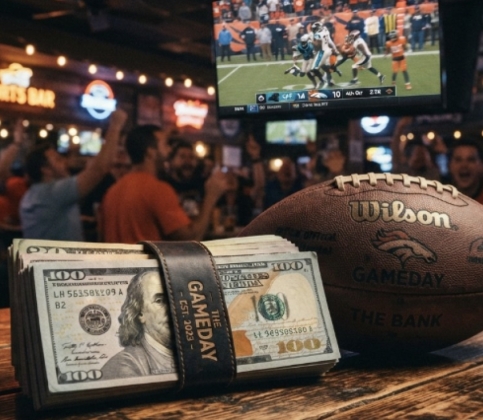
Unlike in the case of pre-match betting, where you have to pick…
 From the Desk of the Chairman
Kupu178 builds trust with people by using top-end end-to-end encryption. It checks…
 From the Desk of the Chairman
Sports fans thrive on calculating strategy, reading momentum, and maximizing every tactical…




100 Active Potential Football Hall of Famers
-
 #21 Overall, Davante Adams, Los Angeles Rams, #2 Wide Receiver2025 Pre-Season Rank #23, 2024 Pre-Season Rank #27, 2023 Pre-Season Rank #24, 2022 Pre-Season Rank #43, 2021 Pre-Season Rank #67, 2020 Pre-Season Rank…
 -
 #26 Overall, George Kittle, San Francisco 49ers, #2 Tight End2025 Pre-Season Rank #34, 2024 Pre-Season Rank #42, 2023 Pre-Season Rank #59, 2022 Pre-Season Rank #74, 2021 Pre-Season Rank #86, 2020 Pre-Season Rank…in Tight Ends
 -
 #12 Overall, Lamar Jackson, Baltimore Ravens, #4 Quarterback2025 Pre-Season Rank #10, 2024 Pre-Season Rank #14, 2023 Pre-Season Rank #30, 2022 Pre-Season Rank #38, 2021 Pre-Season Rank #46, 2020 Pre-Season Rank…in Quarterbacks
 -
 #24 Overall, Budda Baker, Arizona Cardinals, Free Safety, #1 Safety2025 Pre-Season Rank #28, 2024 Pre-Season Rank #43, 2023 Pre-Season Rank #78, 2022 Pre-Season Rank #86, 2021 Pre-Season Rank #113, 2020 Pre-Season Rank…in Safeties
Visit the Fictitious Halls of Fame!
You May Also Like...
EDITOR’S CHOICE

 DDT's Pop Flies
When the veterans committee (VC), officially convening as the Contemporary Baseball Era…



 Live Music Head
Project/Objectan interview with André Cholmondeleyby Live Music HeadOriginally published at timessquare.com on…
LATEST RANKINGS
MOST POPULAR RANKINGS






Committee Chairman
Creative Outlets You Can Visit And Learn From Within Los Angeles

Los Angeles is a vibrant city offering hundreds of services that you probably have never even considered before. It makes it the perfect city for you to unleash your creative side, and try new hobbies.
Learning To Surf
One of the main reasons people visit Los Angeles is to experience the beaches and to ride the waves while surfing. There are several suitable beaches that have businesses who are there to teach you how to surf. Usually, they can provide a board and a wetsuit for you, so you only have to show up with your swimsuit to get started.
Trapeze School Is In Town
If surfing isn’t quite your thing, then consider going for something very different, such as learning a circus trick. Trapezing is becoming more popular as a way to express yourself and learn something new in the city, there is even a trapeze school located at the Santa Monica Pier. They welcome anyone aged 6 and above, regardless of your fitness level.
It’s a great way to get over your fear of heights, and have fun at the same time. Not only are they fun, but they are considered a great workout too.
Writing And Producing Music
Many LA locals, tourists and visitors have long utilized recording the city and state in general to be creative with music. Whether that was for recording a music video in the iconic streets, or going to a recording studio to record some music yourself. Even those that have never written music before or sang anything have come to this great city to try it.
Whether you’re a beginner or a seasoned pro, there are spaces to create, write, produce and practice mixing with no distractions. It offers a great outlet to let loose and be creative, even if it’s just for you. Of course, you can visit with friends to create music together, or go with a more experienced individual to help train you.
There are different places for different uses for music, whether you want to just sing, or focus on instrumentals. There are even studios to help create movie scores, as well as video game soundtracks. There are a wide range of music recording studios in Los Angeles offered by Pirate, with expert equipment at affordable prices. They have rehearsal studios, production studios and even podcast studios if that’s what you’re looking for.
Learning To Ride A Horse
Whilst you may not associate horse riding with Los Angeles, there is actually an equestrian center nestled into the heart of Griffith Park. They offer a wide range of services, from horse shows, riding lessons or even trail rides. There are a few academies on site that you can have a look at if you want to try something different.
Whether you’re into western riding, English riding, dressage or something more unique like jumping classes. There will be options for those who have never ridden before, and options for experienced riders. There are over 55 miles of trails in Griffith Park alone, so you can rent horses by the hour and take in the views.
Getty Center Art Classes And Workshops
You’re probably familiar with the Getty Center, which is one of Los Angele’s most famous museums, but did you know you can actually learn how to create art here? The Getty Center and Getty Villa offer classes and workshops covering a wide range of art styles.
You have classes about drawing, pen and ink work, sculpting and even jewelry making. If you’re into something more unique, then you could take an advanced workshop for gliding, which is an old medieval art style. There will be classes for those of all styles and experience levels, even if you’ve never painted before. So, it’s worth keeping an eye on what they have available and when, in order to book in.
Dancing As An Outlet
LA has long been a place for creatives to come together to express themselves, such as with dancing performances. There are many different dancing studios that offer classes on different dance styles, such as ballet, hip-hop, swing, salsa or even tango, amongst others. The same venues will also offer community performances that people can sign up for.
Cooking Up A Storm
As you will probably be aware of, LA is a multicultural city with a wide range of restaurants that focus on unique cuisines from around the world. As such, you’ll be happy to hear that there are actually quite a few classes focused on these cuisines available for you to look into.
Most of these classes only require a signing up one time fee, with the supplies and utensils provided, headed by an experienced cook. Even if you’ve never cooked before in your life, there will be classes to teach you everything you need to know.
Hits That Once Challenged Norms of Beauty
When you look at the way that society portrays beauty in women, bigger women are rarely the subject of praise. However, some songs decided to go against the grain and celebrate women that were not the typical vision of beauty. We have come up with a list of songs that challenge the beauty norms. These were not just any songs, though. These were hits that had a major impact on the perception of unique ladies!
Music Proves That Men Love Different Women
Before we get into the specific songs that helped to challenge the beauty norms, we have to stop and consider the message that these songs portrayed. Specifically, it showed that men liked to date and be with women that were not the typical beauties shown on magazine covers. Such music is the exact reason why men flock to BBW dating sitesto meet ladies. Although thicker women might not get the feature on GQ, they are still widely loved. BBW have curves, confidence, and attitude. Best of all dating services allow people to meet them quickly and easily from all over the world. Although using websites to meet atypically beautiful women is not something that every man has thought about doing, it’s a fantastic way to encounter new people.
Hits That Reveal Big Women Are Great
Many hits have emerged that celebrate women of different shapes and sizes. The songs below show various reasons why people love to meet and date BBW and other sorts of ladies, too.
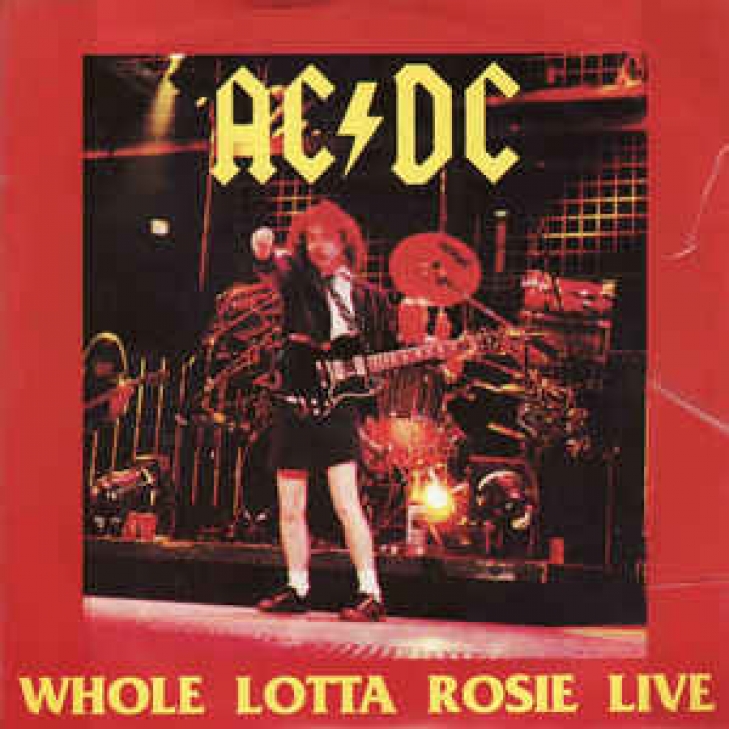
- ‘Whole Lotta Rosie’ by AC/DC
The hard rock band AC/DC is probably the best Australian export in the music world today. They have been around for decades and rocked out to songs like Whole Lotta Rosie. The basis of this song is that the singer met a Tasmanian woman who was very large but also rocked his world for a night. She was a very special woman that is immortalized!
- ‘Baby Got Back’ by Sir Mix-A-Lot
The famous Sir Mix-A-Lot wrote Baby Got Back and completely changed the conversation around women with a a curvy body shape forever. Thick and chubby women were eschewed for buxom thin ladies, but this song helped people realize that there is beauty in the curves of the female body and that it attracts men.
- ‘Fat Bottomed Girls’ by Queen
Freddie Mercury and company knew what they were talking about. This song tells the listener that big beautiful ladies make the whole world go round. These women add flavor and spice to the dating world, and Queen recognized it.
- ‘Big Girl (You Are Beautiful)’ by MIKA
The song by MIKA kind of pokes fun at big women by teasing them about filling up the room like a balloon, but they also insist that big girls are beautiful. This song explores the dichotomy facing big women: they are simultaneously desired and social pariahs.
- ‘Some Girls Are Bigger Than Others’ by The Smiths
This song talks about women in comparison to one another, maybe in a not-so-cute way, but it also shows that people of all sizes are worthy of celebration. The song is unusual for The Smiths, and it could have been a little more positive, but it was still on the right track.
Many songs exist that show how men love big women and ladies who are entirely unique. Although some of these songs are not as flattering as they could be to the women involved, they do help get the message out that these women are worthy of being seen as beautiful and valuable individuals. You don’t have to be someone that fits into a mold!
36. Joey Bosa
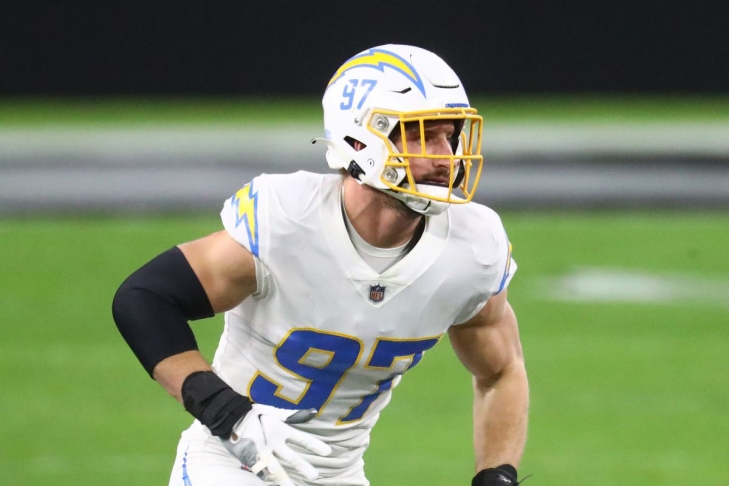
Joey Bosa was a beast at Ohio State, earning two All-American honors, the Nagurski-Woodson Defensive Player of the Year, and winning the National Championship. The Chargers used their Third Overall Pick on the Buckeye, and it proved to be the correct decision.
The Hockey Hall of Fame announces the date of the 2020 Induction
The Hockey Hall of Fame has set a new date to induct the Class of 2020, which had postponed due to COVID-19.
The induction will take place on November 15, which will see Marian Hossa, Jarome Iginla, Kevin Lowe, Doug Wilson, Kim St-Pierre and Ken Holland enter the hallowed halls in Toronto.
Last October, Hall of Fame Chairman, Lanny McDonald announced that there will be no Class of 2021.
